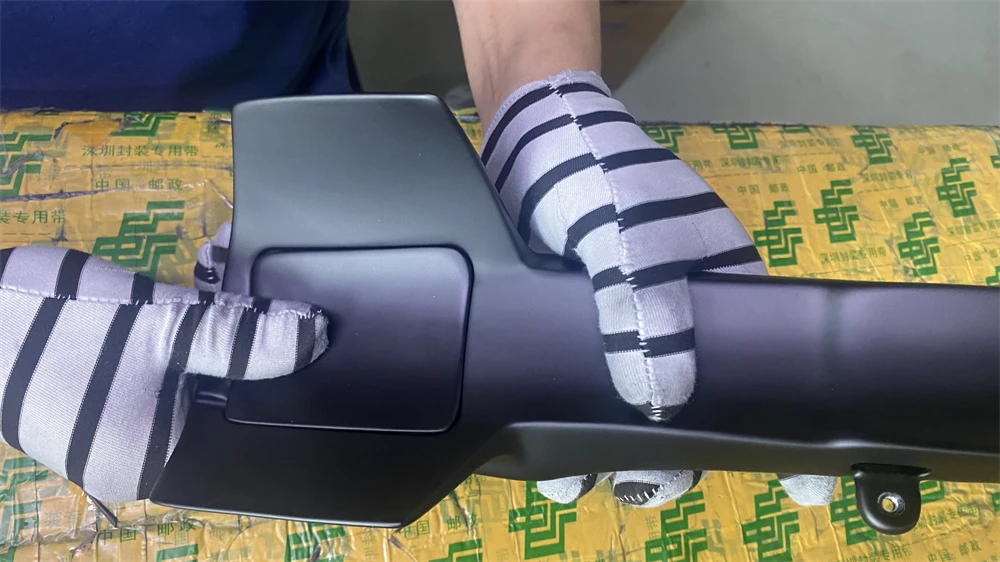
Speed in modern cycling is no longer defined by any single component. Professional riders, frame brands, and performance-driven manufacturers all know that every piece of the system impacts overall efficiency—from tube shapes and wheel profiles to front-end cockpit layouts.
Among these components, the carbon aero bar has emerged as a critical upgrade for aero road bikes, triathlon rigs, and high-performance race platforms. A well-engineered carbon fiber aero bar is far more than just a lightweight handlebar. It is a precision aerodynamic tool that dictates rider posture, airflow management, steering response, and power transfer efficiency.
For bicycle brands, distributors, and importers, selecting the right carbon aero bar supplier requires looking beyond simple unit costs. Factors like carbon fiber grade, layup techniques, torsional stiffness, custom development options, and supply reliability directly dictate final product performance.
A top-tier carbon aero bar manufacturer must offer more than raw factory capacity—they need deep engineering support, carbon material expertise, and proven OEM/ODM co-development capabilities.
This guide explores why aero bars are essential for road race performance, how aero design translates into real-world speed, what manufacturing processes define premium carbon parts, and how brands can secure a dependable production partner.
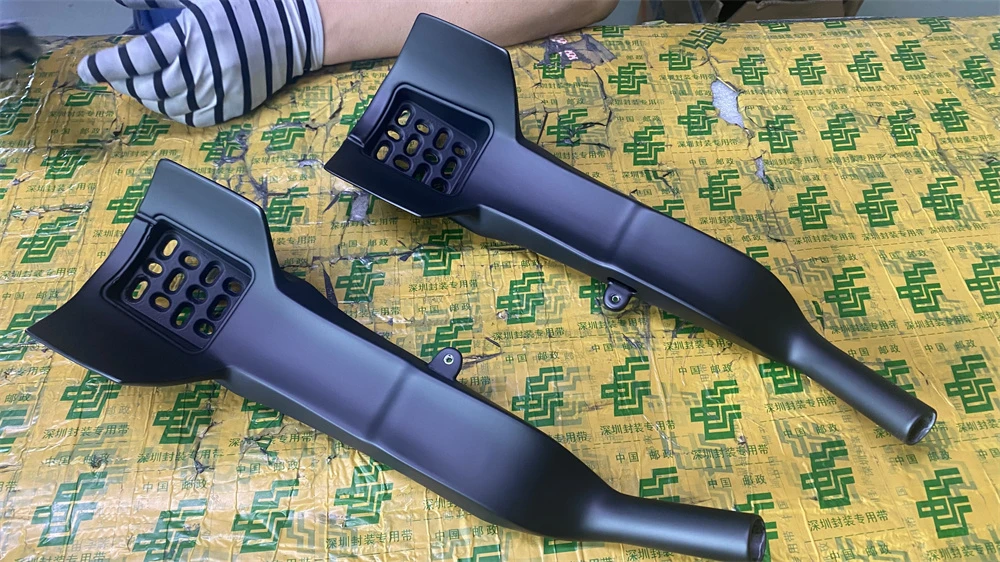
What Is a Carbon Aero Bar and Why Does It Matter for Road Racing?
A carbon aero bar is a performance-oriented handlebar designed to reduce aerodynamic drag while maintaining stiffness, control, and rider comfort.Compared with traditional round aluminum handlebars, modern carbon aero bars use advanced shapes and internal structures to improve airflow around the front of the bicycle.
They are commonly used on:
- Aero road bikes
- Time trial bikes
- Triathlon bikes
- Race-oriented endurance bikes
- Premium custom bicycle builds
The main purpose of an aero bar is to optimize the relationship between the rider and the bicycle. Because the rider creates the majority of aerodynamic resistance, improving the cockpit position can provide meaningful performance advantages, especially at higher speeds. For example, during road races, criteriums, and triathlon events, maintaining an efficient aerodynamic position can help riders reduce unnecessary energy loss over long distances.
How Carbon Aero Bars Improve Aerodynamic Performance
Understanding how carbon aero bars improve aerodynamic performance starts with the relationship between cockpit design, airflow management, and rider positioning. The following section explains how optimized aero bar structures help reduce drag and improve overall racing efficiency.
Reducing Drag Through Optimized Cockpit Design
Aerodynamic efficiency has become a major focus in modern bicycle development. When cycling speed increases, air resistance becomes one of the biggest forces affecting performance. The front area of the bicycle, including the handlebar and rider position, plays an important role in managing airflow.
A high-performance carbon aero bar typically features:
- Wing-shaped profiles
- Flattened aerodynamic surfaces
- Integrated cable routing
- Smooth stem transitions
- Adjustable extensions
These design elements help reduce turbulence and improve airflow around the rider. For manufacturers developing premium bicycles, the cockpit is no longer treated as an independent component. Instead, it becomes part of a complete aerodynamic system together with the frame, fork, wheels, and rider position.
This is why many high-end bicycle brands combine aerodynamic cockpit solutions with advanced carbon road bike frame designs to create complete racing platforms.
The Relationship Between Aero Bars and Rider Position
Aerodynamics is not only about component shape. Rider position is equally important.
A properly designed aero bar helps riders achieve:
- Lower frontal area
- More efficient hand position
- Better upper-body stability
- Improved long-distance comfort
For triathlon and time trial applications, this becomes even more important because athletes maintain an aerodynamic position for extended periods.
A poor cockpit design may reduce comfort and force riders to frequently change position, reducing the potential aerodynamic benefit.
Therefore, professional manufacturers consider: Reach adjustment, Extension angle, Arm support position, Handlebar width, Rider ergonomics during product development.
Carbon Fiber Technology Behind High-Performance Aero Bars
Material technology is one of the key differences between entry-level and premium carbon components.
Carbon fiber provides manufacturers with greater design flexibility compared with traditional aluminum materials.
A properly engineered carbon aero bar can achieve:
- Lower weight
- Higher stiffness
- Better vibration absorption
- More aerodynamic shapes
However, the final performance depends heavily on carbon selection and manufacturing methods.
Carbon Fiber Grades: T700, T800, and T1000
Carbon fiber grades play an important role in determining the performance, weight, durability, and cost of carbon bicycle components.
Different carbon materials offer different mechanical properties, and experienced carbon frame manufacturers usually combine multiple carbon grades to achieve the best balance between strength, stiffness, weight, and production reliability.
Comparison of T700, T800, and T1000 Carbon Fiber
| Carbon Fiber Grade | Main Characteristics | Advantages | Typical Applications |
|---|---|---|---|
| T700 Carbon Fiber | A reliable and cost-effective carbon fiber widely used in bicycle manufacturing | • Excellent strength• Good impact resistance• Reliable durability• Competitive production cost | Performance-level carbon bike frames, forks, handlebars, and general bicycle components |
| T800 Carbon Fiber | Higher stiffness carbon fiber designed for lighter and higher-performance components | • Higher stiffness compared with T700• Lower weight potential• Better balance between strength and performance | Premium road bike frames, racing components, carbon cockpit parts |
| T1000 Carbon Fiber | High modulus carbon fiber developed for maximum performance applications | • Exceptional stiffness• Weight reduction potential• Premium racing characteristics | High-end racing frames, lightweight performance-oriented bicycle components |
Carbon Layup Design: The Core Technology Behind Aero Bar Performance
Many buyers compare carbon aero bars based only on weight, but weight alone does not determine performance.
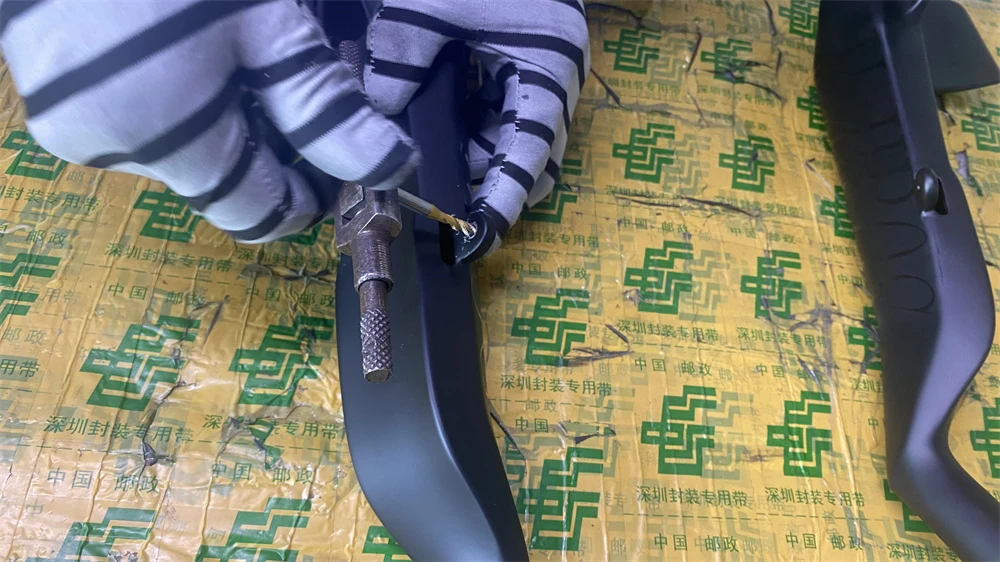
The internal carbon layup structure is one of the most important factors affecting stiffness,strength, durability and ride quality. Carbon engineers carefully control fiber direction, layer thickness,reinforcement areas and resin distribution. Different sections of the aero bar require different structural designs.
For example:
Clamp area
The handlebar clamp area experiences significant stress during sprinting, hard cornering, high-power efforts. Therefore, additional reinforcement is usually required.
Wing section
The aerodynamic surface requires optimized material distribution to maintain shape accuracy while reducing unnecessary weight.
Extension area
For triathlon applications, extension sections require precise stiffness and ergonomic consideration.
A professional carbon aero handlebar supplier understands these structural requirements and develops products based on real riding conditions.
Advanced Carbon Manufacturing Technologies
Producing premium carbon aero bars requires more than carbon materials. Manufacturing precision directly affects product consistency.
Professional carbon factories typically use:
- Pre-preg carbon fiber technology
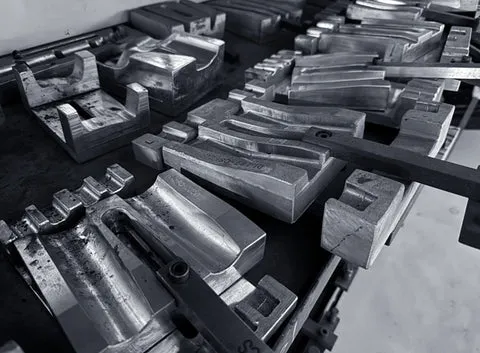
- Precision molds
- Controlled curing processes
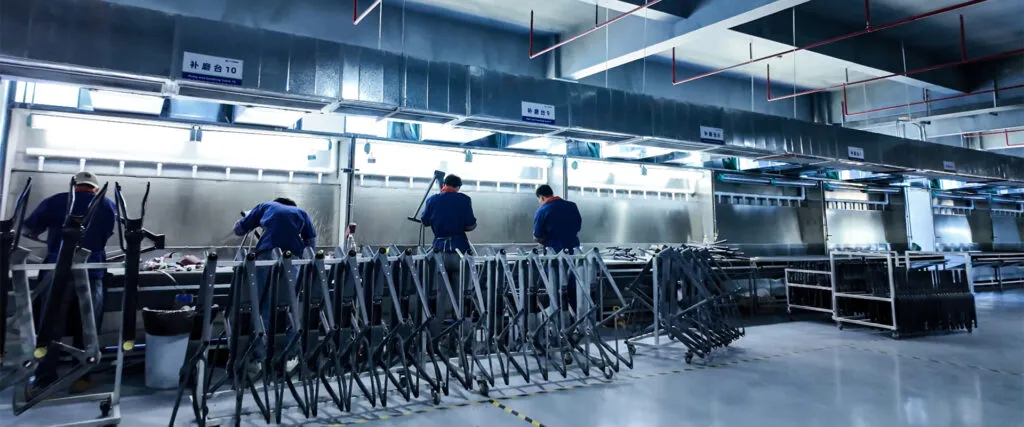
- Surface finishing systems
- Quality inspection procedures
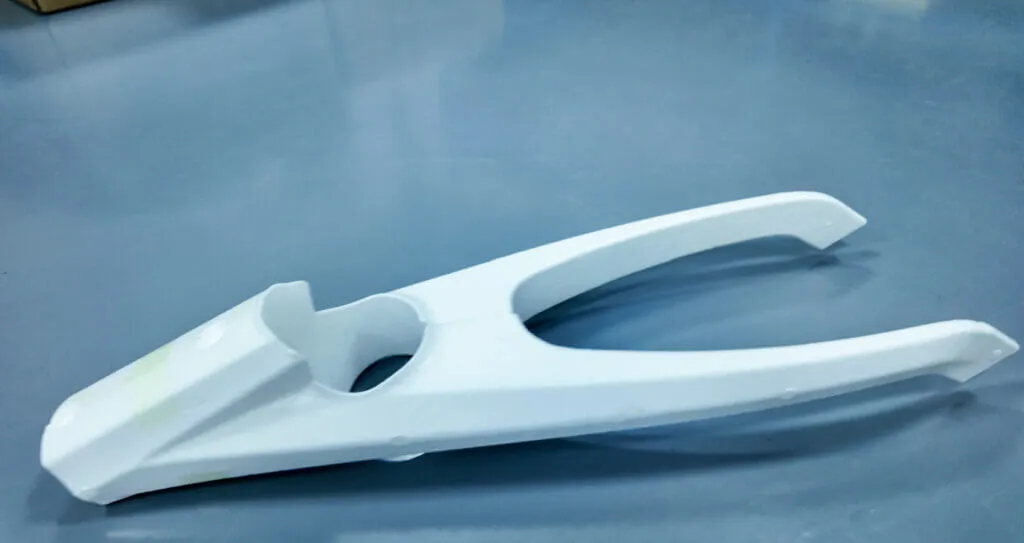
EPS Molding Technology for Premium Carbon Components
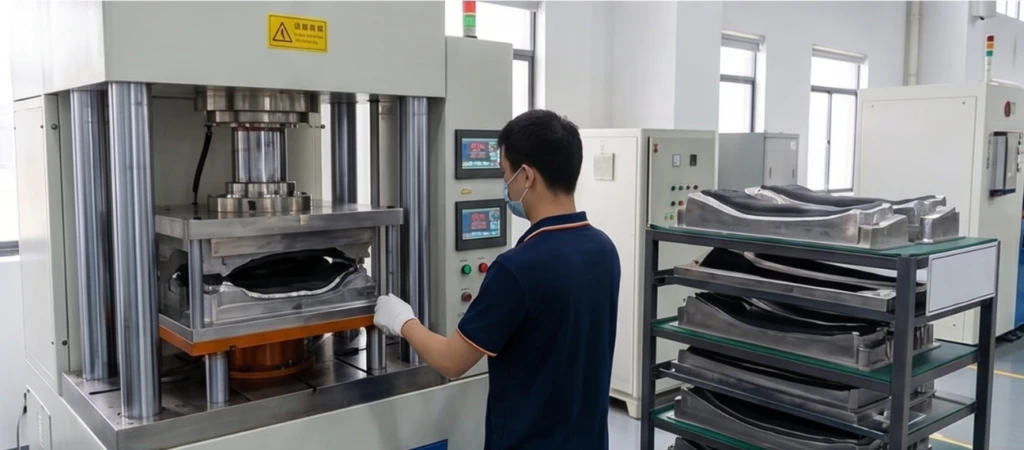
EPS molding technology has become an important manufacturing method for high-end carbon bicycle components.
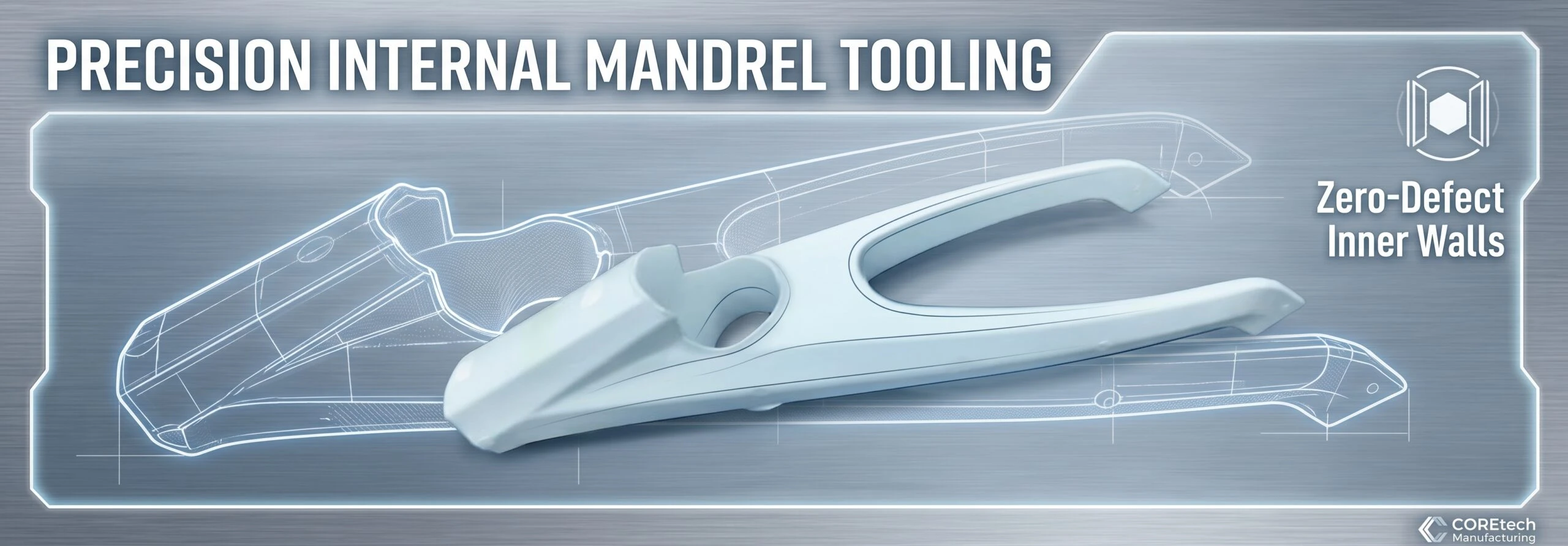
Compared with traditional molding methods, EPS technology helps manufacturers achieve better internal surface quality, more accurate carbon compression, improved consistency and reduced internal defects. This technology is widely used for premium carbon frames and components where structural reliability is critical.
For brands developing complete carbon bicycles, advanced molding technology helps ensure consistency across products such as:
- Carbon road bike frames
- Carbon MTB frames
- Carbon gravel frames
- Carbon forks
- Carbon handlebars
Carbon Aero Bar Applications Across Different Cycling Markets
Carbon aero bars are no longer limited to professional racing bikes. With the growth of performance cycling, lightweight components, and aerodynamic bicycle design, carbon cockpit systems have become increasingly important across different market segments.
For bicycle brands and distributors, understanding application differences is essential when selecting the right product specifications and manufacturing partner. A suitable carbon aero bar design should match the riding purpose, bicycle geometry, and target customer group.
Aero Road Bikes: Improving Speed and Race Performance
Aero road bikes represent one of the most common applications for carbon aero bars.
Modern aero road bicycles are designed around reducing aerodynamic drag across the entire bike system, including:
- Frame tube profiles
- Front fork design
- Wheel integration
- Cable routing
- Cockpit configuration
A lightweight carbon aero bar helps complete this aerodynamic package by improving airflow management at the front of the bicycle.
For brands developing premium road racing platforms, the cockpit is often an important selling point because customers associate integrated carbon components with:
- Professional racing technology
- Premium appearance
- Higher performance positioning
Many manufacturers combine carbon aero handlebars with advanced carbon road bike frames to create complete aerodynamic road bike solutions.
For example, a racing-oriented product line may focus on:
- Aggressive riding position
- Maximum stiffness
- Lightweight construction
- Integrated cable routing
while endurance road models may prioritize:
- Comfort
- Vibration reduction
- Long-distance stability
The right carbon aero bar solution depends on the overall bicycle concept.
Triathlon and Time Trial Applications
Triathlon and time trial bikes have some of the highest aerodynamic requirements in cycling.
Unlike road racing, where riders frequently change positions, triathletes often maintain an aero position for extended periods.
Therefore, cockpit design becomes even more important.
A professional carbon triathlon handlebar supplier should understand several key requirements:
- Adjustable extensions
- Arm pad positioning
- Aerodynamic efficiency
- Rider comfort
- Competition compatibility
High-quality triathlon handlebars usually focus on balancing:
Aerodynamic performance
The goal is to reduce frontal drag while maintaining control.
Ergonomic adjustment
Different riders have different body proportions, flexibility, and riding styles.
Adjustable components allow riders to optimize:
- Reach
- Stack height
- Extension angle
- Arm position
Structural reliability
Because triathlon riders produce sustained power output, the handlebar system must maintain stiffness and durability during long-distance events.
For brands developing premium triathlon products, working with an experienced manufacturer is essential because cockpit design directly influences rider experience.
Gravel and Adventure Performance Applications
Although gravel cycling is traditionally associated with comfort and versatility, premium gravel bikes increasingly use advanced carbon components.
Modern gravel riders often look for:
- Lower weight
- Better vibration control
- Improved handling
- Premium component integration
A carbon cockpit can complement modern gravel frame designs by improving overall ride quality.
Compared with traditional aluminum handlebars, carbon versions can provide:
- Better vibration damping
- More refined ride feeling
- Lightweight advantages
For brands developing high-end gravel platforms, carbon components help create stronger product differentiation in a competitive market.
Mountain Bike and Performance Component Integration
Although aero bars are mainly associated with road and triathlon applications, carbon manufacturing technology is also widely used in mountain bike components.
The same carbon engineering principles apply to:
- Weight optimization
- Fiber orientation
- Structural reinforcement
- Durability testing
Experienced carbon manufacturers often produce multiple categories, including:
- Carbon MTB frames
- Carbon handlebars
- Carbon forks
- Carbon seatposts
This broader manufacturing experience allows suppliers to better understand carbon behavior across different riding conditions.
OEM and ODM Manufacturing Solutions for Carbon Aero Bars
For bicycle brands, choosing the right manufacturing model is one of the most important decisions during product development.Different companies have different requirements depending on their market position, budget, and product strategy. A professional carbon aero bar OEM manufacturer should provide flexible solutions ranging from custom development to private-label production.
OEM Carbon Aero Bar Development for Bicycle Brands
OEM manufacturing allows brands to create products under their own specifications and branding.
A complete OEM process may include:
Product Concept Development
The manufacturer works with the customer to define:
- Target performance level
- Weight requirements
- Market positioning
- Price range
- Product features
For example, a premium racing brand may request:
- T800/T1000 carbon construction
- Integrated cockpit design
- Custom geometry
- Exclusive appearance
Engineering and Prototype Development
After product requirements are confirmed, engineers develop:
- CAD drawings
- Carbon layup structures
- Mold designs
- Prototype samples
During this stage, technical communication between the brand and factory is critical.
A capable supplier can provide recommendations regarding:
- Material selection
- Structural design
- Manufacturing feasibility
This helps reduce development risks before mass production.
Custom Branding and Private Label Production
Many cycling companies want products that represent their own identity.
OEM customization options may include:
- Logo application
- Custom paint
- Surface finish
- Packaging
- Product specifications
This allows brands to build unique product lines instead of competing only through pricing.
A reliable carbon aero bar ODM factory can also help companies enter the market faster by using existing product platforms with customized branding.
ODM Solutions for Faster Market Development
ODM manufacturing is suitable for businesses that need faster product launches.
Instead of developing a completely new product, customers can select existing designs and customize specific elements.
Advantages include:
- Reduced development time
- Lower tooling investment
- Faster market entry
- Proven manufacturing solutions
ODM cooperation is commonly used by:
- Emerging bicycle brands
- Online cycling retailers
- Regional distributors
- Private-label businesses
A professional ODM supplier should still provide engineering support and quality assurance rather than simply offering finished products.
How Professional Carbon Aero Bar Suppliers Support Different Buyers
A strong manufacturing partner should understand the needs of different customer groups.
Working With Bicycle Brands
Bicycle brands usually need:
- Product differentiation
- Technical support
- Custom solutions
- Stable production
A complete supplier relationship may include multiple product categories:
- Carbon aero bars
- Carbon road bike frames
- MTB frames
- Gravel frames
- Carbon forks
- Carbon accessories
Companies looking for complete development support can benefit from working with manufacturers experienced in carbon bicycle production.
(Internal link opportunity: Who We Work With)
Working With Bike Shops and Retailers
Retail businesses usually focus on:
- Competitive wholesale pricing
- Product availability
- Customer support
- Reliable quality
A factory-direct relationship can help retailers improve margins by reducing unnecessary supply chain costs.
A professional carbon aero bar wholesale supplier should provide:
- Clear MOQ information
- Stable inventory planning
- Product documentation
- Consistent quality
Working With Importers and Distributors
Importers often manage larger supply chains and require predictable cooperation.
Important supplier capabilities include:
- Export experience
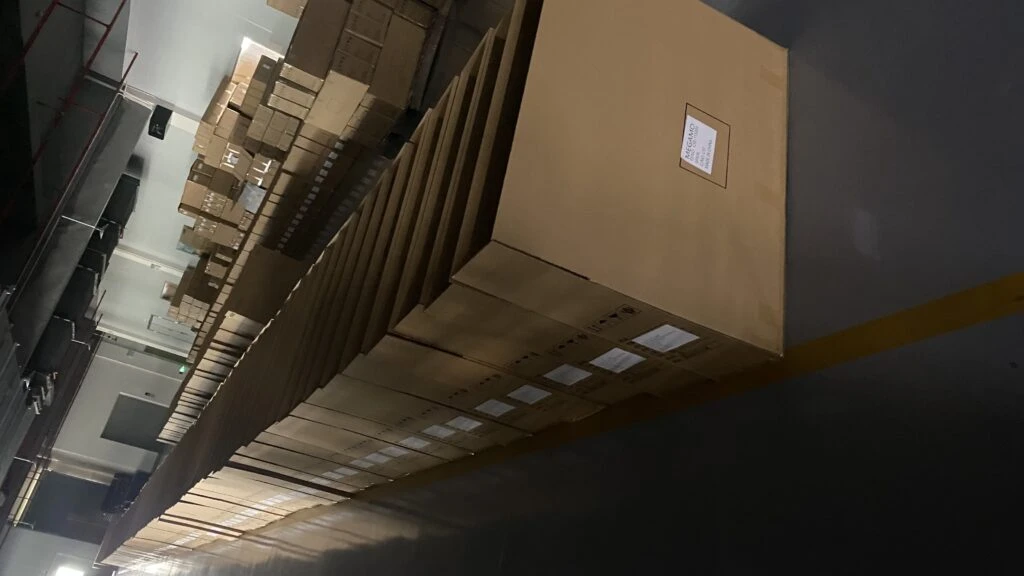
- Production capacity
- Quality consistency
- Delivery management
A long-term distributor partnership depends on more than product pricing.
Reliable communication and manufacturing stability are equally important.
How to Evaluate a Reliable Carbon Aero Bar Manufacturer
Selecting a supplier requires a structured evaluation process. A professional buyer should consider several key factors.
1. Manufacturing Experience and Carbon Expertise
Carbon fiber production requires specialized knowledge.
A qualified supplier should understand:
- Carbon material selection
- Layup engineering
- Mold development
- Manufacturing control
- Performance testing
Experience matters because carbon components cannot be evaluated only by appearance.
Two products may look similar externally but have completely different internal structures.
2. Quality Control System
A reliable carbon aero bar production factory should have clear quality control procedures throughout the manufacturing process.
Important quality checkpoints include:
Raw Material Inspection
Checking:
- Carbon fiber quality
- Resin condition
- Material specifications
Production Monitoring
Controlling:
- Temperature
- Pressure
- Molding conditions
- Carbon placement
Final Inspection
Evaluating:
- Weight tolerance
- Surface quality
- Dimensions
- Structural performance
For high-performance components, quality consistency is essential because brands need every production batch to meet customer expectations.
3. Weight, Stiffness, and Performance Balance
Many buyers initially focus on weight, but professional manufacturers evaluate the complete performance balance.
A premium carbon aero bar needs:
- Lightweight construction
- High stiffness
- Long-term durability
- Reliable safety margin
The goal is not simply creating the lightest product but developing the best stiffness-to-weight ratio.
This is especially important for:
- Racing cyclists
- Triathlon athletes
- Premium bicycle brands
4. Customization Capability
A supplier’s customization ability reflects its engineering strength.
Important capabilities include:
- New mold development
- Geometry adjustment
- Carbon layup modification
- Surface customization
- Brand integration
For companies building unique products, customization capability can become a major competitive advantage.
5 Common Mistakes When Choosing a Carbon Aero Bar Supplier
When sourcing carbon aero bars from overseas manufacturers, many buyers focus mainly on price and product specifications. However, choosing the right supplier requires a deeper understanding of manufacturing capability, engineering support, quality control, and long-term cooperation potential.
The following are five common mistakes that bicycle brands, distributors, and importers should avoid.
| Mistake | Common Buyer Decision | Potential Problems | What Professional Buyers Should Consider |
|---|---|---|---|
| Mistake 1: Choosing a Supplier Only Based on the Lowest Price | Selecting the cheapest quotation without evaluating manufacturing capability | Weight inconsistency, lower stiffness, surface defects, higher warranty risks | Balance cost with performance, reliability, and long-term supplier value |
| Mistake 2: Ignoring Carbon Manufacturing Technology | Comparing products only by carbon grade or specifications | Poor structural performance, inconsistent quality, insufficient durability | Evaluate carbon layup, molding process, resin system, and QC procedures |
| Mistake 3: Working With Suppliers Without Engineering Support | Treating suppliers as simple production vendors | Development mistakes, higher modification costs, production limitations | Choose manufacturers with engineering experience and technical communication ability |
| Mistake 4: Overlooking Production Capacity and Delivery Reliability | Focusing only on product price and samples | Delayed launches, inventory problems, damaged dealer relationships | Confirm production capacity, lead time management, and export experience |
| Mistake 5: Selecting a Supplier Without Considering Long-Term Cooperation | Looking for one-time low-cost transactions | Repeated communication problems and lack of product improvement | Build partnerships with suppliers who support continuous development |
Mistake 1: Choosing a Supplier Only Based on the Lowest Price
Price is always an important factor in B2B purchasing, but the lowest quotation does not always represent the best value.
Carbon fiber manufacturing costs are influenced by multiple factors, including:
| Cost Factor | Why It Matters |
|---|---|
| Carbon material grade | Higher-grade carbon fibers can improve strength-to-weight performance |
| Manufacturing technology | Advanced molding processes improve consistency and structural performance |
| Mold quality | Precision molds affect product accuracy and repeatability |
| Production control | Strict process management reduces defects during mass production |
| Labor expertise | Experienced technicians improve manufacturing reliability |
| Testing procedures | Proper testing helps ensure product safety and durability |
A supplier offering an extremely low price may reduce costs through:
- Lower-grade carbon materials
- Simplified production processes
- Limited inspection procedures
- Less experienced manufacturing teams
For premium cycling products, these compromises may create issues such as:
- Weight variation between batches
- Reduced stiffness performance
- Surface finishing problems
- Increased warranty risks
A professional carbon aero bar supplier should provide transparent information about:
- Material selection
- Manufacturing process
- Quality inspection
- Product testing
The goal is not simply finding the lowest price, but finding the best balance between:
Cost + Performance + Reliability + Long-term cooperation value
Mistake 2: Ignoring Carbon Manufacturing Technology
Many buyers compare carbon components based only on specifications listed in product catalogs.
However, carbon performance depends heavily on manufacturing details.
| Manufacturing Factor | Impact on Product Performance |
|---|---|
| Carbon fiber type | Determines basic strength and stiffness characteristics |
| Carbon layup structure | Controls load distribution and riding performance |
| Molding process | Influences product consistency and structural integrity |
| Resin system | Affects bonding strength and durability |
| Quality control | Ensures stable production quality |
For example, two aero bars may both claim to use T800 carbon, but their performance can be significantly different depending on:
- Number of carbon layers
- Reinforcement locations
- Fiber orientation
- Molding precision
Experienced manufacturers understand that carbon engineering is not simply about using higher-grade materials.
The key is designing the correct carbon structure for the specific application.
Mistake 3: Working With Suppliers Without Engineering Support
A manufacturing partner should provide more than just a quotation.
During product development, brands often require technical support regarding:
| Engineering Support | Purpose |
|---|---|
| Carbon structure design | Optimize strength and weight balance |
| Weight target analysis | Achieve performance goals |
| Product compatibility | Ensure integration with bicycle systems |
| Manufacturing feasibility | Avoid production problems before tooling |
A supplier with engineering capability can help customers avoid costly mistakes before mass production.
For example, when developing a custom carbon aero cockpit, engineers need to consider:
- Rider position
- Stem compatibility
- Internal cable routing
- Handlebar stiffness
- Manufacturing limitations
This technical collaboration is especially valuable for bicycle brands developing new product platforms.
Mistake 4: Overlooking Production Capacity and Delivery Reliability
For B2B customers, production delays can directly affect business operations.
Potential impacts include:
| Problem | Business Impact |
|---|---|
| Late production | Delayed product launches |
| Unstable supply | Inventory planning difficulties |
| Quality issues | Dealer and customer complaints |
| Poor communication | Reduced business efficiency |
A reliable carbon component manufacturer should have:
- Stable production capacity
- Clear production schedules
- Effective quality control systems
- International export experience
A professional factory-direct supplier should be able to support both:
| Project Type | Supplier Capability |
|---|---|
| Sample development | Prototype production and engineering support |
| Small batch orders | Flexible production solutions |
| Large-scale orders | Stable mass production capacity |
Mistake 5: Selecting a Supplier Without Considering Long-Term Cooperation
Successful cycling brands rarely build their business through one-time purchases.
A strong manufacturing partnership creates long-term advantages:
| Long-Term Benefit | Value for Brands |
|---|---|
| Better product understanding | Faster communication and fewer mistakes |
| Technical cooperation | Continuous product improvement |
| Stable supply relationship | More predictable business planning |
| Development support | Faster introduction of new products |
A reliable supplier becomes more than a manufacturer.
They become an extension of the brand’s product development team, helping customers improve products, reduce risks, and build stronger market competitiveness.
Final Recommendation for Bicycle Brands and Distributors
Choosing a carbon aero bar supplier is not only about finding a factory with competitive pricing.
The right partner should combine:
- Advanced carbon manufacturing technology
- Strong engineering capability
- Reliable quality control
- Stable production capacity
- Long-term cooperation mindset
By evaluating suppliers from these perspectives, brands and distributors can reduce production risks and create higher-value cycling products for their customers.
Why Choose HaideliBikes as Your Carbon Aero Bar Manufacturing Partner?
Choosing a carbon component supplier means choosing a manufacturing capability, not only a product.
HaideliBikes specializes in carbon fiber bicycle component manufacturing, supporting global cycling businesses with OEM and ODM solutions.
With more than ten years of carbon manufacturing experience, HaideliBikes provides solutions for:
- Carbon aero bars
- Carbon handlebars
- Carbon forks
- Road bike frames
- MTB frames
- Gravel frames
- Custom carbon bicycle components
The company combines carbon material expertise, manufacturing technology, and product development experience to help brands create competitive cycling products.
Complete OEM and ODM Carbon Bicycle Development Support
HaideliBikes provides complete OEM and ODM development services, supporting customers from initial product concepts and engineering design to prototype validation and mass production. With years of carbon fiber manufacturing experience, we help bicycle brands transform ideas into reliable, market-ready products with customized solutions for geometry, materials, performance targets, and finishing options.
Complete Carbon Product Ecosystem
Working with an experienced carbon bicycle manufacturer allows brands to simplify sourcing and build a more efficient supply chain. HaideliBikes offers a wide range of carbon products, including frames, forks, handlebars, aero components, and other carbon bicycle parts, enabling customers to develop complete product lines with consistent quality, communication, and manufacturing standards from one trusted partner.
Carbon Aero Bar Supplier FAQ
1.What makes a good carbon aero bar supplier?
A reliable carbon aero bar supplier should have:
- Carbon fiber manufacturing experience
- Advanced production technology
- Quality control systems
- OEM/ODM capability
- Stable delivery performance
The best suppliers combine manufacturing expertise with engineering support.
2.What carbon fiber is commonly used for aero bars?
High-performance carbon aero bars commonly use:
- T700 carbon fiber
- T800 carbon fiber
- T1000 carbon fiber
Different materials provide different balances between:
- Weight
- Stiffness
- Durability
- Cost
Professional manufacturers select carbon materials based on product requirements rather than using one material for every application.
3.How much does a carbon aero bar usually weigh?
The weight depends on:
- Design structure
- Carbon grade
- Size
- Integration level
Performance carbon aero bars are usually engineered to achieve an optimized balance between lightweight construction and structural reliability.
The lightest product is not always the best choice. Racing components must maintain sufficient stiffness and safety.
4.Can a manufacturer customize carbon aero bars with my own brand?
Yes.
Professional OEM manufacturers can provide customization services including:
- Logo branding
- Custom paint
- Surface finishing
- Product specifications
- Exclusive designs
Custom development allows brands to create unique products instead of competing only through price.
5.What is the MOQ for OEM carbon aero bars?
MOQ depends on:
- Product design
- Customization requirements
- Mold investment
- Production process
Standard models usually have lower MOQs, while fully customized products may require additional development investment.
A professional supplier should provide flexible solutions based on the customer’s business model.
6.How long does carbon aero bar production take?
Production time depends on:
- Product model
- Sample approval process
- Custom requirements
- Order quantity
A typical process includes:
- Design confirmation
- Prototype development
- Sample testing
- Production scheduling
- Quality inspection
- Shipment preparation
Experienced suppliers help customers manage timelines more efficiently.
Final Conclusion: Choosing the Right Carbon Aero Bar Partner
Carbon aero bars have become an important performance component in modern road racing, triathlon, and premium cycling markets.
Their value comes from more than lightweight construction. A properly engineered carbon aero bar improves aerodynamic efficiency, rider positioning, stiffness performance, and overall bicycle integration.
For brands, importers, and distributors, selecting the right manufacturing partner is a key step toward building competitive products.
The best supplier is not simply the one offering the lowest price. It is the partner that provides:
- Advanced carbon technology
- Reliable production quality
- OEM and ODM flexibility
- Engineering support
- Long-term cooperation capability
HaideliBikes works with global cycling companies to develop carbon bicycle components and complete carbon solutions, helping brands transform product ideas into market-ready performance bicycles.
Whether you are developing a new aero road platform, expanding a triathlon product line, or creating a private-label carbon component range, an experienced carbon manufacturing partner can provide the technical foundation needed for success.
Contact HaideliBikes to discuss your next carbon aero bar, carbon frame, or OEM bicycle component project.