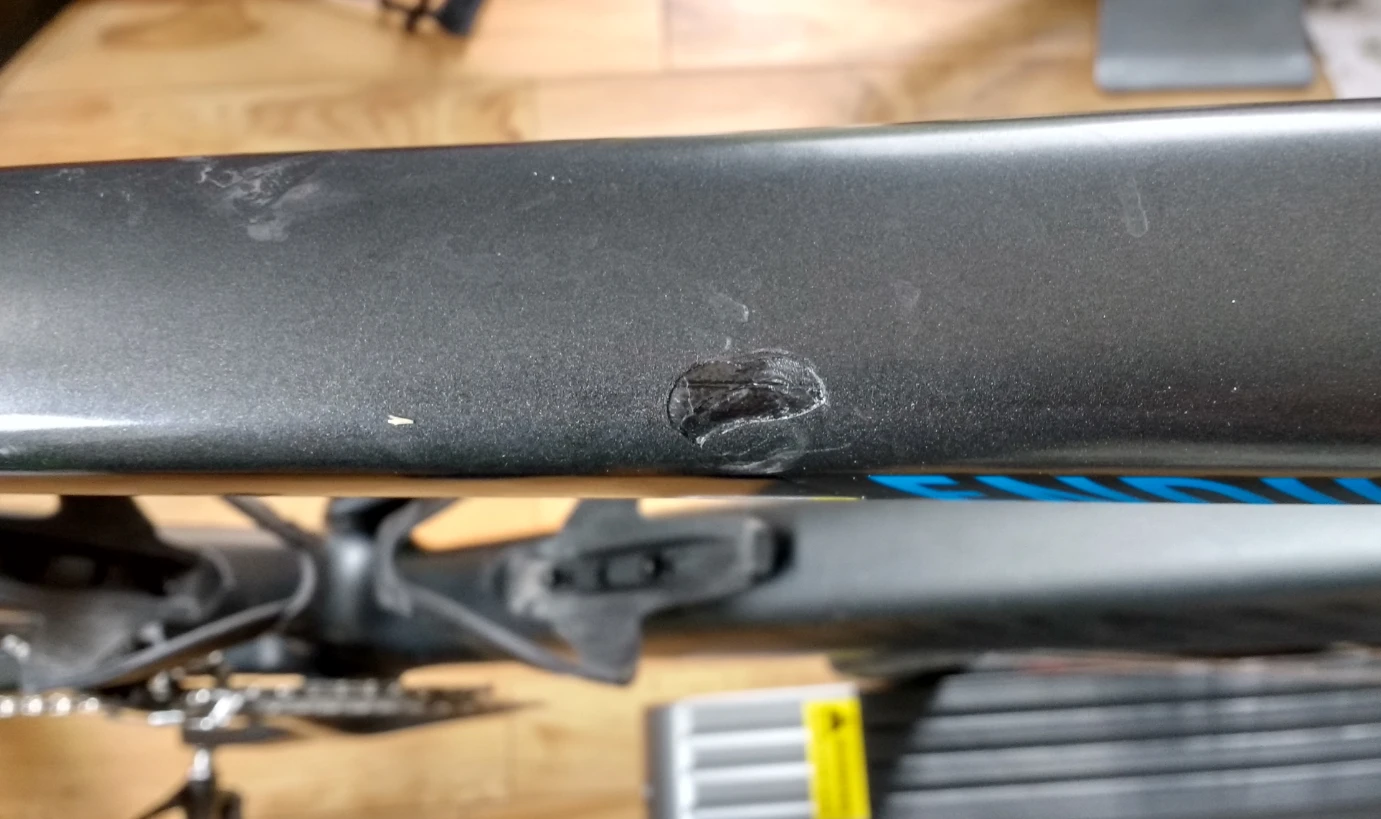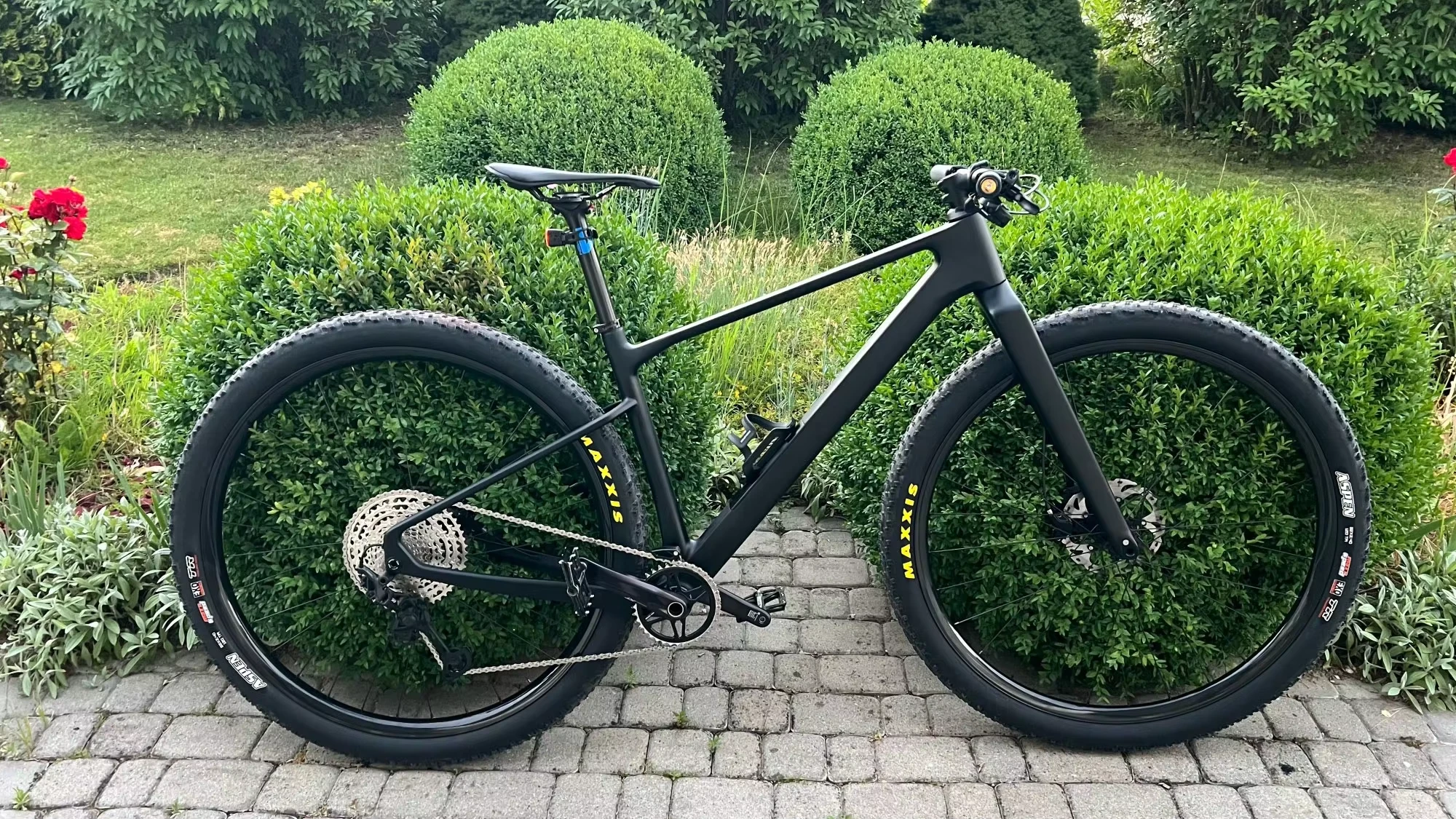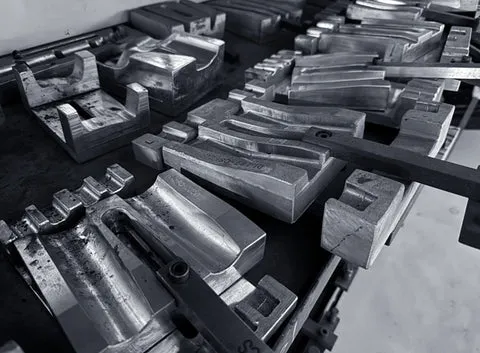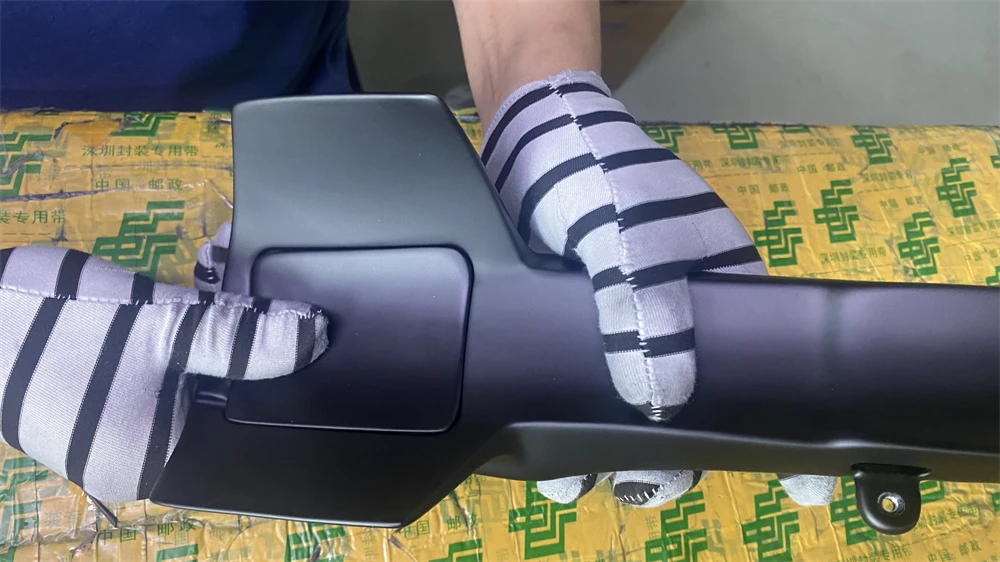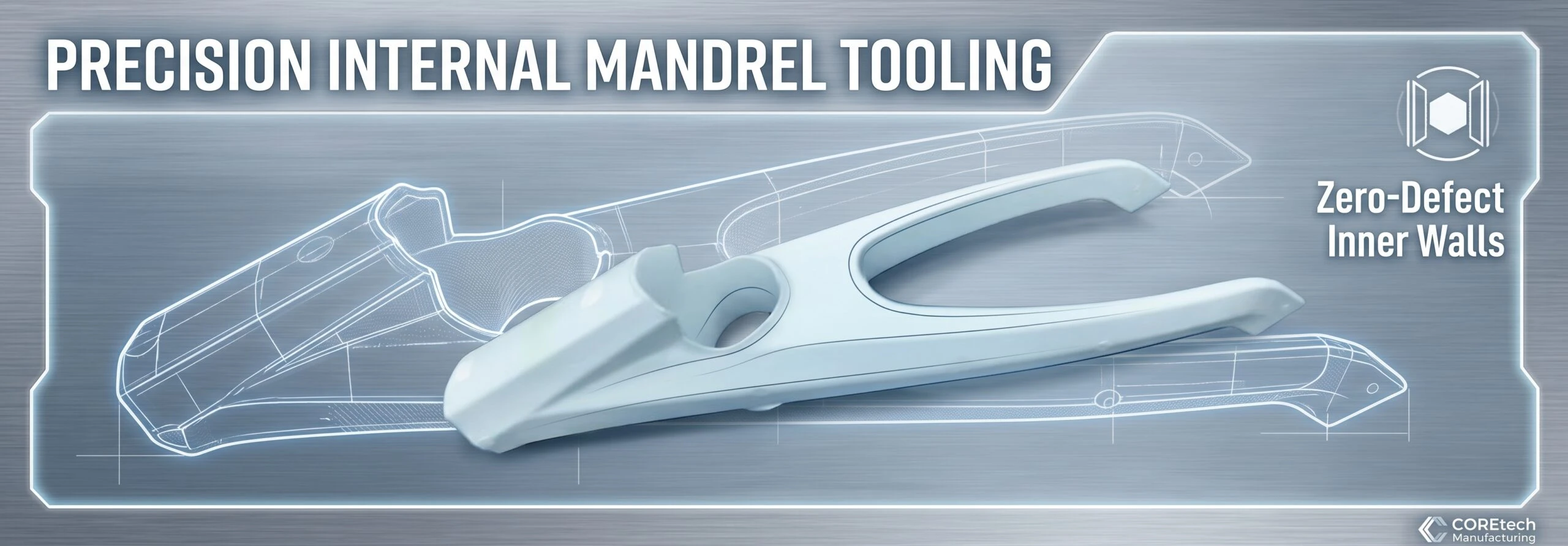
When buying a carbon bike frame, most people look at weight, stiffness, and price first. But many of the factors behind those numbers are determined inside the frame—carbon layup, EPS mandrel design, molding pressure, and curing control. For bike brands and wholesale buyers, EPS technology is more than a “high-end manufacturing” label. It can have a direct impact on fiber placement consistency, control of wrinkles and voids, and frame-to-frame consistency in mass production. In this guide, we’ll look at how EPS carbon frames are molded from a factory perspective and how the process compares with traditional bladder molding.
What Is EPS Technology in Carbon Bike Frame Manufacturing?
In carbon frame production, EPS tech solves one core challenge: how to back up the carbon layup from the inside so external mold pressure actually does its job. For OEM brands and wholesale buyers, knowing how EPS mandrels, traditional bladder molding, and internal compaction differ is the fastest way to gauge a factory’s true engineering chops—long before trusting an “EPS frame” marketing badge.
1. What Does EPS Stand For?
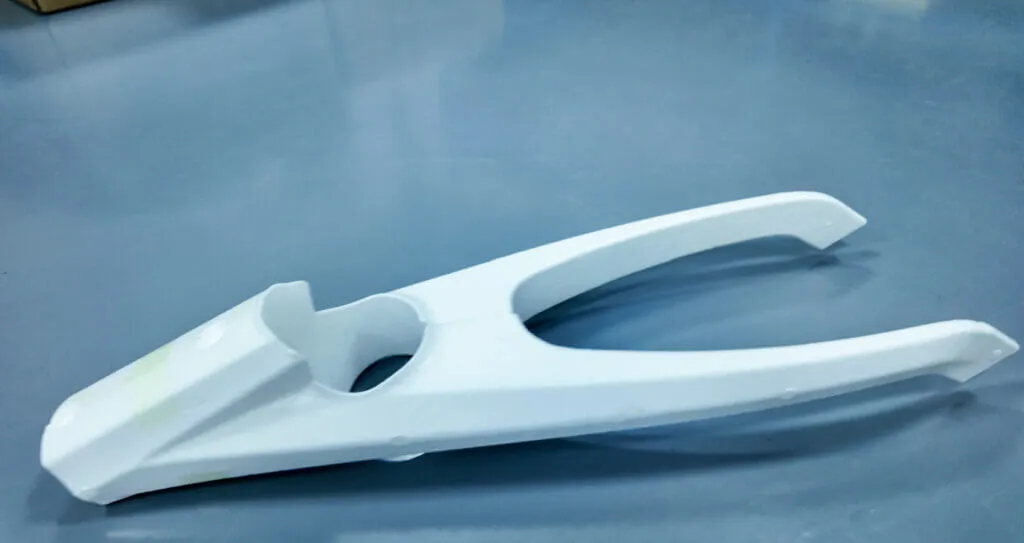
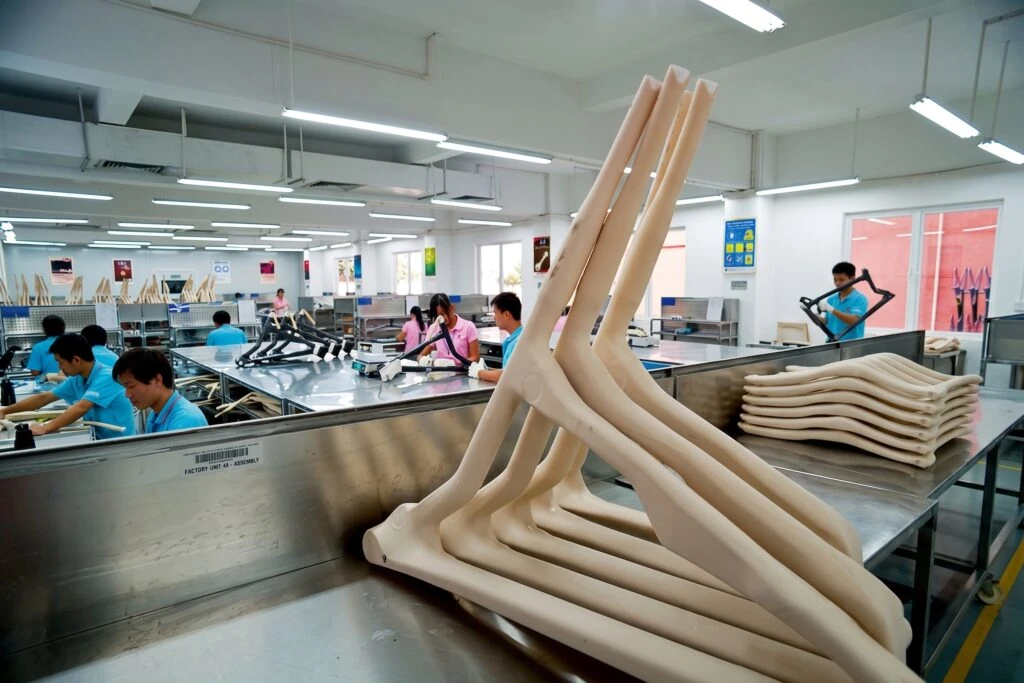
EPS stands for Expanded Polystyrene. On the shop floor, it serves as a custom-molded internal mandrel or forming core. Pre-shaped to the frame’s inner profile, it supports the layup into the heated mold. At high-stress tube junctions, tight internal routing channels, and transitional wall-thickness zones, mandrel design makes or breaks the final consolidation.
2. EPS Mandrel vs. Traditional Bladder Molding
EPS molding uses a rigid, pre-formed foam core to hold fiber orientation, whereas traditional bladder molding relies on an inflatable bladder to push plies outward. Both produce race-grade carbon bike frames. The real differentiator isn’t the buzzword—it’s how the factory dials in layup precision, compaction pressure, the resin system, tooling tolerances, and cure cycles.
3. Why the Internal Core Matters in Carbon Frame Manufacturing
You can’t see inside a finished frame, but that hidden surface dictates performance. A stable internal core prevents fiber drift, wrinkles, and voids while locking down uniform wall thickness across the head tube, bottom bracket, and chainstays. For B2B buyers, that translates directly to predictable frame weight, rock-solid stiffness, and batch-to-batch consistency.
How EPS Molding Works in Carbon Bike Frame Production
EPS molding isn’t just about bagging carbon and baking it. A reliable EPS carbon frame manufacturing process demands rigid mandrel preparation, precise fiber layup, uniform compaction pressure, and thorough post-molding inspection. For OEM and B2B buyers, these controls dictate final frame weight, stiffness, dimensional accuracy, and batch consistency.
1. EPS Mandrel Design and Preparation
The EPS mandrel acts as the solid internal backbone during layup and curing. Its density and profile must hold strict tolerances against the frame geometry, particularly at high-stress junctions. A well-machined mandrel ensures uniform internal support throughout the carbon frame molding cycle.
2. Carbon Fiber Layup and Ply Positioning
Prepreg is mapped to a strict layup schedule. Tailored carbon grades, fiber orientations, and ply counts reinforce critical load zones like the head tube, bottom bracket shell, and seat cluster. Accurate ply positioning is crucial for dialling in stiffness and strength without adding dead weight.
3. Mold Closing, Heat and Pressure Control
The wrapped mandrel goes into a steel clamshell mold for thermal curing. Maintaining tight ramp rates and steady internal pressure prevents laminate wrinkles, resin pockets, voids, and structural dry spots.
4. Curing, Mandrel Removal and Finishing
During the cure cycle, the resin matrix consolidates the laminate into a single structural piece. Once cured, the EPS mandrel is extracted, and the bare chassis moves through deburring, drilling, bonding, and surface finishing to verify exact interface tolerances.
5. Inspection After Molding
A robust QC protocol goes beyond cosmetic checks. Detailed gram-scale weight checks, CMM dimensional verification, and NDT methods (such as X-ray scanning) catch internal voids and delamination before shipping. That is how brands guarantee structural reliability in mass production.
What Does EPS Molding Change Inside a Carbon Frame?
Forget the spec-sheet weight claims. Where EPS molding actually proves its worth is inside the frame, out of sight. For bike brands, wholesalers, and OEM buyers, the real win is consistent carbon compaction, precise fiber placement, uniform wall thickness, and rock-solid high-stress areas. That internal discipline is what keeps mass-production frames from failing down the road.
1. More Consistent Carbon Compaction
An EPS mandrel gives the laminate rigid internal backing during molding, forcing plies flat against the tool under uniform pressure. This tight compaction eliminates resin-rich pockets and keeps frame-to-frame consistency dialed across large production runs.
2. Better Control of Fiber Wrinkles and Bridging
Sharp transitions around the head tube, BB junction, and chainstays are notorious for causing wrinkles or fiber bridging. The solid EPS core keeps tight radii supported through cure, locking load-bearing carbon plies into their intended alignment.
3. Cleaner Internal Surfaces
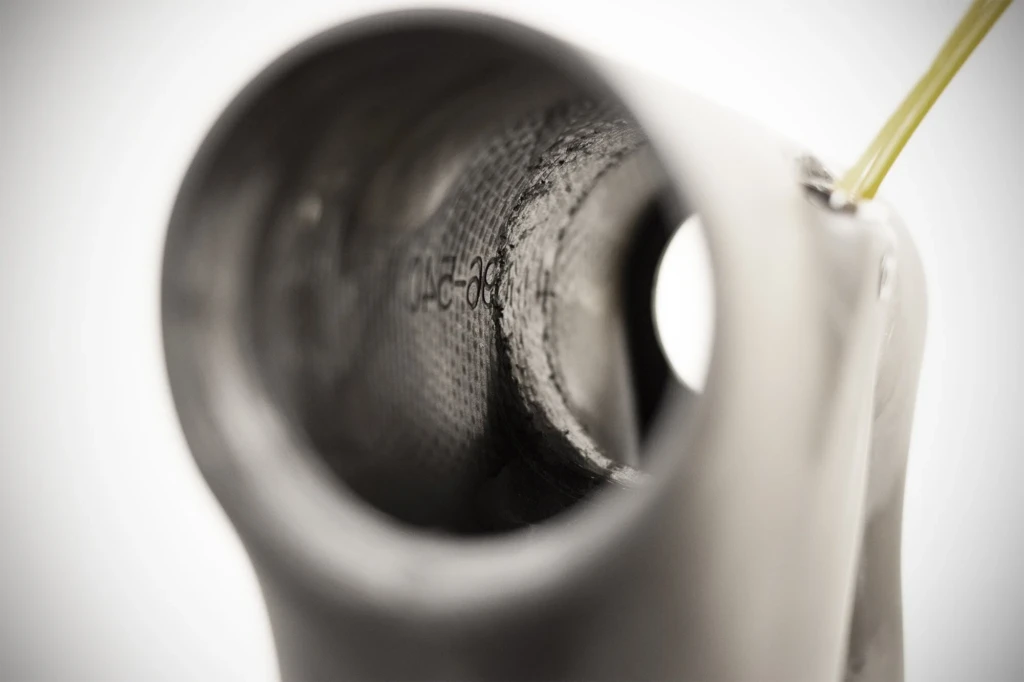
EPS leaves a smooth, continuous internal surface through tube junctions and tight cavities. Beyond making borescope QC inspections straightforward, cleaner inner walls eliminate jagged resin ridges that create internal stress risers.
4. More Consistent Wall Thickness
A stellar golden sample means nothing if batch three drifts out of spec. Paired with controlled layup schedules, mold pressure, and cure cycles, EPS molding holds target laminate thickness across the entire batch to hit engineering benchmarks every time.
5. Better Control Around High-Stress Areas
The head tube, bottom bracket, seat cluster, and dropouts bear brutal dynamic loads. Tooling these high-stress zones with dedicated EPS mandrels ensures optimal carbon compaction and fiber orientation, locking in the stiffness-to-weight ratio your riders expect.
EPS vs. Bladder Molding: What Is the Real Difference?
| Factor | EPS Molding | Bladder Molding |
|---|---|---|
| Internal support | Rigid mandrel | Inflatable bladder |
| Ply positioning | Highly controllable | Depends heavily on process |
| Internal surface | Generally smoother | Depends on bladder/layup |
| Complex junctions | Strong process control | Process-dependent |
| Production cost | Generally higher | Generally more economical |
| Process flexibility | High | High |
| Final quality | Depends on total process | Depends on total process |
For B2B brands and importers, EPS vs. bladder molding isn’t an open-and-shut case. While an EPS mandrel delivers cleaner carbon layup, precise fiber placement, solid compaction, and better internal support across complex junctions, overall frame quality still boils down to raw materials, layup schedule, molding, curing, and factory QC. Bottom line: EPS is a manufacturing technology, not a guarantee of frame quality. What actually counts is whether your supplier can replicate that precision across every single production run.
Does EPS Make a Carbon Bike Frame Lighter and Stronger?
EPS molding delivers solid internal support and cleaner compaction, but it isn’t an instant fix for weight or strength. For brands and wholesale buyers, its true value comes down to factory execution: pairing solid mandrel tooling with a smart layup schedule to hit exact targets in mass production.
1. EPS and Frame Weight
EPS mandrel technology clears out wrinkles and leaves uniform inner walls, cutting dead resin pockets. Still, real gram savings trace back to carbon grade, resin choice, and mold tolerances. In OEM builds, hitting weight specs isn’t about shaving plies blindly—it’s about dialing in structural safety without dead weight.
2. EPS and Stiffness-to-Weight Ratio
Pure gram counts don’t sell race frames; stiffness-to-weight ratio does. EPS tooling locks down fiber placement along high-load junctions like the bottom bracket, head tube, and chainstays. This keeps power transfer crisp and predictable without packing on extra carbon.
3. EPS and Structural Consistency
Prototypes are easy; batch-to-batch consistency is where factories fail. Controlled EPS molding locks in repeatable wall thickness and void-free consolidation across hundreds of frames. For bike brands, that predictability keeps assembly lines running smooth, slashes warranty claims, and stops QC headaches early.
4. Why Layup Design Still Matters
EPS is just the mold core. Fiber selection, ply angles, localized reinforcements, and curing cycles dictate whether the frame actually performs. Real carbon manufacturers treat EPS as one step in the engineering stack—not a marketing shortcut for “lighter and stronger.”
Where Is EPS Technology Used in Modern Carbon Bikes?
EPS technology is widely used across performance carbon platforms, but its execution varies by frame style. For B2B buyers, the value isn’t just checking the “EPS mandrel” box on a spec sheet—it’s how that tooling controls the layup, hits target stiffness-to-weight ratios, clears internal routing, and delivers real batch-to-batch consistency.
1. Road Bike Frames
On road platforms, EPS core molding delivers maximum stiffness-to-weight, glass-smooth internal surfaces, and wrinkle-free layups around the head tube, bottom bracket, and seat cluster. For race setups, consistent compaction guarantees that frame #1 rides identically to frame #500.
2. Gravel Bike Frames
Gravel frames balance compliance, rough-terrain durability, and massive tire clearance. EPS molding stabilizes wall thicknesses across complex junctions, which is critical for modern builds packed with downtube storage, internal cable routing, and dropped chainstays.
3. MTB and XC Frames
Hardtails and full-suspension rigs endure brutal shear loads at the pivots, bottom bracket, and rear triangle. Precision EPS molding ensures dense, void-free compaction in these high-stress zones—delivering sub-kilo XC race weights without risking field failures on trail descents.
4. Aero and Triathlon Frames
Aero and TT platforms feature deep foils, integrated front ends, and tight cable routing that trap air during traditional bladder molding. Solid EPS mandrels maintain uniform pressure across radical internal profiles, ensuring wind-cheating profiles remain structurally sound.
5. Custom OEM/ODM Carbon Frames
For OEM/ODM partnerships, EPS tooling is essential for executing custom geometry, proprietary layups, and exclusive open- or private-mold programs. Ultimately, a factory’s tooling precision and process control determine whether EPS functions as a genuine engineering advantage or just sales jargon.
EPS Technology and Carbon Frame Quality Control
EPS molding tightens tolerances, but tooling means nothing without disciplined floor QA. For B2B buyers, a reliable factory must control dimensional drift, sub-surface flaws, stress performance, and batch consistency across every run.
1. Visual and Dimensional Inspection
Straight off demolding, every carbon frame hits the inspection jig. QC audits paint finish, dropout alignment, mounts, the BB shell, and head tube against CAD blueprints and tight GD&T tolerances.
2. Internal Surface Inspection
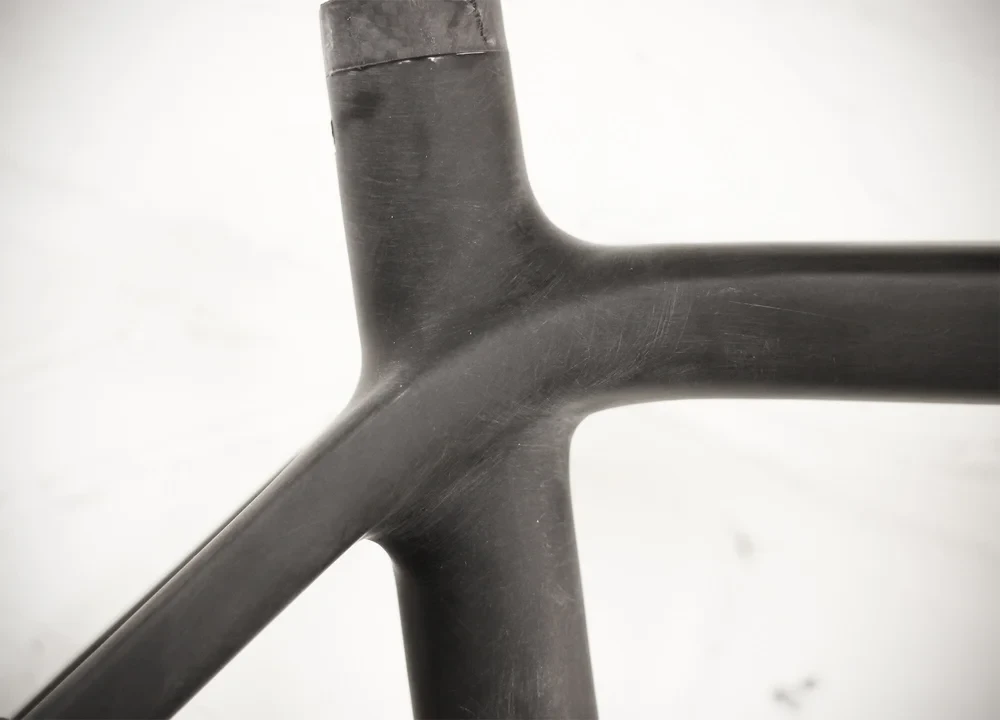
Smooth inner walls make or break frame integrity. During EPS consolidation, techs scope the chassis for resin pools, fiber bridging, wrinkles, or voids that compromise joint strength or snag internal cables. Clean internal compaction is non-negotiable for OEM runs.
3. X-Ray and NDT Inspection
Surface checks miss hidden flaws. Industrial X-ray and ultrasonic NDT catch internal delamination, porosity, resin pockets, and poor consolidation without cutting into the frame, giving distributors verified structural assurance.
4. Structural and Fatigue Testing
Static stiffness is just the baseline. A serious manufacturer verifies head tube torsion, BB stiffness, drop impact, and cyclic fatigue against ISO 4210 and in-house torture protocols, ensuring frames outlast seasons of abuse.
5. Production Traceability
Traceability protects your brand on warranty claims. Every serial number traces back to its mold cavity, prepreg lot, layup tech, cure log, and QC sign-off. When issues pop up, root-cause teardowns happen fast, safeguarding future production batches.
What Should B2B Buyers Ask About EPS Carbon Frames?
Don’t let a factory’s “EPS molded” claim fool you. To secure consistent production runs, drill down into their carbon layup, mandrel design, molding process, internal inspection, and structural testing.
1. Is EPS Used Throughout the Frame or Only in Certain Sections?
EPS application varies widely across the industry. Have the vendor clarify whether their EPS mandrels cover the entire chassis or if critical stress zones like the head tube, BB, and chainstays rely on cost-cutting bladder methods.
2. What Carbon Fiber and Layup Schedule Are Used?
Look past generic “T700/T800” marketing badges. Focus on the actual ply schedule, fiber orientation, carbon grade, and resin system. A dialed layup delivers an optimized stiffness-to-weight ratio; marketing buzzwords don’t.
3. How Is the EPS Mandrel Designed and Removed?
The core defines your frame’s internal integrity. Ask how they control mandrel tooling tolerances, align parts in the mold, and tackle the demolding process. A proven EPS manufacturing process leaves zero residue, eliminates wrinkles, and prevents fiber displacement.
4. How Are Internal Defects Checked?
A clean finish often hides ugly internal flaws. Find out if their volume production QC includes NDT methods like X-ray inspection or ultrasonic testing to catch voids, delamination, and laminate defects before frames ship.
5. What Structural Testing Is Performed?
Demand hard test data. Professional manufacturers run rigorous prototype validation and batch QC covering static load, fatigue testing, and impact testing—backed by complete traceability from raw prepreg to packed carton.
6. Can the Supplier Support Custom EPS Frame Development?
For OEM/ODM projects, verify their engineering bench strength. They need in-house chops for custom geometry, carbon layup design, frame mold machining, and proprietary EPS tooling to scale prototypes into mass production smoothly.
7. EPS Carbon Frame Supplier Checklist
When vetting Chinese frame suppliers, audit: EPS molding capability, carbon layup control, tooling accuracy, NDT inspection, structural testing, production consistency, and hands-on OEM/ODM engineering support.
Why EPS Matters for OEM and ODM Carbon Bike Frame Projects
For bike brands and importers, choosing EPS carbon frame manufacturing is about more than just a molding method—it hinges on a partner who truly integrates carbon layup, frame geometry, mold tooling, and production control. Anyone can build a decent prototype; repeatable frame-to-frame consistency at volume is what actually protects your brand.
1. Custom Carbon Layup and Weight Targets
Every discipline demands a distinct stiffness-to-weight ratio, impact strength, and ride feel. Instead of recycling generic templates, we engineer specific carbon layup schedules, fiber orientations, and laminate schedules tailored directly to your weight targets and ride characteristics.
2. Custom Frame Geometry and Mold Development
Private-label projects need more than fresh paint—performance lives in the geometry. Dialing in head angle, seat angle, reach, stack, and BB position requires serious in-house capability across custom mold development, frame tooling, and prototype validation.
3. Prototype-to-Mass-Production Control
Nailing a prototype is easy; scaling it is where most fail. Bringing an OEM frame into mass production demands tight rein over preforming, layup positioning, molding parameters, curing cycles, and QC checkpoints so production runs match engineering samples every time.
4. Consistent Quality Across Production Batches
Nothing kills margins faster than batch drift on reorders months down the road. Strict process control, material traceability, quality inspection, and production records ensure your weight, dimensions, surface finish, and structural performance remain identical run after run.
Frequently Asked Questions About EPS Carbon Bike Frames
1. What does EPS stand for in carbon bike frame manufacturing?
EPS stands for Expanded Polystyrene. In carbon bike frame manufacturing, it is commonly used as an internal forming mandrel or part of an internal molding system that supports the carbon layup during frame production.
2. What is an EPS mandrel?
An EPS mandrel is a shaped internal core used to support and position carbon fiber plies during molding. After curing, the mandrel is removed to leave the intended hollow carbon structure.
3. Is EPS better than bladder molding for carbon frames?
Not automatically. EPS and bladder molding are different manufacturing approaches, and both can produce high-quality carbon frames when properly engineered and controlled. Some advanced production processes even combine an EPS mandrel with a bladder.
4. Does EPS make a carbon bike frame lighter?
EPS itself does not automatically make a frame lighter. It can help manufacturers control the laminate and molding process more precisely, but final frame weight depends on the carbon material, layup, geometry, wall thickness, tooling and curing process.
5. Does EPS improve carbon frame strength?
EPS can support better control of carbon compaction and ply positioning, which may contribute to consistent structural performance. But frame strength is ultimately determined by the complete structural design and manufacturing process.
6. What is the difference between EPS and bladder molding?
A bladder uses internal pressure from an inflatable membrane to compact the carbon laminate against the mold. An EPS process uses a shaped internal core, sometimes together with a bladder, to provide internal support during molding.
7. Are EPS carbon frames suitable for OEM production?
Yes. EPS-based internal molding systems can be suitable for OEM and ODM production, particularly when the project involves complex geometry, custom layup and repeatable manufacturing requirements. The key is the supplier’s overall engineering and production capability.
8. How can I verify whether a supplier really uses EPS molding?
Ask the supplier to explain the actual production process, including the internal core, layup procedure, mold setup, curing cycle, inspection points and tooling. For a serious OEM project, it is reasonable to request process documentation, production photos or factory verification rather than relying only on a marketing claim.
Final Thoughts: EPS Is One Part of a Bigger Manufacturing System
EPS technology is an important tool in modern carbon bike frame manufacturing, but it should never be viewed as a magic shortcut to a lighter or stronger frame.
The final product comes from the whole system: carbon material selection, frame engineering, layup design, preforming, mold tooling, internal support, compaction, curing, finishing, inspection and structural testing.
For a B2B buyer, the better question is not simply:
“Does this factory use EPS?”
It is:
“Can this factory consistently turn the intended carbon frame design into a reliable production product?”
That is where the real value of an experienced carbon frame supplier shows up.
At HaideliBikes, we support OEM and ODM carbon bike frame projects from engineering and tooling through prototype development, production and quality control. Whether you are developing a road, gravel, MTB, XC, TT or aero platform, the right manufacturing process should be built around the frame—not the other way around.
Looking for an OEM/ODM carbon frame supplier with advanced molding and engineering support? Contact HaideliBikes to discuss your next carbon bike frame project.