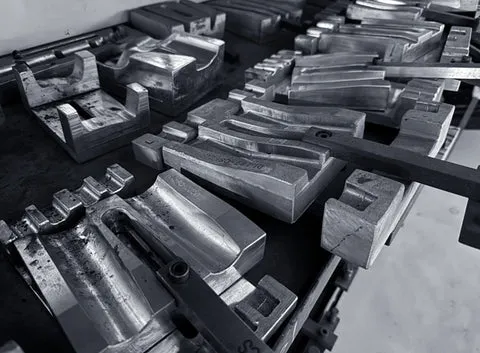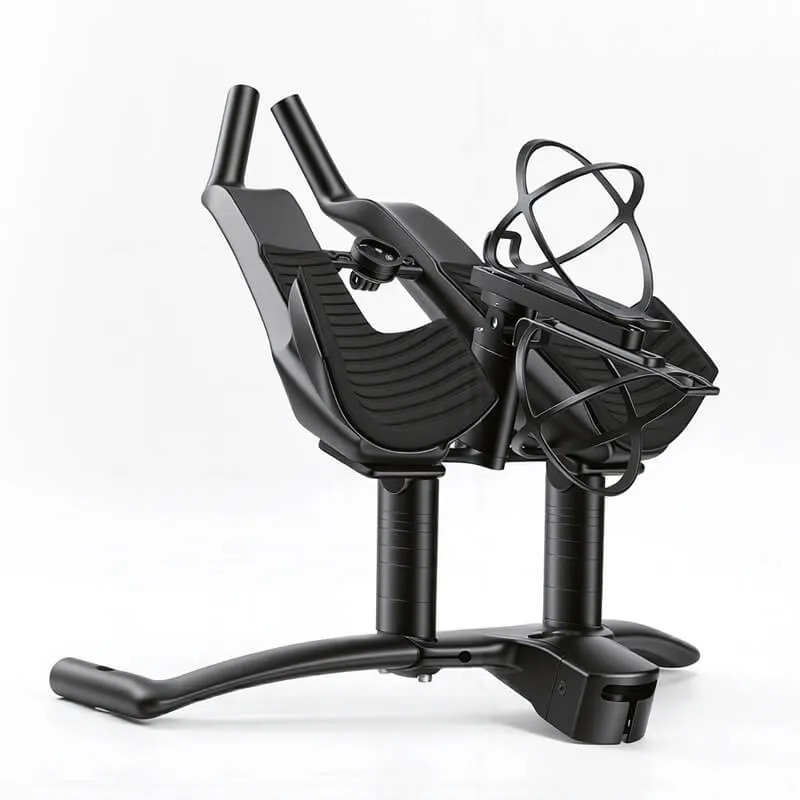
As road, triathlon, and time trial riders demand strict aerodynamic gains, choosing the right carbon aero bar supplier has become a pivotal decision for brands, distributors, and race teams. Manufacturers differ sharply in carbon fiber modulus, layup architecture, weight targets, and structural rigidity. A competitive aero bar must do more than shed weight—it has to maintain high-speed stability, precise ergonomics, and long-term fatigue life. This guide evaluates various carbon aero handlebar supplier options across price, weight, stiffness, manufacturing processes, and OEM capabilities to help buyers lock in supply partners that align with their market strategy.
Global Manufacturing Landscape of Aero Bars
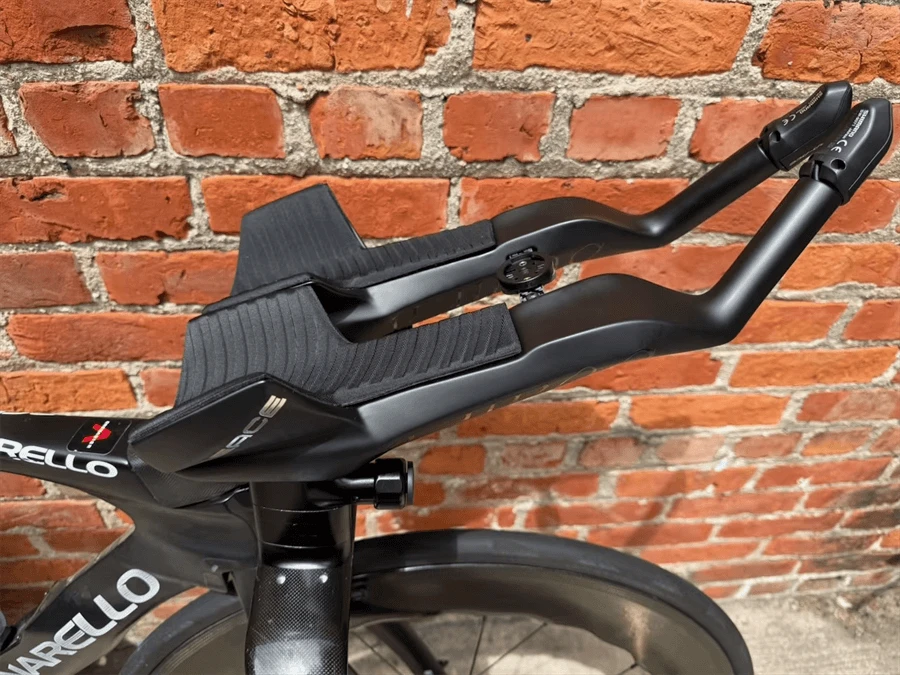
The carbon aero bar supply chain has evolved into a global ecosystem, with regional vendors offering distinct advantages in materials, costs, lead times, and custom engineering. Buyers must look beyond unit price to rigorously evaluate fiber techniques, batch consistency, compliance standards, and long-term reliability.
1.Carbon aero bar manufacturer differences across global supply markets
Operational focus varies widely among carbon aero bar manufacturer setups. Volume-driven suppliers rely on low-cost mass production, whereas high-end facilities leverage Toray carbon fiber, pre-preg layup, EPS molding technology, and aerodynamic design to achieve low weight, high stiffness, and precise tolerances. Partnering with R&D-capable suppliers allows brands and distributors to build truly high-performance product lines.
2.Aero bar carbon fiber factory capabilities and production standards
A premier aero bar carbon fiber factory runs an end-to-end production ecosystem covering tooling, layup schedules, vacuum molding, finishing, and QC testing. Leading vendors strictly control weight control, stiffness-to-weight ratio, and fatigue testing protocols to guarantee every batch meets the safety and performance demands of the road, Triathlon, and TT markets.
OEM & ODM Cooperation Models for Professional Brands
For brands establishing proprietary product lines, OEM and ODM frameworks cut development costs while accelerating time-to-market. A top-tier carbon Aero Bar supplier delivers turnkey manufacturing—from engineering drawings and custom tooling to scalable mass production—helping clients launch highly competitive, performance-driven components.
1.Carbon aero bar OEM manufacturer for custom branding projects
A dependable carbon aero bar OEM manufacturer must offer end-to-end customization, including custom graphics, finish options, dimension adjustments, proprietary carbon fiber layup optimization, and open/closed mold tooling. For bicycle brands and premium distributors, consistent batch quality, workable MOQs, and strict NDA protocols are non-negotiable standards when picking an OEM partner.
2.Carbon aero bar ODM factory for ready-to-market product development
Partnering with an established carbon aero bar ODM factory allows brands to launch market-ready components by leveraging field-proven platforms—refining tube profiles, upgrading carbon fiber grades, or optimizing weight and stack/reach ergonomics. This ODM pathway skips heavy upfront R&D overhead while giving clients an immediate foothold in the Tri Bike, TT Bike, and Aero Road segments.
Wholesale vs Factory Direct Supply Chain Strategies
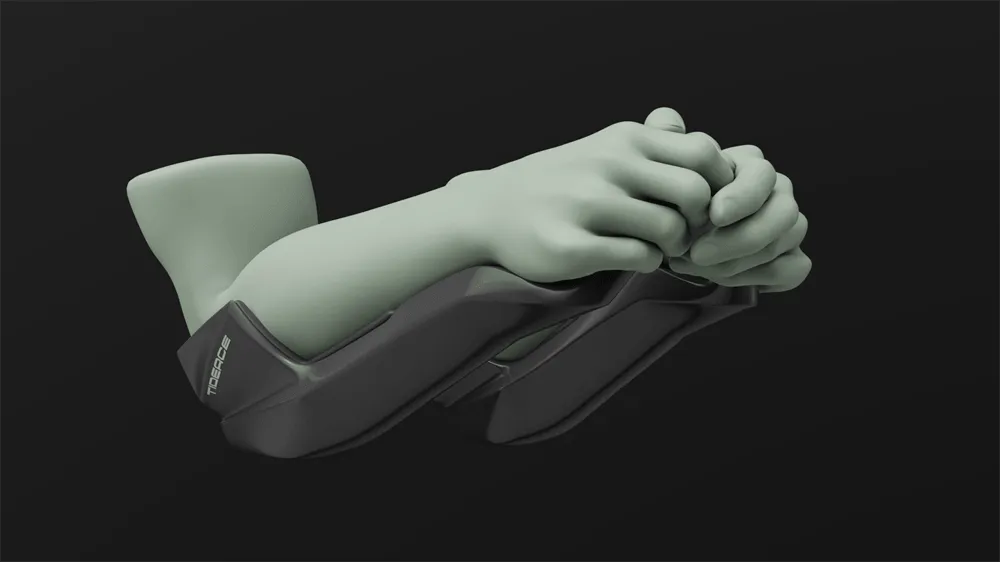
Choosing the right supply chain model directly dictates purchasing costs, lead times, and market edge for carbon aero bars. Bulk buyers typically evaluate tiered pricing, MOQ thresholds, inventory buffering, and supplier response times. Compared to traditional distributor networks, factory-direct sourcing offers clearer cost breakdowns and flexible terms.
1.Carbon aero bar wholesale supplier pricing structure and MOQ system
A professional carbon aero bar wholesale supplier structures tiered pricing around order volume, specs, fiber modulus, and custom requirements. Pragmatic MOQs relieve inventory and cash flow pressure for bike shops and regional distributors without sacrificing supply chain reliability. Suppliers must provide transparent quotes—detailing EXW/FOB terms, lead times, and volume support.
2.Carbon aero handlebar factory direct advantages for bulk buyers
Sourcing carbon aero handlebar factory direct bypasses middleman markups, securing maximum margins for buyers. Direct factory oversight guarantees tight control over raw materials, production workflows, and QC checks. Factories can also support small-batch trial orders, custom packaging, and long-term contracts—making this ideal for brands prioritizing consistent quality and profitability.
Product Categories and Application Scenarios in Competitive Cycling
Carbon Aero Bar products span distinct segments including Aero Road, Triathlon, and Time Trial. High-end suppliers must match whole-bike specs, aerodynamic targets, and rider ergonomics to balance weight, stiffness, and precise control.
1.Carbon aero bar producer role in performance-focused product lines
A premier carbon aero bar producer does more than hit production quotes—they actively co-engineer the product. By refining layup schedules, aero profiles, and ergonomics, top manufacturers help brands build light, stiff, and reliable Performance Cockpit systems for elite road bikes and race builds.
2.Carbon aero handlebar supplier solutions for road and triathlon markets
As a carbon aero handlebar supplier, offering versatile configurations for Road Bike, Aero Bike, and Tri Bike platforms is essential. This includes integrated Cockpit systems, adjustable Extension hardware, and full internal cable routing. Consistent factory output and customization drive long-term brand equity.
3.Carbon triathlon handlebar supplier requirements for professional racing setups
A specialized carbon triathlon handlebar supplier must meet strict racing metrics: $CdA$ reduction, fit optimization, structural safety, and UCI compliance. The premium triathlon segment prioritizes fine-tune adjustability, ultra-light construction, and brutal fatigue testing—the true benchmarks of engineering capability.
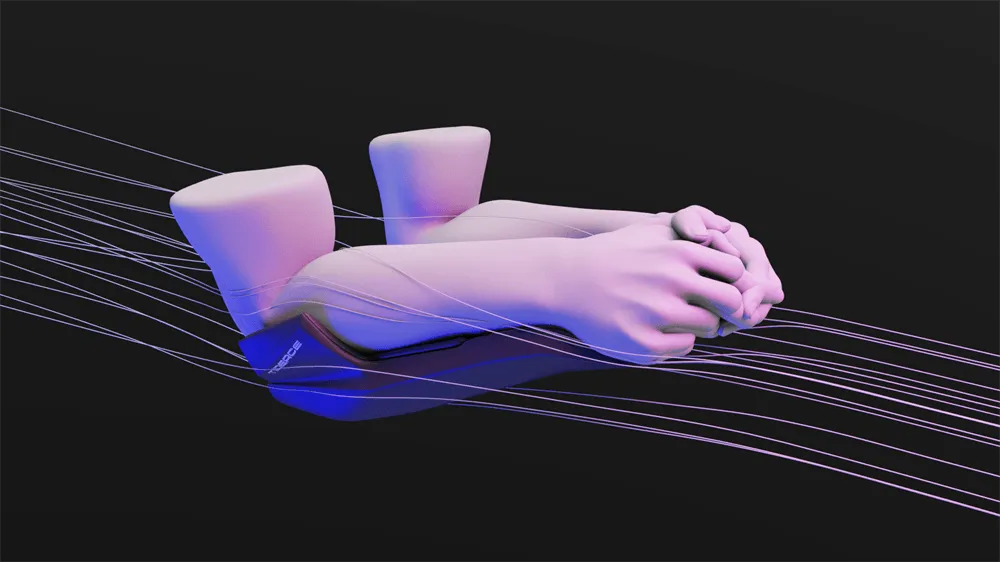
Production Engineering and Manufacturing Depth Behind High-End Aero Bars
The core edge of high-performance aero bars lies beyond surface graphics; it comes down to raw manufacturing execution, material control, and tight quality systems. Professional suppliers rely on precise engineering pipelines to guarantee that every batch maintains strict consistency in weight, structural integrity, and real-world ride performance.
1.Carbon aero bar production factory processes: layup, molding, and testing systems
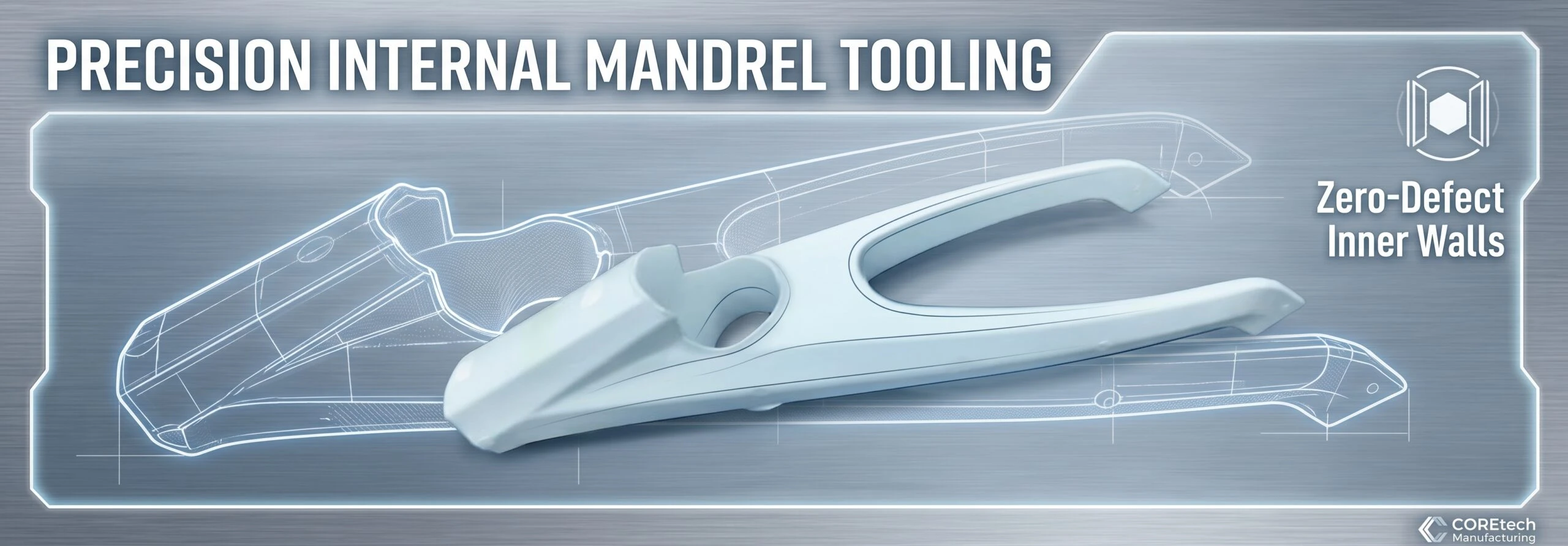
A specialized carbon aero bar production factory utilizes pre-preg carbon fiber, EPS molding, and vacuum forming to tune the balance between stiffness and weight via precise layup schedules. Integrated quality control—combining tight mold tolerance checks, static load testing, and rigorous fatigue testing—ensures every unit meets the safety and durability standards required by the Aero Cockpit, TT, and Triathlon markets.
How to Evaluate a Reliable Carbon Aero Bar Supplier
Evaluating a carbon aero bar vendor requires analyzing product engineering, manufacturing bandwidth, and long-term business terms. A trustworthy supplier offers far more than competitive rates—they deliver strict weight control, structural integrity, reliable lead times, and ongoing technical support.
1.Key decision factors: price structure, weight optimization, and stiffness performance comparison
When vetting a carbon aero bar supplier, buyers scrutinize tier pricing, overall system weight, and structural rigidity. Top-tier factories refine their carbon fiber layup, aerodynamic design, and stiffness-to-weight ratio to shed excess weight while maintaining high-speed handling stability for Aero Road and Triathlon bikes.
2.Quality control systems, carbon layup technology, and fatigue testing standards
Product consistency relies on rigid QA systems—from raw material inspection and layup schedules to molding and stress testing. Factory processes utilizing pre-preg carbon fiber, EPS molding, and aggressive fatigue resistance testing guarantee uniform batch quality and long-term safety under race loads.
3.Lead time, customization ability, and long-term OEM cooperation stability
Supply chain resilience is critical for established brands. Capable suppliers offer reliable lead times, deep customization flexibility, and extensive OEM experience—delivering solid engineering support through prototyping, tooling tweaks, and full mass production.
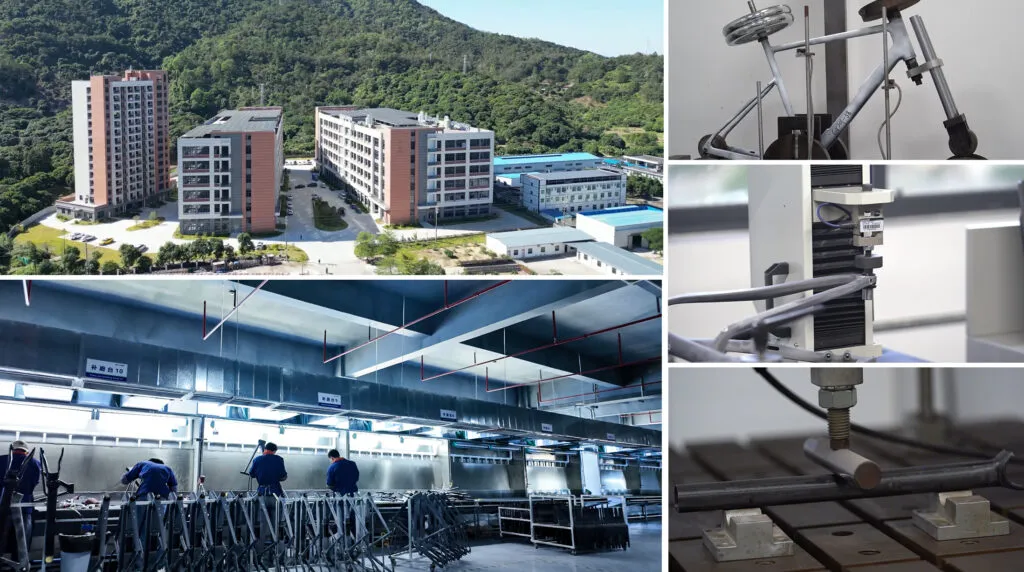
Final Buying Guide for B2B Importers and Brand Owners
Selecting a Carbon Aero Bar partner comes down to R&D depth, tooling expertise, quality control, and supply stability—not just baseline quotes. The right manufacturing partner mitigates sourcing risk while sharpening your product’s market edge.
1.How to choose the right supplier based on business model (OEM, ODM, wholesale)
Align your supplier strategy with your business model. Brands require custom OEM or ODM development to build proprietary product lines. Distributors and wholesale buyers prioritize low MOQ limits, buffer inventory, margin protection, and reliable lead times. A premier carbon aero bar supplier offers flexible terms backed by end-to-end production capabilities.
2.Common mistakes when selecting a carbon aero bar partner in China manufacturing
When vetting a carbon aero bar partner in China manufacturing, the worst mistake is chasing unit price while ignoring fiber grades, layup schedules, and technical support. Reliable factories provide full production transparency, strict QC testing, and long-term risk mitigation—not just cheap invoices.