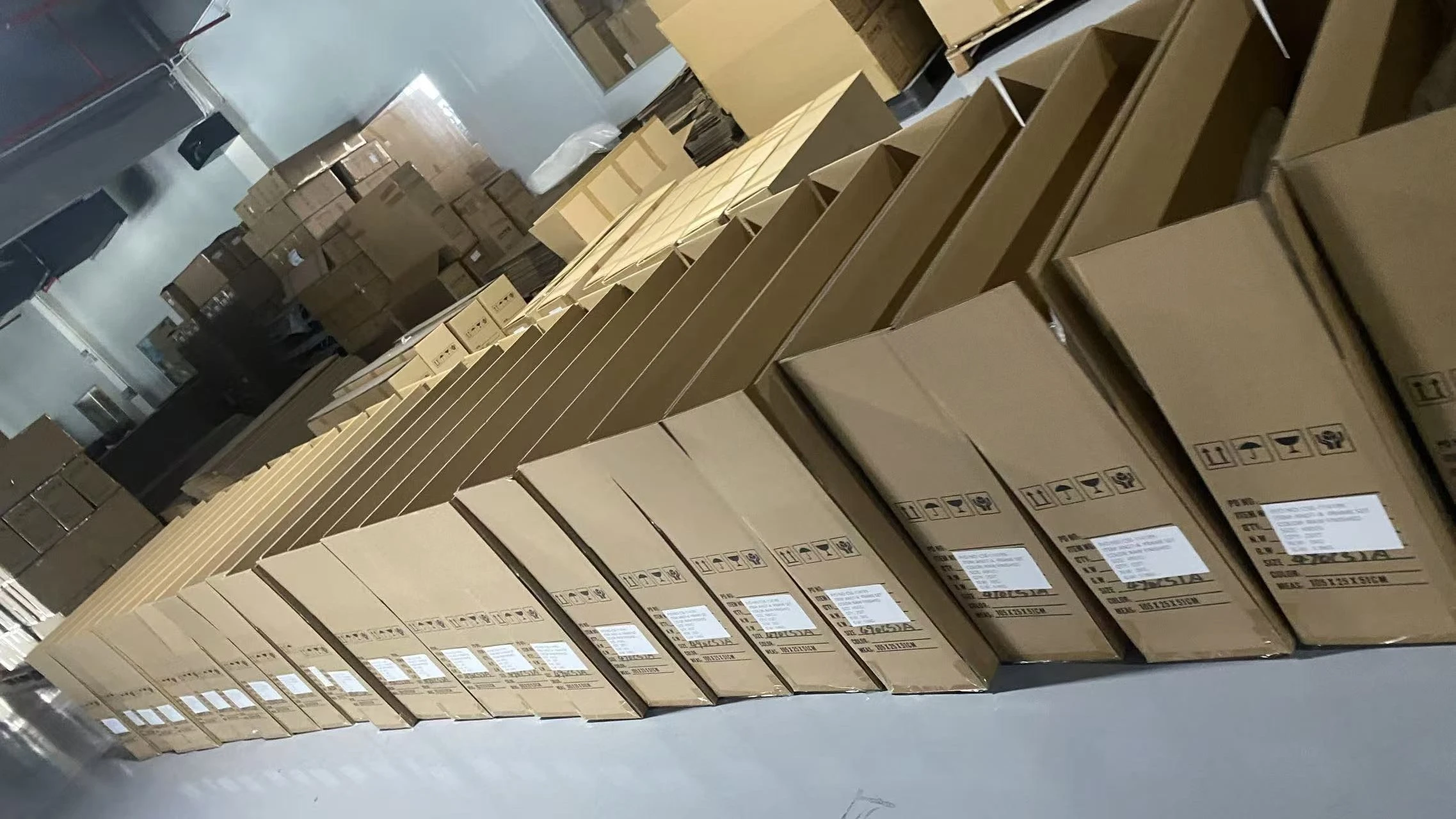
For a bike brand or wholesale buyer, a carbon bike frame warranty is more than a line on a spec sheet—it’s part of the real cost of doing business. From manufacturing defects and carbon layup issues to warranty claims, replacement frames, and crash support, reliable after-sales service can save headaches long after the shipment leaves the factory.
Why Carbon Bike Frame Warranty Matters for B2B Buyers
For distributors and OEM brands, a carbon bike frame warranty goes far beyond basic replacements. Managing commercial risk requires clear defect criteria, defined coverage, and rapid technical triage. Factory agreements must clearly distinguish manufacturing defects from crash damage, rider misuse, and normal wear.
1. Warranty Is More Than a Replacement Policy
A dependable policy clarifies factory liability across carbon fiber layup, composite bonding, and baseline materials and workmanship rather than offering vague replacement frame promises. Delineating finish wear, paint, cosmetic damage, and accidental damage keeps warranty claim processing efficient and minimizes downstream friction.
2. What Buyers Should Confirm Before Placing a Bulk Order
Before PO sign-off, verify critical operational terms: warranty coverage, the claim process, proof of purchase, serial number tracking, return shipping liability, and replacement lead time. Clarifying what qualifies under a full warranty claim versus subsidized crash replacement prevents post-delivery disputes.
What Does a Carbon Bike Frame Warranty Cover?
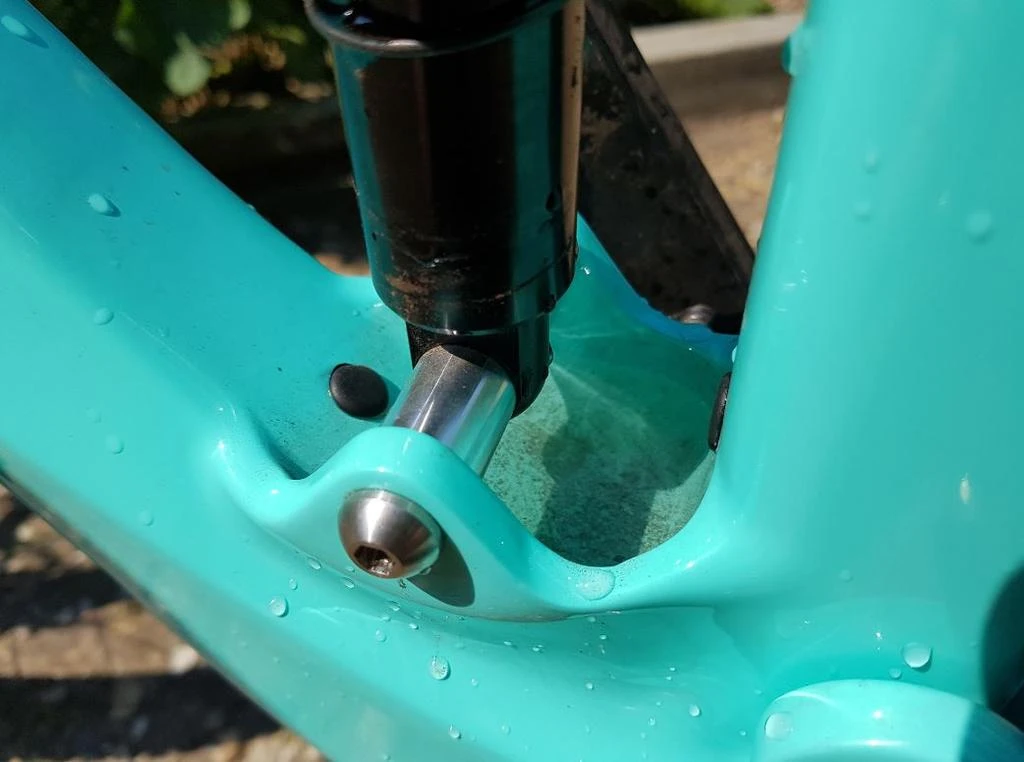
A solid carbon bike frame warranty goes beyond the stated coverage duration. It establishes clean technical boundaries between manufacturing defects, internal carbon layup anomalies, structural failure, paint defects, and legitimate crash damage. For wholesale buyers, defining exact coverage clauses and claim criteria directly protects profit margins and customer retention.
1. Structural Defects vs. Crash or User Damage
Structural claims stem from material voids, carbon layup issues, or resin cure defects. Conversely, impacts, over-torquing, unauthorized modifications, and neglect fall under non-warranty damage. Defining these mechanical thresholds upfront streamlines the entire warranty claim pipeline and eliminates downstream friction with end users.
2. Paint and Cosmetic Defects
Finishes—including the paint finish, protective clear coat, and wet-transfer decals—rarely match the timeframe of a structural warranty. Wholesale buyers should separate the paint warranty from handling rash, especially across custom paint jobs and high-volume bulk orders subject to freight transit.
3. Warranty Period and Coverage Terms
Raw warranty period numbers can be deceptive. Prioritize actionable terms: defined coverage scope, objective claim requirements, replacement terms, clear shipping responsibility, and reliable serial number tracking. These technical controls safeguard your brand equity over multi-year commercial runs.
How Does a B2B Carbon Frame Warranty Claim Work?
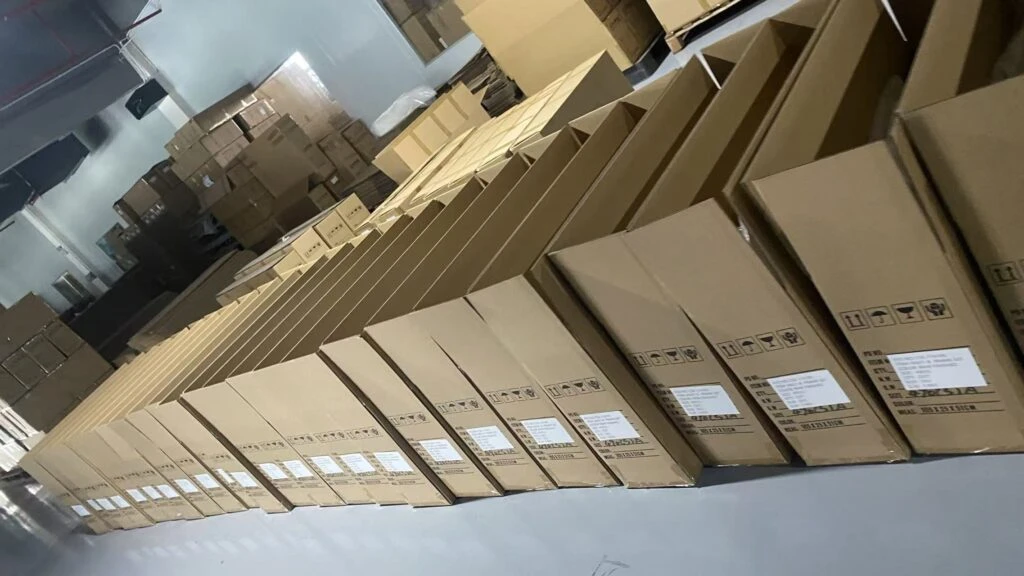
An efficient carbon bike frame warranty claim hinges on precise technical diagnosis—accurately separating manufacturing flaws from transit shock, bad mechanic work, or crash damage. Structured claim evidence, verified by the frame serial number, cuts endless email back-and-forth and keeps your brand’s dealer network running smoothly.
Step 1 – Submit Photos, Videos and Frame Serial Number
Submit clear full-bike photos, macro damage close-ups, diagnostic video, and the bottom bracket frame serial number with batch IDs. Complete documentation lets factory engineers pull the exact production logs.
Step 2 – Technical Assessment and Root Cause Analysis
Factory engineers and QC inspect structural carbon layup, joint bonding, surface finishes, and clamping points. This differentiates a true manufacturing defect from impact trauma without guesswork.
Step 3 – Warranty Decision and Resolution
Once confirmed under warranty coverage, the factory executes an agreed fix—dispatching a replacement frame, shipping structural sub-assemblies, or crediting future purchase orders on clear lead times.
Step 4 – Replacement and Corrective Action
Effective warranty service goes beyond swapping broken parts. Recurring batch issues trigger engineering root cause analysis and shop-floor corrective action, feeding claim data back into molding, prepreg schedules, and QA checks.
Why Factory-Direct Support Matters
For B2B buyers, a real carbon bike frame warranty isn’t just about promises to replace broken parts—it’s about root-cause speed. Carbon manufacturing hinges on layup schedules, resin curing, tube bonding, and tight tolerances. Direct access to engineering and QC eliminates middlemen delays and costly miscommunication.
1. Direct Access to Engineering and QC Teams
Handling a warranty claim directly with engineering beats relaying messages through sales reps. Matching serial numbers against production logs, photos, and video allows engineers to verify carbon layup, bonding integrity, frame alignment, and interface tolerances on the fly.
2. Faster Identification of Manufacturing Issues
Nothing frustrates distributors more than weeks of back-and-forth over a single claim. Direct factory access enables engineers to swiftly differentiate a genuine manufacturing defect from improper assembly or blunt crash damage, drastically cutting evaluation cycles.
3. Warranty Feedback → Root Cause → Production Improvement
Legitimate after-sales service goes beyond part replacement. Every warranty claim yields vital diagnostic data. Through decisive root cause analysis, feedback directly drives corrective action across layup, molding, and curing lines—permanently closing defect loops and driving down long-term claim rates.
B2B After-Sales Support Beyond Warranty
Long-term B2B partnerships rely on fast manufacturer response, parts availability, and technical resolve—far beyond a basic carbon bike frame warranty. Optimized after-sales support integrates troubleshooting, spare parts provisioning, and clear protocols for non-warranty damage, stabilizing operating costs and dealer churn.
1. Spare Parts and Technical Support
Following bulk shipments, missing replacement parts halt dealer operations. Guaranteed spare inventory, clear assembly guidance, technical documentation, and direct factory engineering support ensure bike shops and distributors resolve bottlenecks rapidly.
2. Replacement Support for Crash-Damaged Frames
Structural impacts fall outside standard warranty claim terms, but riders still need support. Utilizing batch records and damage evaluations, factories can offer tiered crash replacement or Assisted Replacement frameworks, separating defect liability from rider error while protecting brand loyalty.
3. Support for Brands, Distributors and Bike Shops
For brands, distributors, and bike shops, fast claim turnarounds protect reputation. In addition to a replacement frame, suppliers must provide serial number tracking, standardized claim documentation, and technical assessment reports for full audit traceability.
Carbon Bike Frame Warranty Checklist for B2B Buyers
| What to Ask Your Supplier | Why It Matters |
|---|---|
| What is the structural warranty period? | Defines your risk period |
| What defects are covered? | Prevents disputes |
| Are paint defects covered? | Clarifies cosmetic claims |
| Who pays return shipping? | Controls after-sales costs |
| Is remote assessment available? | Saves time and shipping costs |
| How are crash-damaged frames handled? | Protects customer relationships |
| Can claims be tracked by serial number? | Improves warranty management |
FAQ About Carbon Bike Frame Warranty
How long is the warranty on a carbon bike frame?
The warranty period varies by supplier and contract. B2B buyers must define the structural warranty, manufacturing defects, and warranty coverage period upfront rather than accepting headline numbers.
What does a carbon bike frame warranty usually cover?
Standard carbon bike frame warranty terms target material and fabrication failures, such as internal carbon layup defects. Crash damage, improper setup, abuse, and normal wear and tear fall outside standard warranty coverage.
Are carbon frame paint defects covered?
Paint and finish are evaluated independently from the structural warranty. For volume B2B orders, lock down specifications covering paint warranty, clear coat, and cosmetic defects early.
Do I need to return a defective frame to China?
Rarely. For clear factory issues, suppliers verify claims via photos, videos, frame serial number and production records. Unless a complex carbon frame warranty claim demands lab testing, a digital remote assessment bypasses redundant international freight costs.
What information is needed for a warranty claim?
Submitting a formal claim requires the frame serial number, PO number, purchase date, issue description, and clear visual media. For structural failures, documenting the crash site and build specs accelerates root cause analysis by the engineering/QC team.
How long does a warranty claim take?
Resolution speed depends on structural complexity. Well-documented claims trigger a rapid preliminary assessment, while ambiguous safety failures undergo formal engineering reviews. B2B buyers must partner with suppliers that run a transparent, SLA-backed warranty claim process.
How are crash-damaged carbon frames handled?
Impact damage is outside the standard warranty. Drawing from industry programs like Crash Replacement, Assisted Replacement, or Carbon Care, seasoned manufacturers supply discounted crash-replacement solutions that mitigate retail attrition.
Need Reliable Carbon Frame Support?
Planning your next carbon frame order? Talk with HaideliBikes about OEM/ODM production, warranty support, and long-term after-sales service for your brand or wholesale business.