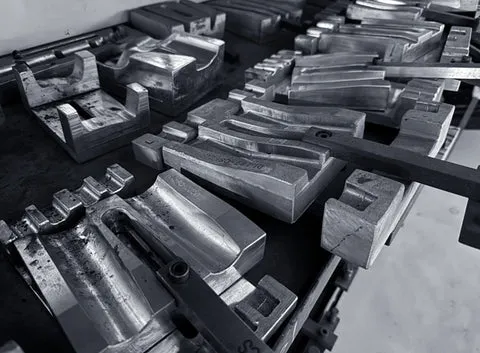
A high-performance carbon frame starts with a precise, reliable carbon bike frame mold. Mold accuracy directly dictates frame geometry, structural integrity, weight targets, and mass-production consistency. With over a decade of experience in carbon cycling manufacturing, our OEM/ODM facility guides global brands through a rigid carbon frame mold development process—from 3D modeling and CNC machining to rigorous test-molding—delivering premium custom carbon frame mold solutions. Advanced carbon frame tooling keeps your development costs and lead times under control while guaranteeing batch-to-batch repeatability on the factory floor.
Why Carbon Frame Mold Development Is Critical for Bicycle Brands
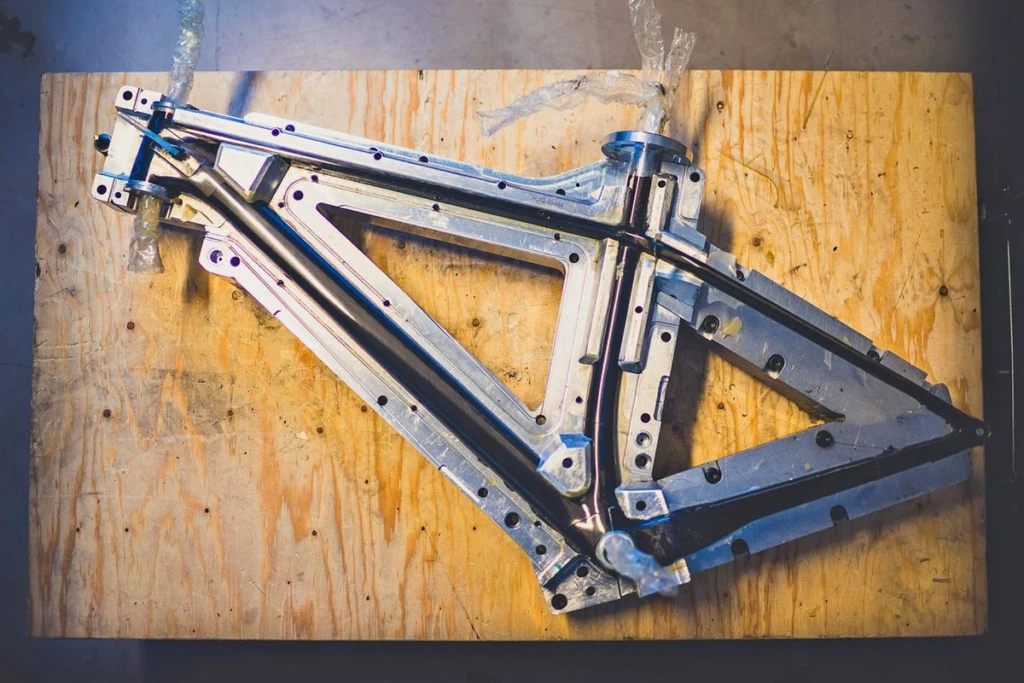
For bike brands, frame molds define product positioning and manufacturing yield. Precision carbon bike frame mold development gives brands control over frame structure, aesthetic consistency, and throughput across road, Gravel, and MTB platforms. Reliable carbon frame tooling cuts downstream trial-and-error, accelerating the path to stable mass production.
1.The Role of Mold Accuracy in Carbon Frame Performance
Tooling precision governs carbon fiber frame mold outcomes—including frame geometry, alignment, stiffness, and weight consistency. On race-ready frames, critical parameters like head tube angle, BB position, and rear triangle alignment demand strict tolerances. Expert bike frame mold design ensures exact ply compaction, eliminating alignment issues or handling degradation caused by dimensional drift.
2.How Proper Tooling Improves Carbon Frame Manufacturing Efficiency
Superior carbon frame manufacturing tooling elevates quality while streamlining factory operations. Rigid mold structures and precise alignment pins reduce scrap rates, narrow batch-to-batch variance, and lower long-term unit costs. For brands establishing proprietary frame lineups, proven custom bicycle frame tooling shortens time-to-market and builds a competitive advantage.
Understanding the Structure of Carbon Bicycle Frame Molds
A precision carbon bicycle frame mold is the cornerstone of reliable, high-volume carbon frame manufacturing. Mold architecture dictates dimensional tolerances, production throughput, long-term tool maintenance, and part consistency. For high-performance builds, an optimized carbon fiber bicycle mold balances composite behavior, cure cycles, and scalable manufacturing targets.
1.Main Components of a Carbon Frame Mold
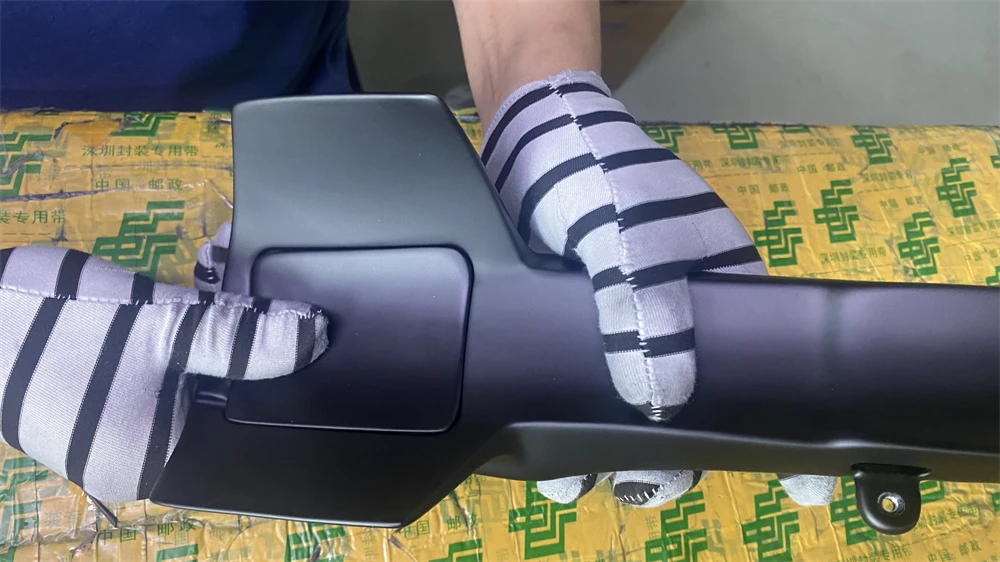
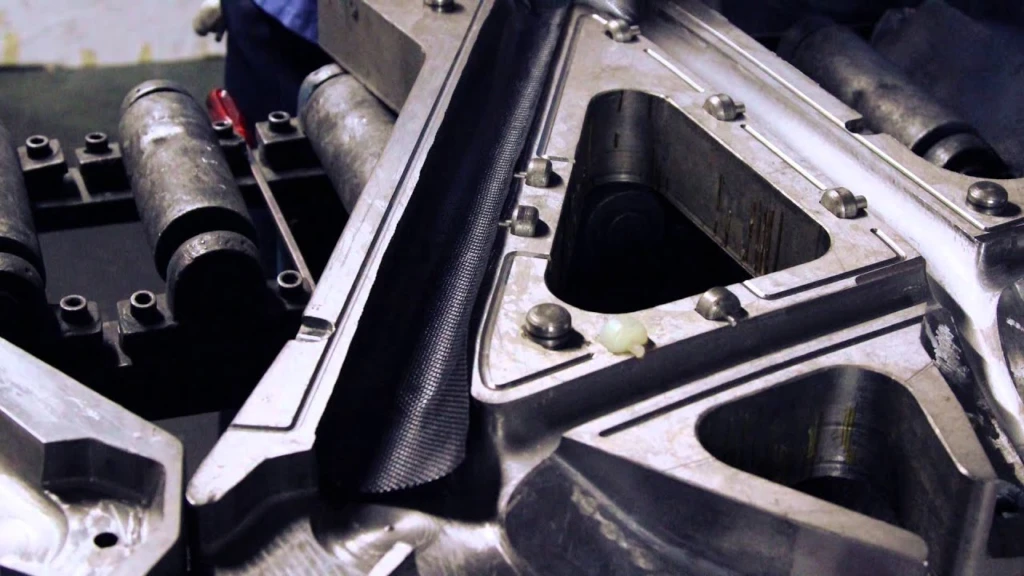
Industrial-grade carbon bike frame tooling integrates a main mold cavity, core components, a positioning system, a heating system, and vacuum channels. These components regulate prepreg carbon fiber compaction, internal bladder pressure, and surface finish. Precision alignment minimizes voids, resin pockets, and structural distortion in premium framesets.
2.Materials Used for High-Performance Frame Molds
Selecting tool metals depends on target volumes. Standard options include Aluminum molds, Steel molds, and advanced Composite tooling materials. Aluminum offers fast machining for rapid prototyping, while steel provides thermal stability for high-volume manufacturing. Experienced suppliers balance upfront tooling costs with long-term unit economics via a tailored custom carbon frame mold.
Comparation:
| Material | Advantage | Application |
|---|---|---|
| Aluminum | Lightweight, cost-effective | Prototype |
| Steel | High durability | Mass production |
Carbon Fiber Frame Mold Design Process from Concept to Production
Bringing a bike from sketch to mass production requires a carbon fiber frame mold backed by engineering, materials science, and shop-floor expertise. As a manufacturing partner, we execute a complete tooling pipeline to translate drawings into race-ready framesets. An optimized custom carbon frame mold establishes core structural performance while ensuring stable production yields and cost controls.
Step 1: Frame Geometry Analysis and CAD Preparation
Engineering begins by auditing the frame concept, geometry requirements, and performance targets. Utilizing CAD modeling, structural analysis, and a mold feasibility review, engineers evaluate tube profiles, stress points, and split lines. Upfront bike frame mold design catches manufacturing bottlenecks early, ensuring a smooth transition into production.
Step 2: Mold Structure Optimization for Carbon Layup Process
Tool architecture must match the composite manufacturing cycle, accommodating carbon fiber direction, prepreg placement, the demolding process, and internal bladder position. Refining split planes, alignment pins, and internal cavities improves ply layup precision, preventing wrinkles and voids during curing.
Step 3: CNC Machining and Mold Finishing
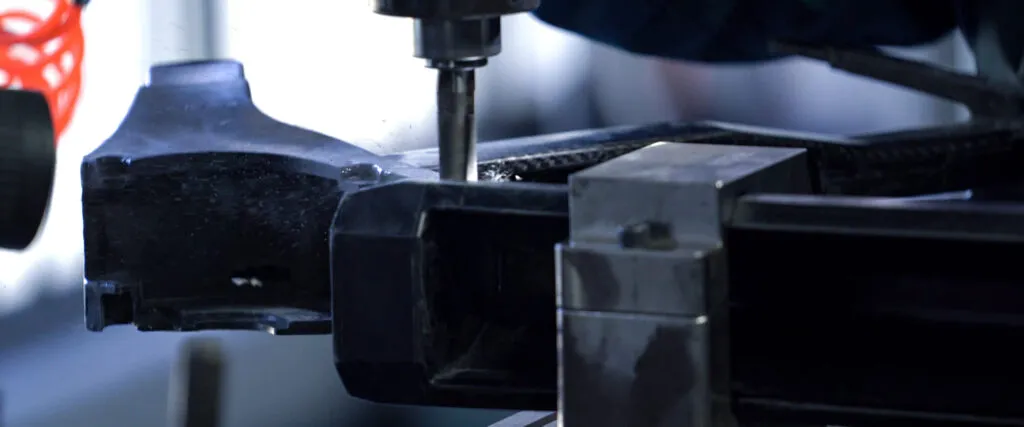
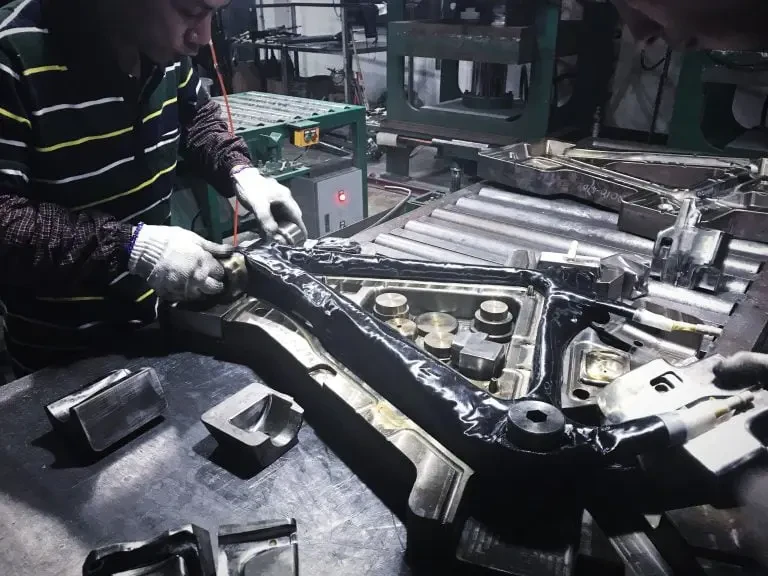
Upon design sign-off, tooling moves to CNC machining, surface polishing, and precision inspection. Leveraging carbon manufacturing experience, our facility ensures dimensional accuracy and repeatability, keeping your carbon bicycle frame manufacturing mold performing consistently over high-volume production cycles.
Custom Carbon Frame Mold Development Process for OEM Projects
Developing a custom carbon frame mold is the core driver of product differentiation for proprietary brand lineups. From initial target setting and engineering design to prototype validation and ramp-up, suppliers must provide end-to-end technical support. A mature carbon frame mold development pipeline mitigates risk, compresses time-to-market, and guarantees that final framesets meet exacting performance benchmarks.
1.Requirement Analysis and Product Planning
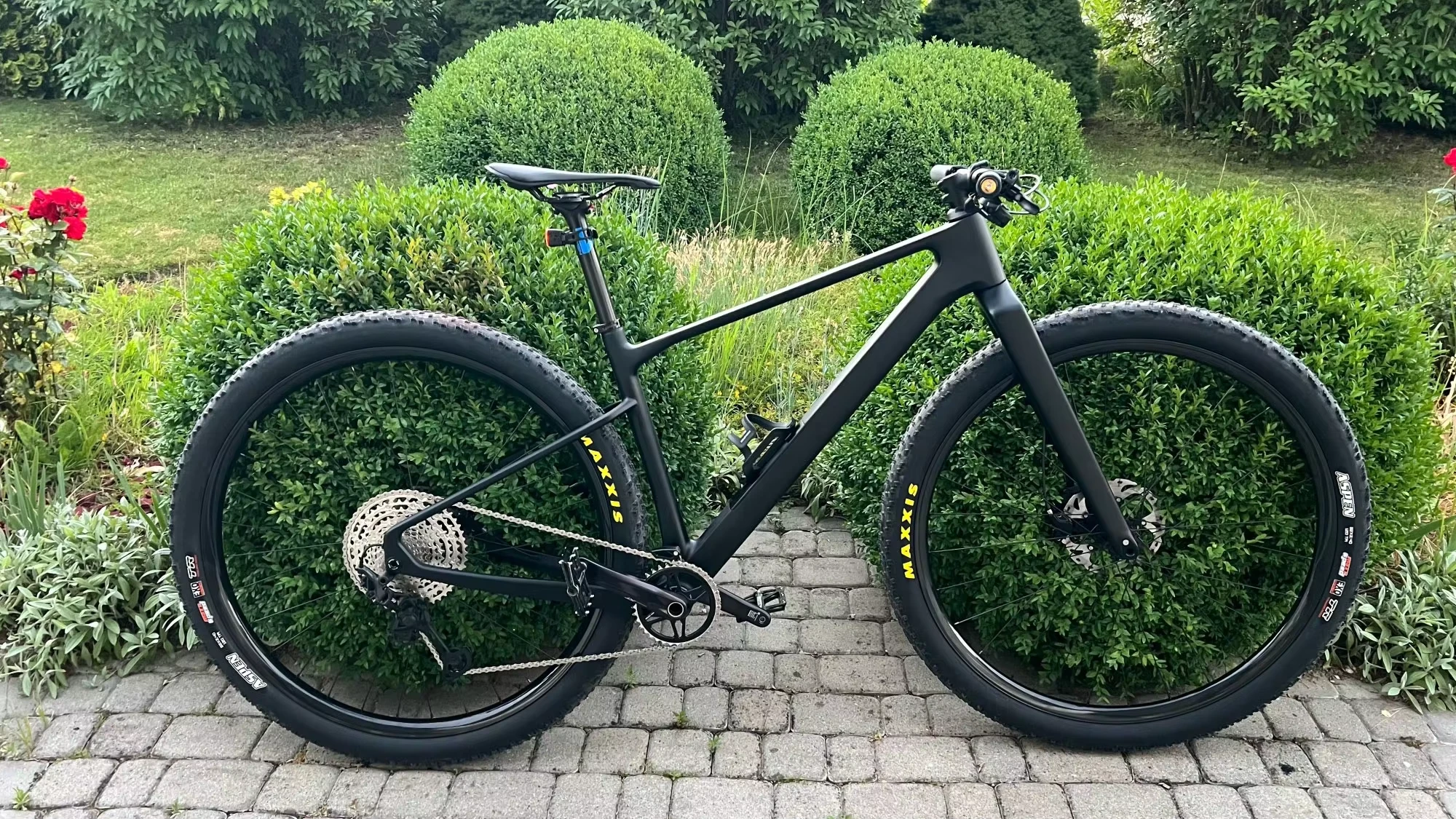
Tooling begins with strict product definition across targeted platforms: Road bike frame, Gravel frame, MTB frame, Aero frame, and E-bike frame. Engineering teams evaluate your brand direction, frame geometry, target weight, and riding performance requirements to construct a scalable carbon fiber bicycle mold development schedule.
2.Prototype Testing and Mold Adjustment
The initial sample validation phase tests real-world mold precision. Through prototype frame production, quality inspection, geometry checking, and targeted mold modification, engineers refine dimensions and internal tolerances. The structural integrity of the First prototype dictates long-term production stability, making it a critical quality gate in frame manufacturing.
3.Mass Production Preparation and Quality Control
Prior to full-scale manufacturing, factory teams execute rigorous production trial runs, carbon layup verification, weight control, and surface inspection checks. Durable carbon frame manufacturing tooling holds tight tolerances across extended production cycles, eliminating batch variance to support steady global distribution.
Key Factors to Consider When Developing Custom Bicycle Frame Tooling
Developing high-quality custom bicycle frame tooling requires balancing upfront capital expenditure against long-term production stability and product margins. For brands launching proprietary frame platforms, partnering with an experienced manufacturer ensures smooth transitions from initial CAD design to prototype sign-off and scalable mass production.
1.Choosing the Right Mold Manufacturer Experience
Tooling vendor selection hinges on engineering depth and shop-floor capacity. Brands should audit a factory’s history, real-world carbon frame portfolio, engineering staff, and machinery. A supplier with extensive carbon bicycle frame mold experience spots structural failure points early, delivering manufacturable mold design solutions that prevent costly shop-floor re-runs.
2.Balancing Development Cost and Long-Term Production Value
Tooling development is a long-term investment in product lifecycle profitability. A realistic initial tooling cost pays dividends by driving down unit cost, curbing scrap rates, and raising first-pass yield during serial production. Expert carbon frame mold development helps brands align upfront CAPEX budgets with high-volume manufacturing returns.
3.Ensuring Compatibility with Carbon Fiber Manufacturing Technology
High-performance tooling must integrate seamlessly with modern composite processing—including EPS molding, prepreg carbon fiber layup, and autoclave or compression molding cycles. Proper tool architecture maximizes ply compaction, guaranteeing lightweight frames meet strict target standards for stiffness, impact strength, and fatigue resistance.
Advanced Technologies Used in Modern Carbon Frame Tooling
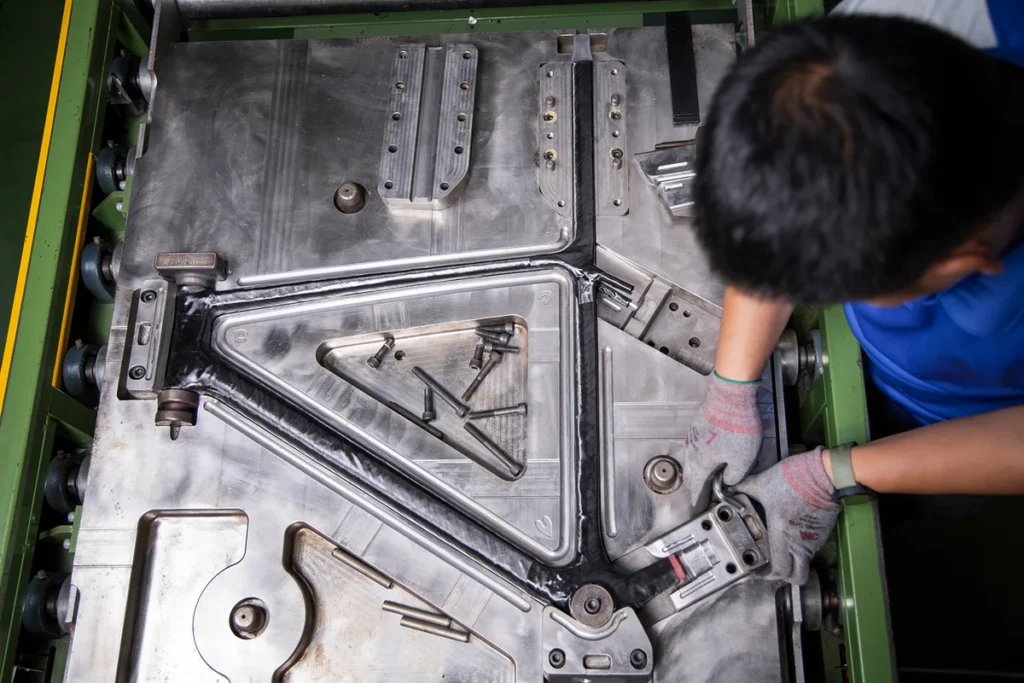
Modern composite bikes rely on cutting-edge Bicycle frame tooling. From CAD architecture and machining tolerances to cure cycles, every metric impacts ride dynamics. Combining digital design, precision machining, and composite technology, high-end carbon frame tooling delivers lighter, stiffer, and more competitive framesets.
1.EPS Molding Technology for High-End Carbon Frames
EPS molding is vital for premium composite manufacturing. By regulating bladder expansion and ply positioning, it produces superior internal surface quality, precise tube forming, and reduced defects. Compared to traditional bladders, EPS improves structural consistency—making it ideal for lightweight, high-rigidity road bike, gravel bike, and MTB frame platforms.
2.CNC Precision Machining for Frame Mold Production
Multi-axis CNC milling forms the foundation of carbon bicycle frame mold fabrication. Cutting cavities on high-end machine centers delivers high precision machining and repeatable production, ensuring tool geometry and surface finish stay rock-solid across long production runs.
3.Digital Design and Simulation Before Mold Manufacturing
Before cutting metal, engineers refine frame layouts via 3D modeling, CAD optimization, and structural simulation. Virtual modeling validates frame geometry, load paths, and mold split lines upfront—minimizing prototyping risks and accelerating custom carbon frame mold development.
How We Develop Carbon Bicycle Frame Manufacturing Molds for Global Brands
As a specialized manufacturer, we deliver end-to-end toolmaking services from concept sketches to full-scale production. Driven by a battle-tested carbon bicycle frame manufacturing mold framework, we blend structural engineering, composite curing, and quality control to build rock-solid products. Whether you are launching a flagship bike brand or refreshing an established lineup, we provide complete OEM/ODM manufacturing support.
1.Professional OEM/ODM Carbon Frame Development Capability
With over a decade of hands-on carbon fabrication experience, our custom carbon frame development covers frame structural design, tooling, layup schedule optimization, and production validation. Working effortlessly with Toray T700, T800, and T1000 fibers, our engineers translate your targets for weight, stiffness, compliance, and geometry into high-performance builds.
2.Supporting Different Carbon Frame Categories
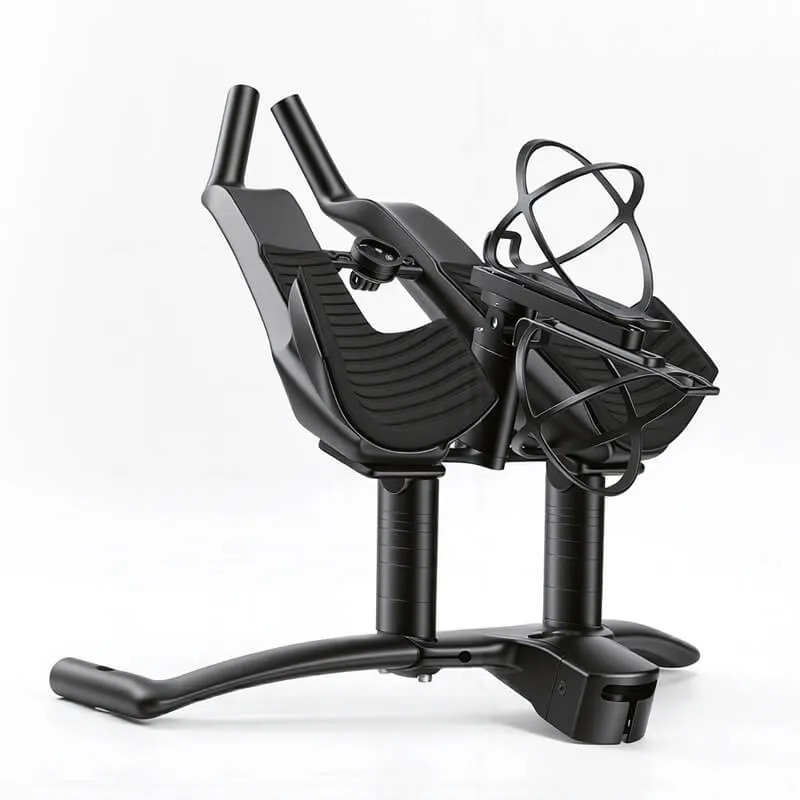
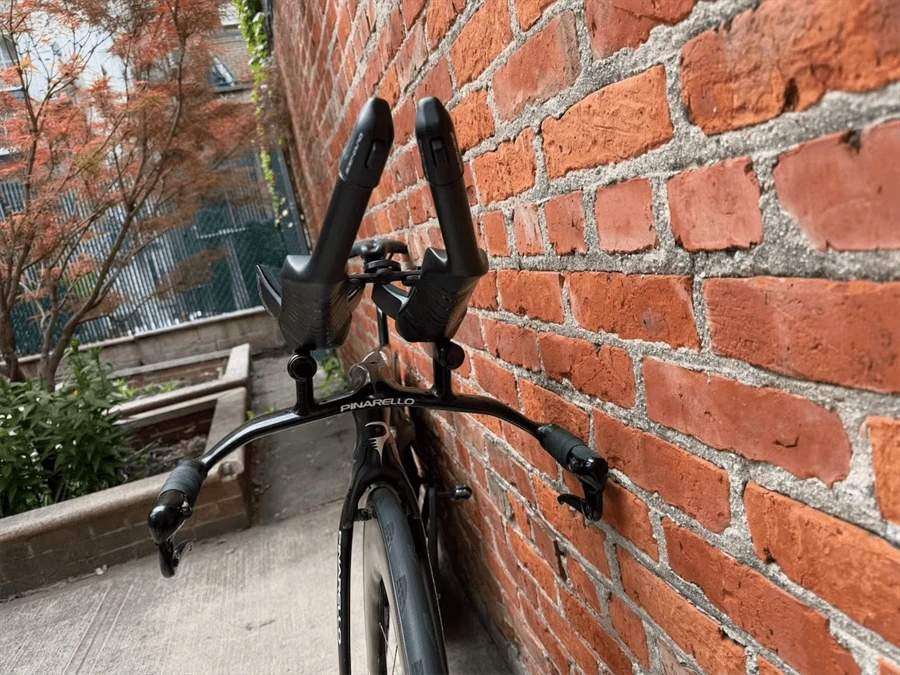
Our carbon fiber bicycle mold expertise spans diverse cycling disciplines, including Road bike frames, Gravel frames, MTB frames, Triathlon frames, and E-bike frames. For every application, we refine mold split lines, tube profiles, and internal compaction cycles to meet strict brand requirements for aerodynamics, low weight, and impact durability.
3.From First Drawing to Finished Production
We execute a standardized roadmap from initial blueprints to final batch runs: Design confirmation → Mold development → Prototype testing → Mass production → Quality inspection. Through rigorous dimensional audits, test fits, and process monitoring, we ensure every carbon bicycle frame mold maintains long-term production stability, lowering development risk and speeding your time-to-market.
Common Questions About Carbon Bike Frame Mold Development
Developing high-caliber carbon frame molds spans engineering, machining, testing, and production. For brands launching proprietary frames, understanding carbon bike frame mold development timelines, costs, and technical demands is crucial for budget and release planning. Experienced suppliers tailor custom carbon frame mold strategies to your frame style, volume targets, and custom needs.
1.How long does it take to develop a carbon frame mold?
The carbon frame mold development timeline hinges on design complexity, covering Design evaluation, mold manufacturing, and prototype testing. Engineers continuously refine the tooling from initial CAD reviews to first-article inspection to ensure the frame hits all performance metrics.
2.How much does a custom carbon frame mold cost?
Tooling costs depend on Frame type, mold complexity, production volume, and custom requirements. For instance, an aero road frame, gravel frame, or full suspension MTB frame each requires distinct carbon bicycle frame mold architecture and machining investments.
3.Can manufacturers develop exclusive molds for bicycle brands?
Established OEM/ODM factories offer private tooling development, including exclusive geometry, custom appearance, brand logo integration, and full private tooling ownership. Utilizing custom bicycle frame tooling allows brands to launch proprietary models rather than relying on open-mold designs.
4.What information is needed before starting mold development?
Kickstarting mold development requires defining core parameters: Frame geometry, technical requirements, target weight, and expected production quantity. Complete technical specs allow engineers to optimize the carbon fiber bicycle mold design and assess mass-production feasibility early.
Partner With an Experienced Carbon Frame Manufacturer for Your Next Project
Partnering with an experienced composite manufacturer is key to mitigating development risk, ensuring quality, and accelerating time-to-market. From initial carbon bike frame mold development to full-scale manufacturing, a specialized factory delivers end-to-end OEM/ODM solutions to build a dependable, high-performance product lineup.
Custom Carbon Frame Development and Exclusive Mold Solutions
We offer turn-key engineering—from structural design and tooling fabrication to prototype testing and mass production. Supporting custom carbon frame development, OEM/ODM production, and exclusive mold solutions, we tailor carbon frame tooling across Road, Gravel, MTB, and race-day platforms to get your bike to market fast.
Contact us to discuss your carbon frame development project and discover how our engineering team can help bring your next bike platform from concept to production.