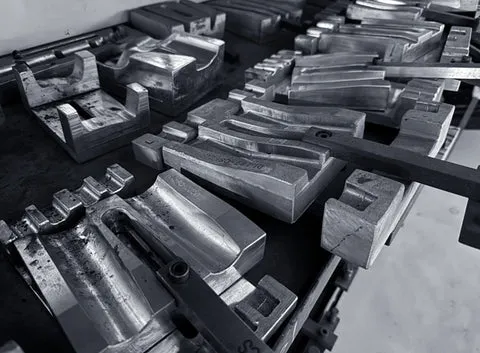
In Triathlon and Time Trial disciplines, the carbon aero tri bar is the definitive tool for maximizing marginal gains. Unlike standard setups, aero extensions and clip-on aero bars optimize the rider’s frontal profile, cutting drag by over 10% in real-world conditions. As a specialized carbon aero bar manufacturer, we utilize one-piece mold construction to anchor structural rigidity while integrating internal cable routing for a cleaner, more stable carbon aero cockpit. Designed for both Ironman setup and UCI races, these TT aero handlebars ensure maximum power transfer and ergonomic efficiency during long-distance riding.
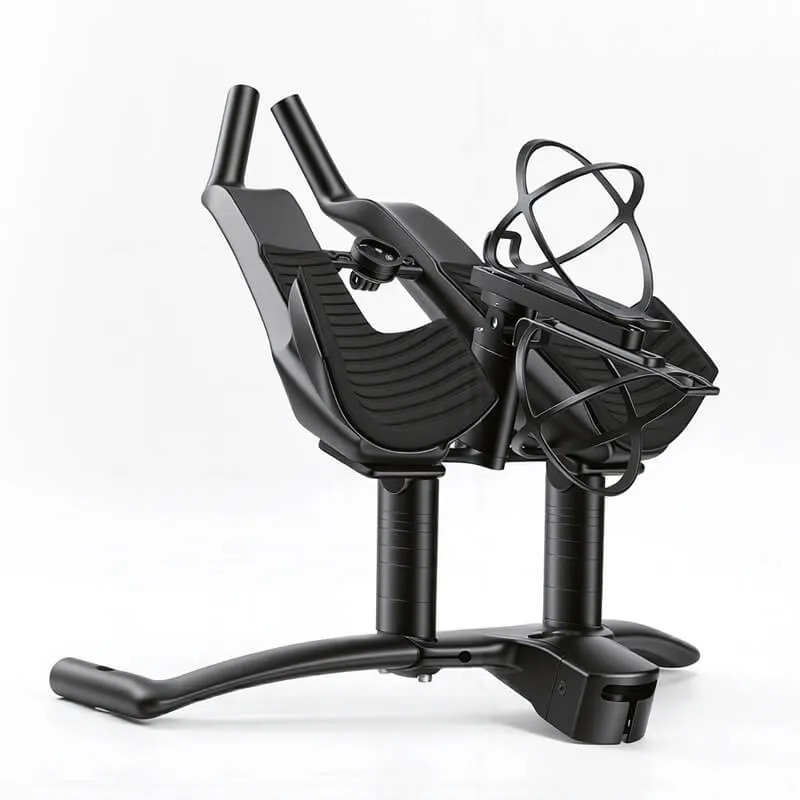
Performance Engineering: Why Carbon Aero Tri Bars Define the TT Standard
A carbon aero tri bar integrates the aero base bar and aero extensions to drop and extend the rider’s profile, optimizing aero geometry and neutralizing drag. For any TT cockpit or Ironman setup, these TT aero handlebars are essential for maximizing time trial performance while maintaining the high-speed stability required for endurance racing.
1: Structural Analysis of the Carbon Aero Tri Bar
High-end tri bars / triathlon bars consist of base bars and aero extensions, with elite models utilizing integrated aero cockpit or aero integrated handlebars for structural closure. By refining the clamp interface design and fully integrating internal cable routing, these systems provide a cleaner, more stable platform for competitive cycling across diverse race profiles.
2: The Aerodynamic Impact of Triathlon Aero Bars
The primary function of triathlon aero bars is minimizing frontal area to boost time trial performance. Precision aero geometry drastically cuts wind resistance, allowing riders to maintain peak efficiency during endurance cycling. Beyond raw speed, this ergonomics-driven design reduces core fatigue—a critical focus for modern carbon aero cockpit engineering.
3: The Evolution: From Road Racing to Ironman Setups
Once a niche tool for road racing, carbon aero bars are now the definitive benchmark for triathlon racing. From UCI compliant design to radical Ironman setup configurations, the evolution of aero extensions and the TT cockpit has pushed rider positioning to its physical limits, driving the entire bike system toward elite-tier performance.
Structural Superiority: Why Carbon Defines the Aero Bar Standard
In competitive cycling and endurance cycling, carbon aero bars have effectively superseded alloy alternatives. Compared to traditional materials, the carbon aero tri bar offers superior weight optimization, aerodynamic shaping, and structural stability, providing a rigid platform for sustained aero position output. For brands and wholesalers, this translates to higher margins and a decisive market edge.
1: Maximizing Stiffness-to-Weight Ratios
Utilizing lightweight aero handlebars engineering, carbon time trial bars minimize mass while anchoring structural integrity to enhance handling and acceleration. Strategic carbon fiber orientation concentrates stiffness in critical high-stress zones, eliminating redundant weight without compromising power transfer.
2: The Impact of One-Piece Mold Construction
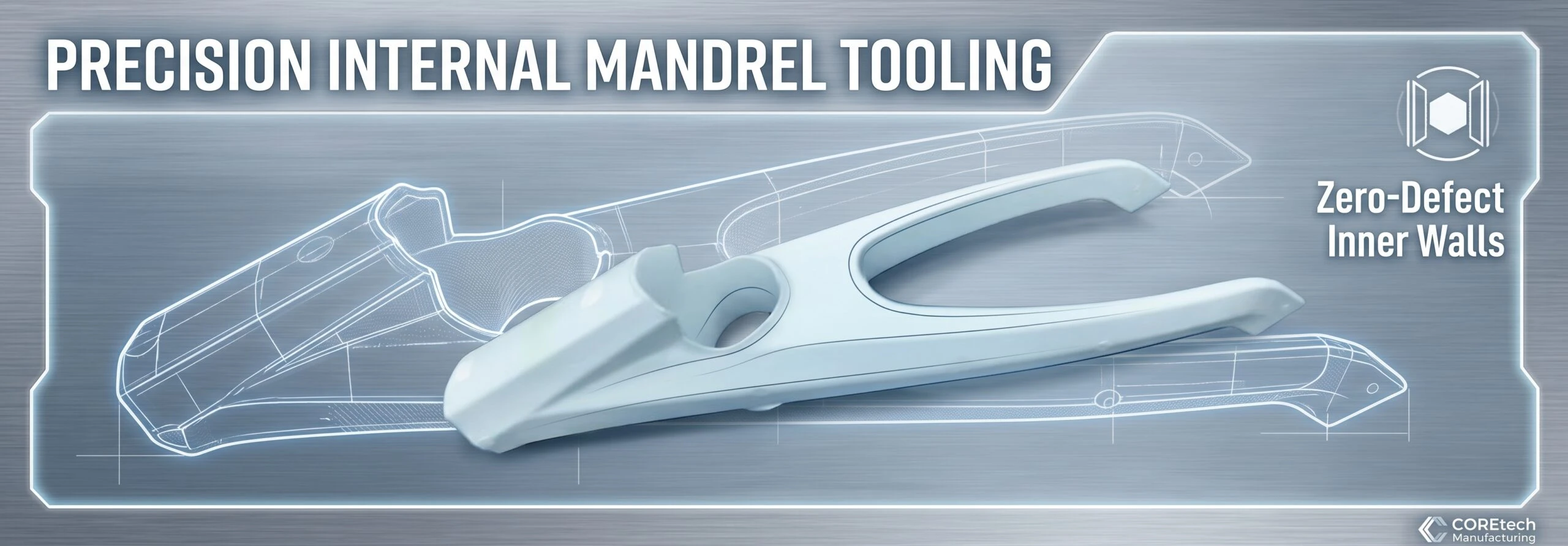
Through one-piece mold construction, a fully integrated carbon aero cockpit eliminates secondary bonding points, boosting overall strength and batch consistency. This process optimizes aerodynamic profiles to reduce drag while providing the high-level quality control required for volume OEM and custom brand projects.
3: Endurance Optimization for Ironman Setups
For long-distance riding and Ironman setup configurations, vibration damping and ergonomics are vital. Precision aero geometry combined with anatomically optimized arm supports minimizes rider fatigue. This allows for stable, high-cadence output on TT aero handlebars, balancing raw speed with long-term durability.
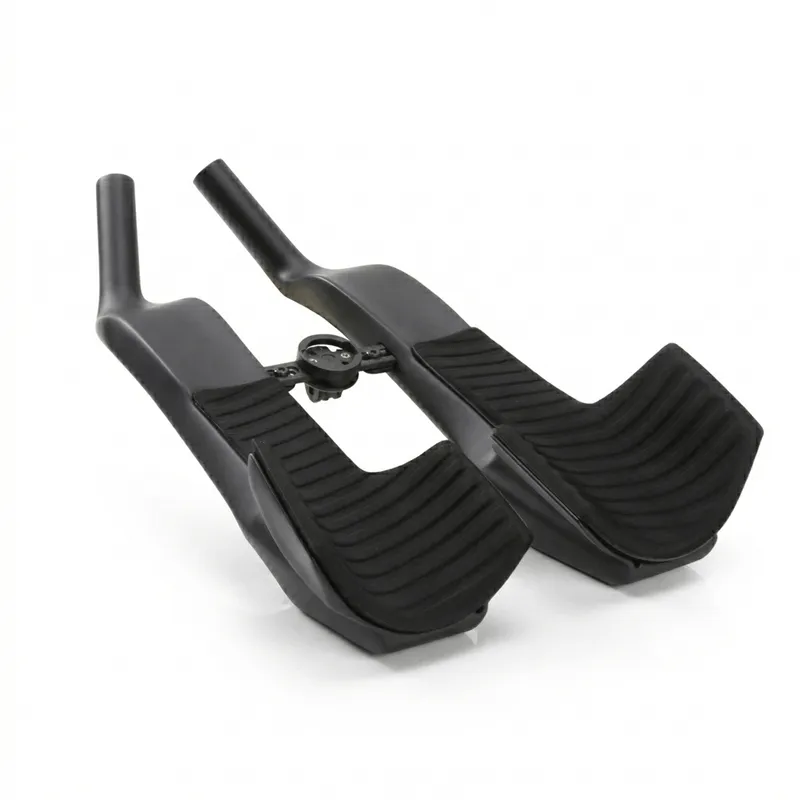
Selection Logic: Defining Carbon Aero Tri Bar Configurations
In competitive cycling, the structural choice of a carbon aero tri bar dictates its performance ceiling. Whether using versatile clip-on aero bars or a seamless integrated aero cockpit, the trade-offs in weight and drag are significant. Precision matching of aero geometry and structural integration is essential for anchoring TT performance and serves as a critical roadmap for brands requiring custom engineering.
| Factor | Why It Matters | Recommended Range / Notes |
|---|---|---|
| Weight | Impacts climbing & long-distance efficiency | Ultra-lightweight carbon aero bar (<500g pair) |
| Stiffness | Affects power transfer in TT & triathlon | High modulus carbon fiber construction |
| Aerodynamics | Reduces drag for better speed | Integrated aero cockpit design preferred |
| Adjustability | Improves fit & comfort | Adjustable aero extensions recommended |
| Compatibility | Ensures proper fit with TT frame / road bike frame | Check clamp interface & stem compatibility |
| Ergonomics | Important for long rides (rest handlebar design) | Padded armrests + optimized geometry |
| Manufacturing Quality | Ensures durability & safety | Look for carbon aero bar manufacturer with QC system |
1: Modular vs. Integrated: Clip-ons vs. Integrated Cockpit
Clip-on aero bars offer fit flexibility and low R&D costs for cross-platform builds. In contrast, the integrated aero cockpit focuses on structural closure by fusing the aero base bar and aero extensions. This approach is the definitive benchmark for high-end TT cockpit and elite OEM projects, maximizing both weight savings and aerodynamic efficiency.
2: Coupling Logic: Aero Base Bar and Aero Extensions
In modular systems, the aero base bar handles steering rigidity while aero extensions secure the aero profile via a precision clamp interface design. For elite TT aero handlebars, semi-integrated or full-monocoque designs optimize internal cable routing and aerodynamic transparency.
3: Discipline Differentiation: TT Bars vs. Triathlon Bars
Time trial handlebars (TT bars) prioritize absolute aero efficiency for UCI races. Conversely, triathlon bars emphasize long-distance support, typically for an Ironman setup. These TT cockpit variations differ in adjustability and ergonomic support, directly defining a brand’s market positioning.
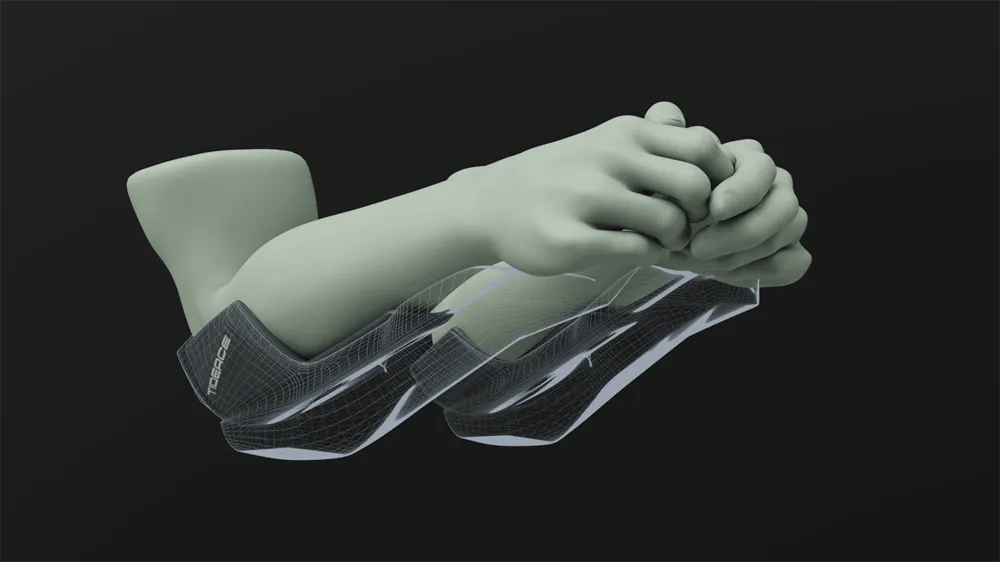
Engineering Standards: High-Performance Carbon Aero Tri Bar Design
Elite carbon aero tri bar development balances aerodynamic gains with structural stability. Designs must serve competitive cycling and endurance cycling while offering the adjustability required for a pro cycling setup. As a specialized carbon bike cockpit manufacturer, we focus on volume consistency and peak performance to ensure our OEM partners maintain a decisive market edge.
1: Aero Engineering: Minimizing Drag via Profile Optimization
In aero geometry design, the goal is to reduce the frontal profile. By optimizing aero extensions length and angles alongside carbon time trial bars‘ low-drag cross-sections, we effectively neutralize resistance. This focus is the primary driver of time trial performance for high-end TT aero handlebars.
2: Clamp Interface and Universal Compatibility
The clamping system governs installation rigidity and fit range. A refined clamp interface design secures high-torque stability while maintaining compatibility with diverse aero extensions. For volume buyers, this versatility maximizes market reach while minimizing inventory and after-sales risk.
3: Internal Cable Routing: Streamlining the Cockpit
Internal cable routing is essential for neutralizing airflow turbulence from exposed housing. Now a benchmark for aero integrated handlebars and the carbon aero cockpit, this integration enhances the aesthetic and aerodynamic signature of the high-speed system.
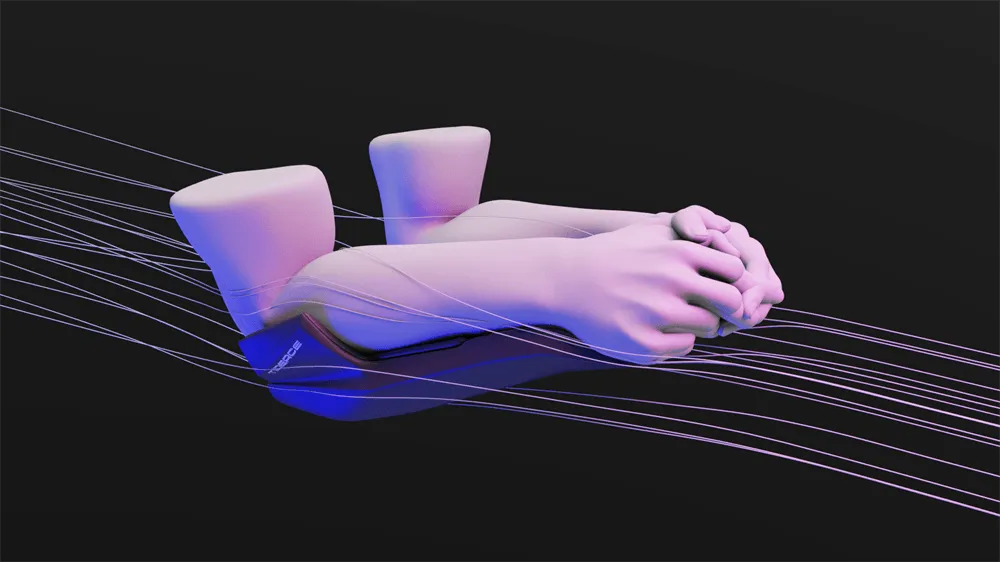
Regulatory Compliance: Is Your Aero Bar Race-Legal?
In elite engineering, carbon aero bar compliance dictates market access. Racing bodies impose strict limits on TT handlebars, aero extensions, and rider positioning. Aligning with these benchmarks during R&D is critical to mitigating risk and ensuring the competitive edge of an integrated aero cockpit.
1: UCI Race Constraints and Compliant Design
Under UCI protocols, TT aero handlebars and carbon aero handlebars must operate within narrow geometric windows. For carbon fiber aerobar manufacturers, achieving UCI compliant design means maximizing aerodynamics within restricted reach limits to prevent race disqualification or inventory stagnation in the TT cockpit segment.
2: Ironman vs. Non-UCI Standards (Triathlon Racing)
Conversely, triathlon racing like Ironman offers more leeway for aero bars for triathlon, allowing aggressive reach and elongated aero extensions. This regulatory freedom drives demand for specialized carbon aero bars. An Ironman setup prioritizes long-range stability, making the carbon fiber rest handlebar and ergonomic aero extensions vital for capturing this high-growth market.
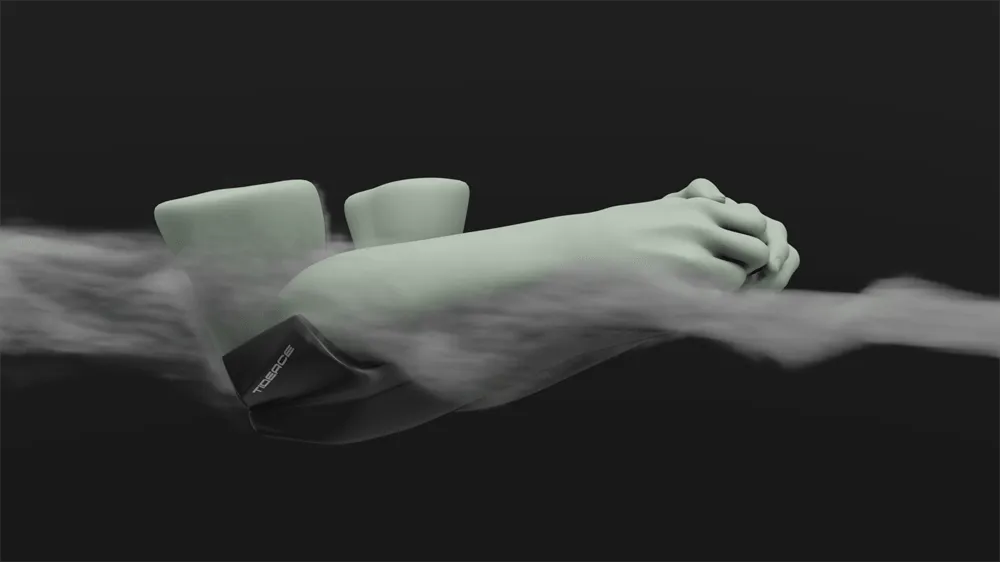
Buyer’s Guide: Selecting the Optimal Carbon Aero Tri Bar
Choosing a carbon aero bar requires balancing aerodynamic efficiency with system interoperability. For brands and distributors, optimizing performance and adjustability is the key to capturing market share.
1: Discipline-Specific Selection: TT, Triathlon, and Endurance
Design priorities for carbon aero bars vary by discipline. TT (time trial performance) demands maximum rigidity and aggressive positioning. Conversely, triathlon bars prioritize sustained power and rest handlebar support, while endurance cycling focuses on versatile aero optimization. Matching the right aero handlebars for road bike or TT aero handlebars to the intended use is critical for precise product positioning.
2: System Integration: Frame and Cockpit Compatibility
A high-end carbon fiber aerobar must maintain seamless integration with the chassis. Given the Stack/Reach variances of TT frame or aero road bike frame platforms, selecting a compatible TT cockpit or aero base bar is essential. For aero integrated handlebars, prioritizing interface standards and internal routing ensures total aerodynamic closure while minimizing assembly friction.
3: Ergonomics and Adjustment Range
The adjustability of aero extensions defines user fit and market versatility. Premium lightweight aero handlebars provide multi-axis adjustments (length, pad width, and stack height) to accommodate diverse rider profiles. For bulk procurement, this “one-platform-fits-all” design reduces SKU overhead and maximizes end-user satisfaction—a non-negotiable metric for the best carbon aero bar.
Case Study: Maximizing Gains with High-Performance Carbon Aero Tri Bars
Analyzing structural design reveals how a carbon aero bar balances aero efficiency, rigidity, and fatigue resistance. This logic allows brands to evaluate production tolerances and market fit.
1: Engineering Core: Monocoque Integrity and Internal Routing
Elite carbon aero handlebars utilize one-piece mold construction to eliminate bond-line stress and maximize stiffness. Following lightweight aero handlebars principles, we optimize weight distribution without compromising strength. Internal cable routing ensures a clean cockpit while minimizing drag. This carbon aero cockpit architecture maintains total stability under peak power—essential for high-intensity TT bars and triathlon aero bars usage.
2: Scalability: Multi-Platform Compatibility
Effective aerobar design must prioritize interoperability. Our universal clamp interface ensures seamless fitment across road bike frame and TT frame systems, supporting modular clip-on aero bars upgrades. For distributors, this cross-platform versatility reduces SKU overhead and accelerates carbon aero bar deployment across diverse bike builds.
3: Endurance Performance: Optimized for Ironman Setups
For long-distance riding and Ironman setup requirements, rest handlebar ergonomics are vital for power stability. Precision-engineered elbow supports and adjustable aero bar extensions mitigate core fatigue by redistributing pressure. Premium carbon fiber aerobar builds offer inherent vibration damping, allowing riders to sustain consistent output during extended high-speed sessions.
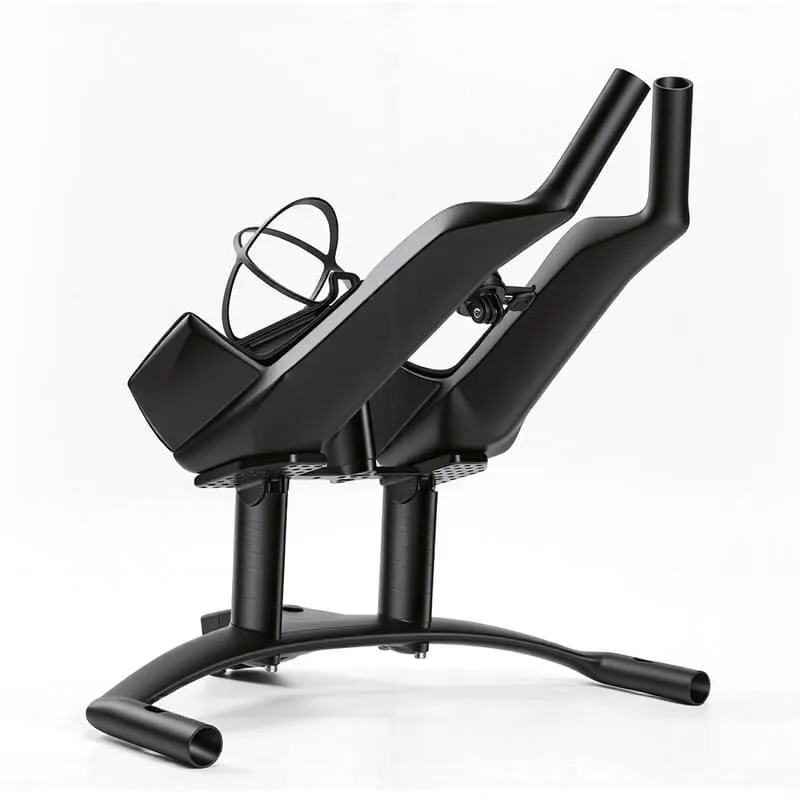
Strategic Sourcing: Why Professional Carbon Aero Bar Manufacturers Matter
Reliable carbon aero bar supply is about consistent quality and lead-time control. Partnering with a proven carbon aero bar manufacturer ensures expert aerodynamic handlebars development and rigorous QC—essential for brands requiring stable, high-volume fulfillment.
1: Engineering Edge: OEM Carbon Aero Bar Customization
Our OEM carbon aero bar solutions support deep customization, from custom carbon cockpit layouts to integrated aero extensions. By optimizing carbon layup and drag profiles, we balance lightweight aero handlebars with maximum stiffness, tailored for specific TT bars and triathlon bars positioning.
2: Supply Chain Stability for Wholesalers
For wholesale carbon aero handlebars, a Tier-1 OEM carbon aero bar supplier minimizes volatility. From raw material audits to streamlined mass production, a robust supply chain reduces inventory risk and ensures carbon fiber aerobar availability during peak demand cycles.
3: Factory Capability and Performance Standards
A leading carbon bike cockpit manufacturer controls the entire lifecycle—from tooling and layup to fatigue testing. As an established bike component factory and carbon bicycle handlebar factory, we guarantee that every carbon aero handlebars set meets the aggressive structural and aerodynamic benchmarks required for elite TT cockpit systems.
Private Label Aero Bars: Strategic Market Differentiation
As performance demands peak, private label aero bars provide a strategic pathway into elite segments. Custom carbon aero bar and carbon aero handlebars allow brands to establish unique identities and build competitive moats within the triathlon bars and TT aero handlebars markets.
1: Boosting Competitiveness via Custom Engineering
Private label aero bars enable brands to refine aero carbon handlebars via unique aero profiles and ergonomic adjustments—such as optimizing aero extensions or rest handlebar support. Differentiating the carbon fiber aerobar through custom specs ensures a dedicated product line spanning aero bars for triathlon to aero handlebars for road bike applications.
2: From Design to Volume Fulfillment
A Tier-1 carbon aero bar manufacturer provides turnkey solutions from 3D modeling to mass production. For OEM carbon aero bar projects, the workflow includes aero validation and carbon layup optimization. Before moving to wholesale carbon aero handlebars, we ensure total compatibility within TT cockpit and aero integrated handlebars systems, satisfying brand requirements for quality, lead-times, and cost control.
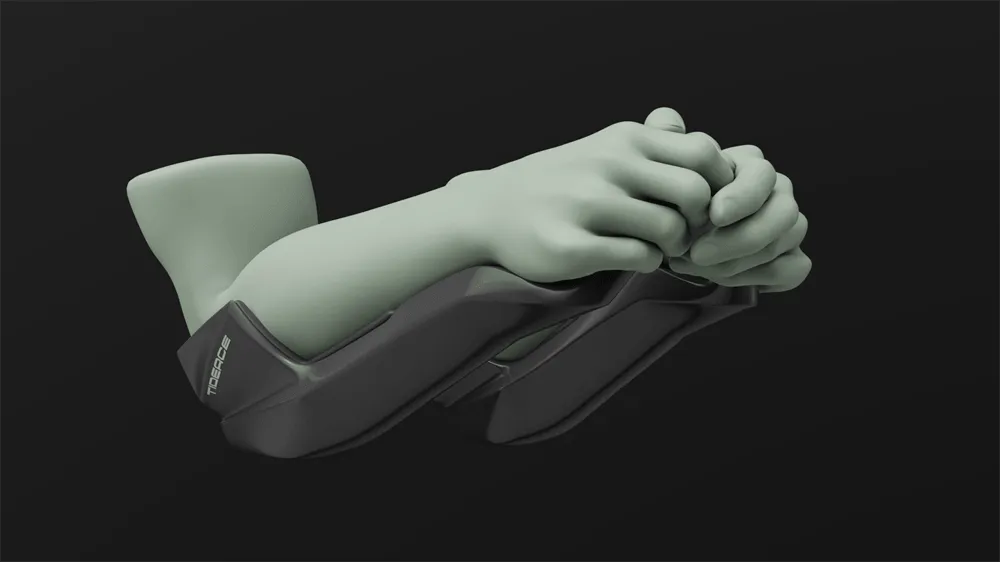
Conclusion: Defining Your Aerodynamic Edge with Carbon Aero Tri Bars
In high-stakes racing, carbon aero bar architecture dictates the physical ceiling of performance. For brands and wholesalers, partnering with a proven carbon aero bar manufacturer is essential for anchoring product competitiveness and securing long-term market trust through consistent manufacturing standards.
1: Strategic Integration of Performance and Market Value
A premium carbon fiber aerobar must balance aerodynamics, ergonomics, and seamless compatibility with TT cockpit and triathlon frame systems. Utilizing custom aero extensions and aero integrated handlebars, our solutions cover both aero bars for triathlon and elite TT aero handlebars segments. Explore our carbon aero bar portfolio for OEM and wholesale carbon aero handlebars opportunities to achieve product differentiation and scalable delivery.