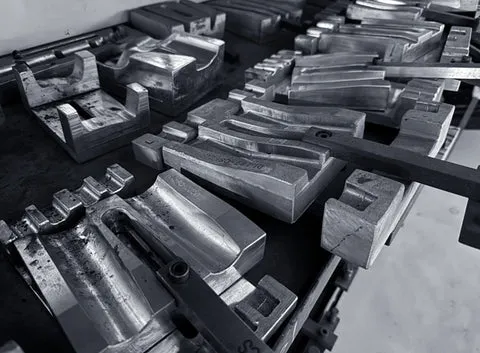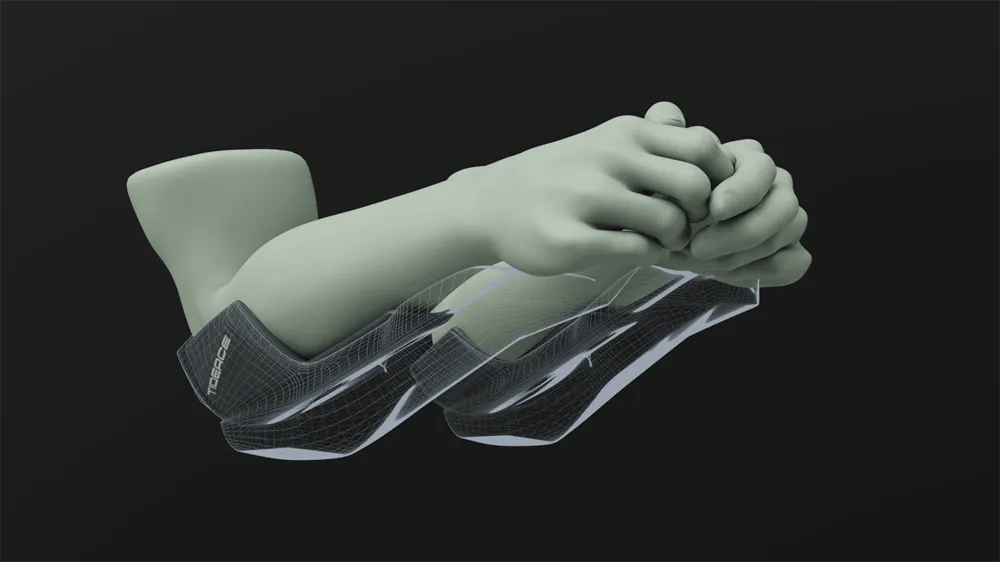
Carbon aero bar technology is essential for reducing drag and maximizing speed. These components offer superior aerodynamic control compared to typical carbon aero handlebar or aero road bike handlebars, especially for triathlon frame and TT frame applications. Optimized aero carbon handlebars drastically lower resistance, saving critical power output. As a leading carbon aero bar manufacturer, we deliver OEM carbon aero bar and custom aero bars—including clip-on aero bars, aero extensions, and integrated aero cockpit systems—ensuring reliable, volume-ready carbon fiber aerobar supply.
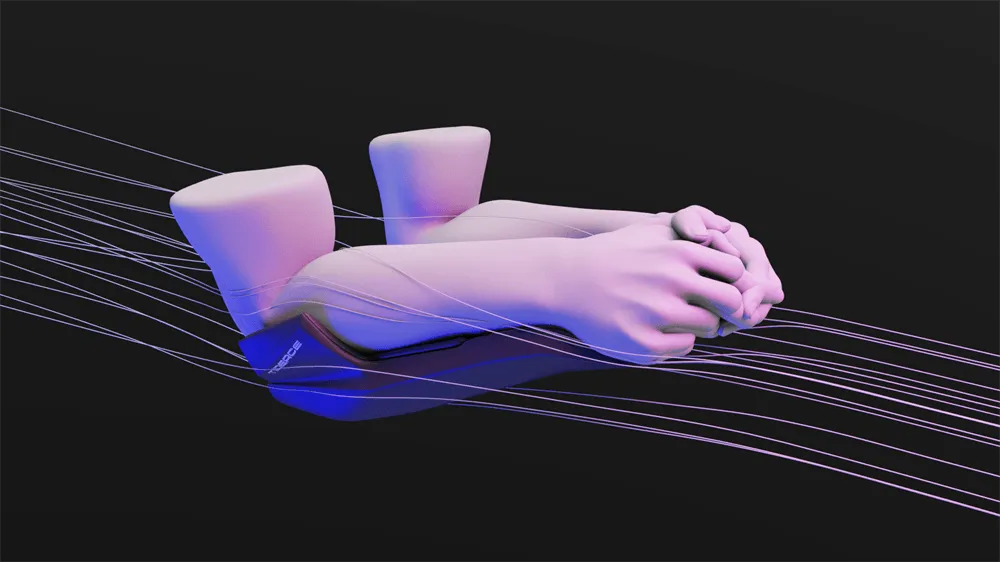
Performance Anchors: Why Carbon Aero Bars Define Speed
In modern aero road bike and TT ecosystems, the carbon aero bar is a critical component governing efficiency. Unlike standard bars, it optimizes the rider’s frontal profile to maximize speed at a constant power output. For brands and wholesalers, carbon aero handlebars are a strategic upgrade to anchor market competitiveness.
1: Defining Carbon Aero Bar and Handlebar Systems
The term carbon aero bar typically refers to TT or triathlon systems, also known as aerobars or aero handlebars for road bike. Utilizing a carbon fiber aerobar construction, we achieve high-stiffness-to-weight ratios—the bedrock of a high-performance TT cockpit or integrated aero cockpit.
2: Aerobar vs. Standard Handlebars: The Technical Gap
The difference lies in drag management. Carbon fiber aerobar designs incorporate aero extensions and rest handlebar sections to drop the rider’s torso, neutralizing drag. Standard road bike frame bars focus on handling versatility rather than absolute aerodynamic gains.
3: Racing Logic: Aerodynamic Handlebars on the Podium
In TT bars and triathlon bars applications, aerodynamic handlebars can reduce drag by 10-20% based on wind-tunnel data. For OEM carbon aero bar and wholesale carbon aero handlebars, this quantifiable wattage saving is the primary selling point for end-users.
4: Application Matrix: Road, Triathlon, and TT Frames
Our carbon aero bar solutions are engineered for triathlon frame, TT frame, and elite road bike frame platforms. From versatile clip-on aero bars to seamless integrated aero cockpit systems, we provide scalable production to meet diverse brand specifications.
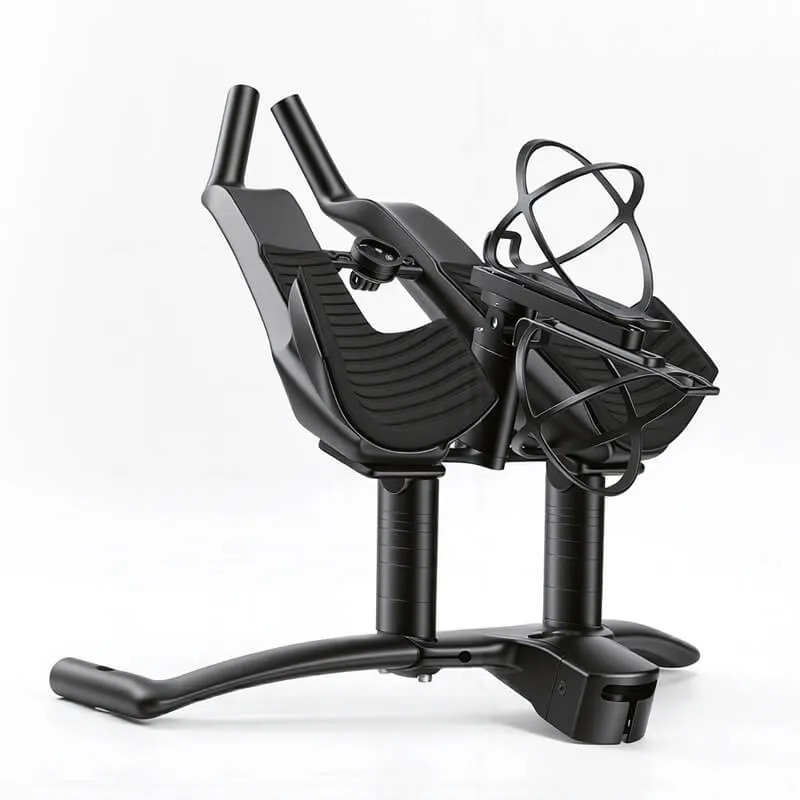
Structural Selection: Defining Carbon Aero Handlebar Segments
In carbon manufacturing, carbon aero bar solutions are categorized by their stress profiles and aerodynamic intent, ranging from carbon aero handlebar and aero extensions to full integrated aero cockpit systems. Each configuration offers distinct rigidity, weight, and drag characteristics, defining its compatibility with triathlon frame, TT frame, and high-end road bike frame platforms. For brands and wholesalers, mastering the structural boundaries of carbon aero handlebars is essential for optimizing OEM carbon aero bar roadmaps and market positioning.
1: Modular Upgrades: Clip-on Aero Bars and Aero Extensions
Clip-on aero bars and aero extensions are the primary modular solutions for retrofitting aero road bike handlebars. Offering superior fit flexibility and cost-efficiency, they remain the dominant choice for the mid-to-high-end triathlon bars market.
2: Elite Integration: Integrated Aero Cockpit Systems
Integrated aero cockpit and aero integrated handlebars focus on seamless aerodynamic fusion. This approach maximizes speed but demands tighter carbon fiber aerobar tooling tolerances and structural reinforcement, making them the benchmark for premium TT cockpit builds.
3: TT Foundation: Aero Base Bar and TT Aero Handlebars
Engineered for TT bars, the aero base bar and TT aero handlebars utilize optimized cross-sections to minimize frontal drag. They are the functional core of elite carbon time trial bars.
4: Performance Trade-offs: Carbon Time Trial Bars vs. Standard Bars
Carbon time trial bars provide a significant wattage advantage over traditional handlebars. While they sacrifice some handling versatility, their aerodynamic efficiency is unmatched for specific race-day missions.
5: Ergonomic Support: Carbon Fiber Rest Handlebar for Triathlon
Designed for long-distance triathlon aero bars, the carbon fiber rest handlebar leverages carbon’s natural vibration damping. It provides the rigid support and ergonomic relief necessary for sustained power output over hours of racing.
Performance Pillars: Defining High-Quality Carbon Aero Bars
A premium carbon aero bar is more than a weight-saving component; it is the strategic anchor for speed and brand prestige. For wholesalers and brands, focusing on material integrity, aerodynamic closure, and ergonomic fit is essential to developing competitive carbon fiber aerobar and carbon aero handlebar solutions.
1: Balancing Structural Stiffness and Lightweight Design
By leveraging high-modulus carbon and precision layup, we maximize the stiffness-to-weight ratio for our lightweight aero handlebars. This ensures zero-loss power transfer during sprints while maintaining the rigorous batch consistency required for high-volume OEM carbon aero bar production.
2: Aerodynamic Engineering to Minimize Drag
Optimized through computational fluid dynamics, the profile of our aero carbon handlebars is designed to aggressively lower drag (CdA). For TT bars and triathlon aero bars, this focus on aerodynamic efficiency is the defining logic of a high-end aero carbon cockpit.
3: Ergonomics for Sustained Endurance
Anatomically optimized rest handlebar and aero extensions refine arm support and upper-body positioning. This ergonomic precision reduces fatigue over long distances, making it a critical feature for elite triathlon bars and TT cockpit systems.
4: System Compatibility: Road and TT Interoperability
Our designs maintain strict compatibility with mainstream aero road bike handlebars, supporting both clip-on aero bars and full integrated aero cockpit configurations. This versatility across road bike frame and TT frame platforms allows brands to expand their portfolio with minimal logistical friction.
5: Total Aerodynamic Integration
Modern performance dictates that the carbon aero bar must function as a seamless extension of the triathlon frame or road bike frame. Achieving this aerodynamic integration optimizes the overall system efficiency, significantly increasing the market value of the complete bike solution.
Selection Logic: How to Identify the Best Carbon Aero Bar
Choosing a carbon aero bar requires balancing performance, compatibility, and manufacturing tolerances. Variants in carbon fiber aerobar weight, rigidity, and ergonomics directly impact TT frame and triathlon frame stability. For brands and wholesalers, understanding structural design is essential for vetting a reliable carbon aero bar manufacturer.
1: Balancing Stiffness and Lightweight Design
While lightweight aero handlebars reduce overall mass, excessive weight-shaving compromises structural integrity. Premium aero carbon handlebars must balance stiffness with vibration damping to ensure zero-loss power transfer. This necessitates high-modulus fibers and precision carbon layup—the hallmarks of professional carbon aero handlebars.
2: Adjustability of Aero Bar Extensions
The adjustability of aero extensions governs the rider’s fit & positioning. Extensions with versatile angle and length options ensure seamless integration within the TT cockpit. For brands targeting diverse markets, this adjustability is key to driving user satisfaction and product versatility.
3: Compatibility with Aero Road Bike Handlebars
A carbon aero handlebar must maintain strict compatibility with the road bike frame and existing stem systems. Whether using a 31.8mm clamp or an integrated aero cockpit, physical stability is non-negotiable. Seamless compatibility is the prerequisite for efficient assembly and market penetration.
4: Discipline-Specific Design: Triathlon vs. TT Aero Bars
Triathlon aero bars prioritize sustained ergonomics via the rest handlebar, whereas TT aero handlebars focus on aggressive aerodynamic gains. Matching the carbon aero bar to the specific racing discipline is critical for optimizing performance.
5: Manufacturing Integrity and Carbon Layup
The carbon layup process defines the reliability of a carbon fiber rest handlebar. Premium OEM carbon aero bar solutions utilize directional multi-layering verified by fatigue & impact test protocols. Partnering with a carbon aero bar manufacturer that maintains rigorous testing ensures batch-to-batch consistency and long-term brand trust.
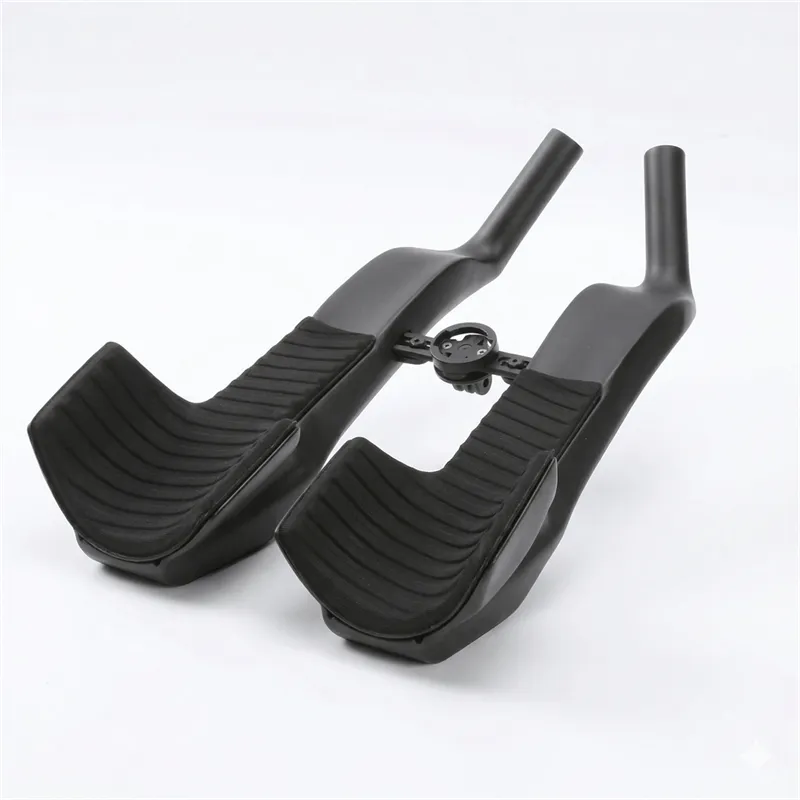
Carbon Fiber Aerobar: Elevating Triathlon and Time Trial Performance
For peak aerodynamic efficiency in triathlons and time trials, carbon fiber aero bars are the industry standard due to their weight savings, high stiffness, and adjustability. High-grade carbon not only drops total bike weight but also slashes drag coefficients. These bars provide the essential arm support and vibration damping required for a high-end TT cockpit or triathlon frame.
1. How Triathlon Aero Bars Boost Endurance
Engineered triathlon aero bars allow riders to maintain a streamlined tuck with stable arm support, significantly reducing muscle fatigue over long distances. Ergonomic pads and adjustable angles ensure the rider stays in their optimal power-output window throughout the race.
2. The Impact of a Carbon Aero Cockpit on Drag
A carbon aero cockpit offers precise integration and sleek profiling to minimize wind resistance while maintaining a high stiffness-to-weight ratio. Advanced designs support internal cable routing, cleaning up the bike’s leading edge and maximizing the aero performance of TT bikes and triathlon bikes.
3. Integration with TT and Triathlon Frames
Designed to interface seamlessly with modern TT frames and triathlon frames, these carbon bars ensure a perfect match with the fork, stem, and base bar. This integration provides the handling stability needed for both high-speed sprints and steady-state endurance efforts.
4. Long-Distance Comfort: Rest Handlebar Advantages
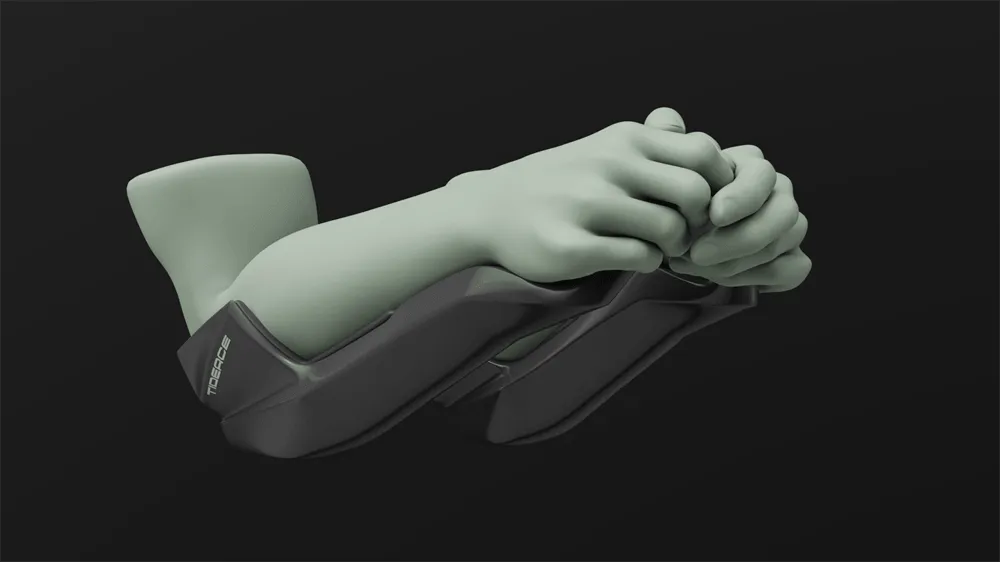
During long-haul events like an Ironman, the rest handlebar design provides critical support points that relieve pressure on the neck, shoulders, and wrists. By balancing aero gains with ergonomic comfort, it enables riders to hold a stable, aggressive position without sacrificing sustained power.
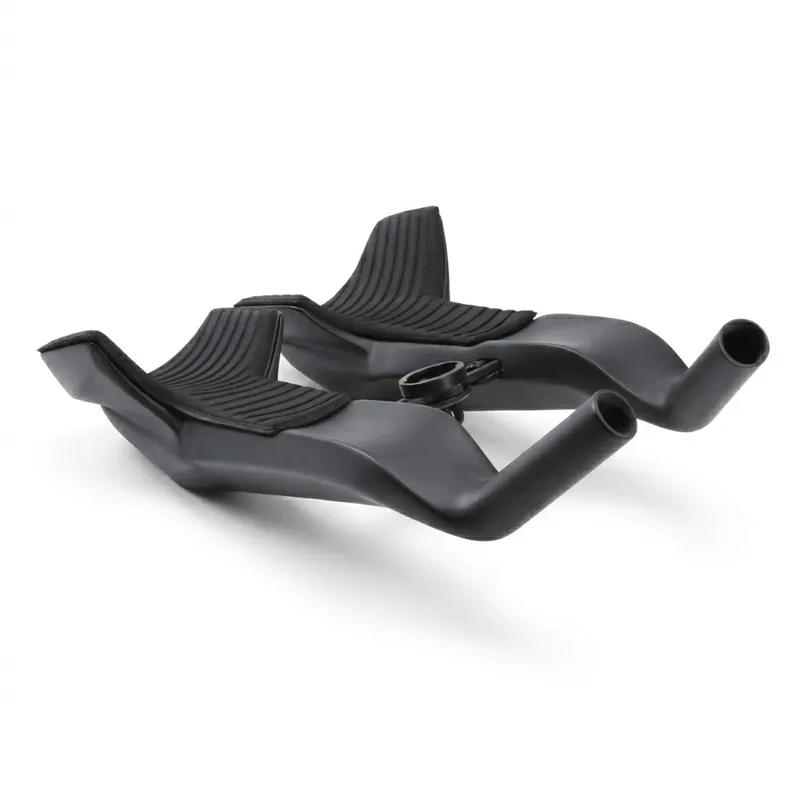
OEM & Custom Carbon Aero Bars for Brands
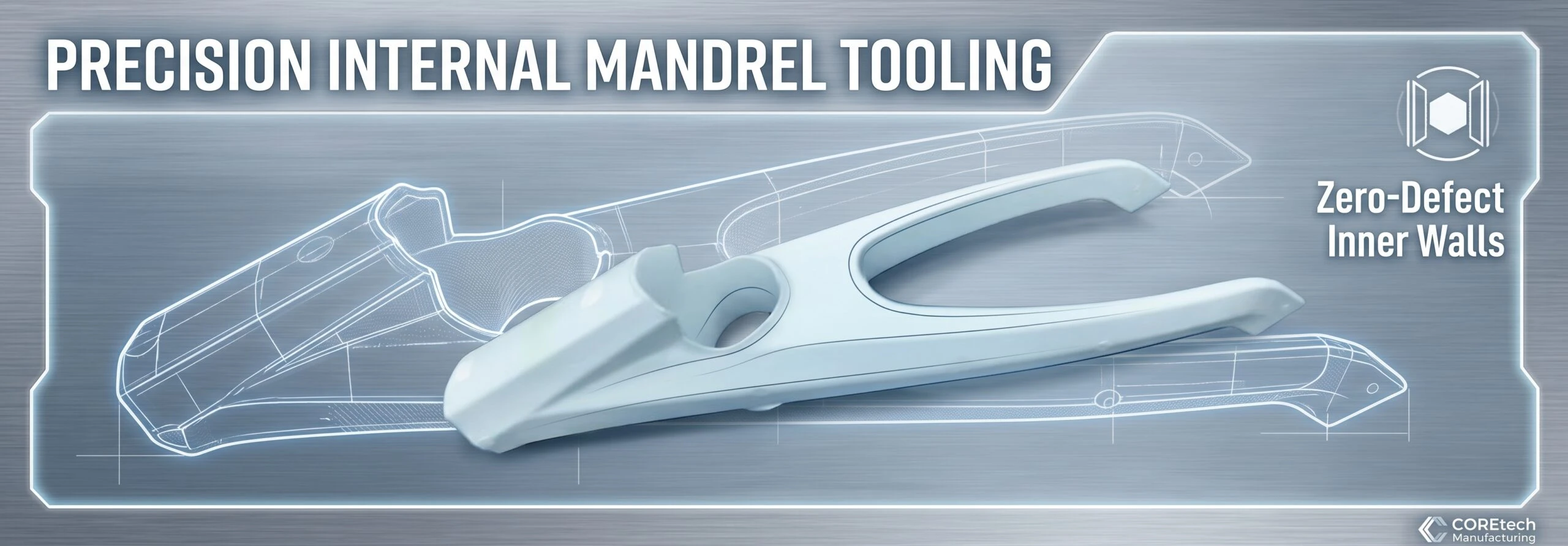
As an expert manufacturer of carbon fiber bicycle components, we provide professional OEM and bespoke carbon aero bar services. By leveraging precision tooling, advanced carbon layup techniques, and structural optimization, we help brands differentiate themselves through performance, aerodynamic efficiency, and aesthetics—all while ensuring a stable supply chain and reliable bulk delivery.
1. What is OEM Carbon Aero Bar Customization?
OEM customization involves developing molds, selecting materials, and finishing surfaces according to a brand’s specific blueprints. This process creates unique profiles, ergonomics, and aero characteristics tailored for professional racing or the high-end road cycling market.
2. Custom Aero Bars for Brand Differentiation
Customized aero bars allow brands to stand out through unique shapes, sizing, ergonomics, and paint schemes. This level of customization not only separates your product from generic competitors but also strengthens brand identity and enhances the end-user experience.
3. Wholesale Carbon Aero Handlebars for Distributors
For distributors, we offer stable, large-scale supply chains with a wide range of specifications and colorways. We ensure every bar maintains an optimal strength-to-weight ratio while strictly adhering to international safety and quality standards.
4. Advantages of Working with a Carbon Aero Bar Manufacturer
Partnering directly with a dedicated factory ensures shorter lead times, rigorous quality control, and ongoing technical support. Our flexible manufacturing capabilities eliminate middleman costs and streamline your entire supply chain.
5. How to Evaluate OEM Partner Capabilities
When vetting an OEM partner, focus on their R&D depth in tooling, the precision of their carbon layup process, aero testing data, and batch consistency. Furthermore, international certifications and reliable after-sales support are essential indicators of a stable, long-term strategic partner.
Why Choose Our Carbon Fiber Aero Bar
As a specialist in carbon components, our OEM Carbon Fiber Aero Bars feature advanced monocoque construction and precision engineering. Designed to balance weight, stiffness, and ergonomics, these bars meet the demands of TT, Triathlon, and elite road racing, providing brands with a reliable, scalable high-performance solution.
1. One-piece molding carbon fiber aerobar technology
Our monocoque process maximizes stiffness and aero efficiency while minimizing manufacturing variances. This ensures every aerobar delivers consistent strength and structural integrity.
2. Ultra-lightweight design for competitive advantage
By optimizing material layup and fiber orientation, we achieve ultra-light weights without compromising durability. This gives riders a tangible speed advantage during long-distance efforts.
3. Ergonomic rest handlebar for triathlon performance
The ergonomic forearm supports are shaped for natural positioning. By reducing strain on the shoulders and arms, they boost overall comfort and efficiency during grueling Triathlon and TT stages.
4. Adjustable aero extensions for different riding positions
Multi-angle adjustable extensions accommodate various riding styles and tactical needs. This flexibility allows brands to offer a tailored fit for riders of any body type.
5. High stiffness and vibration damping for long rides
The high-stiffness carbon structure integrates vibration-damping properties. This enhances handling stability and filters road chatter, preserving rider stamina on long courses.
6. Compatibility with TT cockpit and aero integrated handlebars
Fully compatible with mainstream TT cockpits and aero integrated handlebars. This allows brands to integrate the bars into existing setups quickly, cutting R&D and assembly costs.
7. Ideal for triathlon, TT racing, and aero road setups
Whether for Triathlon, TT, or aero road builds, our carbon aerobars deliver professional performance, helping wholesalers and brands launch products that stand out in the market.

Carbon Aero Bar vs Traditional Handlebar: Key Differences
In the high-performance road and triathlon segments, a Carbon Aero Bar offers superior aerodynamics, optimized body positioning, and better power transfer compared to traditional bars. For brands and wholesalers, understanding the nuances in weight, material, and application is essential for strategic sourcing.
1. Aerodynamic efficiency comparison
Carbon aero bars utilize streamlined profiles to slash drag coefficients (Cd). In long-distance triathlons or road races, this design noticeably boosts average speeds, saving crucial watts compared to traditional round handlebars.
2. Riding position & power output
Aero bars facilitate an aggressive, forward-leaning tuck that improves center of gravity and pedaling efficiency. By reducing strain on the shoulders and back, this position helps riders maintain peak power output during grueling endurance events.
3. Weight and material advantages
Constructed from high-modulus carbon fiber, these aero bars are 10-15% lighter than traditional aluminum or standard carbon drops while maintaining exceptional stiffness. This ensures immediate power transfer and vibration damping for a premium ride quality.
4. Use cases in aero carbon handlebars vs standard setups
Aero carbon handlebars are the go-to for triathlons, time trials, and high-speed solo efforts. Standard setups remain versatile for commuting, casual training, or climbing. Wholesalers should balance their inventory based on the specific terrain and discipline of their target market.
Installation and Compatibility Guide
Correct installation and compatibility checks are vital for the safety and performance of OEM Carbon Fiber Aero Bars. This guide details clamping methods, frame matching, and integration with aero kits, helping brands and wholesalers master precision tuning to enhance rider efficiency and comfort.
1. How to install clip-on aero bars
A step-by-step breakdown for clip-on aero bar setup: covering clamp sizing, carbon surface protection, and strict torque specifications to prevent structural damage while ensuring a rock-solid fit.
2. Compatibility with TT frames and road bike frames
An analysis of geometry variances between TT frames and road bikes. We provide data on clamping points, diameter matching, and reach adjustments to ensure OEM Carbon Aero Bars remain stable across different platforms.
3. Integration with integrated aero cockpit systems
A deep dive into integrating with integrated aero cockpit systems and hidden cable routing. This includes cable management, support point optimization, and drag-reduction strategies to help clients deliver complete bike solutions.
4. Setup tips for optimal aerodynamic positioning
Pro tips for fine-tuning the rider’s tuck: focusing on arm length, clamp angles, and weight distribution. These adjustments minimize drag while maximizing power output, providing wholesalers with actionable performance metrics.
Maintenance and Care for Carbon Fiber Aerobar
Routine maintenance is vital to keeping OEM carbon aero bars in peak condition. Proper cleaning, precise torque, and regular inspections prevent structural damage and extend aero handlebars’ lifespan, ensuring a reliable experience for end-users.
1. Cleaning and Inspection Guidelines
Use mild detergent on carbon surfaces; avoid pressure washers or harsh solvents. Regularly inspect clamping zones and extensions for hairline cracks. A thorough monthly visual check is recommended to verify aero performance and structural integrity.
2. Torque and Installation Safety
Always follow specified torque ranges using a calibrated wrench to avoid crushing carbon fibers. For OEM bulk orders, implementing a Standard Operating Procedure (SOP) on the assembly line ensures every handlebar meets strict safety requirements.
3. Extending Carbon Aero Handlebar Lifespan
Minimize exposure to intense UV rays and extreme temperature swings. Managing riding loads and avoiding excessive impacts are key strategies for longevity. Providing maintenance manuals to distributors will effectively minimize after-sales issues and warranty claims.
FAQ: Frequently Asked Questions
As a specialist carbon fiber components manufacturer, we frequently advise brands and wholesalers on aero bar selection, setup, and customization. This FAQ leverages our supply chain expertise to break down the performance gains, compatibility, and the nuances between OEM and mass production, helping you make informed procurement decisions.
Are carbon aero bars worth it for triathlon?
Carbon aero bars are the gold standard for reducing drag and optimizing rider biomechanics. We evaluate their value proposition based on weight savings, stiffness, and pro-racer feedback to help wholesalers gauge market demand and ROI.
| Feature | Standard Road Handlebar | Carbon Aero Bar | TT Aero Handlebar |
|---|---|---|---|
| Weight (g) | 350-450 | 280-320 | 300-340 |
| Aerodynamic Efficiency | Moderate | High | Very High |
| Compatible Bikes | Most Road Bikes | Most Road Bikes | TT / Tri Bikes |
| Internal Cable Routing | Optional | Yes | Yes |
| Adjustable Extensions | Limited | Yes | Yes |
| Recommended Use | Training / Racing | Triathlon / Time Trial | Time Trial / Triathlon |
| Price Range ($) | 100-250 | 300-600 | 400-700 |
What is the difference between aero bar extensions and TT aero handlebars?
We clarify the technical distinctions in geometry, clamping interfaces, and aero profiles between bolt-on extensions and dedicated TT cockpits. This helps brands specify the right gear for diverse racing disciplines and rider profiles.
Can I install aero bars on any road bike frame?
This section covers interface standards, clamp adjustability, and essential safety checks for carbon aero bars. Ensuring a proper fit with road bike frames is critical to maintaining structural integrity and minimizing warranty claims.
What makes a carbon aero bar manufacturer reliable?
A reliable partner is defined by raw material traceability, CFD aerodynamic modeling, precision tooling, and rigorous QC. We outline how to vet a manufacturer’s technical depth to ensure a stable and high-quality supply chain.
OEM vs standard production—what should I choose?
We weigh the costs, lead times, and branding advantages of custom OEM projects versus standard bulk production. This analysis helps wholesalers and brands choose the right manufacturing path based on their specific market positioning and budget.
Conclusion: Selecting the Right Carbon Aero Bars for Your Market
Selecting the ideal carbon aero bar requires balancing structural performance, compatibility, and mass-production stability. For brands and wholesalers, the key to product differentiation lies in optimizing the synergy between carbon aero handlebars, aero extensions, and the TT cockpit.
1 : Strategic Buying Factors: A Summary
Prioritize the stiffness-to-weight ratio of lightweight aero handlebars, the aerodynamic efficiency of aerodynamic handlebars, and seamless integration with road bike frame and triathlon frame platforms. Crucially, the consistency of the carbon layup process dictates long-term batch reliability and user trust.
2: The Future of Speed: Why Carbon Fiber Aerobar Leads the Market
Combining extreme weight-shaving with high tensile strength, the carbon fiber aerobar is the definitive standard for aero road bike handlebars and TT bars. Advanced aero profiles and integrated aero cockpit solutions continue to drive growth across elite TT and triathlon segments.
3: Partner with a Leading Carbon Aero Bar Manufacturer
As a specialized carbon aero bar manufacturer, we deliver professional custom aero bars and OEM carbon bike frame development. We provide high-volume, stable supply chains and tailored engineering solutions. Contact us for wholesale inquiries and strategic OEM partnerships.