Carbon fiber has become the material of choice for high-performance bicycles. From XC and Downcountry mountain bikes to endurance road and gravel bikes, carbon frames deliver a combination of lightweight design, stiffness, vibration damping, and aerodynamic efficiency that other materials struggle to match.
At Haidelibikes, we specialize in professional-grade carbon bike frames, offering MTB, road, gravel, and triathlon frames with custom geometry and high-quality manufacturing standards. This guide will walk you through everything you need to know about carbon bike frame technology, design, types, and selection tips.
Explore our full range of carbon frames here: Carbon Bike Frames
What is a Carbon Bike Frame?
A carbon bike frame is made from layers of carbon fiber reinforced resin. Unlike metal frames, carbon allows manufacturers to tune stiffness and compliance in different areas, giving riders a frame that is lightweight yet strong where it matters most.
Key Benefits of Carbon Frames:
- Ultra-lightweight construction
- Optimized stiffness for power transfer
- Excellent vibration damping for comfort
- Aerodynamic tube shaping for road and triathlon performance
Internal Links:
Carbon vs Aluminum vs Steel: Which Should You Choose?
Choosing the right frame material affects weight, ride quality, and durability.
| Material | Weight | Stiffness | Vibration Damping | Best Use |
|---|---|---|---|---|
| Carbon Fiber | Ultra-light | Tunable high | Excellent | MTB, Road, Gravel, Triathlon |
| Aluminum | Moderate | High | Low | Entry-level MTB/Road |
| Steel | Heavy | Moderate | Good | Touring, Comfort |
Takeaway: Carbon fiber dominates high-performance disciplines, while aluminum and steel still have a place in entry-level or comfort-focused bikes.
How Carbon Bike Frames Are Made
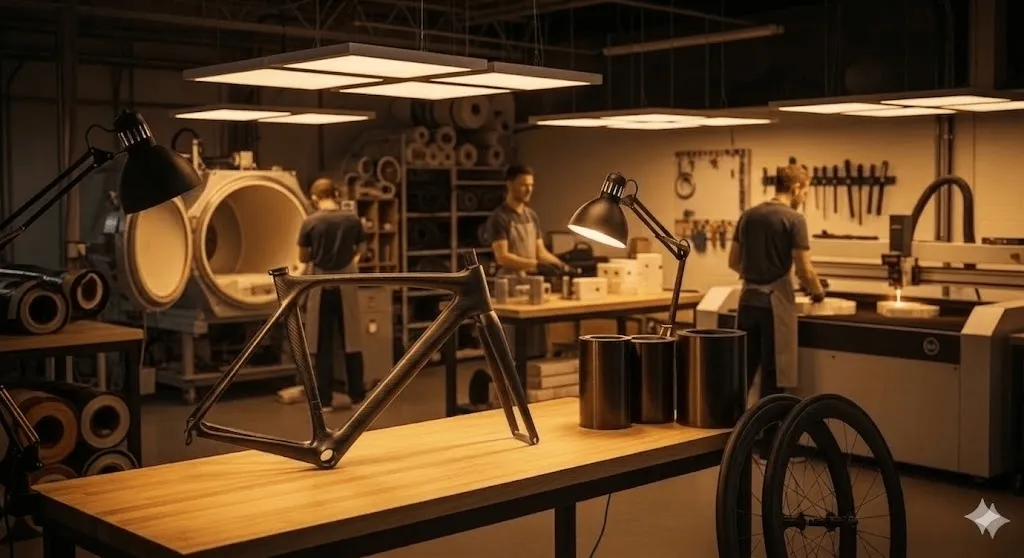
Haidelibikes carbon frames are produced using precision manufacturing and engineering:
-
Design & CAD Modeling: Optimized geometry with 3D design software.
-
Carbon Layup & Preforming: High-modulus fibers (T800/T1000) laid strategically for stiffness and compliance.
-
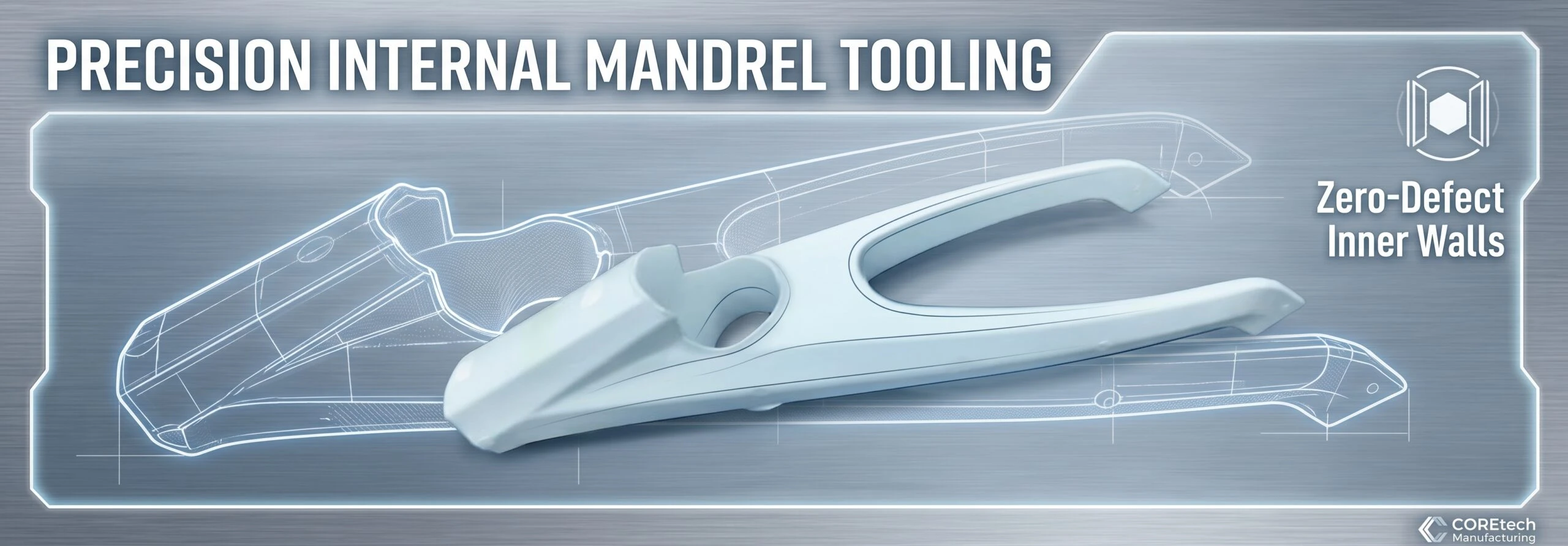
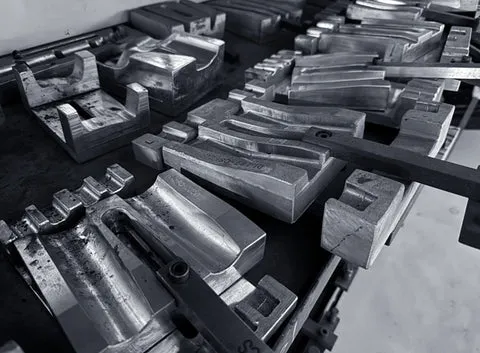
Molding & Curing: Frames cured in autoclaves for consistent strength.
-
Finishing & Inspection: CNC machining, painting, and rigorous impact/fatigue testing.
Internal Links:
Types of Carbon Bike Frames
1. Carbon MTB Frames
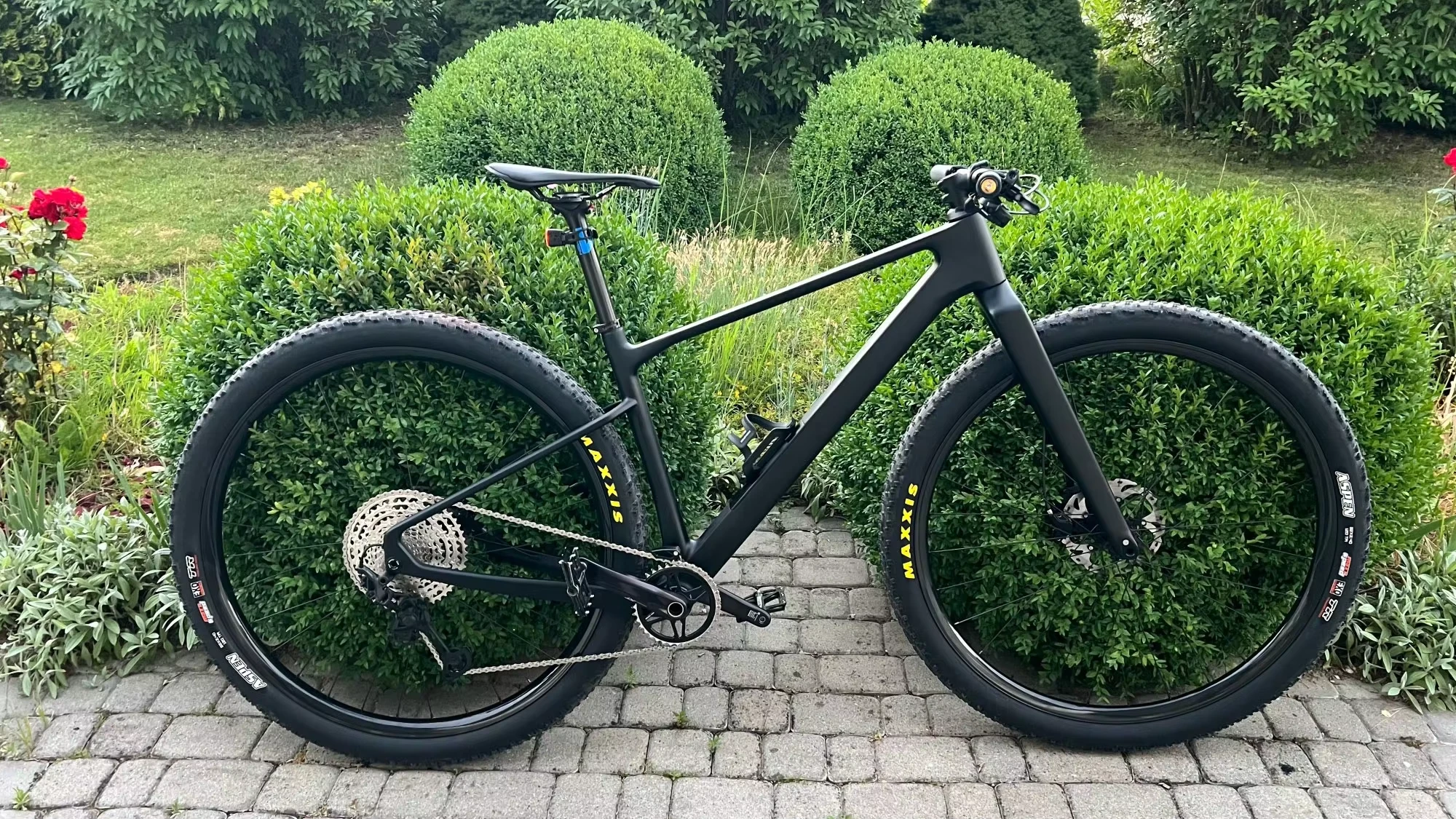
Designed for XC, trail, and enduro riding, our MTB frames offer perfect stiffness, optimized geometry, and superior weight distribution.
-
Hardtail MTB Frames: Lightweight, responsive, easy to maintain
-
Full Suspension MTB Frames: For aggressive terrain, with damping and stability
Internal Link: Carbon MTB Frames
2. Carbon Road Bike Frames
Lightweight and aerodynamic, ideal for competitive road cycling and long-distance endurance.
-
Aero Road Frames: Maximize speed and efficiency
-
Lightweight Climbing Frames: Optimized for uphill performance
Internal Link: Carbon Road Frames
3. Carbon Gravel Frames
Balanced for versatility and endurance, perfect for bikepacking and mixed-surface adventures.
-
All-Road Gravel Frames: Comfort and control on mixed terrain
-
Suspension Gravel Frames: Extra compliance on rough trails
Internal Link: Carbon Gravel Frames
4. Carbon Triathlon Frames
Optimized for aerodynamic efficiency and sustained high-speed performance in triathlon and time trial events.
-
Aero Triathlon Frames: Reduce drag, maximize speed
-
Endurance Triathlon Frames: Comfortable geometry for long-distance racing
Internal Link: Carbon Triathlon Frames
Choosing the Right Carbon Bike Frame
When selecting a carbon frame, consider these factors:
-
Riding Discipline: XC, Trail, Road, Gravel, or Triathlon
-
Frame Geometry: Stack, reach, and angles that suit your riding style
-
Weight vs Stiffness: Lighter isn’t always better if the frame feels too flexible
-
Customization: Haidelibikes offers OEM/ODM services for custom frame geometry and paint
Internal Links:
Carbon Bike Frame Maintenance Tips
-
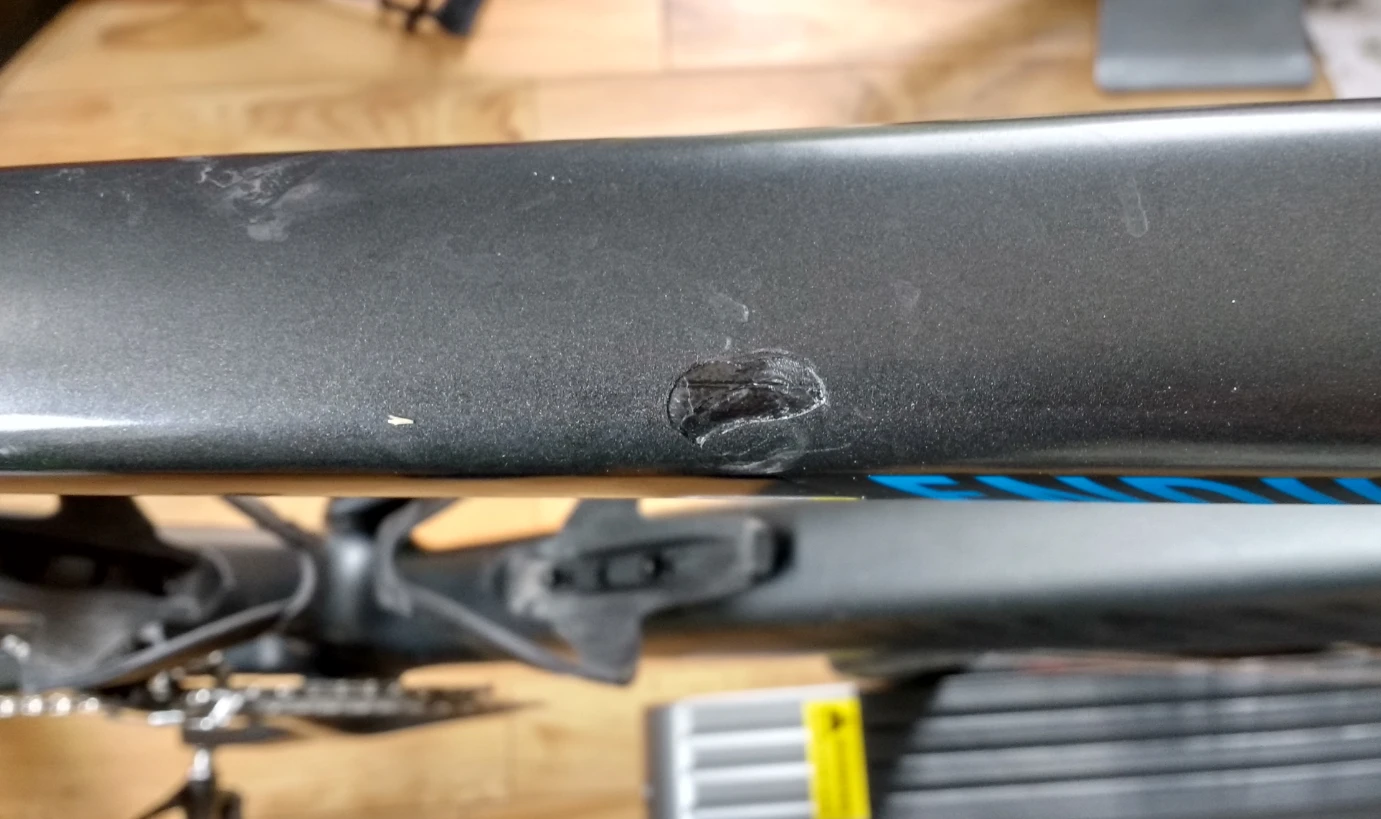
Inspect Regularly: Check for cracks or impact damage after rides
-
Torque Settings: Use recommended torque values on all components
-
Avoid Heat and Chemicals: High temperatures and strong solvents can damage the resin
-
Proper Storage: Store in a dry, shaded area
Carbon Frame Technology FAQs
Q:Are carbon frames stronger than aluminum?
A:Yes, carbon frames can be stronger due to strategic fiber layup and material tuning, especially in high-stress areas like the bottom bracket and head tube.
Q:How long do carbon frames last?
A:High-quality carbon frames last 5–10 years or more, depending on riding conditions and maintenance.
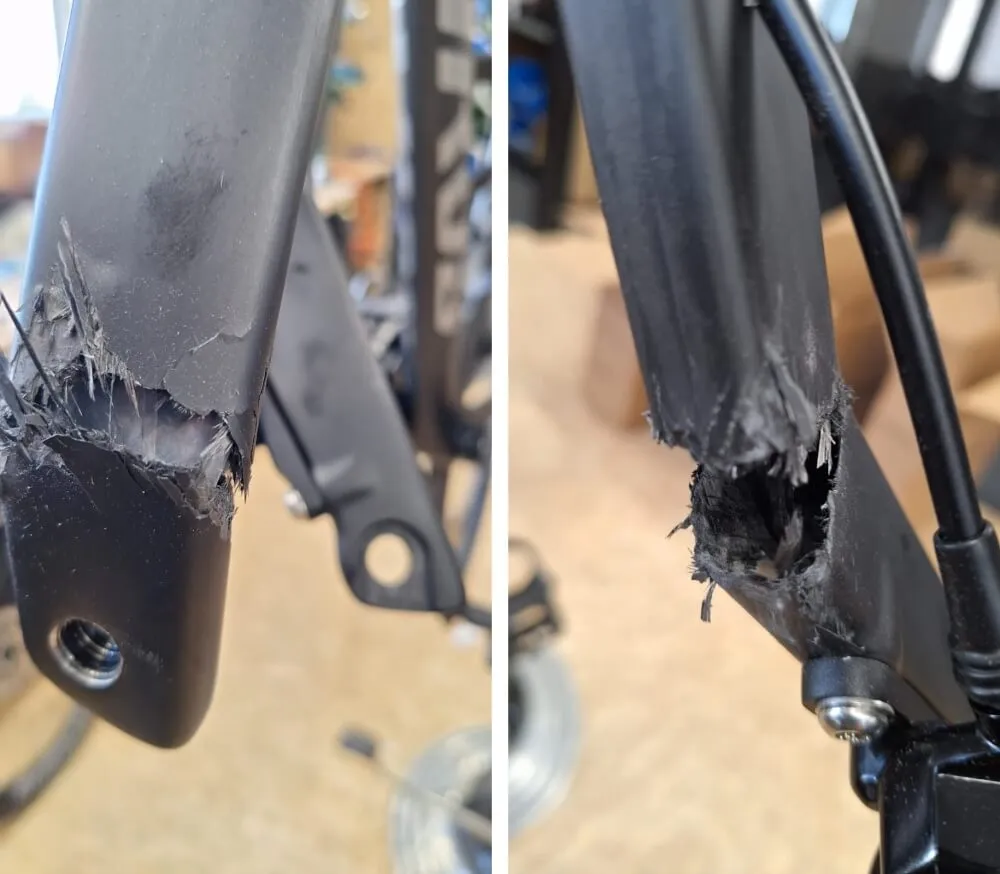
Q:Why do carbon frames crack?
A:Most cracks result from high-impact accidents or improper handling rather than normal riding.
Q:Are expensive carbon frames better?
A:More expensive frames often use advanced fiber grades, complex layups, and precision molds, but many mid-range frames are still reliable.
Q:How are carbon frames tested?
A:Frames undergo fatigue, impact, and stiffness testing, following ISO or EN standards to ensure safety and performance.
Internal Links:
Future of Carbon Bike Frames
The next generation of carbon frames may include:
-
Graphene-infused composites for higher strength
-
AI-assisted layup design to reduce weight
-
Enhanced resin systems for better durability
-
Optimized aerodynamics for road and triathlon racing
Carbon remains the material of choice for high-performance bicycles, and manufacturers like Haidelibikes continue to innovate for both weight reduction and structural integrity.
Conclusion
Carbon bike frames combine lightweight efficiency, precise engineering, and durability to meet the demands of modern cyclists. Whether you ride MTB, road, gravel, or triathlon, understanding carbon frame technology can help you select the best frame for your style and goals.
Explore Haidelibikes’ full range of carbon bike frames here: Carbon Bike Frames