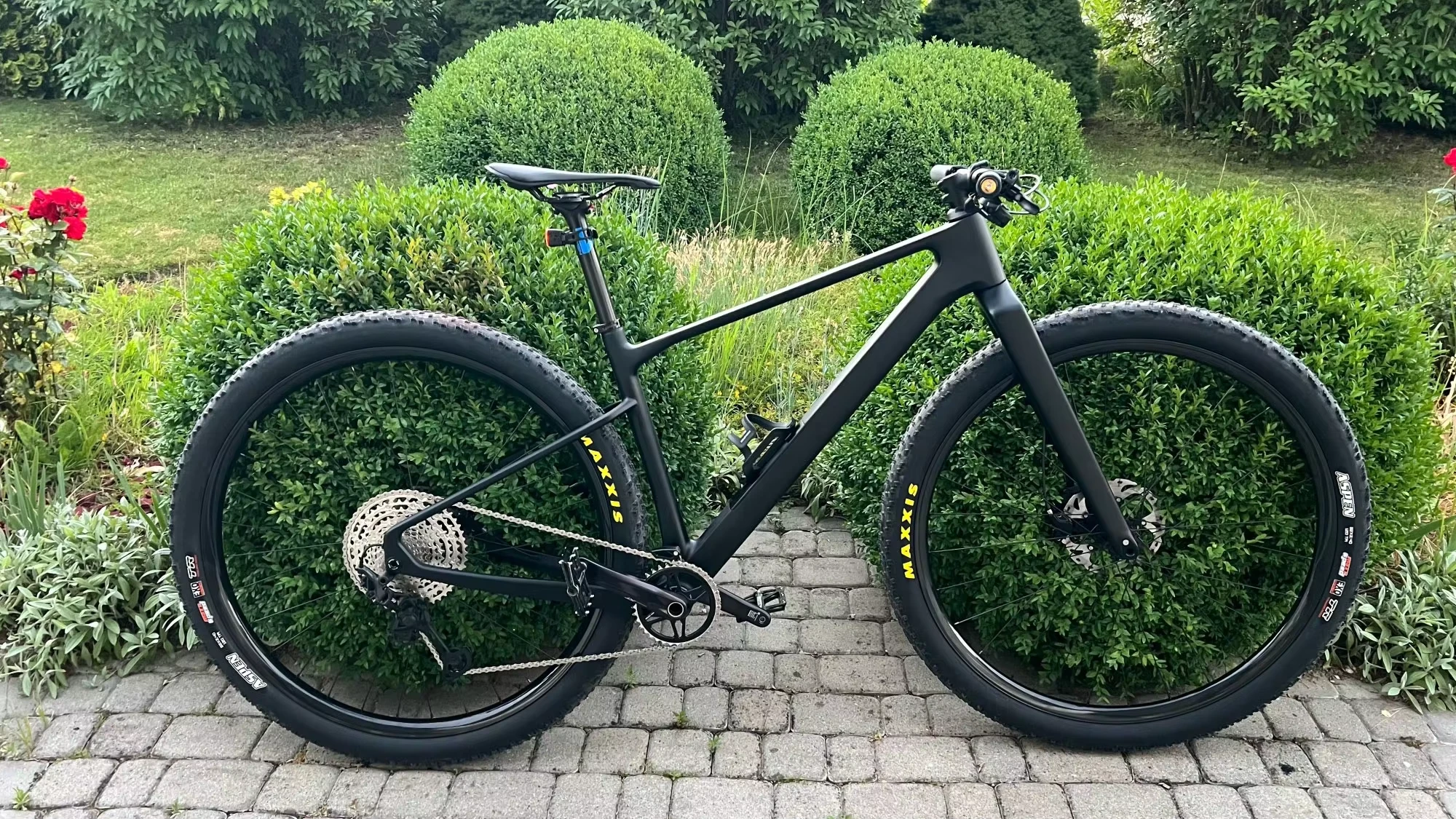
32-inch MTB wheels are becoming a new trend in mountain bike design, showing significant advantages, especially in extreme off-road and long-distance riding. Compared to 29-inch MTB wheels, the 32-inch diameter offers greater stability and rolling efficiency, particularly on complex terrain, reducing vibrations caused by uneven surfaces. According to reviews from Pinkbike and MTBR, 32-inch wheels can improve handling and comfort in approximately 25% of terrain conditions, making them especially suitable for long rides. When paired with a well-designed mountain bike frame, the benefits of 32-inch wheels are fully realized, enhancing overall stability and performance. Combined with the lightweight characteristics of carbon MTB wheels, riders can maintain better control at high speeds. Currently, 32-inch wheels are a hot topic in the market, with more and more brands launching specially designed products. It is projected that by 2026, 32-inch wheels will account for at least 15% of the high-end mountain bike market share. Understanding this trend is crucial for manufacturers to seize future opportunities.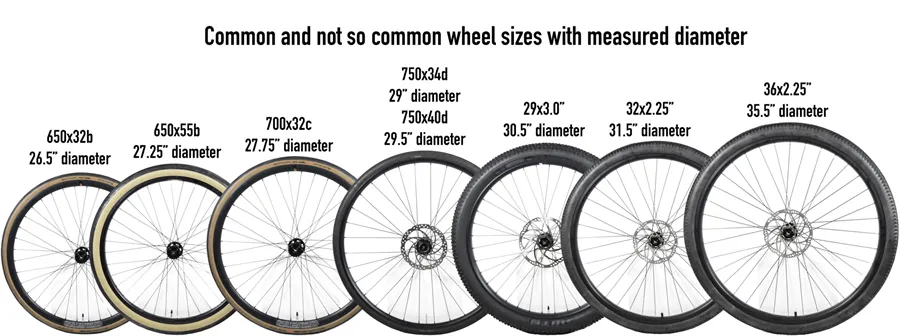
1 | The Rise of 32er MTB Wheels: Why Larger Diameter Mountain Bikes are Becoming Increasingly Popular
Innovations in mountain bike design have propelled 32er MTB wheels and 32er MTB frames to become the preferred choice for more and more riders. Compared to traditional 26er and 29er MTB wheels, the 32-inch diameter offers greater advantages in complex terrain and extreme riding, providing better stability and comfort. Paired with a 32er MTB frame, this combination significantly enhances off-road capabilities, becoming a key configuration for high-performance mountain bikes.
1.1 | The History and Evolution of Large-Diameter Mountain Bikes
From traditional 26er MTB wheels to 29er MTB wheels, the diameter of mountain bike wheels has gradually increased, improving off-road performance and efficiency. With the advent of 32er MTB wheels, riders experience a smoother ride on rough terrain. Frames equipped with 32er MTB frames offer greater stability, driving advancements in mountain bike design and ushering in a new era of high efficiency.
1.2 | The Impact of 32er MTB Wheels on Mountain Bike Performance
32er MTB wheels offer higher rolling efficiency, easily overcoming obstacles, and significantly improving stability and grip, especially on complex terrain. Paired with a 32er MTB frame, the frame provides a longer wheelbase and wider tire clearance, enhancing off-road performance. Combined with the lightweight advantages of carbon MTB wheels, the perfect combination of 32er MTB wheels and 32er MTB frames improves handling, making it an ideal configuration for high-performance mountain bikes.
2 | Advantages and Challenges of 32er MTB Wheels Compared to Traditional Wheel Sizes
32er MTB wheels are gradually gaining attention in the market. Compared to 29er MTB wheels, they offer superior stability, especially on challenging terrain, improving riding comfort and handling. However, the larger wheel diameter also presents challenges in acceleration and handling, requiring manufacturers to find a balance in design and materials.
2.1 | Enhanced Stability and Comfort: Design Advantages of 32er MTB Wheels
Through extended frame geometry and wider tire compatibility, 32er MTB wheels improve stability during off-road riding, reducing vibrations and providing a smoother riding experience. The lightweight design of carbon MTB wheels further enhances comfort and handling.
2.2 | Acceleration and Handling: Challenges and Solutions of Larger Wheel Diameters
32er MTB wheels offer higher rolling efficiency, but the larger diameter may affect acceleration and handling. By utilizing carbon fiber materials in carbon MTB wheels to reduce weight, manufacturers can improve acceleration performance and handling response, balancing stability and agility.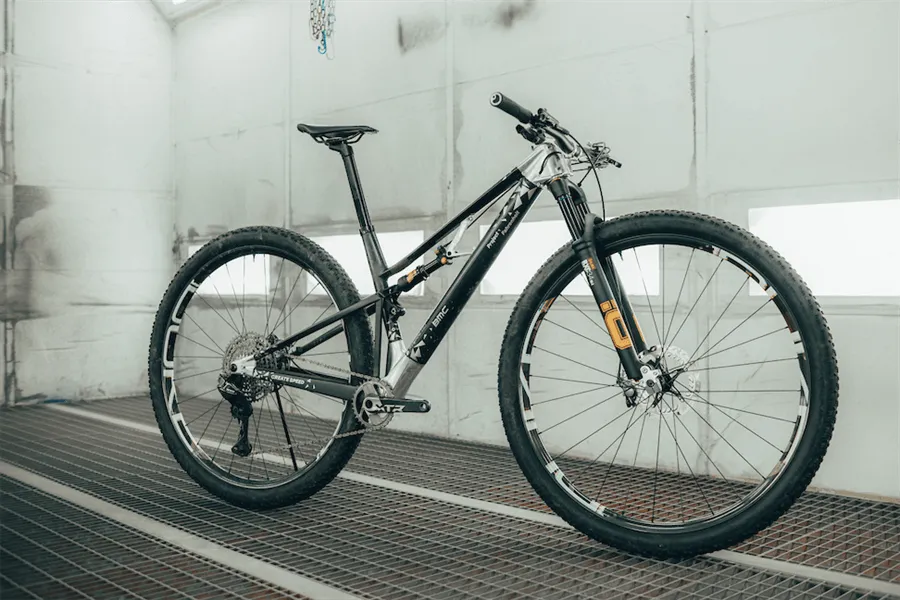
3 | 32-inch MTB Wheels and Their Role in Future Mountain Bike Design
With the increasing demand for cycling, large-diameter mountain bike wheels are gradually becoming a crucial element in mountain bike design. Compared to traditional wheel sizes, 32-inch wheels offer better stability, rolling efficiency, and off-road performance. Combined with the lightweight advantages of carbon fiber wheels, wheelset design is constantly innovating to cope with more complex terrain and diverse riding styles. In the future, 32-inch wheels will drive further development in mountain bike design, becoming the mainstream choice for high-performance frames.
3.1 | Trends in 2026 and Beyond: How 32er MTB Wheels Drive Innovation
32-inch wheels are leading innovation in mountain bike design, improving vehicle stability and handling, especially in complex terrain and long-distance riding. As mountain bike wheel technology continues to advance, wheel design is also meeting more riding needs, improving comfort and safety.
3.2 | The Future of Large-Diameter Wheels: 36er or Larger After 32er?
With the popularization of 32-inch wheels, many are beginning to consider the possibility of 36er or even larger wheel sizes. Against a backdrop of increasing demand for high stability and extreme off-road capabilities, mountain bike wheelset sizes may further increase to cope with more challenging terrain.
4 | How to Choose the Right 32er MTB Wheels?
Matching the frame and wheel size appropriately based on different riding needs (such as road, off-road, or long-distance) can significantly improve performance. Understanding the characteristics of 32er MTB wheels in various riding conditions will help you choose the most suitable combination.
4.1 | Choosing the Right Frame and Wheel Size: Matching and Selecting 32er MTB Wheels
Choose the appropriate 32er MTB wheels based on your riding needs. For example, for gravel bike wheels or off-road riding, a larger wheel diameter provides better passability and stability. Balancing frame geometry and wheel size ensures stability and comfort on different terrains, enhancing the riding experience.
4.2 | Carbon Fiber vs. Aluminum Alloy: Advantages and Limitations of Carbon MTB Wheels
Carbon fiber MTB wheels offer an excellent balance of weight and strength, making them particularly suitable for high-performance racing and long-distance riding. Compared to aluminum alloy wheels, carbon fiber wheels have advantages in shock absorption and handling, but they are more expensive and more prone to damage. Choosing based on needs and budget is key; carbon fiber is suitable for competitive riding, while aluminum alloy is suitable for everyday use.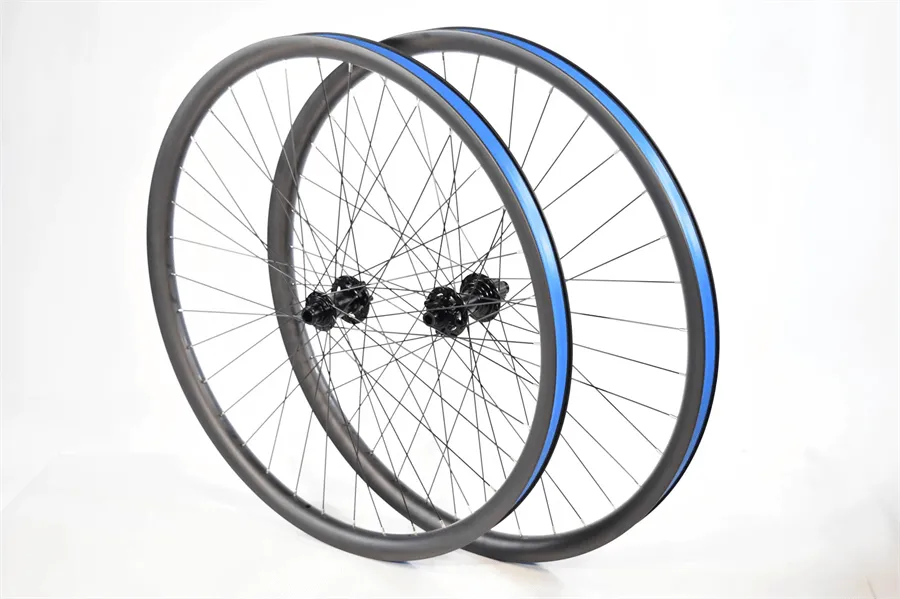
5 | Competitiveness and Development Prospects of 32er MTB Wheels in the Market
From MTB wheels to carbon MTB wheels, the increasing attention from brands and consumers to larger wheel diameters has driven the application of 32er MTB wheels in the high-performance sector. Next, we will analyze the market demand and brand response for 32er MTB wheels.
5.1 | Market Demand and Brand Response for 32er MTB Wheels
The MTB wheels market trend is gradually shifting towards larger wheel diameters, and the demand for 32er MTB wheels is growing rapidly. Many brands have launched customized frames and wheelsets, especially using carbon MTB wheels to improve performance. According to the latest research, 32er MTB wheels are expected to account for more than 15% of the global mountain bike market by 2026. As consumer demand for off-road stability and high-speed performance increases, brands are adjusting their designs to meet this trend.
| Wheel Size | Market Share (2026 Estimate) | Advantages | Main Users | Price Range (USD) |
|---|---|---|---|---|
| 32er MTB | 15% | Improved stability, better rolling efficiency, suitable for extreme off-road | High-performance riders, long-distance cyclists | $600 – $1500 |
| 29er MTB | 55% | Versatile, great for cross-country, fast on smooth terrains | Mainstream MTB riders | $500 – $1200 |
| 26er MTB | 30% | Lightweight, easier to handle on technical terrain | Entry-level riders, casual cyclists | $400 – $900 |
5.2 | From Consumers to Suppliers: Purchasing Trends of 32er MTB Wheels
When retailers and wholesalers purchase MTB wheels, they are increasingly focusing on frame compatibility, tire compatibility, and overall performance balance. With the increasing popularity of 32er MTB wheels, the supply chain faces new challenges, especially in material selection and production cycles. By collaborating with frame manufacturers and wheelset suppliers, retailers can better meet consumer demand for 32er MTB wheels and ensure a stable and efficient supply chain.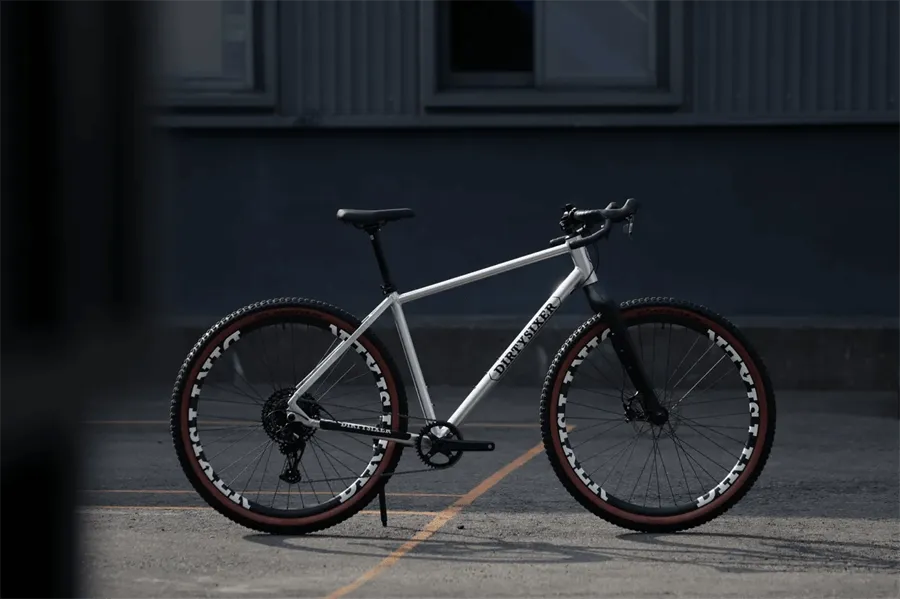
6 | Conclusion: Are 32er MTB Wheels the Mainstream Choice of the Future?
The application of carbon MTB wheels further optimizes weight and stiffness, resulting in exceptional performance in high-performance and versatile riding. Future mountain bike designs may adopt 32er MTB wheels as the new standard, gradually replacing traditional 29er wheels and becoming the “standard equipment” for the next generation of mountain bikes.
6.1 | The Integration of 32er MTB Wheels with Future Mountain Bike Design
32er MTB wheels balance the demands of high performance and versatility by improving frame stability and comfort. Combined with carbon MTB wheels, this can further drive innovation in mountain bike design, enhancing the rider’s experience and long-distance riding capabilities.
6.2 | The Future of Large-Diameter MTBs: Will They Lead Market Trends?
32er MTB wheels are expected to become the new standard in mountain bike design, especially in extreme off-road and long-distance riding. With continuous technological advancements, even larger diameters such as 36er may become the next hot trend, gradually replacing 29er wheels and leading market trends.
Want to learn more about the design and sourcing options for 32er MTB wheels?
Feel free to contact Haideli Bikes. Our team will provide you with professional customized services and the latest market information.