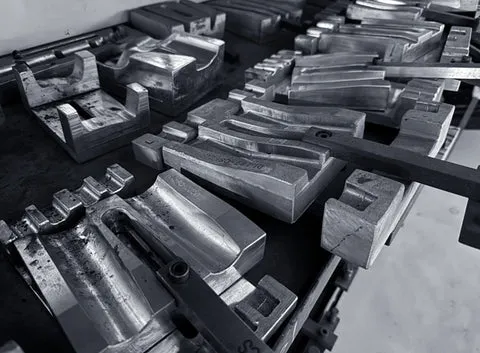
As the 2026 triathlon season approaches, triathlon bicycle handlebars are no longer just a comfort accessory; they have become a crucial element in optimizing riding performance and improving aerodynamics. More and more triathletes and suppliers are focusing on the application of high-performance carbon fiber handlebars in competitions. Whether addressing the comfort needs of long-distance riding or improving speed and stability during races, TT handlebars offer significant advantages.
According to reports from Cycling Weekly and Triathlete Magazine, 2026 will be a year of further evolution in carbon fiber materials and aerodynamic design. Through customized designs, suppliers can not only help athletes achieve breakthroughs in performance but also improve frame comfort and durability, providing more personalized options for professional triathletes. In this trend, suppliers and manufacturers must keep pace with technological advancements to ensure their products meet the high standards of their customers.
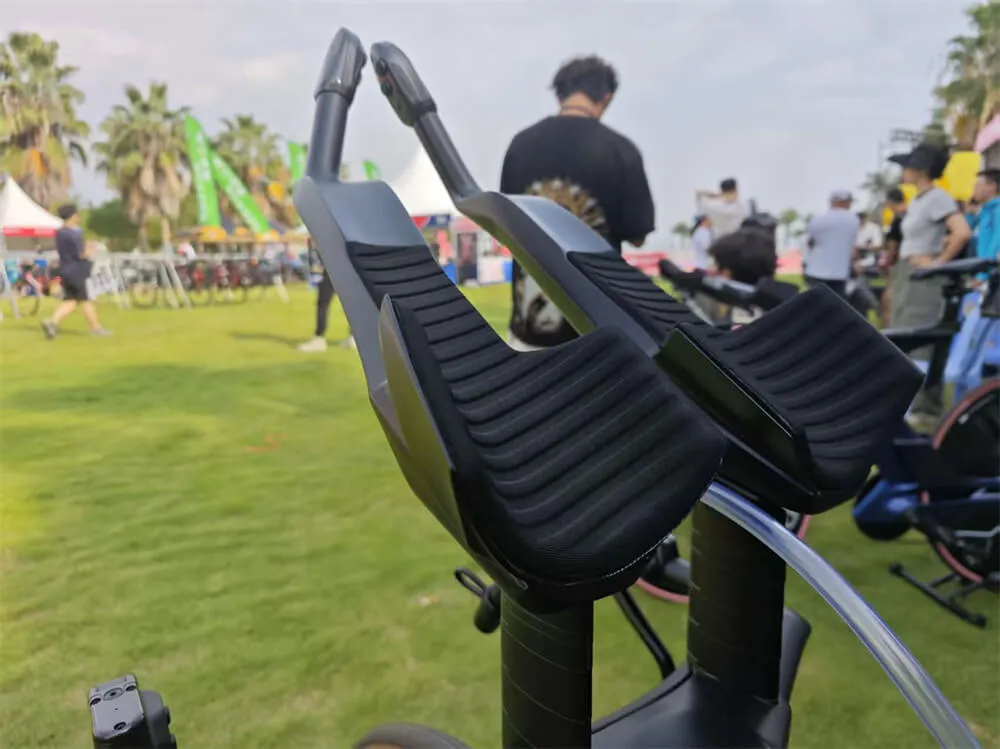
The Evolution and Development of Triathlon Bicycle Rest Handlebars
Triathlon bicycle rest handlebars have undergone years of technological innovation, evolving from initially focusing on basic comfort to becoming a crucial piece of equipment for optimizing cycling performance. Early handlebar designs were relatively simple, limiting athletes’ performance in races. With the development of carbon fiber materials, modern handlebars have achieved breakthroughs in weight reduction, strength, and aerodynamic performance, not only improving race performance but also enhancing comfort and stability during long rides.
1.1: From Traditional to Modern: Technological Advancements in Bicycle Rest Handlebars
Early bicycle rest handlebar designs focused solely on comfort and stability, but limited performance in races. With the introduction of carbon fiber technology, modern handlebars significantly reduced air resistance and enhanced stability, allowing athletes to perform better in races. At the same time, these handlebars offer greater strength and lighter weight, greatly improving speed and stability in triathlon events.
1.2: Design Innovation and Functional Optimization: Adapting to the Needs of Long-Distance Cycling
Comfort and aerodynamic performance are crucial in triathlon events. Modern TT handlebars feature optimized adjustability and ergonomics, allowing athletes to adjust the handlebar position according to their needs and reduce cycling fatigue. The improved handlebars effectively reduce wind resistance and enhance riding stability, meeting different riding needs and improving comfort and performance in long-distance races.
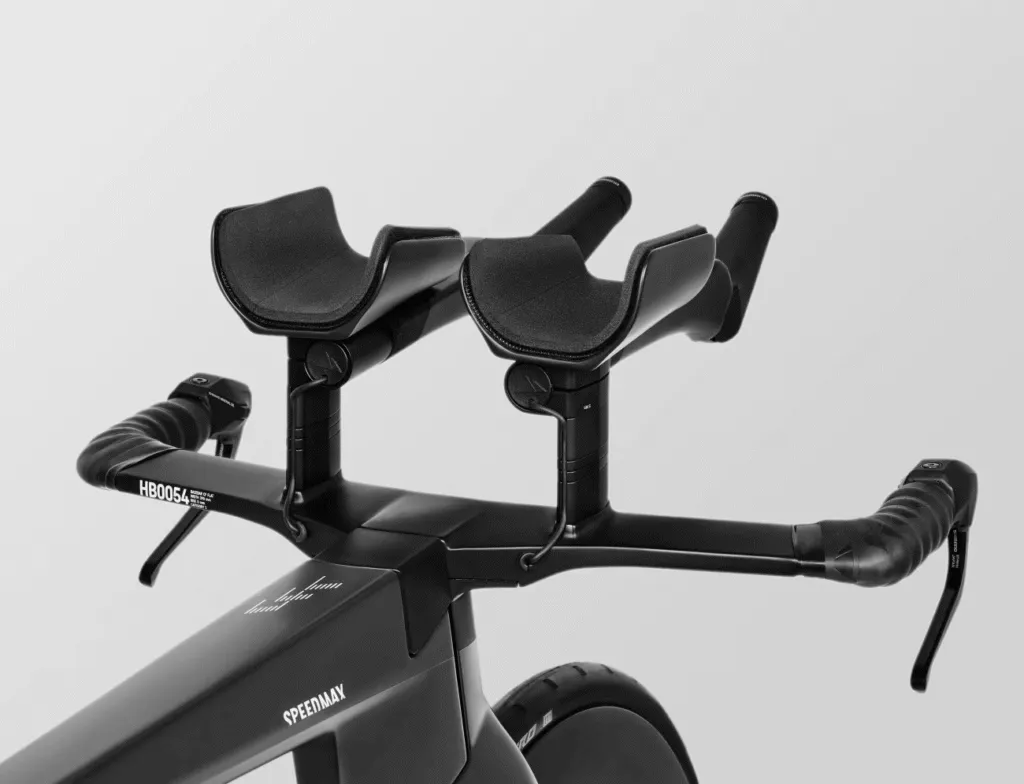
Technological Trends in Triathlon Bicycle Rest Handlebars in 2026
In 2026, triathlon bicycle rest handlebars will see more innovative technologies, particularly in carbon fiber materials and aerodynamic design. With increasing demand for lightweight, durable, and comfortable components, carbon fiber technology is becoming key to enhancing the cycling experience. Suppliers and brands need to keep pace with this trend, offering more competitive products to meet the needs of athletes in long-distance riding and competitions.
2.1: Innovative Applications of Carbon Fiber Materials: How to Improve Performance and Reduce Weight
The lightweight and high-strength advantages of carbon fiber allow Bicycle Rest Handlebars to reduce weight while increasing durability. The latest carbon fiber technology optimizes the design, improving the stability and elasticity of the handlebars, adapting to prolonged use in triathlon events, and effectively reducing wind resistance to further enhance performance.
2.2: Dual Improvement in Aerodynamics and Comfort
In 2026, triathlon bicycle rest handlebars will focus on balancing aerodynamic efficiency and riding comfort. New designs optimize aerodynamic performance, reduce wind resistance, and ensure comfort during long rides. Through precise geometric design and adjustment systems, Bicycle Rest Handlebars will provide the optimal balance of comfort and speed.
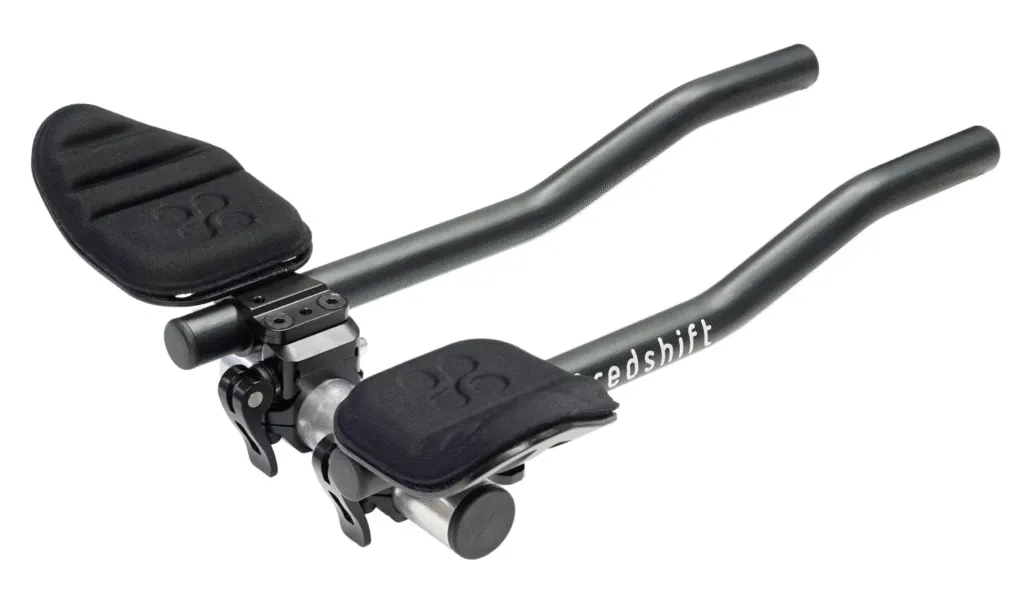
Customized Needs for Triathlon Athletes: The Rise of Custom Bicycle Rest Handlebars
With the continuous development of triathlon sports, customized bicycle rest handlebars have become crucial for improving cycling performance. Through precise dimensions and personalized design, TT handlebars not only enhance comfort but also optimize aerodynamic performance, giving athletes an advantage in competitions. Custom handlebars help address comfort issues during long rides while improving the speed and stability of the bicycle.
3.1: Professional Custom Design: How to Choose the Right Handlebars Based on Individual Needs
For athletes of different body types, custom TT handlebars can provide tailored grip angles, lengths, and widths to ensure the best riding posture. Combined with carbon fiber materials, they offer both lightweight construction and durability, improving comfort and precise control, and providing additional performance advantages.
3.2: Future Customization Trends in 2026: Precision Design and the Application of 3D Printing Technology
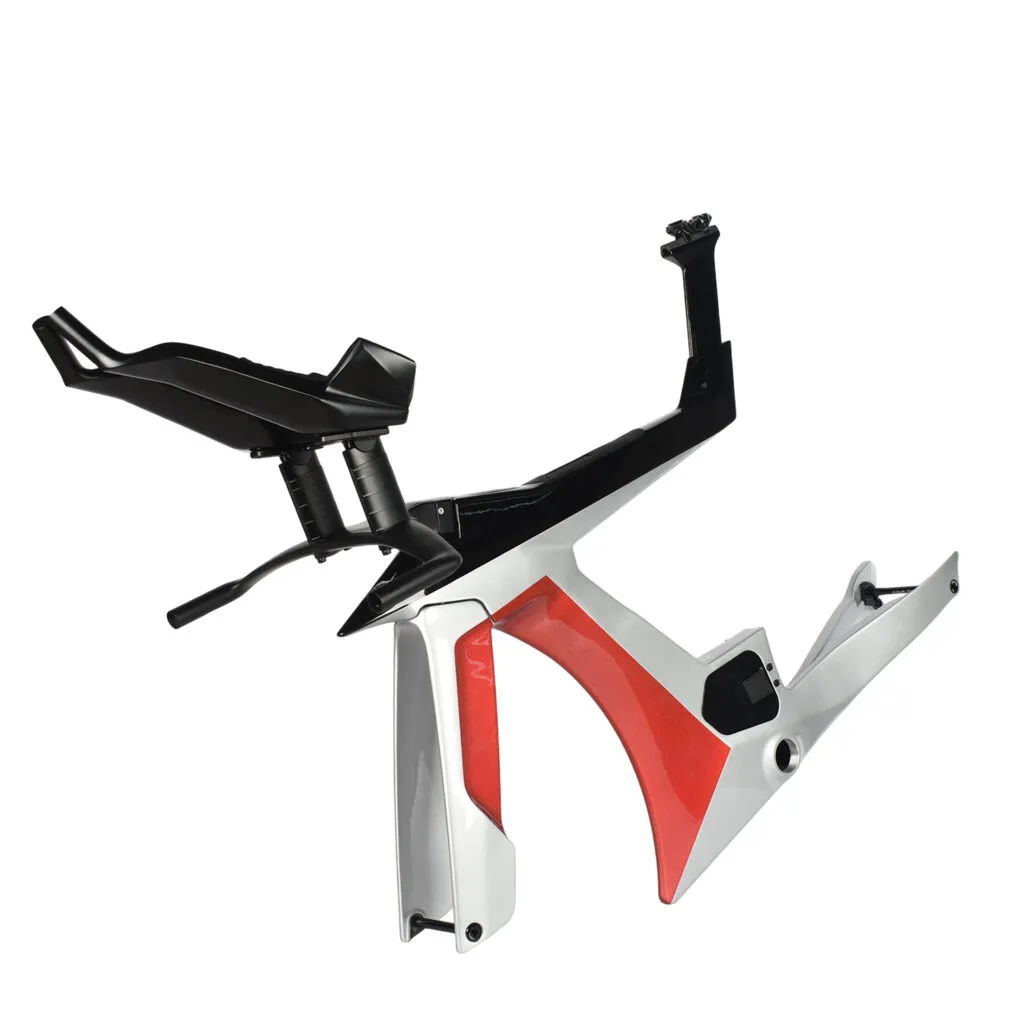
3D printing technology significantly improves the precision and production efficiency of custom TT handlebars. Combined with carbon fiber, 3D printing can quickly manufacture handlebars that meet personalized standards according to the athlete’s needs, further reducing weight, increasing strength, and improving aerodynamic performance to meet the high demands of professional triathlon athletes.
Future Market and Development Forecast for Triathlon Bicycle Rest Handlebars
With the continuous development of triathlon events, the market demand for high-performance bicycle rest handlebars is growing rapidly. Carbon fiber handlebars, due to their lightweight, durability, and excellent aerodynamic performance, have become the preferred choice for top brands and professional athletes. In the next five years, the market for carbon fiber handlebars will continue to expand, especially in emerging markets, where customization demands will drive development in this sector.
4.1: Market Prospects for Carbon Fiber Handlebars: Changes in the Next Five Years
With advancements in cycling technology, the market for carbon fiber handlebars will experience rapid growth. It is projected that by 2026, global demand for carbon fiber TT handlebars will increase by more than 30%. The optimization of carbon fiber technology not only meets the needs of the high-end market but is also gradually penetrating the mid-to-low-end market. Emerging markets, particularly in Asia and Latin America, are becoming important growth points for suppliers and brand customers.
4.2: Environmental Protection and Sustainable Development: Environmentally Friendly Design of Future Handlebars
Environmentally friendly materials and sustainable production are becoming industry trends. More and more brands are adopting recyclable materials and low-carbon production processes to reduce their environmental footprint. Carbon fiber handlebar manufacturers are balancing high performance with environmental requirements through innovative designs, and in the future will provide products that combine high performance and environmental protection, meeting the needs of B2B wholesalers and brand customers for market competitiveness.
Choosing the Right Triathlon Bicycle Rest Handlebars: A Buyer’s Guide for Triathletes
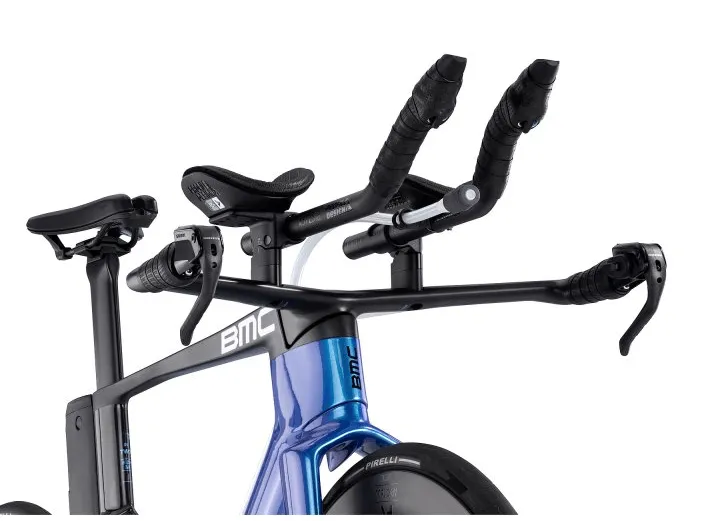
For triathletes, choosing the right bicycle rest handlebars is crucial. The needs of different athletes vary greatly, from weight and comfort to durability; every detail can affect performance. When choosing carbon fiber handlebars, these factors must be carefully considered. Whether it’s comfort for long rides or the need for ultimate speed and stability with TT handlebars, a careful selection based on individual needs is essential.
| Feature | Lightweight Carbon TT Handlebar | Endurance Carbon TT Handlebar | Aerodynamic Carbon TT Handlebar |
|---|---|---|---|
| Weight | 180g – 220g | 220g – 250g | 200g – 240g |
| Comfort | Moderate grip and padding | High comfort with extra padding | Minimal padding, performance-focused |
| Durability | High-strength for racing | Excellent for long rides | Strong, but less comfortable for long durations |
| Ideal For | Speed and performance-focused riders | Long-distance triathlons | Competitive triathletes needing speed |
5.1: How to Choose the Right TT Handlebar for You: Key Factors to Consider
When purchasing carbon fiber handlebars, the first thing to consider is weight; lightweight handlebars can effectively improve cycling efficiency and reduce muscle fatigue. Secondly, comfort is crucial for long-distance triathlon events; the right curvature and grip can enhance the riding experience. Finally, durability is also an important factor, especially under high-intensity riding conditions, where stability and impact resistance are paramount.
5.2: Future Technologies and Materials: How to Ensure You’re Buying the Most Forward-Thinking Products
With the continuous advancement of materials technology, future technological trends will focus more on aerodynamic design and adaptive comfort, especially integrating more advanced carbon fiber technology and enhanced durable materials. To avoid purchasing outdated products, suppliers and brands need to pay attention to the latest market trends to ensure their products remain at the forefront of functionality and design.
Conclusion: Future Outlook for Triathlon Bicycle Rest Handlebars in 2026
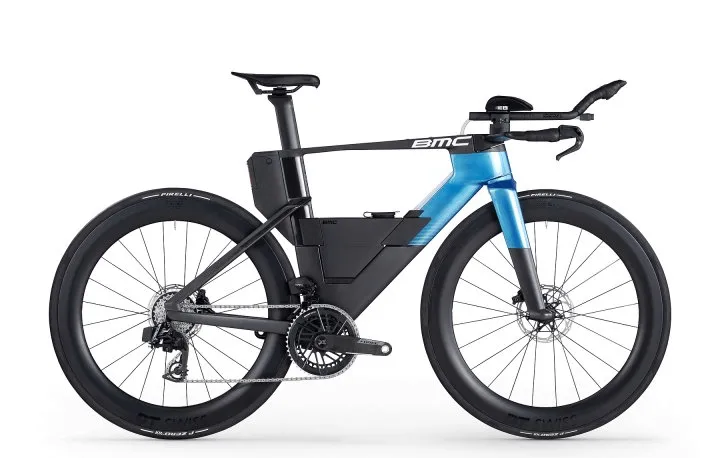
With continuous breakthroughs in carbon fiber technology, the design of triathlon bicycle rest handlebars in 2026 and the years to come will focus more on balancing performance and comfort. In particular, the ongoing innovation in carbon fiber handlebars in terms of weight reduction, improved aerodynamics, and enhanced durability will have a profound impact on the riding performance of triathletes. Suppliers and brands should closely monitor these trends to ensure they can provide high-performance products that meet future needs.
6.1: Future Trends: Continuous Innovation and Technological Advancement in Carbon Fiber Handlebars
With technological advancements, future carbon fiber handlebars will not only be closer to perfection in terms of strength and weight but will also see breakthroughs in fatigue resistance and comfort adjustment. For B2B wholesalers, understanding these changes and promptly providing TT handlebars that meet market demands will be crucial for competitive success.