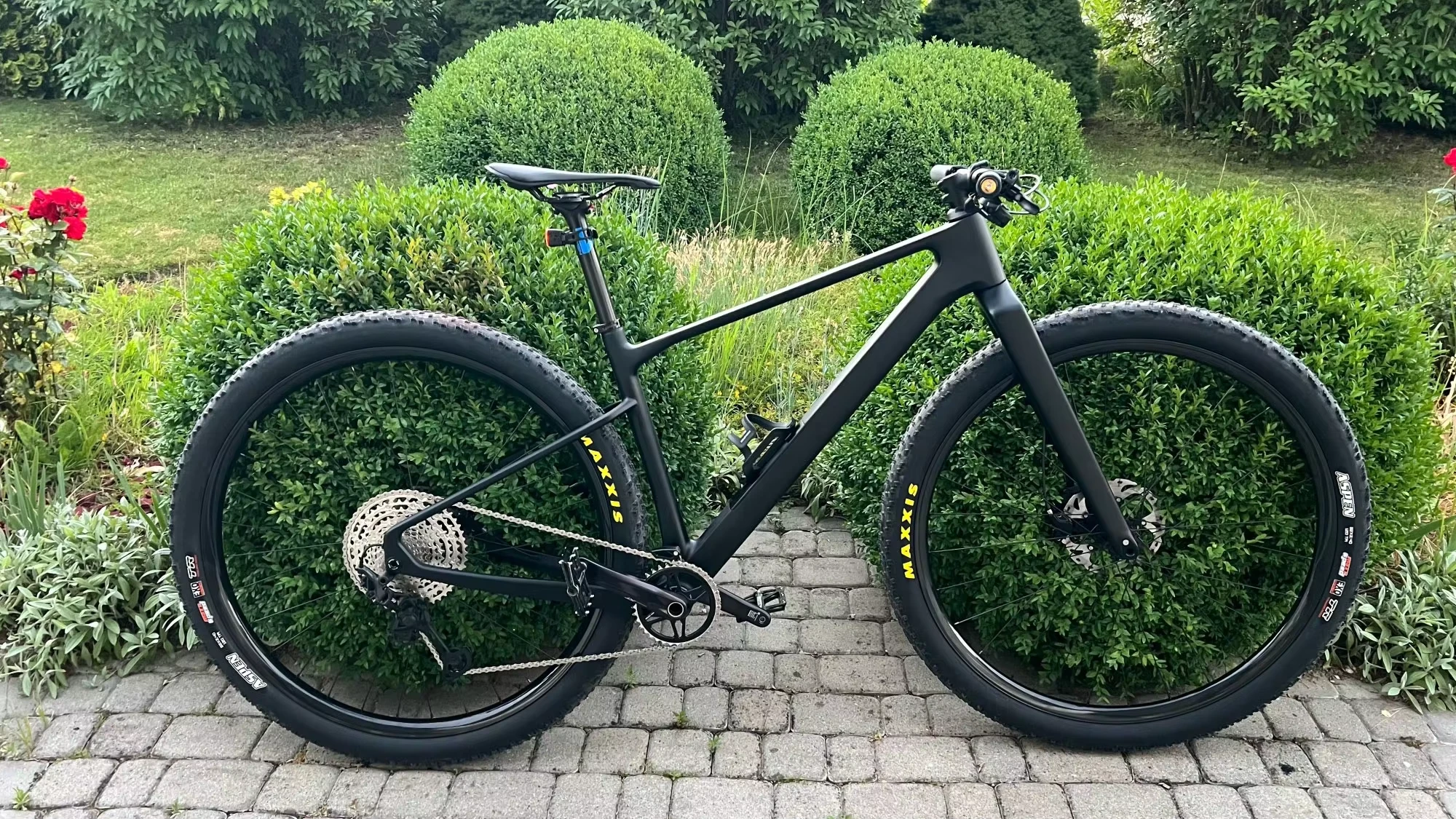
Carbon fiber bicycle frames are widely used in professional racing and endurance cycling due to their lightweight properties (more than 30% lighter than aluminum alloy) and high strength. According to Cycling Weekly, approximately 70% of top-tier racing bikes use carbon fiber frames, demonstrating their dominant position in the market. However, successful production depends not only on design and material selection but also on ensuring the quality of each batch of products. Through meticulous evaluation of bicycle frame samples, manufacturers can effectively identify potential problems and reduce production risks.
Testing carbon fiber bicycle frame samples to check their strength, weight, and durability is a crucial step for every bicycle frame supplier. Samples that have not undergone rigorous evaluation can lead to quality fluctuations in mass production, affecting delivery schedules and customer satisfaction. Therefore, accurately evaluating samples and ensuring their performance matches the design is the cornerstone of high-quality carbon fiber frame production.
Preliminary Preparations for Evaluating Carbon Fiber Bicycle Frame Samples
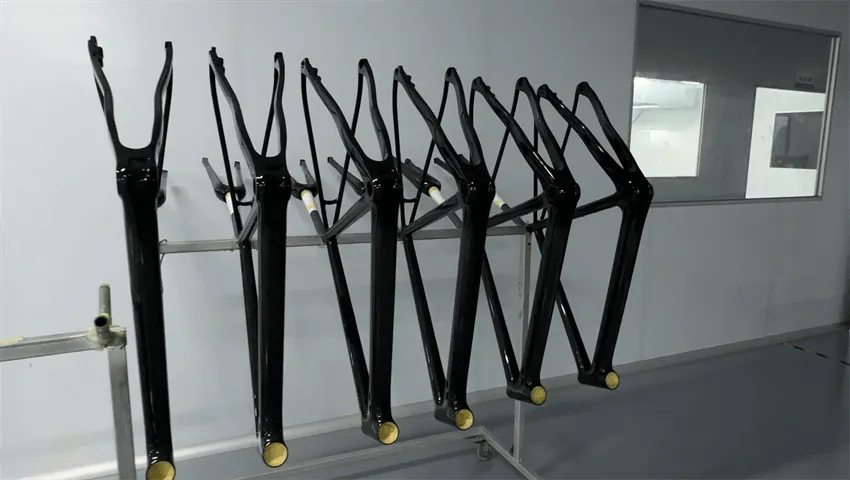
Evaluating carbon fiber bicycle frame samples is crucial before mass production. Choosing the right supplier is the first step in ensuring the final product meets standards. Sample testing not only helps identify design flaws but also fosters a close working relationship between the manufacturer and supplier. For bicycle frame suppliers, understanding sample quality and production processes ensures consistent quality in mass production.
1.1: Choosing the Right Bicycle Frame Sample Supplier
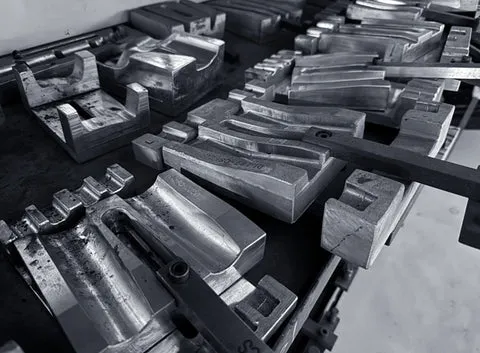
Selecting a reliable bike frame manufacturer is fundamental to the production process. Experienced manufacturers provide consistent quality and on-time delivery, avoiding problems during production. Thoroughly investigate the supplier’s background, assess their expertise in carbon fiber frames, check if their testing equipment is advanced, and ensure they comply with industry standards. Ensuring the bike frame sample meets design requirements effectively reduces quality variations in subsequent mass production.
1.2: Determining Testing Standards and Requirements
Setting frame performance standards is key to testing samples, typically including the bicycle frame’s stiffness, weight, and durability. For racing and endurance frames, weight and stiffness are crucial, while for carbon fiber bicycle frames, comfort and compressive strength are equally important. Communicate thoroughly with the bike frame manufacturer to ensure all testing standards are agreed upon before sample production, thereby reducing the risk of inconsistencies in mass production.
Quality Inspection of Carbon Fiber Bicycle Frame Samples
Quality inspection of samples is crucial in the production of carbon fiber bicycle frames. For a bike frame manufacturer, ensuring that every carbon fiber bike frame meets high standards not only guarantees the performance of the final product but also reduces the risk of rework in mass production. Appearance, craftsmanship, and performance testing are key in this process. Through rigorous quality inspection, the frame’s visual and physical perfection can be ensured, laying a solid foundation for the large-scale production of bicycle frames.
2.1: Appearance and Craftsmanship Inspection
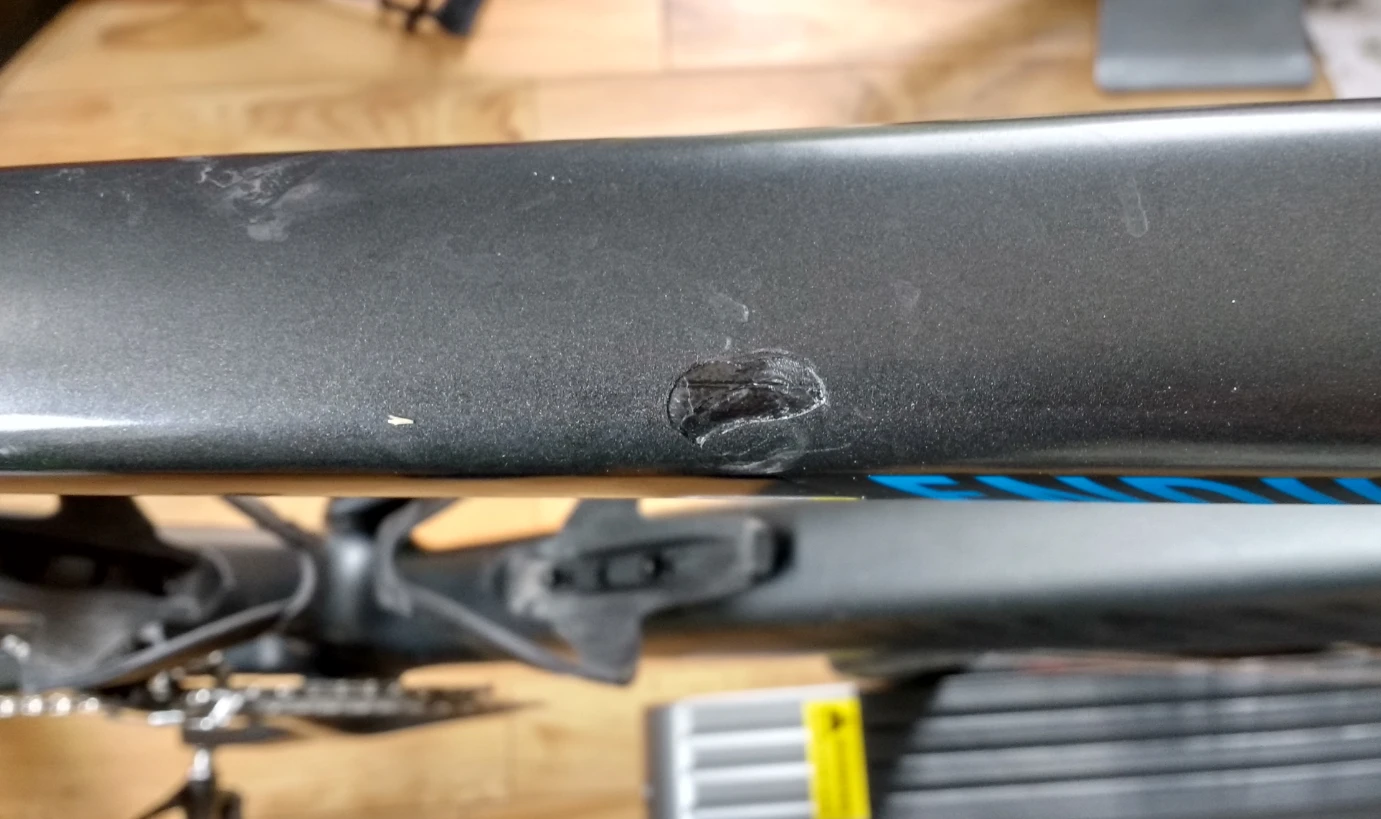
The appearance inspection of carbon fiber bike frames requires checking the surface smoothness, coating quality, and color consistency to ensure that every frame has a flawless appearance. Besides visual quality, the strength of details such as welds, connection points, and joints is also a key focus of inspection. These details of the bicycle frame cannot be overlooked, as they directly affect the frame’s durability and overall structural stability.
2.2: Performance Testing and Experiments
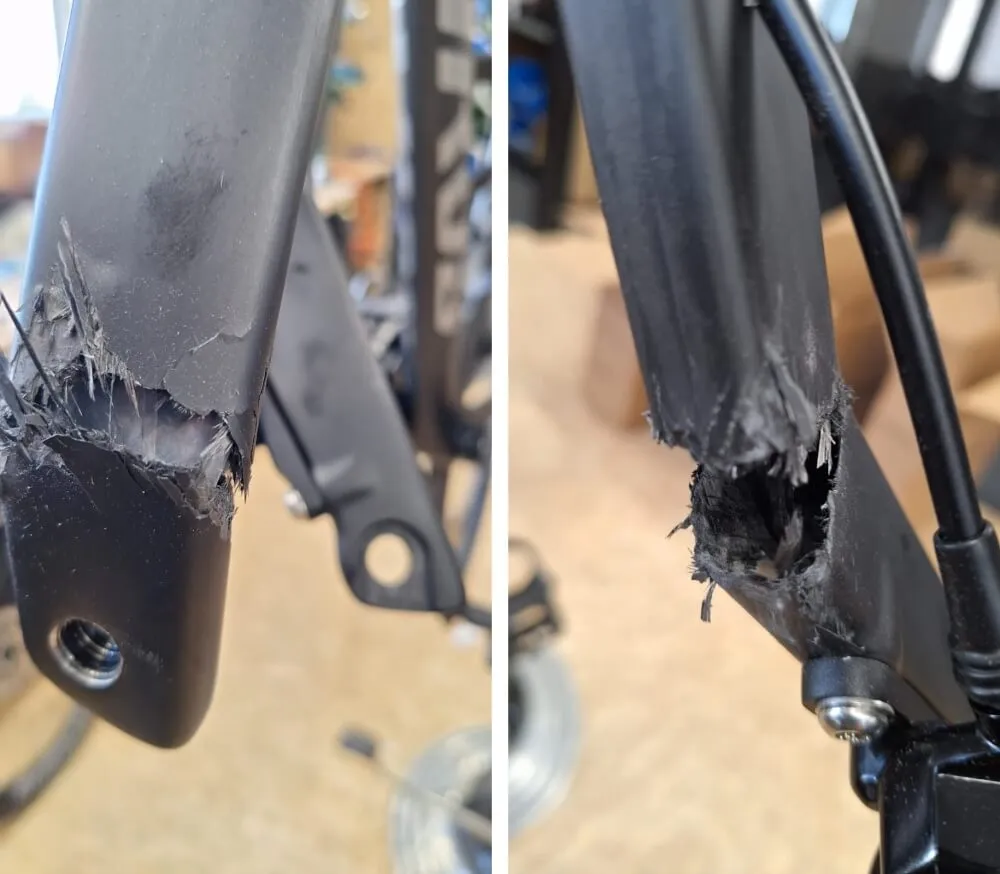
Strength testing of carbon fiber frame samples is an essential step. By simulating different pressure and impact tests, the frame’s compressive strength, durability, and performance under extreme conditions can be verified. In addition, riding feel simulation tests can assess the comfort and handling of the carbon fiber bike frame, ensuring that every rider gets the best experience on different road conditions. Finally, verifying that the sample weight meets design requirements ensures that it meets market demands, especially for high-end users who demand lightweight frames.
How to Determine if a Carbon Fiber Bicycle Frame Sample is Suitable for Mass Production?
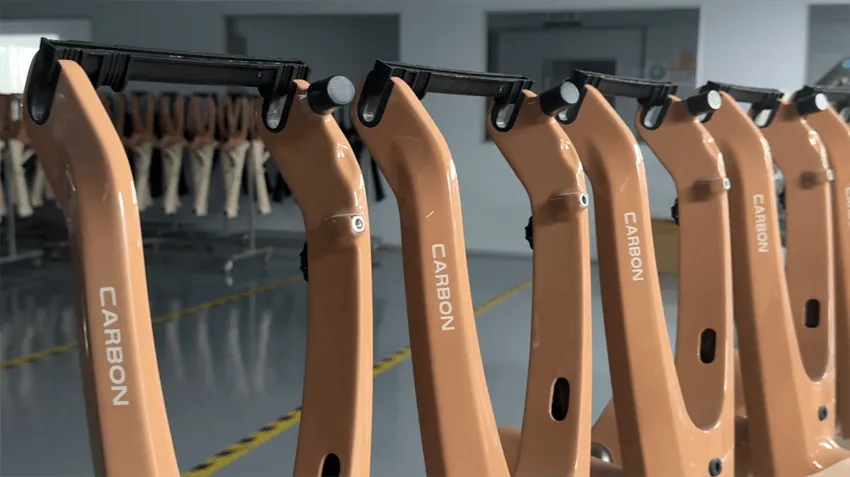
In carbon fiber bicycle frame manufacturing, sample evaluation is a critical step in ensuring that the product meets design standards and customer requirements. For bike frame manufacturers, the overall performance of the sample directly impacts production decisions. From the frame’s performance and appearance to test results, every aspect must be rigorously screened to ensure that the product meets standards in terms of strength, weight, and durability. The details of the evaluation provide important basis for mass production, avoiding production delays and cost increases due to quality issues.
3.1: Analyzing the Overall Performance of the Sample
When evaluating a carbon fiber bicycle frame sample, it is necessary to consider indicators such as weight control, frame rigidity, and durability, while also checking appearance details such as surface smoothness and coating uniformity. For bike frame manufacturers, these standards directly affect product quality and brand trust. Whether the sample meets production standards and customer requirements determines whether it enters the mass production stage.
3.2: Customer Feedback and Improvement Suggestions
Collecting and analyzing customer feedback helps ensure that the carbon fiber bicycle frame sample successfully enters mass production. Through feedback, manufacturers can understand the product’s performance in actual riding and market demand, and optimize the design based on suggestions, such as improving comfort or handling. Continuous improvement and feedback loops ensure consistent quality and performance of mass-produced carbon fiber frames, meeting the high standards of brand customers.
Customer feedback can typically be obtained through the following channels:
- Reddit (e.g., r/cycling, r/bikewrench) – These communities bring together a large number of cycling enthusiasts and professional riders who frequently share their user experiences and product suggestions.
- BikeRadar – As a professional bicycle review website, BikeRadar’s user reviews and expert reviews provide valuable insights for product improvement.
- Cycling Weekly – This website offers in-depth product reviews, and customer feedback often discusses key characteristics such as the durability and comfort of bicycle frames in detail.
- Trustpilot and Amazon – Real customer reviews can help identify the strengths and weaknesses of products, especially regarding comfort and handling.
- Brand website review sections – Many brands provide customer feedback on their websites and product pages.
This feedback directly reflects market response and product performance.
By collecting feedback through these platforms, manufacturers can optimize designs based on market demand, ensuring that the final product meets high standards for mass production.
Quality Control and Sample Feedback During the Production Process
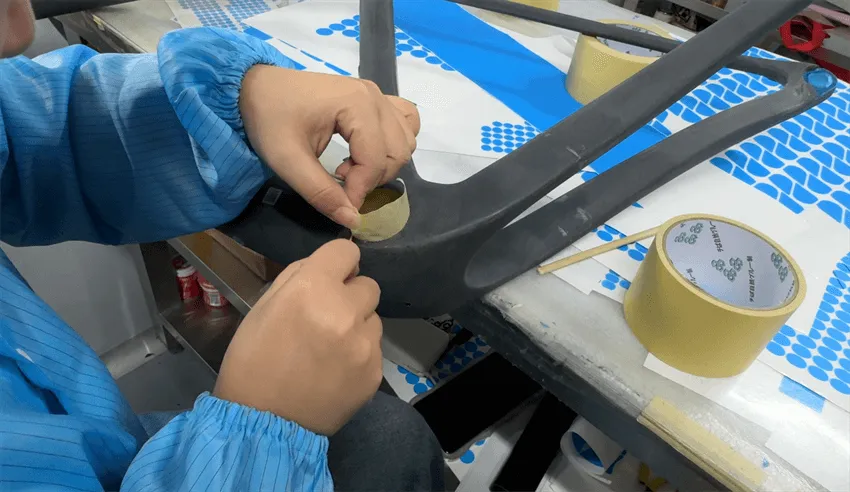
Continuous communication with the manufacturer is vital to ensure product quality and production progress. Regular follow-ups help identify potential issues early and adjust production plans, preventing quality problems. For carbon fiber bicycle frame manufacturers, optimizing the production process and meeting design requirements at each stage is crucial. By collecting feedback on carbon fiber frame samples, production processes can be adjusted in real time, ensuring the final frame meets performance and customer needs.
| Feedback Stage | Action Taken | Purpose | Expected Outcome |
|---|---|---|---|
| Pre-Sample Production | Initial design and material review | Ensure the design meets client specifications and material requirements | Clear product concept and material alignment |
| Sample Evaluation | Perform first round of testing on carbon fiber bike frame samples | Test strength, weight, and performance of the prototype | Identify and correct design flaws before mass production |
| Mid-Production Review | Production updates, interim samples, and feedback loops | Monitor the manufacturing process to catch any deviations early | Ensure production is on track and align with quality standards |
| Final Sample Confirmation | Review final samples before full-scale production begins | Ensure all changes have been incorporated, and the final product is aligned with client expectations | Confirm that mass production will meet specifications |
| Post-Production Feedback | Collect feedback from initial batch clients, if applicable | Ensure the finished product meets market needs and performs as expected | Final product refinement and customer satisfaction |
4.1: Final Inspection and Sample Confirmation Before Mass Production
Before mass production, a final sample verification must be conducted to ensure that all design standards and quality requirements are met. This includes verifying key parameters such as the dimensions, strength, and weight of the carbon fiber bicycle frame, ensuring consistency with the sample. Addressing potential quality issues during the production process and correcting errors promptly to ensure consistency in mass-produced bicycle frames is key to ensuring customer satisfaction.
Summary: Why Sample Evaluation is Key to the Successful Production of Carbon Fiber Bicycle Frames
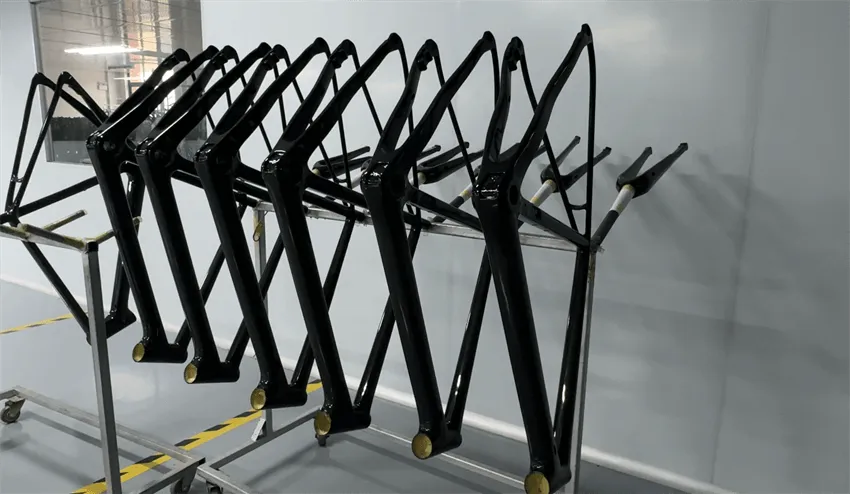
Sample evaluation is a crucial step in ensuring the successful production of carbon fiber bicycle frames. Through meticulous sample testing, manufacturers can effectively reduce production risks, avoid quality fluctuations in mass production, and ensure that the final product meets customer requirements. The precise verification of each bike frame sample directly impacts the performance and market competitiveness of the carbon fiber bike frame. Manufacturers and brand clients must prioritize sample evaluation to ensure that every batch of products meets consistent quality standards.
5.1: Ensuring Each Carbon Fiber Frame Meets Design Requirements
Before mass production, final sample verification is essential to ensure that design standards and quality requirements are fully implemented. Only through rigorous testing and feedback mechanisms can it be ensured that the performance, weight, and durability of each carbon fiber bike frame meet expectations.
If you have any questions or would like to learn more about our production process, please feel free to contact haidelibikes.