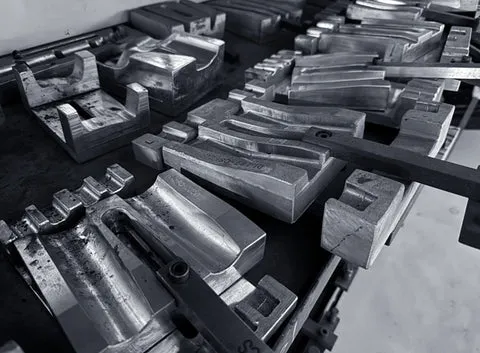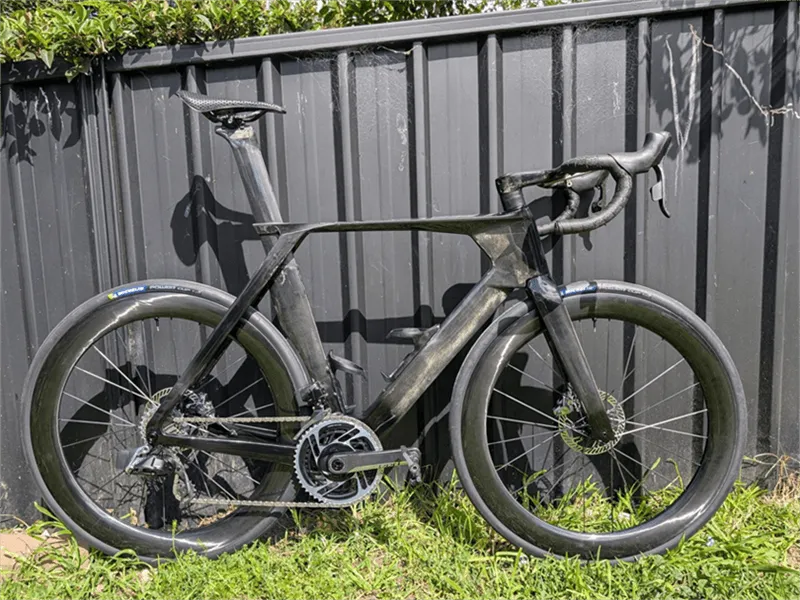
By 2026, cycling isn’t just about racing—commuting, fitness rides, and weekend adventures have become part of daily life. Choosing the right carbon fiber road bike frame now means investing in comfort, ride efficiency, and durability. Lightweight design, vibration damping, and high rigidity make carbon road frames ideal for non-competitive cyclists, offering benefits that aluminum or steel simply can’t match.
With over a decade of experience in carbon fiber bike manufacturing, we know how frame geometry, material selection, and layup techniques impact both ride feel and long-term performance. As demand grows for versatile bikes that handle city streets, gravel paths, and weekend rides, a quality carbon fiber road bicycle frame ensures stability, speed, and comfort. This guide will help you choose the perfect carbon road bike frame for everyday adventures and casual long rides.
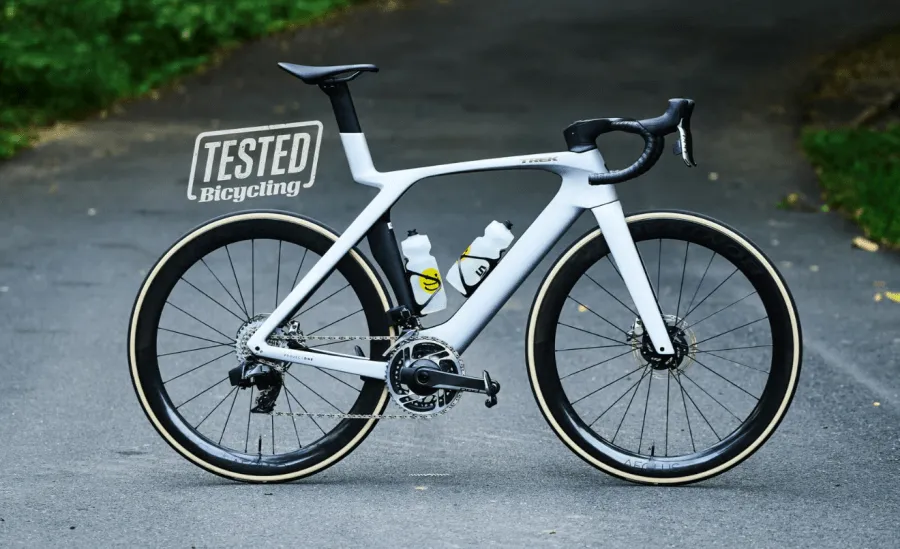
Why Should Non-Competitive Cyclists Choose a Carbon Fiber Road Bike Frame in 2026?
As more cycling enthusiasts incorporate commuting, recreational riding, and weekend long-distance rides into their daily lives, choosing the right carbon fiber road bike frame is no longer just about competitive equipment, but a key factor in improving riding comfort, efficiency, and durability. For non-competitive riders, weight, vibration damping, geometric comfort, and long-term durability are the most important factors when choosing a carbon fiber road bike frame. This section will analyze, from the perspectives of lightweight design, cost-effectiveness, and engineering, why carbon fiber frames will be the ideal choice for recreational and commuting cyclists in 2026.
1: Lightweight Design Enhances Commuting and Long-Distance Comfort
The lightweight design of carbon road frames significantly reduces physical exertion during long-distance rides and daily commutes, while a well-designed geometry reduces pressure on the shoulders and lower back. For urban cyclists in Europe and America who frequently encounter traffic lights, hills, or rough roads, a lightweight frame makes each pedal stroke smoother, improving the overall riding experience.
2: Carbon Fiber Becomes More Cost-Effective in 2026: The Rise of Factory-Direct Sales Models like HaideliBikes
With the popularization of factory-direct sales and customized production, OEM/ODM manufacturers like HaideliBikes, which integrate manufacturing and trade, can significantly reduce intermediate costs while maintaining the high performance of carbon fiber road bicycle frames. For non-competitive cyclists, this means they can obtain a high-rigidity, highly durable carbon road bike frame within a reasonable budget, avoiding being overcharged by brand premiums.
3: Engineer’s Perspective: The Natural Advantage of Carbon Fiber Structure in Vibration Damping
The layered stacking and rational layup of carbon fiber materials naturally absorb road vibrations, resulting in a smoother ride than traditional aluminum alloy or steel frames. In fact, many of the Carbon Fiber Bike Frames Advantages come from how engineers optimize the layup scheme for stress-bearing areas such as the front fork, downtube, and chainstays. This approach balances lightweight design, rigidity, and comfort, ensuring a stable feel during daily riding, on gravel roads, or during long-distance tours.
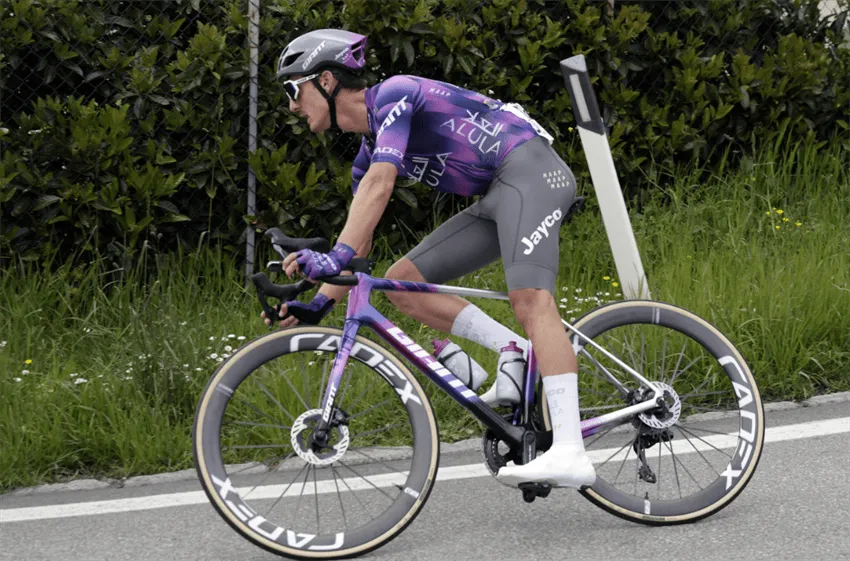
How Non-Competitive Cyclists Can Determine if a Carbon Bike Frame Road is Suitable?
For non-competitive cyclists, choosing a suitable carbon fiber road bike frame is not just about appearance or price, but also about comfort, durability, and everyday handling experience. Lightweight design, vibration damping capabilities, and geometric design directly affect the riding experience, and these are precisely the pain points that many everyday riders overlook when choosing a carbon fiber road bike frame. Below, we will analyze how to determine if a frame truly suits your riding needs from three key dimensions: geometric design, carbon fiber grade and layup process, and internal mold structure.
1: Geometric Design Determines Comfort: The Differences Between Aero, Endurance, and All-Road
Frame geometry directly affects riding posture, handling stability, and comfort during long rides.
- CR068 Aero Road Frame: Designed for riders who prioritize speed, while maintaining a light and agile feel for everyday riding, suitable for flat roads and fast city commuting.
- CR025 Endurance Road Bike Frame: Emphasizes comfort and long-distance riding performance, with optimized seat tube angle and head tube height, suitable for long-distance leisure riding and weekend rides.
- CR301 All-Road Bike Frame: Compatible with wider tires, supporting mixed gravel and paved road conditions, a new trend for non-competitive riders in 2026, balancing stability and multi-terrain adaptability.
By understanding the characteristics of different geometries, riders can choose the most suitable carbon road frame based on their daily road conditions and riding goals.
2: Carbon Fiber Grade and Layup Process Affect the Durability of Carbon Road Frames
The carbon fiber material grade (such as T700/T800) and layup direction determine the frame’s rigidity, toughness, and durability. High-grade carbon fiber, while being lightweight, can effectively reduce vibration transmission during riding, improving comfort and handling stability. A reasonable layup process can also optimize the stress distribution of the carbon fiber road bicycle frame, avoiding stress concentration that can lead to cracks or shortened lifespan – a technical detail that many non-competitive riders easily overlook.
3: Internal Mold Structure (EPS/Vacuum Bag) Affects the Consistency of Road Bike Carbon Fiber Frames
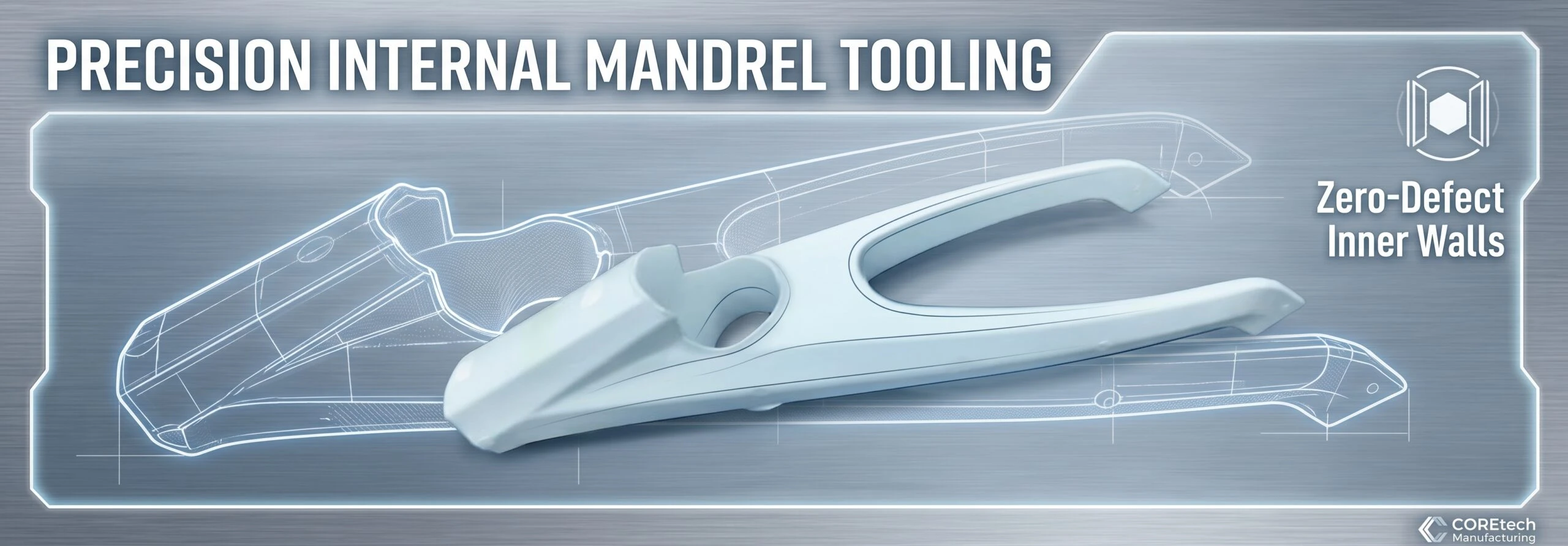
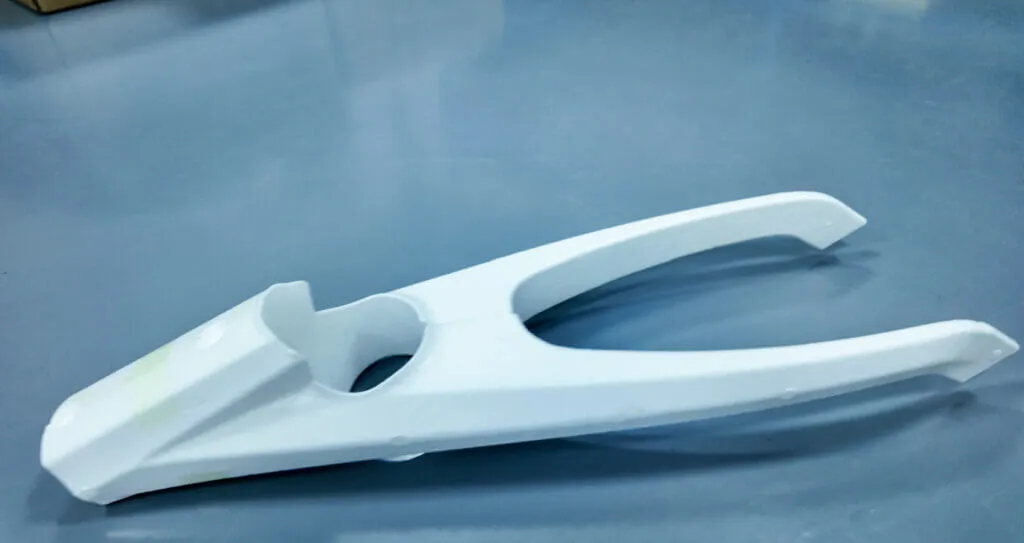
The internal molding process (EPS foam or vacuum bag) determines the overall molding quality and wall thickness uniformity of the frame. Precise control of the fit between the internal mold and the carbon fiber fabric prevents minor air bubbles, uneven thickness, or localized insufficient rigidity, ensuring that every road bike carbon fiber frame provides a stable and predictable riding feel. For non-competitive cyclists, this means less maintenance and a more durable riding experience in everyday use.
Key Features of Carbon Road Frames Most Important to Non-Competitive Cyclists in 2026
Choosing a carbon fiber road bike frame suitable for non-competitive cyclists requires considering more than just weight and aesthetics; practicality and durability are equally important. Daily commuting, weekend long rides, or gravel road adventures all demand a frame that performs well in terms of tire clearance, cable routing design, and durability. The following key features are what most cyclists will be focusing on when purchasing a carbon road frame in 2026.
1: Tire Clearance: From 25C to the 30–35C Era
With increasingly diverse road conditions, non-competitive cyclists are paying more attention to the tire clearance of carbon road bike frames. Wider tires not only improve comfort but also enhance grip and stability. For example, the CR301 All-Road supports wider tires (700×40C), suitable for rural gravel and urban potholed roads; the CR025 Endurance also accommodates wider tires, improving all-road riding performance for a smoother and more stable riding experience.
2: Balancing Cable Routing and Maintenance Difficulty (Internal Routing is More Popular)
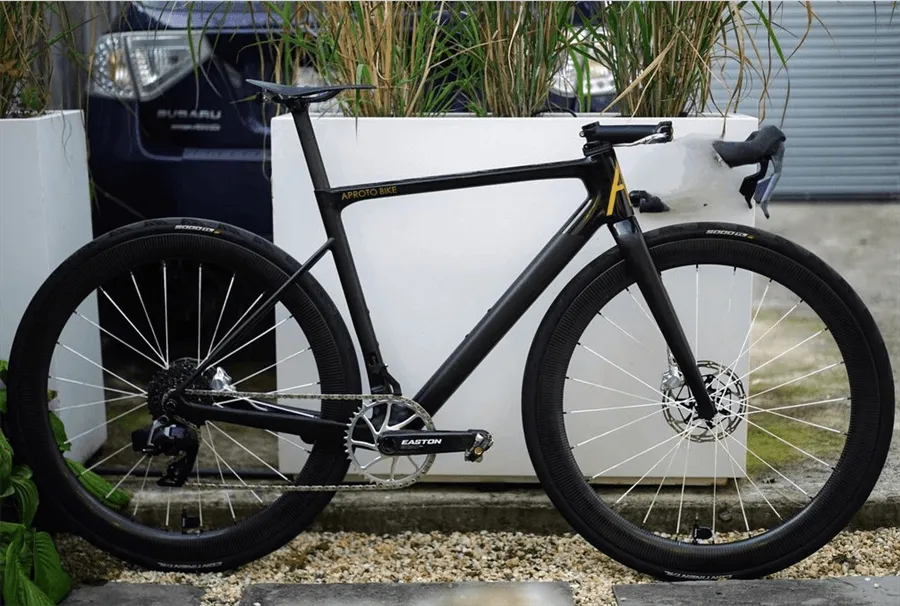
Hidden internal cable routing, referred to as a “clean cockpit” or “aero neat trick” by riders in Europe and the US, is both aesthetically pleasing and reduces external wear. The CR068, CR025, and CR301 all utilize a hidden cable routing system, which not only reduces daily maintenance difficulty but also gives the carbon fiber road bike frame a clean and streamlined appearance, better meeting the requirements of lightweight and aerodynamic design.
3: The Real-World Durability of Carbon Fiber Frames
Durability is one of the biggest concerns for non-competitive cyclists. Through precise layering processes and reinforced designs in stress areas, the CR068, CR025, and CR301 enhance structural strength in key areas such as the downtube, bottom bracket, and head tube, ensuring that the carbon fiber road bicycle frame remains stable and reliable during long rides, urban commuting, and on gravel roads. Factory test data shows that these frames can withstand the high-frequency vibrations and impacts of daily riding, reducing the risk of cracks and fatigue.
How to Choose a Budget-Friendly Carbon Road Bike Frame in 2026?
Choosing the right carbon road bike frame is not only about performance and comfort, but also directly impacts the efficient allocation of your budget. For non-competitive cyclists, understanding the performance differences across different price ranges and the advantages of direct-from-manufacturer sales is crucial. Whether for daily commuting, weekend long-distance rides, or urban gravel road adventures, choosing a frame within a reasonable budget ensures a lightweight, rigid, and durable riding experience while avoiding being burdened by brand premiums. Below, we analyze this from three perspectives: the advantages of direct sales, recommendations at different price points, and how to avoid unnecessary expenses.
1: Advantages of Factory Direct Sales: Taking HaideliBikes as an Example
Choosing a factory-direct carbon fiber frame allows you to directly benefit from integrated OEM/ODM production, precise geometric design, and strict quality control. HaideliBikes has over ten years of experience in integrated manufacturing and trade, mastering the layup process and structural design of carbon fiber road bike frames, ensuring that each frame achieves the best balance between lightweight design and rigidity. For non-competitive cyclists, this means a more cost-effective carbon fiber road bike frame, while also enjoying reliable after-sales service and customization options.
2: Recommendations at Different Price Points
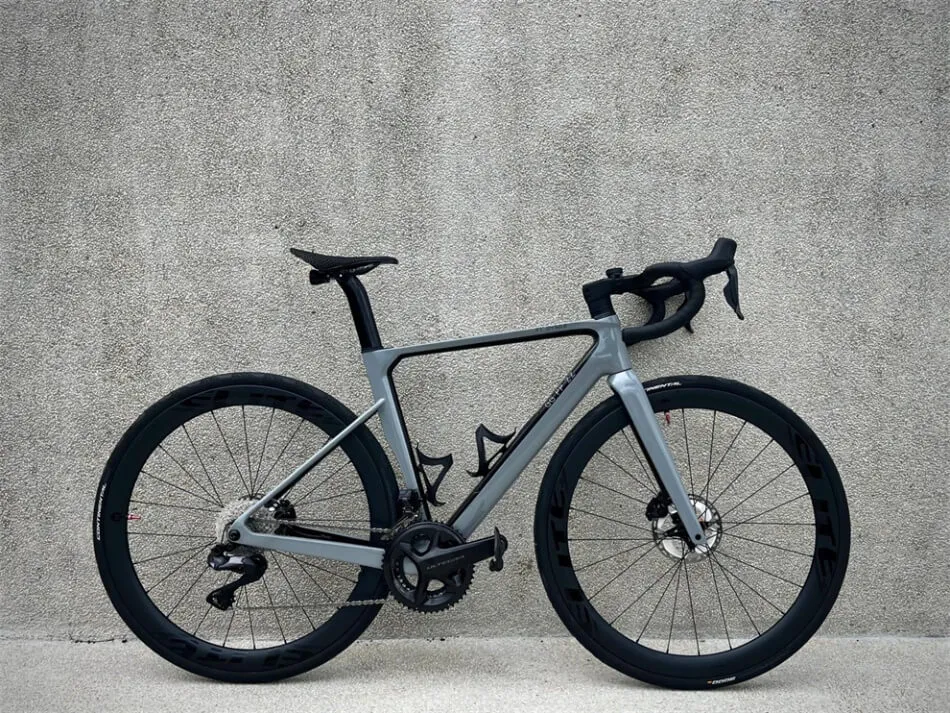
Limited budget but want to increase speed → CR068 Aero Road Frame
A high-performance aero frame that balances lightweight design and aerodynamics, suitable for fast riding on flat roads or short weekend adventures.
Medium budget → CR025 Endurance Road Bike Frame
A more forgiving geometric design and comfort, suitable for daily commuting and leisurely long-distance riding, with better tire width compatibility, easily handling urban roads and gravel sections.
Slightly higher budget → CR301 All-Road Bike Frame
A versatile design that balances stability for city, rural gravel, and long-distance riding, making it an ideal choice for non-competitive riders who enjoy various road conditions.
3: How to Avoid Being Overcharged by Brand Premiums
When buying a carbon road frame, non-competitive cyclists are easily attracted by the brand premiums of well-known brands. The key lies in focusing on material grade (T700/T800), geometric design, layup process, and reliable factory-direct sales channels, rather than simply the brand name. By comparing the performance data, actual riding experience, and after-sales service of different carbon fiber road bike frames, you can choose the most cost-effective frame while maintaining performance, avoiding unnecessary expenses.
Common Mistakes for Non-Competitive Cyclists: Issues Often Overlooked When Buying a Carbon Fiber Road Bike Frame
Non-competitive cyclists often focus only on weight or appearance when choosing a carbon fiber road bike frame, neglecting riding comfort, handling stability, and compatibility. Excessive pursuit of lightweight or aero design may negatively impact daily commuting and weekend riding experiences. This section will address three common misconceptions, providing professional guidance based on different bike models to help you make a wise choice for your carbon fiber road bike frame.
1: Focusing Only on Weight, Neglecting “Comfort Geometry”
Many cyclists are attracted to lightweight carbon road frames but overlook the impact of geometric design on long-distance riding and commuting. Comfort geometry (Endurance Geometry) can reduce pressure on the shoulders, neck, and lower back.
Example Solution: CR025 Endurance Road Bike Frame, balancing lightweight design with comfort, suitable for city commuting, weekend long rides, or mixed terrain riding.
2: Pursuing Extreme Aerodynamics, Neglecting Daily Handling Stability
Aero carbon road bike frames with their streamlined design are appealing, but excessive pursuit of aerodynamics may sacrifice low-speed handling and daily stability, especially during frequent starts and stops on city streets or inclines.
Example Solution: CR068 Aero Road Frame, suitable for medium to high-speed riding, but non-competitive cyclists should choose based on their usage scenarios and handling needs.
3: Neglecting Key Parameters Such as Tire Width, Brake Type, and Compatibility
Another misconception is focusing only on appearance and weight, neglecting tire clearance, brake type, and component compatibility, which directly affects comfort and adaptability, especially for commuting, gravel roads, or long-distance riding.
Example Solution: CR301 All-Road Bike Frame, compatible with wider tires and various braking systems, is a versatile choice for non-competitive cyclists, suitable for city, rural, and light off-road conditions.
Best Recommended Carbon Fiber Road Bicycle Frames for Different Needs in 2026 (by Rider Type)
When choosing a carbon fiber road bike frame, the needs of non-competitive cyclists vary: some prioritize comfort for daily commuting and fitness, others seek lightweight design and speed, and some want stability to handle diverse road conditions. Different geometric designs, material layups, and tire compatibility directly affect the riding experience and durability. This section will recommend the most suitable options based on rider type, combining popular frames such as endurance carbon frames, aero road frames, and all-road carbon frames, and analyze the advantages of each type of frame in actual commuting, long-distance riding, or gravel roads.
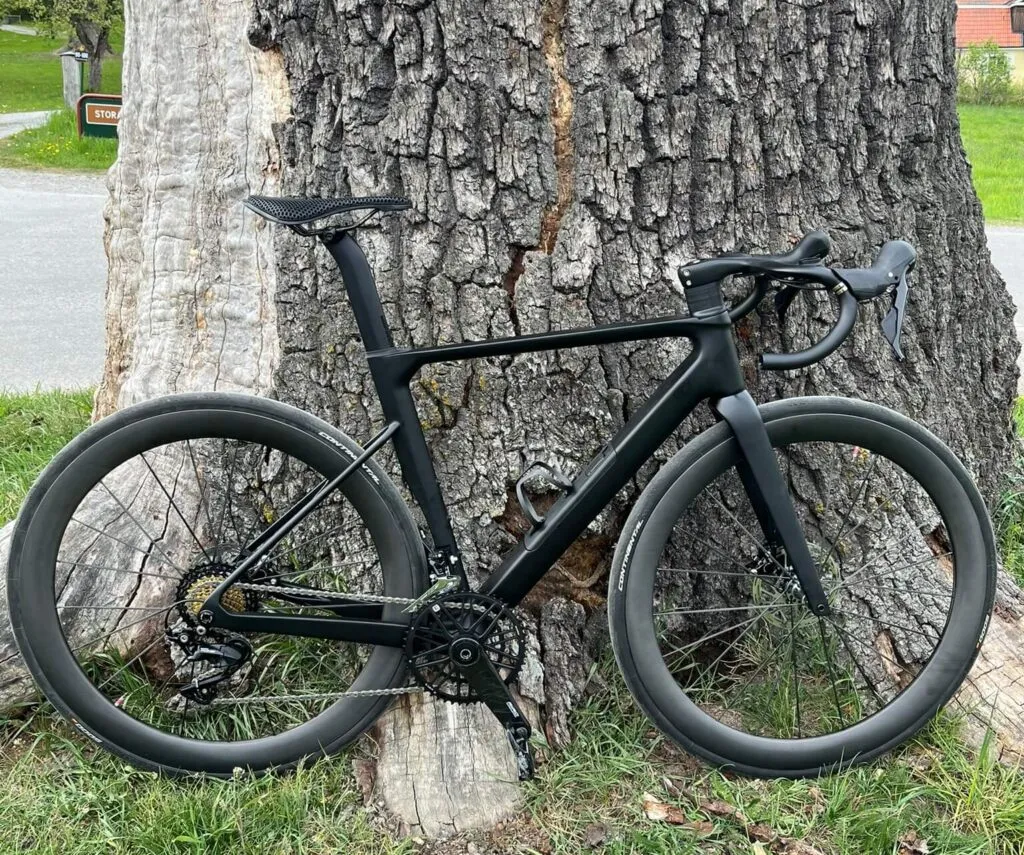
1: Recommended for Daily Commuting + Fitness: CR025 Endurance Road Bike Frame
Reasons:
- Comfortable Geometry: Suitable for medium to long-distance riding, reducing back and shoulder fatigue
- Suitable for Medium to Long Distances: Stable riding posture is ideal for daily commuting or leisurely weekend rides
- Wide Tire Compatibility: Can accommodate wider tires for improved stability and handling of urban potholes
2: For Those Seeking Lightweight and Speed: CR068 Aero Road Frame
Reasons:
- High Aerodynamic Design: Reduces wind resistance and improves cruising efficiency on flat roads
- Excellent Choice for Non-Competitive Riders to Increase Speed: Lightweight frame makes riding easier
- Suitable for Flat Roads and Fast Riding: Good high-speed cruising stability while maintaining comfort
3: For Those Who Like to Explore Mixed Road Conditions: CR301 All-Road Bike Frame
Reasons:
- Wider Tire Compatibility: Suitable for gravel, country lanes, and slippery surfaces
- Strong Stability: All-road design provides reliable support
- Suitable for Multiple Road Conditions: Easily switch between urban paved roads, gravel roads, and mixed country routes
How to Determine if a Road Bike Carbon Fiber Frame is Reliable?
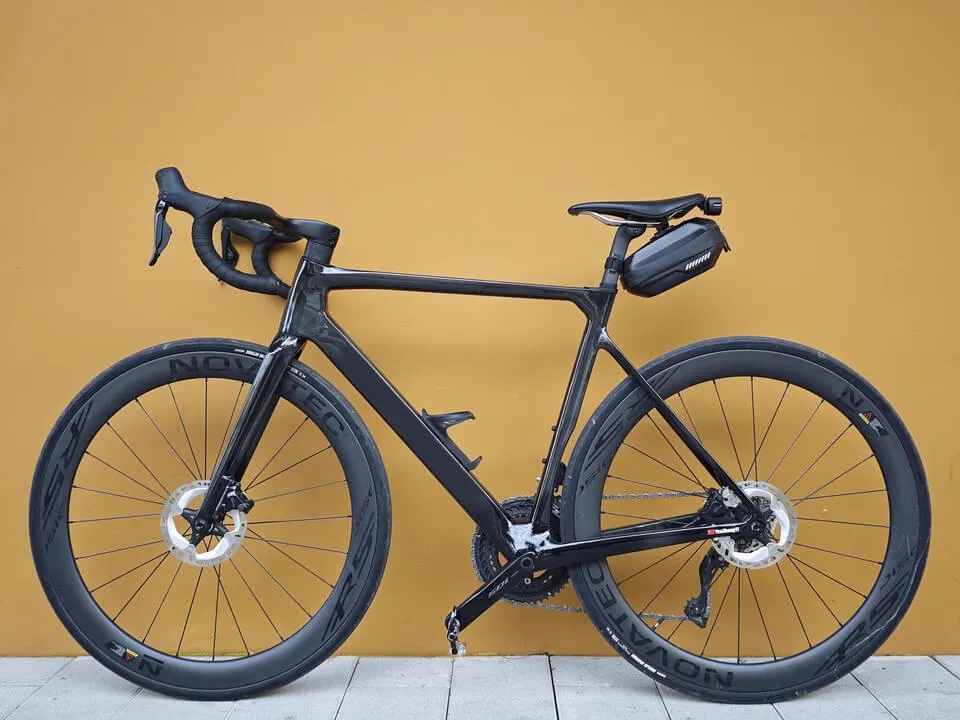
Choosing a reliable carbon fiber road bike frame is crucial for non-competitive cyclists, especially for city commuting, weekend long rides, or mixed terrain riding. A reliable carbon fiber frame not only affects riding comfort and handling stability but also directly relates to durability and safety (crash resistance). Evaluation should involve a multi-dimensional analysis, from structural design and material quality to test data, ensuring the chosen carbon road frame is both lightweight and strong, suitable for long-term use.
1: Check if the stress areas (head tube, bottom bracket, chainstays) are properly reinforced
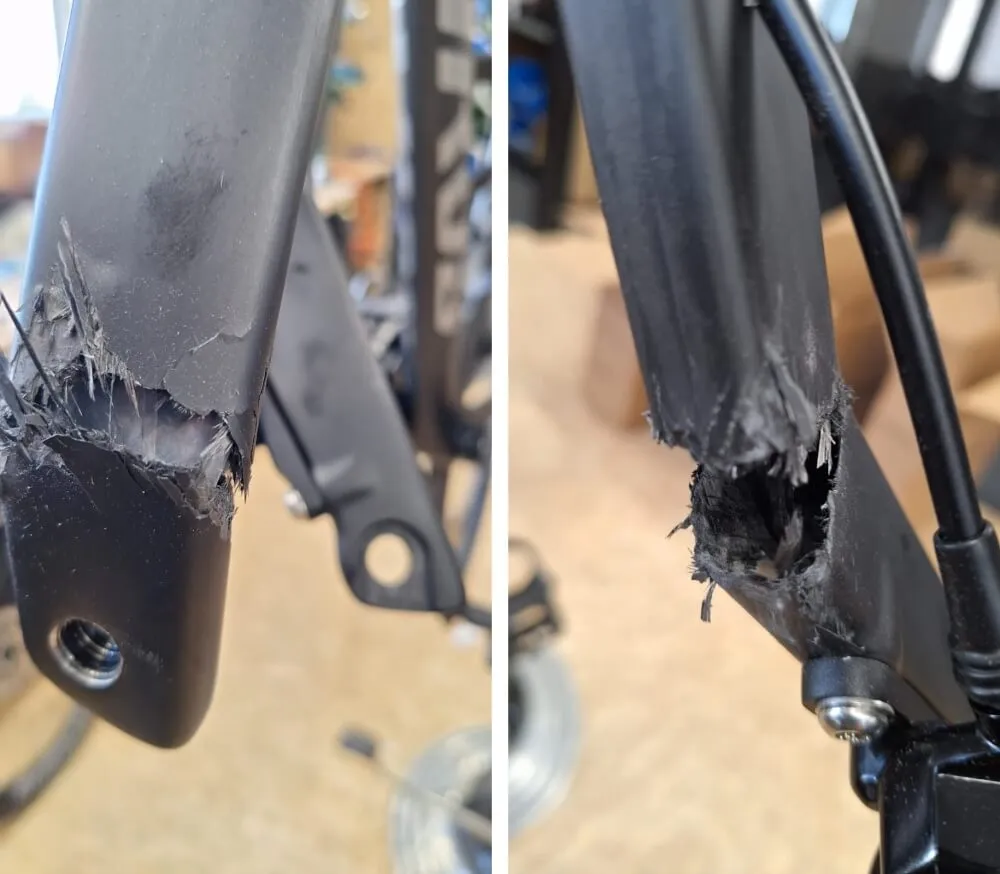
The head tube, bottom bracket, and chainstays are the most critical stress areas of a carbon frame. Engineers focus on whether the reinforcement method is scientifically sound. For example, our CR068 uses a reinforced structure in the head tube area, which improves fork support and overall frame stiffness, reducing the risk of fatigue cracks and ensuring safety during daily and long-distance riding.
2: Check for even carbon fiber layup and the absence of hard lines/bubbles
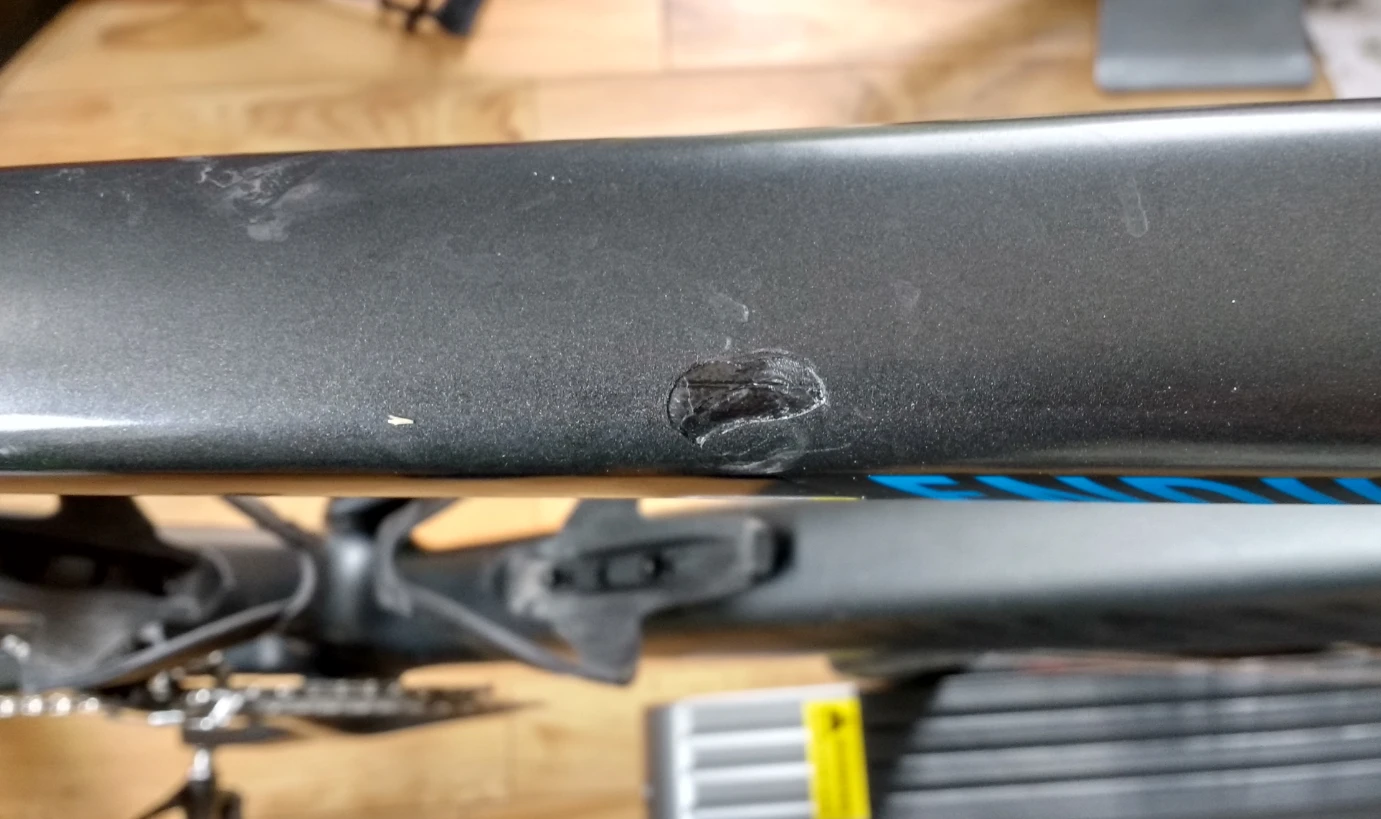
The quality of carbon fiber layup directly affects frame stiffness and vibration filtering (ride quality). Uneven layup or bubbles can easily lead to localized stress concentrations, increasing the risk of cracking. Checking the uniformity of the carbon fiber layup of a carbon fiber road bicycle frame is a key step in ensuring comfort and durability.
3: Check for test data: fatigue, impact, and road test feedback
A reliable frame will provide fatigue test, impact test, and actual road test data to help cyclists understand the performance of the carbon road frame under long-distance or complex road conditions. For users who prioritize stability, comfort, and lightweight design, this data is an indispensable reference.
Summary: Choosing the Right Carbon Fiber Road Bike Frame for Non-Competitive Cyclists in 2026
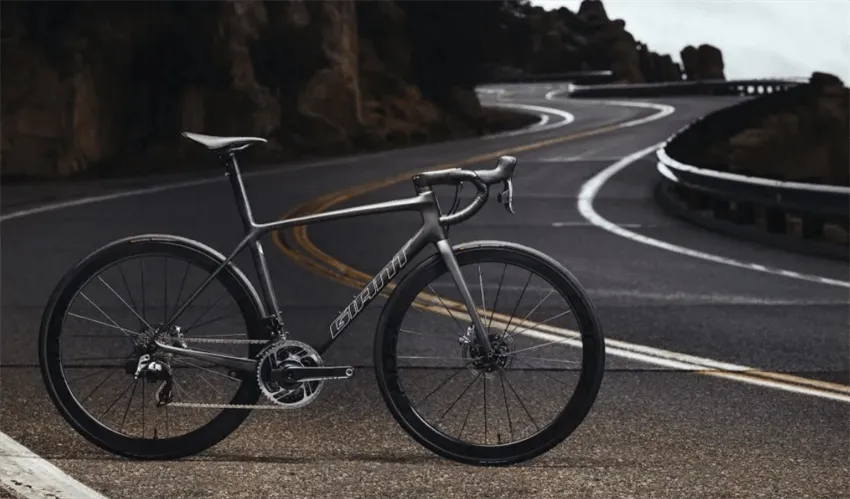
When choosing a carbon fiber road bike frame, non-competitive cyclists prioritize comfort, handling stability, and durability over extreme lightweight or competitive performance. Frame geometry, material grade, and carbon fiber layup all affect ride feel and safety. With growing demand for commuting, weekend rides, and gravel cycling, different frame types (Endurance, All-Road, Aero) offer distinct advantages. The following analyzes key considerations for choosing a carbon road frame in 2026 from three core perspectives, helping you find the best fit.
1: Comfort, Safety, and Durability Always Take Priority Over Extreme Performance
For non-competitive cyclists, ride experience outweighs extreme lightweight. High-quality carbon fiber road bike frames absorb vibrations, reduce fatigue on long rides, and maintain rigidity for stable handling. Comfortable geometry (e.g., Endurance) and optimized layup allow excellent performance on commutes, weekend rides, or gravel paths. Choosing a carbon fiber road bicycle frame with fatigue-tested, durable materials reduces maintenance and accident risks, addressing the main concerns of recreational cyclists.
2: Endurance and All-Road are the Core Trends for Recreational Cycling in 2026
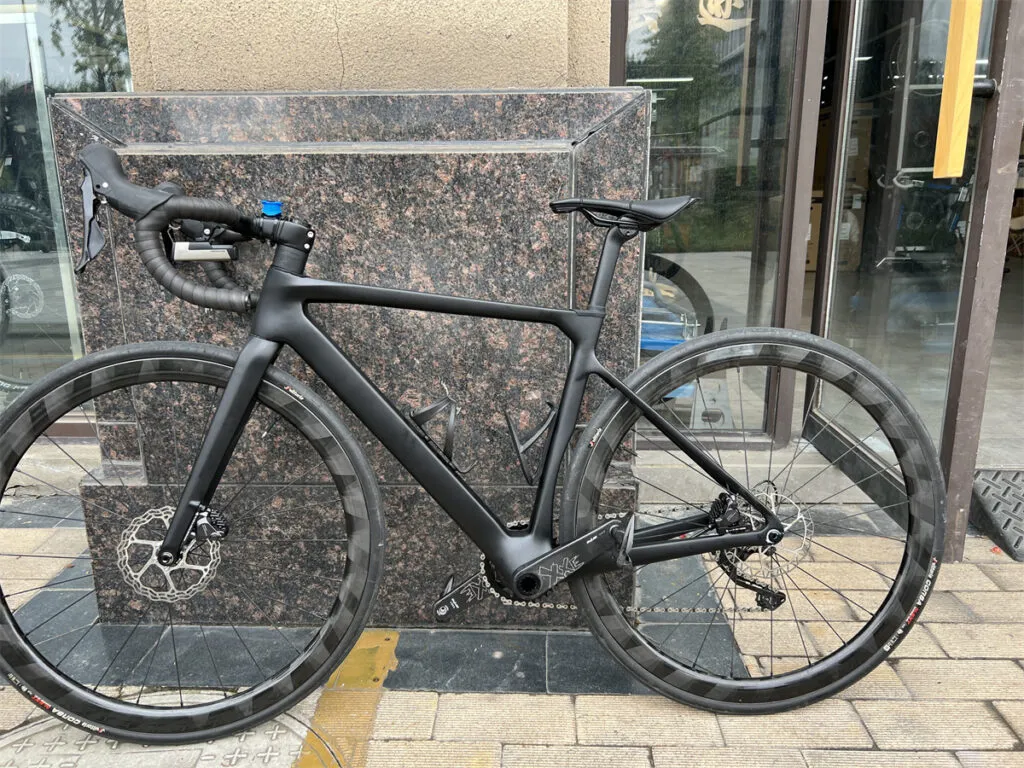
Market feedback shows Endurance road frames and All-Road carbon bike frames are now mainstream for recreational cycling. Endurance frames suit long, comfortable rides, while All-Road frames support wider tires, ideal for commuting, gravel, and light off-road riding, balancing stability and adaptability. Terms like “gravel-ready” or “commuter-friendly” are often used in the U.S. and Europe to describe these versatile frames, meeting non-competitive cyclists’ demands for comfort, safety, and multi-use performance.
3: For More Professional Selection Advice, Please Contact the HaideliBikes Engineering Team
If you have questions choosing a carbon fiber road bike frame, contacting our team helps avoid picking the wrong frame. HaideliBikes has over ten years of experience in carbon fiber frame design and manufacturing, familiar with diverse riding needs, geometries, and materials. Whether for commuting, long-distance leisure rides, or weekend gravel adventures, we provide expert guidance to select the most suitable carbon road frame, balancing comfort, safety, and durability.