As mountain biking culture matures, the full-suspension MTB Mountain Bike Frame market is poised for a revolution in 2026. For many riders, a suitable full-suspension MTB frame can directly determine the stability, comfort, and handling of an entire trail ride. Compared to traditional hardtails, modern full-suspension systems—whether it’s a fork and rear suspension linkage (four-bar/VPP link design) or the lightweight lay-up of a carbon MTB full-suspension frame—significantly improve traction and shock absorption on rough, rocky, root-lined, or high-speed downhill sections, maintaining rear wheel traction and reducing fatigue from impacts to the arms and back.
An industry report indicates that over 70% of new high-performance mountain bikes launched in 2025–2026 will adopt a full-suspension architecture. For riders seeking to conquer all-mountain, enduro, and technical trails, a well-designed, geometrically optimized, and appropriately constructed (carbon/high-modulus carbon) full-suspension MTB frames means less vibration, better handling, longer range—and less physical discomfort caused by terrain variations.
As an engineer and component supplier with over a decade of experience in carbon fiber frame manufacturing, I’ve keenly observed the industry’s shift from hardtail to full suspension—not just for performance, but also because riders expect a more stable, comfortable, and versatile MTB experience. This article will take you on an in-depth analysis of the latest trends in full-suspension mountain bike frames for 2026, and their practical implications for ordinary riders, enthusiasts, and OEMs.
Overview of Full Suspension Mountain Bike Frame Development Trends
With the continuous iteration of full suspension mountain bike frame technology, the MTB full suspension field in 2026 not only focuses on lightweighting and durability but also pursues precise geometry optimization and a better riding experience. Whether on trails, enduro, or all-mountain, riders increasingly value the handling, shock absorption, and overall stability of full suspension MTB frames. Next, we will analyze the latest trends in MTB full suspension frames and their impact on riding performance from two main directions: design evolution and material innovation.
1: Design Evolution of MTB Full Suspension Frames
From Traditional Aluminum Alloy to Carbon Fiber Full Suspension Design
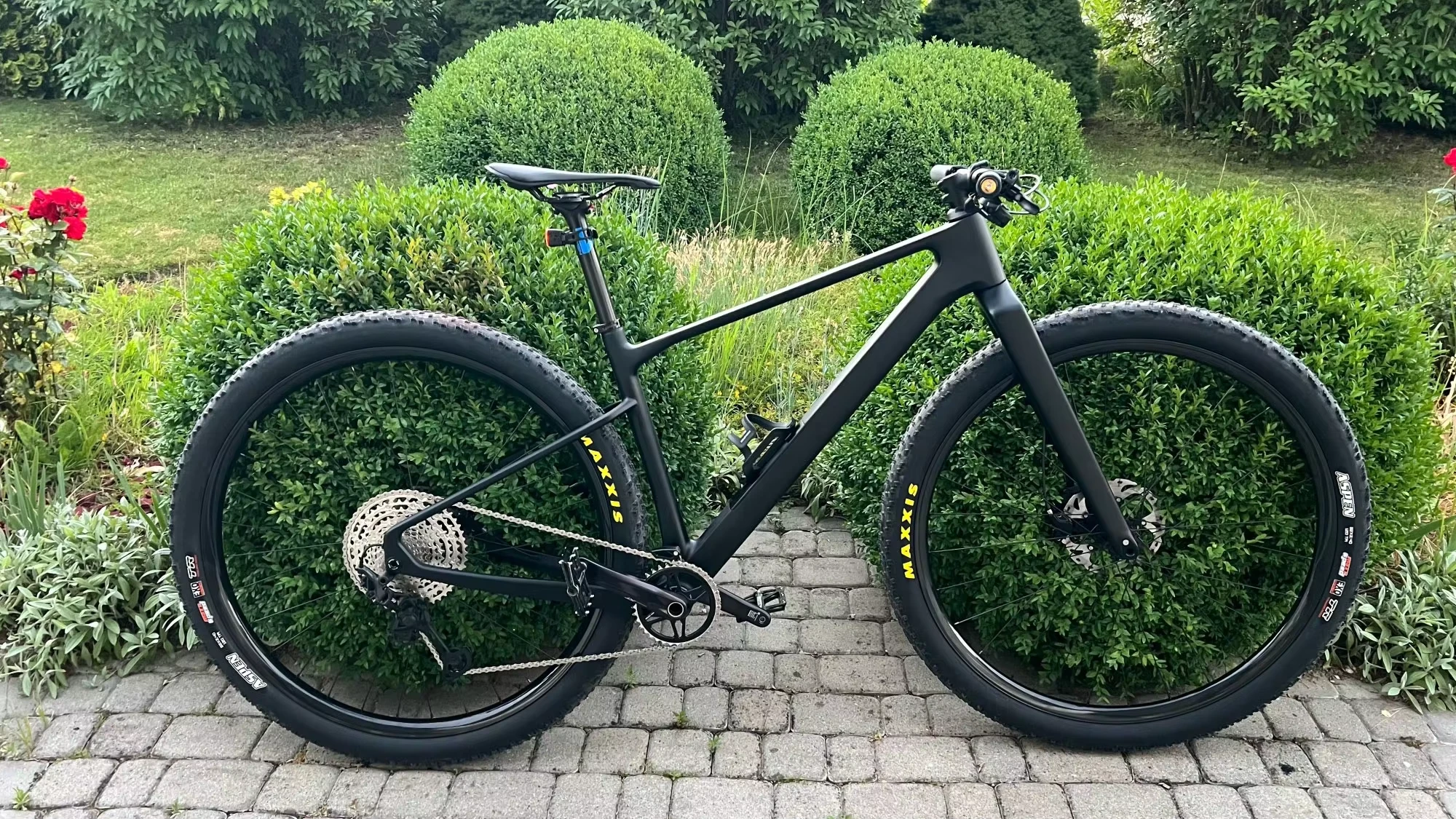
Modern full suspension mountain bike frames mostly use high-modulus carbon fiber, which improves rigidity and durability while reducing weight, flex, and pedal bob, making it easier for riders on technical trails.
Geometry Optimization: Better for Off-Road, Enduro, and Trail Running
Adjusting the head tube angle, chainstay length, and seat tube angle allows full suspension MTB frames to maintain traction and handling on steep climbs and fast descents.
Lightweight and Durable Balance
Through lay-up, carbon fiber weave pattern, and linkage design, the full suspension frame remains lightweight while handling high-impact terrain, reducing rider fatigue.
2: Material Innovations for 2026 Full Suspension MTB Frames
New Processes for Carbon Fiber MTB Full Suspension Frames
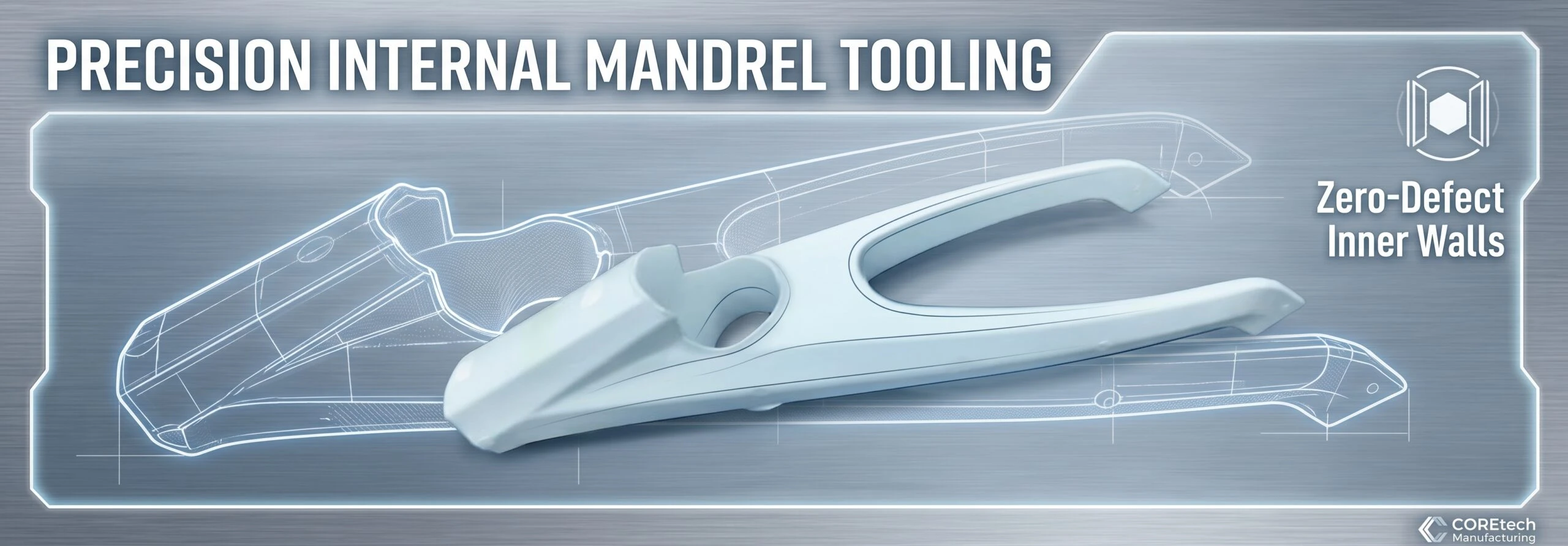
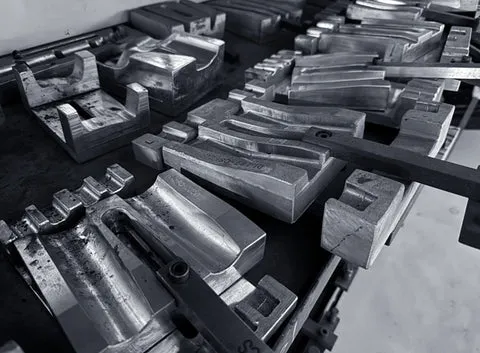
Seamless monocoque molding, fine lay-up, and reinforcement patching achieve the optimal balance between weight and strength in full suspension MTB frames.
Sustainable and Environmentally Friendly Materials Trends
The use of bio-resin, recycled carbon fiber, or hybrid composites reduces environmental impact and meets the expectations of European and American markets for green manufacturing.
Strength and Weight Optimization Solutions
Utilizing engineering techniques such as topology optimization and FEA (Features, Engineering, and Materials) to reinforce high-stress areas and reduce weight in non-critical areas achieves a balance between lightweighting and durability.

Key Features of 2026 Full Suspension Mountain Bike Frames
With the continued evolution of full suspension mountain bike technology, 2026 full suspension MTB frames are no longer just synonymous with “soft tails.” Modern mountain bike frame full suspension combines lightweight carbon MTB full suspension frames, optimized geometry, and advanced suspension systems to provide riders with a more comfortable, stable, and efficient off-road experience. This section will delve into the core features of these full suspension frames from three perspectives: riding experience, the advantages of carbon fiber, and modular customization, helping riders make informed decisions when choosing and upgrading their full suspension frames.
1: The Impact of Full Suspension Systems on the Riding Experience
Enhanced Off-Road Comfort and Handling
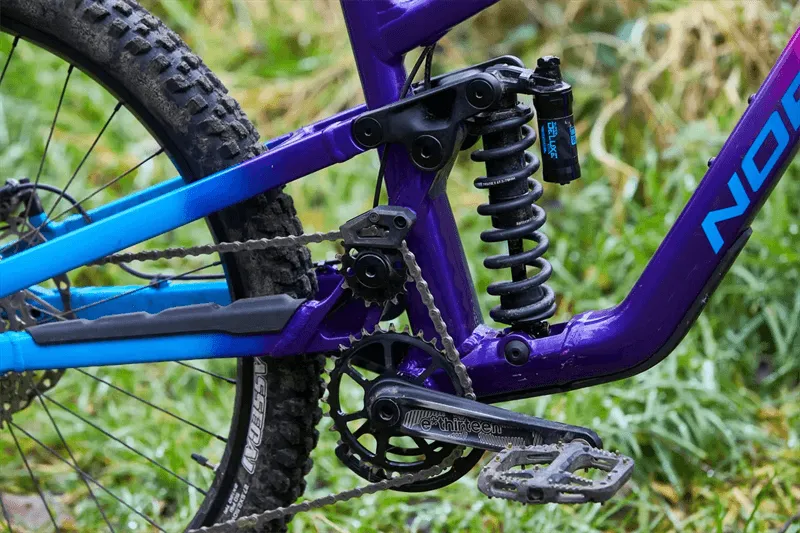
2026 full suspension mountain bike frames utilize optimized fork + rear suspension linkage designs (such as four-bar, VPP, or DW-Link) to significantly reduce vibration transmission on rocky trails, technical sections, or fast downhill, reducing stress on the arms and back while improving traction and cornering control. Performance of Full Suspension MTB Frames on Different Terrain Levels
Whether it’s XC cross-country, all-mountain, or enduro terrain, the modern MTB full suspension frame provides a consistent ride feel and stability, helping riders more easily handle rooty trails, loose gravels, or rocky drops.
Suitable for Beginners and Advanced Riders
The full suspension system makes it easier for novice riders to control the bike, while advanced riders can push their limits on technical terrain, reducing fatigue caused by complex terrain.

2: Advantages and Challenges of the Carbon Fiber MTB Full Suspension Frame
Lightweight, Stiffness, and Durability Analysis
The carbon MTB full suspension frame offers a high stiffness-to-weight ratio, while lay-up and reinforcement optimization balances shock absorption and durability, ensuring the frame remains stable even on intense downhill or technical trails.
Maintenance Costs and Lifespan
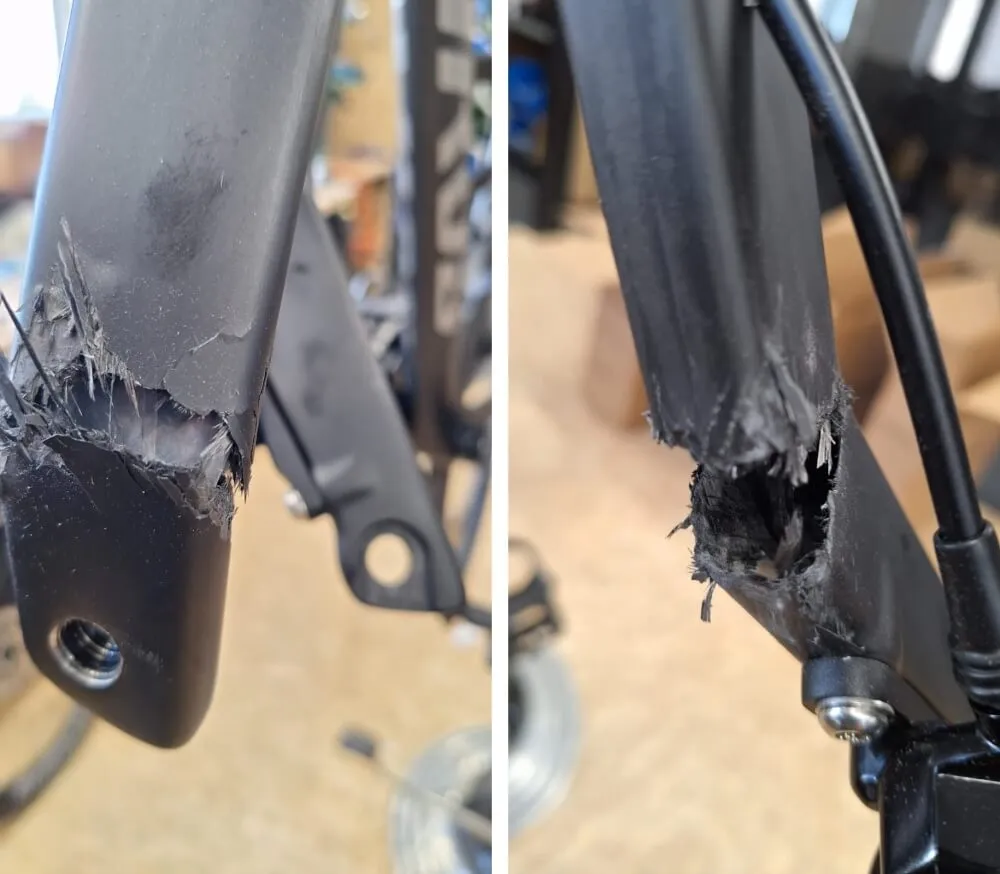
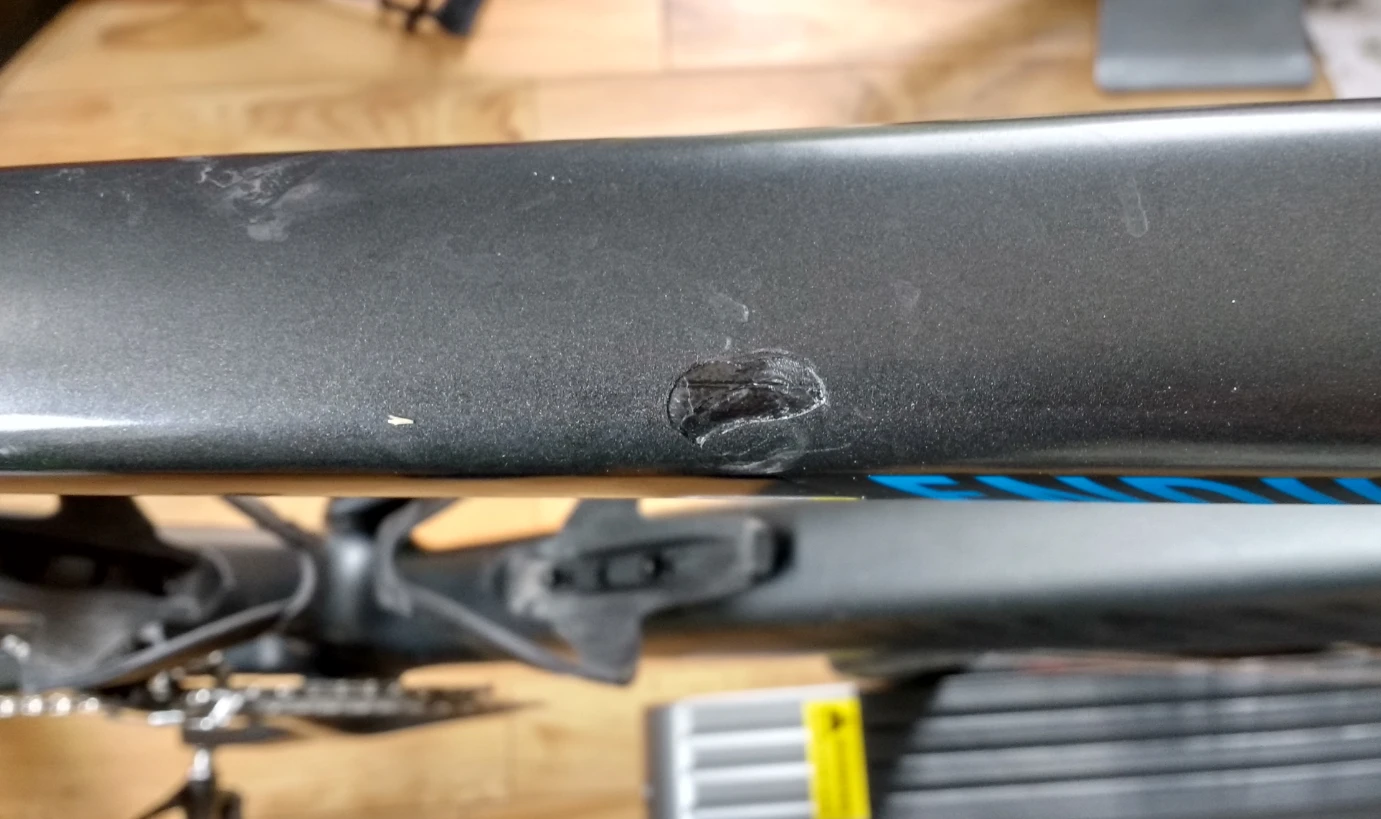
Compared to aluminum hardtails or traditional full suspension, carbon fiber frames, while lightweight, are more sensitive to impacts and require regular checks of pivot points and rear linkage, resulting in slightly higher maintenance costs.
Choose a Rider Considerations
When selecting a full suspension frame, consider your riding purpose, suspension travel, compatibility, and budget, while also taking into account your riding skill level and terrain type. Our MTB Frame Size Chart Guide can help you choose the ideal frame size for your needs.
3: MTB Modularization and Customization Trends
Adjustable Geometry, Replaceable Rear Derailleur, Compatibility with Multiple Wheel Diameters
Full suspension MTB frames in 2026 increasingly emphasize modularity. Riders can adjust the head tube angle, chainstay length, or replace dropouts to accommodate 27.5″/29″ wheel diameters and different suspension needs, depending on the trail type.
OEM Customization and Brand Differentiation
Carbon fiber manufacturers and brands differentiate full suspension MTB frames through custom geometry, exclusive lay-up, colors, and markings, offering custom lightweight mountain bike frames that meet the personalized needs of professional riders and enthusiasts.
How to choose the most suitable full suspension frame:
To ensure the best riding experience, you need to evaluate the geometry, shock absorption, compatibility, and durability of a carbon MTB full suspension frame, taking into account your intended use (trail, enduro, XC), riding level, and budget.
2026 Market Trends and Rider Buying Guide
As full suspension technology continues to advance towards lightweighting, electrification, and intelligence, the 2026 full suspension mountain bike frame market will exhibit a more segmented and multi-scenario-oriented trend. From the widespread adoption of e-MTB, to the performance differences between high-end carbon full suspension frames and mid-range aluminum alloy frames, and to more environmentally friendly and intelligent manufacturing methods, this section will help riders grasp industry trends and make clearer purchasing decisions.
1: The Integration Trend of Full Suspension Mountain Bike Frames and e-MTB
How to balance lightweight design with motor load?
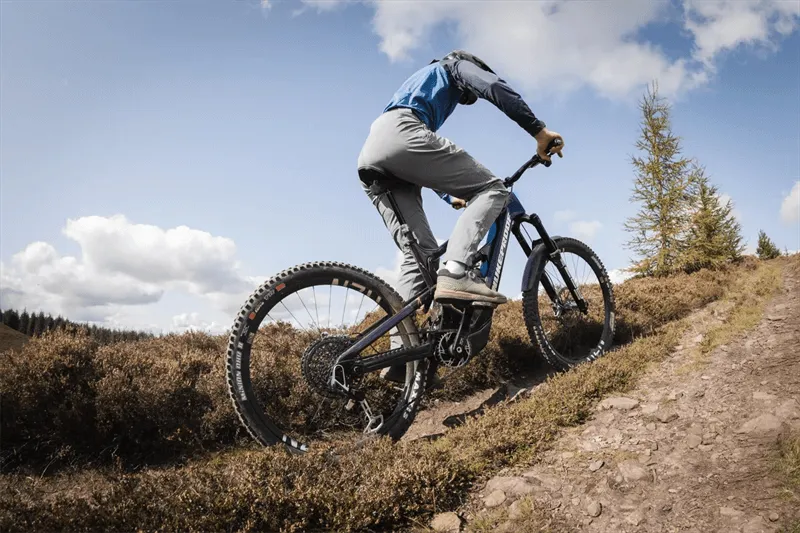
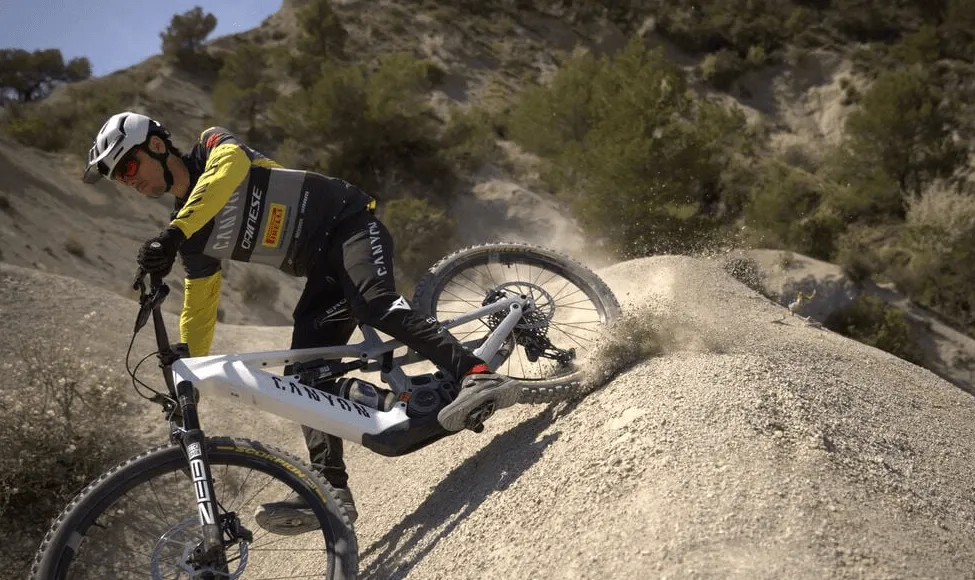
e-MTB full suspension frames need to consider the additional stress brought by motor torque. The new generation of carbon lay-up and high-strength linkage design in 2026 will improve the structural rigidity of the downtube and bottom bracket areas while maintaining lightweight design.
The Impact of Full Suspension e-MTB Frames on Riding Performance
The linked suspension system, with motor assistance, provides more continuous traction, making climbing and technical descent smoother, and reducing the “drag” caused by motor intervention, thus improving overall riding efficiency.
2: Price and Performance Trade-offs for Bicycle Frame Full Suspension
High-end Carbon Fiber vs. Mid-range Aluminum Alloy
High-end carbon full suspension mountain bike frames are known for their lightweight, fast response, and high torsional rigidity, while mid-range aluminum full suspension frames are marketed for their durability, ease of maintenance, and stable cost-effectiveness.
| Feature / Aspect | Carbon Full Suspension Frame | Aluminum Full Suspension Frame |
|---|---|---|
| Weight | Very lightweight; ideal for climbing and long-distance trail rides | Heavier; suitable for budget builds |
| Stiffness & Power Transfer | High stiffness with better responsiveness | Moderate stiffness; less efficient under heavy load |
| Durability (Downhill / Bike Park) | Better vibration damping and long-term fatigue resistance | Good impact resistance but more prone to long-term fatigue |
| Ride Feel | Smoother, more controlled handling on rough terrain | Harsher ride feel, more trail feedback |
| Price Range | Higher cost due to materials and engineering | More budget-friendly for entry-level riders |
| Maintenance & Lifespan | Lower maintenance if quality layup; long lifespan | Requires more frequent inspection; shorter fatigue lifespan |
| Best For | Trail / Enduro / Bike Park riders seeking high performance | Beginners or budget-focused riders |
Comprehensive Evaluation of Performance/Weight/Durability
Riders need to evaluate the differences in durability, shock absorption capacity, and weight control of different materials based on trail type, bike weight tolerance, and budget.
How to Choose the Most Suitable Full Suspension Frame for Your Purpose
XC, Trail, Enduro, or e-MTB bikes all have different requirements for suspension efficiency, geometry, and overall bike weight depending on the application. Understanding your riding style and terrain type is key to choosing the right full suspension bicycle frame.
3: Future Development Trends
Intelligent Technology and Suspension Adjustment Systems
Future full suspension frames will incorporate more electronic controls (such as automatic suspension adjustment and real-time geometry analysis) to improve adaptability and stability.
Sustainable Manufacturing and the Use of Environmentally Friendly Materials
Brands are beginning to adopt recyclable carbon fiber, high-durability resin systems, and energy-saving processes to reduce manufacturing footprint and make full suspension MTB frames more environmentally friendly.
2026–2030 Evolution of Full Suspension Frames
Lightweighting, electrification, and modularity (adjustable geometry, replaceable dropouts) will become mainstream, and full suspension mountain bike frames will maintain high performance and improve maintenance convenience over a longer period.
Conclusion: How Cyclists Can Make the Best Choices Based on 2026 Trends
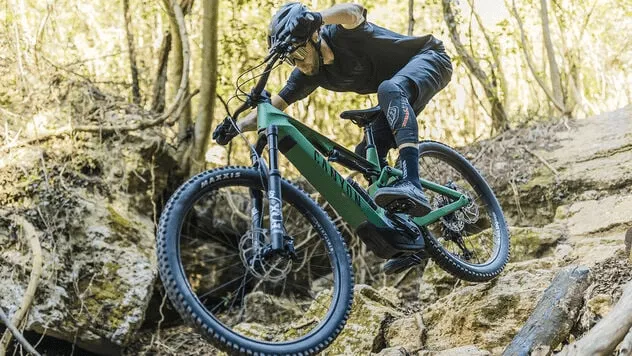
The 2026 full-suspension mountain bike market will place greater emphasis on the geometry, suspension efficiency, and material advantages of Full Suspension MTB Frames. When choosing a frame, riders need to combine 2026 trail bike geometry, suspension travel, frame stiffness/weight ratio, and their own riding needs to avoid common configuration mistakes. Whether you prefer trail, enduro, or downhill riding, mastering these core points will help you make more accurate purchasing decisions. In future upgrade trends, Carbon MTB Full Suspension Frames will continue to be a key foundation for high-performance bikes.
1: A Comprehensive Analysis of the Design, Materials, Geometry, and Performance of Full Suspension MTB Frames
When choosing a full-suspension frame, you need to consider four dimensions:
- Design Structure: Structures such as four-link, virtual pivot, and Horst Link differ significantly in pedaling efficiency and downforce support, determining the upper limit of climbing efficiency and descending stability.
- Material Selection: Carbon fiber excels in stiffness-to-weight ratio and fatigue resistance, while aluminum alloy offers a cost advantage and remains the “value king” in mid-range builds.
- Geometric Parameters: Reach, Head Tube Angle, Chainstay Length, and BB Drop directly impact handling; the 2026 trend leans towards longer Reach and gentler Head Angles to improve high-speed stability.
- Suspension Performance: The Leverage Ratio determines the bike’s support, smoothness of opening and closing, and bottom puncture resistance, making it a key technical indicator for Enduro Full Suspension.
2: Recommended Selection Strategies for Different Rider Levels
Beginner Riders: It’s recommended to start with an aluminum full suspension frame, prioritizing durability and maintenance costs. Trail bikes with 150mm front and rear travel are easier to handle.
Intermediate Riders: If you’re starting to tackle more technical trails or bike parks, upgrading to a Carbon Full Suspension Frame is recommended, offering significant improvements in weight reduction, responsiveness, and acceleration. Advanced riders/enthusiasts: Focus on the anti-squat and anti-rise design of the frame and suspension interaction. Choosing an Enduro or Downhill frame that leans more towards a racing tune can significantly increase confidence during intense riding.
3: Emphasizing the importance of the Carbon MTB Full Suspension Frame in the future market
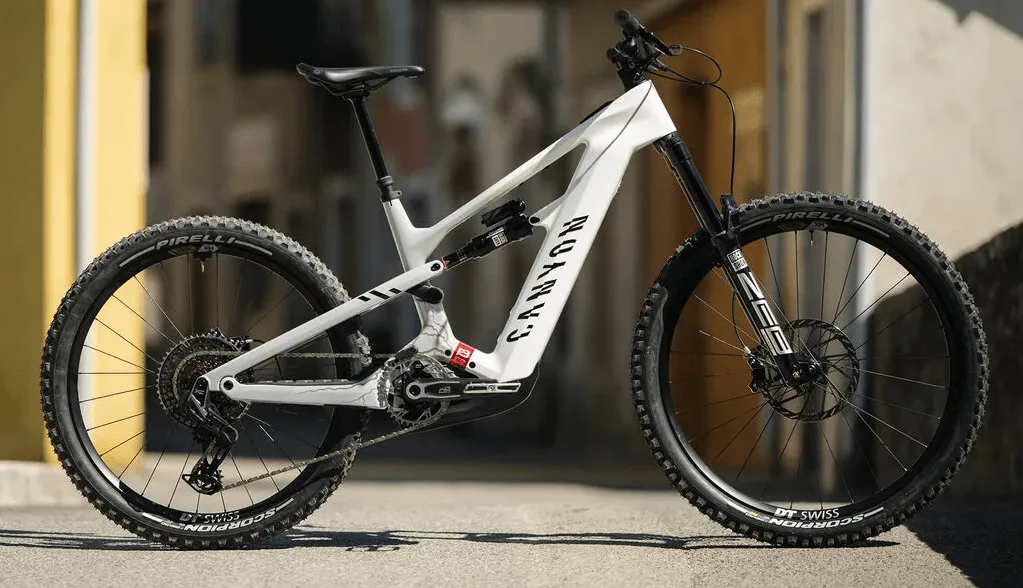
Looking at development trends from 2026–2030, the Carbon MTB Full Suspension Frame will continue to dominate the high-performance market. It has already achieved a significant leap forward in structural optimization, weight reduction, enhanced torsional rigidity, and suspension linkage precision. With upgrades in layup processes, in-mold structures, and resin systems, carbon fiber frames will continue to widen the gap with aluminum frames in: High-Speed Stability,Downhill Frame Durability,Precision Handling and Weight Distribution Optimization.
For riders looking to reach the “higher ceiling” in Trail, Enduro, or Bike Park, a well-engineered carbon full suspension frame will be the most worthwhile core equipment choice to invest in over the next 5 years.
If you’re exploring OEM options or need professional guidance, feel free to contact us anytime, we’re here to help you build the right frame from the ground up.