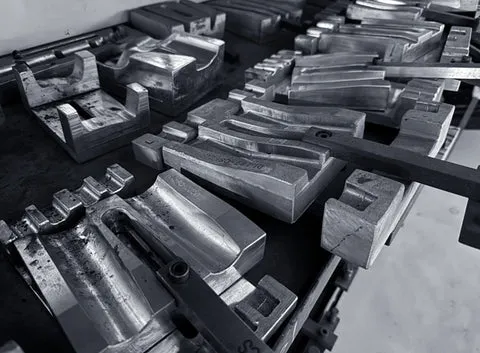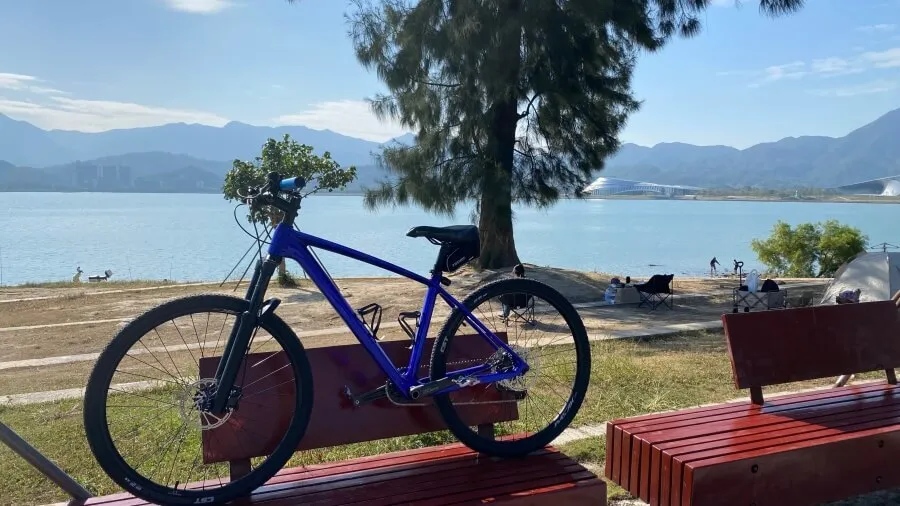
Many riders buying their first mountain bike often hesitate between a 27.5 mountain bike frame and a 29er. But if your trails involve tight switchbacks, quick bursts, and routes where agile control matters, a well-set-up 27.5 MTB frame can still deliver a surprisingly “fun to ride” experience. Pinkbike’s annual user trend discussions (source: Pinkbike Forum) also show that many trail and AM riders find the 27.5 platform more playful in acceleration, jumps, and cornering—making it a confidence-booster for beginners.
Whether you prefer a lightweight 27.5 hardtail frame or a more capable frame full suspension 27.5, choosing the right setup goes far beyond frame material. Geometry, compatibility, and riding style matter just as much. With over a decade of experience in carbon fiber engineering, our team focuses on essentials like layup structure, mold precision, and stress distribution. This guide aims to help new riders make smarter choices and avoid common pitfalls when selecting a 27.5 mountain bike frame.
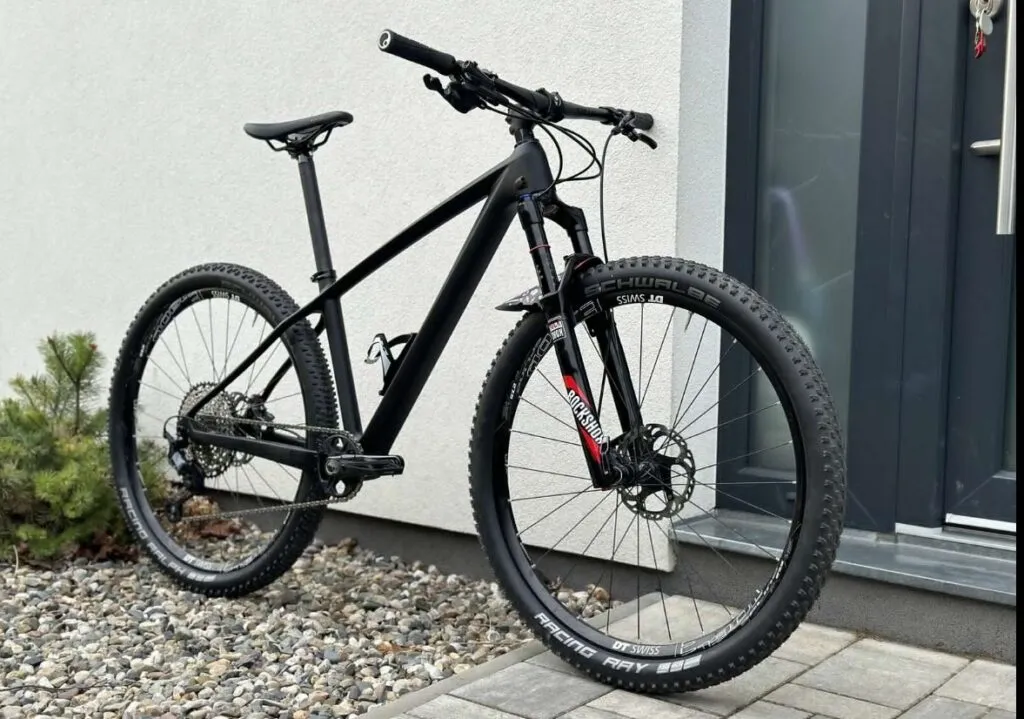
Why is the 27.5 frame MTB still popular? (Market Trends and Riding Experience)
Compared to 29er bikes that solely pursue off-road capability, many trail riders still prefer the 27.5 frame MTB because this type of frame has significant advantages in handling agility, acceleration response, and “Fun Factor.” Whether for trail riding, all-mountain riding, or short daily mountain trails, this platform is considered by many riders in Europe and America to be one of the easiest to handle. For beginners currently choosing a 27.5 mountain bike frame, understanding its handling characteristics is a key step in selecting the right 27.5 MTB frame.
1: The Agile Handling Advantages of the 27.5 Mountain Bike Frame
The 27.5 MTB frame typically features a shorter chainstay and a more compact front center, allowing for faster directional feedback on switchbacks, pump sections, and technical sections. Compared to the larger wheels of the 29er, it’s easier to drift, more fun to ride, and makes it easier for beginners to build handling confidence. For riders who enjoy jumps or prioritize agility, both the 27.5 hardtail frame and the full-suspension platform offer a more intuitive handling experience.
2: Comparison with 29er: Which is better for beginners and everyday trail riding?
The 29er offers better rolling efficiency, but for less experienced beginners, it can feel “difficult to turn” in tight corners and sharp turns. The 27.5 frame MTB offers advantages in low-speed control, acceleration, and playability, making it more suitable for smaller riders or those who prefer a more fun riding style. For riders primarily on local trails, flow trails, or natural mountain trails, the 27.5 MTB frame is often easier to adapt to.
3: Why do many Reddit riders still stick with the 27.5 MTB frame?
On Reddit’s Trail and AM subreddits, many riders consider the 27.5 platform to be “the most fun wheel size.” Their reasons are consistent: faster corner exit, easier bunny hop, and better execution of technical maneuvers. They also point out that the geometry of the 27.5 full suspension frame, after years of optimization, now balances stability and responsiveness, making it more beginner-friendly. For riders who prioritize controllability, skill improvement, and a relaxed riding experience, the 27.5 mountain bike frame remains a safe choice.
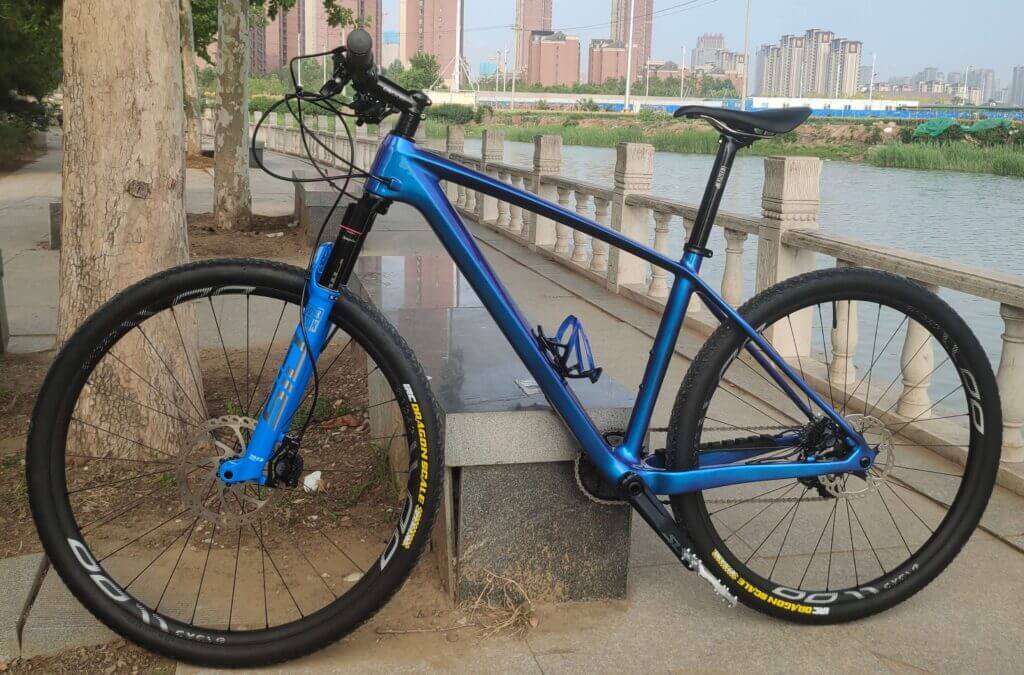
Three Types of 27.5 MTB Frames: Hardtail vs. Full Suspension vs. Custom Options
Choosing the right 27.5 MTB frame depends not only on the size but also on the frame platform’s structural type. Different riding routes, budgets, and riding styles will all affect the overall bike performance. The following will help you quickly find the most suitable 27.5 mountain bike frame for you, focusing on hardtail, full suspension, and custom options.
1: 27.5 Hardtail Frame – Lightweight, Direct, and Suitable for Beginners on a Budget
The advantages of a 27.5 hardtail frame are its lightweight design, simple structure, and low maintenance costs. It also provides more direct pedaling feedback, making it ideal for beginners or those on a limited budget. Hardtail platforms offer stable performance on climbs and short trails and are easy to upgrade, making them a common choice for building a “value-for-money” bike.
2: Frame Full Suspension 27.5 – More Comfortable, Better for Technical Routes
For those who enjoy rock gardens, rutted sections, or more technical trails, the Frame Full Suspension 27.5 offers better shock absorption and traction. Full suspension geometry is generally more stable, more forgiving, and better suited for intermediate riders upgrading. Many Reddit and Pinkbike users have also reported that the 27.5 full suspension maintains a “playful ride feel” even on jumps and sharp corners.
3: The Trade-off Between Carbon Fiber and Aluminum Alloy (Analyzing Material Differences from a Factory Perspective)
In terms of material selection, the carbon fiber 27.5 frame MTB offers a better weight-to-stiffness ratio, vibration filtering, and design freedom; while aluminum alloy is known for its stable strength and affordable price. As a manufacturing team specializing in carbon fiber layup processes, we focus more on the layered structure, stress path, and mold precision. If you prioritize performance and lightweight, the carbon frame is more suitable; if you want to reduce your budget, the aluminum frame remains a reliable choice.
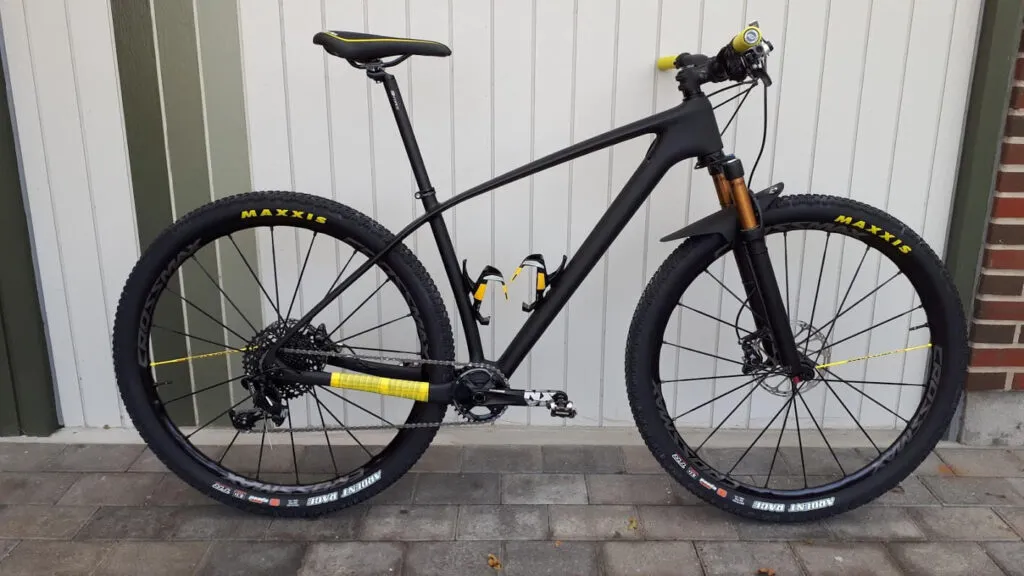
How to Choose the Right 27.5 Mountain Bike Frame Geometry for You?
When choosing a 27.5 mountain bike frame, beginners are often confused about the geometry and riding fit. Following the principles outlined in the MTB Frame Size Chart Guide for Beginners, we can start by examining several core geometry parameters to determine if the frame truly suits your height, riding style, and route requirements. Whether it’s a 27.5 hardtail frame or a 27.5 frame with full suspension, geometry often has a more direct impact on handling, stability, and comfort than materials.
1: How Do Reach and Stack Affect Handling and Comfort?
Reach determines your “fore-and-aft space” on the bike. Longer reach provides more stability and is suitable for high-speed trails; shorter reach offers more agility and is easier for beginners to control. Stack affects upper body pressure. Higher stack 27.5 MTB frames are more relaxed and suitable for long trails, while lower stacks are more geared towards an aggressive riding posture. A proper combination of both can significantly improve the frame’s “fit.”
2: Head Tube Angle: The Balance Between Stability and Flexibility
A smaller head tube angle results in a more stable frame and greater confidence on descents; a larger head tube angle provides quicker steering, suitable for tight switchbacks. For most novice trail riders, a 65°–67° head angle on a 27.5 frame mtb offers greater peace of mind and better control.
3: The Impact of Chainstay Length on Jumps, Cornering, and Climbing
Shorter chainstays provide a more agile tail, easier bunny hops, and a smaller turning radius; longer chainstays offer more reliable stability on climbs and at high speeds. When choosing a 27.5 mtb frame, 430–440mm is often considered the “sweet spot” for balancing handling and climbing traction.
4: Geometry Recommendations for Riders of Different Heights (Practical Engineer Advice)
Shorter riders generally find it easier to find their ideal size on a frame MTB 27.5 due to its more balanced front and rear center. Taller riders should prioritize sufficient Reach and whether the Stack is too low, leading to fatigue. We recommend considering inseam, arm span, and height ratios to make a comprehensive judgment, rather than solely relying on frame size.
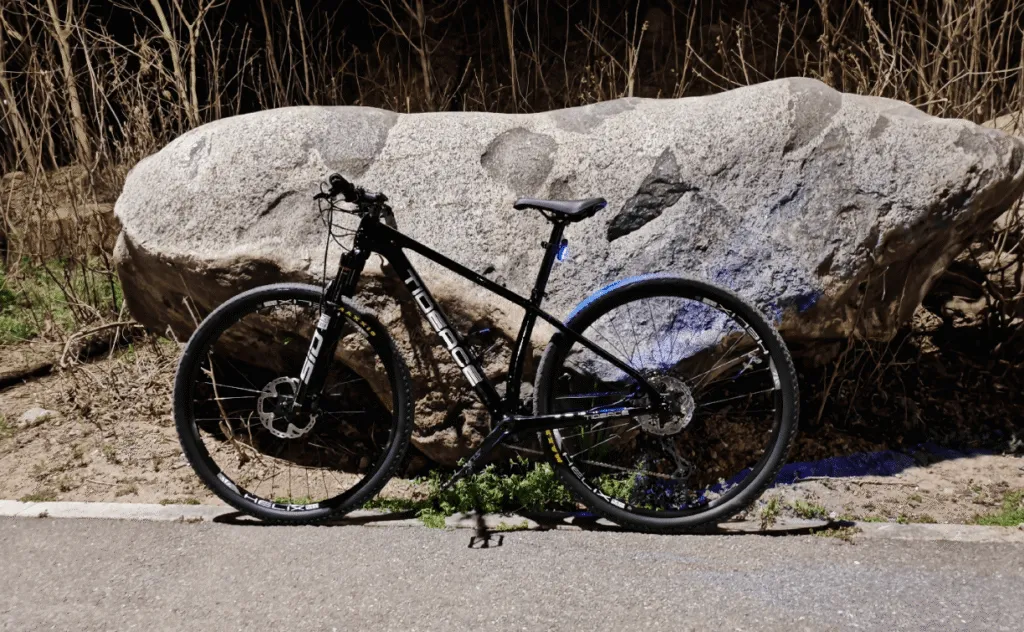
27.5er MTB Frame Compatibility Guide (The Most Crucial Part for Avoiding Pitfalls)
Choosing the right 27.5 MTB frame involves more than geometry and materials; compatibility is often the most overlooked pitfall for beginners. Whether building a lightweight 27.5 hardtail frame or a technically advanced frame full suspension 27.5, tires, forks, hubs, and mounting standards directly impact riding experience and upgrade potential. This section covers key compatibility points to help you avoid common pitfalls while ensuring your 27.5 MTB frame remains playable and durable.
1: Tire Compatibility: What Width is Best for a 27.5 Mountain Bike Frame?
27.5 mountain bike frames generally support tires 2.2–2.6 inches wide, while some trail or AM frame MTB 27.5s can fit up to 2.8 inches plus. Tires that are too wide can interfere with fork or chain clearance; tires too narrow reduce grip. Knowing your frame’s maximum tire clearance helps prevent mud buildup and “tire rub,” a common issue among riders in Europe and America.
2: Fork Travel Selection: 120mm, 140mm, 160mm – How to Choose
Fork travel shapes riding style: 120mm for cross-country/light trails, 140mm for all-mountain/AM, and 160mm for aggressive trails or enduro. Frame full suspension 27.5 rear shocks should match fork travel to avoid the “pogo effect” from mismatched travel.
3: Boost/Non-Boost Rear Hub and Chain Compatibility
Support for Boost or Non-Boost hubs affects rim choice and chain alignment. Boost allows shorter rear forks and wider wheelbases for higher gear ratios, while older non-Boost frame MTB 27.5s may need extra attention to derailleur and chain clearance to avoid issues.
4: Should UDH, ISCG, and PressFit Standards Be Considered?
Frame support for rear derailleur hangers (UDH), chain guides (ISCG), and bottom brackets (PressFit/BSA) affects parts availability and future upgrades. Confirming these standards beforehand helps new riders avoid compatibility issues, ensuring greater flexibility for 27.5 hardtail frames or frame full suspension 27.5 upgrades.
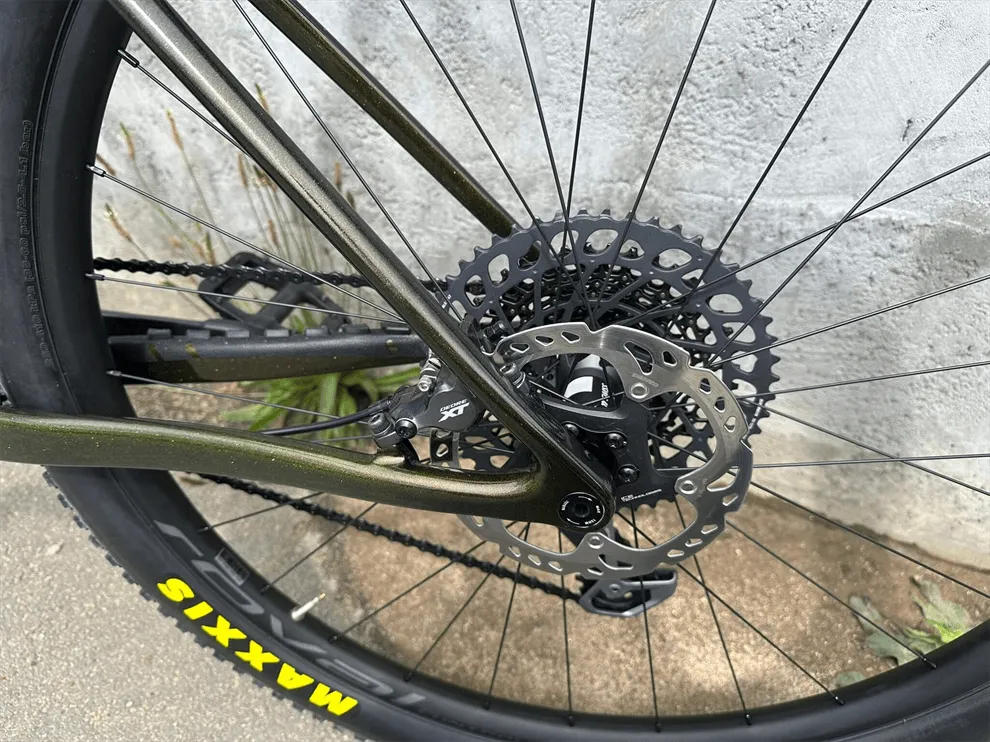
Advantages and Misconceptions of Carbon Fiber 27.5 Frame MTB (Explained from Ten Years of Factory Experience)
Carbon fiber 27.5 frame MTB is renowned for its lightweight, high strength, and shock absorption, making it a top choice for many trail, AM, and Enduro riders. However, for beginners, the “fragility myth” surrounding carbon frames can easily lead to misunderstandings. This section will analyze the true performance of the carbon fiber 27.5 MTB frame from an engineering perspective and combine practical experience to help you judge frame reliability and reduce the risk of making a mistake.
1: The Real Performance of Carbon Fiber in Shock Resistance, Shock Absorption, and Weight
High-quality carbon fiber 27.5 mountain bike frames, through precise layup schedules and high mold precision, achieve excellent shock resistance while maintaining lightweight construction. Compared to aluminum hardtails, carbon frames absorb vibrations better on technical routes or short jumps, improving handling and riding comfort, making them particularly suitable for riders seeking agile trail performance.
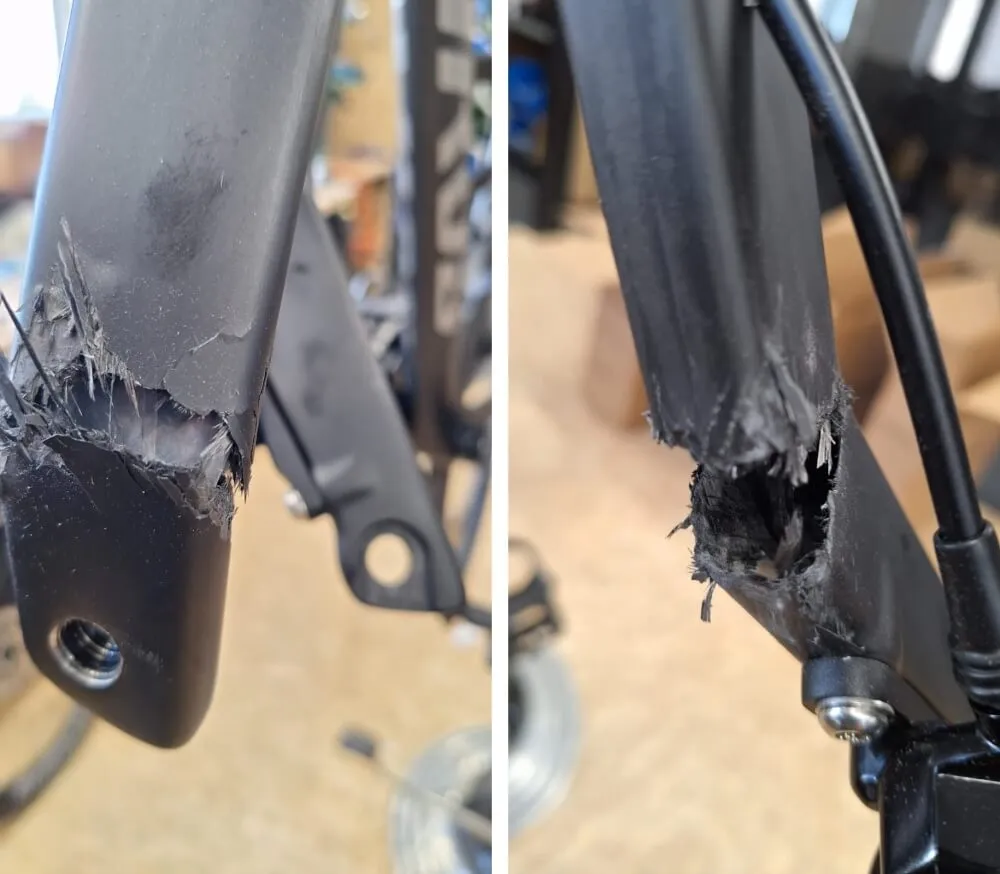
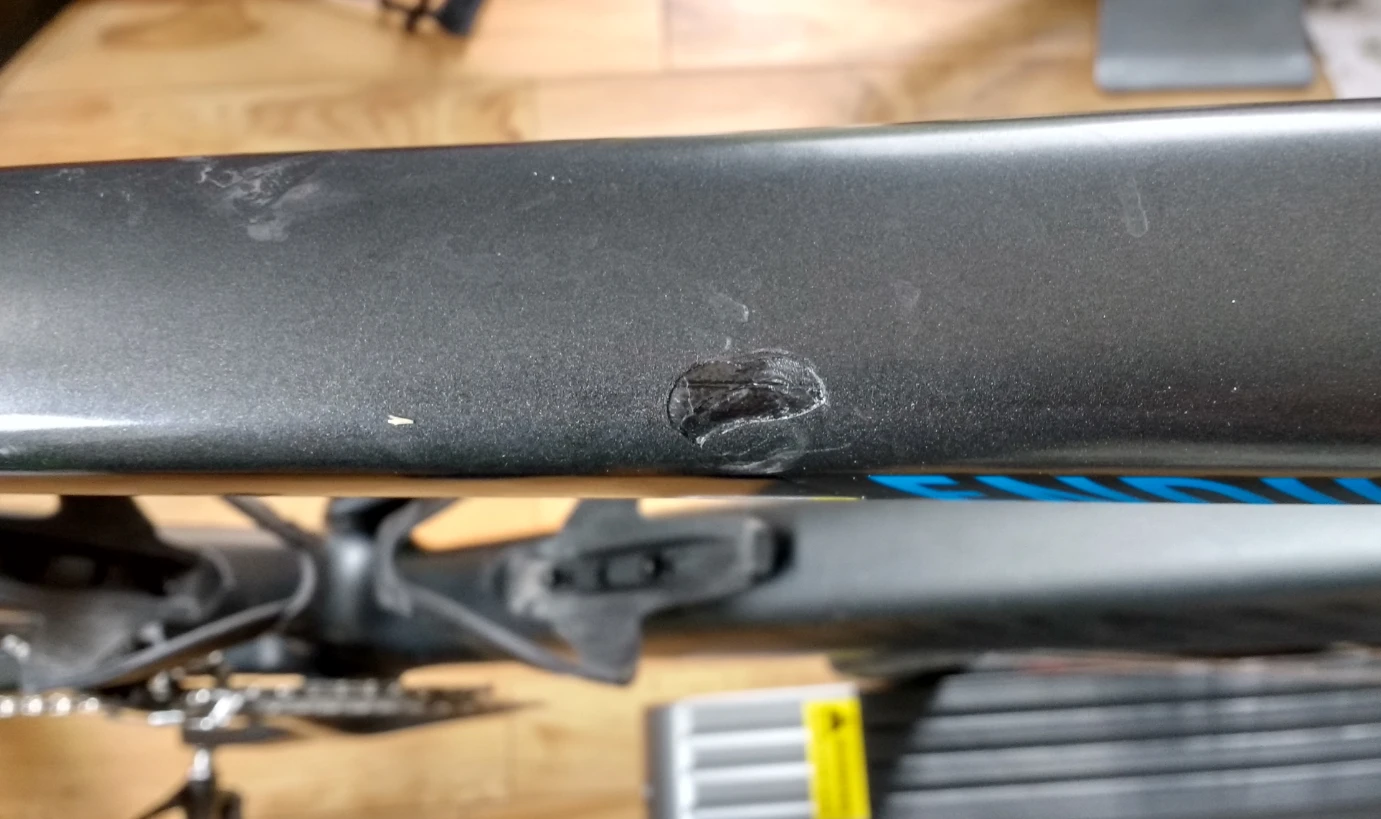
2: Common Misconception: Are Carbon Frames Prone to Breakage? Real-world engineering tests tell you the answer
Many beginners worry that MTB 27.5 frames will break after an impact, but actual engineering tests show that, as long as the manufacturer’s lamination process and mechanical design are followed, carbon fiber frames are far more durable than rumored under normal riding and light impacts. Data from the “bonk test” or drop jump test commonly used by professional riders in Europe and America shows that high-end carbon frames can almost withstand daily trail loads.
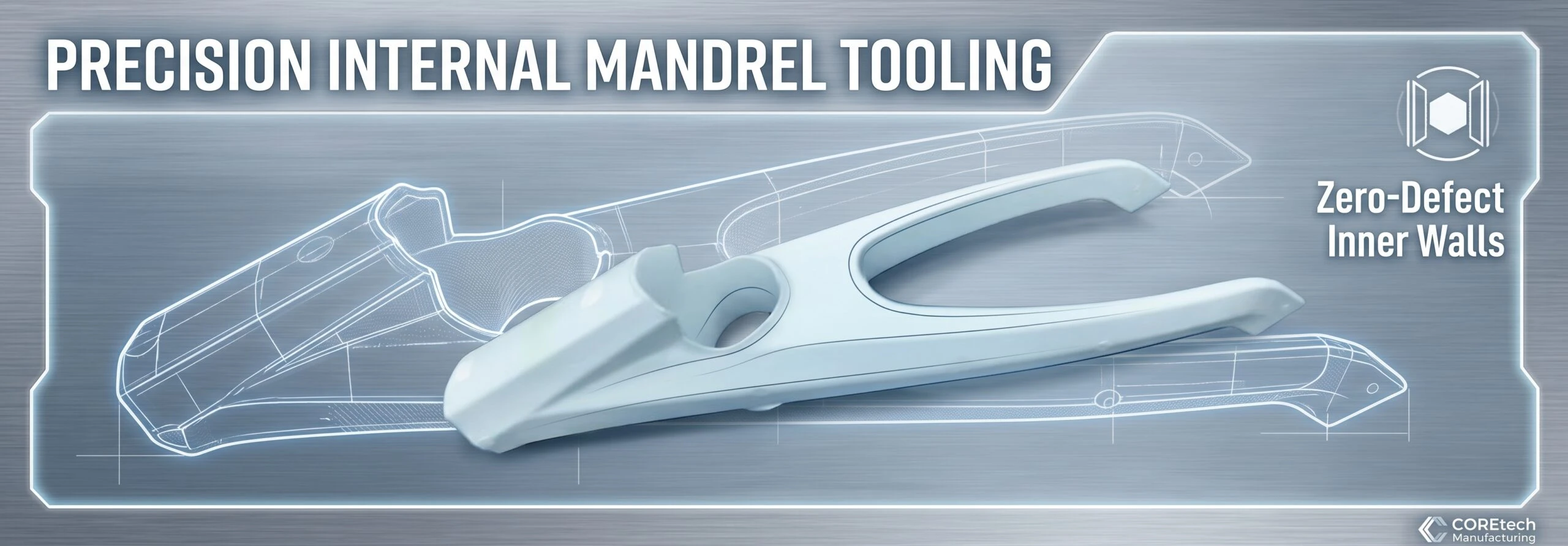
3: How to determine if a carbon fiber MTB 27.5 frame is reliable (lamination method, mold, manufacturing process)
When choosing a carbon frame, pay attention to details such as laminating pattern, fiber orientation, and mold pressing uniformity. For 27.5 full suspension frames, pay particular attention to the stress distribution at the seatpost joint and chainstay structure. Mastering these professional judgment standards can help riders avoid buying “paper-thin carbon” frames, ensuring the durability of your 27.5 hardtail frame or full suspension frame, while also boosting riding confidence.

Budget and Configuration Recommendations: How to Build Your Own 27.5er Trail Bike
Choosing the right 27.5er MTB requires considering your budget, intended use, and riding style. Whether you’re a beginner or an upgraded Trail/AM rider, a proper configuration can improve handling and durability, and avoid making mistakes. This section provides cost-effective 27.5 mountain bike frame configuration suggestions for different budgets.
1: The Most Cost-Effective Configuration for Beginners (Hardtail + Mid-Range Configuration)
A 27.5 hardtail frame paired with a mid-range aluminum frame and a 120–130mm fork is lightweight and durable, suitable for trails and light AM routes. Combined with a 1×11 or 1×12 drivetrain, it’s easy to maintain, budget-friendly, and practical.
2: Lightweight Trail/AM Combination (Carbon Fiber + Mid-to-High-End Components)
A carbon fiber 27.5 mountain bike frame paired with mid-to-high-end suspension and a dropper seatpost improves handling and jumping performance. Suitable for riders seeking responsive acceleration and a Trail/AM route experience, while also considering durability and upgrade potential.
3: Analysis of the Best Value Frame MTB 27.5 + Component Combinations
Choosing an entry-level carbon or aluminum 27.5 MTB frame, paired with mid-range drivetrain, suspension, and wheels, offers the best value. Focus on geometry, fork travel, and wheelset compatibility to ensure comfortable handling and leave room for future upgrades.
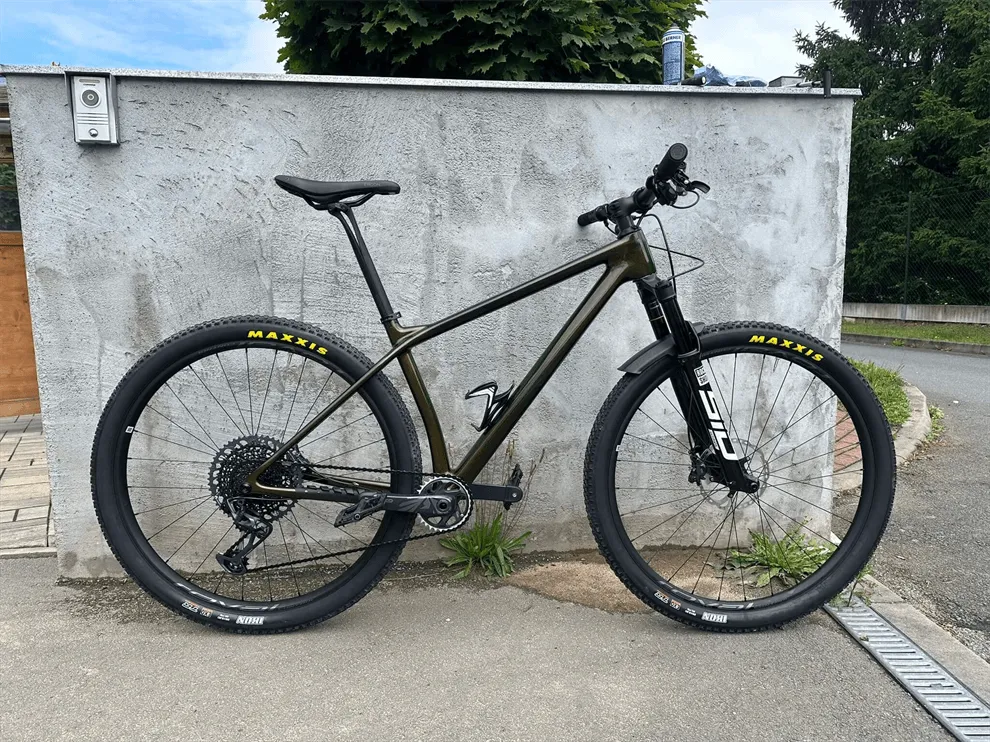
Which Riders Are Suitable for a 27.5 MTB Frame? (Precisely Addressing User Pain Points)
When choosing a 27.5 mountain bike frame, it’s not just about size and material; it’s also about matching your riding style. Whether you’re aiming for agile handling, challenging technical routes, or quickly navigating forest trails, a suitable 27.5 MTB frame can improve handling, reduce energy consumption, and help beginners build confidence faster. Below are some of the most suitable rider types, taking into account both the application scenarios of the 27.5 hardtail frame and the 27.5 frame full suspension.
1: Forest Trail Riders Who Want Improved Cornering Ability
For riders who frequently navigate tight switchbacks and techy singletracks, the 27.5 MTB frame offers a shorter chain length and more agile handling, helping you change direction quickly and easily handle sharp corners. Especially the short-to-medium travel 27.5 hardtail frame maintains excellent responsiveness during climbs and acceleration.
2: AM/Enduro beginners who prefer jumps, switchbacks, and technical routes
If you enjoy hit-the-berms, drop-ins, or intermediate enduro tracks, the Frame Full Suspension 27.5 better absorbs shocks, reducing fork and frame fatigue. Its geometry balances stability and playability, giving beginners more confidence when attempting jump lines and technical trails.
3: Shorter riders or those seeking faster acceleration
Shorter riders may find their reach limited when handling larger 29er bikes, while the MTB Frame 27.5 offers a more suitable size proportion for short bursts of acceleration. The lightweight 27.5 hardtail frame also conserves energy on climbs and sprints, making each sprint more efficient.
Final Checklist Before Purchasing a 27.5 Mountain Bike Frame
Before buying a 27.5 MTB frame, it’s easy for beginners to overlook compatibility and after-sales details. Whether choosing a lightweight 27.5 hardtail frame or a technical frame full suspension 27.5, a quick checklist helps avoid pitfalls and ensures future upgrades or replacements go smoothly.
1: Frame Size, Geometry, and Compatibility
Confirm the frame fits your height and riding posture—check reach, stack, chain length, and head tube angle. Verify fork, rear hub, wheelset, and wheelbase compatibility, especially Boost vs Non-Boost. For carbon fiber frame MTB 27.5, inspect laminated structure and mold integrity to prevent stress points and early fatigue.
2: Warranty and After-Sales Service
Understand warranty terms and cross-border support, especially for carbon 27.5 mountain bike frames. US and EU brands often provide lifetime or limited warranties, but shipping damage or parts replacement can be tricky for overseas buyers. Confirm response times and parts availability beforehand.
3: Avoiding Common Beginner Pitfalls
- Incompatible parts: Wheels, forks, or derailleurs may not fit a 27.5 hardtail frame or frame full suspension 27.5.
- Improper geometry: Ignoring reach and stack can cause uncomfortable posture and shoulder/neck strain.
- Material oversights: Poor carbon lamination, mold flaws, or substandard aluminum heat treatment can reduce durability.
Checking this list ensures you select the right 27.5 MTB frame, improving ride quality and reducing maintenance issues.
Summary: Should a Beginner Choose a 27.5er MTB Frame?
For novice riders, choosing the right 27.5 MTB frame is crucial for matching your riding style and route requirements. A 27.5 mountain bike frame is not only more agile on trails, short sprints, and jumps, but it also helps build rider confidence. At the same time, whether it’s a lightweight 27.5 hardtail frame or a more technically advanced 27.5 frame with full suspension, the right geometry, materials, and compatibility are core factors determining performance and comfort. This section will help beginners quickly review the advantages and limitations and provide future trend references, making your bike selection decision more confident.
1: Quick Review of Advantages, Limitations, and Target Audience
The 27.5 MTB frame is agile, fun, and ideal for technical trails, though slightly less stable at high speeds. Here’s a quick overview of key features for different frame types:
| Feature | Advantages | Limitations | Suitable Riders |
|---|---|---|---|
| 27.5 Hardtail Frame | Lightweight, agile, easy to accelerate | Less stable at high speeds, limited suspension | Beginners, trail riders, budget-conscious riders |
| Frame Full Suspension 27.5 | Smooth on technical trails, better jump and corner control | Heavier, more expensive | AM/Enduro riders, riders on rough/technical terrain |
| 27.5 MTB Frame Overall | Playful handling, good for tight switchbacks | Slightly less stable than 29er | Shorter riders, beginners wanting agile control |
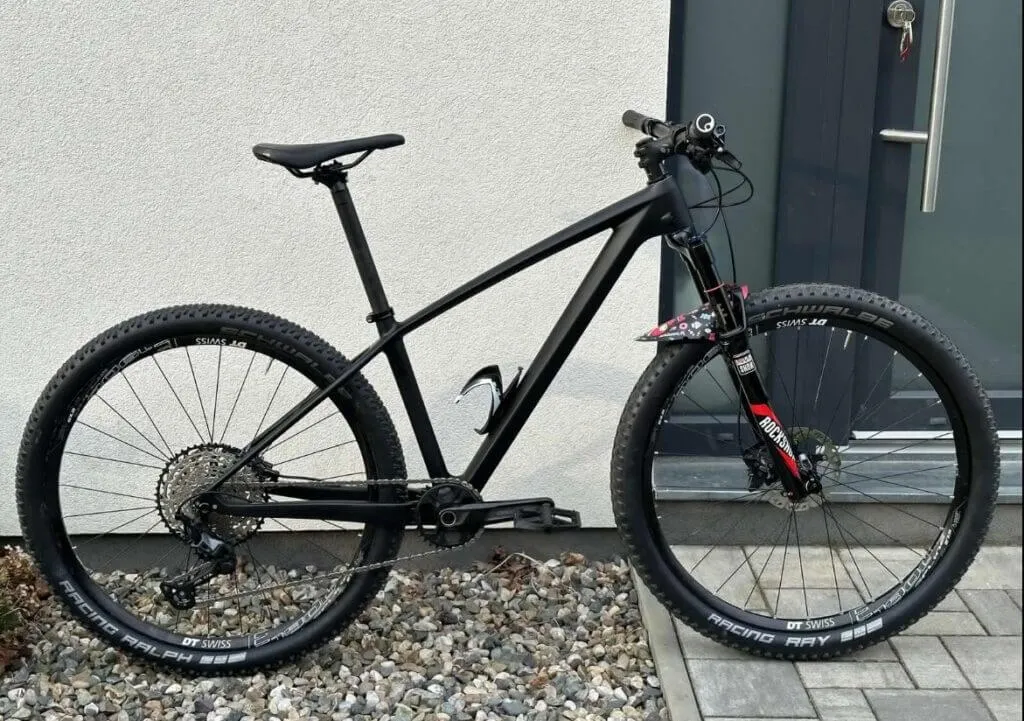
2: Trend Forecast and Product Selection Recommendations after 2025
In the coming years, the 27.5 MTB frame will maintain its “fun bike” positioning, with brands focusing on lightweight designs, wider compatibility, and continuous optimization of carbon fiber technology. For beginners, we recommend focusing on the following:
- Prioritize 27.5 hardtail frames or 27.5 frame full suspension frames with geometry that matches your height.
- Ensure compatibility with wheelsets, forks, and drivetrains to avoid limitations on future upgrades.
- Pay attention to material craftsmanship and manufacturer after-sales service, especially for carbon fiber 27.5 mountain bike frames.
By combining personal needs, route type, and budget, beginners can choose the most suitable 27.5 MTB frame in 2026 and beyond, maximizing riding enjoyment while minimizing the risk of getting stuck in potholes.
If you are choosing a 27.5 MTB frame or need custom advice, please feel free to contact our professional team. We will help you choose the most suitable frame based on your height, riding style and route.