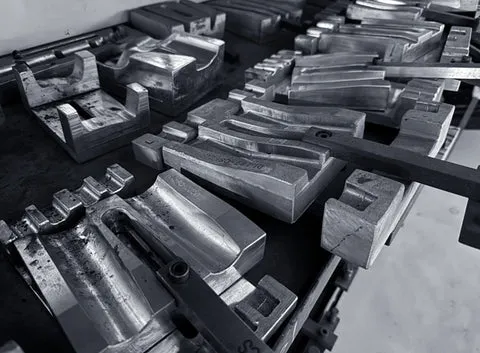
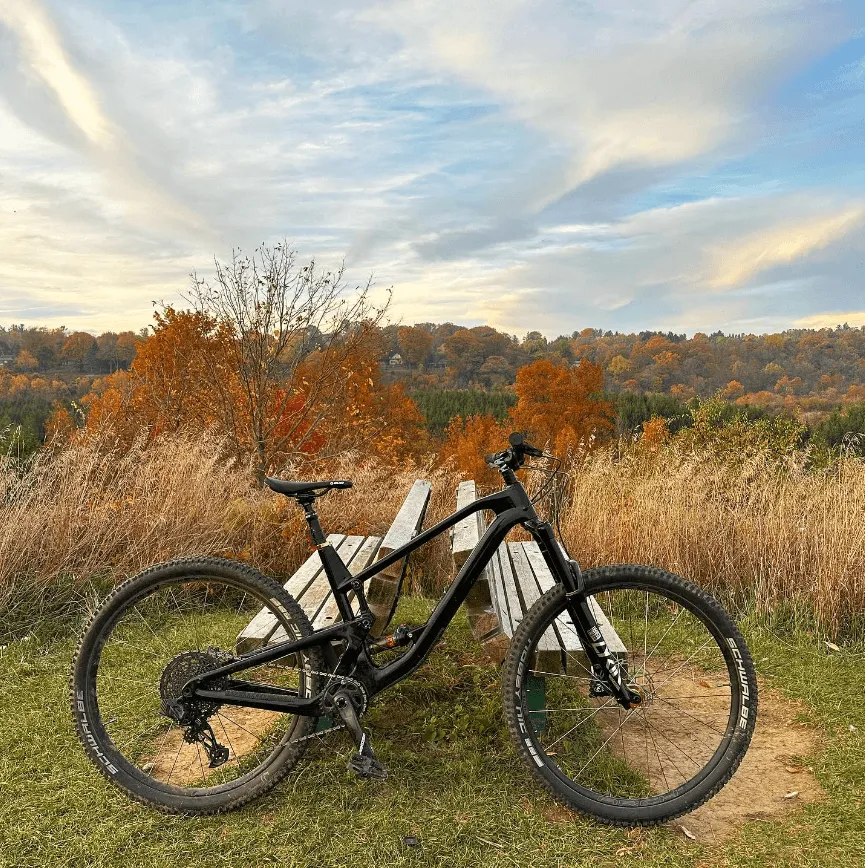
When choosing your next mountain bike, especially if you’re referencing a trusted Mountain Bike Frame Guide, you’ll notice that when “full suspension MTB frame” and “29er” appear together, it’s worth a closer look. A well-designed 29er full suspension frame—with its larger wheels, front and rear travel, and carbon fiber build—boosts efficiency, rolling inertia, and stability, letting you “float over roots and rocks.”
Compared with 27.5 or hardtail setups, a 29er carbon full suspension frame offers not just speed and stability but also better control, grip, and comfort—“less chatter, more flow,” as experienced riders often say. Tests on carbon full-suspension frames show they reduce shock and fatigue while keeping stiffness and power transfer strong.
In short, checking geometry, travel, materials, and wheel pairing on a 29er full suspension mountain bike frame will help you decide whether to “go big and smooth” or “stay nimble and simple.”
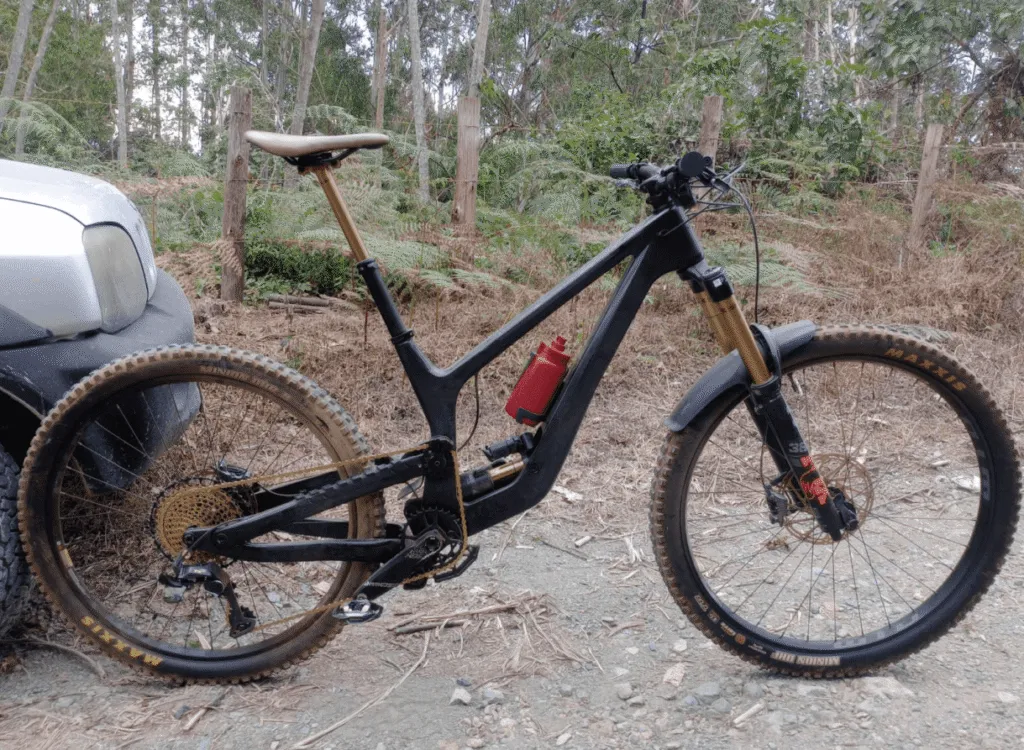
1. What is a 29er MTB Full Suspension Frame?
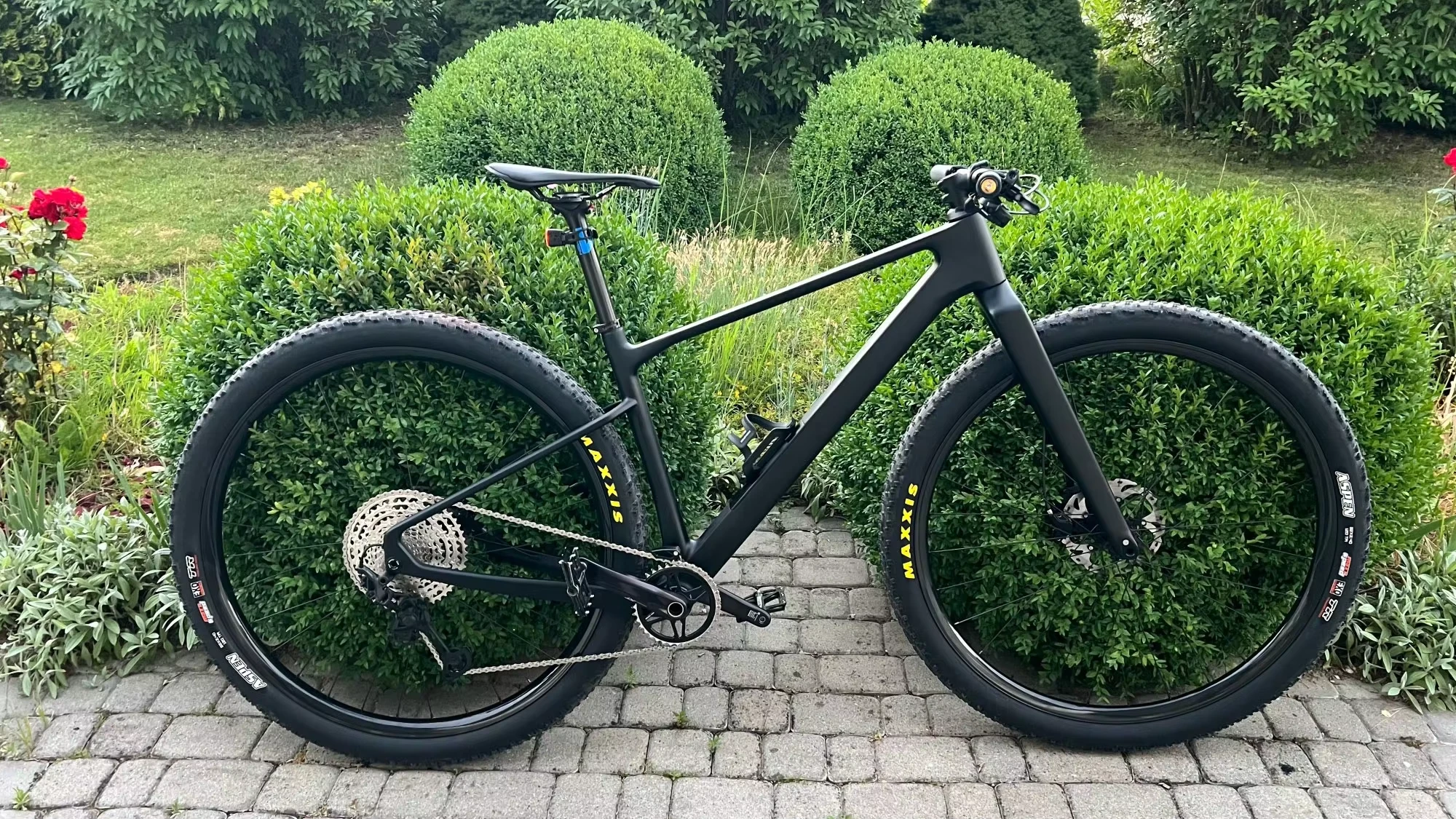
When choosing your next mountain bike, the first thing to understand is the 29er MTB full suspension frame. It combines a large wheel diameter (29 inches) with front and rear full suspension, utilizing lightweight carbon fiber materials to provide higher rolling efficiency, grip, and handling stability on challenging terrain. Whether on trails, rocks, or technical descents, this type of full suspension MTB frame will give you a “smooth as butter” experience while reducing strain on your knees and wrists. Below, we’ll analyze its core characteristics from three perspectives.
1.1 The Difference Between a 29er MTB Frame and a Traditional MTB
A 29-inch wheel diameter offers higher rolling inertia and a larger contact patch than a 27.5 or 26-inch MTB frame, making it easier to maintain speed and balance on rocks, tree roots, or soft gravel, and reducing effort on long rides. The industry term “big wheels, less bobbing” perfectly describes the stability and efficient rolling feel of a large wheel diameter.
1.2 Advantages of the Carbon Fiber 29er Full Suspension Frame
The 29er carbon frame full suspension, maintains high rigidity while reducing weight, making climbing and acceleration easier. Optimized directional layup also absorbs shocks locally while ensuring durability and drivetrain efficiency. The lightweight yet stiff design is suitable for long trails or technical descents, delivering a “fast, stiff, but comfy” riding experience.
1.3 The Impact of a Full Suspension System on the Riding Experience
A full suspension system improves handling and absorbs shocks, reducing rider fatigue. The optimized travel of the 29er full suspension frame’s fork and rear shock maintains traction on technical sections while preserving pedaling efficiency. The European and American cycling term “plush but punchy” aptly describes the smooth yet responsive feel of full suspension—this is the core reason for choosing a full suspension MTB frame.
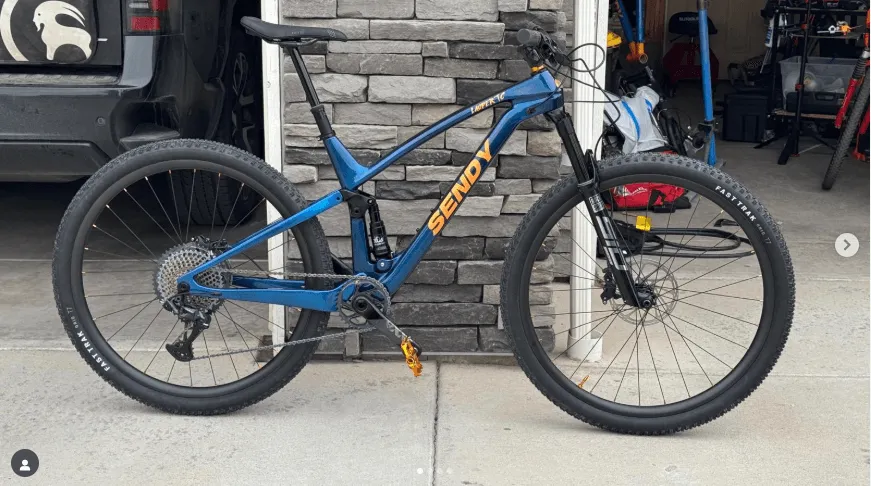
2. Factors to Consider Before Purchasing a 29er Full Suspension Mountain Bike Frame
Choosing your next 29er full suspension mountain bike frame isn’t just about looks or brand; many details directly impact your riding experience. Materials, geometry, suspension travel, and intended use are all key variables that determine your downhill handling, climbing efficiency, and overall comfort. Below is a detailed analysis of four aspects to provide you with a clear reference before purchasing.
2.1 Matching Your Riding Intent with the Terrain
Different riding types have vastly different frame requirements: XC (cross-country racing) emphasizes lightweight and climbing efficiency, Trail riding requires a balance of stability and handling, and Enduro (endurance/downhill racing) demands long-travel suspension and high-rigidity support. The choice of a 29er full suspension mountain bike frame should be based on your primary terrain and riding style. The industry term for this is “trail slayer” or “all-mountain killer,” which describes a frame capable of handling various terrains.
2.2 Frame Material and Weight
Materials directly affect weight, stiffness, and riding feedback. A carbon MTB frame for 29er bikes offers the best balance between lightweight and stiffness; aluminum alloy is durable and cost-effective; and titanium alloy provides both comfort and corrosion resistance. For long or technical descents, the lightweight yet stiff carbon fiber frame allows you to maintain efficiency in technical sections while reducing strain on your wrists and knees.
| Frame Material | Weight | Stiffness | Durability | Cost | Best Use | Notes |
|---|---|---|---|---|---|---|
| Carbon Fiber | Light | High | Moderate | High | XC, Trail, Enduro | Excellent power transfer; may need careful maintenance |
| Aluminum | Moderate | Medium | High | Moderate | XC, Trail | Durable and cost-effective; slightly harsher ride |
| Titanium | Moderate-Heavy | Medium-High | Very High | Very High | Trail, All-Mountain | Smooth ride; corrosion-resistant; expensive |
2.3 Suspension Travel and Damper Tuning
Short travel (100-120mm) is suitable for XC or light trail riding, providing pedaling efficiency; long travel (140-170mm) is better suited for enduro or technical descents, absorbing large drops. The 29er full suspension frame’s damper tuning typically allows for fine-tuning of rebound and compression, striking a balance between “plush yet responsive” for smooth descents and a non-bouncing climb.
2.4 Frame Geometry Design
Geometric parameters, including head tube angle, seat tube angle, wheelbase, and chain length, are crucial for handling and riding comfort. The 29er MTB full suspension frame’s slack head angle is better suited for high-speed descents, while the steelper seat tube angle improves climbing efficiency. The industry jargon “long and low” refers to a long wheelbase and low center of gravity design, which enhances riding stability and improves off-road capability.
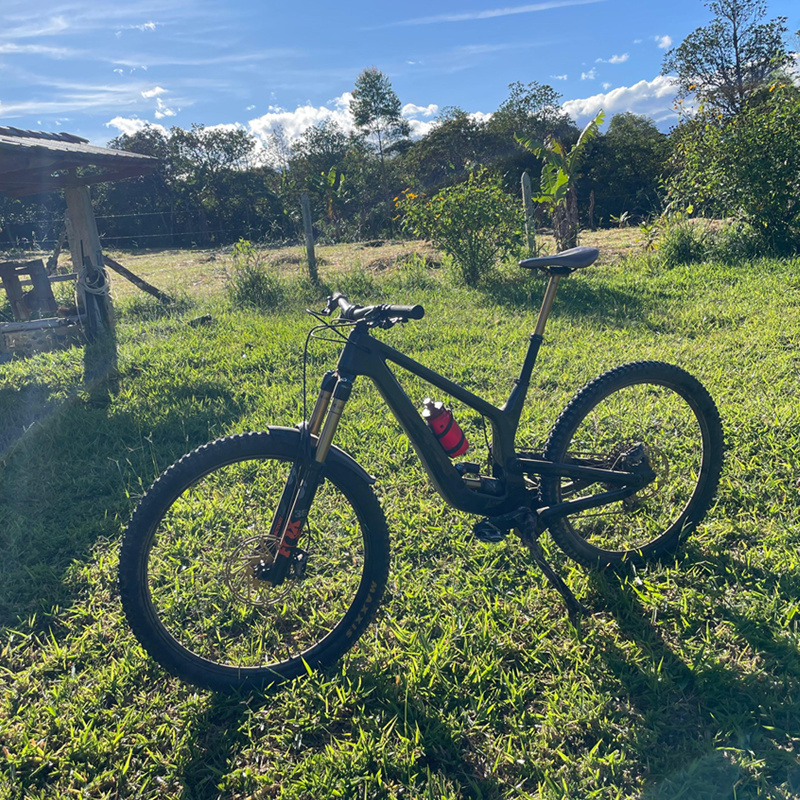
3. How to Choose the Right 29er MTB Full Suspension Frame
For riders stepping into the world of mountain biking, our 29er MTB Frame Guide: A Beginner-Friendly Comparison of 26, 27.5, and 29 Inch MTB Frames highlights one key truth: choosing the right 29er MTB frame involves more than just brand or appearance. Size, riding style, and value directly impact handling, comfort, climbing efficiency, and long-term durability. Below, we analyze the best selection method from three aspects: size, brand, and common misconceptions.
3.1 Choosing the Size Based on Height and Riding Style
Height, seatpost length, and fork matching are key to determining the suitability of a 29er MTB frame. A shorter wheelbase offers greater agility, while a longer wheelbase provides greater stability. The industry saying is “fit first, ride faster,” meaning choose the right size first, then consider riding performance. By adjusting fork travel and seatpost angle, the entire bike can be tailored to your personal style.
3.2 Brand and Value Comparison
Reputable brands offer mature geometry designs and reliable carbon fiber layups. Custom OEMs can provide unique 29er carbon frame full suspension solutions. When choosing a frame, it’s essential to balance brand reputation, material quality, and budget to avoid “buying expensive but not the right one.”
3.3 Common Misconceptions and Purchase Advice
Overemphasizing lightweight design can easily lead to neglecting durability and handling stability. A full suspension MTB frame should balance rigidity, damping tuning, and material strength. The industry jargon “stiff but plush” describes a frame that is both sufficiently rigid and provides smooth damping, serving as an important reference when choosing a full suspension carbon fiber frame. Before purchasing, consult test data, forum experiences, and professional reviews to ensure the frame is lightweight yet durable.

4. Maintenance and Lifespan of a Carbon Fiber 29er Full Suspension Frame
Even high-performance 29er full suspension frames require regular maintenance to maintain optimal handling and extend their lifespan. While lightweight and highly rigid, carbon fiber frames can still develop cracks, wear, or a decline in suspension performance during everyday riding. Mastering proper inspection and maintenance methods is key to ensuring safety and performance.
4.1 Regularly Inspect for Cracks and Wear
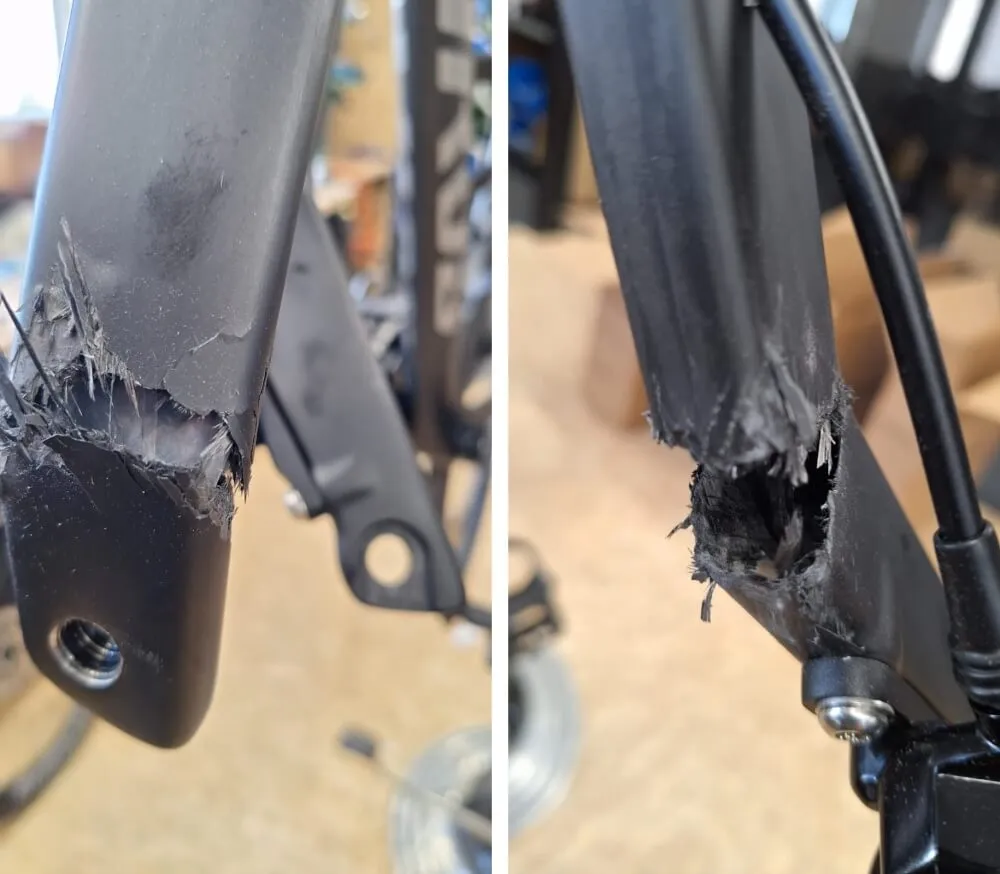
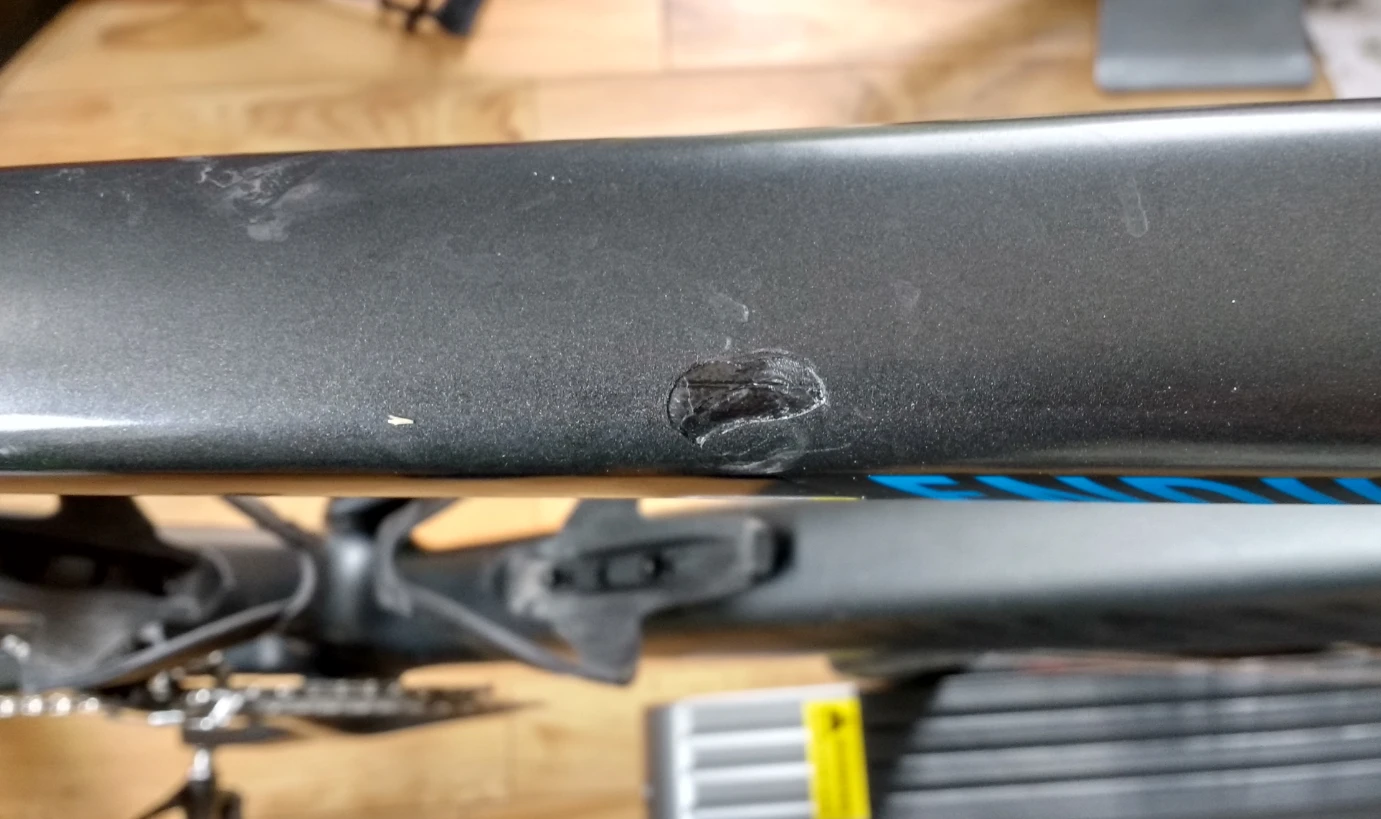
Although sturdy, a carbon MTB frame 29er can develop microcracks in critical stress areas such as the head tube, downtube, and rear triangle after prolonged off-road riding or technical descents. These high-risk areas are referred to in industry jargon as “frame stress points.” Regularly checking the frame’s condition visually, by tapping and listening, or using professional inspection tools can prevent serious damage, extend frame life, and ensure riding safety.
4.2 Suspension System Maintenance and Adjustment
The front and rear forks of a 29er full suspension frame require regular cleaning, lubrication, and seal checks to ensure accurate rebound and compression adjustments. This is commonly referred to in the industry as “shock tune-up,” meaning fine-tuning the suspension to maintain a “plush but responsive” riding feel. Neglecting maintenance can lead to suspension lag or performance degradation, affecting downhill control and comfort.
5. Professional Advice
Choosing the right 29er MTB full suspension frame hinges on balancing riding needs, terrain type, and budget. The large wheel diameter and full suspension design provide stability, grip, and comfort, making it excellent for off-road, technical descents, and long rides. The industry slang “big wheels, plush ride” perfectly encapsulates its advantages: the large wheel diameter provides rolling efficiency, and the suspension system delivers smooth handling.
When purchasing, pay close attention to materials, suspension tuning, and geometry. Combine these with your riding style to determine the wheelbase, fork travel, and seatpost angle to ensure precise handling and efficient climbing. For riders seeking personalization or special needs, the 29er carbon frame full suspension customization service can optimize material layout and suspension performance, achieving the ideal balance of “stiff yet compliant.”
Regular maintenance of the carbon fiber frame and suspension system, maintaining precise rebound and compression tuning, is key to extending its lifespan and ensuring safety. By combining community experience, professional evaluations, or by directly contacting the manufacturer for customization and testing, you can choose the most suitable full suspension MTB frame, ensuring a smooth and safe ride every trail or downhill.
Our professional team can provide you with tailored advice, material selection, and geometry optimization to ensure your next MTB truly matches your individual riding needs.