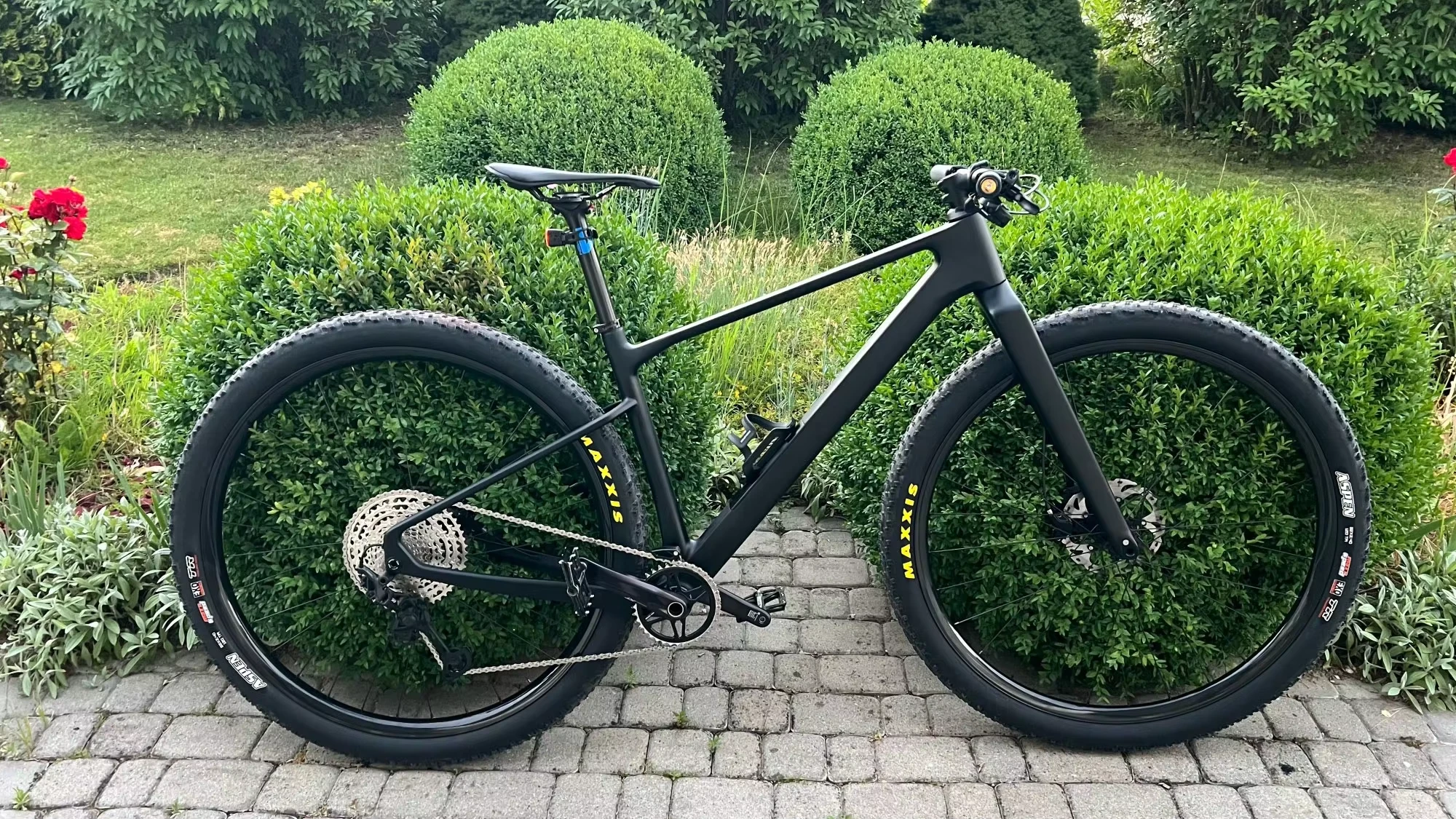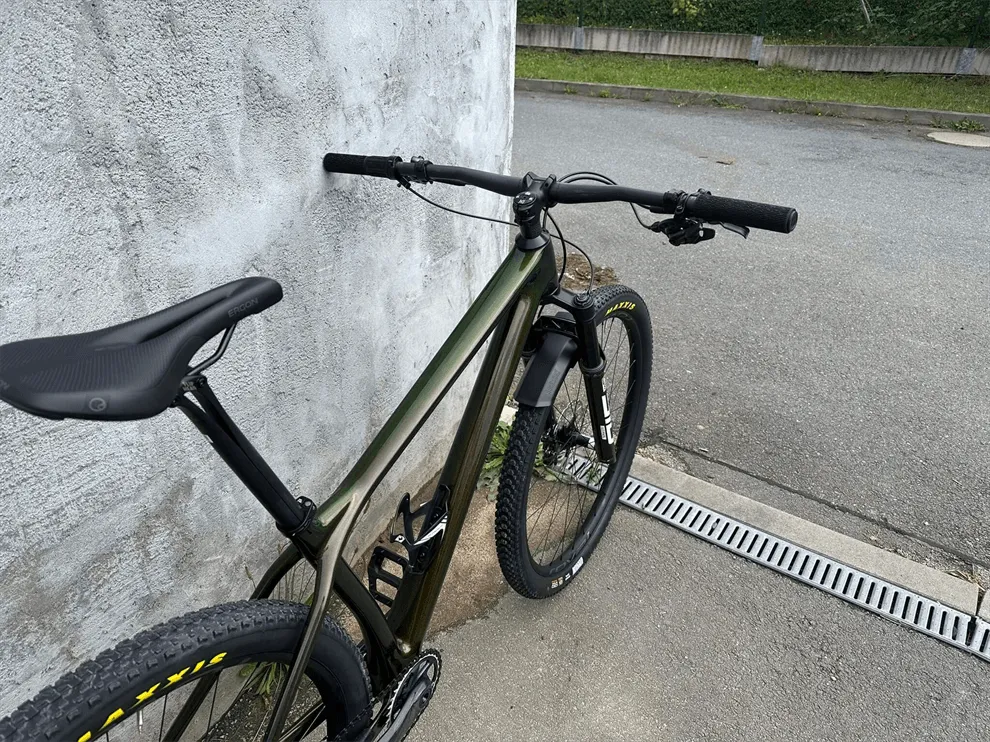
MTB frame design in 2026 is blending high performance with personalization, as American riders’ demands for frames go beyond pure performance. The Trek Fuel Gen 7 features adjustable geometry to suit diverse riding styles, while the Specialized Stumpjumper 15 EVO S‑Works introduces a GENIE air spring for improved comfort and protection (bike-hook.com).
Carbon fiber remains the mainstream, but high-end frames are beginning to incorporate recycled carbon fiber and environmentally friendly resins. The Mondraker Crafty Carbon RR’s Stealth Carbon technology increases stiffness and reduces weight (thepathbikeshop.com), while the Argon18 Dark Matter design offers built-in storage (bicycling.com). These innovations are bringing MTB frames closer to riders’ needs in terms of performance, practicality, and personalization.
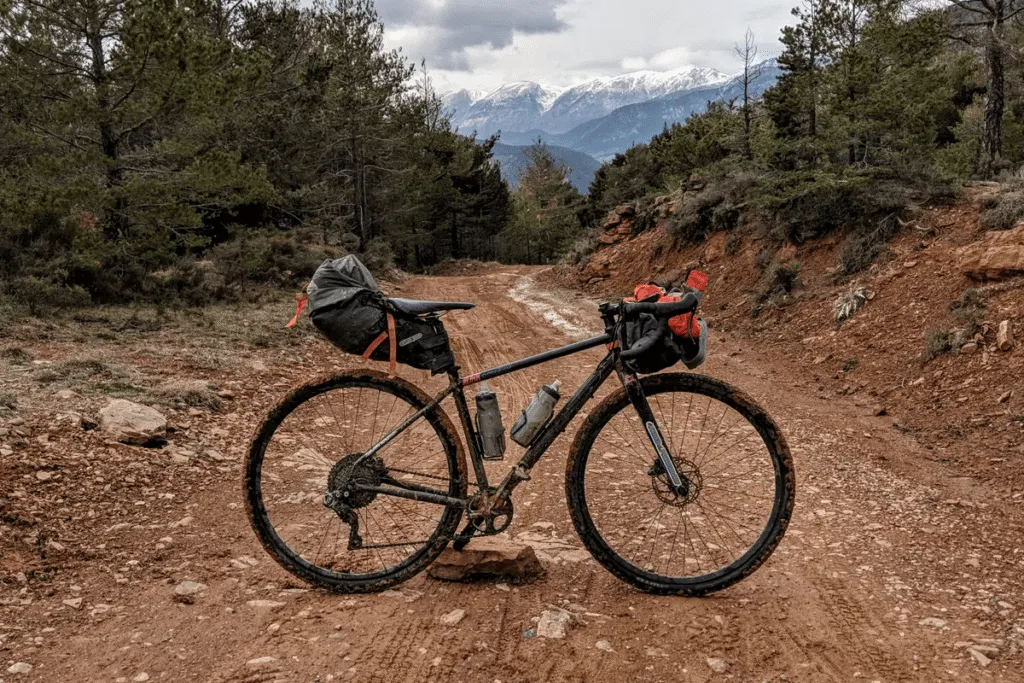
The Evolution of MTB Frame Design: From Function to Personality
MTB frames have evolved from simply pursuing lightness and durability to balancing handling performance and personal expression. Modern MTB frames feature increasingly refined geometry, materials, and aesthetics. Whether for XC, Enduro, or Trail models, they strive to provide riders with stable control on a variety of terrains while also showcasing style.
1.1 How modern MTB frames balance geometry and aesthetics
Modern MTB frames feature long reach, slack BB angles, and short chainstays, ensuring stability and agility at high speeds. Optimized seat tube and head tube angles enhance natural handling while maintaining a streamlined appearance.
1.2 Material Innovation in 2026: Carbon Bike Frame MTB vs. Alloy Revival
High-end MTBs will continue to be dominated by carbon bike frames, which utilize sophisticated layups and localized reinforcements to improve rigidity and reduce weight. Aluminum alloy frames are regaining popularity thanks to modern welding and heat treatment technologies, offering a cost-effective alternative.
Unique Frame Designs That Are Redefining MTB Trends
The MTB bike frame of 2026 is evolving beyond traditional design philosophies, integrating functionality, modularity, and aesthetics. Whether for Trail, Enduro, or XC, MTB frames focus not only on performance but also on playability and customization, meeting the diverse needs of different riders.
2.1 Integrated Frame Storage and Tool Mounts
More and more brands are integrating hidden storage compartments, tool ports, and hydration pockets into MTB frames, making long-distance rides or day trips more convenient. LSI terms like “internal storage compartments,” “integrated tool mounts,” and “on-bike storage solutions” naturally align with this theme.
2.2 Modular frame systems for multiple riding styles
The modular design allows a single frame to be compatible with various riding styles, including Trail, Enduro, and XC. Features like adjustable head tube angles and replaceable dropouts allow riders to quickly adjust the frame to suit the terrain and riding style.
2.3 Aesthetic evolution: curves, minimalist lines, and 3D-printed frames
Visual trends are also evolving rapidly: sleek lines, invisible seams, and 3D-printed rear structures are becoming standard features on high-end MTB bike frames. These frames maintain a streamlined, customizable look while maintaining lightweight design.
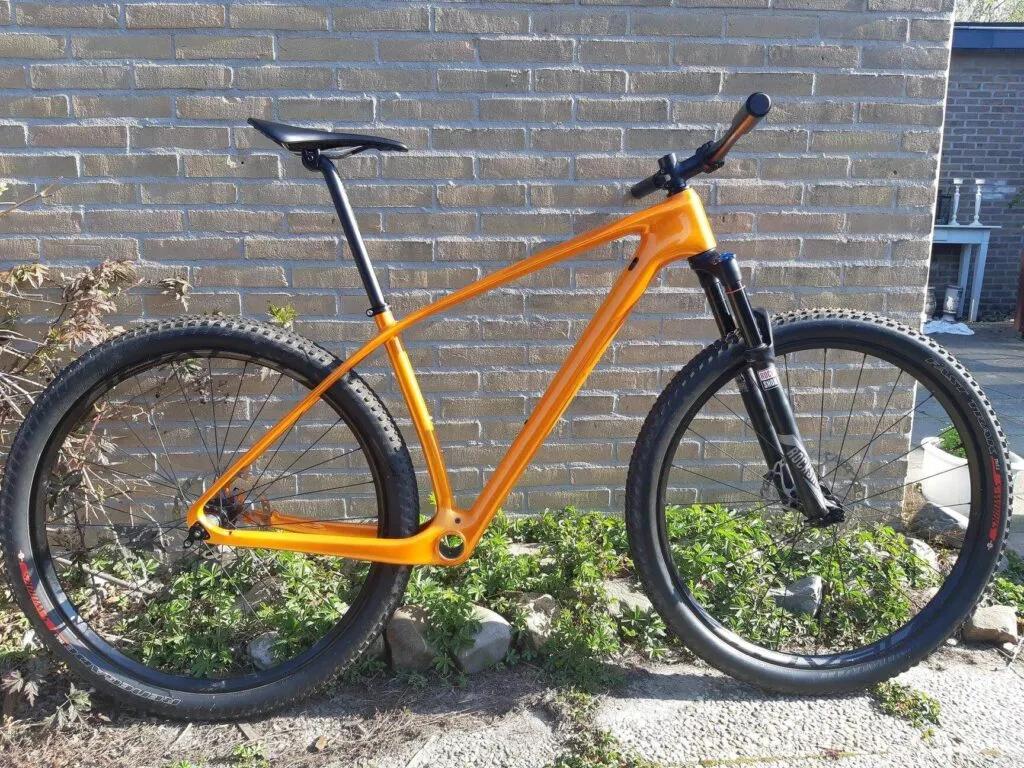
3. Geometry Trends Every Rider Is Talking About in 2026
In 2026, MTB bike frame geometry design is trending towards more radical and refined design. Riders’ demands for downhill stability, climbing efficiency, and handling feel are driving continuous optimization of MTB frames in head tube angle, seat tube rake, and chainstay length, while also taking into account adaptability to different heights and riding styles.
3.1 Slack vs. Steep: Which Geometry Really Matters?
Slack geometry (a slack head tube angle) improves downhill stability and high-speed handling, while steep geometry (a steep head tube angle) enhances climbing efficiency and steering agility. Different styles of trail, enduro, or XC bikes have different preferences for these angles, and MTB frame design must strike a balance between stability and agility.
3.2 Size-Specific Tuning & Proportional Chainstays
Size-specific geometry is becoming standard practice: the chainstay length, chainline, and seat tube angle of a large, medium, or small frame are proportionally adjusted to ensure consistent handling. Adjustable geometry, proportional chainstays, and seat tube tuning ensure that frame MTBs offer a consistent ride for riders of varying sizes.
How Carbon Engineering Shapes Future MTB Frames
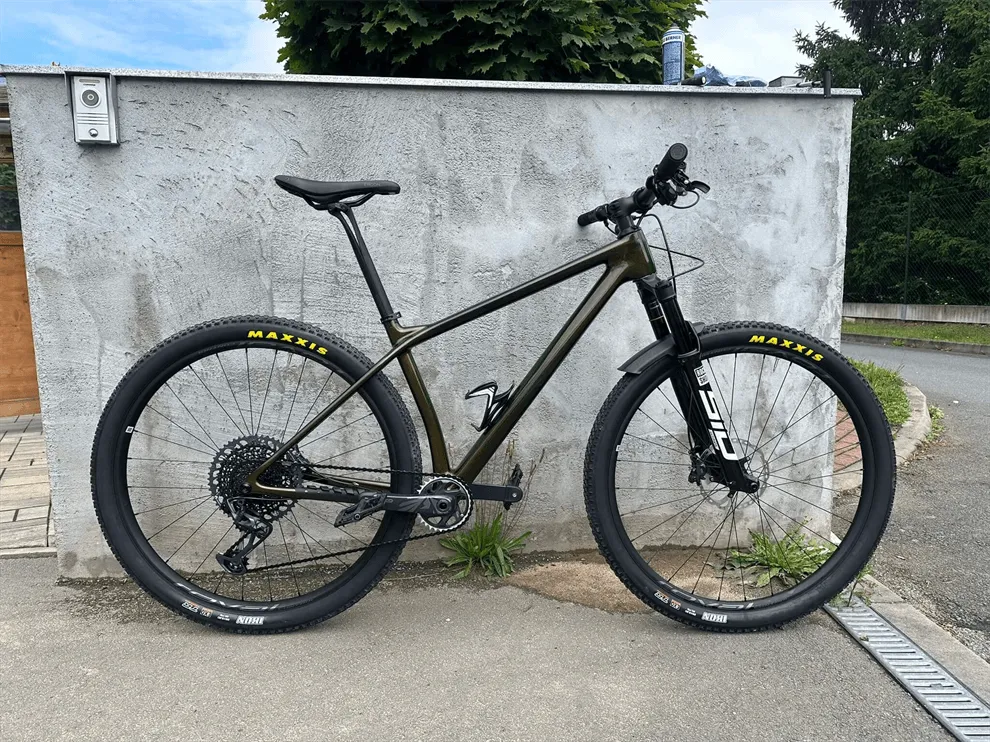
Carbon fiber engineering is profoundly transforming carbon bike frame design for 2026. From material selection to structural layout, every carbon layup and resin ratio is meticulously calculated to achieve the optimal balance of lightness, stiffness, and impact resistance.
But is the lightest MTB frame always the best? Rider comfort, handling, and fatigue considerations play a crucial role in determining the true performance of a frame.
4.1 Layup Optimization and Impact Zones
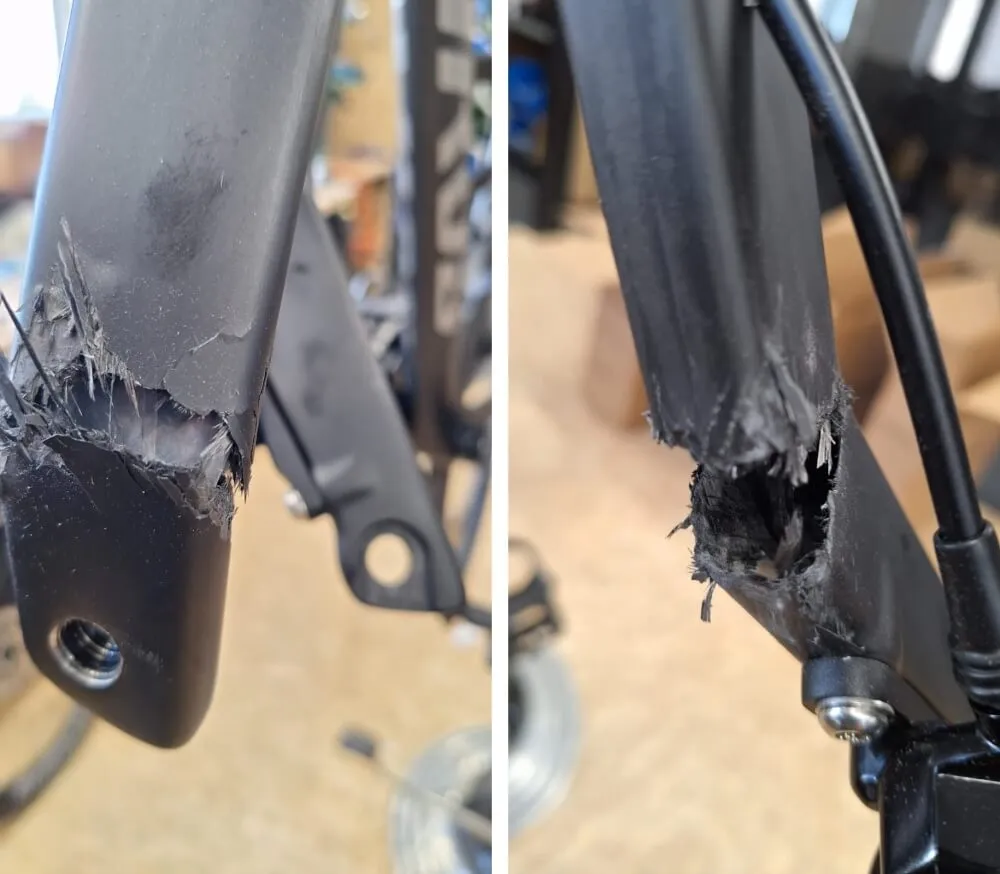
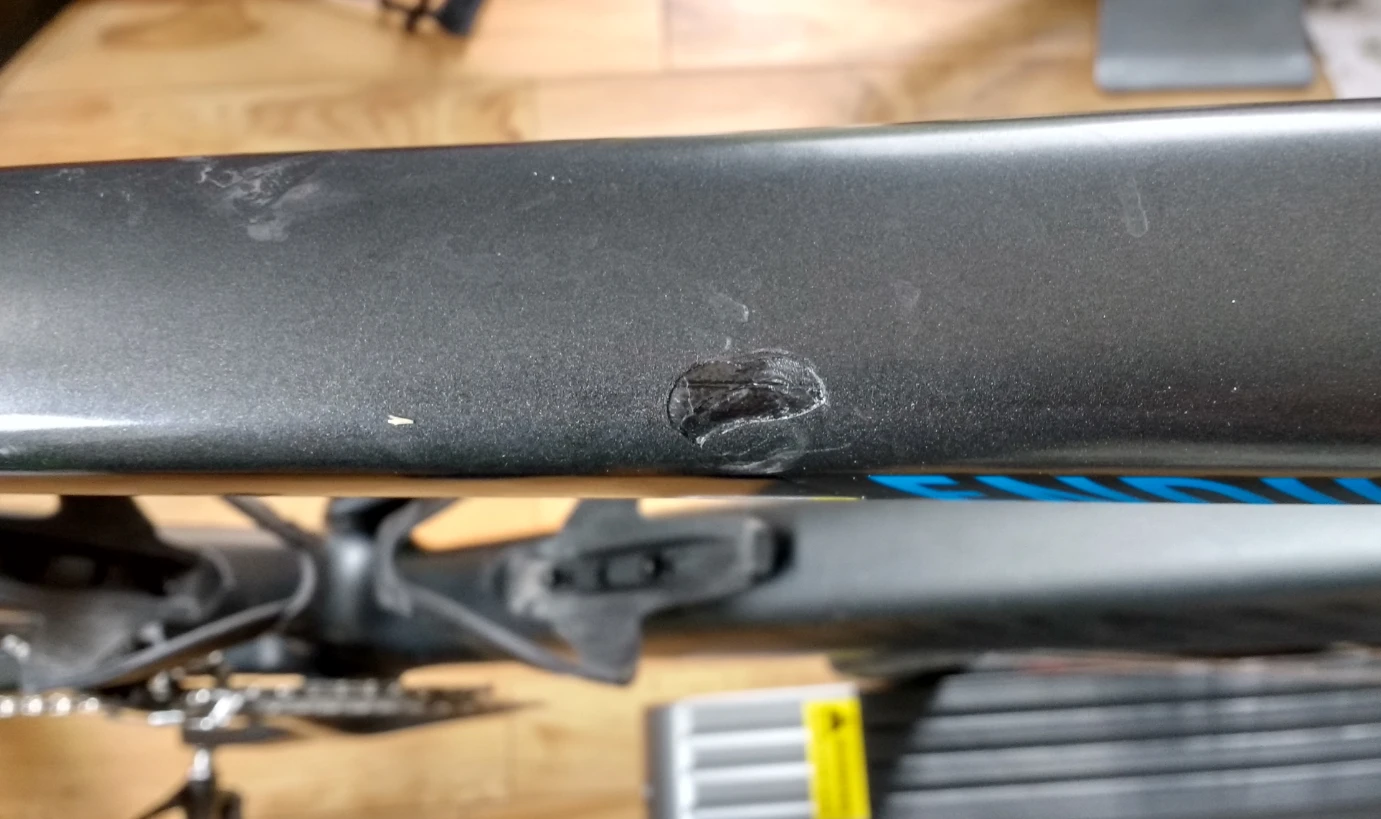
Through meticulous carbon fiber layup design, engineers are able to increase carbon fiber density in critical stress-bearing areas of the frame (such as the head tube, down tube, and chainstay interface), improving localized impact resistance while minimizing overall weight.
4.2 New Resins and Nano-Fiber Reinforcement
New high-performance resin systems combined with nano-fiber reinforcements improve the toughness and fatigue life of carbon fiber frames while reducing weight. This technology allows for the manufacture of more complex tube shapes and thinner-walled structures, making it suitable for high-end racing and long-distance adventure frames.
4.3 What Riders Really Want from a Carbon MTB Frame in 2026
Market feedback indicates that riders desire a carbon bike frame MTB that balances lightness, stiffness, comfort, and easy maintenance. For Enduro, Trail, and XC bikes, the overall bike’s performance must balance climbing efficiency with descending stability, while also offering easy maintenance access and upgradeability.
Sustainability and Manufacturing: The Next Big Step for MTB Frames
Green production and process innovation are becoming key drivers of MTB frame development. Riders and brands are increasingly concerned about carbon footprint, material recyclability, and the use of eco-friendly resins. Advances in manufacturing technology are enabling high-performance frames to be combined with sustainable production.

5.1 Recyclable Carbon Fiber and Eco-Friendly Resins
The combination of new recycled carbon fiber and eco-friendly resins significantly reduces the carbon footprint of MTB frame production while maintaining stiffness and lightness. Through precision layup and high-modulus T800/T1000 carbon fabric, brands can achieve sustainable frames without sacrificing structural performance.
5.2 How OEM manufacturers innovate behind the scenes
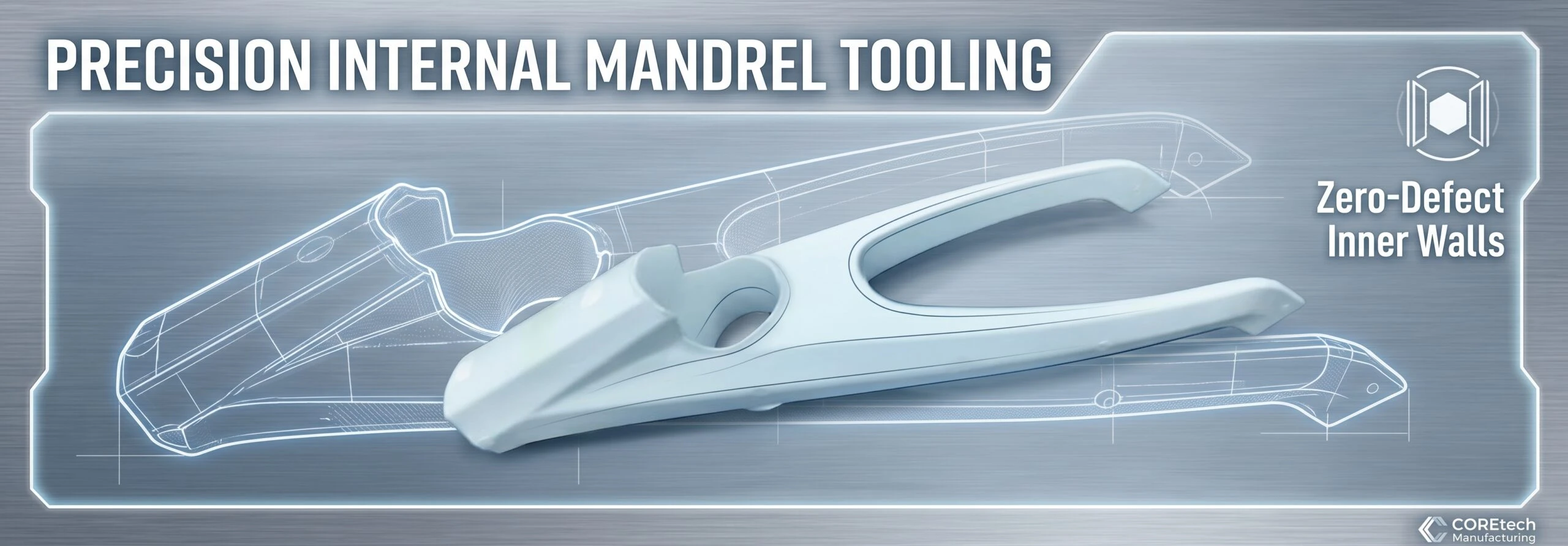
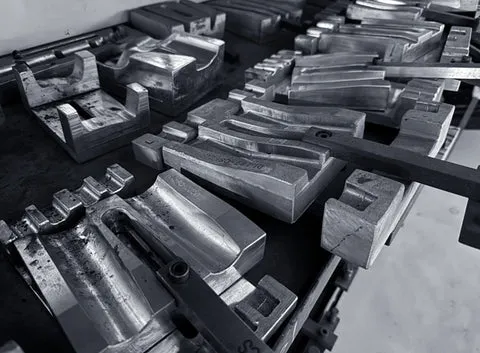
As a manufacturer with over a decade of carbon fiber manufacturing experience, we enhance the consistency and durability of our MTB frames through precision molds, vacuum forming processes, and optimized multi-layer carbon fabric layups. OEM innovations also include local thickening of key stress-bearing areas, the use of high-modulus carbon cloth to improve torsional resistance, and digital process management to achieve large-scale customized production.
Conclusion: The Future Look of MTB Frames in 2026 and Beyond
MTB frames in 2026 will showcase a fusion of geometric innovation, personalized aesthetics, and sustainable manufacturing. Modern MTB frames utilize long reach, slack BB angles, short chainstays, and modular designs to achieve stable handling at high speeds and climbing agility. Carbon fiber engineering, combined with high-modulus T800/T1000 materials, precision layup, and novel resins, balances lightness, stiffness, and impact resistance. Furthermore, the use of recycled carbon fiber and environmentally friendly resins promotes sustainable development, enabling both high performance and environmental friendliness.
| Feature | Description | Benefit to Rider |
|---|---|---|
| Geometry | Long reach, slack BB angles, short chainstays, modular design | Stable handling, climbing agility, adaptable fit |
| Material | High-modulus T800/T1000 carbon, precision layup, novel resins | Lightweight, stiff, impact-resistant |
| Sustainability | Recycled carbon fiber, eco-friendly resins | High performance with environmental responsibility |
| Customization | Adjustable geometry, modular components | Personalized fit and enhanced riding experience |
| Functional Details | Internal storage, integrated cable routing | Convenience and long-term durability |
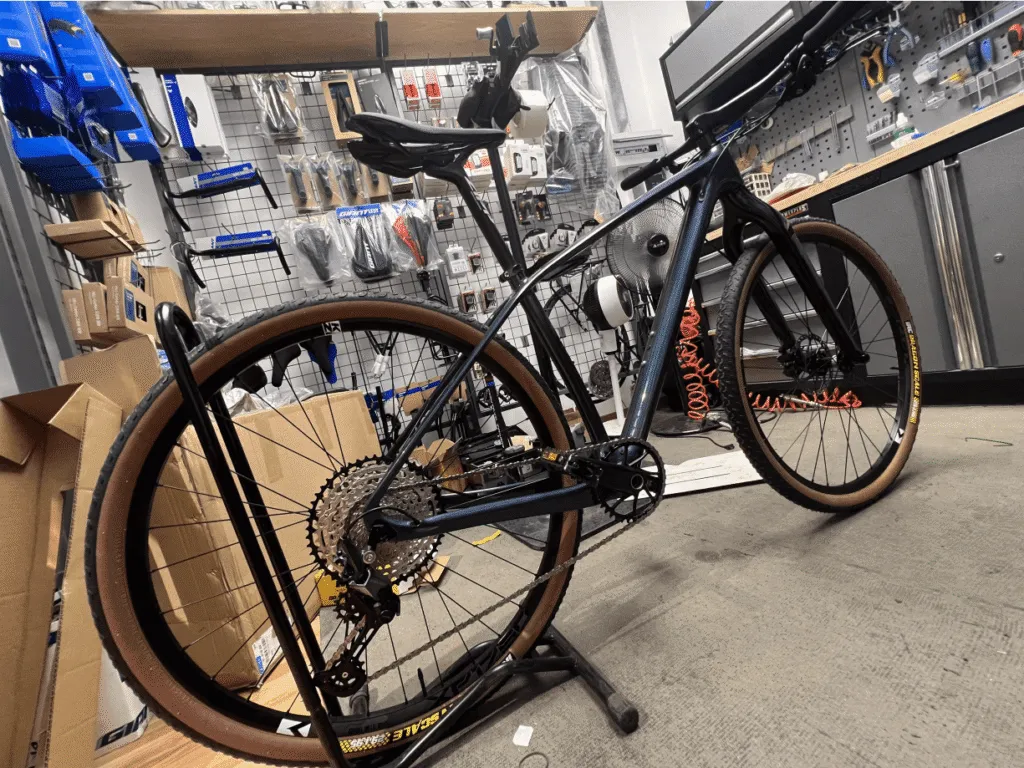 When choosing a bike, riders should not only consider the overall configuration but also the geometry, materials, and functional details of MTB bike frames, such as internal storage, adjustable geometry, and modular components, as these directly impact the riding experience and long-term durability. With technological advancements and OEM process optimization, carbon bike frames are achieving greater customization and performance consistency. The MTB frames of the future will balance speed, comfort and personalization, providing the best options for all types of riders while meeting the dual needs of performance and sustainability.
For personalized advice or to explore our latest MTB frames, please contact us anytime.