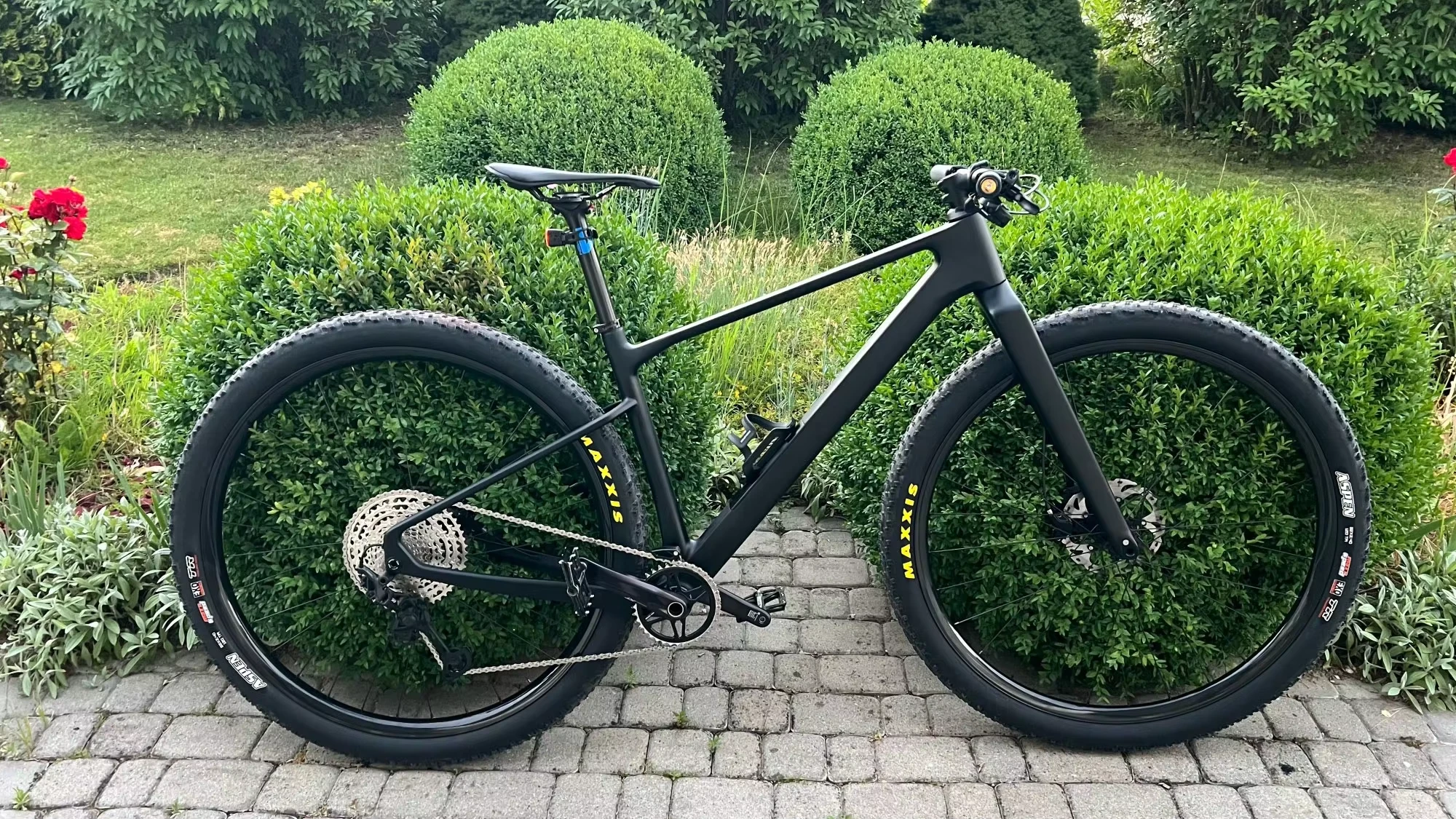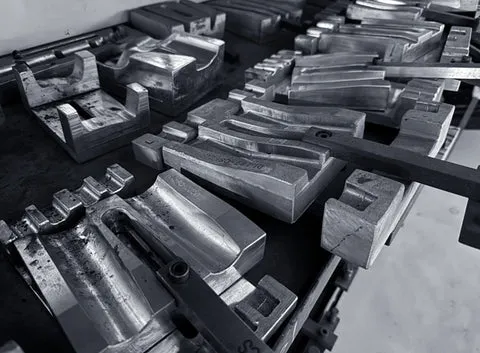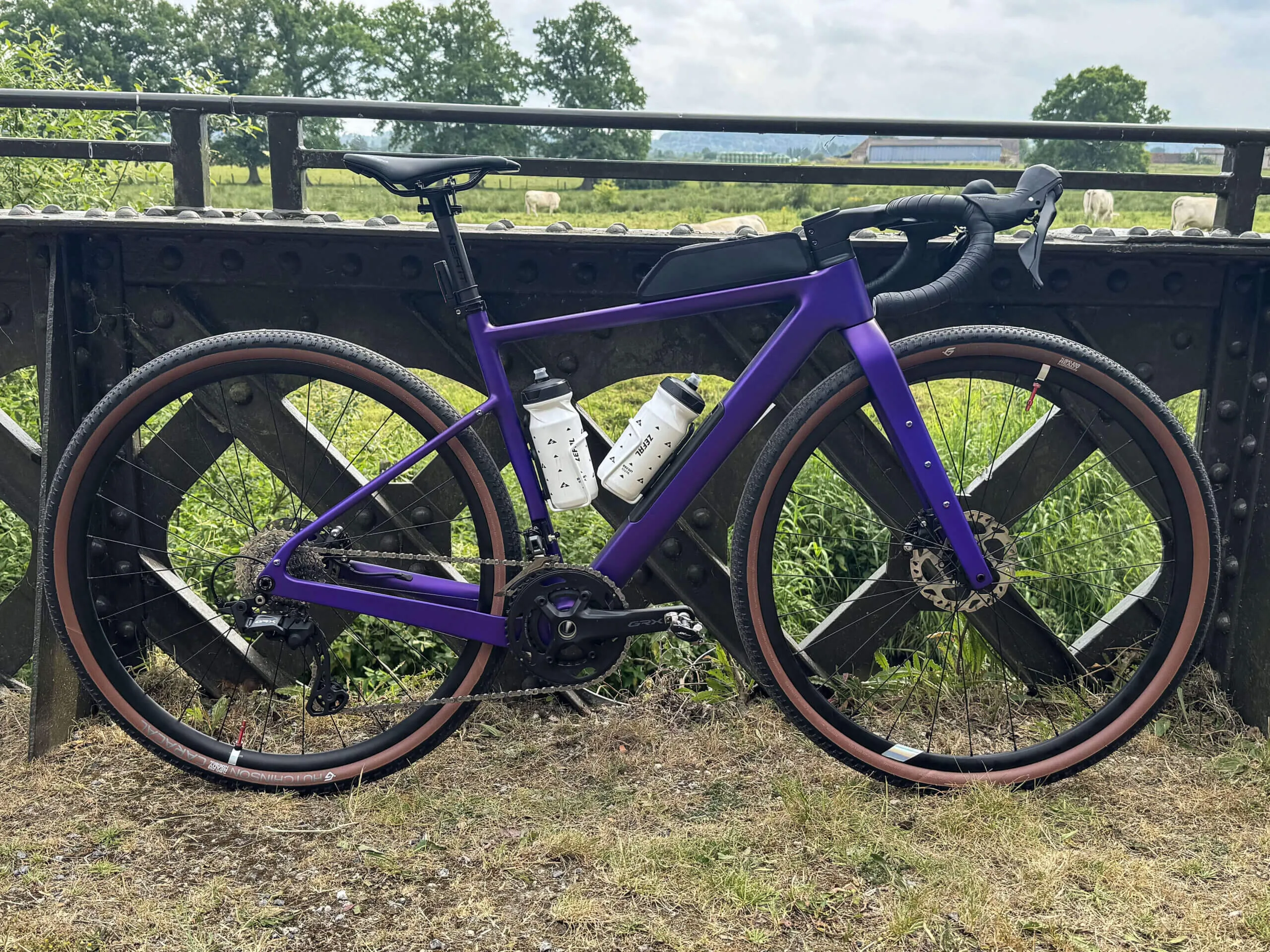
With the growing popularity of off-road (bikepacking) and adventure riding, more and more cycling enthusiasts are interested in the performance of carbon fiber gravel bike carbon frames for these activities.
Carbon fiber gravel frames are known for their light weight, high stiffness, and comfort, making them suitable for long rides and varied terrain. However, when using them for off-road and adventure riding, the frame’s strength, load-bearing capacity, and durability need to be considered. For example, long-distance rides may require carrying a large amount of gear, which places higher demands on the frame’s load-bearing capacity. Furthermore, riding in complex terrain can increase the risk of frame damage. Therefore, choosing the right frame and accessories, as well as a proper riding style, are crucial to ensuring a safe and comfortable ride.
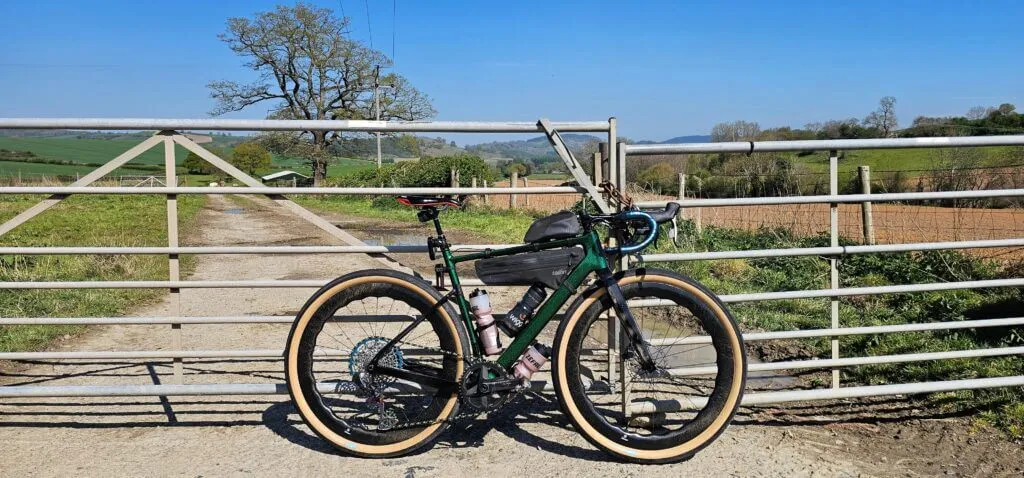
When choosing a carbon fiber road frame for off-road and adventure riding, it’s recommended to consider the following aspects:
- Frame design: Choose a frame design with enhanced load-bearing capacity and durability.
- Accessories: Use wheels, tires, handlebars, and other accessories suitable for off-road riding.
- Riding style: Plan your routes and gear carefully to avoid overloading the frame.
By comprehensively considering these factors, the advantages of carbon fiber road frames in off-road riding and adventure riding can be fully utilized, and a more comfortable and safe riding experience can be enjoyed.
Why Riders Are Choosing Gravel Bikes for Adventure and Bikepacking
Carbon fiber gravel frames and complete gravel bikes are becoming the preferred choice for long-distance adventures and bikepacking. Compared to traditional road or mountain bikes, these bikes offer a balance of lightweight, comfort, and off-road performance, making them ideal for multi-day off-road trips. According to 2025 data from BikeRadar and Pinkbike, over 65% of long-distance cyclists choose carbon fiber gravel frames for their improved load capacity, vibration absorption, and handling.
Through precise layup and resin control, carbon fiber maintains both localized stiffness and overall toughness while maintaining lightweight, allowing riders to maintain efficient energy transfer and a comfortable ride feel in diverse road conditions. The industry calls these “adventure-ready carbon frames” or “touring-capable gravel frames.”
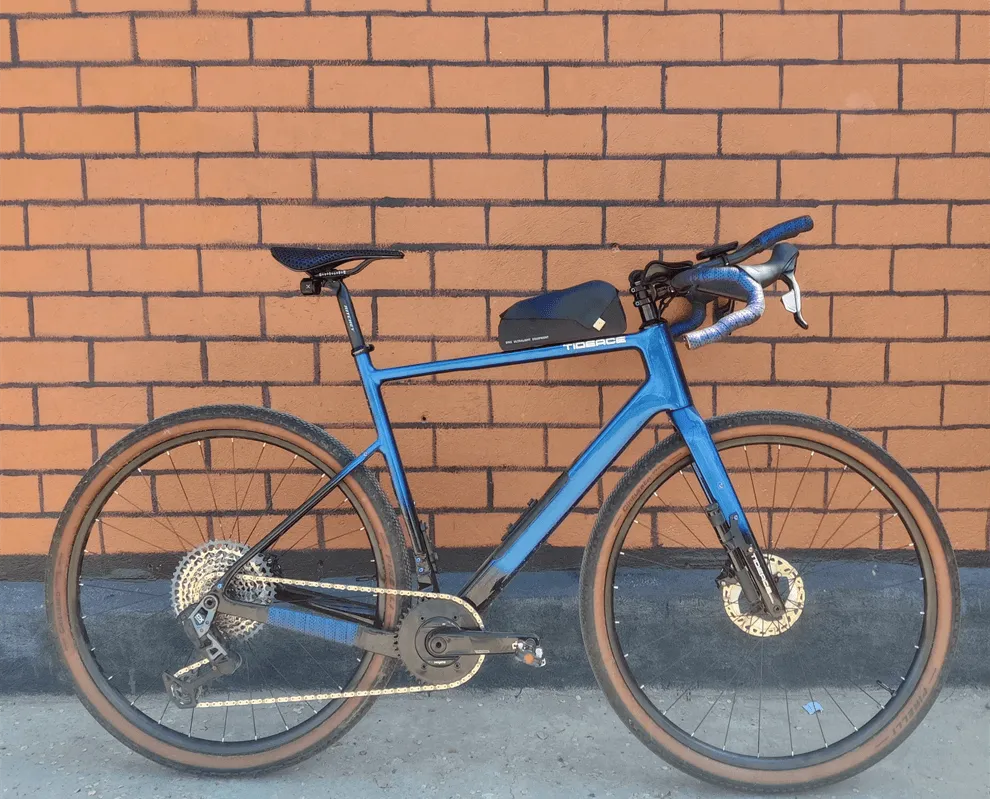
1: Gravel Riding Trends and the Rise of Adventure Cycling
Gravel riding has become increasingly popular in recent years, particularly when combined with long-distance off-road riding (bikepacking). Gravel bikes are suitable for tackling gravel, mud, or country roads, and can be equipped with a variety of luggage systems (frame bags, handlebar rolls, saddle packs) for multi-day rides. Adventure cycling activity in the United States and Europe has grown by over 12% annually (Adventure Cycling Association 2024), driving the popularity of carbon fiber gravel frames.
2: How Gravel Geometry Differs from Road and MTB
Gravel geometry’s frame angles and wheelbase balance handling and stability:
- Slightly slacker fork and head tube angles improves downhill stability
- Slightly wider wheelbase increases grip on gravel
- Optimized seat tube angle and down tube length balance climbing efficiency with long-distance comfort
Gravel frames are more impact-resistant than road bikes and lighter and more efficient than mountain bikes, making them suitable for long-distance bikepacking.
2: Why Carbon Gravel Framesets Are Becoming More Popular
Carbon fiber gravel frames are gaining popularity not only for their lightness and stiffness, but also for their comfort and adjustable load-carrying capacity. By optimizing the layup orientation and using high-performance resins, key stress points (head tube, down tube, and bottom bracket) are created to achieve both stiffness and gravel vibration absorption, extending the endurance of long-distance rides. This is commonly known in the industry as “tuned layup” or “race-and-tour ready carbon,” catering to both competitive and adventurous riding.
Carbon fiber gravel frames are often paired with lightweight wheels, puncture-resistant tires, adjustable handlebars, and multi-point luggage systems, making adventure cycling and bikepacking safer, more comfortable, and more efficient.

Understanding the Structure of a Gravel Bike Carbon Frame
A carbon fiber gravel bike carbon frameset is not only lightweight, but its structural design and material science are central to ensuring performance and durability. High-quality carbon fiber frames utilize a multi-layer carbon layup and high-performance resin systems to achieve a balance of stiffness and flexibility at stress points, ensuring the rider achieves the optimal “ride feel” during long-distance gravel riding or adventure cycling. This precise layup, known in the industry as a “tuned layup,” is the standard for premium gravel bike frames.
1: The Material Science Behind Carbon Fiber in Gravel Frames
Carbon fiber offers a high strength-to-weight ratio, fatigue resistance, and excellent energy return. By combining carbon fibers with varying modulus and increasing fiber density at critical stress points, a gravel bike carbon frameset achieves a balance between lightweight and durability. This design, coined the European and American term “composite engineering,” impacts climbing efficiency, descending stability, and the frame’s load-carrying capacity during multi-day bikepacking.
2: Frame Layup, Resin Systems, and Vibration Damping
A frame’s layup orientation, resin ratio, and curing method influence vibration damping and handling response. High-end carbon fiber gravel frames utilize vacuum bagging or high-pressure molding to ensure uniform resin distribution, reduce micro-voids, and enhance durability and comfort. On gravel or dirt roads, this translates to a smoother ride. Industry jargon refers to the smoothness achieved through layup and resin optimization.
3: The Difference Between a Gravel Bike Carbon Frameset and a Gravel Bike Disc Frameset
While both gravel bike carbon and gravel bike disc framesets utilize carbon fiber, their design focuses differ. Traditional gravel bike frames prioritize light weight and climbing efficiency; disc versions, designed for disc brake compatibility, feature increased rigidity and reinforcement in the fork, chainstay, and bottom bracket, resulting in improved braking response and handling stability, but at a slightly higher weight. When taking on long gravel rides or bikepacking, choosing a frame requires consideration of brake compatibility, load, and riding habits.

Is a Carbon Gravel Frame Suitable for Bikepacking Loads?
With the growing popularity of multi-day bikepacking and adventure rides, cyclists often wonder whether a carbon gravel frame or gravel bike carbon frame can withstand the added load. Reddit’s Top Discussions on Aero Gravel Frames: What Riders Are Saying highlights that high-quality carbon fiber gravel bike frames, while maintaining lightweight, feature precise layup and optimized resin ratios, providing sufficient stiffness and localized toughness, allowing riders to maintain stable control and a comfortable ride feel even when carrying gear and luggage.
1: Strength and Stiffness — How Carbon Performs Under Extra Weight
The strength and stiffness of a carbon fiber frame primarily depend on the modulus (high-modulus or intermediate-modulus) of the carbon fabric and the optimized fiber orientation at critical stress points. For long-distance adventure rides with luggage, high-end gravel bike carbon frames achieve a balance between lightweight and load-bearing capacity by increasing the number of layers in stress-intensive areas like the head tube, down tube, and bottom bracket.
2: Mounting points and rack/bag compatibility
In bikepacking, a frame’s mounting points directly determine the ease and security of attaching a luggage rack, frame bag, front fork, or rear rack. High-end carbon gravel frames typically offer multiple mounting points, compatible with both standard bolts and carbon-compatible mounts, ensuring even load distribution and avoiding localized stress concentrations that can lead to microcracking or delamination. Industry jargon refers to these as “adventure-ready mounts,” specifically optimized for multi-day gear carrying.
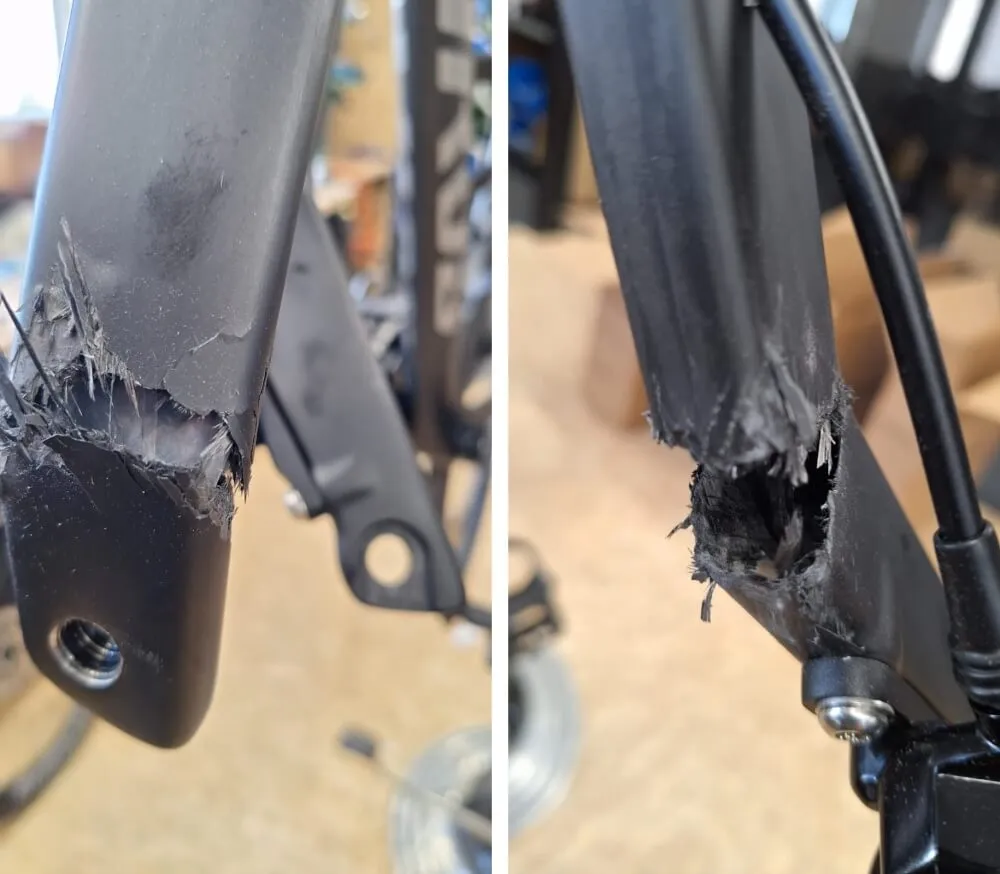
3: Common Misconceptions About Carbon Durability During Adventure Rides
Many cyclists mistakenly believe that carbon fiber gravel bike frames are susceptible to failure under load. However, the failure mode of a high-quality gravel bike carbon frame differs from that of a metal frame. Energy is absorbed through the fiber layers, resulting in localized microcracks rather than sudden fracture. Proper installation, mounting, and maintenance are far more critical than the material itself. Professionals often say, “It’s the torque and load management, not the carbon, that makes or breaks your frame,” emphasizing the importance of proper loading, correct bolt torque, and luggage layout.
Real-World Considerations: Comfort, Maintenance, and Repairs
For long-distance gravel and adventure rides, a carbon fiber gravel frameset must not only balance lightness and stiffness, but also comfort, maintenance, and emergency repair capabilities. High-quality carbon fiber frames, through optimized fiber layup and resin systems, excel at damping road vibration and maintaining handling stability. However, proper care and maintenance are essential to extend the frame’s lifespan.
1: How Carbon Frames Absorb Road Vibration During Long Rides
The layup orientation and composite material structure of a carbon fiber frame effectively absorb vibrations from gravel, mud, and country roads, ensuring a comfortable ride on long journeys. “Compliance tuning,” a common industry term, refers to adjusting the layup and resin ratio to achieve a balance between stiffness and compliance, ensuring a gravel carbon frameset achieves both efficiency and comfort during endurance rides and bikepacking.
2: Protective Measures Against Scratches and Strap Rubs
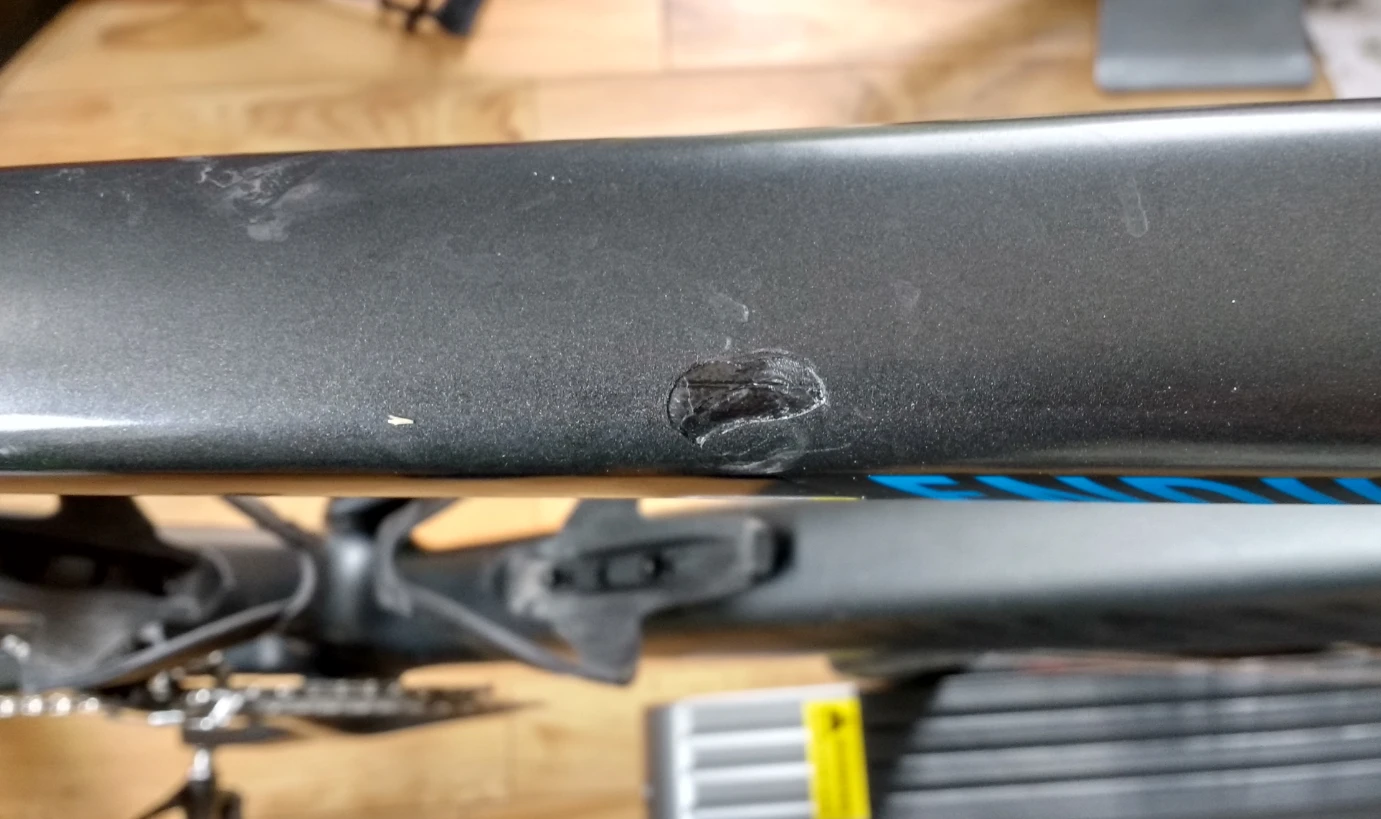
During daily use, frames are prone to scratches from rubbing against straps, bottle cages, or cycling bags. To protect carbon fiber gravel frames, it’s recommended to cover high-wear areas with transparent film, frame protectors, or thick foam padding. Commonly known in the industry as “carbon armor” or “frame saver,” these measures effectively reduce the risk of microcracks while maintaining the frame’s aesthetics and structural integrity.
3: Field Repairability — What to Do in Case of Frame Damage
Although carbon fiber frames are lightweight and durable, minor damage (hairline cracks, delamination) is inevitable during long adventures. If this happens, it’s recommended to stop riding immediately and inspect the damaged area. Apply a temporary carbon fiber patch or specialized tape to prevent the crack from spreading. If conditions permit, take the frame to a certified repair facility for professional repair. This industry jargon is called a “ride-stop repair,” emphasizing a quick, temporary fix to ensure continued riding safety.
Comparing Frame Materials for Adventure Riding
Choosing the right frame material is crucial for long-distance gravel riding and adventure cycling. Carbon gravel frames, aluminum alloys, and steel frames each have their own characteristics that affect weight, comfort, vibration damping, and load capacity. Riders can make their choice based on their route, gear load, and riding style.
1: Carbon vs. Aluminum: Weight, Comfort, and Load Capacity
Carbon gravel frames are lightweight and highly rigid, making them suitable for long rides and moderate loads. Aluminum, while slightly heavier, offers durability, impact resistance, and a lower cost. Carbon fiber, through precision layup and resin optimization for localized compliance tuning, provides a more comfortable ride on gravel and country roads, while aluminum alloy is better suited to carrying larger gear. Industry colloquialisms include carbon fiber being “race-and-tour ready” and aluminum alloy being “bombproof alloy.”
2: Carbon vs. Steel: Vibration Damping vs. Field Serviceability
Carbon fiber offers excellent vibration damping and high comfort, but it has limited field serviceability. While heavy, steel frames can be welded and repaired on-site, offering high durability and suitability for long-distance adventures. This is known in the industry as the “ride-comfort vs. field-fix tradeoff,” emphasizing the balance between vibration absorption and emergency repairs.
3: When a gravel bike disc frameset might be a better choice
Gravel bike disc framesets are compatible with disc brakes, providing improved braking response and handling stability. For long adventure rides, heavy loads, or rainy and muddy trails, disc versions offer greater safety while maintaining their lightweight advantages. The industry term “disc-ready adventure setup” describes this optimized configuration.
Expert Tips from a Carbon Frame Manufacturer
From a manufacturer’s perspective, the selection and use of a carbon gravel frame (or gravel bike carbon frameset) should focus not only on lightness and styling, but also on durability, load-bearing capacity, and long-term performance. High-end frames are designed with the specific demands of adventure rides and bikepacking in mind, including reinforcements in key stress zones, optimized mounting point layout, and resin layup optimization. Proper selection, installation, and maintenance are crucial to ensuring the long-term performance of a carbon frame.

1: How to Choose a Carbon Gravel Frameset Built for Adventure
When selecting a gravel bike carbon frameset suitable for adventure use, consider the following key points:
- Layup and resin system: Ensure a balance of localized rigidity and flexibility, providing long-distance ride comfort and load-bearing capacity.
- Mounting point layout: Ensure compatibility with multiple luggage systems (frame bag, rack, saddle pack) without compromising the frame structure.
- Geometry: Optimized head tube angle, wheelbase, and seat tube angle balance handling and climbing efficiency.
Industry insiders call this type of adventure-optimized frame “adventure-ready carbon,” emphasizing a balance between lightness, comfort, and durability.
2: Testing standards and reinforcement techniques for bikepacking
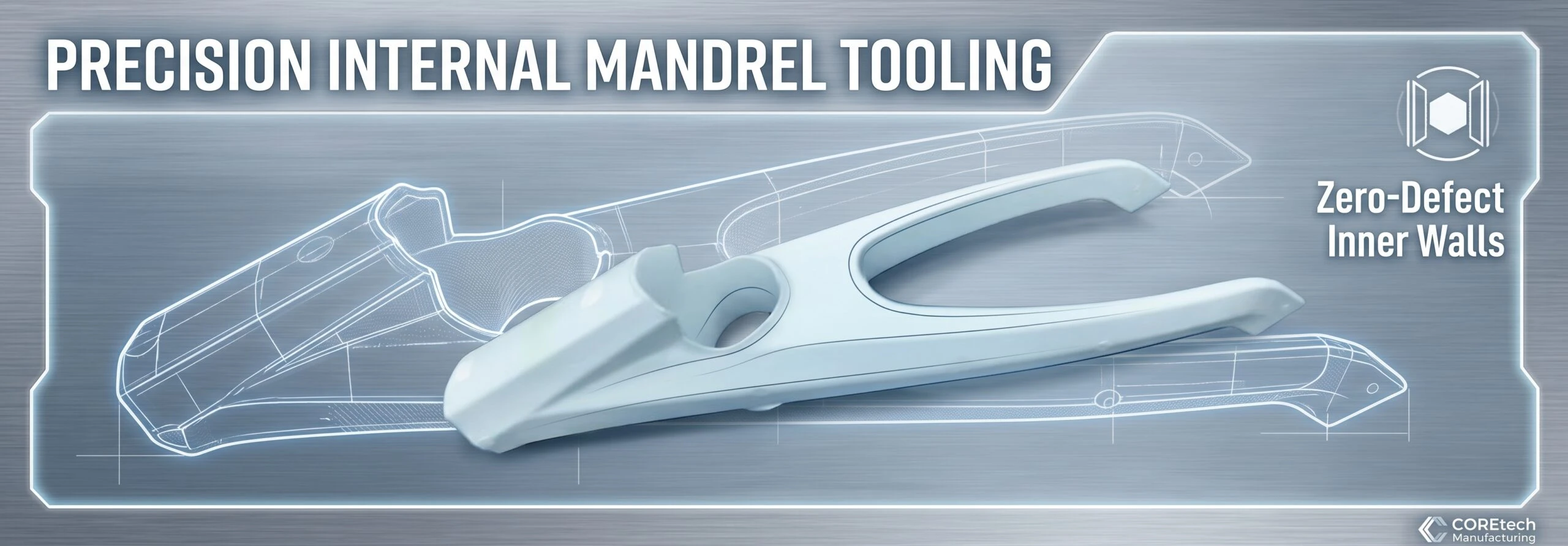
High-quality carbon fiber gravel frames must undergo rigorous testing (static pressure, dynamic impact, and torque resistance) before leaving the factory to ensure structural integrity under multi-day bikepacking or loaded conditions. Critical stress zones are often reinforced with localized reinforcement, additional carbon plies, and high-strength resins to improve fatigue life and crack resistance. Industry jargon describes this load-optimized layup strategy as “load-tested layup.”
Final Thoughts — The Best of Both Worlds
Modern gravel bike carbon frames and framesets strike a balance between lightness, stiffness, and comfort. Through precision layups, high-performance resin systems, and localized reinforcement, high-end carbon frames withstand bikepacking loads while providing smooth vibration damping and a responsive ride feel.
1: How Modern Carbon Gravel Frames Balance Performance and Durability
Advanced carbon gravel frames achieve a balance between lightness and high load-bearing capacity through a “load-tuned layup” and reinforcements in key stress zones. Whether for long-distance gravel riding or multi-day adventure rides, gravel bike carbon frames maintain performance while extending their lifespan. The industry jargon “adventure-ready carbon” describes this balance of durability and performance.
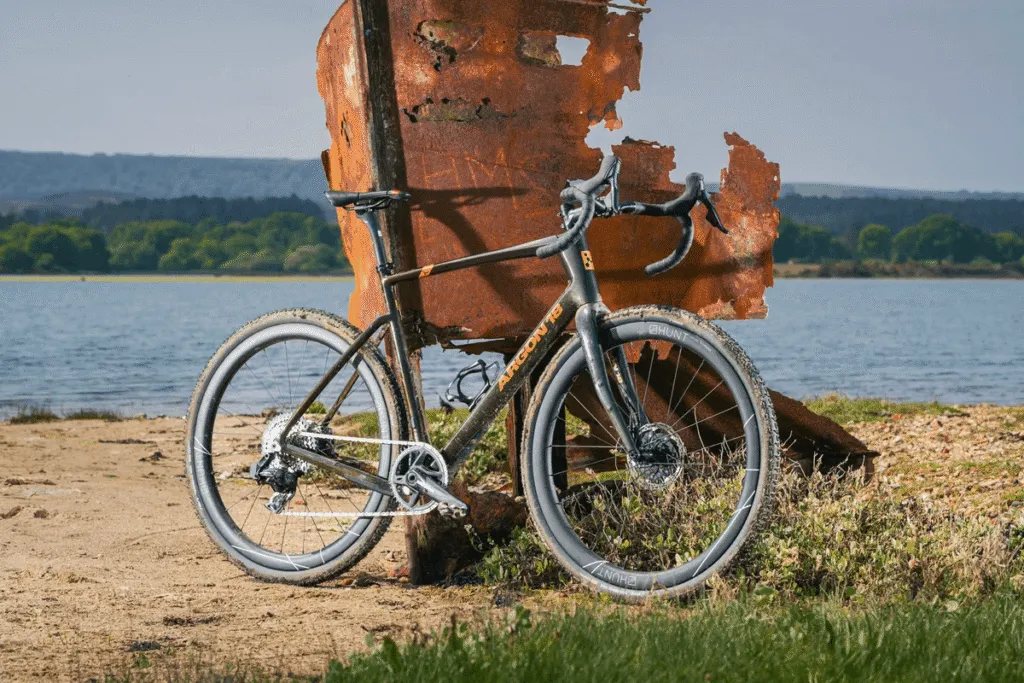
2: When Carbon Is (and Isn’t) the Right Choice for Your Adventure Bike
Carbon fiber is suitable for riders seeking lightweight, vibration-resistant materials, and efficient power transmission. However, for extreme remote environments or when field-weldable repairs are required, a steel or aluminum frame may be more appropriate. When selecting a frame, consider load type, distance ridden, gear weight, and maintenance requirements. Properly matching frame material with intended use maximizes riding experience and safety.
Summary: Why a Well-Designed Gravel Bike Carbon Frame Can Handle Your Next Bikepacking Trip
A high-quality gravel carbon frameset achieves the optimal balance of lightness, stiffness, and durability through scientific layup, resin optimization, and mounting point design. Combined with proper maintenance, load management, and installation, a carbon fiber gravel bike frame is perfectly suited for multi-day bikepacking, gravel trails, and adventure rides. Choose a gravel bike carbon frame that undergoes rigorous quality control and load-tested layup to achieve the optimal balance between performance and durability.
For personalized advice or to find the perfect gravel bike carbon frame for your next adventure, feel free to contact us—our team is ready to help you choose the ideal setup.