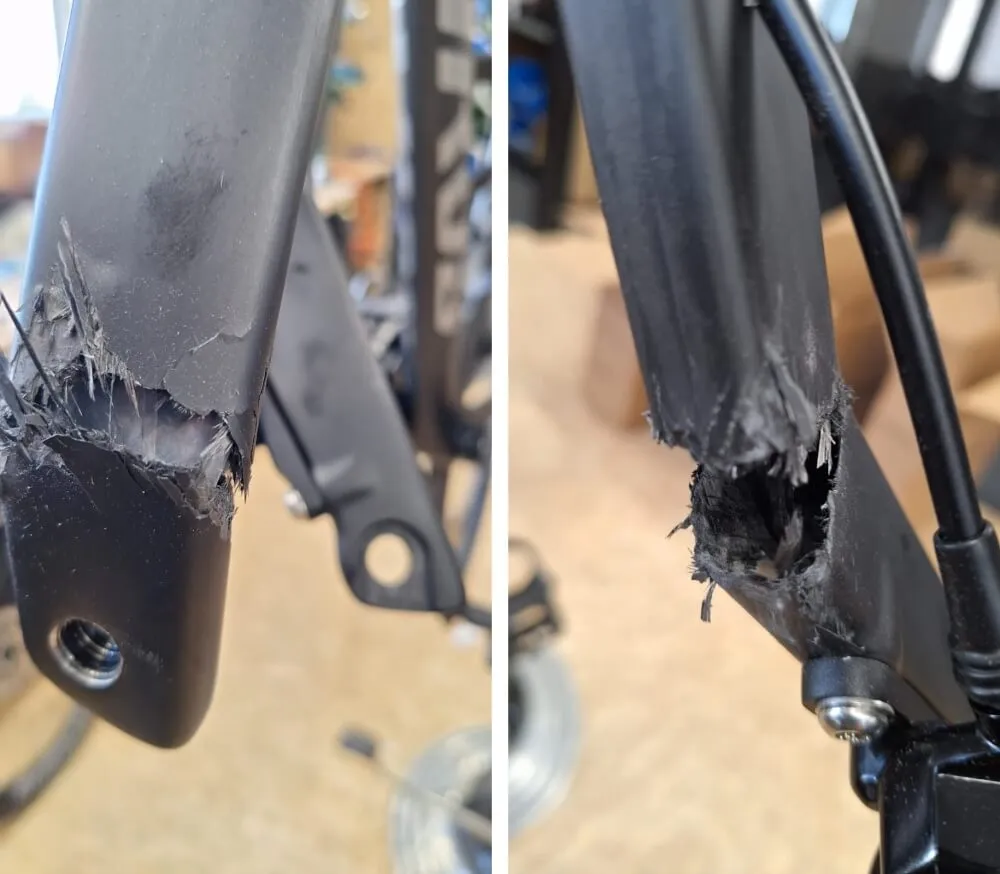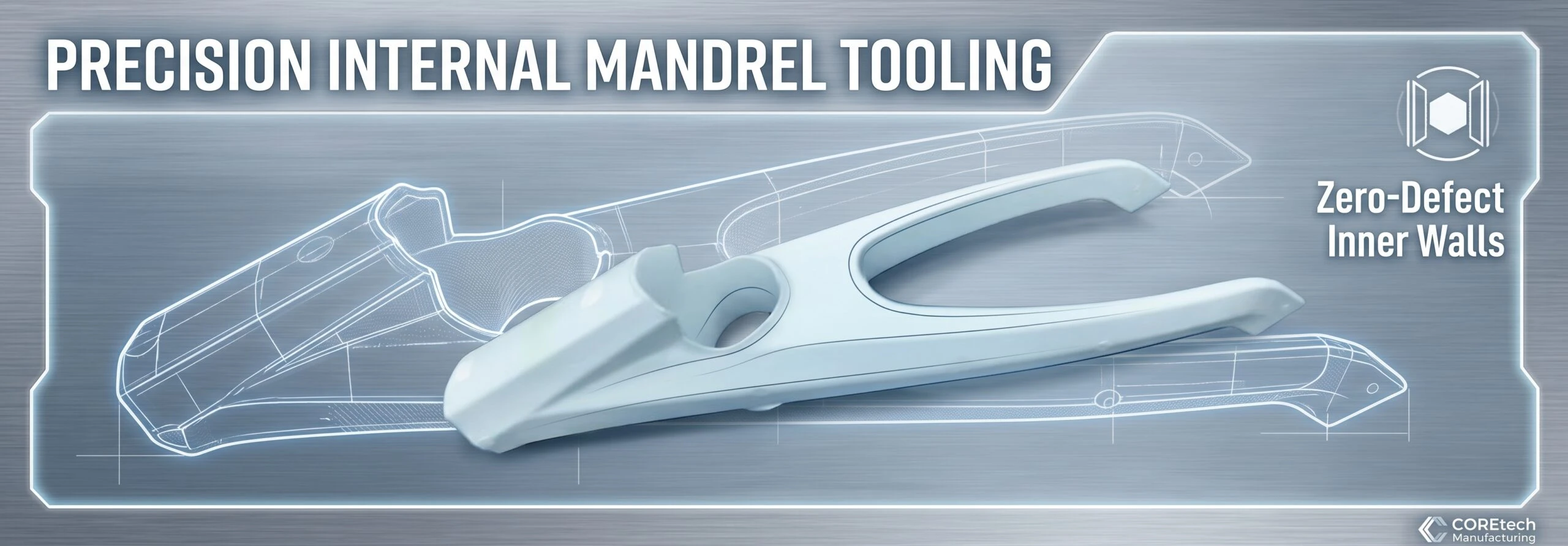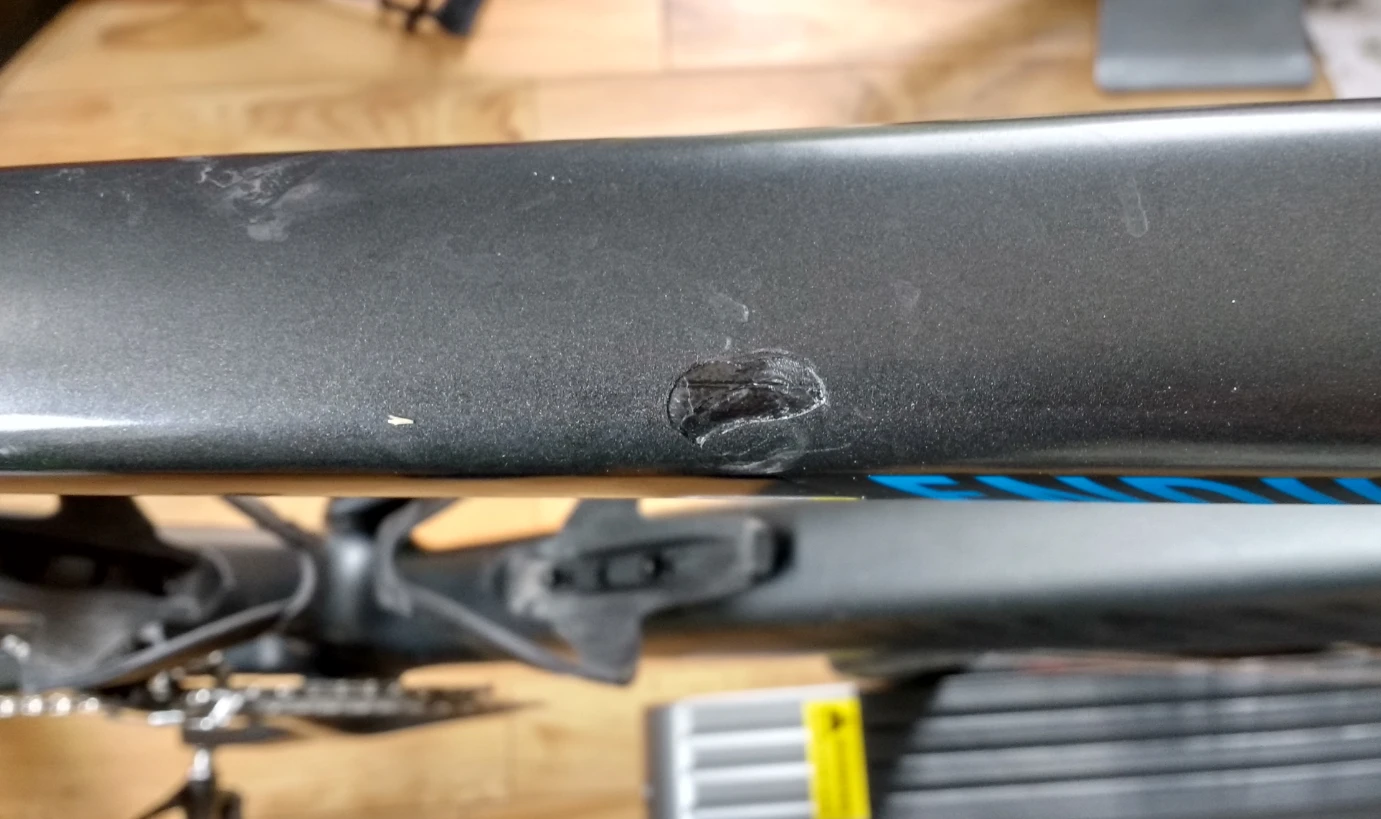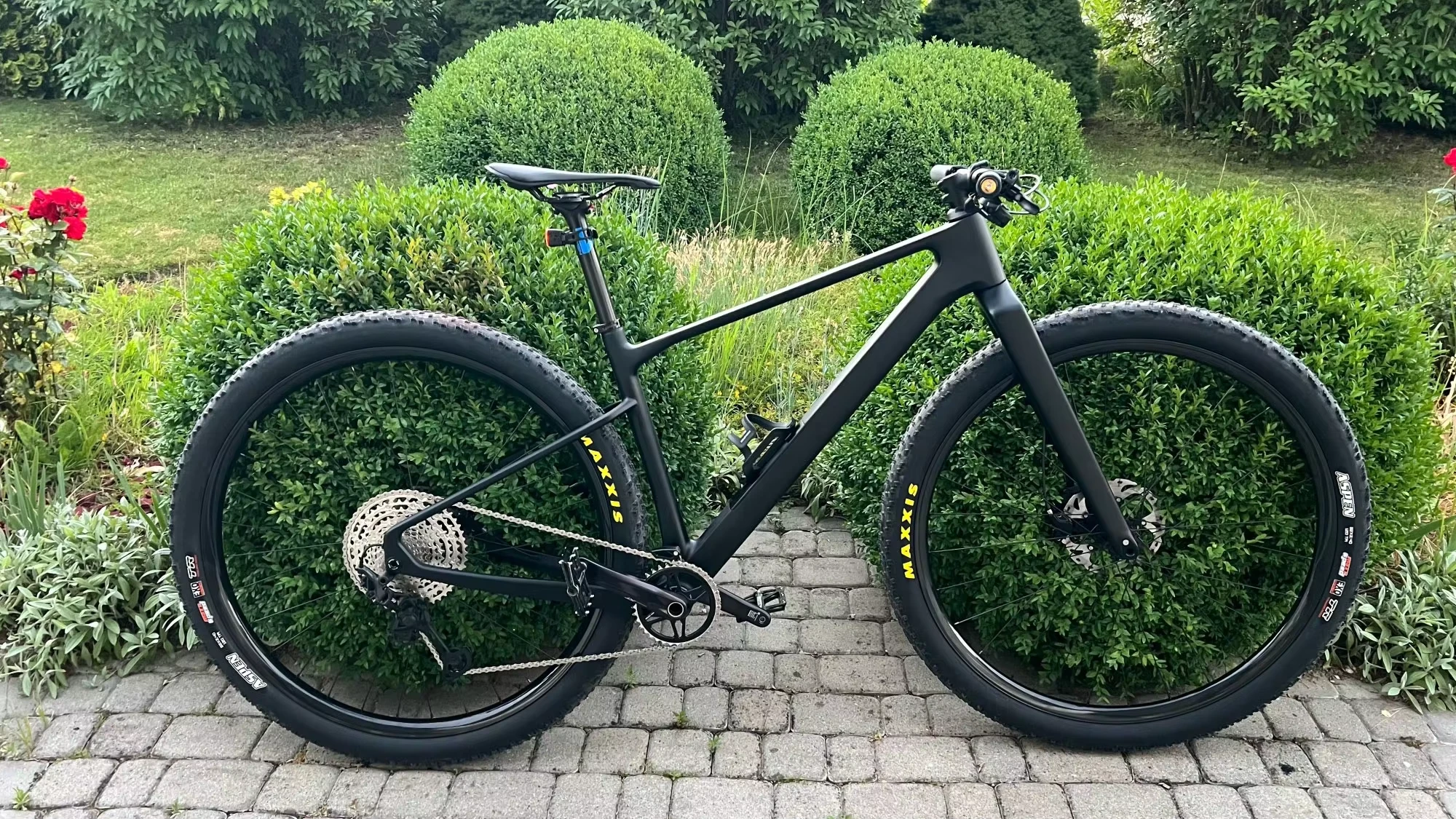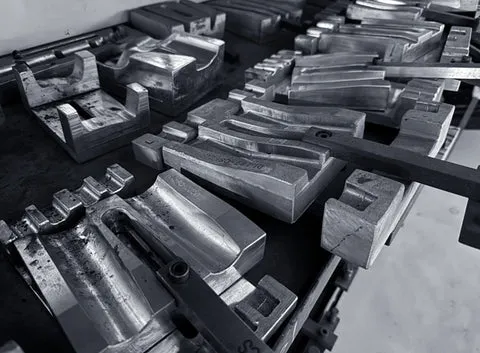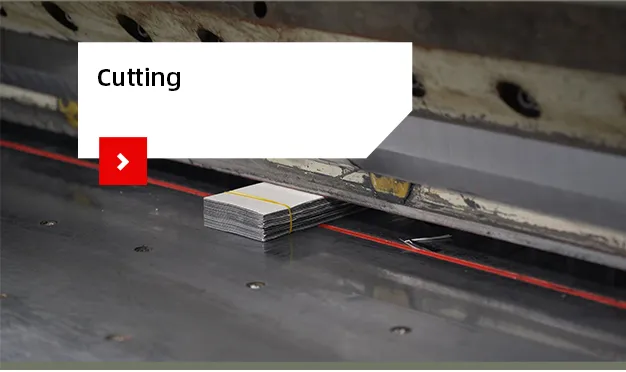
When you deconstruct a high-performance chassis, the true differentiator isn’t the mold—it’s the upstream carbon bike frame material cutting. From prepreg cutting and carbon fabric cutting to precision cutting carbon fiber, every ply dictates the final structural integrity and batch consistency. Industry data reveals that over 60% of structural failures originate from an unstable composite cutting process. For OEM/ODM partners, a rock-solid carbon bike frame cutting process isn’t just a manufacturing step; it’s the ultimate safeguard for mass-production reliability.
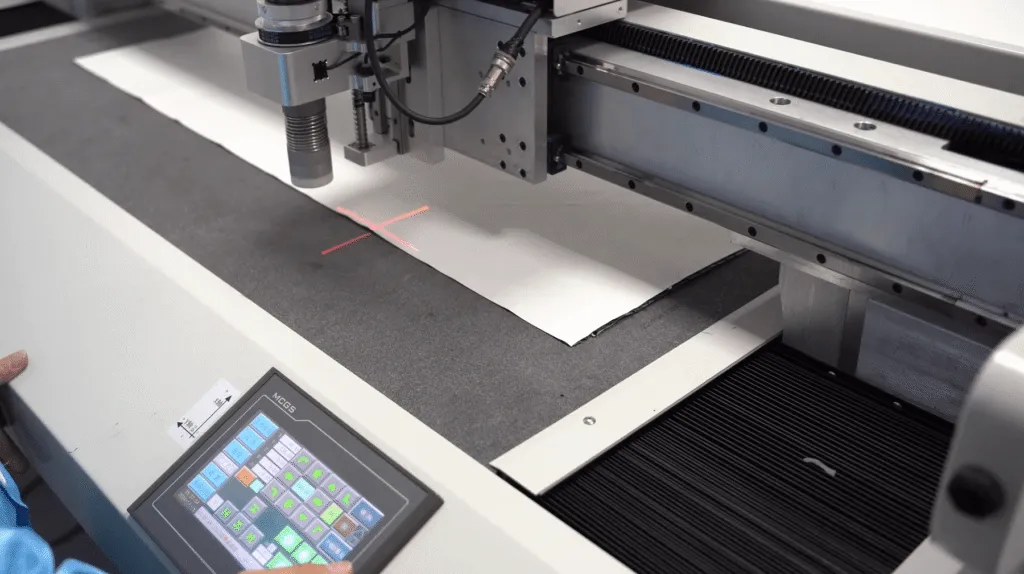
The Logic of Carbon Bike Frame Material Cutting
Carbon bike frame material cutting defines a frame’s structural ceiling. As the first stage in carbon frame production, it governs layup precision, molding quality, and the final stiffness-to-weight ratio. For elite builds, cutting accuracy is the non-negotiable foundation of consistency.
1.1: Scope: Prepreg and Fabric Precision
The composite cutting process integrates prepreg cutting, carbon fabric cutting, and carbon sheet cutting. Unlike alloys, carbon fiber material cutting focuses on fiber alignment and edge integrity, while composite material cutting for frames neutralizes delamination and resin instability before the mold closes.
1.2: Trends: Automation and High-Stakes Accuracy
Automated cutting systems for composites are replacing manual labor to secure yield and uniformity. While CNC cutting carbon sheets handles high-volume production, precision cutting carbon fiber reinforces critical stress points, balancing aggressive weight-shaving with rock-solid reliability.
Process Breakdown: Carbon Bike Frame Cutting from Raw Material to Preform
The cutting sequence is the “anchor” of carbon frame manufacturing, dictating both structural integrity and geometric precision. From raw material prep to prepreg cutting and layup edge refining, absolute command over fiber orientation and tolerances is non-negotiable. Mastering this cutting process is about locking in batch consistency, meeting elite custom standards while maximizing the synergy between carbon sheet cutting and bike frame material trimming.
2.1: Material Prep: Prepreg vs. Carbon Fabric Dynamics
Prepreg features a stable resin matrix ideal for precision CNC or automated cutting, whereas standard carbon fiber relies heavily on manual orientation control. These material differences create distinct gaps in cutting accuracy and delamination risks. Proper pre-processing is the prerequisite for pushing the limits of frame rigidity and weight-shaving.
2.2: Structural Logic: The Role of Carbon Layup Cutting
Layup cutting governs the ply angles and overlap architecture of each tube section, serving as the foundation for local stiffness and torsional resistance. Precise carbon sheet cutting is vital for dimensional control, neutralizing material waste and ensuring that structural integrity remains consistent across mass production.
2.3: Seamless Integration: The Value of Bike Frame Material Trimming
Post-cut trimming ensures seamless ply integration and provides a zero-gap interface for the mold. Precision edge control eliminates delamination risks at the source, streamlining downstream painting and assembly while ensuring every batch meets premium industrial benchmarks.
Carbon Bike Frame Cutting: Raw Material to Preform
The cutting process defines a frame’s structural ceiling. From initial prep to prepreg cutting and layup finishing, maintaining tight tolerances and fiber alignment is critical. This cutting process secures batch consistency and optimizes the workflow between carbon sheet cutting and bike frame material trimming for high-end builds.
3.1: Prepreg vs. Carbon Fabric Handling
Prepreg is optimized for CNC automation due to its stable resin ratio, while carbon fabric requires expert manual alignment. These variations dictate cutting precision and molding outcomes. Proper handling is essential for maximizing the frame’s stiffness-to-weight potential.
3.2: Impact of Carbon Layup Cutting
Layup cutting determines ply orientation and overlap—the primary drivers of torsional rigidity. Accurate carbon sheet cutting minimizes rework and material waste, locking in structural uniformity and production throughput.
3.3: Precision Trimming and Integration
Refined bike frame material trimming ensures flush ply fitment and clean mold contact. Mastering edge quality neutralizes delamination risks and streamlines assembly, ensuring every frame hits the elite performance threshold.
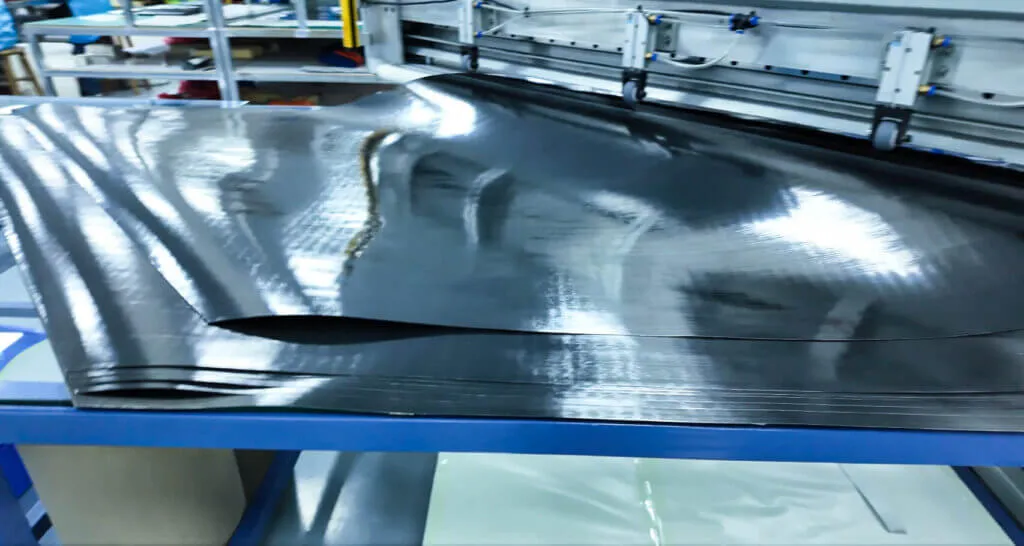
Comparative Analysis of Carbon Fiber Frame Cutting
Cutting technology governs material yield and structural stability. Variations in precision and edge integrity directly impact layup, trimming, and molding quality. Choosing between manual, CNC, laser, and ultrasonic cutting is the key to balancing cost with industrial-grade consistency.
4.1: Manual Cutting: Prototyping Flexibility
Manual cutting carbon prepreg is ideal for small-batch custom builds. While it allows for real-time adjustments, reliance on manual skill limits throughput and consistency in mass manufacturing.
4.2: CNC Cutting: Precision Scalability
CNC cutting carbon sheets offers the best balance of accuracy and waste reduction. For complex full-suspension designs, CNC ensures every prepreg ply matches design tolerances, securing batch uniformity.
4.3: Laser Cutting: Speed and Thermal Risks
Laser cutting carbon fiber boosts automation for bulk stock. However, the potential for micro-cracks in the Heat Affected Zone (HAZ) requires careful post-processing to avoid compromising structural reliability.
4.4: Ultrasonic Cutting: The High-End Benchmark
Ultrasonic cutting composite materials prevents delamination and fraying through high-frequency blades. It remains the ideal solution for premium OEM / ODM frames, preserving the integrity of UD and woven architectures.
The Logic of Precision Cutting Carbon Fiber
Precision cutting defines a frame’s structural ceiling. Beyond aesthetics, it governs fatigue life and batch consistency. Success requires synchronizing fiber orientation with equipment rigidity to suppress delamination during cutting, ensuring the mechanical integrity of high-end OEM/ODM builds.
5.1: Mitigating Delamination and Fraying
Combating delamination relies on optimized layup cutting speeds and surgical blade sharpness. High-rigidity fixtures combined with CNC trimming deliver clean fiber ends, neutralizing stress concentrations in the prepreg and ensuring a superior surface for final assembly.
5.2: Preserving Fiber Alignment and Structural Strength
Cutting paths must strictly follow the designed fiber axis. Even minor angular deviations can compromise local rigidity. Precise alignment ensures that the material’s structural properties translate directly to the frame’s performance without unnecessary strength loss.
5.3: Tooling Choice and Environmental Control
The composite cutting process demands specific tooling—ultrasonic or high-carbide blades—based on ply thickness and material grade. To ensure repeatability, high-end factories utilize climate-controlled cleanrooms to preserve the physical properties of the carbon plies before they enter the mold.
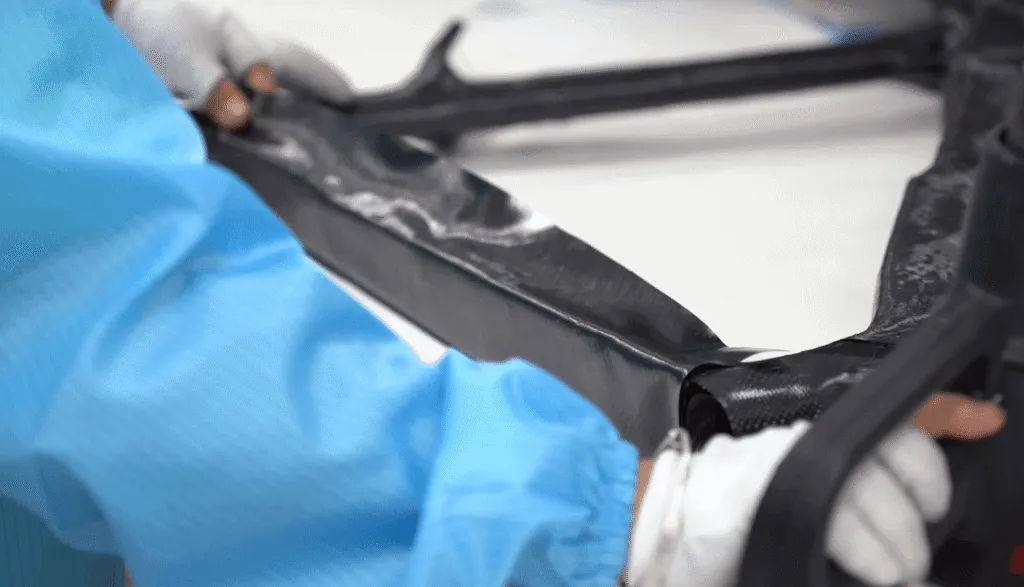
The Impact of Automated Cutting Systems
Automated cutting systems define the modern carbon factory. Integrating CAD/CAM with CNC and laser technology maximizes material yield and eliminates manual error. For OEM partners, this delivers a scalable cutting solution capable of handling complex UD / woven layups and aggressive geometries with industrial-grade reliability.
6.1: Scaling Consistency and Production Yield
Transitioning from manual → full automation secures batch uniformity. By ensuring every prepreg ply is dimensionally identical, factories provide a rock-solid foundation for mass-producing elite Road and MTB frames, while accelerating the workflow for carbon layup cutting and bike frame material trimming.
6.2: Digital Nesting and CAD/CAM Efficiency
Digital cutting utilizes CAD/CAM integration to optimize carbon sheet cutting paths and minimize waste. This precision bridges the gap between prepreg cutting and final layup, providing brand clients with a high-value, consistent production output that balances performance with cost-efficiency.
How Cutting Accuracy Impacts Frame Performance
Carbon bike frame material cutting governs more than just material yield—it defines a frame’s strength, stiffness, and weight balance. Precision cutting secures layup accuracy, enabling aggressive light-weighting while ensuring Gravel, MTB, and Road frames maintain elite-level stability and power transfer.
7.1: Influence on Strength and Stiffness
Accurate carbon fiber frame cutting prevents fiber misalignment, ensuring uniform stress distribution. By aligning every ply with the designed load paths, manufacturers can maximize torsional stiffness and optimize weight without compromising structural integrity or reliability.
7.2: Precision Cutting and Ride Quality
High-accuracy cutting ensures consistent ply fitment, allowing carbon fabrics to seat perfectly within the mold. This eliminates structural weak points. For Road, MTB, and Gravel builds, refined cutting tolerances translate to sharper handling and more immediate pedaling response.
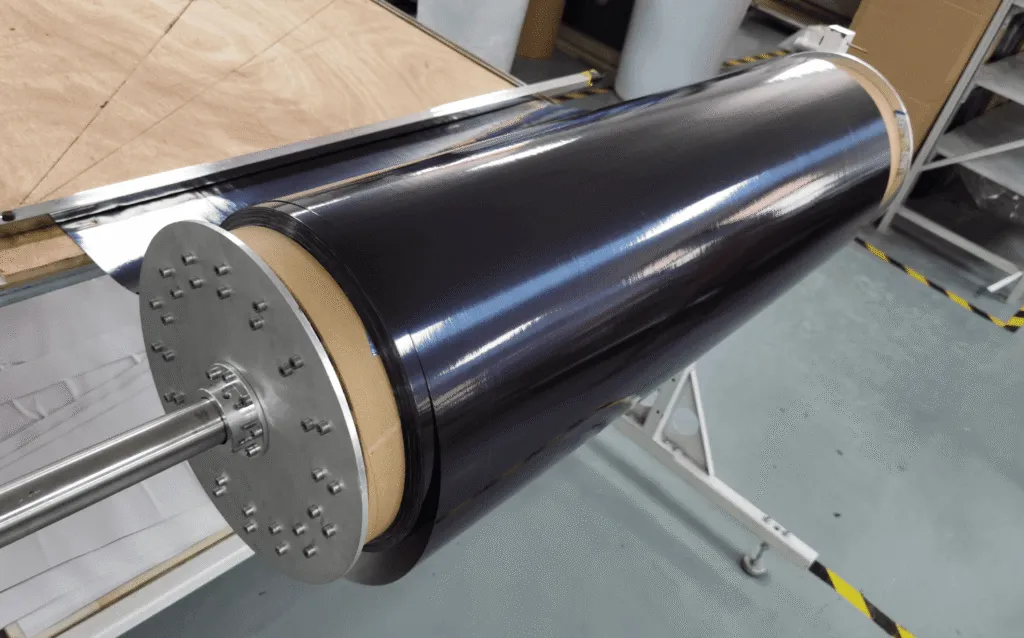
The Logic of Carbon Fiber Cutting Quality Control
Cutting precision governs a frame’s stiffness and weight. With 10+ years of expertise, we manage the entire lifecycle—from raw material to template design—ensuring every build hits elite Road and MTB benchmarks. We specialize in maintaining strict consistency across both custom orders and mass production.
8.1: Raw Material and Prepreg Cutting Standards
Incoming materials are vetted for resin and fiber alignment to prevent delamination or fraying during prepreg cutting. By integrating CNC accuracy with manual finishing, our carbon fiber material cutting secures the structural integrity of each ply before final layup.
8.2: Digital Templates and ±0.2mm Tolerances
Using CAD/CAM integration, we maintain a tight ±0.2mm tolerance for all carbon sheet cutting. This precision minimizes trimming labor and secures the geometric uniformity essential for premium frameset production.
8.3: Multi-batch Consistency for Global Brands
We utilize automated nesting and batch tracking to guarantee multi-batch consistency. From initial carbon layup cutting to final trimming, our process ensures stable mechanical performance and visual quality, meeting the high standards of B2B partners.
8.4: Custom vs. Automated Mass Production
Custom builds prioritize geometry adjustments via flexible cutting methods. Mass production utilizes automated cutting systems for composites and CNC cutting carbon sheets, maximizing material yield and efficiency while delivering high-performance results at scale.
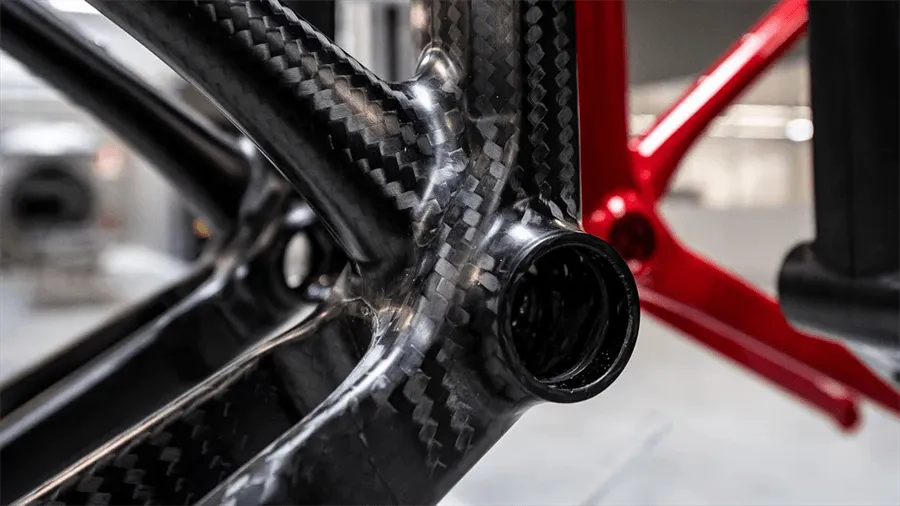
How to Select a Pro Carbon Bike Frame Manufacturer
Beyond materials, a supplier’s value lies in their carbon bike frame cutting process, precision cutting carbon fiber accuracy, and automated cutting systems. These elements secure geometric precision and structural consistency—critical for both high-volume delivery and custom project success.
9.1: Full Cutting Process Command
A mature supplier manages the entire cycle—prepreg cutting, carbon layup cutting, and final trimming. Vertical integration in cutting ensures uniform stress distribution and optimized weight, which are essential for long-term frame reliability and performance.
9.2: Automated Cutting for Scalability
Automated cutting systems for composites are essential for industrial consistency. By maximizing material yield and eliminating manual variance, they provide the rock-solid foundation needed to produce high-performance Road, MTB, and Gravel frames in volume.
9.3: Support for Geometry Customization
Elite partners provide sample cutting to validate geometry customization before mass production. This ensures that custom ride characteristics are preserved during scaling, delivering a final product that perfectly aligns with brand-specific performance goals.
FAQ: Mastering Carbon Fiber Material Cutting
Cutting precision defines a frame’s strength and weight. Your choice of cutting technology governs the success of the layup and final molding phases. Here, we break down the critical technical standards for B2B partners.
| Question | Recommended Cutting Method | Suitable Scenario | Key Notes |
|---|---|---|---|
| Which cutting method is best for carbon bike frames? | CNC Cutting / Ultrasonic Cutting | Mass production & high-precision prepreg | Ensures dimensional accuracy and reduces delamination |
| Does laser cutting carbon fiber affect strength? | Laser Cutting | Thin layers or edge trimming | May cause heat-affected zone (HAZ); trimming needed |
| Is CNC cutting carbon sheets better for volume production? | CNC Cutting | Medium to large batch | High repeatability, supports nesting optimization |
| Why is prepreg cutting more demanding? | Precision Prepreg Cutting | High-performance frames | Critical for fiber alignment, reduces bubbles and defects |
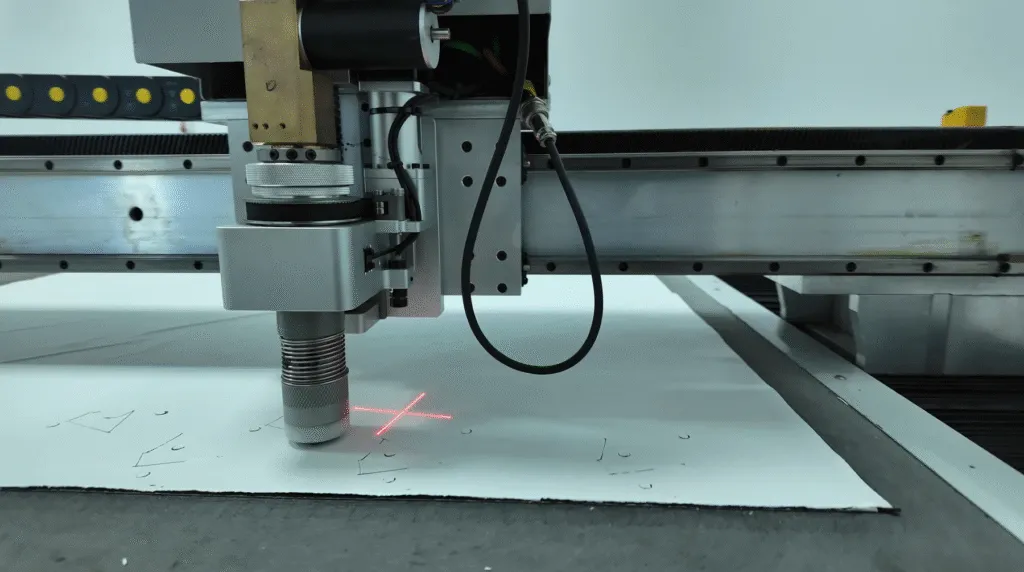
Conclusion: Cutting Precision Defines Frame Quality
A frame’s structural ceiling is set during the cutting phase. Elite CNC cutting, prepreg cutting, and carbon layup cutting, backed by automation and deep engineering roots, are the only paths to mass-production reliability. For B2B partners, cutting accuracy is the decisive factor in supplier selection.
11.1: Accuracy as a Performance Driver
Precision cutting secures fiber continuity and layup alignment. It is the essential foundation for achieving elite stiffness-to-weight ratios and ensuring every ply functions as designed under load.
11.2: The Shift Toward Automated Precision
The synergy of CNC, ultrasonic cutting, and smart nesting minimizes scrap and structural defects. This automation-first approach is the future of consistent, industrial-grade carbon manufacturing.
11.3: The Strategic Advantage of Professional Manufacturing
Mature factories command a full-cycle carbon bike frame cutting and QC ecosystem. This ensures prepreg cutting, carbon sheet cutting, and trimming remain perfectly uniform across batches, safeguarding brands from delivery and performance risks.
At HaideliBikes, our 11-year legacy in precision manufacturing ensures every cut delivers a high-performance masterpiece.