Upgrading your cockpit setup to carbon aero bars remains one of the single most cost-effective ways to cheat the wind and boost efficiency in modern road cycling. Whether you are a competitive criterium racer, a long-distance triathlete, or a performance-driven club rider, refining your front-end integration delivers a massive reduction in aerodynamic drag ($CdA$), making it significantly easier to sustain high speeds on flat sectors and solo breakaways.
This comprehensive technical guide breaks down the engineering behind carbon aero bars, analyzes the structural advantages of high-modulus layups, and helps you select the absolute best cockpit configuration to optimize your power-to-speed ratio.
What Are Carbon Aero Bars?
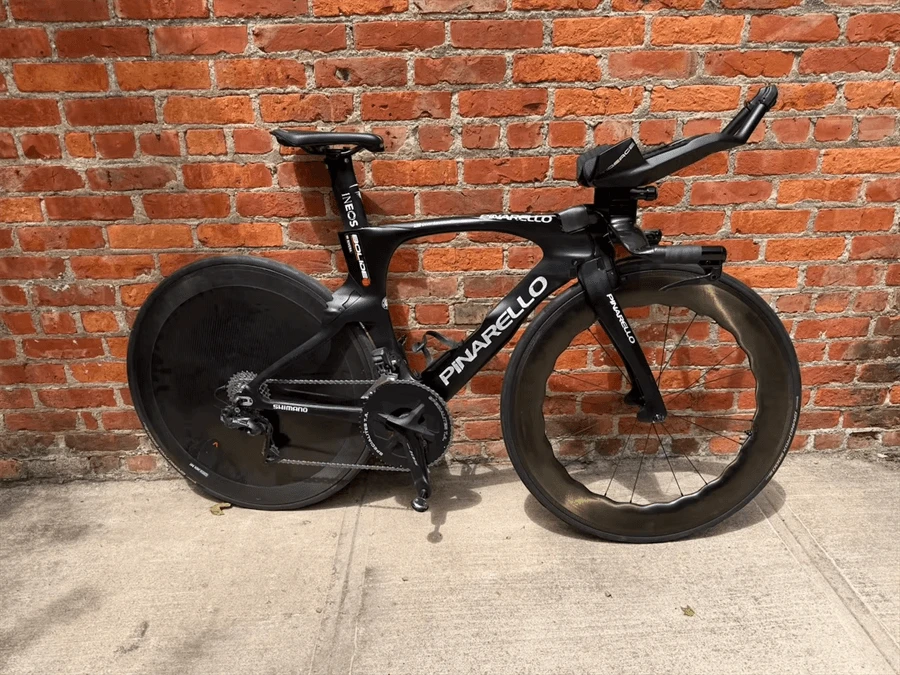
Carbon aero bars are specialized aerodynamic handlebar systems engineered to minimize a rider’s frontal profile and clean up the airflow over the bicycle’s front triangle. By replacing traditional round tubes with airfoil-shaped cross-sections, these systems allow you to drop into a lower, more streamlined riding position without sacrificing comfort.
Compared to standard drop bars, advanced carbon aero bars deliver distinct mechanical advantages:
-
Minimized Frontal Surface Area: Flattened tops cut through clean air, dramatically reducing pressure drag.
-
Optimized Biomechanical Alignment: Ergonomic profiles support your forearms and wrists, encouraging an efficient, narrow-elbow posture.
-
Maximum Watts Saved: By smoothing out the turbulent airflow around the front brake hoses and shifter housing, they maximize sustained velocity.
Modern racing cockpits have evolved beyond simple clamp-on additions; they are now fully integrated, single-piece structural units that fuse the stem and handlebars into a seamless, high-performance module.
Aero Handlebars for Road Bikes: Engineering the Cockpit
Every component on a premium road bike is subject to the laws of fluid dynamics, and your handlebar setup is the first point of contact for oncoming air. Aero handlebars for road bikes are specifically shaped to mitigate the turbulent wake generated by a rider’s hands and shifters.
Beyond purely aerodynamic profiles, carbon fiber manufacturing allows engineers to vary wall thickness and fiber orientation (layup schedules). This creates targeted compliance zones that damp high-frequency road vibrations, reducing upper-body fatigue during grueling five-hour race stages. Furthermore, these bars feature dedicated entry and exit ports for full internal cable routing, keeping hydraulic brake lines completely hidden from the wind and protected from the elements.
Road Bike Aero Bars for Speed: Quantifiable Performance Benefits
The primary driver behind upgrading to dedicated road bike aero bars is raw aerodynamic efficiency. In competitive cycling, over 80% of total resistance comes from aerodynamic drag, with the rider’s body causing the vast majority of that penalty.
By switching to an optimized carbon aero bar, riders experience real-world gains that scale significantly as velocity increases:CdA Reduction: The flattened upper profile significantly drops your coefficient of aerodynamic drag ($CdA$).Higher Cruising Velocity: Maintain a 35 km/h or 40 km/h pace while expending fewer total watts.Energy Conservation: Saving 10 to 15 watts over a long solo effort preserves critical glycogen stores for the final sprint or run leg.High-Speed Stability: Crosswind-optimized wing profiles prevent the front wheel from tracking erratically during technical descents.
Clip-On Aero Bars: The Modular Aerodynamic Entry Point
For riders looking to test the waters of time trials or multi-sport racing without committing to a completely new integrated front end, clip-on aero bars offer an excellent modular alternative.
Advantages:
Highly Cost-Effective: Delivers roughly 70–80% of the flat-line aero benefits of a dedicated TT bike for a fraction of the cost.
Rapid Adaptability: Easily bolts onto standard 31.8mm round clamping zones for race weekend and detaches for group rides where clip-ons are prohibited.
Adjustable Fitment: Offers extensive adjustability for stack height, reach, and arm-pad width to dial in a conservative or aggressive fit.
Limitations:
Weight Penalty: Separate clamps, extensions, and armrest cups add extra grams compared to single-piece configurations.
Knee Clearance & Handling: Can occasionally restrict knee clearance when climbing out of the saddle.
Component Compatibility: Will not mount to proprietary, non-round aero drop bars without specific manufacturer adapters.
Selecting the Best Aero Bars for Competitive Road Racing
When vetting high-end carbon cockpits for competitive racing, elite riders evaluate four core performance pillars:
-
Torsional Stiffness: Sprinters and climbers require zero flex when pulling on the drops under maximum torque loads ($1000\text{W}+$ out-of-the-saddle efforts).
-
Uncompromised Weight: Utilizing high-modulus Toray carbon fiber allows manufacturers to create deep aero wing sections without adding rotational mass that degrades snappy acceleration.
-
Cockpit Integration: Look for setups that route cables internally through the bar and stem directly into the headtube, hiding drag-inducing components from the wind.
-
Ergonomic Hood Transitions: A smooth, flat transition from the handlebar tops to the shifter hoods allows you to comfortably ride in the “aero hoods” position (elbows bent at 90 degrees) for extended periods.
Time Trial Carbon Setups: Maximizing the Aero Tuck
For pure against-the-clock disciplines like individual time trials (ITT) and non-draft legal triathlons, a dedicated time trial aero bars carbon setup is mandatory.
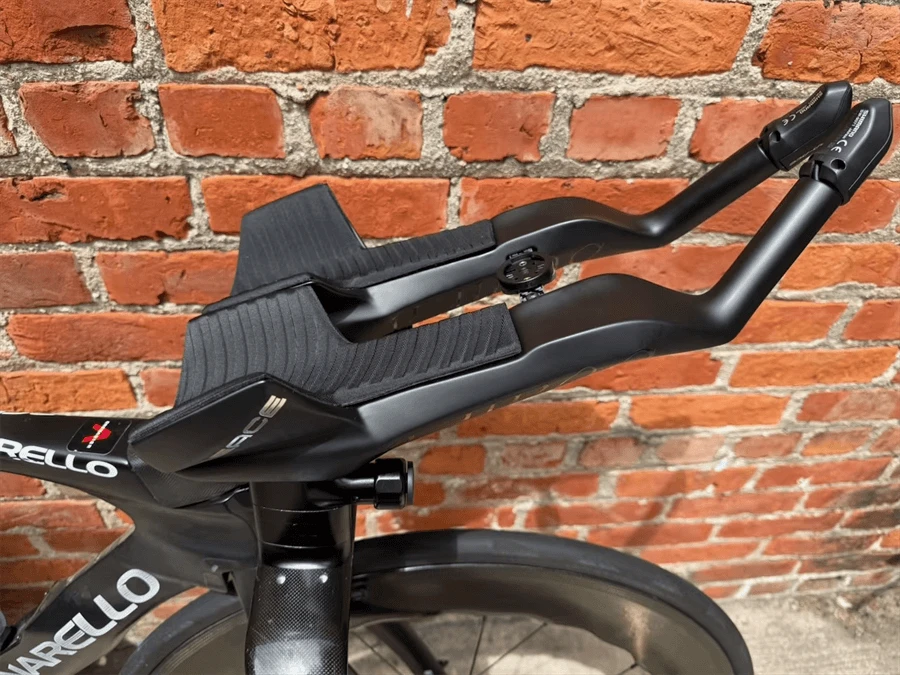
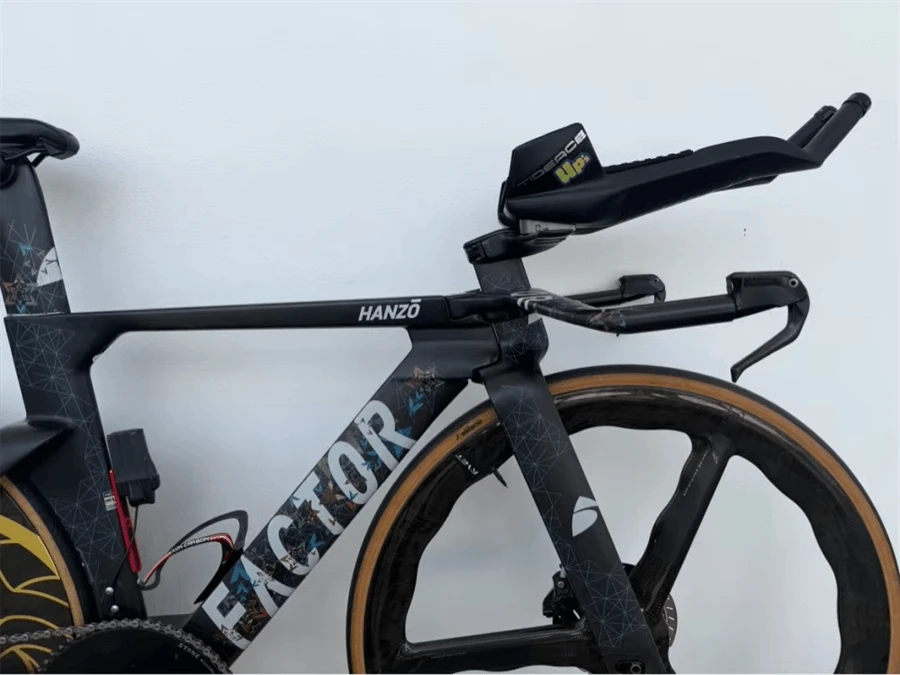
In these events, the objective is to shrink the rider’s frontal area as much as possible by pulling the elbows close together and extending the arms forward into a “ski-bend” or “J-bend” posture. High-end carbon extensions feature highly adjustable pad stack heights, rotatable arm cups, and integrated housing for electronic shifting buttons (Di2 or AXS) directly at the fingertips, ensuring you never have to break your aero tuck to shift gears.
Integrated Aero Cockpits: The Future of High-Performance Front Ends
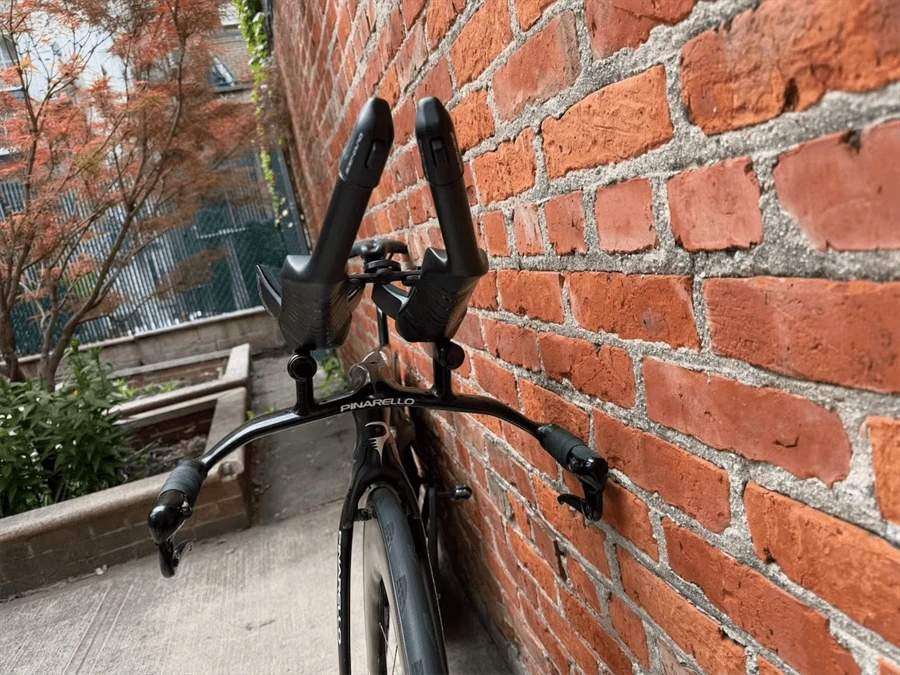
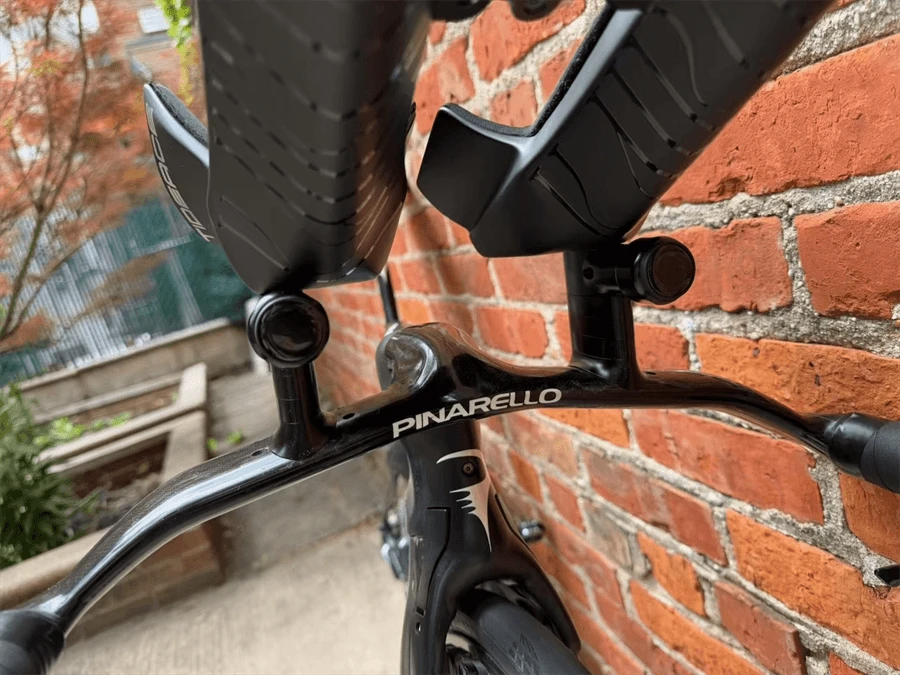
The pinnacle of modern bicycle engineering is the one-piece integrated aero cockpit carbon system. By eliminating the traditional two-piece bar and stem clamp interface, engineers remove a massive source of structural weight and frontal turbulence.
This structural continuity allows for a continuous internal cavity, enabling hydraulic lines and electronic wiring to route seamlessly from the shifters into the frame entirely out of sight. The result is a stunningly clean aesthetic, rock-solid sprinting stiffness, and an incredibly low drag profile that defines the absolute fastest bikes in the pro peloton.
Aero Handlebars vs. Standard Handlebars: Performance Benchmarks
To quantify the competitive advantages, the table below highlights the performance tradeoffs between an optimized carbon aero bar and a traditional round aluminum handlebar.
| Performance Metric | Carbon Aero Cockpit | Traditional Round Alloy Bars |
| Aerodynamic Drag Reduction ($CdA$) | Excellent (Optimized wing profile) | Poor (Round tubes create high air turbulence) |
| Estimated Watts Saved (@ 40 km/h) | 10W – 25W | Baseline (0W Saved) |
| Torsional Sprint Stiffness | Extremely High (Continuous carbon layup) | Moderate (Prone to flexing under high torque) |
| Vibration Damping & Comfort | Superb (Carbon fiber dissipates road buzz) | Harsh (Alloy transmits road chatter directly) |
| Cable Management | Full Internal Routing | External/Semi-Internal |
| Weight | Highly Optimized (Ultra-light variants available) | Heavy clamp hardware / basic alloy extrusions |
Lightweight Carbon Aero Extensions
For riders upgrading their time trial or triathlon rigs, lightweight carbon aero extensions are critical components. Swapping heavy aluminum extensions for premium carbon variants provides clear physical benefits:
-
Rotational Weight Reduction: Shedding weight from the front end lightens the steering input, making the bike feel incredibly responsive when navigating technical courses.
-
Superior Ergonomics: Carbon fibers can be molded into complex 3D shapes that perfectly cradle your wrists, reducing muscle strain over a 180 km Ironman bike leg.
-
Structural Strength: High-stiffness profiles ensure that when you leverage the bars to lay down power over rollers, your cockpit remains perfectly rigid.
Is an Aero Road Bike Cockpit Upgrade Worth It?
If your goal is to extract the absolute maximum speed from your current setup, investing in an aero road bike cockpit upgrade delivers one of the highest returns on investment in cycling technology. While deep-section carbon wheels are highly effective, the front handlebar hits clean air first, making it a critical area for drag reduction.
The Performance Verdict: Upgrading to a clean, integrated carbon cockpit yields a 2% to 5% increase in total aerodynamic efficiency. At typical racing speeds over 35 km/h, this translates to a massive speed increase for the exact same power output, alongside vastly improved fatigue management over long distances.
Frequently Asked Questions
Are carbon aero bars legal in road racing?
Yes, standard aerodynamic drop handlebars with integrated profiles are fully legal in all UCI-sanctioned road races. However, forward-facing “clip-on” aero extensions are strictly prohibited in mass-start road races for safety reasons, though they remain fully legal in non-drafting triathlons and time trials.
Do aero bars actually make you faster?
Absolutely. Wind tunnel testing and real-world power meter data consistently prove that aero handlebars substantially lower your overall $CdA$. By cleaning up front-end turbulence and allowing you to hold a more aerodynamic body posture, they deliver a repeatable, measurable boost to your average speed.
What is the structural difference between clip-on and integrated aero bars?
Clip-on aero bars are modular, bolt-on accessories designed to clamp onto an existing round handlebar for temporary aero positioning. Integrated aero bars are single-piece, structural carbon modules that combine the drop handlebars and the stem into one continuous, non-adjustable system optimized for minimum weight and drag.
How much power can I save by switching to an aero bar?
Depending on your speed, your original handlebar profile, and how well your cables are hidden, an aero handlebar system will save between 10 and 25 watts at 40 km/h. When combined with the aerodynamic body posture the bars encourage, total power savings can exceed 40 watts compared to riding completely upright on traditional round bars.