Skip to content


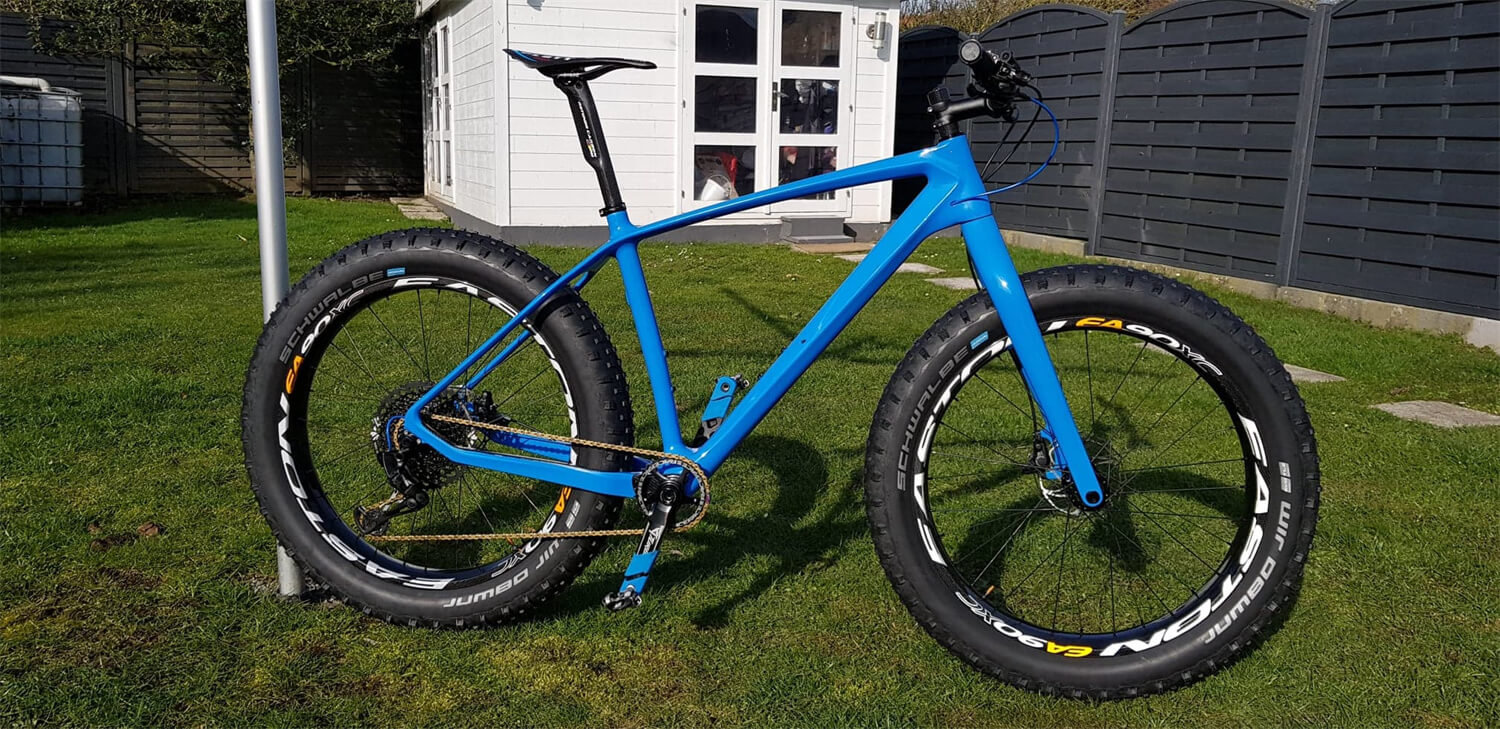
When it comes to riding on snow and sand, many riders know that standard bike frames struggle to provide adequate traction. This is why more and more people are turning to fat bike frames. Fat bike frames, especially those with wide tires, increase contact area, offering better traction on soft surfaces. According to research from FatBike.com, fat tire bike frames perform significantly better in sand and snow, reducing slip and providing improved stability.
Many enthusiasts opt for carbon fat bike frames, as they not only reduce weight but also offer enhanced stiffness and durability through precise carbon layup, ideal for long, demanding rides. For off-road riders, framed fat bikes have become a top choice for tackling tough terrains.
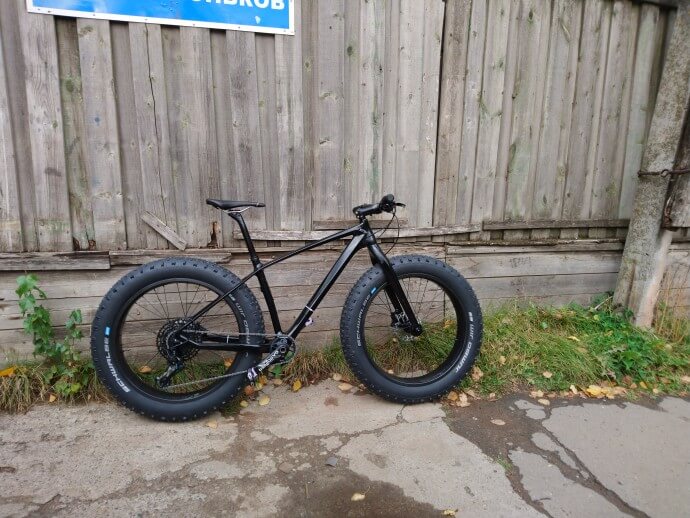
While the benefits of fat bike frames are clear, not all frames are suited for every type of surface. Understanding the design features of each frame, particularly the material and geometry, is key to maximizing performance on snow and sand.

How Fat Bike Frames Improve Traction on Snow and Sand
Fat bike frames are designed for soft terrain like snow and sand. Wide tires, specialized geometry, and lightweight yet stiff materials help riders maintain control, reduce slippage, and maximize power transfer. Understanding these factors aids in selecting the right carbon fat bike frame for optimal traction and stability.
1: Role of Wide Tires and Lower Tire Pressure
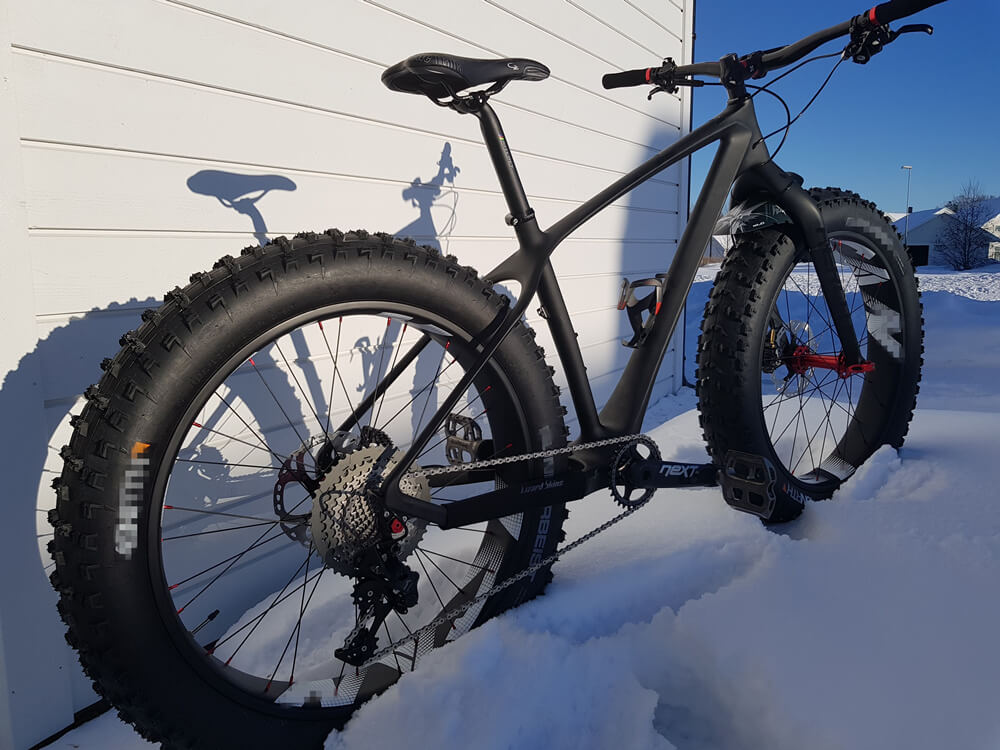
Fat bikes use tires 4 inches or wider, increasing ground contact. Combined with lower tire pressure, tires “float” over snow or sand instead of sinking, improving grip and preventing wheel spin. This surface flotation is key to traction.
2: Frame Material Impact on Traction
Frame material—aluminum, steel, or carbon fiber fat bike frames—affects stiffness, weight, and vibration damping. Carbon offers a superior power-to-weight ratio and responsive flex, helping maintain consistent tire contact and enhancing traction on loose surfaces. Proper material choice also reduces fatigue and improves handling.
3: Other Design Factors Affecting Traction
Fat bike geometry is crucial. A lower bottom bracket, longer wheelbase, and wider rear triangle boost stability and prevent slipping. Frame angles and chainstay width distribute weight across tires, improving traction during cornering and climbing. Combined with the right tires and materials, these design choices make carbon fat bike frames highly effective for snow and sand.
Advantages and Challenges of Fat Bike Frames for Snow and Sand Riding
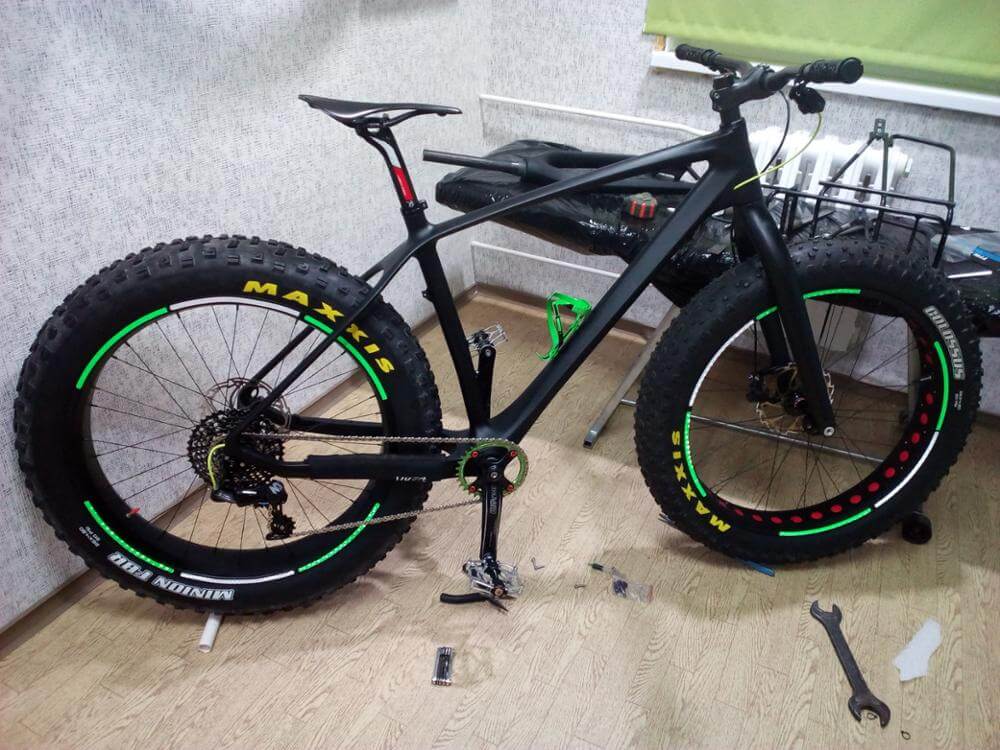
Fat bike frames, with their extra-wide tires and stable geometry, are designed for soft surfaces such as snow and sand. Choosing the right fat bike frame can improve buoyancy and handling, as well as pedaling efficiency and riding stability. However, these frames are typically heavier than regular mountain or road bikes, which can pose a handling challenge for beginners or long-distance riders. Understanding their advantages and limitations helps riders make more informed choices for different terrains.
1: Advantages: Better Buoyancy and Control
The wide tires and lower tire pressure of fat bikes provide excellent buoyancy, preventing the tires from sinking into soft snow or sand. At the same time, the frame width and stable geometry increase handling, allowing riders to maintain balance on rough or slippery surfaces. For long-distance expeditions or polar riding, these frames significantly improve traction and comfort, making them ideal for extreme terrains.
2: Challenges: Frame Weight and Handling Difficulty
Fat bike frames are typically 10–20% heavier than regular mountain bike frames. Combined with the added weight of the tires and rims, this requires more power to handle and accelerate. For beginners or riders who frequently need to move their bikes, this can increase the learning curve and fatigue. Furthermore, while wider tires and lower tire pressure improve buoyancy, they can reduce efficiency on paved surfaces or long, flat rides, requiring adjustments to riding strategy.
Comparison of Carbon Fiber vs. Traditional Fat Bike Frames
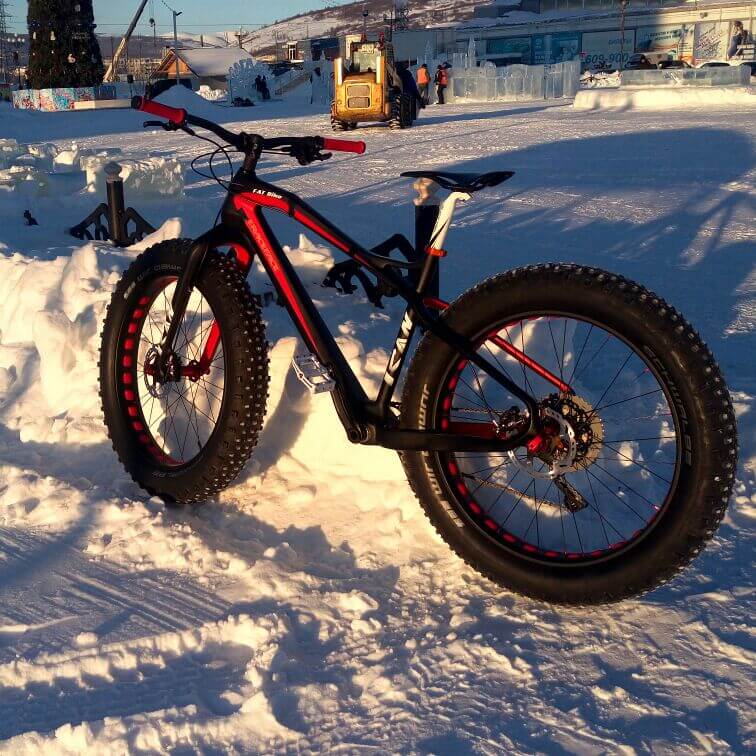
The riding experience of a fat bike depends not only on tire width, but also on the frame material. Carbon fiber fat bike frames show significant differences in weight, stiffness, and shock absorption compared to traditional aluminum or steel frames. Understanding these differences helps riders achieve a more stable and efficient handling experience on snow, sand, or soft terrain. Below, we analyze this in detail from the two core perspectives of lightweighting and comfort.
| Feature / Aspect | Traditional Bike Frame | Fat Bike Frame |
|---|---|---|
| Tire Width | 1.5 – 2.5 inches | 3.7 – 5 inches or wider |
| Intended Terrain | Paved roads | Snow, sand, loose dirt |
| Traction | Moderate | High |
| Stability on Soft Surfaces | Low | High |
| Weight | Usually lighter than fat bike | Heavier with metal, lighter with carbon |
| Riding Focus | Speed, efficiency | Durability, versatility |
1: The Lightweight Advantages of Carbon Fiber Fat Bike Frames
Carbon fiber fat bike frames are typically 20% to 30% lighter than aluminum or steel frames, significantly reducing the overall weight of the bike. This lightweight advantage is particularly noticeable when riding on sand or snow: reduced inertia makes starting, steering, and climbing more agile, while also reducing fatigue during long rides. Professional riders often use the term “snappy handling” to describe the responsiveness of carbon fiber frames on low-friction terrain. Lightweight construction also means higher power transfer efficiency, helping riders maintain a steady speed on soft surfaces.
2: Durability and Comfort of Carbon Fiber Frames
High-modulus carbon fiber is not only lightweight but also possesses excellent fatigue strength and corrosion resistance, ensuring durability during extended riding. Compared to metal frames, carbon fiber can achieve a combination of stiffness and flexibility in different directions through laminated structural designs, effectively absorbing road vibrations and improving ride comfort. Many professional factories perform compliance tuning on fat bike frames to reduce vibration transmission to the arms and back during snow and sand riding, resulting in a smoother riding experience while maintaining precise control.
Conclusion: Are Fat Bike Frames Suitable for Snow and Sand Riding?
The Fat Bike Frame was designed to handle low-friction, soft, extreme terrain. Through a combination of wide tires, low tire pressure, and frame materials, it provides better traction and handling stability on snow and sand. Considering the lightweight advantages of carbon fiber, its combined stiffness and flexibility in shock absorption, and the strength comparison with traditional aluminum or steel frames, riders can assess the investment value based on their needs. The following is a summary from the perspectives of applicable scenarios and riding requirements.
1: Comprehensive Analysis: Applicable Scenarios for Fat Bike Frames
Carbon fiber Fat Bike Frames perform exceptionally well on snow and sand:
- Snow Riding: The lightweight frame combined with wide tires and low tire pressure reduces sinking, improving acceleration response and handling precision.
- Sand Riding: The lightweight frame and balanced weight distribution allow for straight-line stability and steering agility on soft sand.
- Multi-Terrain Adaptability: Combining durability and comfort, carbon fiber fat bike frames are also suitable for long-distance adventures and lightweight exploration.
Based on the above analysis, carbon fiber fat bike frames can provide higher efficiency and riding experience in certain extreme terrains, while maintaining durability and comfort.
2: Recommendations for Different Riding Needs
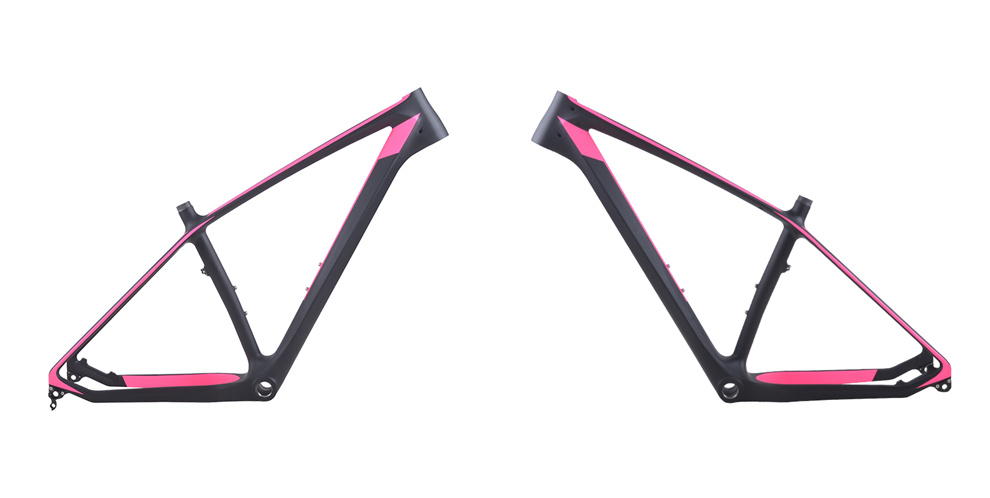
- Extreme Snow/Sand Riders: High-modulus carbon fiber fat bike frames are recommended, balancing lightweight design and shock absorption for improved handling. Haidelibikes FB-003 26er carbon fiber fat bike frame will be a good choice.
- Recreational/Adventure Riding: Medium-modulus carbon fiber or aluminum alloy fat bike frames can meet the needs, balancing durability and cost.
- Long-Distance Endurance Riders: Prioritize comfort and stability; riding posture can be optimized through frame geometry adjustments (reach, stack, front center).
In summary, choosing a carbon fiber fat bike frame is suitable for riders seeking high-performance handling, low ground sink, and comfortable long-distance riding. The wisest strategy is to flexibly choose materials and frame geometry based on budget and riding scenarios.
If you need guidance or want to explore custom options, feel free to contact us anytime.