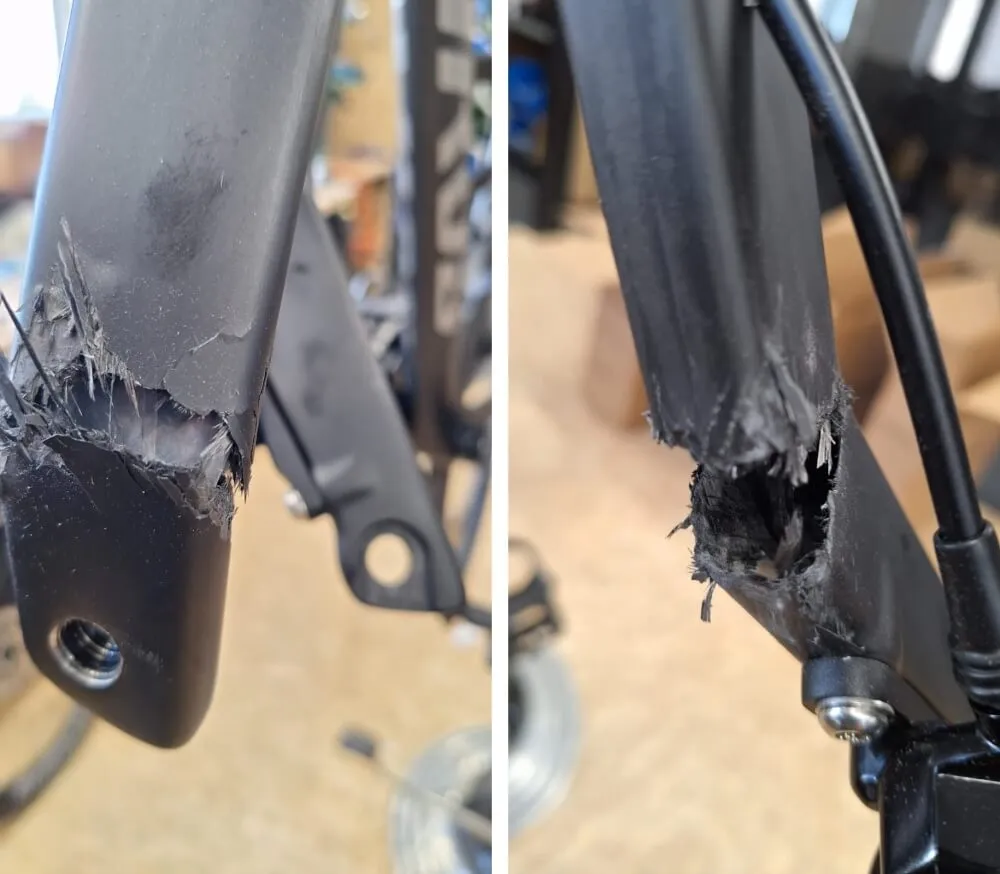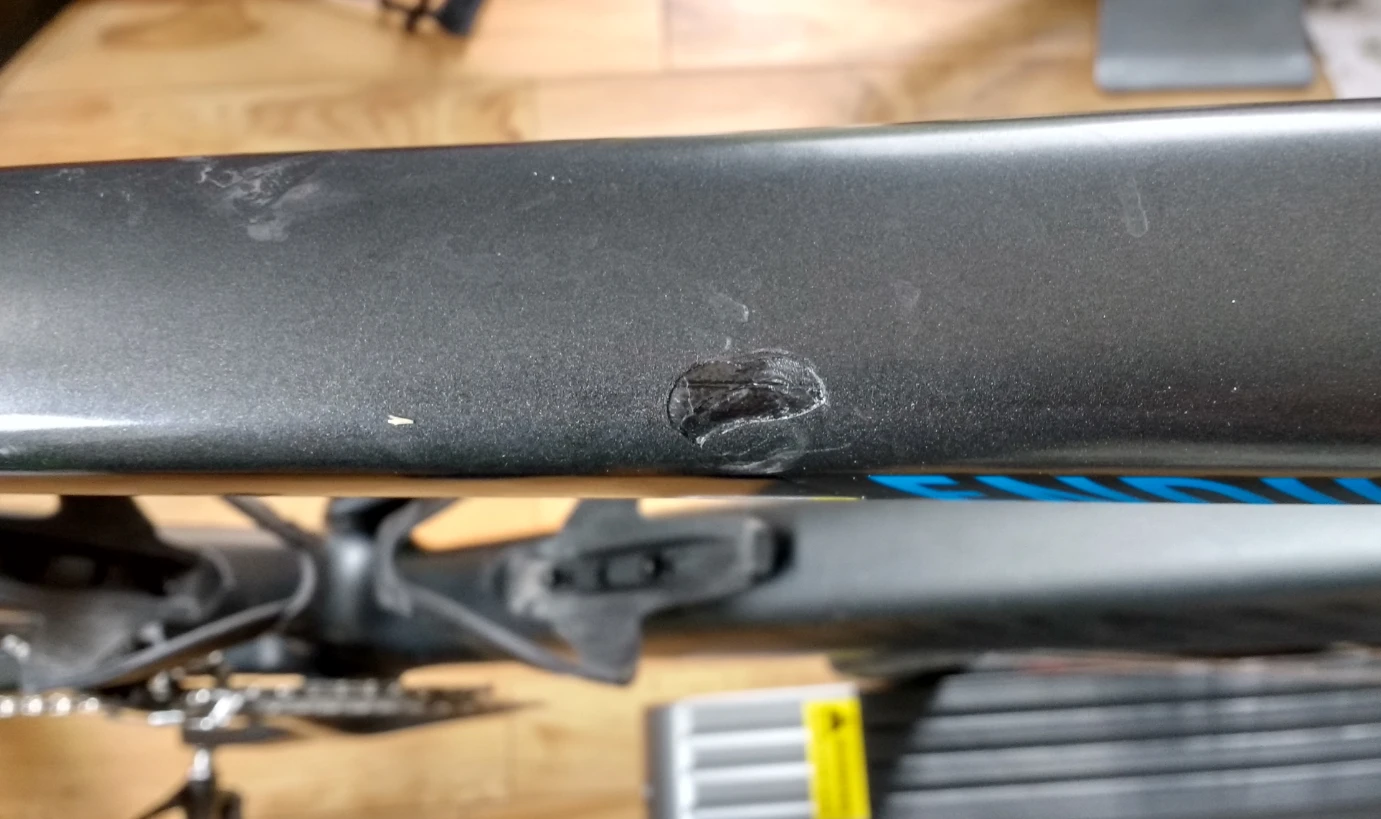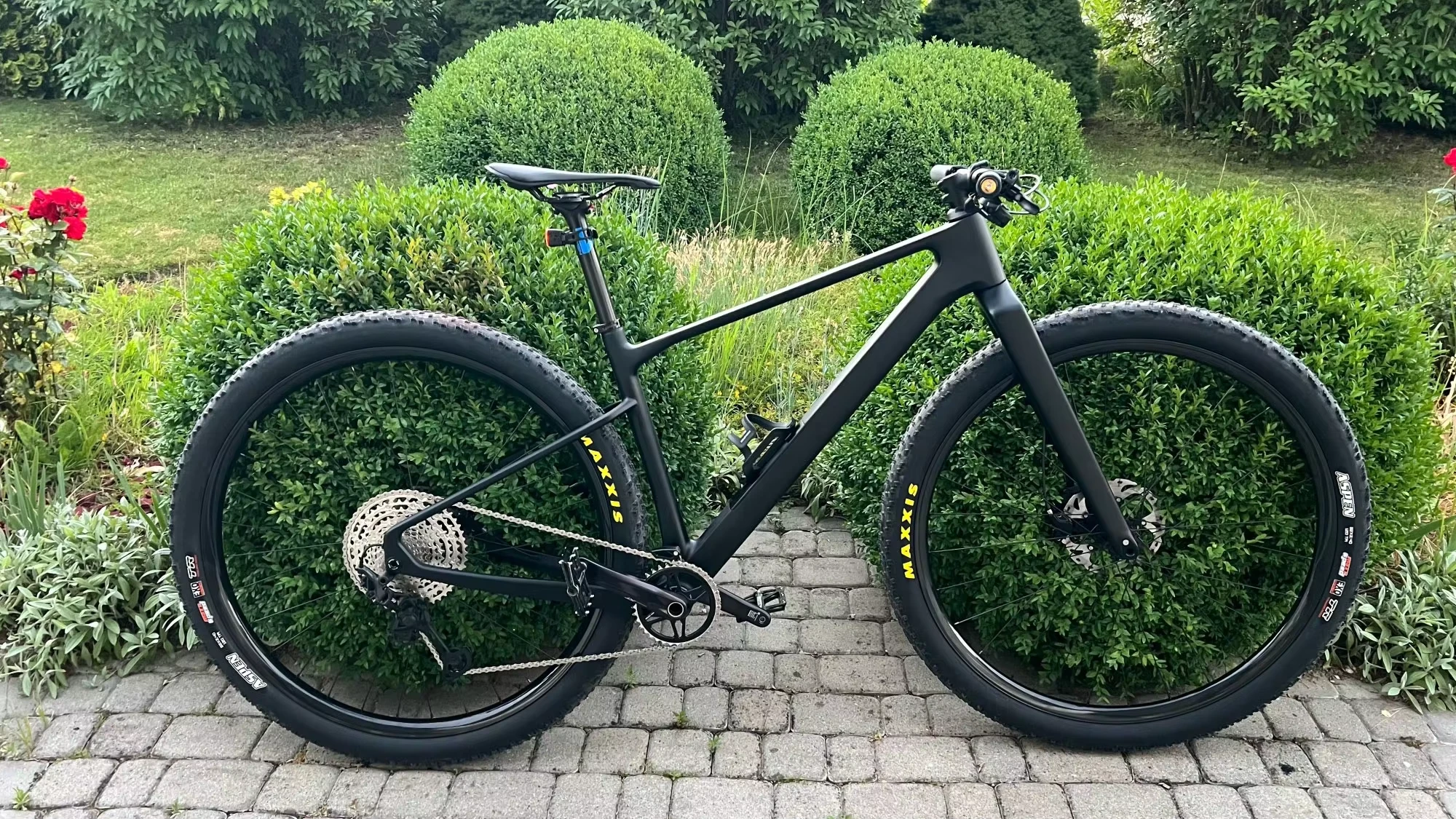
A common misconception is that increased carbon bike frame thickness equates to a stronger Carbon Bike Frame. In reality, expert carbon bike frame production proves that raw bulk is no substitute for engineering. Performance is a product of carbon bike frame stiffness, precision fiber layup, and strategic load paths.
Industry labs and cycling media confirm that durability stems from sophisticated layup schedules, not just material volume. As a veteran carbon frame manufacturer, our focus in carbon bicycle frame production remains on structural engineering and obsessive quality control—the true pillars of a world-class frame.
The Thickness Myth: Why More Carbon Doesn’t Mean More Strength
When sourcing a Carbon Bike Frame, many treat carbon bike frame thickness as a definitive benchmark for durability. However, in professional carbon bike frame production, structural integrity is driven by fiber layup, strategic load paths, and resin precision. To truly gauge carbon bike frame quality, you must focus on the engineering, not the bulk.
1.1: The Legacy of Metal Frame Intuition
Most cyclists developed their sense of strength from aluminum or steel, where thicker walls equate to a more rugged frame. When transitioning to a carbon bike frame, many carry over that bias, assuming more material results in a more robust structure.
1.2: How Marketing Skews the “Reinforcement” Narrative
Brands often tout “extra carbon layers” as a selling point for toughness. From an engineering standpoint, stacking layers doesn’t dictate carbon bike frame stiffness or reliability. True durability is about how those layers integrate, not just how many you have.
1.3: Ignoring the Fundamentals of Composites
Carbon fiber performance depends on fiber orientation, the layup schedule, and the resin ratio. Elite carbon bicycle frame production focuses on the precision of fiber angles and structural architecture. In high-performance composites, intelligent design beats raw thickness every time.
The Thickness Myth: Why More Carbon Doesn’t Always Mean More Strength
When sourcing a Carbon Bike Frame, many riders and procurement managers treat carbon bike frame thickness as a definitive benchmark for durability. However, in professional carbon bike frame production, structural integrity is actually driven by fiber layup, strategic load paths, resin systems, and molding precision. To truly gauge carbon bike frame quality, we have to look past the bulk and focus on the engineering.
2.1: The Legacy of Metal Frame Intuition
Most cyclists cut their teeth on aluminum, steel, or titanium, where thicker tubing walls directly translate to a more rugged frame. When transitioning to a carbon bike frame, it’s easy to carry over that bias, assuming that more material automatically results in a more robust structure.
2.2: How Marketing Skews the “Reinforcement” Narrative
It’s common to see brands touting “extra carbon layers” or “reinforced tubing” as a selling point for toughness. From an engineering standpoint, simply stacking layers doesn’t dictate carbon bike frame stiffness or long-term reliability. True durability is about how those layers work together, not just how many you have.
2.3: Ignoring the Fundamentals of Composites
Carbon fiber is a composite; its performance depends on fiber orientation, the layup schedule, and the resin ratio. Elite carbon bicycle frame production focuses on the precision of fiber angles and structural architecture. In the world of high-performance composites, intelligent design beats raw thickness every time.
Striking the Balance: Mastering Strength-to-Weight in Carbon Bike Frame Production
In high-end carbon bike frame production, the goal is shedding grams without compromising the structural backbone. Beyond mere carbon bike frame thickness, the synergy of layup architecture and molding precision dictates carbon bike frame stiffness, impact resistance, and structural integrity. Precision-tuning every parameter is the only way to deliver a featherweight frame that crushes fatigue life and dynamic response benchmarks.
3.1: Material Selection and Resin Systems
High-modulus carbon fiber, premium prepregs, and engineered resin systems significantly boost a frame’s load-bearing capacity. This combination optimizes weight distribution while ensuring the impact resistance and rigidity required for elite performance.
3.2: Precision Layup: Engineering Every Layer
Elite carbon bicycle frame production moves past raw bulk. By optimizing fiber orientation and strategic local reinforcements, we place strength exactly where stress paths demand it. This surgical approach ensures critical junctions are rock-solid while stripping away redundant material that hinders lightweight goals.
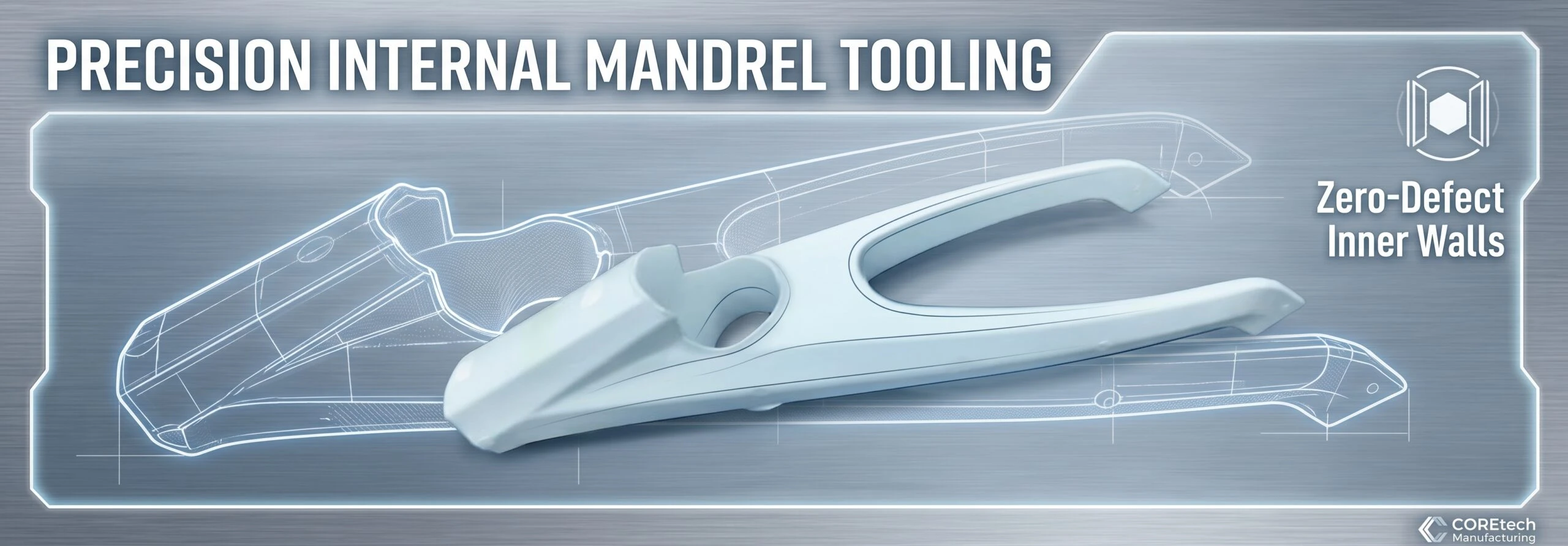
3.3: The Critical Role of Tooling and Molding
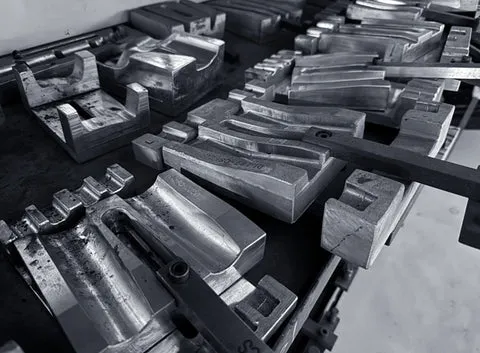
From internal bladder molding to high-pressure autoclaving, every step defines the final carbon bike frame quality. Precision tooling and rigorous cure cycles eliminate internal voids, ensuring the frame maintains its torsional stiffness and fatigue durability through years of aggressive riding.
Beyond the Surface: How to Truly Gauge Carbon Bike Frame Quality
Judging a carbon bike frame by thickness is a rookie mistake. Quality is driven by structural architecture and advanced processing. High-end frames must undergo rigorous carbon bike frame testing and fatigue resistance assessment. We ensure every layup meets peak standards, balancing weight and stiffness to deliver the reliability global brands demand.
4.1: Survival of the Fittest: Impact and Fatigue Testing
A tier-one carbon frame manufacturer leaves nothing to chance. We use impact tests and relentless fatigue cycling to simulate brutal real-world conditions. This isn’t just about verifying structural integrity; it’s about guaranteeing performance consistency across every batch we ship.
| Test Type | Purpose / What It Measures | Typical Method / Standard | Relevance to Carbon Bike Frame Quality |
|---|---|---|---|
| Impact Test | Measures frame’s resistance to sudden shocks | Drop test, Charpy impact test | Ensures the frame can handle crashes and trail obstacles |
| Stiffness Test | Evaluates frame rigidity and flex behavior | Torsion/compression testing | Critical for power transfer and precise handling |
| Fatigue / Endurance Test | Assesses long-term durability under repeated loads | Cyclic load testing (lab simulation) | Predicts lifespan and ensures structural integrity over time |
| Torsional Resistance Test | Measures twist under lateral forces | Bench test, FEA simulation | Important for cornering stability and rider confidence |
4.2: Internal Consistency: Eliminating Hidden Risks
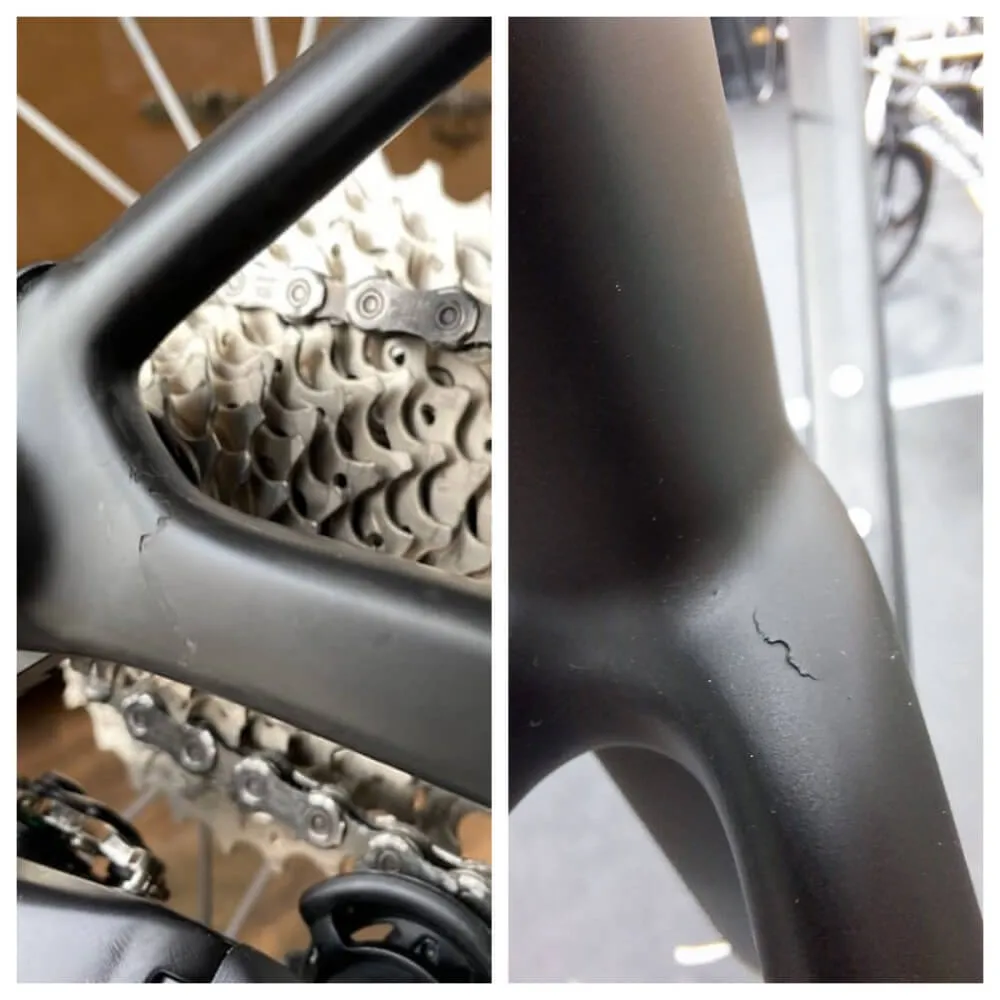
Internal voids or ply misalignment are “time bombs” for frame life. In professional carbon bicycle frame production, high-precision layup and curing are non-negotiable. Eliminating these flaws ensures every carbon bike frame layup remains uniform and reliable over years of abuse.
4.3: The Factory Standard: Obsessive Quality Control
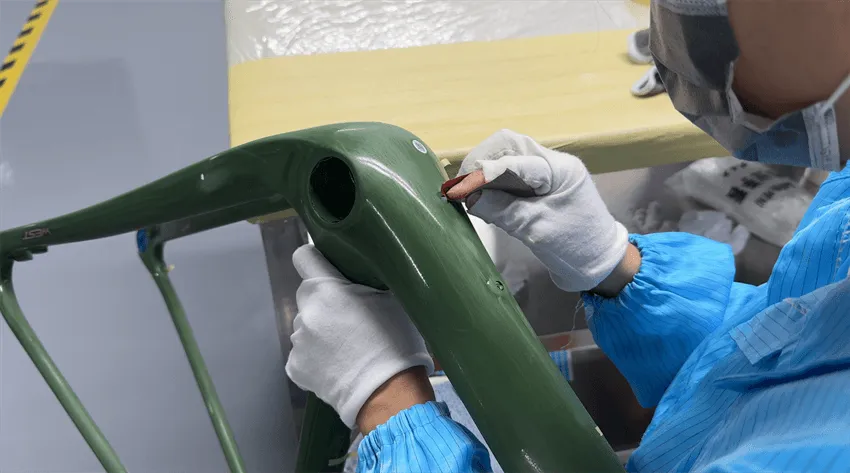
A veteran factory thrives on a watertight quality assurance system. From raw material inspection to final bench testing, every stage is a critical checkpoint. This standardized carbon bike frame production provides wholesalers the peace of mind they need to scale.
Conclusion: True Carbon Bike Frame Performance is Engineered, Not Just Thick
A high-performance carbon bike frame is never the result of raw material bulk; it’s a product of precision fiber layup, advanced resin systems, and strategic load-path optimization. In elite carbon bike frame production, a veteran carbon frame manufacturer maintains obsessive control over layup consistency, curing cycles, and structural testing. We provide brands and wholesalers with frames that balance lightweight goals with raw stiffness and durability—ensuring every build retains its structural integrity and razor-sharp responsiveness through the most brutal conditions.