Skip to content


Whether tackling rugged mountain trails or pushing your limits on flat cross-country courses, MTB handlebars are essential for any mountain biker. In 2026, handlebars must not only provide comfortable handling but also offer greater durability and performance to handle complex terrain and extended rides. Carbon fiber handlebars with ergonomic designs improve efficiency and reduce wear over time.
According to Bikeradar and MTB.com, over 75% of high-end mountain bikes now use carbon fiber handlebars, thanks to their lightweight (30-40% lighter than aluminum) and high-strength benefits. Additionally, carbon fiber handlebars can reduce vibration by up to 40%, significantly boosting rider comfort on rough trails, making them crucial for long-distance and extreme terrain riding.
Why are Durable and High-Performance MTB Handlebars Crucial?
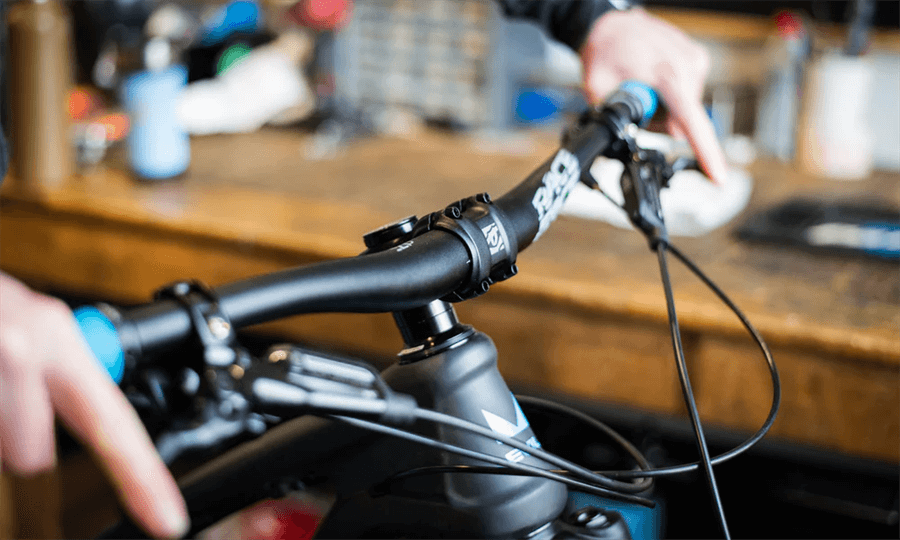
For mountain bike parts suppliers, the durability and performance of MTB handlebars directly impact the riding experience and market competitiveness. Wholesalers and brands focus on product quality stability, long-term reliability, and performance under extreme conditions. Strength and shock resistance are key to ensuring stable performance on complex terrain, and material selection is crucial for safety.
1.1: The Relationship Between Durability and Riding Safety
The durability of MTB handlebars determines rider safety under harsh conditions. Especially during fast descents and off-road riding, handlebars must effectively absorb impact forces and reduce fatigue caused by vibrations. Carbon fiber handlebars, due to their lightweight and shock-absorbing properties, have become the preferred choice in the high-end market. According to Bikeradar data, carbon fiber handlebars are 30-40% lighter than aluminum alloy and can reduce vibrations by up to 40%, significantly improving comfort and safety. While aluminum alloy handlebars have higher strength, their vibration filtering effect is not as good as carbon fiber; choosing the right material is crucial for safety and comfort.
1.2: How Can Handlebars Improve Handling and Comfort?
Handling and comfort are important factors affecting the riding experience. Flat handlebars provide direct handling feedback, suitable for fast descents; while riser handlebars reduce upper body pressure, suitable for long-distance off-road riding. MTBR.com research shows that adjusting handlebar width can improve stability by 30%. Precisely designed handlebars, especially adjustments to width and angle, can significantly improve riding stability and comfort, which is crucial for wholesalers in choosing the right configuration.
Top Performing and Durable MTB Handlebars Recommended for 2026
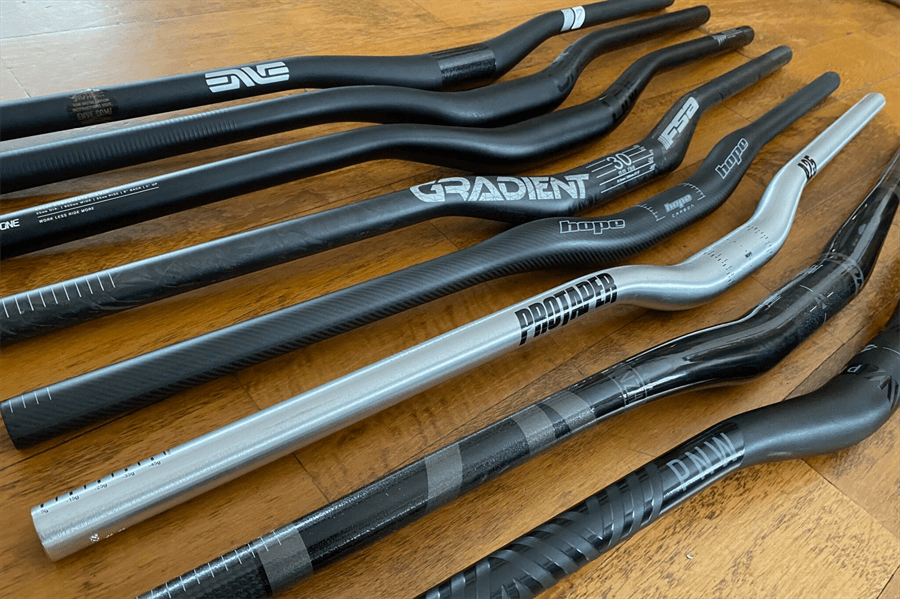
For the 2026 market, the selection of MTB handlebars focuses on strength, weight, durability, and versatility across multiple riding scenarios. For B2B wholesalers and bicycle brands, a mature mountain bike handlebar must maintain stability across XC, Trail, Enduro, and DH disciplines, while also ensuring consistent installation and minimizing after-sales risks. The market is dominated by fatigue-tested carbon fiber and high-strength aluminum alloy handlebars, meeting the needs of high-end bicycles and upgrade requirements.
2.1: Top 5 MTB Handlebar Recommendations: From High Value to Top Professional Models
- OneUp V2 Carbon Handlebar: Combining lightweight design with high rigidity, suitable for Trail/Enduro configurations that demand high performance and vibration damping. An excellent carbon fiber MTB handlebar upgrade option.
- Haidelibikes 12K HB-ONE Carbon handlebar: Lightweight, durable MTB handlebar with superior vibration damping.
- Bontrager Line Pro Carbon 35 MTB Handlebar: 35 mm clamp diameter enhances strength and consistency, suitable for OEM configurations of high-end Trail models, and allows for different rise angles based on user preference.
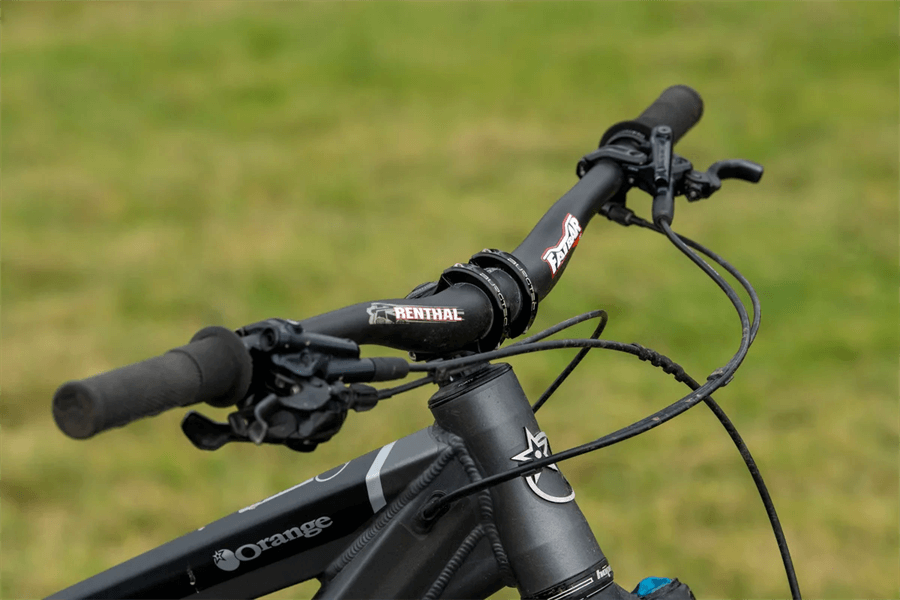
- Renthal Fatbar Carbon Handlebar: A very balanced combination of 800 mm width and carbon fiber construction, offering stable control for both DH and Trail riding. A ride-tuned solution favored by professional bicycle brands.
- Trail One Crockett Carbon Handlebar: Designed with an 8° backsweep + 5° upsweep angle for a more ergonomic and natural riding posture, suitable for customers seeking a balance of width and control in mid-range budget bicycle options.
These bicycle MTB handlebars cover a variety of mountain biking scenarios from XC to Trail/Enduro, and also address different customer requirements for performance, durability, and weight optimization. Combining market feedback and product testing (such as the trend towards wider 800 mm handlebars) can improve overall bicycle performance and user satisfaction.
2.2: Carbon Fiber MTB Handlebars: Why are they the preferred choice for future mountain bike equipment?
Carbon fiber mountain bike handlebars are lighter than aluminum alloy and offer superior vibration damping, effectively reducing arm fatigue. By optimizing the carbon fiber layup and stress distribution design, the carbon MTB handlebar maintains strength while improving comfort and handling, thus optimizing the overall riding performance of the bicycle.
Matching Different Types of MTB Handlebars to Riding Needs
Choosing the right MTB handlebar not only affects handling and stability but also directly impacts overall bike performance and riding comfort. For mountain biking, off-road riding, and downhill riding, Flat Handlebars and Rise Handlebars differ significantly in angle, width, and ergonomics. Understanding these characteristics allows B2B clients to offer lightweight, highly durable, and high-performance MTB handlebar combinations for the European and American markets.
| MTB Handlebar Type | Material | Key Features | Ideal Usage | Target Customers |
|---|---|---|---|---|
| Pro Racing MTB Handlebar | Carbon Fiber | Lightweight, high stiffness, precise control | Cross-country, downhill, endurance racing | B2B brands, performance-focused riders |
| Recreational MTB Handlebar | Aluminum/Composite | Comfortable, vibration dampening, durable | Trail riding, casual MTB, long-distance rides | B2B distributors, casual riders |
| Flat Handlebar | Carbon/Aluminum | Direct steering, stability | Technical trails, aggressive riding | Specialized MTB brands |
| Rise Handlebar | Carbon/Aluminum | Higher hand position, improved comfort | Endurance rides, downhill | General MTB market, lifestyle bikes |
3.1: Flat Handlebar vs. Rise Handlebar: Choosing the Right Handlebar
Flat Handlebars emphasize straight-line stability and precise control, suitable for high-speed off-road riding and technical trails; Rise Handlebars improve comfort by raising the handlebars, making them more suitable for rough terrain and long-distance riding. Design angle, width, and material (carbon fiber or aluminum MTB handlebar) affect handling feel, riding posture, and shock absorption, which are key factors for B2B clients to consider.
3.2: How to Choose the Most Suitable MTB Handlebar Width for Your Riding Style?
Handlebar width directly affects handling precision and stability. Wider handlebars are suitable for downhill or technical trails, enhancing upper body support and control; narrower handlebars are suitable for winding roads, improving agility. Offering carbon MTB handlebars in widths ranging from 360mm to 800mm allows B2B clients to meet diverse riding needs in the European and American markets, while also considering lightweight design, durability, and ergonomic design.
How to Choose the Most Suitable MTB Handlebar: Considering Material, Width, and Design
When choosing a high-performance MTB handlebar, material, width, and design are core factors that directly affect riding performance and customer satisfaction.
4.1: Material Selection: Advantages and Disadvantages of Aluminum Alloy and Carbon Fiber Handlebars
Aluminum MTB handlebars are low-cost and highly durable, suitable for entry-level and high-intensity commuting. Carbon fiber mountain bike handlebars are lightweight, high-strength, and offer good shock absorption, making them more suitable for cross-country racing, downhill riding, or long-distance cycling, significantly improving overall handling performance and riding experience. Wholesalers can configure their product portfolio based on the riding style of their target customers.
4.2: The Relationship Between Handlebar Design and Riding Posture
Flat handlebars are suitable for those seeking straight-line control and agility, while rise handlebars improve riding posture comfort and terrain adaptability. Handlebar height, bend angle, and width directly affect riding stability and hand pressure distribution, which are core indicators that we must pay attention to.
Future Trends: Innovation and Development in MTB Handlebar Design in 2026
MTB handlebars in 2026 are evolving towards lightweight, high-strength, and multi-functional designs. B2B wholesalers and brand clients are focusing on the performance of carbon fiber MTB handlebars in terms of durability, handling, and compatibility, while also emphasizing the adaptability of modular designs for various scenarios, providing a competitive product portfolio for the high-end market.
5.1: Innovations in MTB Handlebars in 2026: Lighter, Stronger, Smarter
Smart handlebars can incorporate built-in sensors and data feedback; modular designs allow for quick adjustments of width and angle to improve adaptability; optimized carbon fiber structures enhance durability and shock absorption, providing superior performance for mountain biking, cross-country, and downhill riding.
Summary: How to Choose a Durable, High-Performance MTB Handlebar That Meets Your Needs?
When choosing an MTB handlebar, B2B customers should consider material, width, design, and riding style. Carbon fiber MTB handlebars are suitable for professional racing models that prioritize lightweight and handling, while aluminum alloy or composite materials are suitable for recreational or endurance riding, balancing shock absorption and durability. Wholesalers should also consider their inventory mix and brand differentiation needs.
6.1: Best Choices for Different Riding Needs
Professional Racing Handlebars: Balancing lightweight, strength, and handling, suitable for mountain biking, downhill, and endurance racing.
Recreational Riding Handlebars: Prioritizing comfort and shock absorption to enhance long-distance riding experience.
6.2: Tips for Choosing an MTB Handlebar
Choose handlebar width and height based on the rider’s body type, posture, riding style, and budget; modular or multi-purpose designs can increase product portfolio flexibility and enhance brand supply chain competitiveness.
For more information on specifications, material options, or wholesale partnership opportunities, please feel free to contact us for professional advice.