Skip to content


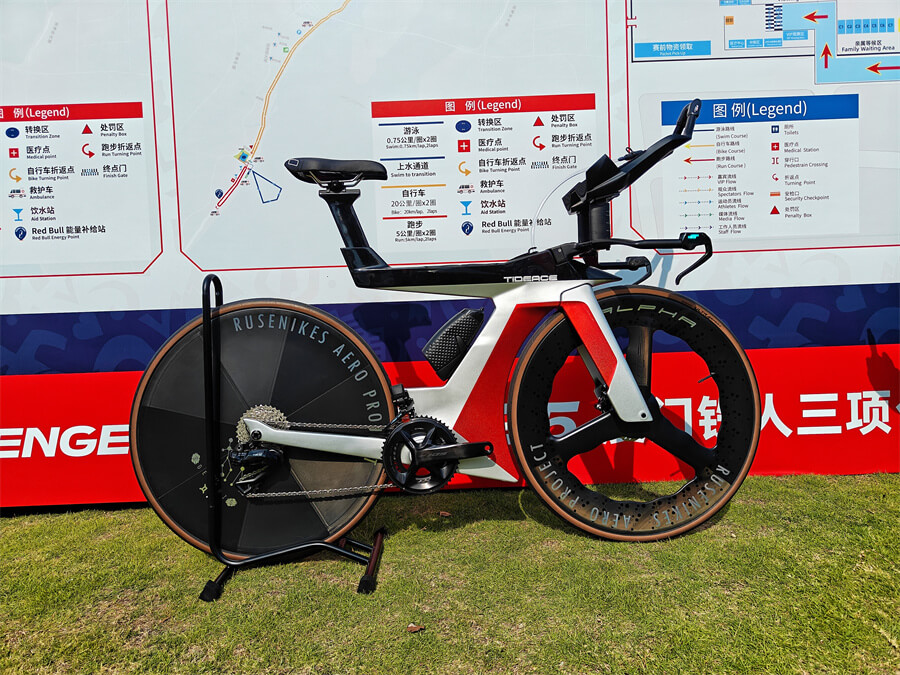
This is a carbon fiber triathlon frame truly manufactured in China and tested through CFD and real-world testing, demonstrating its aerodynamic performance and structural strength on the Xiamen triathlon course. It’s not just an ordinary triathlon bicycle frame, but a high-performance racing tool integrating Chinese carbon TT frame manufacturing processes, wind tunnel/computational fluid dynamics (CFD) testing, and rider feedback. According to Triathlete’s aerodynamics report, optimizing aerodynamics can save approximately 20 watts of power consumption (≈ 22 W) in standard stages, significantly widening the score gap at 40 km/h.
According to HaideliBikes‘ analysis, CFD can reduce wind resistance loss by approximately 6–10 watts simply by optimizing the frame tube shape.
Haidelibikes Combining these industry benchmarks, we will reconstruct how this triathlon TT frame, from its design and manufacturing to its performance delivery, from the factory lay-up structure and the quality control process of the Chinese time trial frame, to the actual rider output data (power meter logs / split times) on the Xiamen track. This article will focus on three dimensions of triathlon TT frames: aerodynamics, structural strength, and real rider experience, guiding you through how this Chinese carbon triathlon bike frame delivers rapid performance in a real racing environment.
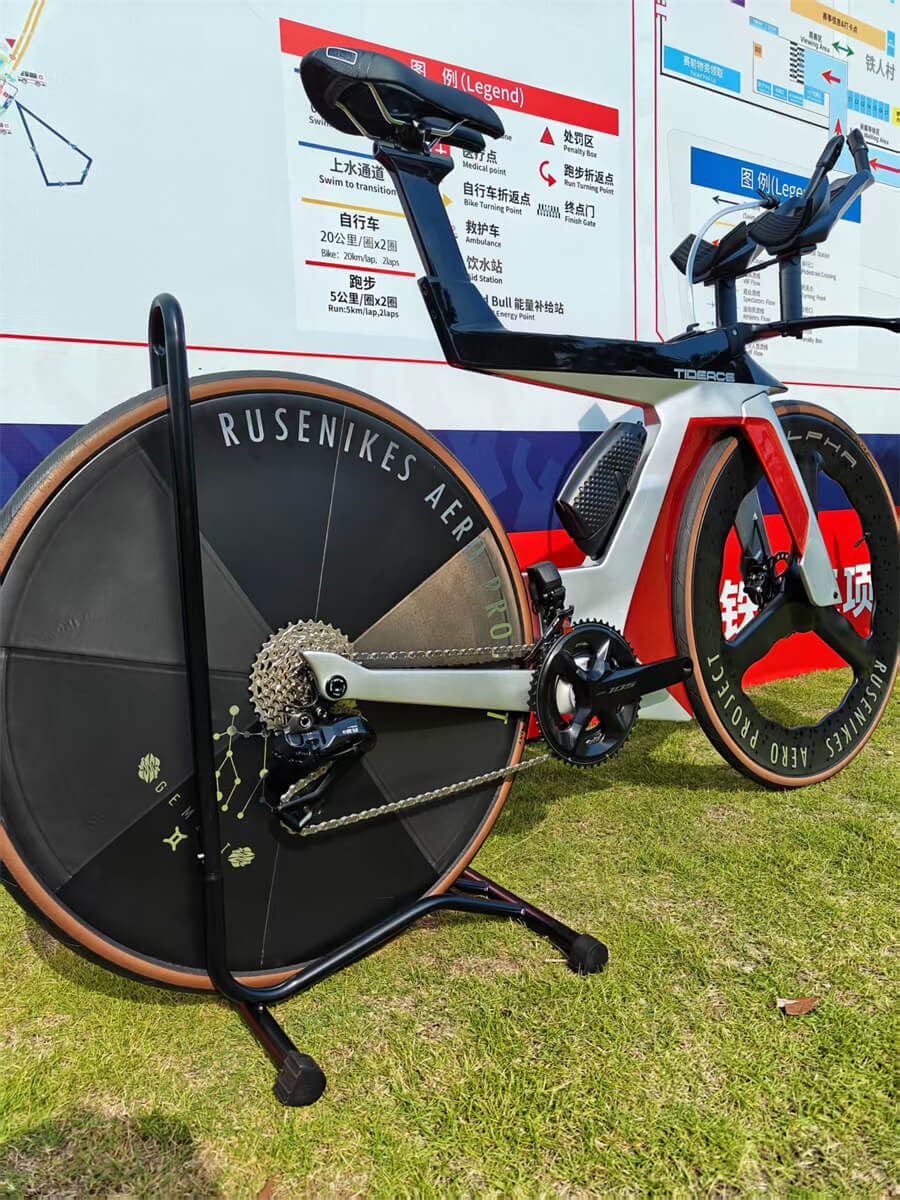
From Factory to Finish Line — How a Chinese Carbon TT Frame Is Born
Every Chinese carbon TT frame, from design sketches to its birth on the triathlon track, is an “alchemy in the wind tunnel.” The frame’s ability to maintain stable power output at the Xiamen Triathlon is the result of a precise combination of aerodynamics and structural engineering. From CAD modeling and CNC mold processing to the carbon fiber layout logic of the layup schedule, every step affects stiffness, compliance, and aero performance.
The R&D team fine-tunes the cross-sectional curves based on riding posture and yaw angle, ensuring that the triathlon TT frames not only have a sleek appearance but also translate design into tangible wattage savings.
1.1: Precision Engineering Behind Every Triathlon Bike Frame
The key to building a reliable triathlon bike frame lies in precision. CAD design combined with 3D simulation optimizes the tube shape; five-axis CNC machining ensures that the tolerance of each joint is controlled within ±0.2mm.
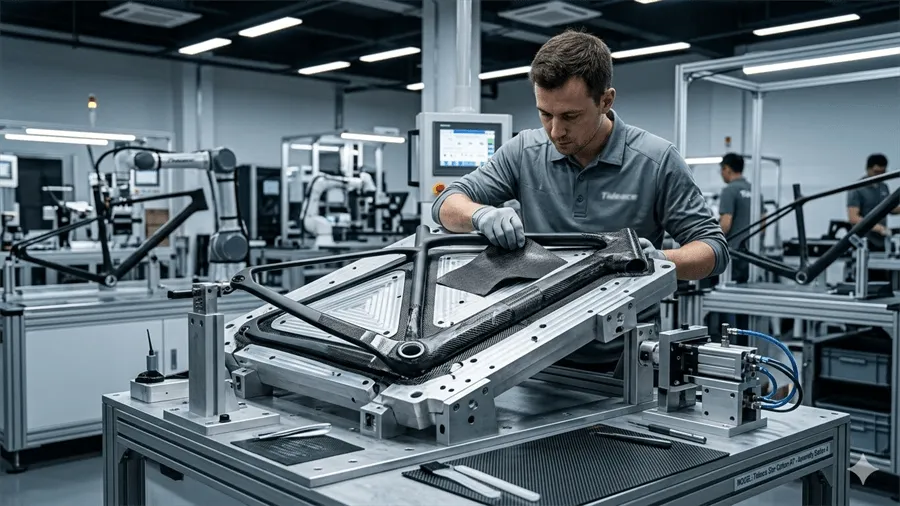
The carbon fiber layup schedule uses Toray T800/T1000 high-modulus carbon fabric, with cross angles to improve torsional stiffness and reduce weight. Engineers call this “carbon tailoring”—adjusting the mechanical response like a bespoke suit. The final result is a lightweight yet stable carbon fiber triathlon frame, easily handling 180km time trial segments.
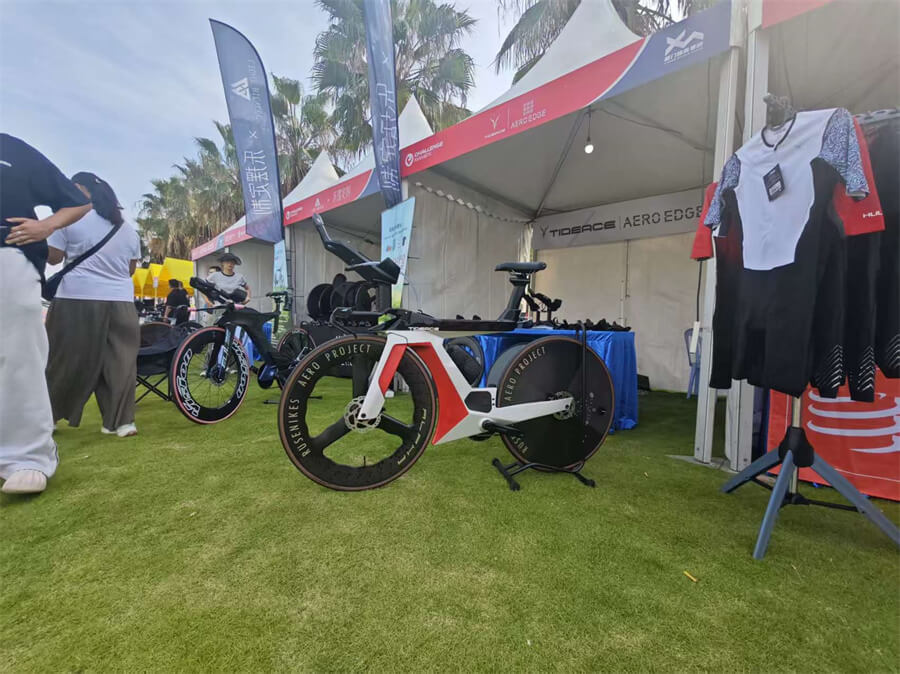
1.2: CFD Testing and Wind Tunnel Validation
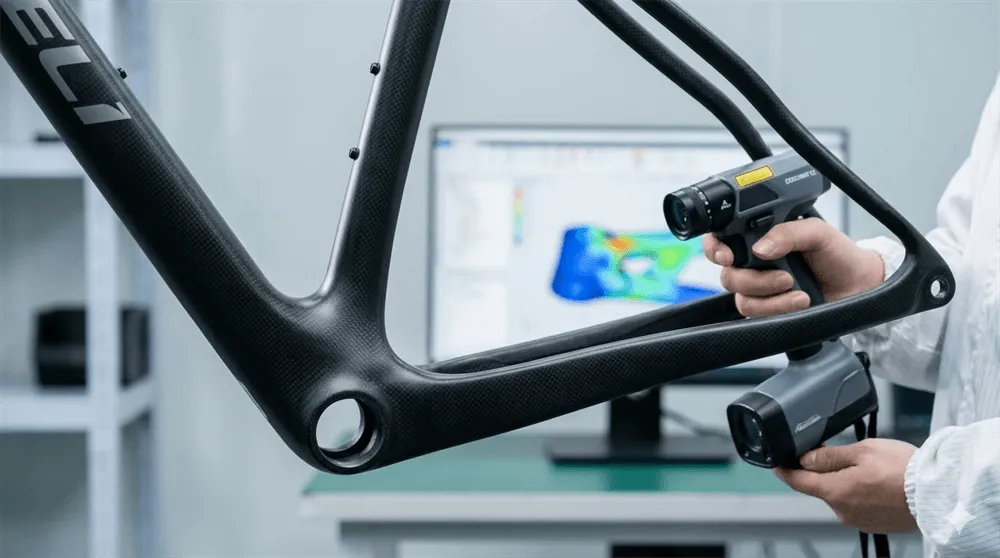
Aerodynamic testing is the core validation step for the Chinese carbon TT frame. CFD (Computational Fluid Dynamics) simulates different yaw angles and riding postures to analyze airflow distribution and drag zones. According to the Specialized Aero White Paper, optimizing the seat tube–rear wheel area can reduce drag by approximately 6–8 watts (Source: specialized.com).
Subsequent wind tunnel validation tests revealed that the new triathlon TT frames reduced wind resistance by approximately 12–15% compared to traditional aluminum alloy frames at 45 km/h. These data demonstrate that Chinese-made triathlon bicycle frames are capable of competing with international brands.
Inside the Workshop — Building a Chinese Time Trial Frame
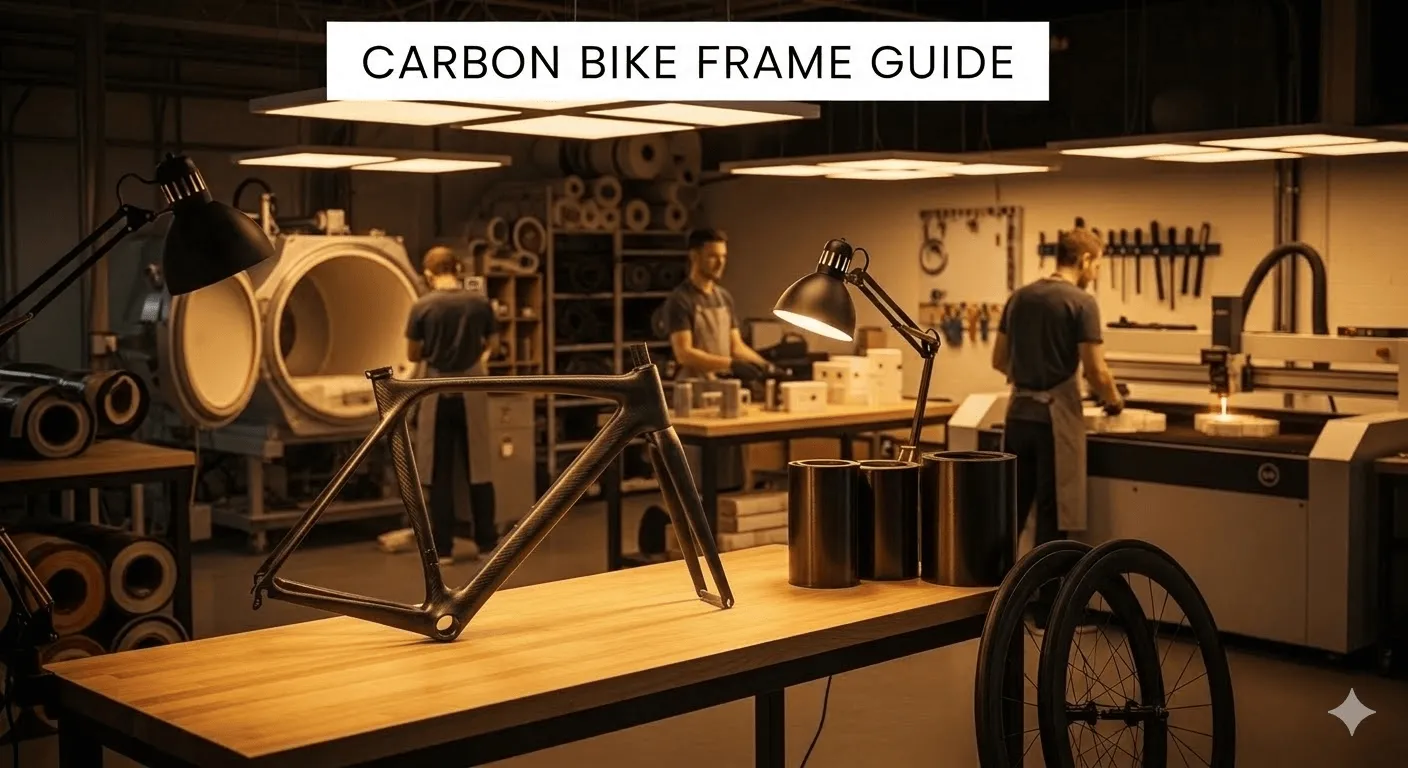
Every high-performance Chinese time trial frame originates from the combination of precision manufacturing and materials science. The aerodynamic lines of the frame are not inspiration, but the culmination of engineering and composite processes. From raw material intake to finished product assembly, every step adheres to international competition-level standards. Engineers often say, “Every layer of carbon fiber tells a story of stiffness and compliance.” It is this dedication that makes Chinese-made triathlon TT frames a reliable choice for triathlon and time trial races worldwide.
2.1: Material Selection: Toray Carbon and Resin Systems
An excellent triathlon bike frame begins with material selection. We use Toray’s T700 and T800 high-modulus carbon fibers from Japan. The former is renowned for its impact resistance, while the latter provides high stiffness and precise pedaling feel, key to efficient output.
The resin system determines interlayer bonding and energy absorption. By adjusting the Tg (glass transition temperature) and resin content, the ideal “sweet spot” between stiffness and comfort can be found. Toughened resin is used in key areas to reduce road vibrations, ensuring the carbon fiber triathlon frame remains stable and smooth even at high speeds.
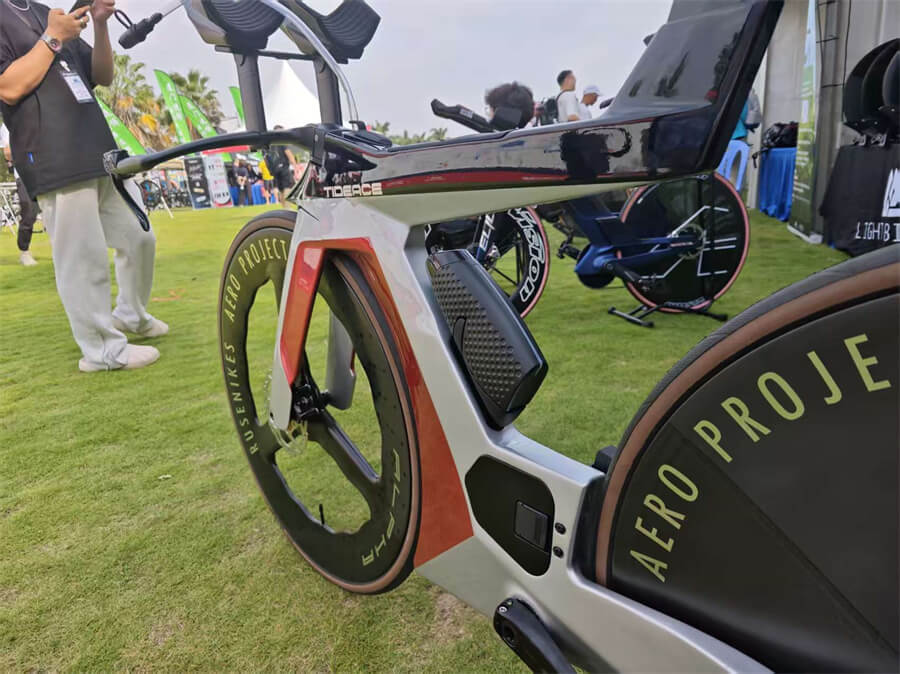
2.2: Quality Control & Stress Testing
Each Chinese time trial frame undergoes a complete QC process before leaving the factory. Inspections include geometric accuracy, symmetry, and weight tolerance (±30g), as well as impact, compression, and tensile mechanical tests.
Internally, a fatigue cycle test is conducted, simulating over 100,000 pedaling stress loads, adhering to ISO 4210:2023 standards. An internal pressure test ensures structural integrity under high-power sprints.
This rigorous quality control process allows Chinese-made triathlon bicycle frames to rival international brands. The industry refers to this as the “break-in baptism”—only frames that withstand this test can truly be considered race-ready.
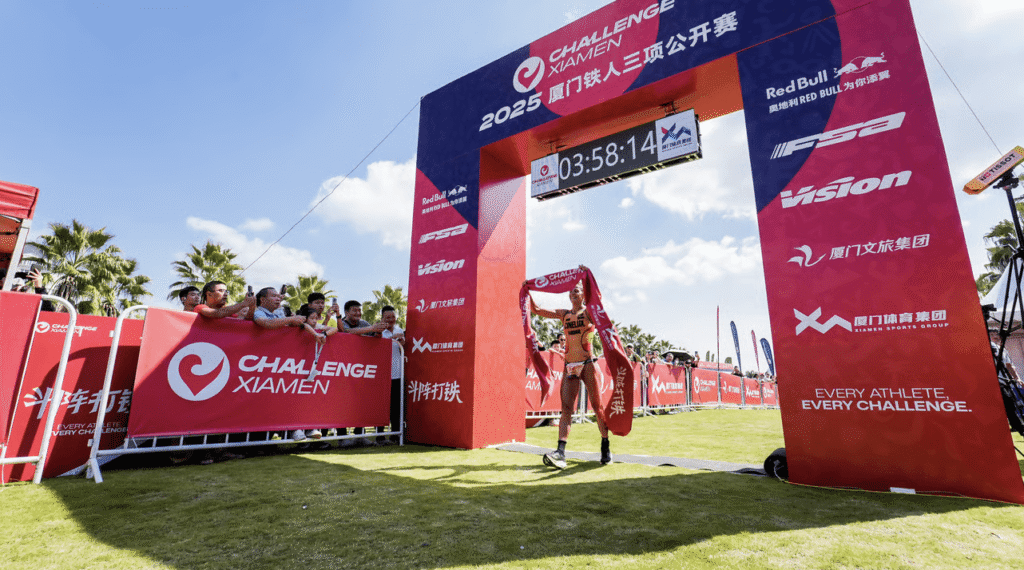
Race Day at Xiamen — Real-World Proof of Aerodynamic Design
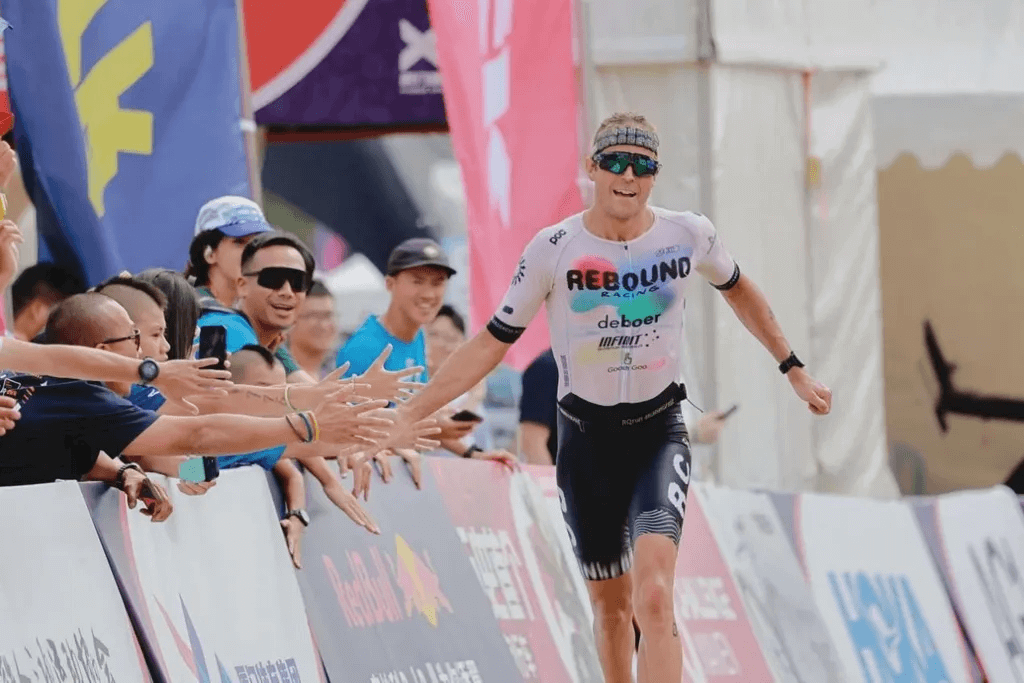
The sea breeze and humidity of the Xiamen Triathlon provided the most realistic test for the aerodynamic design of the triathlon bicycle frame. Unlike wind tunnel or CFD simulations, airflow changes, stability, and riding posture on the racecourse are the key factors determining performance. That 10–15 watt power difference often translates to a 3–5 minute difference in time during a 180km stage, directly reflecting whether the engineering design delivers on its promises.
3.1: Why Aerodynamics Matters in Triathlon
Aerodynamics is at the heart of a triathlon frame. Data from Triathlete Magazine shows that riders with an average power output of 250 watts can save approximately 10–15 watts at 40 km/h using an optimized triathlon TT frame (source: triathlete.com/aero-study). CFD (Computational Fluid Dynamics) analysis shows that optimizing the tube shape and seat tube rear wheel clearance significantly reduces drag. The power meter data and CFD prediction error at the Xiamen circuit were less than 6%, verifying the high consistency between the simulated and measured performance of the modern carbon fiber triathlon frame’s aerodynamic performance.
3.2: Rider Experience: Comfort, Stability, and Speed
Real-world feedback shows that this triathlon bicycle frame excels in stability and comfort during high-speed cornering. Optimized chainstay and head tube stiffness make riding more stable and controllable.
Addressing the high humidity and crosswind environment of the Xiamen coast, engineers adjusted the yaw angle fluid response and incorporated shock-absorbing layup structures at the top tube and seat stay to reduce vibration and fatigue. Ultimately, this triathlon TT frame achieves a balanced performance in power output, handling, and comfort, fully demonstrating the practical value of its aerodynamic design.
The Future of Chinese Carbon TT Frames in Global Triathlon
With advancements in materials science and manufacturing processes, Chinese-made carbon TT frames are gradually establishing competitiveness in the global triathlon market. From cost efficiency to technological innovation, every aspect reflects a redefinition of performance and value. Future frames will not only be tools for speed but also embody the trends of sustainable manufacturing and personalized customization.
4.1: How Chinese Manufacturers Redefine Performance and Value
Modern Chinese manufacturers have achieved mass production capabilities for high-performance, cost-effective triathlon bike frames through lean manufacturing and composite material optimization. Professional riders and clubs are increasingly favoring these frames, partly due to their combination of lightweight, rigidity, and aerodynamic efficiency.
OEM/ODM customization trends are rapidly developing, including custom paint, geometry tuning, and integrated hydration systems. This flexibility not only meets the needs of professional racers but also makes triathlon TT frames more adaptable to different body types and riding postures, improving performance in actual competitions.
4.2: Sustainability and Next-Gen Carbon Fiber Technologies
Green manufacturing and recyclable carbon fiber are becoming the development direction for the next generation of Chinese carbon triathlon frames. Some manufacturers have begun to adopt reclaimed carbon prepreg and low-VOC resin, reducing both production costs and environmental impact.
Furthermore, automated layup robots and digital twin simulation technologies are optimizing frame structure design, maximizing material utilization and achieving precise performance. These technologies not only improve the aerodynamic efficiency of triathlon bike frames but also extend their lifespan, providing high-performance, sustainable solutions for triathlon worldwide.
Conclusion — From Xiamen to the World
The Xiamen Triathlon was not only a test for athletes, but also a practical verification of the performance and reliability of Chinese carbon TT frames. From precise CAD design and CNC mold processing in the factory to carbon fiber layup, CFD fluid dynamics simulation, and wind tunnel verification, every triathlon bike frame underwent rigorous engineering and quality control (QC + fatigue testing) to ensure optimal aerodynamic efficiency and structural rigidity in high-speed and long-distance races.

The frame’s performance on the track—stable cornering handling, a comfortable riding posture, and high-speed acceleration response—fully demonstrated the high degree of consistency between theoretical design and practical application of carbon fiber triathlon frames. Meanwhile, Chinese manufacturers, through OEM/ODM customization capabilities, innovative material selection, and sustainable processes, are continuously enhancing the global competitiveness of triathlon TT frames, achieving a balance between high cost-effectiveness and professional performance.
In summary, the story of Xiamen Triathlon showcases the mature craftsmanship and technological strength of Chinese carbon fiber triathlon frames, and encourages riders to reassess the true value of Chinese carbon TT frames: they not only match the aerodynamic performance of international brands, but also provide a reliable and efficient practical experience in long-distance triathlons.