Skip to content


Choosing the right size road bike isn’t just about looking at “54cm” or “S/M/L” on the frame label. What truly determines the riding experience is a clear road bike frame size chart—especially when focusing on modern geometry, paying particular attention to the two core parameters: stack and reach. Correctly using the road bike frame size guide, combined with your height, inner thigh length, riding style, and flexibility, can prevent long-term discomfort in your knees, lower back, or wrists due to an ill-fitting frame.
Many beginners or riders relying on “universal charts from major manufacturers” fall into traps due to inconsistent coding across brands and significant differences in frame geometry—frames labeled “54cm” may have completely different stack/reach values on their actual road frame sizing charts. Therefore, when considering road bike frame size, recommendations based solely on seat-tube length or height are far from sufficient.
As a manufacturer with over ten years of experience producing carbon fiber road bike frames, we understand that even a top-tier carbon fiber frame can become a burden if the geometry is incompatible. Next, I will guide you through a comprehensive understanding of this chart, covering brand differences, interpretation of geometric parameters, and methods for measuring and selecting sizes, so that your next car will be both high-performing and comfortable.

Why the Correct Road Bike Frame Size is Crucial
Choosing the right road bike frame size directly impacts riding comfort and efficiency. Even top-of-the-line carbon fiber frames will fail to deliver on their lightweight and rigidity advantages if the size is wrong. By scientifically referring to road bike frame size charts and guides, and considering stack/reach, seat tube length, and riding posture, you can effectively avoid selection errors and ensure a balance between riding experience and performance.
1: Impact on Riding Comfort and Performance
The correct road bike frame size distributes stress evenly across the knees, lower back, and shoulders, improving pedaling efficiency and reducing energy loss. Endurance or long-distance riders especially benefit from a suitable frame, preventing excessive wrist and lower back fatigue.
2: Avoiding Common Road Frame Sizing Chart Mistakes
Many riders rely solely on brand size charts or online road frame sizing charts, neglecting geometric differences and stack/reach adjustment space. Common mistakes include only looking at seat tube length, ignoring cockpit adjustments, or disregarding flexibility, ultimately leading to stiff riding or knee pain. Comparing road bike frame sizes and measuring your own dimensions is key to avoiding pitfalls.
3: Size Considerations for Beginners vs. Advanced Riders
Beginners typically use height or seat-tube length as a reference, while advanced riders focus more on stack/reach, stem length, handlebar width, and riding style (endurance vs. racing). Fine-tuning with the road bike frame size guide is essential for optimal riding efficiency and comfort, preventing inappropriate size selection from impacting training or race performance.

How to Choose the Right Road Bike Frame Size Chart
Choosing the right road bike frame not only affects comfort but also directly influences power efficiency and long-distance endurance. When using a road bike frame size chart, you should combine it with your height, inseam length, riding posture, and key geometry parameters such as stack, reach, and top tube length for a more accurate assessment. If you want to understand the step-by-step measuring process, you can refer to our related guide: How Do You Measure a Road Bike Frame Size.
1. Basic Measurement Concepts
A proper size judgment goes beyond seat-tube length. Even a quick check of effective top tube, stack/reach, and head tube height can help you avoid the common “size trap.” Riders can simply measure inseam, compare basic geometry values, and match them to a brand’s size chart for an initial reference.
2. Choosing the Right Size Based on Height and Riding Style
Your ideal size depends on height, inner leg length, and your preferred riding posture.
- Endurance riders often choose a slightly taller stack for comfort.
- Racers prefer a more compact and aerodynamic cockpit.
A recommended size chart can help you quickly narrow down the correct range.
3. Common Road Frame Sizes and Rider Fit
Most road bike frames fall between 48cm–62cm, but each brand interprets sizing differently. A 54cm frame from two brands may vary in stack and reach by 1–2cm. Matching size with your height, inseam, and shoulder width helps prevent discomfort in the wrists, shoulders, or knees.
4: Why the Road Bike Frame Size Guide Cannot Completely Replace Actual Test Rides
Even with a complete road bike frame size guide and sizing chart, it cannot completely replace an actual test ride. Individual differences in flexibility, core strength, and riding habits mean that even slight variations in stack/reach can affect the stress on the elbows and lower back. Therefore, the best final choice is to combine professional bike fitting or a short test ride to confirm whether the cockpit fit and saddle position are suitable.

Differences in Road Bike Frame Size Charts Between Brands
Even road bikes labeled with the same dimensions often show significant differences in their road bike frame size charts. These differences not only lie in the seat-tube length but also in geometric parameters such as stack/reach, top tube, and head tube rise, as well as the design characteristics of carbon fiber frames (stiffness, compliance). Understanding these subtle differences between brands helps you make accurate judgments when choosing a road bike frame size guide or road frame sizing chart. The following analysis will cover brand comparison, geometric design factors, and selection adjustments.
1: Brand Size Chart Comparison (e.g., Giant, Specialized, Trek)
Different brands may recommend different sizes for the same height or body type. For example, for someone 54cm tall, the stack/reach values may differ by 1–2cm between Giant, Specialized, and Trek. Understanding these differences can prevent blindly choosing a frame based solely on numbers, reducing the risk of cockpit fit discomfort or an unnatural riding posture.
2: Factors Affecting Size Differences: Geometry, Stack/Reach, Carbon Fiber Frame Characteristics
Sources of size differences include: 1) Frame geometry (racing vs. endurance geometry), 2) Stack-Reach combination, and 3) The impact of CFD tested carbon fiber frames on stiffness, comfort, and aerodynamic performance. Understanding these factors allows you to scientifically determine the right cockpit fit when comparing road bike frame sizes.
3: How to Adjust Your Selection Based on Brand Differences
When comparing brand size charts, you can make minor adjustments based on your height, inner thigh length, riding style, and flexibility. This is commonly known in the industry as “fine-tuning the stack/reach” or “fine-tuning the cockpit.” By adjusting the seatpost height, handlebar position, or stem length, you can achieve a riding experience that balances comfort and efficiency even with slightly different brand frames.
The Relationship Between Modern Geometry and Traditional Road Frame Size
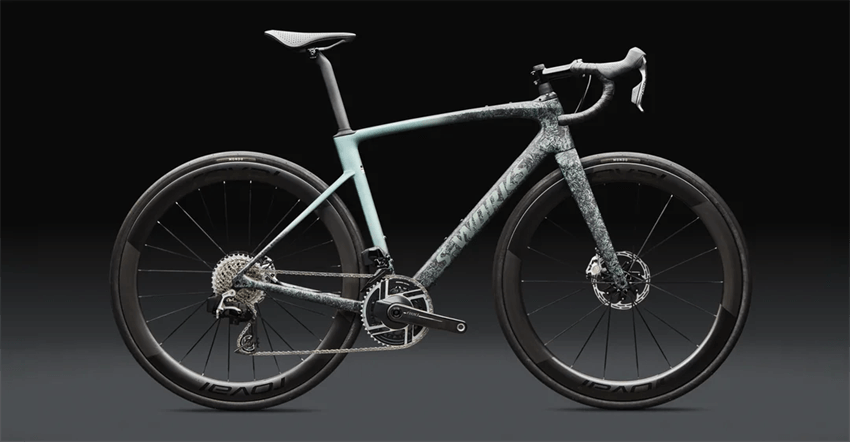
With the evolution of road bike design, traditional seat-tube sizing can no longer fully reflect rider needs. Modern road bikes emphasize stack/reach sizing, top tube angle, and cockpit fit, achieving a balance between comfort and performance through geometric optimization. Understanding these concepts helps avoid dimensional errors caused by relying solely on road bike frame size charts and allows for accurate judgments based on individual riding style and body type. The following analysis compares traditional and modern sizes, addresses different rider needs, and outlines optimization strategies for carbon fiber frames.
1: Traditional Seat-Tube Size vs. Stack/Reach Size
Traditional sizes are labeled with seat-tube length for quick reference but ignore core parameters of modern geometry. Stack refers to the vertical height from the top to the bottom of the head tube, while reach reflects horizontal extension; in Western riding circles, this is often referred to as the “stack-reach combo.” Comparing seat-tube and stack/reach sizes provides a more scientific understanding of the gap between road frame sizing charts and actual riding experience.
2: Size Requirements for Long-Distance Rides, Endurance Riders, and Race Fit Riders
Endurance riders typically prefer a higher stack and a comfortable cockpit to reduce stress over long distances, while race fit riders prefer a tighter top tube and a lower stack to improve aerodynamic efficiency. Understanding the needs of different riding styles helps in balancing comfort and performance when choosing road bike frame sizes.
3: How Carbon Fiber Road Bike Frames Optimize Comfort and Stiffness
Carbon fiber frames maintain stiffness while being lightweight through lay-up design and tube optimization. Different brands’ adjustments to stack/reach geometry mean that road bike frame size guides have subtle variations for different models. By combining riding posture and power distribution with a proper match between the cockpit, saddle position, and handlebar reach, the comfort and responsiveness of the carbon fiber frame can be maximized.

Practical Tips and Recommendations
When choosing and purchasing a road bike frame, relying solely on size charts and official recommendations is often insufficient to guarantee a perfect fit. Combining road frame sizing charts, road bike frame size guides, stack/reach data, and personal riding habits can effectively help avoid common pitfalls. Below are some practical tips and recommendations, including reference tables, common misconceptions, home measurement methods, and professional bike fitting advice to ensure your carbon fiber frame performs well and is comfortable to ride.
1: How to Refer to a Road Frame Sizing Chart Before Buying
Before purchasing, comparing road frame sizing charts from different brands—along with stack/reach, top tube, and seat tube data—allows you to quickly determine whether a frame matches your height and riding style. This “number check” helps you pre-select the right fit before committing. Many entry-level riders also use lists like the Top 5 Budget-Friendly Carbon Road Frames for Beginners as reference points, since these models often provide clearer geometry charts and simplified sizing recommendations that make early comparisons easier.
2: Using the Road Bike Frame Size Guide to Avoid Common Mistakes
Even with a complete road bike frame size guide, many riders still make the mistake of choosing the wrong size. Common problems include focusing solely on seat-tube length, ignoring stack/reach differences, or neglecting riding posture requirements. Understanding these potential pitfalls can reduce the risk of making a mistake before purchasing.
3: How Beginners Can Measure or Test Ride at Home
Beginners can use a measuring tape to measure their inseam, torso length, and shoulder width, and then refer to a road bike frame sizes chart for an initial assessment. A short test ride will allow them to visually assess the cockpit fit, saddle position, and handlebar height, identifying any discomfort early.
4: Combining Professional Bike Fitting Advice
Professional bike fitting precisely adjusts stack, reach, seat tube height, handlebar angle, and pedal position to optimize riding efficiency and comfort. Even with a lightweight carbon fiber frame, an incorrect cockpit fit can cause stress on the knees, lower back, and wrists. Combining a sizing chart with professional fitting is the best way to ensure long-term riding comfort and performance.
Summary and Recommendations
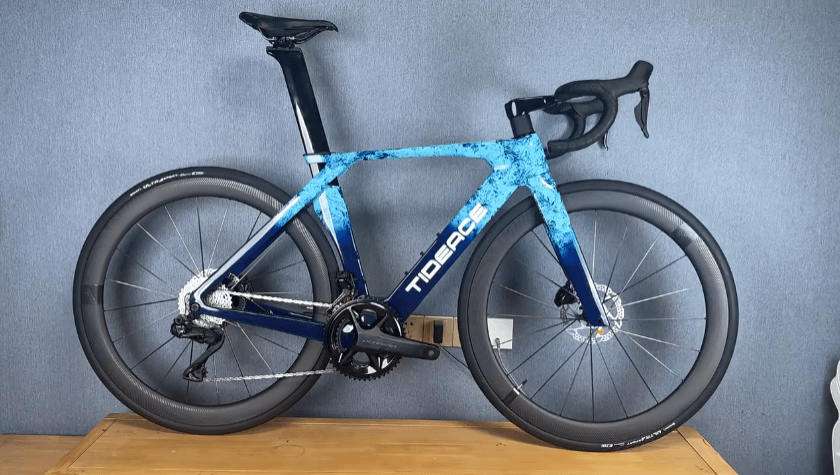
Choosing the right road bike frame not only affects riding comfort but also directly impacts efficiency, power output, and long-distance endurance. Through this article’s analysis of the road bike frame size chart, and its explanation of brand differences, stack/reach geometry, and size measurement methods, you’ve grasped the core points for selecting a carbon fiber frame. Combining the road bike frame size guide with actual test rides can effectively avoid pitfalls and achieve a balance between performance and comfort.
1: Key Points Review: Size Selection, Brand Differences, Geometry Understanding
Size Selection: Beyond just seat-tube length, pay attention to stack/reach, top tube, and head tube rise to ensure a cockpit fit that suits your height and leg length.
Brand Differences: Road frame sizing charts from different brands may vary by 1–2 cm. Using a number check can help you pre-select the appropriate size.
Geometry Understanding: Endurance riders and racing riders have different stack/reach requirements. Familiarity with modern geometry helps avoid uneven stress on the knees, back, or wrists.
2: How to Make the Best Purchase Decision Using the Road Bike Frame Size Chart
By comparing the road bike frame size chart, road bike frame size guide, and your personal body data (height, inner thigh length, shoulder width), and referring to actual test rides and professional bike fitting adjustments, you can ensure that the cockpit fit, saddle position, and hand position all meet your needs. Even with a top-of-the-line carbon fiber frame, if the geometry is not right, it may compromise its lightweight and stiffness advantages. The final decision should combine data and real-world testing experience to achieve the best performance and comfort for your new frame.
If you need technical support or want sizing advice based on your riding style, feel free to reach out—we’re always glad to help you choose the right frame.