Starting your own carbon fiber bike frame brand is no longer just for big cycling companies. With the rise of OEM and ODM manufacturing, more entrepreneurs, cycling brands, and distributors are entering the carbon bike market with custom-designed frames.
However, building a successful carbon fiber bike frame brand requires more than just a good idea. You need a clear strategy, a reliable manufacturer, strong product positioning, and a deep understanding of the market.
In this guide, we’ll walk you through everything—from concept to production to scaling your brand.
Why Start a Carbon Fiber Bike Frame Brand?
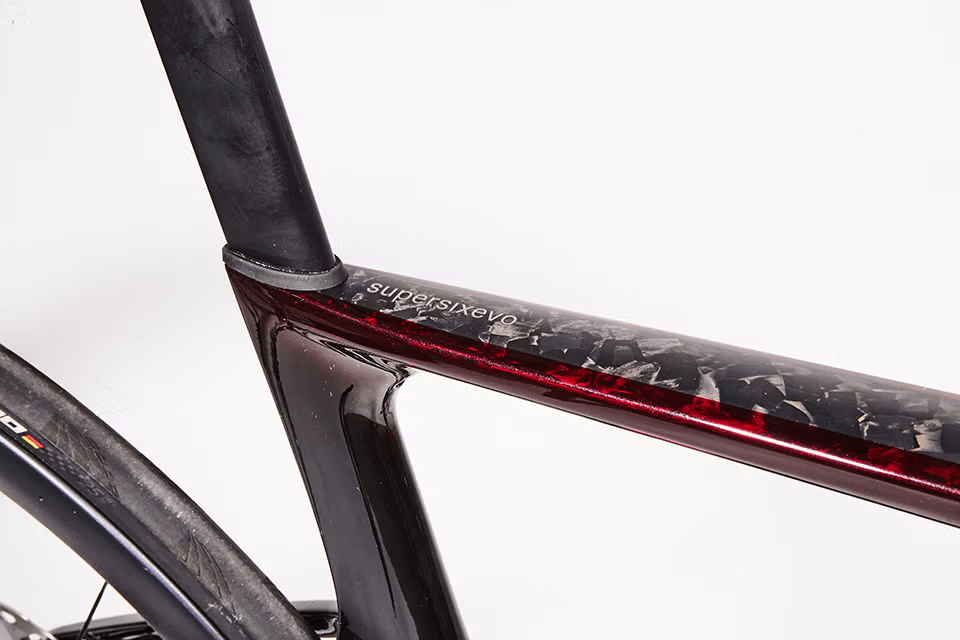
The global cycling market is growing rapidly, especially in segments like road bikes, gravel bikes, and mountain bikes. Carbon fiber frames are highly desirable because they offer:
- Lightweight performance
- High stiffness-to-weight ratio
- Vibration damping for comfort
- Premium branding value
For B2B buyers and entrepreneurs, building a carbon frame brand allows you to:
- Enter a high-margin market
- Build your own identity instead of reselling
- Offer OEM / private label products
- Scale with customization
Step 1 — Define Your Brand Positioning
Before contacting a manufacturer, you must define your brand identity.
1. Ask yourself:
- Are you targeting road cycling, MTB, gravel, or triathlon?
- Are you building a premium brand or budget-friendly line?
- Who is your target customer? (B2B distributors, athletes, retailers)
2. Example positioning:
- Premium gravel brand for long-distance riders
- High-performance MTB frames for XC racing
- Custom OEM brand for cycling retailers
Strong positioning = easier marketing + clearer product development
Step 2 — Choose the Right Carbon Frame Manufacturer
This is the most critical step.
A reliable manufacturer determines:
- Product quality
- Frame safety
- Brand reputation
- Long-term business success
What to look for in a carbon bike frame supplier:
- OEM / ODM capability
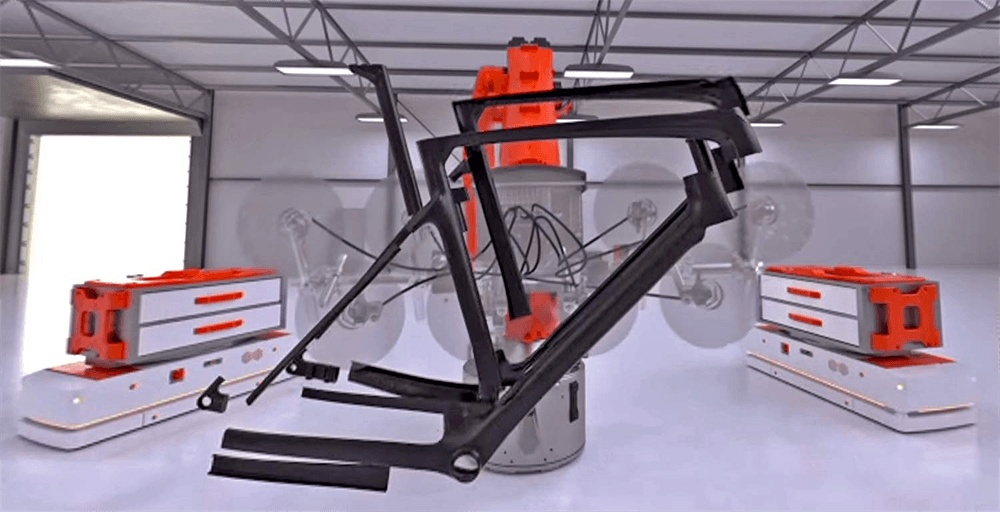
- Experience in carbon fiber layup
- Strict quality control system
- Ability to customize geometry and design
- Stable lead time and production capacity
- Export experience (important for international brands)
Working with a factory like Haidelibikes ensures access to OEM solutions, mold customization, and stable mass production.
Step 3 — Carbon Frame Design & Geometry Development
Your frame design defines your brand identity.
1. Key elements:
- Frame geometry (racing vs endurance vs aggressive)
- Carbon layup structure
- Tube shaping (aero vs classic)
- Cable routing (internal routing is trending)
- Dropout & axle standards
- Compatibility (1x / 2x drivetrain, tire clearance)
2. Important:
You can:
- Use existing molds (faster, lower MOQ)
- Develop your own custom mold (higher investment, unique brand)
Custom mold = stronger brand differentiation
Step 4 — OEM & Customization Options
OEM carbon fiber bike frame manufacturing allows you to create your own brand without owning a factory.
1. Common customization options:
- Custom frame geometry
- Logo and branding design
- Pantone color matching
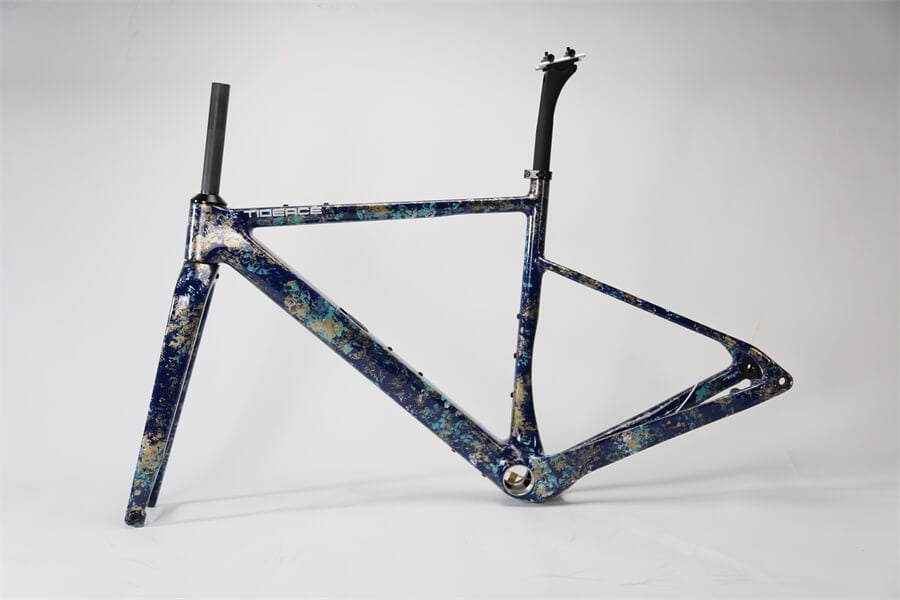
- Decals and finish (matte / glossy / chameleon paint)
- Carbon layup tuning (stiffness, comfort)
2. Advanced OEM services:
- Private mold development
- Branding on packaging
- Full product line (frames + forks + handlebars)
Step 5 — MOQ, Pricing & Lead Time
Understanding MOQ (Minimum Order Quantity) is essential.
1. Typical expectations:
- Sample order: 1–5 units
- Small batch OEM: 10–50 units
- Bulk production: 100+ units
2. Factors affecting price:
- Frame complexity
- Custom mold vs existing mold
- Paint design
- Production volume
3. Lead time:
- Sample: 2–4 weeks
- Mass production: 30–60 days
Always confirm production timeline before placing orders
Step 6 — Quality Control & Testing
A successful carbon fiber bike frame brand must prioritize safety and durability.
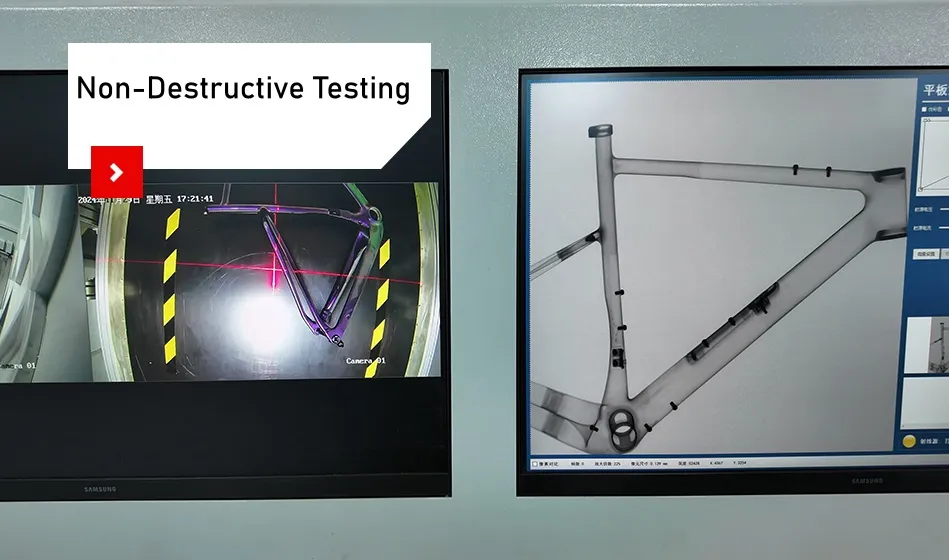
Key tests include:
- Fatigue testing
- Impact resistance testing
- Load and stress analysis
- ISO compliance testing
A good manufacturer will follow strict QC procedures such as:
- Pre-production inspection
- In-process inspection
- Final inspection before shipping
Quality control directly impacts your brand reputation
Step 7 — Branding, Packaging & Market Strategy
Once your frames are ready, branding becomes the key.
1. Branding elements:
- Logo design
- Brand story
- Website (WordPress + SEO)
- Social media (Instagram, Facebook, YouTube)
2. Packaging:
- Premium packaging
- Protective foam + custom box
- Branded accessories
3. Marketing channels:
- Cycling influencers
- B2B distributors
- Online shop (Shopify / WooCommerce)
- Trade shows (Eurobike, etc.)
Step 8 — Sales Channels & Business Model
You can choose different models:
1. B2B Wholesale
- Sell to bike shops and distributors
- Bulk orders
- Stable revenue
2. DTC (Direct to Consumer)
- Higher margins
- Requires strong marketing
3. Hybrid Model
- Combine B2B + DTC
- Best for scaling
Common Mistakes to Avoid
- Choosing a cheap but unreliable manufacturer
- Ignoring quality control
- Overcomplicating early product design
- Poor branding and positioning
- Ignoring MOQ and cash flow planning
These mistakes can kill a new brand quickly
Why Work with a Professional Carbon Bike Frame Manufacturer?
Partnering with an experienced factory helps you:
- Reduce development risk
- Accelerate time-to-market
- Ensure consistent quality
- Access OEM customization
- Scale your brand efficiently
At Haidelibikes, we specialize in:
- OEM / ODM carbon bike frames
- Custom frame design
- Private mold development
- Quality-controlled production
Conclusion — Build a Strong Carbon Bike Frame Brand the Smart Way
Starting your own carbon fiber bike frame brand is a powerful business opportunity—but only if done correctly.
Success depends on:
- Choosing the right manufacturing partner
- Building a clear brand positioning
- Investing in design and quality
- Creating a scalable business model
If you’re serious about launching your own carbon bike frame brand, working with an experienced OEM manufacturer is the fastest and safest path.