Skip to content


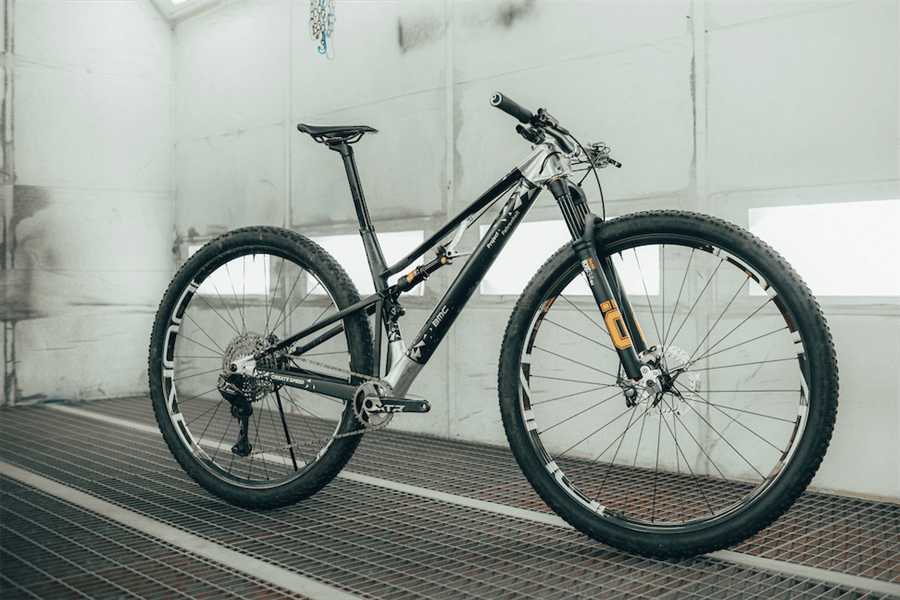
When choosing a frame for UCI Mountain Bike World Cup events, material, weight, geometry, and strength are key factors. Carbon fiber mountain bike frames are widely used by top teams due to their lightweight and high rigidity, making them particularly suitable for high-speed and complex tracks. Data shows that over 75% of UCI teams choose carbon fiber frames, with hardtail and full-suspension frames suited to XC and Downhill tracks respectively, offering different riding advantages. 32-inch mountain bike frames are gradually becoming a new trend in competitions, providing better traction and stability, meeting the needs of an increasing number of events. Choosing the right frame can significantly improve riding performance.

Inside the UCI World Cup: What Pro Rigs Really Need
In the high-stakes arena of the UCI Mountain Bike World Cup, a frame isn’t just a part of the bike—it’s a precision-engineered racing machine. To land on the podium, you need a race-ready MTB frame that delivers telepathic power transfer and the kind of forgiveness that gives riders total confidence under crushing pressure.
1.1: The UCI World Cup: The Ultimate Proving Ground
UCI World Cup tracks are notorious for being absolute bike-breakers. Between the brutal rock gardens, tight switchbacks, and massive drops, a high-end carbon MTB frame is the only way to go. Pro teams rely on specialized high-modulus carbon layups to handle extreme loads, ensuring the bike stays ultralight without sacrificing a single watt of pedaling input.
1.2: The DNA of a Winning Rig
Surviving a UCI course means walking a fine line between pure speed and bombproof durability. While a suspension MTB frame is the go-to for technical stability—saving the rider’s legs on rough descents—the hardtail MTB frame remains the king of efficiency on punchy, climbing-heavy tracks. At this level, razor-sharp geometry and steering feedback are what separate a win from a “did not finish.”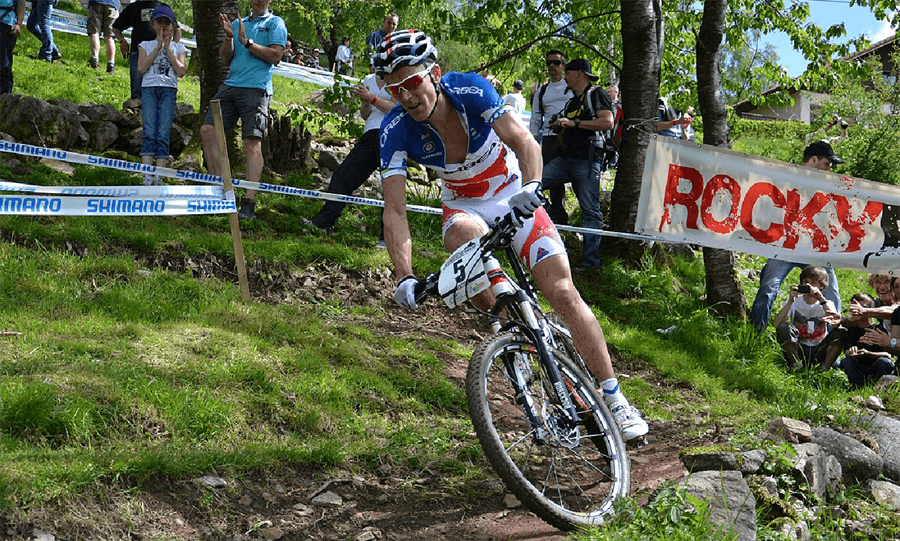
Picking Your UCI Weapon: The Pro Frame Guide
Choosing a UCI-grade frame is about more than just checking boxes; it’s a strategic balance of material, weight, stiffness, and geometry. On an XC course, it’s a battle of efficiency, while gravity-fed stages demand a chassis that can soak up hits without flinching.
2.1: The Material War: Carbon vs. Alloy
When the clock is running, a carbon fiber MTB frame is the gold standard. Carbon offers a “best of both worlds” scenario—rigidity for competitive racing paired with a lightweight carbon frame that eats trail chatter for breakfast. While alloy has its place for budget builds, it simply can’t match the power-to-weight ratio needed to stay at the front of the pack.
2.2: The Weight vs. Stiffness Tightrope
In a UCI race, every gram counts, but a bike that’s too flickable becomes a liability on technical descents. You need a platform that feels planted yet explosive. The 32er mountain bike frame combined with a hardtail 32er MTB frame setup has emerged as the weapon of choice for pure speed. Specifically, the XC832 hardtail 32er MTB frame delivers that “holy grail” balance: it’s stiff enough to sprint but light enough to fly up climbs, meeting the brutal demands of modern racing head-on.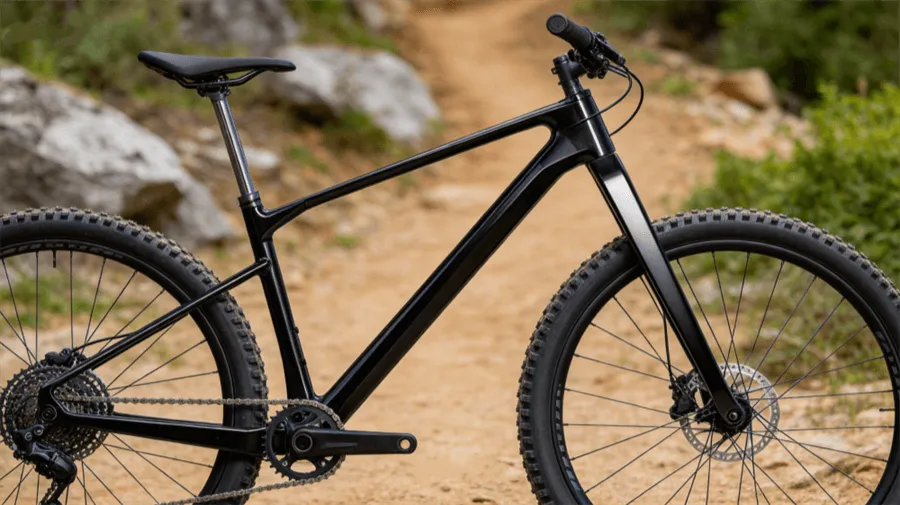
2.3: Geometry: The Secret Sauce
Geometry is what defines your bike’s personality. XC rigs focus on an aggressive, efficient pedaling position, whereas Enduro bikes prioritize stability. The specific frame angles and the way the chassis tracks through technical terrain determine whether you’re fighting the bike or flowing with it. Getting the geo right is the single biggest factor in your race-day performance.
The Right Tool for the Job: Choosing a Frame for the UCI Circuit
In the world of UCI racing, where every millisecond counts, picking the right frame is half the battle. It’s not just about the material; it’s about choosing a survival strategy for specific terrains. From the high-speed sprints of XC to the brutal descents of Enduro, your frame’s geometry and structure dictate how efficiently you use your energy. To dominate the starting grid, you need to understand exactly how each rig behaves.
3.1: Carbon Hardtails: The Ultimate Efficiency Machines
When it comes to raw power transfer in XC racing, the hardtail carbon MTB frame is still the undisputed king. By stripping away complex pivots, the hardtail ensures that every ounce of effort goes straight into forward momentum. Take the XC832 hardtail 32er MTB frame, for example—it uses an ultralight carbon layup and high-stiffness geometry to deliver terrifyingly fast acceleration on climbs and flats, giving riders surgical precision through every turn.
3.2: Full-Suspension Carbon: Your Shield Against the Rough
When the course shifts into rugged Downhill or Enduro territory, a carbon MTB frame with a full-suspension setup becomes a rider’s best friend. These systems aren’t just for comfort; they’re designed to keep your tires glued to the dirt through high-frequency chatter. High-performance models like the FS830 and FS838 leverage carbon’s natural damping and advanced leverage ratios to soak up massive hits, keeping the rider fresh and in control during long, high-pressure stages.
3.3: The 32er Revolution: Changing the Game
The 32er mountain bike frame is quickly becoming the “dark horse” of the UCI scene. Larger wheels offer a massive physical advantage: better traction, steadier tracking, and superior rollover capability. A 32-inch MTB frame significantly boosts rolling efficiency, smoothing out trail imperfections that would rattle a smaller bike. Especially on technical tracks, this “big-foot” advantage allows riders to maintain a higher average speed through descents and endurance sectors.
Buying Guide: Choosing the Perfect Rig for UCI Racing
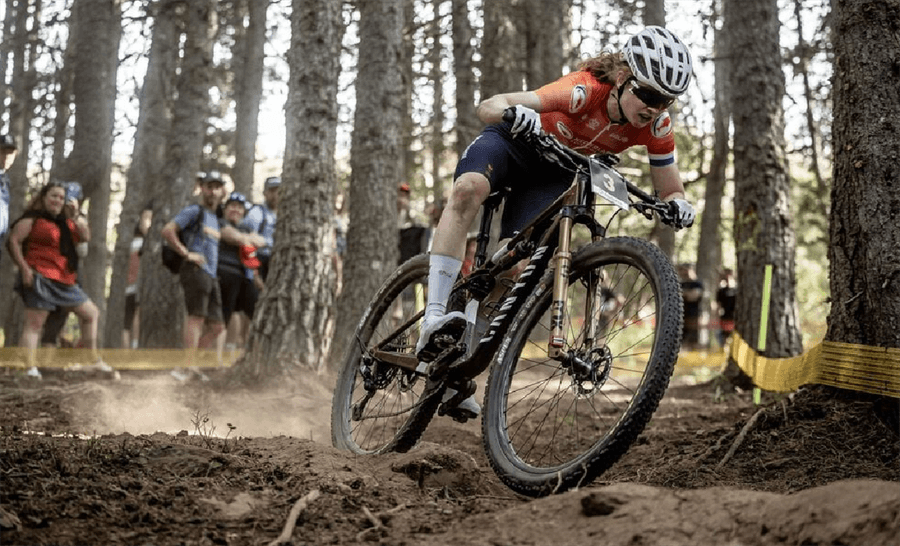
Choosing a frame for a UCI-sanctioned event isn’t about guesswork—it’s about matching geometry to the terrain. A pure XC race demands an ultralight, stiff hardtail, while a Downhill course requires a bombproof full-suspension setup. Understanding these nuances is how you give your customers a genuine competitive edge.
4.1: Match the Frame to the Discipline
The race format dictates the gear. For XC speed, a hardtail carbon MTB frame is non-negotiable. The XC832 hardtail 32er MTB frame is the ultimate climbing weapon, designed to turn every watt into forward motion. Conversely, for Enduro or DH, full-suspension models like the FS830 and FS838 provide the stability and impact absorption needed to survive high-consequence technical sections.
| Event Type | Recommended Frame Type | Key Features |
|---|---|---|
| XC Racing | Hardtail Carbon MTB Frame (e.g., XC832) | Lightweight, high rigidity, efficient power transfer |
| Downhill Racing | Full-Suspension Carbon MTB Frame (e.g., FS830, FS838) | Shock absorption, stability, durability for rough terrain |
| Endurance Racing | Full-Suspension MTB Frame | Comfort, stability, and enhanced traction for long-distance riding |
| Technical Trail Racing | Hardtail or Full-Suspension MTB Frame | Balance of weight, stability, and maneuverability in technical sections |
4.2: Performance Over Hype: Finding the Sweet Spot
In the pro pits, performance data beats brand prestige. Our lineup offers race-winning tech without the “boutique” markup. The XC832 sets the bar for 32er racing geometry, while the FS830 and FS838 deliver the high-modulus stiffness and control professional riders demand. By offering these high-value, high-performance carbon options, you can capture everyone from serious privateers to elite racers looking for a tactical advantage.

Conclusion: Elevate Your UCI Performance with the Right Frame
In the UCI World Cup, your frame is more than gear—it’s an extension of your body. Picking the right rig means walking up to the start line with a built-in performance advantage. By analyzing the course and matching it to the right hardware, you turn raw potential into a podium-worthy lead.
5.1: Gear as a Performance Multiplier
Your frame’s feedback defines your speed and composure when you’re redlining. Whether it’s a high-modulus carbon MTB frame built for snappiness or a 32er mountain bike frame designed to roll over anything, the right choice keeps you in control when fatigue sets in. Tailor your rig to your race goals to ensure you’re the one dictating the pace, not the trail.
5.2: The Final Call: Balancing Budget, Discipline, and Feel
The smartest riders don’t just buy the priciest kit—they buy what works. When weighing budget-friendly options against elite specs, always let the discipline lead the way. The best mountain bike frame is the one that fits your budget while delivering the geometry and stiffness needed to crush your specific race day.
Need help choosing the right frame for your race goals? Contact us for expert advice and tailored solutions.