Skip to content


Gravel bikes have evolved from a niche off-road activity into a core platform covering commuting, adventure riding, long-distance bikepacking, and even gravel racing. Compared to traditional aluminum or steel frames, carbon fiber gravel frames are renowned for their superior stiffness-to-weight ratio and natural vibration damping capabilities, providing more efficient power transfer and a more comfortable riding experience on challenging gravel surfaces. This is a key reason why they have captured the hearts of many gravel enthusiasts. High-quality carbon fiber frames also outperform metal materials in terms of weather resistance and corrosion resistance, requiring less maintenance and offering greater peace of mind in the long run. Industry test data shows that the advantages of carbon fiber frames in vibration filtering and long-distance riding comfort significantly improve overall performance and fatigue reduction.
This guide will delve into the material advantages, key specifications, geometric design, and purchasing strategies of carbon gravel frames, helping you choose the most suitable gravel riding frame from an engineering perspective.
What is a Gravel Bike Frame?
The gravel bike frame is the core component connecting the rider to the road surface, determining the overall handling, comfort, and ability to adapt to various road conditions. Whether it’s long-distance gravel adventures, gravel country roads, or urban commuting, choosing the right frame geometry and material directly impacts riding efficiency and fatigue. Below, we will delve into the key elements of a gravel bike frame from two aspects: definition and uses, and basic construction.
1: Definition and Uses of Gravel Bikes
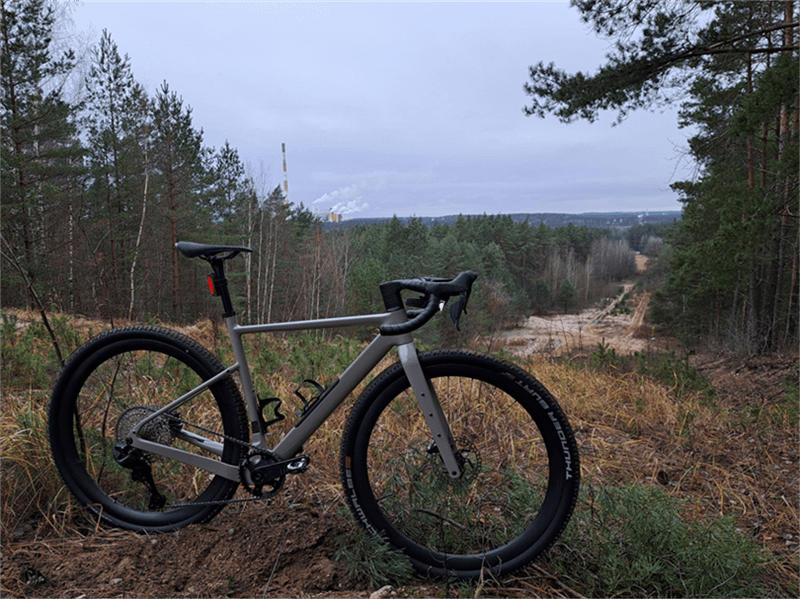
A gravel bike is a versatile riding platform that bridges the gap between road bikes and mountain bikes, combining the efficiency of high-speed road riding with the handling stability of off-road gravel trails. It is suitable for endurance gravel riding, long-distance bikepacking, and light off-road adventures. Thanks to wider tire clearance and robust geometric design, riders can easily handle diverse surfaces such as gravel, dirt, or forest trails without sacrificing comfort.
2: Basic Construction of a Gravel Bike Frame
A typical gravel bike frame consists of core components such as the frame triangle (front triangle and rear triangle), head tube, fork, and bottom bracket (BB). The frame geometry determines ride handling, climbing efficiency, and downhill stability, while the layup and tube thickness of carbon fiber directly affect frame stiffness and vibration absorption performance. For long-distance riders, correctly choosing the frame geometry, BB height, and fork rigidity can significantly improve riding comfort and reduce fatigue, which is a key factor in addressing the pain points of gravel riders.
Why Choose a Carbon Fiber Gravel Bike Frame?
Carbon fiber frames have become the preferred choice for performance-oriented gravel riders due to their lightweight, high rigidity, and excellent vibration absorption. Whether for long-distance gravel adventures, off-road exploration, or fast gravel racing, a carbon gravel frame ensures precise handling while reducing fatigue. This section will delve into why carbon fiber is the ideal choice for gravel bike frames, examining material comparisons, riding experience, and market trends.
1: Carbon Fiber vs. Other Materials
Compared to aluminum and steel frames, carbon fiber frames offer significant advantages in weight control, vibration damping, comfort, and durability.
| Frame Material | Weight | Vibration Absorption | Comfort | Durability | Typical Use |
|---|---|---|---|---|---|
| Carbon Fiber | ⭐⭐⭐⭐ | ⭐⭐⭐⭐ | ⭐⭐⭐⭐ | ⭐⭐⭐ | long-distance / race |
| Aluminum | ⭐⭐⭐ | ⭐⭐ | ⭐⭐ | ⭐⭐⭐⭐ | budget / commuter |
| Steel | ⭐⭐ | ⭐⭐⭐⭐ | ⭐⭐⭐⭐ | ⭐⭐⭐ | touring / comfort |
2: How Carbon Fiber Frames Enhance the Gravel Riding Experience
A high-quality carbon fiber frame achieves the optimal balance between vibration filtering (road buzz/trail chatter) and power transfer. Different layup stacking methods significantly impact feel and feedback. Features commonly used by engineers, such as UDH-compatible rear triangles, Endurance Geometry, or finely tuned head tube angles, enhance stability and handling precision, allowing riders to maintain confidence and comfort on gravel roads or rough trails.
3: Current Market Trends for Carbon Fiber Frames
Modern carbon fiber gravel bike frames not only emphasize lightweight design but also integrate practical features such as internal cable routing, wide tire compatibility (up to 700x45C or 650Bx2.1”), and multiple mounting points for racks and bottles. Endurance Geometry, long chainstay designs, and adjustable fork angles are popular trends in European and American gravel racing and adventure bikes, allowing riders to enjoy precise handling and a comfortable experience on varied terrain.

Key Specifications and Parameters of Carbon Fiber Gravel Bike Frames
Choosing the right carbon fiber gravel bike frame depends not only on the material and brand, but more importantly, on the frame size and geometric parameters. Correctly matched size and parameters can significantly improve handling, stability, and riding comfort, while also preventing fatigue and knee joint stress during long rides. This section will analyze frame size, geometric parameters, and tire clearance to help riders quickly determine which frame best suits their body type and riding needs.
1: Frame Size and Rider Fit
Carbon fiber gravel frames typically come in standard sizes such as S/M/L/XL. When choosing, consider your height, arm length, and riding posture (racing posture, endurance posture, or upright posture). The right size not only ensures pedaling efficiency but also optimizes handling feedback, reducing fatigue during long gravel adventures. Professional recommendations include using stack and reach values to match height and arm span, or referring to size charts commonly used by European and American brands (such as Salsa and Specialized gravel series sizes).
2: Detailed Explanation of Geometric Parameters: Reach, Stack, BB Drop, Head Angle
Reach & Stack: Determine upper body extension and handlebar position, affecting long-distance comfort and power output efficiency.
BB Drop: Bottom bracket height affects the frame’s center of gravity, thus changing handling stability.
Head Angle: The fork angle determines steering sensitivity and downhill stability.
By understanding these geometric parameters, riders can find the best balance in handling, climbing, descending, and long-distance endurance riding, avoiding buying a frame that “looks lightweight but has unstable handling.”
3: Tire Clearance and Compatibility
Modern gravel bike frame designs emphasize wide tire compatibility, typically supporting at least 700×45C or 650B×2.1″ tires. Larger clearance accommodates muddy or gravel conditions, improving durability and long-distance riding comfort, while allowing riders to freely choose tires based on different road conditions (mud clearance, touring tire, fast gravel tire). Adequate tire clearance also reduces the impact of gravel on the frame and rider, ensuring a smoother gravel adventure.

Choosing the Right Carbon Fiber Gravel Bike Frame
Selecting a suitable carbon fiber gravel bike frame is crucial not only for riding comfort but also for efficiency and durability. Different riding needs demand different requirements in terms of frame weight, geometry, vibration absorption capabilities, and component compatibility. This section will help you precisely choose the most suitable carbon gravel frame from the perspectives of riding type and frame-component compatibility, ensuring an ideal riding experience whether for fast racing, long-distance adventures, or daily commuting.
1: Recommendation Logic for Different Riding Needs
Racing Gravel (like Haidelibikes GV201): Emphasizes lightweight design and quick response, focusing on stiffness-to-weight ratio and precise handling. Suitable for short races or fast training.
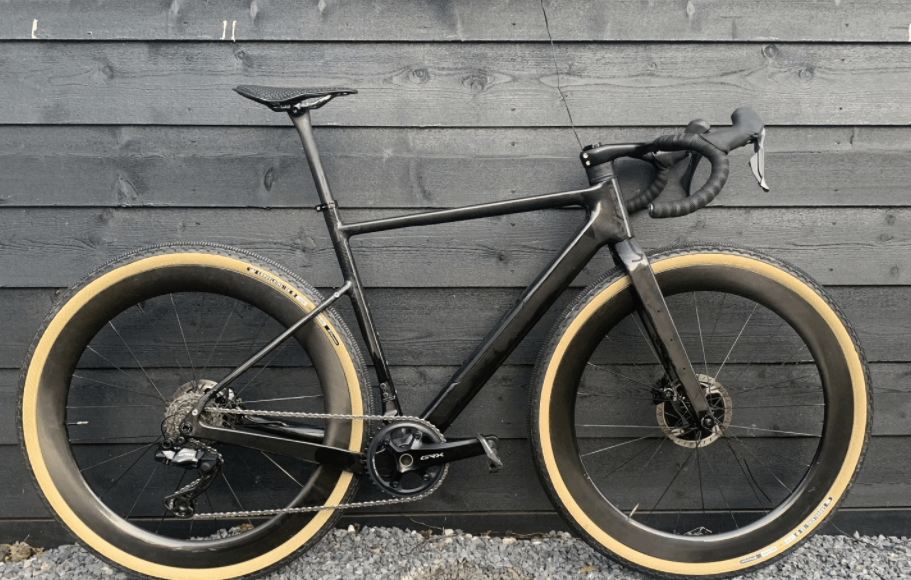
Long-Distance Endurance/Adventure(like Haidelibikes CR060): Prioritizes comfort and stability, while also supporting mounting points for racks and bags, ensuring reliability for long-distance gravel bikepacking or multi-day adventures.

Commuting or Light Off-Road: Focuses more on cost-effectiveness and durability, suitable for urban gravel roads or light off-road riding on weekends, balancing maintenance costs and daily riding convenience.
2: Key Points of Frame and Component Compatibility
Choosing a bike involves more than just geometry and weight; component compatibility is also crucial. This includes matching bottom bracket (BB) standards, disc brake mounting types, mounting points for racks or frame bags, and internal cable routing channels, all of which directly affect riding convenience and expandability. Understanding these key points will ensure that your carbon gravel frame is reliable and easy to use, whether for component upgrades or long-distance travel.
Testing and Quality Assessment of Carbon Fiber Frames
The performance of a carbon fiber gravel frame is not only reflected in its lightweight and comfort, but also depends on rigorous structural testing and high-standard manufacturing. To ensure riding stability, durability, and a comfortable long-distance riding experience, engineers typically evaluate the frame from multiple dimensions, from laboratory testing to real-world road feedback. This section will cover structural testing, manufacturing quality assessment, and real-world riding feedback to help you choose a high-quality carbon fiber gravel frame and avoid common pitfalls.
1: Common Structural Testing Methods
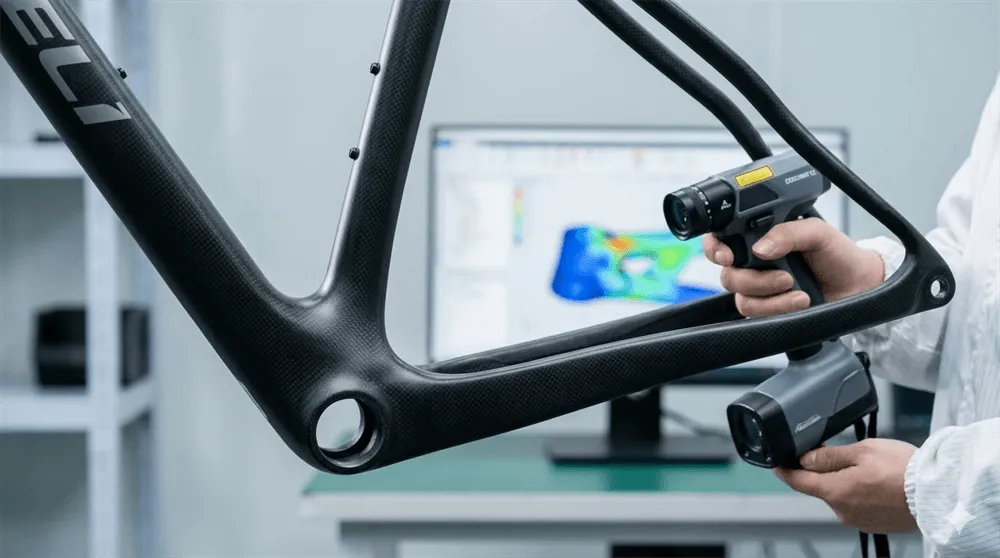
Professional frame testing includes static stiffness testing, fatigue life testing, and impact absorption assessment. These tests quantify the frame’s deformation, lifespan, and vibration damping capabilities under different stresses, directly impacting the efficiency and comfort of long-distance gravel riding or rough road adventures.
2: How to Judge the Manufacturing Quality of Carbon Fiber Frames
The key to a high-quality carbon fiber frame lies in layup design, resin consistency, and a void-free structure. The precision of critical interfaces, such as welded or bonded joints, also determines durability and riding safety. Mastering these engineering-level standards allows you to quickly select cost-effective frames and avoid cracks or fatigue failure.
3: Real-World Riding Feedback and Common Problems
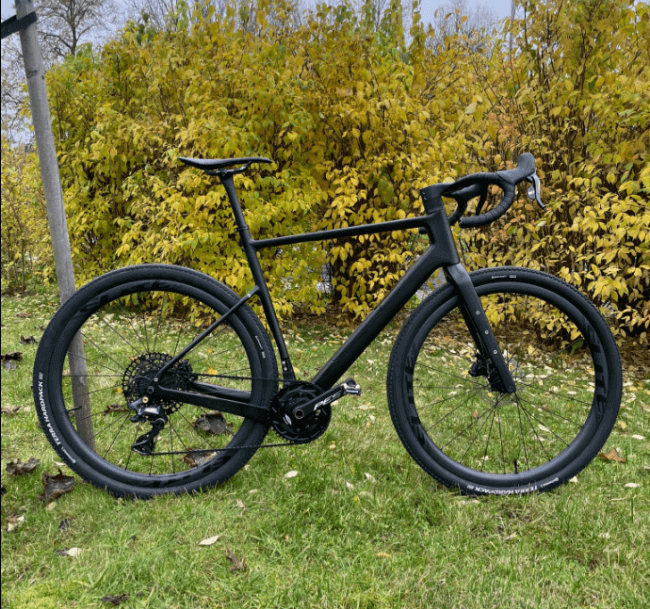
Beyond laboratory testing, real-world ride feedback is equally important. According to Reddit and European and American cycling forums, riders focus on the performance of carbon fiber gravel frames in terms of scratch resistance, rock strike resistance, and long-term fatigue performance. This feedback can help riders set reasonable expectations and understand which layup designs are reliable in actual gravel conditions and which are prone to corner cracking or resin delamination.
Future Trends in the Carbon Fiber Gravel Frame Market
With the rising popularity of gravel riding and long-distance adventures, the carbon fiber gravel bike frame market is experiencing multifaceted innovation. Riders’ increasing demands for ride comfort, suspension efficiency, durability, and wide tire clearance are driving brands to continuously iterate on frame geometry, material selection, and structural optimization. This section will analyze future trends from both technological evolution and market dynamics perspectives, helping riders understand carbon gravel frame trends and make informed purchasing decisions.
1: Technological and Design Evolution Trends
The new generation of carbon fiber gravel frames is introducing lightweight integrated suspension systems and micro-adjust seatpost compliance, significantly improving vibration filtering on gravel surfaces. Furthermore, greater tire compatibility (700×45C or 650B×2.1″) provides riders with more stable handling and grip on muddy, gravel, and uneven roads. Combined with Haidelibikes’ test data, optimized carbon fiber layup and suspension design can provide a more comfortable long-distance riding experience while maintaining a high stiffness-to-weight ratio.
2: Brand and Market Segment Dynamics
In the European and American markets, a clear segmentation trend is emerging in carbon fiber gravel bike frames: high-end brands emphasize suspension-optimized gravel and competitive performance, while mid-range brands focus on durability and cost-effectiveness, while also catering to multi-purpose gravel riding needs. When purchasing, riders are increasingly paying attention to tire clearance flexibility, suspension-ready frames, frame geometry, and carbon fiber layup technology, as these factors directly affect handling stability, comfort, and reliability for long-distance riding.
Common Buying and Maintenance Advice
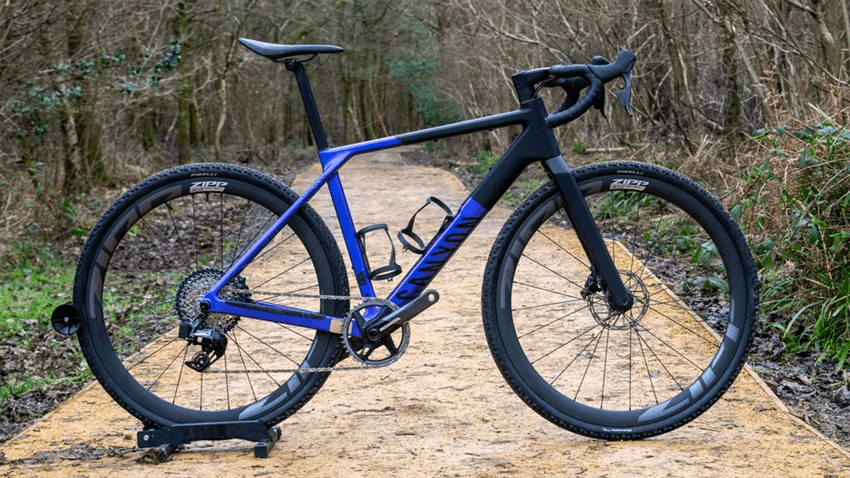
Choosing a carbon fiber gravel bike frame isn’t just about price or appearance. A proper assessment of the price-performance ratio, understanding frame maintenance, and being aware of daily use considerations are crucial for balancing riding experience and durability. This section provides an engineer’s perspective on key buying points, maintenance tips, and common pitfalls to help you choose the most suitable carbon gravel frame.
1: How to Evaluate Price vs. Performance
The price difference in carbon fiber frames typically stems from material grade, fiber layup schedule, resin technology, and manufacturing precision. High-end frames use T800/T1000 carbon fiber and integrated molding technology, offering a superior stiffness-to-weight ratio and vibration damping capabilities; while mid-to-low-end frames offer better value for money, their riding feel and durability are slightly inferior. Understanding these differences will help you choose the ideal gravel bike frame within your budget.
2: Riding and Maintenance Considerations
Carbon fiber frames require regular fatigue crack inspections, protection of the coating, prevention of impact damage, and attention to interfaces, disc brake mounts, and rack mounting points. Using the correct torque for hardware and avoiding overloading are key to extending frame life. When choosing the Best Carbon Gravel Bike for Bikepacking, consider the weight distribution of frame bags and bottle cages to reduce stress concentration during long-distance rides.
3: Common Misconceptions and Recommendations
Common misconceptions include focusing solely on weight while neglecting geometry matching (reach/stack), underestimating component compatibility, and neglecting long-term maintenance. It’s recommended to comprehensively assess riding posture, routes, load, and accessory needs to maximize the performance of your carbon fiber frame and extend its lifespan.
If needed, I can further refine this text to be more conversational and relatable for a Western audience.

Summary and Call to Action
Through this analysis, we have comprehensively examined the material advantages, geometric design, key specifications, and purchasing and maintenance considerations of carbon fiber gravel bike frames. From **stiffness-to-weight ratio, vibration absorption capabilities, durability, and component compatibility** to riding comfort and long-distance performance, all core factors need to be considered when making a purchase.
1: Key Takeaways
- Material choice determines performance: High-modulus carbon fiber frames offer a lighter and stiffer ride while effectively absorbing vibrations from gravel surfaces.
- Geometry matching is crucial: Geometric parameters such as reach/stack, BB drop, and head tube angle directly affect handling and comfort.
- Routine maintenance and long-term use: Regular checks for fatigue cracks, protective coatings, and hardware torque adjustments can extend frame life and maintain riding performance.
2: Call to Action
Choosing the most suitable gravel bike frame based on your riding style, route needs, and budget is key to enhancing your experience. We recommend referring to our Gravel Bike Buying Guide or visiting the product page to see the latest model recommendations. Select a high-performance frame that meets your needs to ensure every gravel adventure is comfortable, efficient, and reliable.
If you have any questions or need personalized advice, feel free to contact our team – we’re happy to help you find the perfect gravel bike frame.