Skip to content


Cheap carbon fiber mountain bike frames have sparked widespread discussion in cycling circles in recent years. Many cyclists seek lightweight and high performance while also being mindful of budget constraints. However, the quality and durability of budget carbon fiber frames are often a key concern.
Reddit users have reported that carbon fiber frames have demonstrated excellent durability after extensive and rigorous riding. For example, one user noted, “I’ve been riding for six years and have experienced numerous crashes, and the frame has barely sustained any damage.” This demonstrates that high-quality carbon fiber frames can maintain their performance even under intense use.
However, the quality of budget carbon fiber frames varies greatly. Some cyclists have noted that budget carbon fiber frames may exhibit material and workmanship issues, resulting in less-than-expected durability. For example, one user noted, “I once bought a budget carbon fiber frame, and it cracked within a year.” Therefore, when choosing a budget carbon fiber frame, consumers should carefully evaluate the quality and brand reputation.
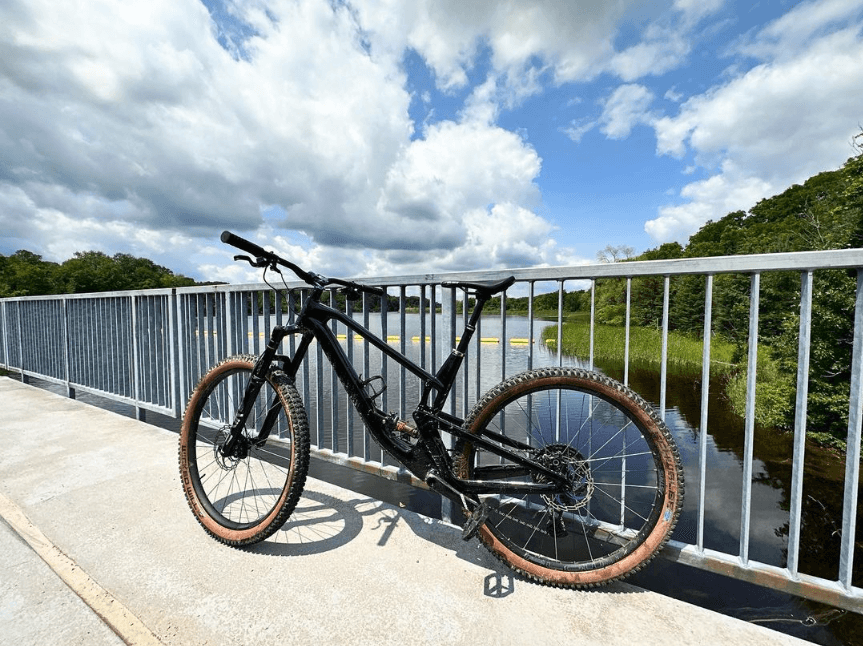
Overall, budget carbon fiber mountain bike frames can offer performance advantages while meeting budget needs. However, consumers should fully understand the quality and brand reputation of the product when choosing to ensure its safety and durability in long-term use.
1.What is a Carbon Fiber MTB Frame?
A carbon fiber MTB frame is a core component of high-performance mountain bikes. Made from high-modulus carbon fiber yarn and epoxy resin, it combines lightweight and high rigidity. European and American riders often refer to it as a “CF frame,” while engineers sometimes use the term “layup” to refer to the lamination process. Compared to aluminum or steel frames, carbon fiber MTB frames offer more precise control and a more comfortable ride, while also meeting the demands of off-road and long-distance riding.
1.1 Materials and Processing of Carbon Fiber MTB Frames
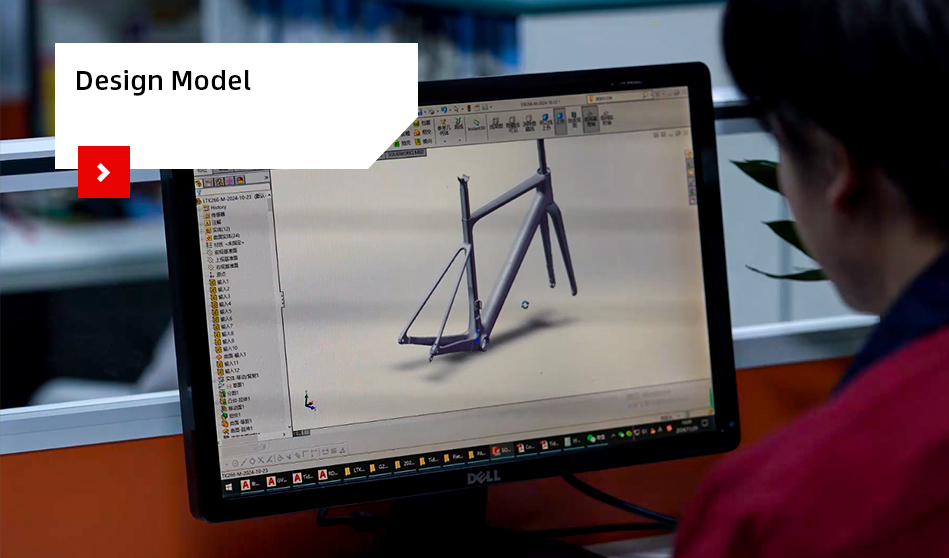
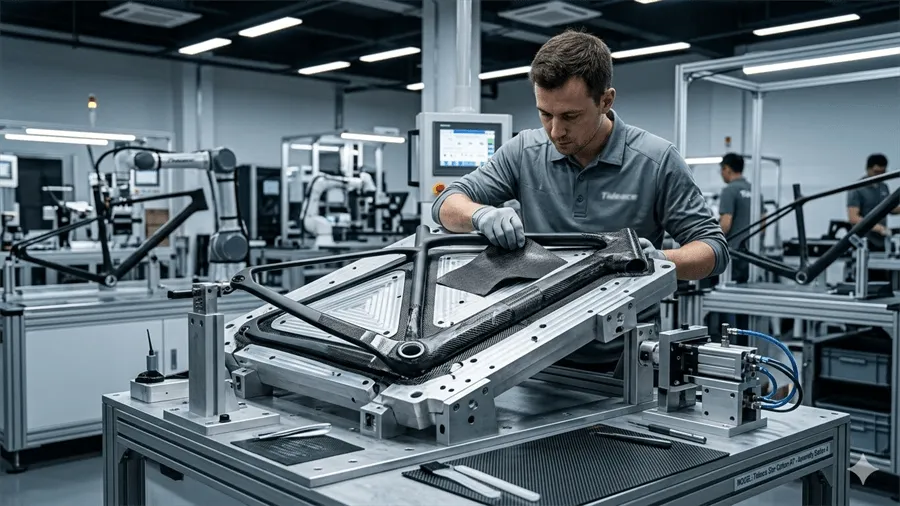
Carbon fiber MTB frames typically utilize T700 or T800 series carbon fibers, combined with vacuum bagging or autoclave curing. Key stress-bearing areas are reinforced with a layup to enhance impact resistance and durability. Common industry terms used in the European and American markets include “full carbon” and “stiff but compliant,” meaning a frame that is both rigid and comfortable.
1.2 Advantages of Carbon Fiber MTB Frames: Lightweight and High Rigidity
Carbon fiber frames are lightweight, saving approximately 300-500 grams compared to aluminum frames of the same specification. They also feature directional damping, providing both stability and comfort. They are suitable for aggressive off-road, cross-country (XC) trails, and long-distance rides. Their lightweight advantage also makes climbing easier, while their high rigidity provides precise control, contributing to their popularity.
1.3 Common Types and Sizes (Including 27.5mm MTB Bike Frames)
Major types of carbon fiber MTB frames include:
Hardtail: These frames lack suspension in the rear fork, offer high climbing efficiency, and are suitable for Cross-Country (XC) trails.
Full Suspension: Features front and rear suspension, suitable for all-mountain or enduro riding.
Wheel Size: 27.5-inch (650B) offers a balance of agility and rolling efficiency; 29-inch (29er) offers superior rolling performance and is suitable for long-distance off-road riding.
When choosing a frame, consider your height, riding style, frame geometry, and suspension travel to ensure optimal handling and comfort. Cheap carbon fiber frames (MTBs) are more common in the entry-level market, but you should still pay attention to the materials and craftsmanship to ensure durability.
2. What are the advantages and disadvantages of cheap carbon fiber MTB frames?
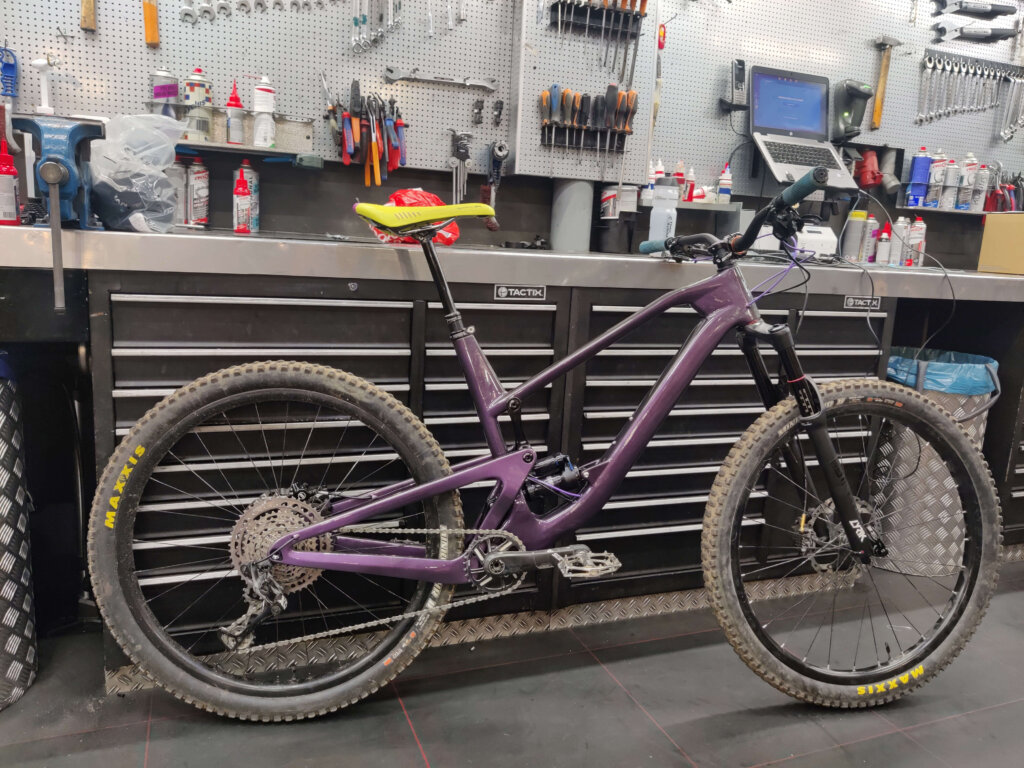
Cheap carbon fiber MTB frames are increasingly popular due to their affordability and high-end aesthetics. For cyclists on a budget or building a “budget build,” they offer a gateway into the world of carbon fiber. However, cheap doesn’t always mean cost-effective—the frame’s material grade, resin ratio, layup structure, and OEM mold precision all affect the riding experience and longevity.
2.1 Advantages: Low-cost entry-level option, lightweight experience
From a performance perspective, cheap carbon fiber MTB frames typically retain the inherent lightweight advantages of carbon fiber, weighing approximately 300 to 500 grams less than comparable aluminum frames. For entry-level or recreational cyclists, this weight difference can significantly improve climbing efficiency and maneuverability. Some factory-produced “open mold frames” use the same molds as OEM (original equipment manufacturer) frames, lacking the post-production testing and painting process, resulting in lower prices. When paired with the appropriate suspension and wheel configuration, they can still achieve a good ride quality and stiffness-to-weight ratio.
2.2 Risk: Materials, Craftsmanship, and Durability May Be Reduced
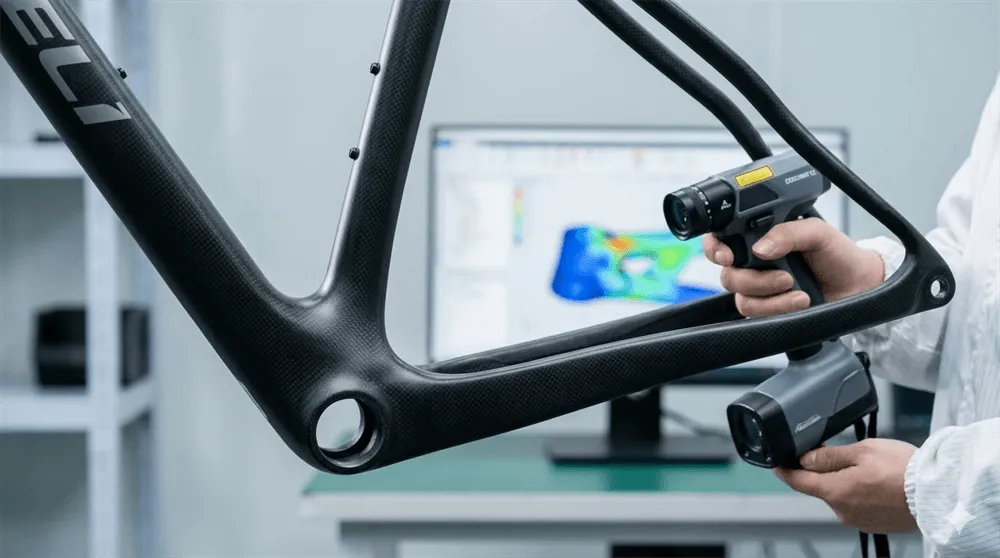
The biggest uncertainty in affordable carbon fiber MTB frames lies in materials and craftsmanship. To reduce costs, some manufacturers use lower-grade carbon fiber (such as T300 or blended fibers). This leads to uneven control of the resin ratio, resulting in unstable layup consistency, which in turn affects overall stiffness and impact resistance. Long-term riding under high torque or technical conditions may lead to the risk of microcracks or delamination. Furthermore, some low-cost models do not undergo comprehensive fatigue testing, resulting in a gradual decline in durability over time.
2.3 Real Cyclist Cases and User Reviews (Combined with Data from Reddit and MTBR Forums)
On Reddit’s “r/MTB” and the MTBR forums, discussions about cheap carbon frame MTBs are very active.
One user shared that he purchased a full carbon hardtail frame from an Asian manufacturer for less than a third of the price of a brand-name model, and that it remained rigid and crack-free after two years of riding.
Another rider noted that his cheap carbon frame developed chainstay cracking within a year, and the after-sales warranty was no longer valid.
According to a user survey conducted by Pinkbike and MTBR (2024), approximately 68% of cyclists believe that “there is a significant performance gap between price and brand,” but 20% also stated that “cheap carbon frames are fully sufficient for daily use” (Data Source: MTBR Forum Poll, 2024).
3. How to Choose a Reliable Budget-Friendly Carbon Fiber MTB Bike Frame
When choosing a budget-friendly carbon fiber MTB frame, the key is to balance performance, durability, and budget. While budget-friendly frames may offer economical benefits, the careless selection can lead to issues such as compromised materials and craftsmanship, as well as geometric mismatches. The following tips can help riders make a more informed choice, ensuring their budget-friendly carbon fiber frame is both lightweight and reliable.
3.1 Identifying High-Quality Carbon Fiber Materials and Layup Process
High-quality carbon fiber MTB frames typically utilize high-modulus T700/T800 carbon fiber yarns, combined with a uniform resin ratio and standardized layup consistency. This is commonly referred to in the industry as “full carbon,” emphasizing the frame’s full carbon construction, combining rigidity with lightweight properties. When selecting, look for the following:
- Uniform lamination texture, with no visible bubbles or delamination. Thickened or locally reinforced joints and welds.
- Does the manufacturer provide fatigue testing or impact testing reports?
- Low-cost frames are often made using “open mold” or “OEM mold.” These molds are identical to those used by brand-name manufacturers, but the material grade and lamination process must be verified to ensure they meet standards.
3.2 Pay attention to size and compatibility: 27.5-inch, 29-inch, and common sizes.
Frame size and wheel diameter directly impact riding comfort and handling:
- 27.5-inch (650B): Offers a balance of agility and rolling efficiency, suitable for riders of average height. (Like M018 FRAME)
- 29-inch (29er): Offers low rolling resistance, suitable for long-distance off-road or technical trails.(Like M038, M039, FS831 FRAME)
- Frame geometry must match fork travel, suspension type, and wheel specifications.
- When purchasing a low-cost carbon fiber frame, ensure the base bracket, head tube angle, and chainstay length are compatible with standard components to avoid future upgrades or maintenance difficulties.
3.3 Recommended Purchasing Channels and Considerations
Reliable channels can reduce the risk of purchasing a “cheap carbon fiber MTB frame”:
- Authorized brand stores or official websites: Guaranteed materials, workmanship, and after-sales service.
- Major European and American e-commerce platforms (such as JensonUSA and Chain Reaction Cycles): Refer to user reviews and ratings for real-world riding feedback.
- MTB forums and communities: Reddit, MTBR, etc., for real-world riding examples and warranty experiences.
Purchasing Considerations:
- Verify material grade and mold source (OEM/handmade).
- Check for warranty and after-sales service.
- Performance expectations for low-priced frames should be reasonable. They are primarily intended for entry-level or light off-road use; high-intensity racing is not recommended.
4. Who is a Budget-Friendly Carbon Fiber MTB Frame Suitable For?
For those considering an affordable carbon fiber MTB frame, the key isn’t simply whether it’s light, but whether it’s suitable for their riding needs and frequency. Today’s entry-level carbon fiber MTB frames have seen significant advancements in structural design, fiber layout, and resin systems, moving beyond the “light but brittle” design. For amateur riders, daily commuters, or weekend trail riders, a lightweight and responsive budget carbon mountain bike frame may be more practical than a high-end racing model.
4.1 Entry-Level or Recreational Riders
For beginners or those primarily cycling around town, budget-friendly carbon fiber MTB frames offer an excellent balance. They offer both lightness and comfort, significantly reducing fatigue during extended rides.
These frames typically utilize medium-modulus carbon fiber (T700 or T800) and feature localized reinforcements in key stress areas, such as the BB, head tube, and chainstays. While slightly heavier than top-tier racing models, they strike an ideal balance between stiffness and durability.
For everyday riding, weekend outings, or occasional light trail rides, carbon frame MTBs for beginners offer significantly better pedaling efficiency and vibration absorption than aluminum.
4.2 Non-Intense Mountain Riding, Short Trips, or Light Off-Roading
Affordable carbon fiber MTB frames are particularly well-suited for non-extreme riding scenarios such as Trail, XC (Cross-Country), or Light Enduro.
Features include:
Lower weight: Saves energy on short and moderate climbs;
Moderate flex: Provides improved road feel on gravel roads and forest trails;
Easy to maintain: Modern carbon fiber construction is epoxy-sealed for excellent moisture and aging resistance.
For riders who enjoy technical trail riding but don’t want to sprint up steep hills, an entry-level carbon fiber MTB hardtail meets most needs, offering a more linear and natural response than aluminum.
4.3 How to Determine “Is It Worth It” Based on Your Riding Needs
| Evaluation Aspect | Key Points | Recommendation |
|---|---|---|
| Frequency & Riding Scenario | If your rides are mainly commuting, suburban trails, or weekend mountain trips — not continuous high-intensity downhill sessions. | An entry-level carbon MTB frame is a cost-effective and performance-balanced option. |
| Budget & Maintenance | Carbon frames require less maintenance overall but must be protected from over-tight clamping or strong impacts. | With basic care, a carbon fiber MTB frame can outlast an aluminum frame in long-term use. |
| Performance Expectations | Riders focusing on light weight, smooth pedaling, and comfort rather than extreme jumps or rocky descents. | A budget carbon trail bike frame meets these needs while keeping the build affordable. |
5. Summary: Is the Cheap Carbon Fiber MTB Frame Worth It?
With the maturation of material processing and the optimization of the production chain, cheap carbon fiber MTB frames are no longer synonymous with “substandard products.” For cyclists who prioritize value, lightweighting, and comfort, this type of frame offers a more balanced performance option—it strikes a reasonable balance between weight, stiffness, and cost.
Can a 29er bike frame really make climbing hills easier? In recent years, an increasing number of budget carbon mountain bike frames have adopted high-precision monocoque molding, T700/T800 blended carbon fabric, and reinforced resin systems. This ensures that even entry-level models offer satisfactory stiffness response and torsional resistance for XC or trail riding, helping riders tackle climbs more efficiently.
5.1 Core Conclusion
Is it worth buying?
If your riding style tends to favor light trail riding, weekend rides, or urban trail commuting, then the answer is yes.
Low-cost carbon fiber MTB frames offer lighter weight, smoother pedaling, and improved vibration damping, helping riders achieve the ideal balance between power output and comfort.
However, for those pursuing extreme jumps (big drops), intense descents (DH runs), or frequent high-impact rides, entry-level carbon frames are still not the best choice. For these types of use, it’s recommended to opt for a reinforced carbon frame or alloy trail bike frame for added safety and strength.
In other words:
Light riding = worth it
Intense off-roading = need an upgrade
5.2 Purchasing Recommendations and Safety Tips
Choosing a Trusted Brand and Supply Chain:
- Not all “carbon MTB frames” are created equal. Choose a manufacturer with ISO or EN certification to verify the carbon layup and resin system parameters.
- OEM brands, in particular, often offer greater assurance in structural design and post-processing.
Installation and Maintenance Notes:
- Always use a torque wrench during installation to prevent over-tightening and damage to the carbon layer.
- Use carbon assembly paste to improve clamping force and reduce the risk of slippage.
- Avoid exposing the frame to direct sunlight or prolonged moisture. Although modern resin systems are weather-resistant, long-term exposure will still accelerate degradation.
Regularly inspect key stress points:
Particularly the base frame, head tube, and seat tube. If cracks or paint bulges are detected, remove the frame from service immediately and have it inspected.
This is crucial for ensuring the safe lifespan of your carbon frame, especially for riders using entry-level carbon MTBs.