Skip to content


When it comes to performance, durability, and safety, testing carbon bike frames is an essential part of the manufacturing process. These tests ensure that carbon frames can withstand extreme conditions, long-term usage, and harsh impacts while maintaining optimal performance. In this article, we will dive into three crucial testing methods used to assess carbon bike frames: strength, fatigue, and impact.
The Importance of Carbon Bike Frame Testing
Testing is a vital part of manufacturing high-quality carbon bike frames. It provides insights into how well the frame performs under real-world conditions and ensures that the frame is not only strong but also durable, safe, and capable of delivering a smooth ride.
1.1 How Carbon Bike Frame Quality Affects the Riding Experience
A well-tested carbon bike frame forms the foundation for an exceptional cycling experience. The right frame can enhance comfort, improve performance, and provide long-lasting durability, making the rider’s journey more enjoyable.
1.2 Why Strength, Fatigue, and Impact Tests Matter
These tests are essential for understanding how the frame behaves under various stresses. The strength test ensures the frame can handle force without failing, the fatigue test simulates prolonged usage over time, and the impact test checks the frame’s ability to withstand collisions or accidents.
1.3 Testing’s Role in Carbon Bike Frame Manufacturing
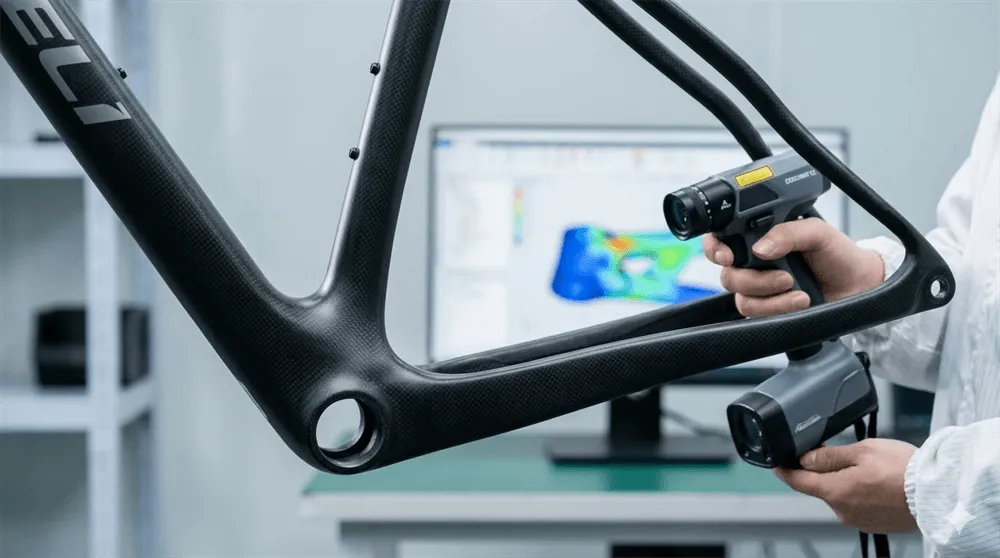
How We Test Carbon Bike Frames Before Mass Production is a crucial process for any manufacturer aiming to deliver high-quality products. Testing provides manufacturers with the necessary data to improve frame design and quality control. It allows them to refine materials and construction methods, ensuring that the final product is both reliable and high-performing.
Strength Testing: Assessing Durability Under Load
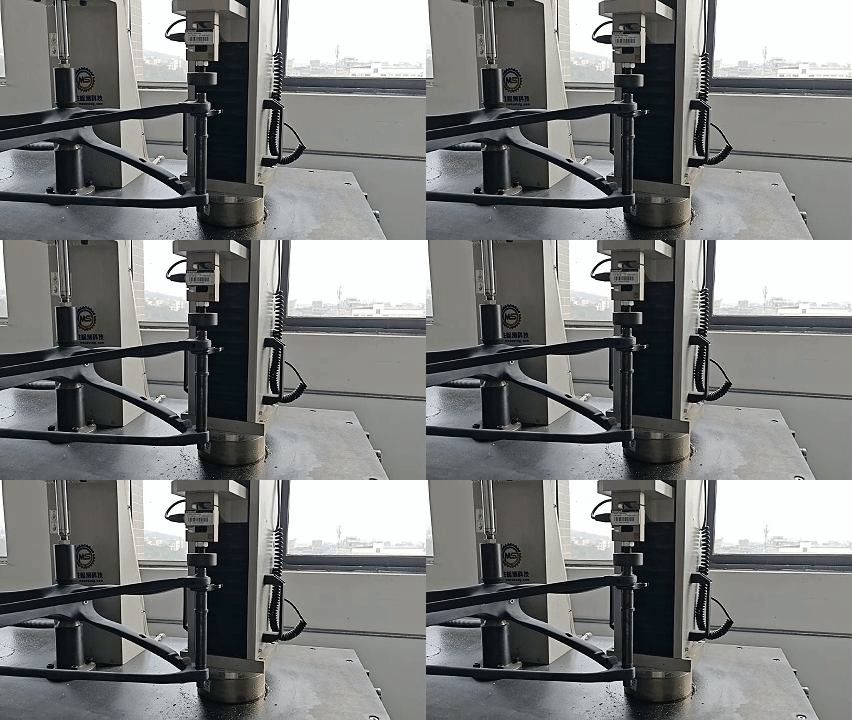
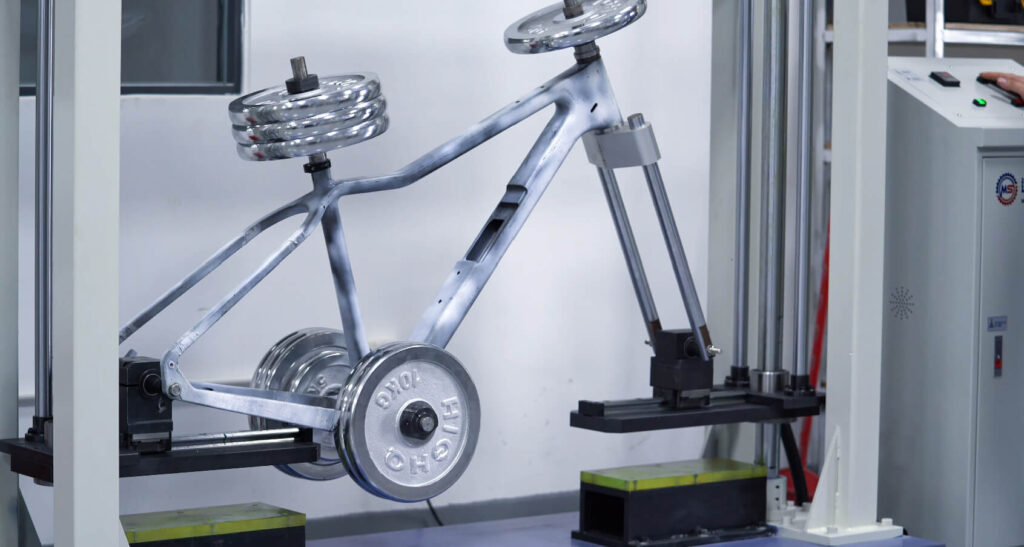
Strength testing evaluates how well a carbon bike frame performs under stress. This test measures the frame’s ability to resist deformation and failure when subjected to forces such as the rider’s weight, dynamic acceleration, or braking.
| Test Standard | Description | Test Equipment | Purpose |
|---|---|---|---|
| ISO 4210 | International standard for bicycle safety | Universal Testing Machine | Tests frame strength under load and stress |
| ASTM F2043 | Standard for mountain bike frames | Hydraulic Press | Assesses load-bearing capacity and frame stiffness |
| CEN EN 14781 | European standard for road bike frames | Tensile Testing Machine | Measures tensile strength and deformation |
| ISO 11104 | Test for carbon fiber frame impact resistance | Drop Test Apparatus | Simulates impact forces on the frame |
| ISO 11101 | Test for fatigue resistance in bicycle frames | Fatigue Testing Machine | Simulates long-term stress and wear |
2.1 What is Carbon Bike Frame Strength Testing?
Strength testing involves applying specific forces to the frame to simulate the stresses it will experience during riding. This includes testing for load-bearing capacity, stiffness, and structural integrity.
2.2 How Carbon Bike Frames Maintain Structural Integrity Under Extreme Loads
During strength testing, the frame must demonstrate its ability to withstand significant force. Carbon fiber is known for its high tensile strength, which makes it ideal for absorbing and distributing forces across the frame, preventing cracks or permanent deformation.
2.3 Common Standards and Equipment Used in Strength Testing
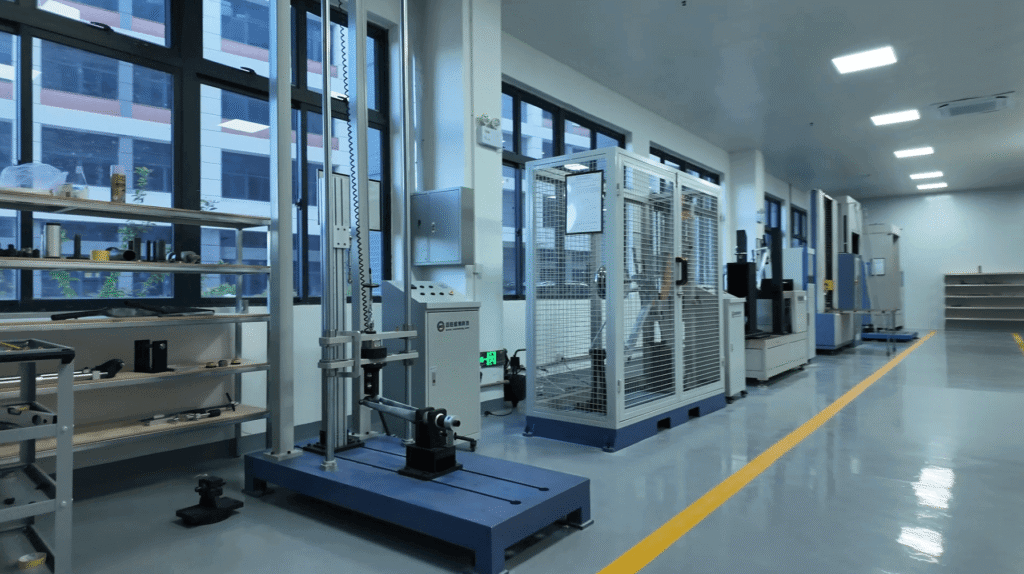
To ensure consistency and accuracy, carbon bike frames are tested according to international standards like ISO 4210 and ASTM F2043. Specialized machines apply pressure to the frame to measure its deformation or failure under load.

Fatigue Testing: Ensuring Long-Term Reliability
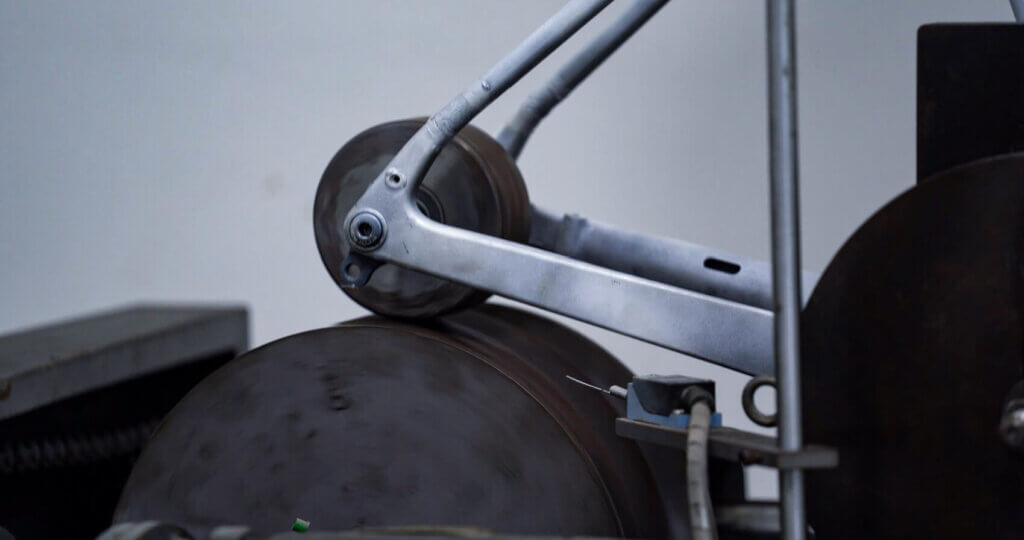
Fatigue testing simulates the long-term stress placed on a carbon bike frame during regular use. The goal is to ensure the frame can withstand repeated loading and unloading cycles without developing cracks or other structural issues over time.
3.1 The Principle and Process of Fatigue Testing
Fatigue testing works by subjecting the frame to repeated forces that mimic the stresses it would experience over a long period of use. This can include the impact of repeated bumps on rough terrain, long climbs, and continuous pedaling.
3.2 How Carbon Bike Frames Perform Under Repeated Stress
Over time, all materials experience wear and tear. Carbon fiber bike frames are designed to resist fatigue, but without rigorous testing, it’s hard to know how they will perform after thousands of miles of cycling. Fatigue tests ensure the frame can endure these cycles without failure.
3.3 Impact of Fatigue Testing on Frame Design
Fatigue testing results allow manufacturers to refine their designs and materials. They can identify weak points in the frame and optimize them for better long-term performance, ensuring that the bike will last for years without compromising safety or comfort.

Impact Testing: Testing Durability in Extreme Conditions
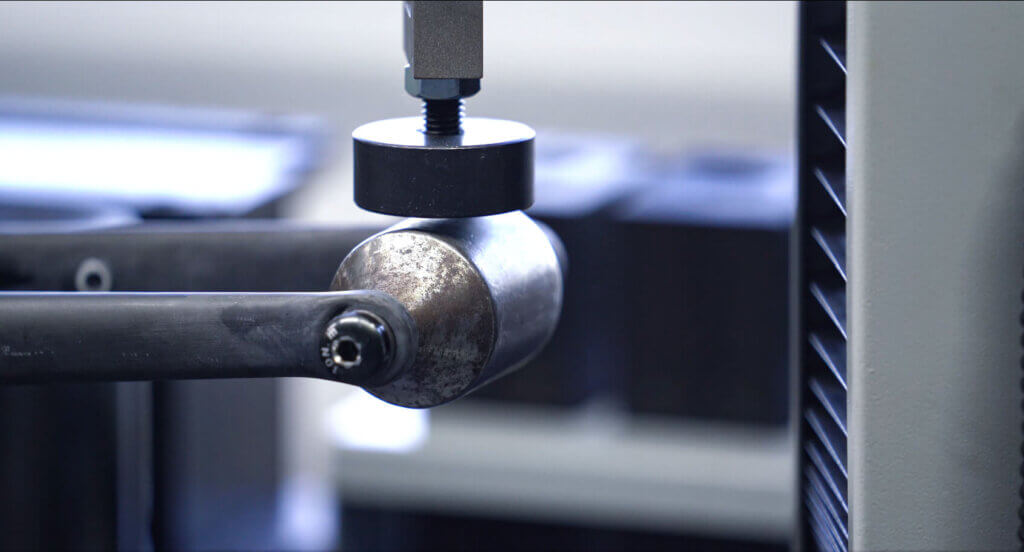
Impact testing evaluates how a carbon bike frame reacts to sudden, high-force collisions. This test simulates real-world conditions like crashes, drops, or other unexpected impacts, helping ensure the frame’s safety and resilience.
4.1 How Carbon Bike Frame Impact Testing is Conducted
During impact testing, the frame is subjected to controlled crashes or shocks to measure its performance under extreme conditions. This test helps determine how well the frame absorbs the impact and whether it maintains its structural integrity.
4.2 Carbon Bike Frame Performance in Extreme Collisions
The ability of a carbon bike frame to absorb impact without breaking or becoming severely damaged is crucial for rider safety. Impact testing ensures that the frame will protect the rider during accidents, minimizing the risk of serious injury.
4.5 How Impact Testing Data Informs Frame Safety
Impact testing provides valuable data on how a frame behaves during collisions. Manufacturers use this data to improve frame design, ensuring that each frame offers optimal safety for the rider while maintaining high performance.
Challenges and Innovations in Carbon Bike Frame Testing
Although testing carbon bike frames is critical, it’s not without its challenges. The unique properties of carbon fiber can make it difficult to predict its behavior under all conditions. However, ongoing innovations are improving the testing process.
5.1 Common Issues Faced in Carbon Bike Frame Testing
Carbon fiber’s stiffness and brittle nature present challenges when trying to predict how it will respond to various stresses. These challenges are addressed through a combination of different tests, ensuring a comprehensive evaluation of the frame’s durability and performance.
5.2 Innovations and Future Trends in Carbon Bike Frame Testing
Advancements in testing technology are providing more accurate results. New testing equipment, improved material science, and better data analysis methods are enhancing the ability to assess a frame’s long-term performance and safety with greater precision.
How to Choose a High-Quality Carbon Bike Frame
When purchasing a carbon bike frame, it’s important to ensure that the frame has been rigorously tested for strength, fatigue, and impact. This ensures the frame’s reliability and safety over the long term. To help guide you through these crucial factors, Carbon Fiber Bicycle Frame Quality Standards: What Buyers Should Check dives into the essential tests and criteria you should prioritize..
6.1 Ensuring the Frame Meets Strength, Fatigue, and Impact Standards
Look for frames that have passed comprehensive strength, fatigue, and impact tests. These tests provide assurance that the frame can perform well under a variety of riding conditions and maintain its integrity for years.
6.2 The Importance of Communicating Testing Standards with Your Frame Manufacturer
Before purchasing, discuss the testing standards with the manufacturer. Understanding the results of strength, fatigue, and impact tests can give you confidence in the quality and safety of your carbon bike frame.
6.3 Carbon Fiber Bicycle Frame Quality Standards: What Buyers Should Check
To make an informed decision, it’s essential to understand the specific quality standards that a carbon bike frame should meet. Knowing what to look for—such as material grade, manufacturing processes, and test results—will help you select a frame that offers both performance and durability for your riding needs.
Conclusion: The Importance of Carbon Bike Frame Testing for Performance and Safety
Testing carbon bike frames for strength, fatigue, and impact is essential for ensuring the performance, durability, and safety of the bike. These tests provide valuable insights that allow manufacturers to refine their designs and materials. By choosing a frame that has undergone these rigorous tests, cyclists can be assured that they are purchasing a high-quality, reliable product designed for optimal performance and safety.