Skip to content


Gravel bike frames have rapidly evolved from niche adventure rigs into one of the most dynamic segments in the cycling market, with the gravel bike frame category projected to grow significantly through 2027 as riders demand versatility across mixed‑terrain riding and bikepacking adventures. Modern gravel design increasingly prioritizes geometry that balances stability and comfort, tire clearance that supports 45–50 mm or more for rough roads, and materials that offer resilience without excessive weight. For 2025, carbon gravel framesets in particular are gaining traction due to advanced layup strategies that improve compliance and impact resistance, making them ideal for long rides and varied surfaces.
At the same time, riders are more savvy about gravel frameset features like UDH compatibility and integrated mount points, looking beyond headline specs to real‑world performance and durability in all‑road conditions.
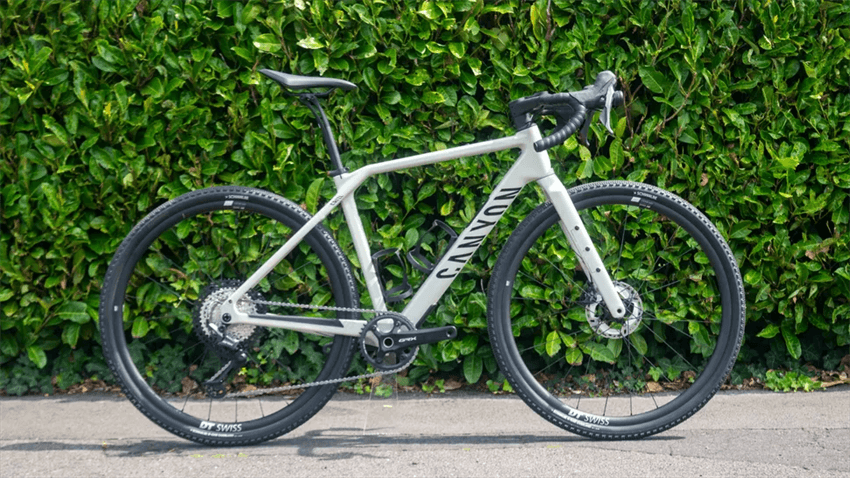
Why Choosing a High-Value Gravel Bike Frame Matters in 2025
Choosing a high-value gravel bike frame is more important for riders seeking performance and durability than simply focusing on brand or weight. With multi-terrain riding and long-distance adventures (bikepacking, all-road riding) becoming increasingly popular, the design of a gravel frameset must consider not only stability and comfort but also meet practical needs in terms of materials, geometry, and expandability. This not only affects the daily riding experience but also directly determines the overall durability and upgrade potential of the bike. Next, we will delve into the two core issues that riders are most concerned about.
1: The Changing Demands of Gravel Riding
Long-distance and multi-terrain riding have become commonplace, and the demands on all-road bike frames have evolved accordingly. Riders are now more concerned with the overall comfort, stability, and durability of the bike, rather than simply pursuing extreme lightness. Good fork design, rear triangle resilience, and optimized carbon fiber layup are all key factors in ensuring performance during long rides and on challenging terrain.
2: High Price Doesn’t Always Mean the Best Gravel Bike Frame
A high price doesn’t always equate to high performance. Many premium brands add significant markups through marketing, but the actual riding experience may not be significantly better than a high-value gravel bicycle frame optimized through OEM/factory direct supply. Through factory direct channels, riders can obtain a gravel frameset with the same geometric and material advantages while avoiding unnecessary brand premiums, resulting in better value for money.
What Makes a Gravel Bike Frame Truly the Best Value? An Engineer’s Perspective
Choosing a truly high-value gravel bike frame requires considering not only the material and brand, but also the geometric design, tire compatibility, and actual riding performance. From an engineer’s perspective, the best value frame should strike a balance between comfort, stability, and versatility, rather than simply pursuing lightweight design or so-called “top-tier specifications.” Below, we will analyze the advantages of carbon fiber and aluminum alloy materials, the impact of geometric design on riding experience, and how tire clearance and expansion capabilities enhance practicality.

1: Carbon Gravel Bike Frames – Advantages and Cost Factors
Carbon fiber gravel framesets are known for their lightweight, high rigidity, and vibration absorption capabilities, making them ideal for long-distance off-road or multi-terrain riding. The layup design, molding process, and material selection during manufacturing are key factors affecting durability and cost. In the European and American markets, carbon fiber frames are often referred to as “compliance-friendly frames,” emphasizing comfort on rough surfaces. Engineers typically optimize the layup design to balance impact absorption and weight control.
2: Aluminum Gravel Bike Frames – Target Riders and Value
Aluminum alloy gravel bike frames are more cost-effective, suitable for users with limited budgets or those seeking daily commuting and light exploration riding. Aluminum is highly rigid, but vibration feedback is more noticeable, requiring a reasonable geometric design to improve comfort. In the European and American markets, aluminum frames are often jokingly called “tanks” or “workhorses” by riders, being durable and low-maintenance, suitable for versatile use scenarios.
3: The Impact of Geometric Design on Comfort and Stability
Frame geometry directly affects riding comfort and stability. Key parameters include gravel bike geometry, long wheelbase, low bottom bracket (BB), and head tube angle, all of which determine the frame’s performance on descents, gravel roads, and long-distance rides. A reasonable geometric design can effectively reduce vibration transmission, improve handling stability, and ensure all-terrain adaptability.
4: Tire Clearance and Versatile Expansion Capabilities
Tire clearance is an important indicator of bike frame design, determining the tire size that riders can install and the frame’s multi-terrain adaptability. Supporting both 700C and 650B wheelsets not only increases versatility and expands possibilities, but also allows riders to choose tire widths based on different road conditions, thereby improving comfort and grip. This flexibility is particularly crucial for gravel bike frames that prioritize cost-effectiveness.
Essential Features Every High-Value Gravel Bike Frame Should Have
Choosing a truly high-value gravel bike frame is not just about material and brand; it’s also about the actual riding experience. A high-value gravel frameset needs to strike the optimal balance between weight, ease of maintenance, and future upgrade capabilities, ensuring both comfort and durability during long-distance, multi-terrain riding and bikepacking. Below, we will analyze three core aspects in detail, each representing a key performance indicator that cyclists prioritize when choosing an all-road bike frame.
1: Balanced Weight – Not Extreme Lightweight
While lightweight designs are attractive, in real-world riding, extreme weight reduction can lead to insufficient durability and reduced stability. High-value gravel bike frames typically aim for a reasonable weight (with appropriate layup and material distribution), improving climbing and acceleration performance without sacrificing frame strength and multi-terrain handling. Experienced European and American cyclists often refer to this balanced design as “ride-ready weight,” emphasizing the overall usability of the bike rather than just the specifications on paper.
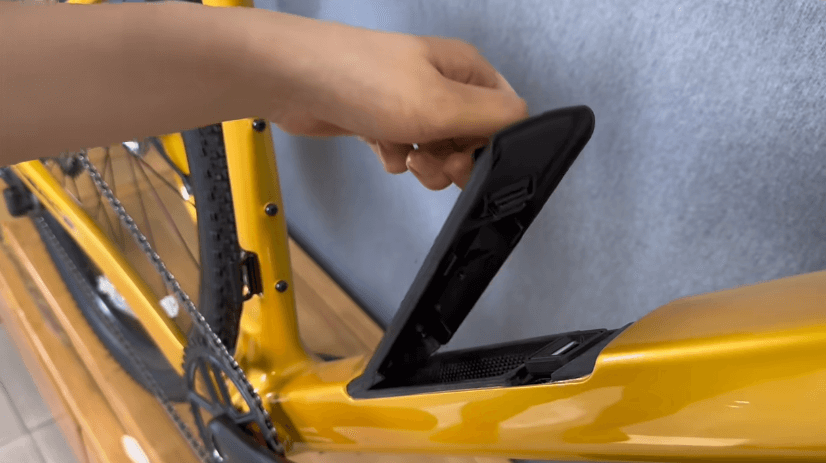
2: Internal Cable Routing – Pros and Cons
Internal cable routing makes the gravel frameset look clean and reduces wear caused by exposed cables, but overly complex internal routing can increase maintenance difficulty. High-value designs strike a balance between internal routing and ease of maintenance, ensuring that changing cables or adjusting brakes/gears remains convenient during long rides or in muddy conditions. This approach, balancing performance and convenience, is referred to by professional European and American media as “maintenance-friendly routing.”
| Feature | Pros | Cons | Professional Note / Term |
|---|---|---|---|
| Internal Cable Routing | – Clean frame appearance- Reduces wear from exposed cables | – Overly complex routing increases maintenance difficulty | High-value designs balance performance and ease of maintenance; called “maintenance-friendly routing” by European & American media |
| Maintenance Consideration | – Easier brake/gear adjustments- Convenient cable replacement | – Complex routing can complicate repairs in muddy/long rides | Ensures practical usability while keeping frame aesthetics |
3: Universal Specifications and Upgrade Compatibility
A durable all-road bike frame should not only be suitable for current configurations but also compatible with future upgrades. UDH derailleur hangers, Flat Mount or Thru Axle standards are all industry-standard configurations, allowing cyclists to freely choose upgrade kits or different wheelsets without worrying about compatibility issues. This kind of expandable design directly increases the practical lifespan and return on investment of a long-term value gravel bike frame.

Top Types of Best-Value Gravel Bike Frames in 2025 (Brand Agnostic)
When choosing a high-value gravel bike frame, understanding the characteristics of different frame types is crucial. Whether you’re looking for long-distance endurance riding, versatile performance on mixed terrain, or a high-performance carbon fiber frame within a limited budget, this section will introduce several of the most noteworthy best-value gravel framesets in 2025, based on practical riding needs. This will help riders find the best balance between comfort, durability, and upgrade potential.
1: Comfortable Gravel Frames for Long-Distance Riding
For long-distance riding and bikepacking frame users, comfort is the primary consideration. Endurance-oriented gravel frame like haidelibikes CR060 with optimized geometry effectively reduce wrist and back fatigue during long rides, while also balancing tire clearance and load capacity, allowing riders to maintain stability and control over 50–100 miles or even longer distances.
2: Versatile Gravel Bike Frames for Mixed Terrain
Mixed-terrain riding requires an all-road gravel frameset capable of handling roads, gravel, and light off-road conditions. A reasonable head tube angle, long wheelbase, and tire clearance design provide extra grip on muddy trails or gravel roads while maintaining high-speed efficiency on paved sections. Versatile mounting points and expandability are also key selling points for this type of frame.
3: High-Value Carbon Gravel Frames for Budget-Conscious Riders
For riders with a limited budget but seeking performance, a high-value performance gravel frame is an ideal choice. Modern carbon fiber gravel bike frames optimize stiffness and comfort through advanced layup processes while reducing costs, allowing riders to experience the comprehensive performance of long-distance riding and multi-terrain capabilities without paying a premium for brand name.
How to Avoid Gravel Bike Frames That Appear Cheap but Cost You More
When choosing a gravel bike frame, many riders are easily attracted by low prices or flashy appearances, but overlook hidden costs and long-term value. Some so-called “entry-level, high-value” frames actually compromise on materials, manufacturing processes, or testing, potentially leading to premature fatigue or an unstable riding experience. Understanding carbon frame testing, manufacturing processes, and quality control standards is key to avoiding buying a gravel frameset that “looks cheap but ends up being incredibly expensive.”
1: Hidden Costs: Quality, Lifespan, and After-Sales Service
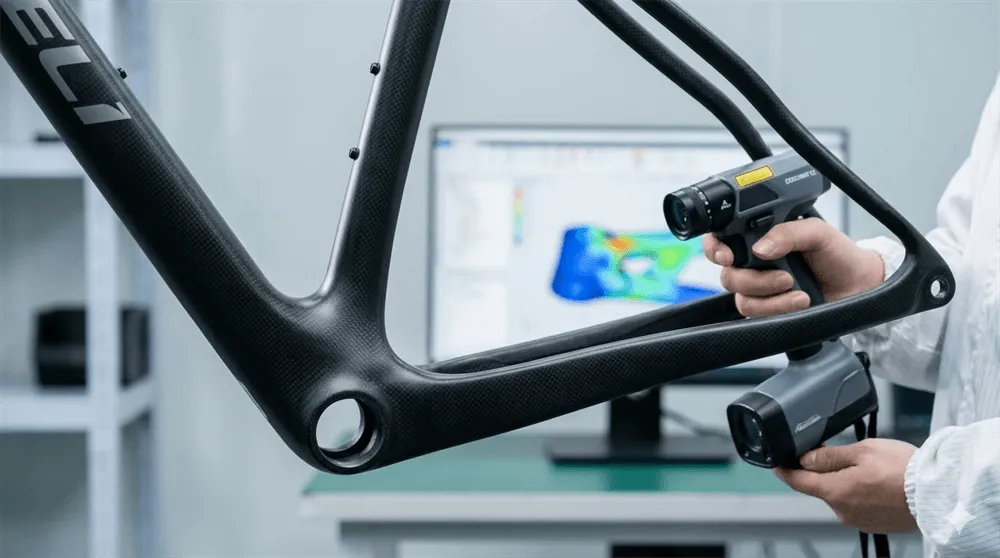
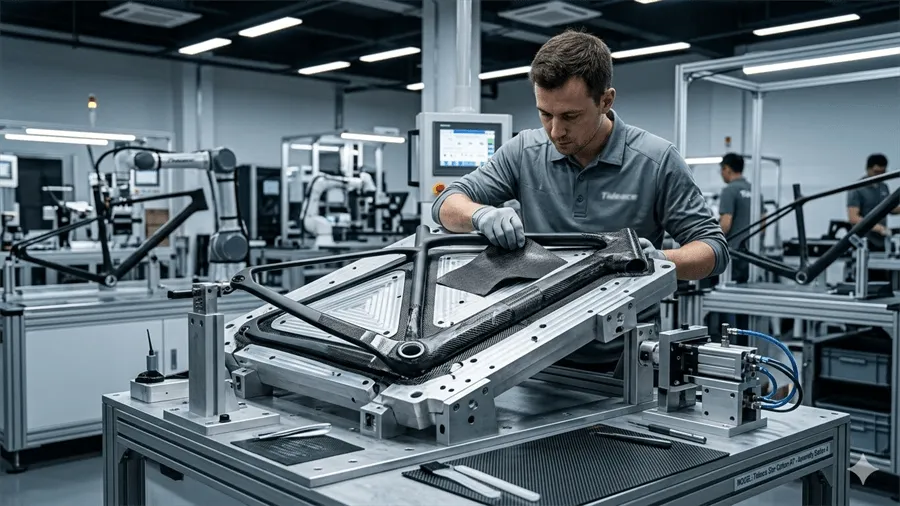
A truly high-value gravel bike frame relies on precise carbon fiber layup and mature production processes. Common frame failures often stem from uneven fiber lamination, resin curing problems, or localized stress concentrations. When choosing a frame, you should pay attention to the transparency of the manufacturing process, warranty terms, and after-sales service level, as these are core factors affecting bike frame quality and durability.
2: Testing and Quality Control Matter More Than Brand
Brand premium doesn’t always equal reliable performance. Professional factories in the European and American markets commonly employ strength testing, fatigue testing, and real-world riding verification to ensure that each gravel frameset performs stably under long-distance, gravel road, or light off-road conditions. Understanding and referencing these carbon frame testing standards is more important than simply chasing brands to ensure durability and a long-term riding experience.
Haidelibikes’ Advice: Who Should Choose a Best-Value Gravel Bike Frame?
Choosing a high-value gravel bike frame is not only about budget, but also directly impacts riding experience and long-term value. The ideal gravel frameset needs vary for different types of riders: some prioritize lightweight and handling, others focus on durability and comfort, and some want the flexibility to upgrade components in the future. When evaluating a best-value gravel bike frame, understanding your riding style and target mileage is crucial. Below, we analyze from a professional engineer’s perspective which riders are best suited to choose this type of high-value frame.
1: Beginner to Advanced Gravel Cyclists
Whether you’re a beginner gravel rider or an experienced all-road cyclist, the stable geometry and moderate weight of a gravel bike frame provide reliable handling and comfort. For long-distance riding, weekend adventures, or light bikepacking, choosing the right endurance gravel frame can reduce fatigue, increase confidence, and ensure safe handling on various road conditions.
2: Riders Prioritizing Practicality and Reliability Over Brand Premium
Some riders value the practical performance of the frame more than brand prestige. When choosing a gravel frameset, their focus is on material strength, tire clearance compatibility, and future upgrade potential. By choosing high-value OEM or factory-direct models, these riders can obtain a stable, durable, and low-maintenance all-road bike frame within a reasonable budget.
3: Cyclists Seeking Long-Term Use and Upgrade Potential
For riders who seek long-term use and want to gradually upgrade their bikes, the modular design and compatibility of the frame are crucial. Gravel bike frames support UDH rear derailleur hangers, Flat Mount brakes, and multiple wheel sizes (700C / 650B), easily adapting to future component updates or personalized modifications, thus extending the lifespan of the bike and improving the riding experience.
Summary: How to Choose a Truly Cost-Effective Gravel Bike Frame in 2025
Choosing a truly cost-effective gravel bike frame hinges on a thorough understanding of the frame’s materials, geometry, specifications, and tested performance, rather than being swayed solely by brand prestige or marketing hype. By combining an engineer’s perspective with actual riding needs, riders can select a durable gravel frameset that matches their personal style, thereby enhancing their experience on long-distance rides, mixed terrain, or bikepacking adventures. Below are several core principles to help you make an informed choice.
1: Don’t Be Swayed by Brand Marketing
Brand reputation and advertising often mask the true performance of a frame. A high price doesn’t necessarily equate to high performance; it’s crucial to focus on the structural strength, carbon fiber layup quality, and manufacturing process of the endurance gravel frame. Understanding the material sources and testing standards can prevent you from wasting money on a frame that “looks high-end but performs poorly.”
2: Focus on Materials, Geometry, Specifications, and Testing
When choosing a gravel bike frame, key considerations should include:
- Materials: The performance and cost balance of carbon fiber vs. aluminum alloy
- Geometry: How wheelbase, bottom bracket height, and head tube angle affect handling and comfort
- Specifications: UDH derailleur compatibility, Flat Mount brakes, wheel size compatibility (700C / 650B)
- Testing: Strength testing, fatigue testing, and real-world road condition verification
3: Choose a Frame That Truly Suits Your Riding Style
The final decision should be centered on your personal riding style and intended use. Whether it’s long-distance endurance riding, mixed-terrain all-road riding, or light bikepacking, the best-value gravel bike frame should strike a balance between comfort, durability, and upgrade potential, delivering long-term value and a genuine riding experience.