Skip to content


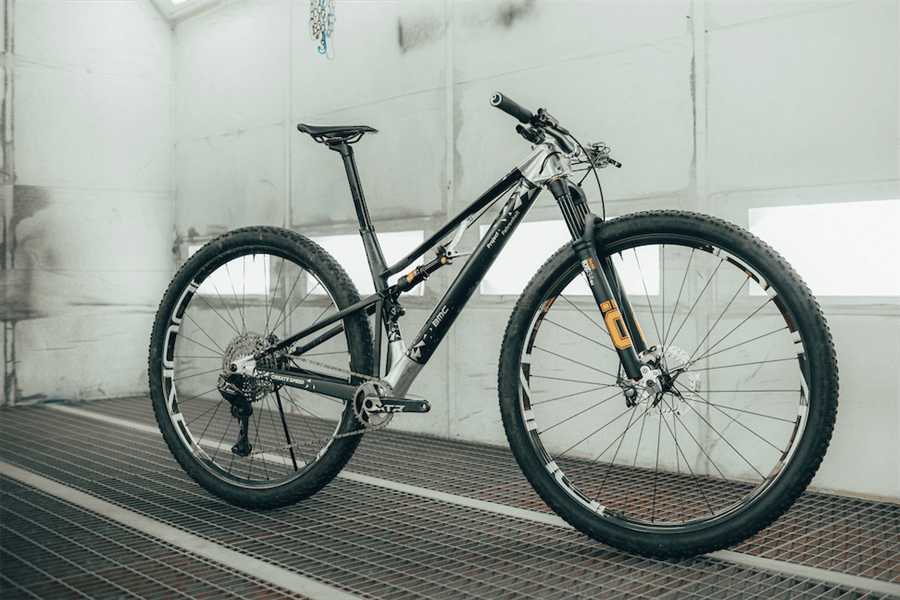
Choosing the right mountain bike frame is not only fundamental to the riding experience but also crucial for ensuring riding safety and improving performance. In 2025, with the continuous advancements in carbon fiber technology and frame design, carbon fiber mountain bike frames have become the preferred choice for more and more cycling enthusiasts. Their lightweight design, high rigidity, and excellent impact resistance meet the needs of different riding styles—from cross-country (XC) to downhill (DH), from all-mountain to enduro.
The best mountain bike frames of 2025 not oHow to Choose the Right Mountain Bikenly achieve breakthroughs in weight control but also focus on improving riding comfort through frame geometry design. For example, frames with innovative suspension systems and designs specifically for extreme terrain are becoming a trend. Choosing the right carbon fiber mountain bike frame will not only allow you to navigate rough mountain trails with ease but also improve the overall durability and stability of the frame. Whether considering performance or budget, understanding the basic elements of frame materials and design is key to making an informed decision.
Best Mountain Bike Frames Recommended for 2025
Choosing the right mountain bike frame is crucial not only for enhancing your riding experience but also for determining comfort and performance. With the release of new frames in 2025, carbon MTB frames on the market have seen significant improvements in weight, stiffness, comfort, and durability. Whether you enjoy challenging steep mountain trails or are looking for a versatile frame that adapts to various terrains, these top-tier frames can meet your performance and budget needs. Below, we will list the best mountain bike frames recommended for 2025 based on different riding needs.
1: Best Cross-Country Mountain Bike Frames
Cross-country riding places particularly demanding requirements on the frame, especially in varied terrain, where the frame needs to find a perfect balance between lightweight design and stiffness. Here are a few top-tier frames suitable for cross-country riding.
1.1: Whyte T-160 RS: Perfect Balance of Comfort and Performance
This frame excels in both comfort and off-road performance, providing excellent stability and handling, especially during long rides and on complex terrain. The frame uses high-strength carbon fiber, effectively absorbing vibrations, making it suitable for riders who like to challenge extreme terrain.
1.2: Atherton Bikes A.150.1: Top-Tier Durability and Competitive Performance
Designed for top-level cycling competitions, the A.150.1 frame offers extremely high stiffness and durability, maintaining excellent performance under the harshest conditions. With its advanced geometric design and top-grade carbon fiber materials, this frame is suitable for cross-country riders who pursue extreme performance.
1.3: Cannondale Habit 4: A Versatile Frame for All Terrains
As an all-terrain frame, the Cannondale Habit 4 provides excellent handling on various terrains. Its unique suspension system and carbon fiber materials achieve a perfect balance between stability and comfort, suitable for various riding styles.
1.4: Canyon Spectral CF7: Lightweight and Stiff
The Canyon Spectral CF7 is a mountain bike frame focused on lightweight design, reducing the overall weight of the frame while ensuring stiffness, providing greater flexibility and acceleration capabilities. It’s ideal for riders who enjoy fast riding and demand high levels of handling performance.
2: Best Gravel Mountain Bike Frames
Gravel bike frames are designed for mixed terrain, handling both smooth roads and challenging mountain trails with ease. Here are the top gravel mountain bike frame options for 2025.
2.1: Cannondale Scalpel 1 Lefty: Carbon Fiber Frame Designed for Long Distances
The Scalpel 1 Lefty frame features Cannondale’s proprietary Lefty suspension technology, providing excellent comfort and handling. Its lightweight carbon fiber frame allows you to maintain efficient performance during long rides, suitable for riders who can handle both road and off-road terrain with ease.
2.2: Specialized Epic 8 Pro: A Versatile Frame Perfectly Suited for Different Terrains
As a versatile frame, the Specialized Epic 8 Pro delivers exceptional performance on both roads and mountains. Its carbon fiber frame utilizes advanced geometric design to ensure comfort and stability during riding, making it ideal for riders who enjoy traversing different terrains.
3: Best Endurance Mountain Bike Frames
Endurance riding places more stringent demands on the frame, requiring a balance of durability, comfort, and stability for extended rides. Here are the best mountain bike frames for endurance riding in 2025.
3.1: Canyon Strive CFR: Superb Off-Road Durability
The Canyon Strive CFR is a highly durable frame designed for long rides, using top-grade carbon fiber materials that can withstand extreme pressure while providing a comfortable riding experience over extended periods. Its geometric design and suspension system ensure performance on various terrains, especially suitable for riders undertaking long-distance endurance challenges.
3.2: Cotic RocketMAX Gen4: Durable Frame for Extreme Riding
The RocketMAX Gen4 is an extreme endurance frame, utilizing advanced carbon fiber construction to provide high impact resistance and stability, ideal for long rides in rugged mountainous terrain. Its design focuses on both riding comfort and durability, suitable for long-term training and racing needs. H4: YT Capra 29 Core 4: Carbon Fiber Frame Designed for Extreme Events
The Capra 29 Core 4 frame boasts exceptional impact resistance, making it suitable for extreme events and endurance riding. Its carbon fiber material, combined with a carefully designed geometry, ensures riders maintain excellent control and comfort during long rides.
4: Best Electric Mountain Bike Frames
Electric mountain bikes (eMTBs) are becoming an increasingly popular choice for off-road riding, offering more power assistance to help riders easily navigate challenging terrain. Here are some of the most popular electric mountain bike frames.
4.1: Canyon Strive:ON CFR: Efficient Power and Stability
The Strive:ON CFR combines Canyon’s excellent mountain bike design with an electric drive system, providing powerful support and exceptional stability, suitable for long rides and complex terrain. Its carbon fiber frame ensures lightweight performance, while the electric assist system guarantees a seamless riding experience.
4.2: Focus JAM2 SL 9.9: Electric Mountain Bike Frame Adaptable to Different Terrains
The JAM2 SL 9.9 frame offers an extremely balanced riding experience, combining an electric drive system with a high-strength carbon fiber frame to provide a smooth ride on various terrains, ideal for mountain bike enthusiasts looking to improve their riding efficiency.
4.3: Orbea Rise LT M-Team: Lightweight and Powerful Balance
The Orbea Rise LT M-Team electric mountain bike frame uses lightweight carbon fiber materials, combined with an efficient electric drive system, allowing riders to enjoy power assistance while still experiencing a more traditional mountain bike riding feel.
5: Best Hardtail Mountain Bike Frames
Hardtail mountain bike frames are favored for their simple design and efficient drivetrain, especially for riders who prioritize rigidity. Hardtail frames provide more direct riding feedback, suitable for lightweight and precise handling needs, and often perform better on flat or moderately complex terrain. H4: Lapierre Prorace CF 9.9: Powerful Rigidity and Flexibility
The Lapierre Prorace CF 9.9 utilizes top-tier carbon fiber technology, offering excellent rigidity and precise handling. Its lightweight design makes uphill climbs and acceleration smoother, suitable for off-road riding and daily training. Its geometric design is also ideal for long rides, ensuring both comfort and rigidity.
5.1: Fairlight Holt XT: Lightweight Hardtail Frame for Multiple Terrains
The Fairlight Holt XT is a hardtail mountain bike frame suitable for various terrains, using high-strength carbon fiber material for ultra-light weight and excellent handling. Whether on rugged mountain trails or fast road riding, this frame provides excellent comfort and stability, especially suitable for riders who demand versatility from their frame.
5.2: Best Downhill Mountain Bike Frames
Downhill riding demands extremely high stability and impact resistance from the frame, so a powerful downhill mountain bike frame must maintain excellent performance in extreme conditions. Downhill frames typically feature stronger suspension systems and higher rigidity designs to cope with the strong impacts of high-speed downhill riding.
5.3: Giant Glory Advanced: A Powerful Frame Designed for Downhill
The Giant Glory Advanced is a carbon fiber frame designed specifically for downhill riding, featuring a super-strong impact-resistant design and superior handling, allowing you to maintain high stability even at high speeds downhill. Its new suspension system ensures smoother cornering performance, making it the first choice for riders who enjoy extreme downhill riding and track challenges.
5.4: YT Tues Core 4: Carbon Fiber Frame for Extreme Downhill Riding
The YT Tues Core 4 frame, through its finely tuned geometric design and high-strength carbon fiber material, effectively handles the strong impacts of downhill riding, making it particularly suitable for professional downhill tracks. Its design focuses on improving tire contact and handling precision, making it an ideal choice for downhill riders seeking extreme performance.
6: Best Budget Mountain Bike Frames
Riders with limited budgets can still find cost-effective mountain bike frames that offer sufficient performance without sacrificing quality. Suitable for entry-level or budget-conscious cyclists, these frames maintain reliability while ensuring a good riding experience.
6.1: Rockrider AM 100: A cost-effective entry-level frame
The Rockrider AM 100 is a mountain bike frame designed for entry-level riders, offering moderate stiffness and good comfort, capable of handling everyday riding and light off-road challenges. Despite its affordable price, its reliable construction and carbon fiber frame design ensure stability and durability during rides.
6.2: Voodoo Bizango Pro: A lightweight and efficient budget frame
The Voodoo Bizango Pro offers a lightweight carbon fiber frame while retaining sufficient stiffness and strength, suitable for budget-conscious cyclists. It performs excellently in off-road conditions, especially for beginners and intermediate riders, providing good control and comfort.
How to Choose the Right Mountain Bike Frame for You
When choosing a mountain bike frame, understanding the needs of different riding styles is crucial. Each riding style has different requirements for frame design and performance, and understanding these differences will help you more accurately select the most suitable carbon fiber or aluminum alloy frame. Next, we will analyze the characteristics of each type of frame from the perspective of several major riding styles to help you make the best choice for yourself.
| Riding Style | Recommended Frame Type | Key Features | Best For |
|---|---|---|---|
| Cross-Country (XC) | Hardtail / Full Suspension | Lightweight, Stiff, Responsive | Racing & Trail Riders |
| Trail | Full Suspension | Balanced geometry, Versatile | Mixed Terrain |
| Enduro | Full Suspension | Long travel, Durable | Aggressive Trails & Descents |
| Downhill (DH) | DH Specific Frame | Extra stiffness, Impact absorption | High-speed downhill |
1: Types of Mountain Bike Frames Needed for Different Riding Styles
Different riding styles require different types of mountain bike frames. Understanding your riding needs and choosing the right frame type will maximize performance and comfort. Next, we will delve into several common types of mountain bike frames to help you find the best fit.
1.1: Cross-Country Frames
Cross-country (XC) mountain bike frames primarily prioritize lightweight design and high efficiency, suitable for long rides on flat or slightly undulating terrain. Carbon fiber frames are widely used in this area because their superior lightweight characteristics can increase riding speed and reduce unnecessary burden. Common features include a relatively vertical frame geometry and shorter chainstays for quick acceleration and responsiveness.
1.2: Gravel Bike Frames
Gravel bike frames combine the characteristics of road bikes and mountain bikes, suitable for riders who want to tackle more complex terrain, including unpaved roads and gravel paths. These frames usually adopt a more relaxed geometry design to improve comfort and stability, while larger tire clearance and high-strength carbon fiber materials can handle more complex surfaces.
1.3: Enduro Frames
Enduro mountain bike frames are designed for intense off-road endurance races, emphasizing fast and stable performance in complex terrain. These frames require excellent rigidity, a good suspension system, and stronger impact resistance. Frames made of a mix of carbon fiber and alloy materials are becoming common, improving frame strength while reducing weight and providing efficient shock absorption.
1.4: Downhill Frames
Downhill mountain bike frames are designed for high-speed downhill riding and require greater impact resistance and rigidity to ensure stability and control at high speeds. These frames typically use heavier materials, such as high-strength aluminum alloy or carbon fiber composite materials, to withstand strong impacts and are optimized through design to improve handling and stability. H3: Key Factors When Choosing a Mountain Bike Frame
When choosing a mountain bike frame, in addition to riding style, several crucial technical factors need to be considered. These factors will directly affect your riding comfort, efficiency, and safety.
1.5: Suspension System and Frame Stiffness
The suspension system is crucial for mountain bikes, especially on complex terrain. A high-quality suspension system effectively absorbs vibrations and improves the riding experience. Carbon fiber frames, due to their stiffness and lightweight characteristics, are the preferred choice for many high-end suspension systems. A rigid frame design improves acceleration response but may sacrifice some comfort.
1.6: The Impact of Geometric Design on Riding Experience
The geometric design of the frame determines riding posture and comfort. For example, a more relaxed fork angle is suitable for endurance events, while a more vertical geometric design is more suitable for competitive cross-country races. Frames with different geometric designs offer different handling characteristics; you need to consider your riding needs when choosing.
1.7: Wheel Size and Riding Comfort
Wheel size (such as 27.5 inches, 29 inches) directly affects riding stability and comfort. Larger tires provide better rolling efficiency and obstacle clearance, suitable for off-road and endurance races. Smaller tire sizes are suitable for fast-handling riding styles, such as XC races. Choosing the appropriate wheel size based on your riding environment helps improve overall riding performance.
1.8: Material Selection: The Difference Between Carbon Fiber and Aluminum Alloy
The biggest advantage of carbon fiber frames is their lightweight and high rigidity, suitable for riders who need high speed and precise handling. Aluminum alloy frames, on the other hand, are more cost-effective, offering good durability and rigidity, suitable for riders with limited budgets. Carbon fiber frames are more expensive, but their advantages lie in improved performance and reduced weight.
2: How to Choose a Mountain Bike Frame That Fits Your Budget
When choosing a mountain bike frame, budget is a key consideration. Frames in different price ranges differ significantly in materials, craftsmanship, and design.
2.1: Price Comparison of High-End Carbon Fiber Frames and Entry-Level Frames
High-end carbon fiber frames are usually more expensive, but they offer better lightweight properties, rigidity, and durability. Entry-level aluminum alloy frames are usually more affordable, making them suitable for cyclists with limited budgets who still want good performance.
2.2: Maximizing Performance and Durability within Budget Constraints
Even with a limited budget, you can maximize riding performance by choosing a frame geometry and suspension system that suits your needs. Choosing brands and models that offer good value for money allows you to reduce costs and extend the lifespan of the frame without sacrificing performance.
Hot Trends in Mountain Bike Frames for 2025
With the continuous advancement of mountain biking technology, 2025 sees several innovations in mountain bike frames in terms of materials and design. From lighter and stronger carbon fiber materials to custom-designed frame geometries, these trends not only enhance the riding experience but also address riders’ pain points in performance, comfort, and durability. Below, we will explore three major trends.
1: Technological Breakthroughs in Carbon Fiber Materials
The breakthroughs in carbon fiber materials for mountain bike frames are particularly noteworthy. In 2025, with improved manufacturing processes, carbon fiber frames are not only lighter but also stronger and stiffer. New carbon fiber layup techniques significantly improve the impact resistance and durability of the frames, meeting the demands of rigorous off-road challenges. Furthermore, composite frames combining carbon fiber with aluminum and titanium alloys are gradually entering the market, improving cost-effectiveness and adaptability.
2: Innovative Design and Lightweighting of Mountain Bike Frames
Mountain bike frame design continues to innovate, especially in frame geometry adjustments. In 2025, mountain bike frames commonly feature slacker head angles and longer downtubes, improving downhill stability and handling. Simultaneously, lightweight design is becoming a trend, allowing riders to enjoy a more agile and faster riding experience without sacrificing strength.
3: Environmentally Friendly Materials and a Sustainable Future
With increasing environmental awareness, mountain bike frame manufacturers are beginning to use recyclable and environmentally friendly materials, such as bio-based composites and recycled carbon fiber. These innovations reduce environmental pollution while improving the sustainability of the products. In the future, more frames are likely to adopt environmentally friendly designs to meet the industry’s growing demand for sustainability.
Frequently Asked Questions When Buying a Mountain Bike Frame
When buying a mountain bike frame, many cyclists face dilemmas in choosing the right one. Whether you’re a beginner or an experienced rider, choosing the right frame is crucial to your riding experience. From frame size and material selection to maintenance and repair, every detail can affect your riding performance. Below, we’ll answer these common questions to help you make informed decisions.
1: How to Ensure You Choose the Right Frame Size?
Choosing the right frame size is key to comfortable riding. This is especially important for carbon fiber mountain bike frames, as their stiffness and lightweight characteristics affect riding posture. Frame size is usually determined by height, inseam length, and riding style. Most brands provide size guides, using height and arm span to help you choose the best frame. Furthermore, frame geometry is also crucial; fork length, reach, and handlebar height all directly impact the riding experience.
2: Common Misconceptions When Buying a Carbon Fiber Mountain Bike Frame
When buying a carbon fiber mountain bike frame, many cyclists overlook some important factors. One common misconception is focusing too much on frame weight; a lightweight frame isn’t necessarily the best choice. An overly light frame may lack sufficient rigidity, affecting frame stability. Another misconception is neglecting frame geometry design; cross-country (XC) and enduro riding require different frame angles and offsets, and the right geometry design is essential for optimizing riding performance.
3: Mountain Bike Frame Maintenance and Repair Tips
Maintaining your carbon fiber mountain bike frame in optimal condition is key to ensuring long-term performance. Although carbon fiber frames have excellent impact resistance, regular inspection and maintenance are still necessary. First, regularly clean the frame, especially after riding in muddy or wet conditions, to prevent dirt from affecting performance. Second, check the frame’s connection points to ensure that the fork, rear shock absorber, etc., are not loose or damaged. Finally, avoid prolonged exposure to extreme temperatures, as this can affect the performance of the carbon fiber. If you find any cracks or damage to the frame, contact a professional repair shop immediately.
Conclusion: Choosing the Best Mountain Bike Frame for You in 2025
Choosing the best mountain bike frame for you in 2025 hinges on clearly defining your riding needs and budget. Carbon fiber mountain bike frames have become the preferred choice for high-end riders due to their lightweight, stiffness, and excellent impact resistance. However, beyond the choice of material, the frame’s geometry, suspension system, and intended use are also crucial considerations. For example, cross-country (XC) riders prioritize frame agility and lightness, while enduro and downhill (DH) enthusiasts value frame stability and impact resistance.
When choosing, consider not only the brand and reputation of the frame but also compare the geometric designs of different frames to ensure they suit your riding style and body type. For riders with limited budgets, consider some cost-effective carbon fiber frames to maximize their advantages in weight and stiffness.
Overall, choosing the right mountain bike frame is not only about performance improvement but also about riding comfort and safety. By comprehensively considering the frame’s quality, design, and suitability, you will be able to choose the perfect mountain bike frame for you in 2025.