Skip to content


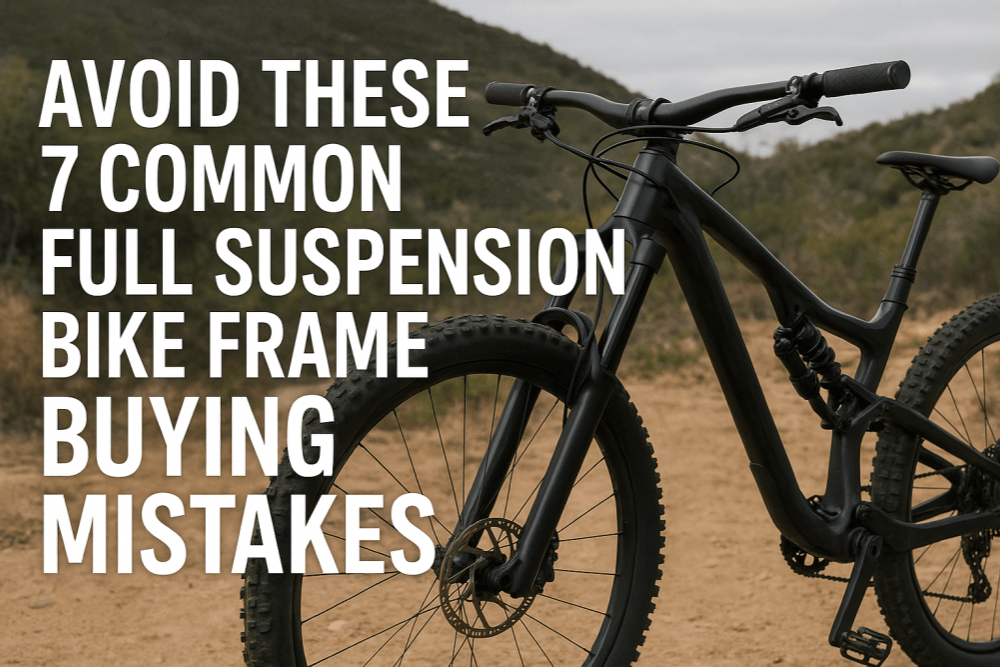
Choosing the right full suspension mountain bike frame, is often underestimated in its impact on the riding experience. A well-designed full suspension MTB frame not only provides a smoother ride and better traction but also affects the overall handling, comfort, and durability of the bike. In fact, many full suspension mountain bike frames significantly reduce rider fatigue and improve stability on downhill and technical sections on rugged, rocky, and root-covered trails—something many hardtails cannot match.
What Unique MTB Frame Designs Are Capturing Rider Attention in 2026 is more than just an industry trend—it’s also a reminder that choosing the right mountain bike with full suspension isn’t only about price or appearance. Different riding scenarios, frame materials, and rider weight all directly affect the handling, comfort, and suspension performance of a full suspension MTB. Below, we analyze selection strategies from three aspects: riding needs, frame material and suspension matching, and load considerations.
Next, I will guide you through analyzing seven common mistakes when purchasing a full suspension bike frame, helping you avoid pitfalls in your selection and making it easier to choose a high-quality full suspension frame that truly suits your needs, leverages the advantages of carbon fiber, and balances performance and comfort.
Why Choosing the Right Full Suspension Frame is Crucial
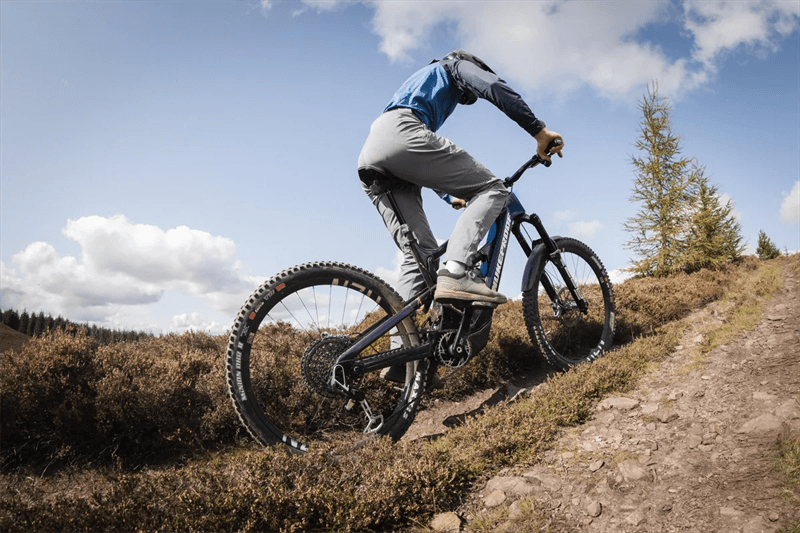
A suitable full suspension bike frame is more than just a good-looking frame; it directly impacts trail handling, long-distance comfort, and overall bike durability. An optimized Carbon Fiber 29er MTB Full Suspension Frame allows riders to maintain confidence on rocky trails, technical descents, or rooty singletracks while reducing stress on the knees and lower back. In this guide, we’ll analyze the importance of frame selection from three perspectives: performance, materials, and common issues.
1: The Relationship Between Full Suspension Bike Frames and Riding Performance
Frame materials and geometry are central to riding performance. The chain length, head tube angle, and seat tube length of full suspension mountain bike frames affect downhill stability, climbing efficiency, and cornering handling. Appropriate geometry optimizes rider weight distribution, allowing the suspension system to function optimally and improving traction and shock absorption. Material stiffness and weight also affect pedal efficiency and long-distance endurance—insufficient stiffness leads to sluggish handling, while excessive weight increases rider fatigue.
2: Advantages of a Carbon Fiber Full Suspension MTB Frame
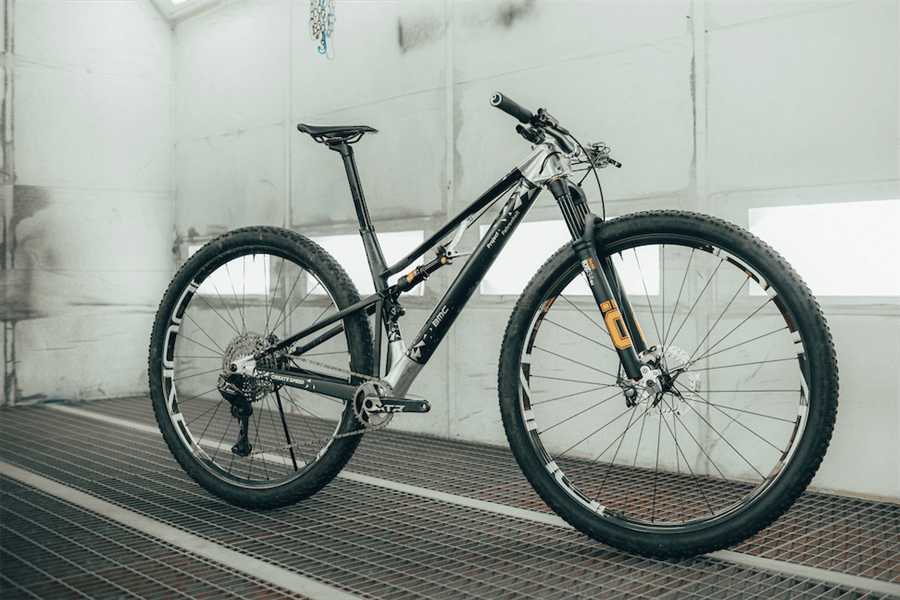
Carbon fiber full suspension MTB frames are known as “race-ready” or “enduro beast” in Europe and America. Their core advantages lie in their lightweight design, high rigidity, and excellent vibration absorption. Lightweight construction makes climbing easier and jumping more agile; high rigidity improves power transfer efficiency; and vibration absorption significantly reduces rider fatigue, especially on rough trails and technical descents. For riders seeking long-ride comfort and handling performance, a carbon fiber full suspension frame is almost the best choice.
3: Common Problems Caused by Inappropriate Frames
Inappropriate full suspension frames can cause:
- Chain slippage: Geometric or suspension travel mismatch, abnormal drivetrain wear;
- Difficulty in handling: Inappropriate head tube angle, loss of control on downhill sections or technical corners;
- Long-distance fatigue: Insufficient weight or vibration absorption, increased strain on arms, shoulders, and lower back.
These problems affect the riding experience and may also pose safety hazards. Therefore, when choosing a full suspension MTB frame, performance, comfort, and durability must be considered.

Common Buying Mistake #1: Ignoring Frame Size and Geometry
When choosing a full suspension MTB frame, many riders are easily attracted by its lightweight design or appearance, neglecting frame size and geometry. Reach, stack, height, and angle directly affect handling, downhill performance, and long-distance comfort. Ignoring these can lead to unnatural posture, knee and back pain, or a decline in overall bike performance. Below, we analyze these aspects from three key perspectives.
1: How to Correctly Choose the Size of a Full Suspension MTB Frame
Choosing the right size involves more than just height; it also depends on riding style and terrain. Trail Riders tend to be more compact for improved handling, while Enduro Riders may require a slightly larger frame for enhanced downhill stability. Refer to reach, stack, top tube, and seat tube measurements to accurately match your body type. It’s recommended to try it on or use a virtual fitting tool (such as BikeCAD) for fine-tuning.
2: The Impact of Frame Geometry on Riding Posture and Comfort
Frame geometry determines posture, center of gravity, and handling feel. The slack head angle enhances downhill stability, while the steep seat tube angle facilitates power delivery on climbs. Chain length, bottom bracket drop, and wheelbase all affect acceleration, steering, and braking feedback. Ignoring these details can lead to poor performance on technical sections of mountain bikes and cause neck, shoulder, and wrist fatigue on long rides.
3: Engineer’s Recommendations: Measurement Methods and Tuning Techniques
It is recommended to measure not only height but also arm length, inner leg seam length, and riding preferences. During test rides, pay attention to saddle height, handlebar reach, and stem length. For carbon fiber full suspension frames, adjusting suspension travel, sag, and shock pressure can improve posture and handling while extending the life of the frame and suspension.
Common Buying Mistake Two: Focusing Only on Weight, Ignoring Strength and Durability
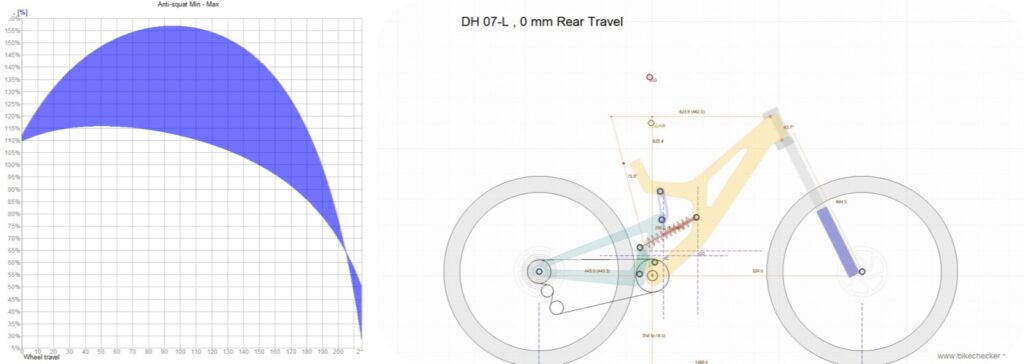
Many riders, when choosing a full suspension MTB carbon frame, immediately think “the lighter the better,” especially when they see ultra-lightweight carbon fiber frames. However, excessively pursuing lightness can sacrifice frame strength and durability, especially on technical downhill climbs or rocky trails, where high-stress points are prone to microcracks. Understanding material properties and matching them to riding scenarios is key to avoiding this pitfall. Next, we analyze the durability considerations for full suspension mountain bike frames from three perspectives: material strength, lightweight and load-bearing balance, and riding scenarios.
1: Material Strength Analysis of Full Suspension MTB Carbon Frame
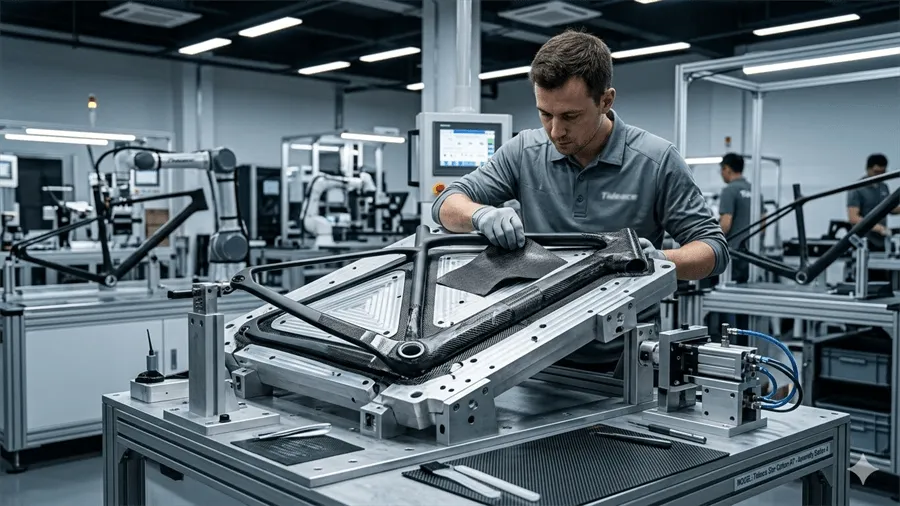
Not all parts of a carbon fiber full suspension MTB frame are of equal strength. The main beam and rear suspension typically use high-modulus carbon fiber to ensure rigidity, while medium-modulus carbon fiber is used at suspension connection points to increase toughness. The UD + 3K weave composite structure maintains lightness while dispersing impact forces and reducing fatigue damage. Engineers recommend focusing on the layup structure and stress distribution, rather than solely considering total weight.
2: Balancing Lightweight and Load Capacity
Lightweight design often conflicts with load capacity. The choice should consider rider weight, riding style, and riding conditions. Downhill or enduro riders prioritize strength and resilience, optimizing for lightweight without compromising safety; cross-country or marathon riders can moderately pursue ultra-light MTB carbon frames to improve climbing efficiency and acceleration response.
3: Riding Scenarios and Frame Durability Selection Guide
Different riding scenarios require different levels of durability from full suspension MTB frames. Rocky trails, rooty singletracks, and technical descents require high-rigidity, high-resilience frames; gentle gravel trails or cross-country sections prioritize efficiency and lightweight design. Choosing full suspension mountain bike frames based on your usual riding route, load, and suspension travel ensures safety while leveraging the vibration damping advantages of carbon fiber.

Common Buying Mistake Three: Lack of Understanding of Suspension System Types
When choosing a full suspension bike frame, many riders only look at the frame material or weight, neglecting the type and design of the suspension system. Different suspension architectures directly affect riding stability, handling, and downhill performance. Understanding the differences between single-pivot and dual-link/dual-pivot suspension systems, and how to match the usage scenarios of full suspension mountain bike frames, is a crucial step to avoid making a mistake.
1: Single-Pivot vs. Dual-Link Suspension Systems
Single-pivot suspension systems are simple in structure, lightweight, and easy to maintain, making them suitable for cross-country or light trail riding. Dual-link or virtual pivot suspension systems offer a more linear suspension response and higher pedaling efficiency, especially providing greater stability on technical trails, rock gardens, or drop-offs. The choice should be based on riding style and terrain requirements; different suspension designs will also affect the riding experience of a full suspension MTB carbon frame.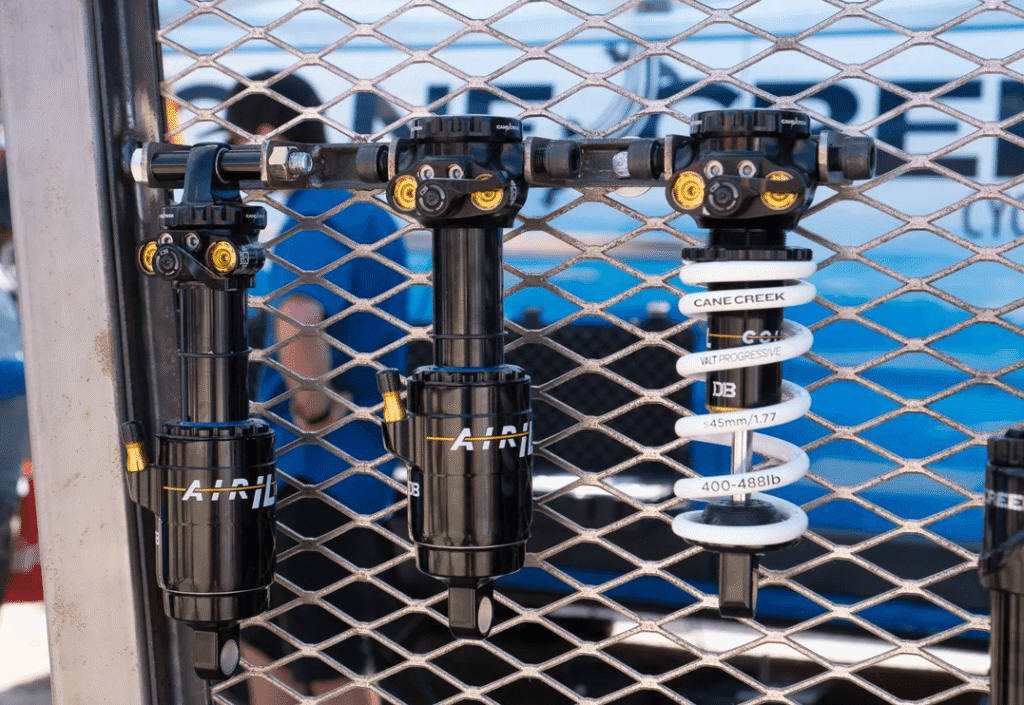
2: Suitable Scenarios for Full Suspension Mountain Bike Frames
Short travel (100-120mm) full suspension frames are better suited for XC tracks and gentle trails, facilitating fast climbs and agile handling; medium travel (120-150mm) is suitable for all-mountain or enduro terrain, balancing downhill and climbing performance; long travel (150-180mm+) is suitable for downhill, steep descents, or extreme terrain. Knowing your preferred terrain type will help you choose the right frames and avoid pitfalls.
3: How to Choose Suspension Travel for Your Riding Style
Rider weight, riding style, and route difficulty determine the appropriate suspension travel. Lightweight XC riders may prefer shorter travel for efficiency; riders who prefer aggressive or technical trails need longer travel to handle drop-offs, rock gardens, and high-speed descents. By combining the materials and geometry of the full suspension MTB frame, adjusting the shock setup can achieve a more comfortable ride feel and greater control.
Common Buying Mistake Four: Ignoring Component Compatibility
Many cyclists, when choosing a full suspension bike frame, often only consider the frame material and appearance, neglecting the compatibility with key components. Whether it’s a full suspension MTB frame or a full suspension MTB carbon frame, incompatibility with the chassis, derailleurs, wheelset, or braking system will affect riding performance and even safety, and limit future upgrade options. Choosing highly compatible full suspension frames not only ensures smooth handling but also allows for easy upgrades or component replacements, avoiding future problems.
1: Chassis, Derailleur, and Wheelset Compatibility
The chassis type (BB30, BSA, or PF) and derailleur mounting standard directly affect drivetrain stability, while wheel specifications (Boost, non-Boost) determine the overall bike geometry and suspension performance. Choosing the wrong full suspension MTB frame can easily lead to problems such as uneven pedaling, chain skipping, or rim interference. Understanding different specifications and common terminology used in the European and American markets (such as “threaded BB” and “press-fit BB”) can effectively help avoid these pitfalls.
2: The Impact of Full Suspension Frames on Upgrade Potential
Highly compatible full suspension mountain bike frames support future upgrades, such as longer travel suspension, higher-end wheelsets, or lighter carbon fiber components. Conversely, incompatible frames may leave you helpless when you want to upgrade your components, wasting your investment. When choosing, consider not only your current configuration but also the possibility of upgrades within 2-3 years.
3: Avoiding Situations Where Upgrades or Replacements Are Incompatible After Purchase
Many riders only discover after buying a full suspension bike frame that key components cannot be replaced, such as hydraulic disc brake mounts not supporting new brakes or incompatible wheel spacing. Confirming frame specifications, mounting points, wheelbase standards, and other details in advance can avoid the awkward situation of “buying a bike and having to break it in.” Combining long-term riding plans with ease of maintenance will ensure that the full suspension frame delivers its maximum value.
Common Buying Mistake Five: Focusing Only on Appearance While Ignoring Functionality
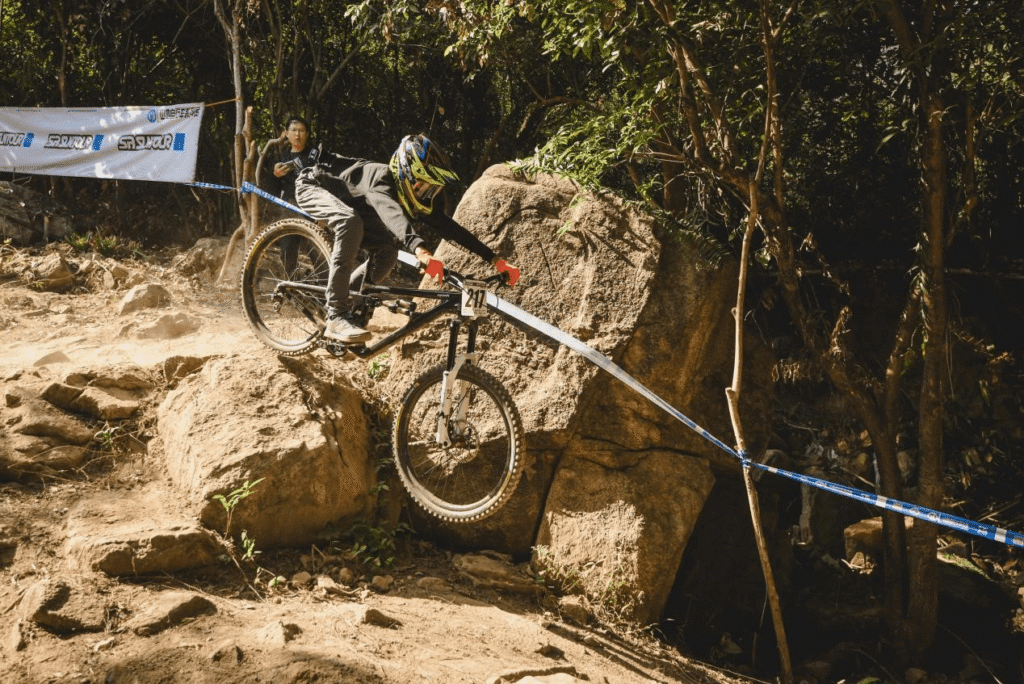
Many cyclists are easily attracted to the cool appearance of full suspension bike frames, neglecting handling performance and riding efficiency. A “cool-looking” full suspension MTB frame, if its geometry or suspension tuning is unreasonable, may cause the rider to veer off course, even increasing fatigue and safety risks. Below, we analyze the balance between appearance and function from three aspects to help you avoid pitfalls.
1: The Impact of Frame Design on Handling and Riding Efficiency
The geometry of full suspension frames directly affects downhill stability, climbing efficiency, and cornering response. A slack head angle or an excessively long chainstay can make you scramble in technical descents. When choosing, in addition to frame material and weight, pay attention to whether suspension travel, reach, and stack match your riding style.
2: Balancing Appearance and Practicality in Full Suspension MTB Frames
Modern full suspension mountain bike frames often use streamlined designs and internal cable routing to hide cables, resulting in a clean and sleek look. However, an excessive focus on aesthetics can lead to maintenance difficulties or limit upgrade options. Ask yourself: “It looks cool, but is it convenient to adjust shock, travel, or change wheels?”
3: Red Flag Signal: Aesthetically pleasing but impractical design traps
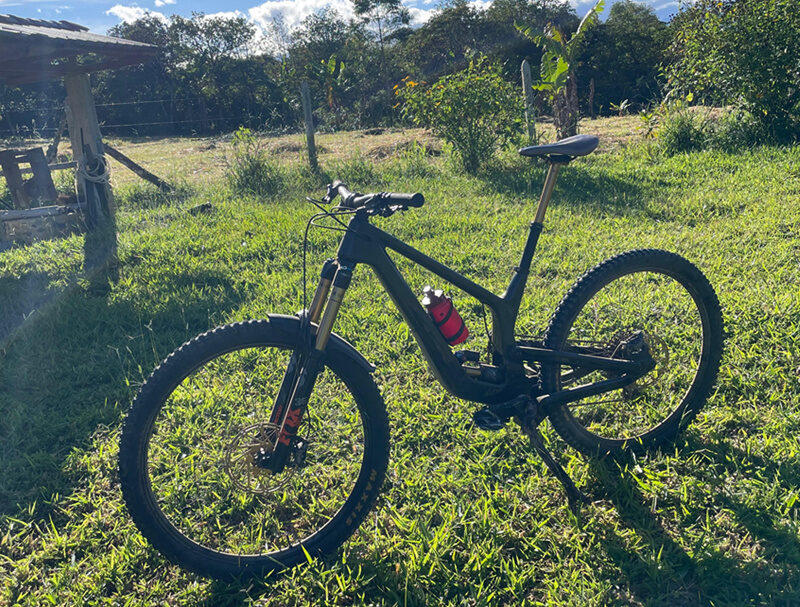
Some trendy carbon fiber full suspension MTB carbon frames, while visually appealing, may suffer from issues such as limited fork clearance, awkward rear shock mount placement, or inability to install the bottle cage. While these frames look great, they may sacrifice performance and long-term maintenance convenience.
Common Buying Mistake Six: Ignoring Long-Distance Riding Comfort and Maintenance Costs
Long-distance riding demands high physical exertion. An unsuitable full-suspension bike frame can easily exacerbate fatigue during long trail rides and increase maintenance costs. When choosing a full-suspension MTB frame, consider the suspension design, geometry, and material properties to assess its comfort and durability over extended riding periods, thereby reducing fatigue, lowering maintenance frequency, and improving efficiency.
1: The Relationship Between Rider Fatigue and Frame Design
The geometry and suspension travel of a full-suspension frame directly affect rider fatigue. A long-travel full-suspension MTB carbon frame better absorbs root hits, rock gardens, and technical descents, reducing pressure on the wrists, shoulders, and lower back. Short-travel or hardtail frames tend to accumulate fatigue on long rides, especially in multi-hour endurance races or backcountry trails. Choosing a frame geometry that suits your weight and riding style is key to improving comfort.
2: Maintenance Cost Analysis of Full Suspension Frames
Full suspension frames include shock absorbers, linkage systems, and pivot points. These components are frequently used on European and American trails and wear out quickly, requiring regular cleaning, lubrication, and seal replacement. For full carbon fiber MTB frames, the focus is on checking for cracks in the carbon fiber body and maintaining smooth pivot bearings. Neglecting maintenance will reduce performance, even creating safety hazards and increasing costs.
3: How to Evaluate Long-Term Riding Value
When evaluating value for money, frame price, maintenance frequency, durability, and riding comfort should be considered. While a high-quality full suspension mountain bike frame has a higher upfront cost, it reduces rider fatigue, lowers maintenance frequency, and extends lifespan, making it more cost-effective in the long run. It is recommended to consider riding mileage, riding environment, and personal goals, while also choosing a model that is easy to maintain and has readily replaceable parts.
| Rider Type | Recommended Full Suspension MTB Frame | Suspension Travel | Material Type | Budget Range | Suitable Terrain |
|---|---|---|---|---|---|
| Casual / Weekend Rider | Entry-level full suspension frame | 100–120mm | Alloy / Carbon | $800–$1,500 | Light trails, gravel |
| Trail / All-Mountain | Mid-range full suspension frame | 130–150mm | Carbon / Alloy | $1,500–$3,000 | Technical trails, roots |
| Enduro / Downhill | High-performance full suspension frame | 160–180mm | Carbon | $3,000+ | Steep descents, rocky paths |
| e-MTB / Adventure | Full suspension compatible e-MTB frame | 140–160mm | Carbon / Alloy | $2,500–$4,000 | Mixed terrain, long rides |
Common Buying Mistake Seven: Neglecting Future Upgrades and Trends
When choosing a full suspension mountain bike frame, focusing only on current needs while ignoring future upgrade potential can easily lead to buying a frame that limits your riding development. Modern full suspension MTB frames not only need to balance handling and comfort but also long-term upgradeability, such as compatibility with replacing the fork, rear suspension, wheelset, and even drivetrain. Understanding these trends can help riders avoid frequent bike replacements while maximizing the return on investment for their carbon fiber full suspension MTB carbon frame.
1: Future Development Trends of Full Suspension Mountain Bike Frames
With advancements in off-road technology and the widespread adoption of e-MTB, full suspension mountain bike frames are evolving towards lighter weight, longer travel, and modular designs. Simultaneously, carbon fiber materials and advanced composite processes further enhance frame rigidity and durability, while adjustable geometry is becoming standard on mid-to-high-end models to adapt to different terrains and riding styles.
2: Upgrade Potential of Carbon Fiber Full Suspension MTB Frames
High-quality carbon fiber full suspension MTB frames support component upgrades, including higher-performance shocks, forks, dropper post, and 12-speed drivetrain. For riders passionate about downhill or enduro, choosing a frame compatible with future components means the ability to continuously improve performance as technology advances without needing to buy a new bike.
3: Engineer’s Recommendation: Choose a “Sustainable” Frame
It is recommended to prioritize full suspension frames with adjustable geometry and a rear fork mount compatible with multiple shocks, while paying attention to the strength and durability of the carbon fiber layup. This not only ensures stable riding over long periods but also allows for easy component upgrades in the future, avoiding the additional costs and waste associated with replacing the bike, achieving true sustainability.
Professional Advice
Many riders make mistakes when purchasing a full suspension bike frame. From size selection, material strength, and suspension type to component compatibility and future upgrade potential, each step can affect handling, comfort, and safety. The right choice allows a full suspension MTB frame to truly realize its handling advantages on rough terrain while reducing maintenance costs and rider fatigue.
1: Make an Wise Choice Based on Budget and Riding Needs
When choosing a full suspension MTB carbon frame, prioritize geometry, suspension travel, and material strength that suit your riding style. Evaluate long-distance riding comfort, durability, and upgrade potential within your budget, avoiding prioritizing lightweight or aesthetics at the expense of performance.
2: Invest in a Sustainable, High-Performance Frame
Choosing geometry-adjustable, multi-shock, and drivetrain-compatible full suspension mountain bike frames allows for component upgrades as technology advances, extending the frame’s lifespan. High-quality carbon fiber full suspension frames offer a balance of lightweight rigidity and stable handling on challenging terrain, ensuring safety and comfort on every ride.
3: Contact a professional manufacturer for customized solutions
Haidelibikes as a manufacturer with over ten years of experience in producing carbon fiber bicycle components, offers full suspension frame customization services. We help riders tailor full suspension frames to their specific needs, balancing performance, comfort, and future upgrades, ensuring a worthwhile investment.