Skip to content


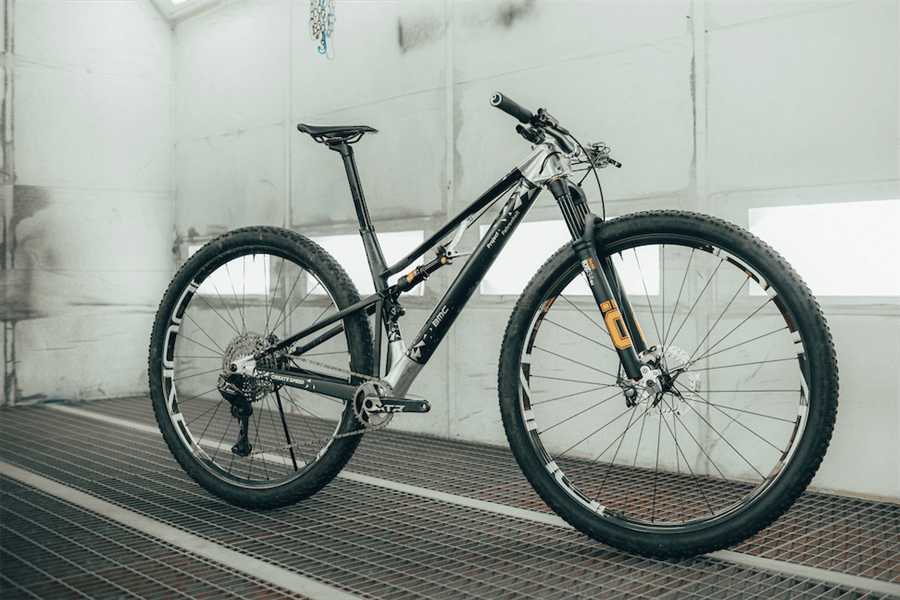
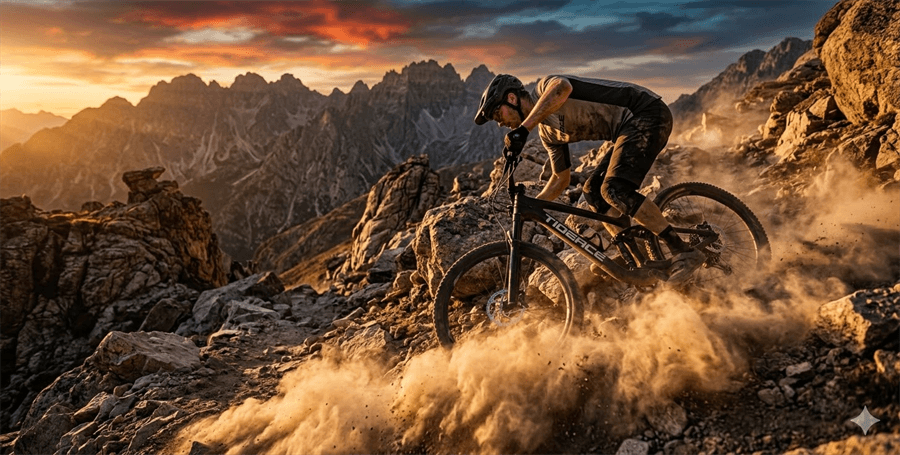
It’s becoming a common hack for riders building up a 32er Hardtail Mountain Bike Frame to spec a 29er Boost MTB Fork in search of a slammed front end setup. This mixed geometry setup has been gaining traction on Pinkbike and MTBR forums, as riders look to combine the massive roll-over capability of a 32inch mtb frame with the snappier steering response of a shorter fork. As a Carbon Frame Manufacturer deeply involved in 32er mtb frame development, we believe the viability of this combo boils down to original geometry intent and structural synergy—it’s not just about making parts fit; it’s about maintaining the ride’s soul.
The Logic Behind Running a 29er Boost MTB Fork on a 32er Hardtail Frame
In custom bike build setups, some riders are intentionally pairing the 32er Hardtail Mountain Frame with a 29er Boost MTB Fork. This isn’t just about making parts fit; it’s a strategic move to overhaul the front-end geometry, stack height, and rider position. This “mixed geometry” approach allows a 32inch mtb frame to maintain its massive rolling efficiency while adopting a much more aggressive, race-oriented stance.
1.1: Slamming the Cockpit: The Quest for a Lower Front End Setup
Many XC purists riding the 32er Hardtail Mountain Bike Frame actively seek a slammed cockpit to achieve a true race position. This setup maximizes pedaling efficiency and sprint leverage while increasing front-tire traction. It provides that essential “planted” feel during high-speed climbs and aggressive power intervals.
1.2: The Rise of Aggressive XC Geometry
As modern XC courses become increasingly technical, terms like race geometry setup, low front end XC bike, and progressive hardtail geometry have dominated the conversation. By dropping the front end, riders are looking for snappier steering response and a more intuitive handling feel—factors that are now central to our own geometry development at the factory level.
1.3: Balancing Roll-Over Capability with Agility
The primary weapon of the 32inch mtb frame is its unmatched roll-over capability, flattening rock gardens and roots with ease. By fine-tuning the geometry through fork height adjustments, riders can retain that big-wheel momentum while counteracting any sluggishness in tight turns. It’s the ultimate “setup trick” for technical riders looking to dial in the perfect rig.
⚠️ Engineering Note: Swapping to a 29er fork steepens the Head Angle by ~1.5°–2° and significantly drops the BB height. Watch out for increased pedal strike risks on technical terrain.
Geometry Shift: Bolting a 29er Boost Fork to a 32er Frame
Slapping a 29er Boost MTB Fork onto a 32er Hardtail Mountain Frame is a total chassis recalibration. This setup forces a redistribution of fork axle-to-crown height, stack/reach ratios, and head tube angles. For our 32er mtb frame R&D team, understanding these shifts is critical for defining the performance envelope for future frame & fork pairing.
2.1: Crushing the Stack Height
With a shorter axle-to-crown, the 32er boost mtb frame sees an immediate drop in stack height, resulting in a slammed front-end profile. This shift forces a much more race-oriented riding position, maximizing pedaling leverage and aerodynamic efficiency during sustained high-wattage efforts.
2.2: Steeping the Head Angle for Sharper Handling
Reducing fork height creates a ripple effect, steepening the head tube angle (HTA). On a 32inch mtb frame, this geometry tweak counteracts the inherent inertia of larger wheels, delivering a snappier steering feel. It’s a go-to move for XC riders looking to sharpen their front-end response.
2.3: Wheelbase Compression and Weight Bias Shift
A lower front end reshapes wheelbase distribution and shifts rider weight balance forward. On punchy climbs, this provides more pronounced front-tire bite and an “active” handling characteristic. This shift is essential when dialing in a 32er mtb frame setup to ensure the platform remains responsive and aggressive.
Is the “Mullet Fork” Setup Actually Viable? A Practical Deep Dive
In bike platform setup, bolting a 29er Boost MTB Fork to a 32er Hardtail Mountain Frame is an extreme tuning strategy, not a random hack. Its viability depends on structural compatibility and geometry drift. For teams in 32er mtb frame platform development, this is a niche tuning option requiring a clear-eyed understanding of engineering trade-offs.
3.1: Structural Compatibility: The Hardware Reality
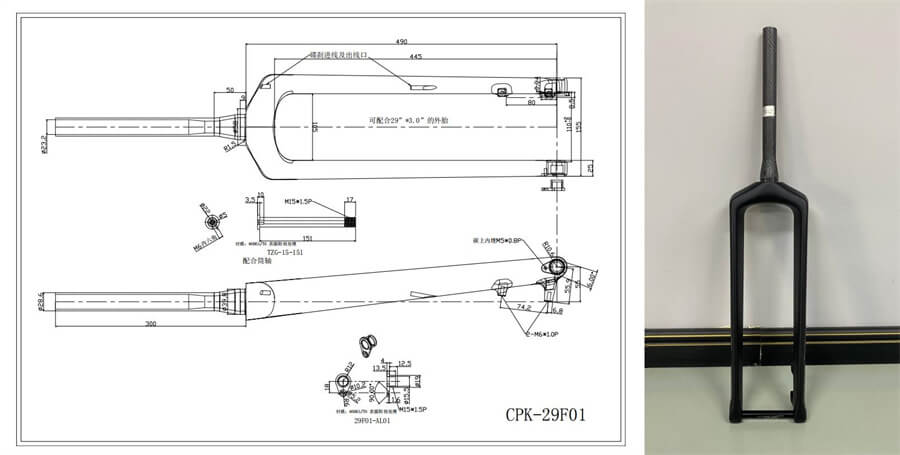
As long as Boost spacing, thru axle standard, and tapered head tube specs align, most 32er boost mtb frame models will physically accept a 29er Boost MTB Fork. During a frame & fork compatibility check, you’ll find zero installation hurdles. This ease of fit encourages riders to experiment with this mixed wheel platform setup to overhaul their bike’s stance.
3.2: Real-World Performance: Agility vs. Stability
On the trail, a lower front-end setup delivers immediate dividends in steering response. Many riders find this makes the 32inch mtb frame far more proactive during punchy climbs. However, in high-speed technical terrain, the steeper head angle can be unforgiving—the ultimate challenge when dialing in a modern XC race setup.
3.3: The Engineering Perspective: Honoring Geometry Intent
As a Carbon Frame Manufacturer, we engineer the 32er Hardtail Mountain Bike Frame around specific fork axle-to-crown heights and wheelbase distributions. While a 29er fork swap is physically compatible, it inevitably shifts the intended geometry balance. Deciding to run a 29er fork on a 32er mtb frame must be a calculated decision based on the target terrain and rider profile.
32er vs. 29er Boost MTB Forks: Which Defines Your Chassis?
Choosing the fork for a 32er Hardtail Mountain Frame is the ultimate tuning decision. Variations in height reshape the stack/reach ratio, head tube angle, and wheelbase distribution, balancing stability against agility. Understanding the geometric delta between a 32er boost mtb fork and a 29er boost mtb fork is essential when developing a 32er mtb frame platform.
4.1: The OEM Advantage: Preserving Geometry Integrity
Frames designed for a 32er boost mtb fork maintain their intended geometry proportion. This “native” setup guarantees optimized weight distribution, eliminating unpredictable handling quirks and ensuring a perfect climb-to-descend balance for trail performance.
4.2: The 29er Alternative: The Low Stack Race Philosophy
Elite XC racers often opt for a low stack race setup. By dropping the front end, they gain superior pedaling leverage and snappier acceleration. This aggressive stance increases front-end bite and precision—a massive advantage in high-cadence and technical XC sectors.
4.3: Scenario-Driven Selection
Requirements for XC, downcountry, or technical trails are vastly different. Choosing between a 29er Boost MTB Fork and a 32er Boost MTB Fork must be a calculated move based on the intended riding scenario, wheel clearance, and steering feedback. It’s about finding the “sweet spot” where rolling efficiency meets intuitive handling.
Who Should Actually Run a 29er Fork on a 32er Chassis?
Bolting a 29er Boost MTB Fork to a 32er Hardtail Mountain Frame is a bold move designed for specific riding styles. This setup drastically reshapes the rider position and front-end geometry. For teams developing the 32er mtb frame platform, identifying the right demographic is key to perfecting the frame & fork pairing.
5.1: The Efficiency-Obsessed XC Racer
For XC racers focused on pedaling efficiency, this slammed race-oriented setup is a game-changer. It delivers raw power transfer and intuitive steering feedback during high-cadence climbs, giving riders a tactical edge when every watt counts.
5.2: The “Garage Build” Gearheads
A bike setup experiment like this is a badge of honor in the MTB community. These riders push the limits of steering response and stack/reach balance, engineering the ultimate custom rig through trial and error.
5.3: Tall Cyclists Seeking Proportional Balance
For tall riders on a 32er Hardtail Mountain Bike Frame, dropping the cockpit while retaining wheel clearance and roll-over capability creates a natural posture. This improves leverage and significantly reduces fatigue on marathon-length rides.
Why a Reliable Carbon Frame Manufacturer is Your Greatest Asset
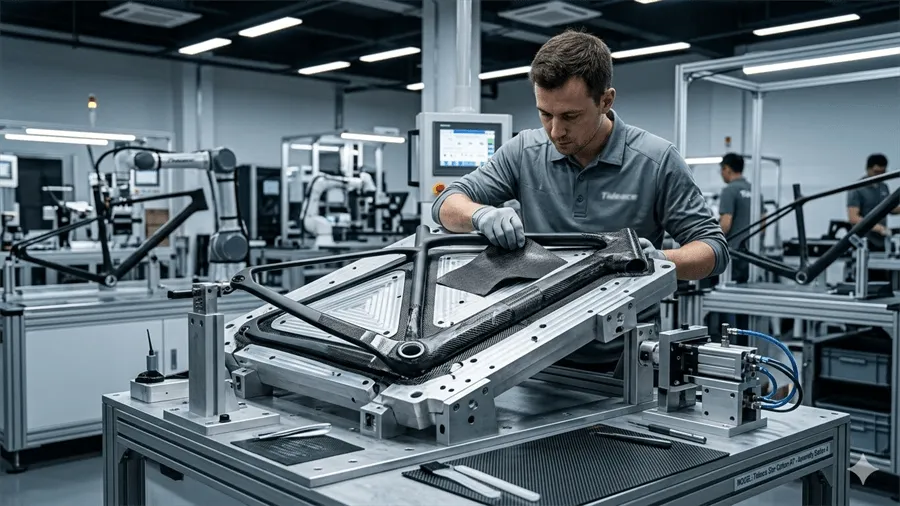
When developing a 32er Hardtail Mountain Frame, your supplier’s engineering DNA dictates the product’s ceiling. A veteran Carbon Frame Manufacturer refines the carbon layup schedule and delivers a proven lightweight & stiffness balance. For brands investing in a 32er mtb frame platform, the right partner is the ultimate safeguard against technical risk and a guarantee of stability.
6.1: Engineering-First Design Capabilities
Tier-one suppliers excel in frame geometry development, tube shaping, and layup engineering. This ensures the chassis hits aggressive rigidity targets while remaining versatile enough to accommodate various fork heights and specialized rider stances.
6.2: Industrial-Grade Production Consistency
A mature carbon bicycle frame production workflow translates a concept into a market leader. It ensures hardtail frame strength, weight optimization, and long-term durability remain consistent across every batch, eliminating geometry drift and quality variances.
6.3: High-Level OEM and Custom Development
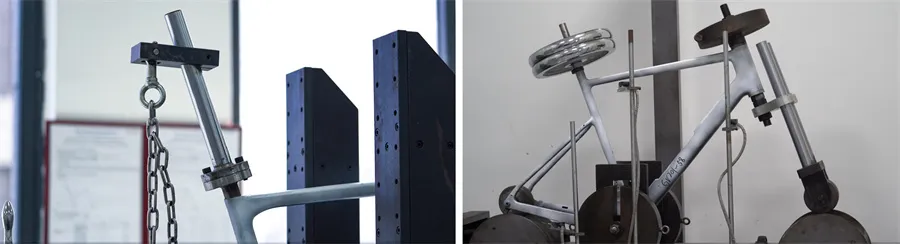
For global brands, a reliable OEM & custom carbon frame service provides end-to-end support—from geometry optimization to structural validation. This ensures your 32er platform development is grounded in real-world demands, balancing cutting-edge performance with mass-production feasibility.
Conclusion: Is the 32er Frame + 29er Boost Fork Combo Worth the Build?
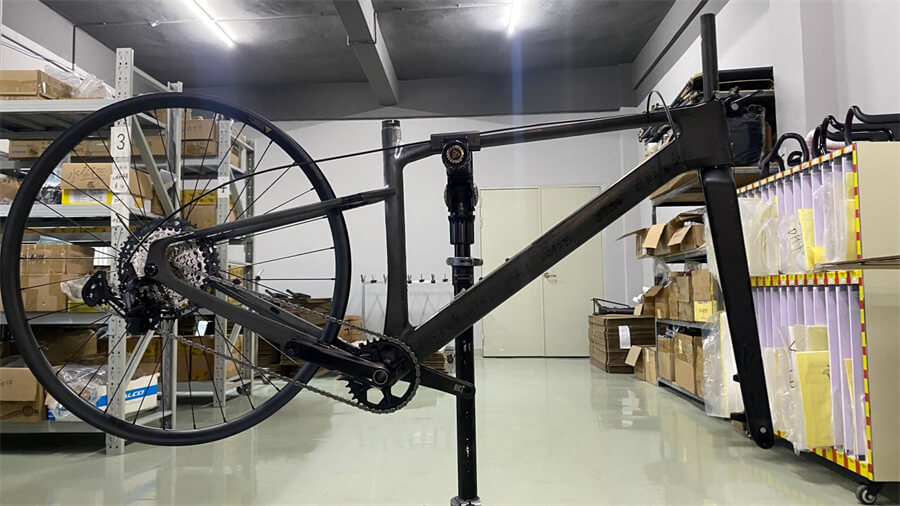
While a mixed fork setup is structurally compatible, it’s important to recognize that you are fundamentally altering the 32er mtb frame‘s intended geometry. For riders dead-set on a low front-end XC setup, this pairing can deliver the snappier steering response and pedaling leverage needed for high-intensity efforts. However, from a long-term development standpoint, a dedicated 32er boost mtb fork paired with a native 32er boost mtb frame platform remains the gold standard for predictable stability and handling consistency.
Looking to dive deeper into geometry optimization or discuss a custom OEM project? Reach out to our technical team.