Skip to content


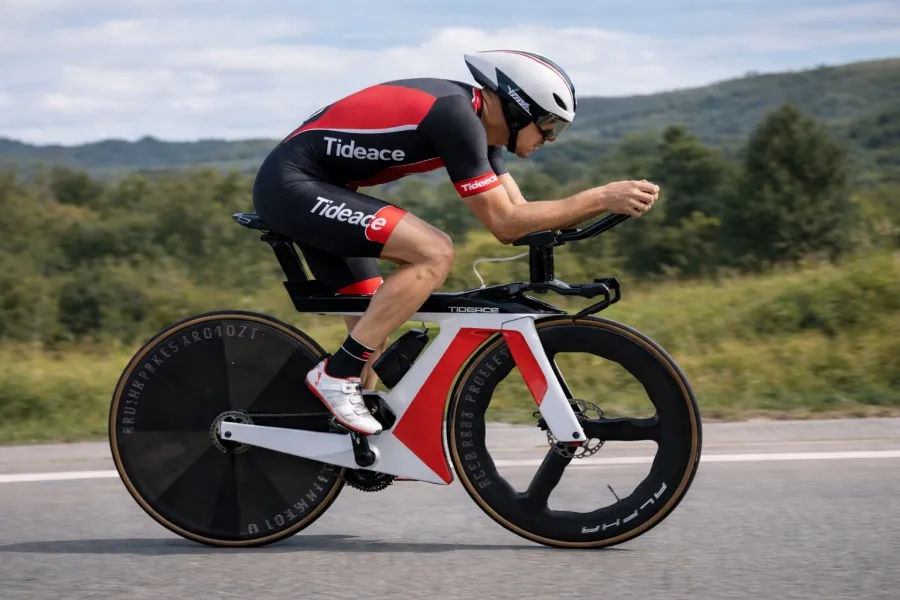
Choosing the right frame isn’t just about buying gear; it’s about giving yourself the best shot at a personal best. In a grueling Ironman race, your frame’s design is the single biggest factor affecting your cycling efficiency and how much “legs” you’ll have left for the run. When looking at a Triathlon Bike Frame, the geometry, material layup, and overall adjustability are the real game-changers for your race-day performance.
A top-tier Ironman Racing Bike Frame is all about finding that “sweet spot” between aggressive aerodynamics and long-haul comfort. That’s why carbon fiber is the gold standard for pro-level athletes—it delivers the stiffness and weight savings you need without shaking you to pieces over 112 miles. Given the unique demands of an Ironman course, a professional triathlon frame setup can drastically cut down on fatigue and boost stability, keeping you in the aero bars and performing at your peak. Whether you’re a first-timer or a seasoned vet chasing a podium, the right frame is your fastest ticket to a better split.

Choosing the Right Triathlon Bike Frame: Why It’s a Game-Changer for Your PR
In a triathlon, picking the right Triathlon Bike Frame can be the difference between a podium finish and a mid-pack struggle. For the grueling 140.6, a high-performance Ironman Racing Bike Frame is about more than just looking fast; it’s about maximizing pedaling efficiency and minimizing muscle fatigue. The frame is the heart of your aero setup—it balances aggressive geometry with the compliance needed to keep you fresh for the run. Whether you’re fighting crosswinds or climbing, the right engineering ensures you’re not fighting your bike.
1.1: The Critical Role of a Triathlon Bike Frame on Race Day
The Triathlon Bike Frame is the backbone of your race-day strategy, dictating everything from high-speed stability to handling precision. Over a 112-mile bike split, an Ironman Racing Bike Frame needs to hit that “sweet spot” between featherweight agility and rock-solid power transfer. We prioritize aerodynamic profiles and tuned carbon layups to cut through the air while maintaining rider comfort over hours in the saddle. For brands and wholesalers, sourcing frames that solve these real-world endurance challenges is the key to winning over serious triathletes.
Ironman Racing Bike Frame vs. Standard Triathlon Frames
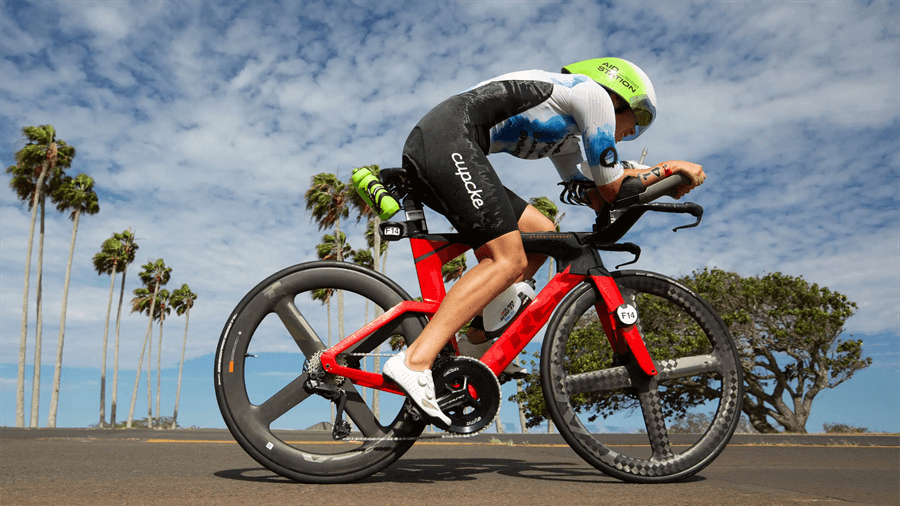
Ironman racing isn’t just about speed—it’s about endurance and efficiency. Unlike a sprint-focused Triathlon Frame, a true Ironman Racing Bike Frame is engineered to balance aerodynamics with long-haul comfort. It functions as a specialized cruising machine, designed to maintain stability over 180km while saving your legs for the marathon.
2.1: Geometry: Speed Meets Endurance
In long-distance racing, geometry is everything. While a typical Triathlon Frame slams the rider into an aero tuck, a dedicated Ironman build optimizes seat tube angles to reduce muscle strain. High-speed stability is non-negotiable here; it ensures a steady, efficient effort throughout the entire cycling leg without burning out your core.
2.2: Material Choice: Carbon vs. Aluminum
The Carbon Triathlon Bike Frame is the gold standard for its superior stiffness-to-weight ratio. Beyond being light, carbon’s ability to dampen road vibration significantly preserves a rider’s energy. Conversely, an Aluminum Triathlon Bike Frame is a durable, budget-friendly entry point, but it lacks the refined ride quality and fatigue resistance that carbon offers—crucial factors when every saved watt counts toward your final run.

Customizing Your Triathlon Bike Frame: A Personal Approach
Choosing an Ironman Racing Bike Frame goes beyond picking a carbon grade; it’s about biomechanical synergy. Factors like frame size and geometry dictate your aerodynamic efficiency and fatigue rate. In a grueling Ironman, a perfectly fitted frame preserves your energy, ensuring you have the legs to crush the marathon after the bike leg.
3.1: How Body Metrics Dictate the Build
Size is the critical variable in Triathlon Frame performance. When spec-ing an Ironman Racing Bike Frame, height and reach define your Stack and Reach. Taller riders need a longer wheelbase for stability, while those with longer limbs can opt for a “slammed” aggressive cockpit. We balance the geometry for rock-solid tracking, while custom fork and saddle adjustments ensure the bike moves with you, not against you.
3.2: Pre-Race Dialing: The Importance of Testing and Fitting
Before race day, putting your Triathlon Bike Frame through a professional fitting is non-negotiable. You must log miles on your Ironman Racing Bike Frame to catch minor discomforts that turn into race-ending pains over 112 miles. Micro-adjusting saddle tilt and extension width ensures every watt goes straight into the drivetrain, eliminating wasted effort and keeping you in the power zone.
Maximizing Performance: How to Dial In Your Triathlon Frame
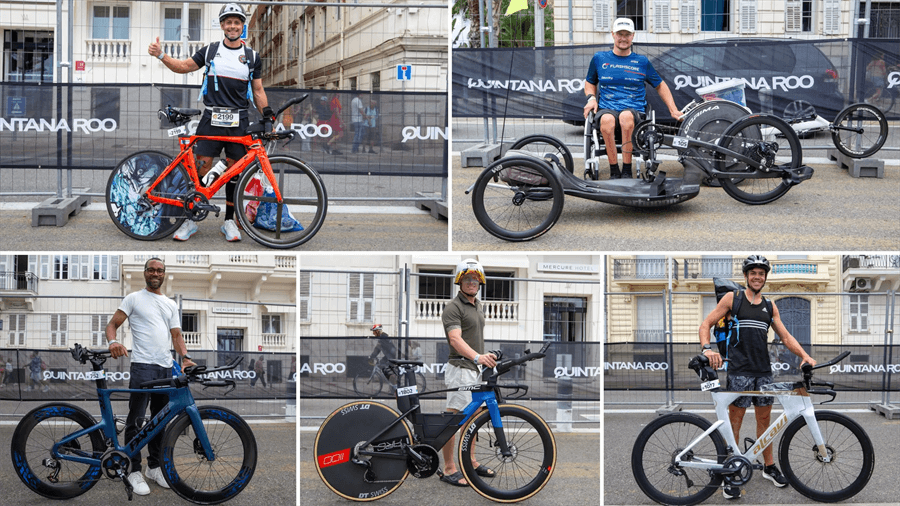
Extracting peak performance from a Triathlon Bike Frame requires more than a top-tier purchase; it’s about optimizing every interface. From the aero-shaping of an Ironman Racing Bike Frame to wheelset efficiency, fine-tuning dictates your split times. For serious athletes, pairing the right components with rigorous maintenance is the only way to ensure rock-solid stability over 112 miles.
4.1: Aero Gains: Integrating Wheels and Cockpit
A Triathlon Frame’s aerodynamic profile is the heart of your speed. Upgrading to aero wheels with deep-section rims is essential for minimizing drag and maintaining momentum. When high-end carbon hoops match the specific frame geometry, responsiveness and crosswind stability hit a new level, allowing you to dominate the Ironman Racing bike leg with much less effort.
4.2: Pro-Level Maintenance: Ensuring Race-Day Reliability
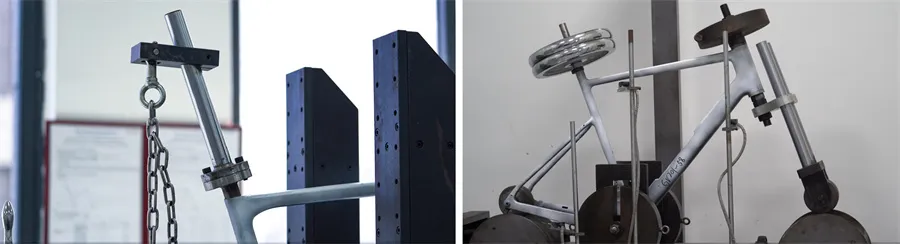
A high-performance Triathlon Bike Frame demands a deep structural “health check.” Maintenance for an Ironman Racing Bike Frame means scrutinizing carbon stress points and bearing smoothness. Before a race, re-calibrating the frame geometry and torqueing every bolt to spec is crucial. This prep ensures you stay in the aero bars with total confidence, avoiding mechanical DNFs.
| Maintenance Task | Frequency | Purpose/Benefit |
|---|---|---|
| Check Frame Integrity | Every 500 miles or after each race | Ensures no cracks or damage, maintains frame stability |
| Clean and Lubricate Components | Every 2-3 rides | Reduces wear and tear, enhances overall performance |
| Inspect Wheels and Tires | Every 500 miles or monthly | Prevents blowouts, ensures safe and efficient ride |
| Test Brake Systems | Before every race | Ensures safety and responsive braking performance |
| Adjust Seat and Handlebars | As needed based on comfort | Maximizes comfort and reduces fatigue during long rides |
| Check Wheel Trueness | Every 500 miles | Keeps wheels aligned for optimal aerodynamics and speed |
Future-Proofing Speed: The Evolution of Ironman Racing Bike Frames
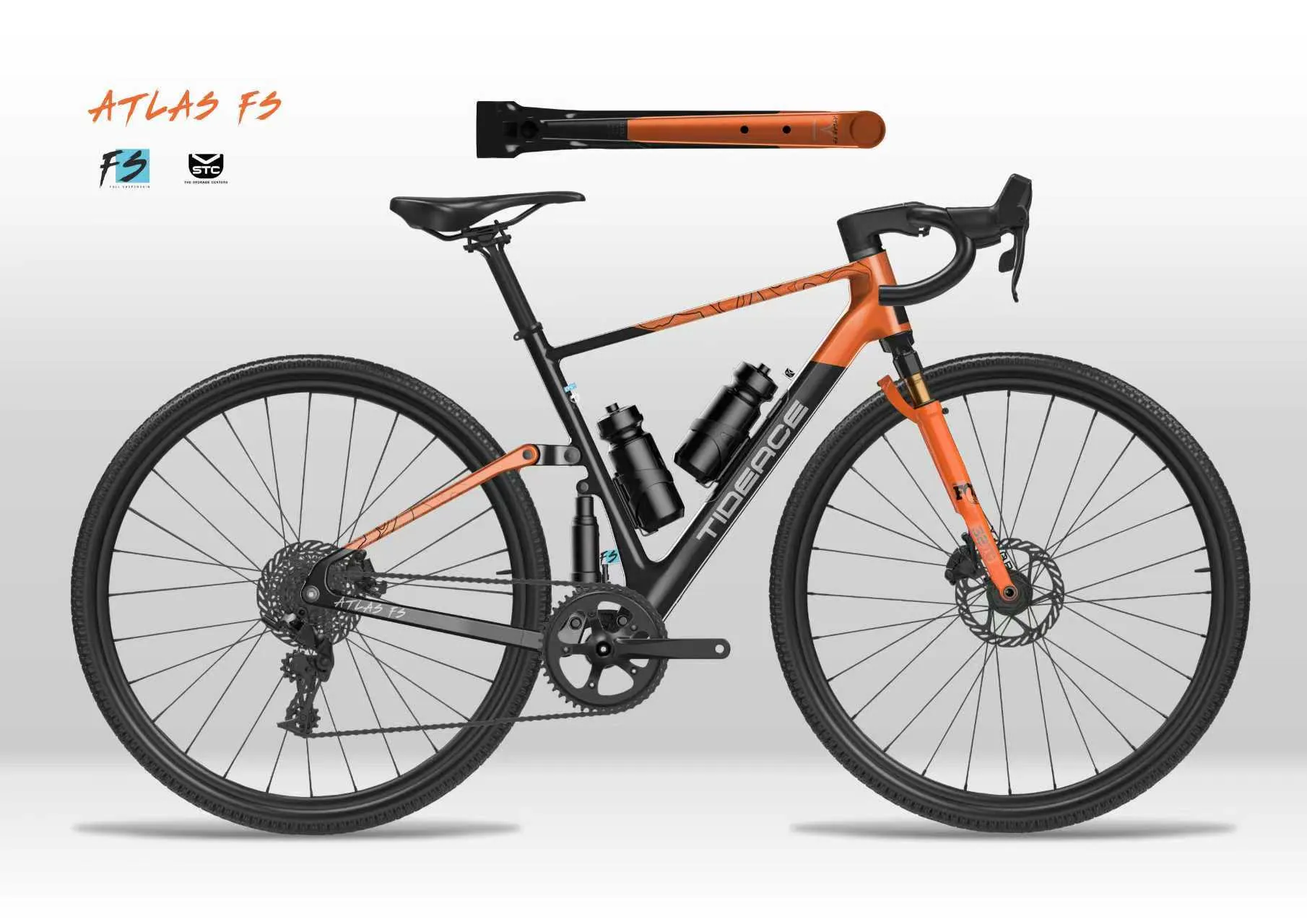
Carbon design is entering a new era of total integration. The next-gen Triathlon Bike Frame is moving beyond component attachment toward a unified platform. The modern aero frame now seamlessly blends hydration and storage into the structural profile. Heading into 2026, advanced composite layups will allow frames to shed weight while achieving a “dynamic balance” between stiffness and vibration damping. This ergonomic evolution ensures the Ironman Racing Bike Frame remains rock-solid, pushing the boundaries of high-performance endurance.
Contact us to customize your high-performance Ironman Racing Bike Frame and crush your next PB!