Skip to content


The 2026 Red Bull Rampage is set to be the ultimate spectacle for mountain bike enthusiasts worldwide, and a high-performance Carbon Fiber Bike Frame remains the undisputed gold standard for elite riders. To withstand the brutal demands of the desert—where weight, stiffness, and sheer durability are non-negotiable—an Ultralight Carbon Frame has become an essential piece of kit.
Data from industry hubs like Pinkbike and MTBR highlight a clear trend: modern Racing Bike Frame designs are leaning harder into carbon composites to sharpen handling and boost raw speed. Picking the right Mountain Bike Frames isn’t just about a competitive edge; it’s about having the confidence to stick the line when the stakes are at their highest.
Red Bull Rampage: Event Overview
Red Bull Rampage stands as the ultimate proving ground in mountain biking, pushing the world’s elite riders to their absolute limits. In a sport where gear failure isn’t an option, the Carbon Fiber Bike Frame has become the gold standard, prized for its lethal combination of featherweight agility and brute strength. By slashing overall bike weight, carbon fiber enhances handling and stability, giving riders the confidence to stomp lines on the most treacherous terrain. As the event demands ever-higher levels of performance, top-tier brands have solidified the Carbon Fiber MTB Frame as the mandatory blueprint for their flagship builds.
1.1: How Extreme Sports Drive Carbon Innovation
In the high-stakes world of freeride, the physical advantages of a Carbon Fiber Bike Frame are a game-changer. The integration of an Ultralight Carbon Frame doesn’t just shave grams; it transforms the bike’s responsiveness, allowing for lightning-fast corrections during whips, flips, and high-G corners. Furthermore, advanced resin tech ensures today’s Racing Bike Frame can soak up massive hucks and brutal impacts without breaking a sweat. This relentless pursuit of durability and performance in extreme settings continues to push carbon fiber engineering into the future.
Performance Advantages of Carbon Fiber Bike Frames
The Carbon Fiber Bike Frame is the gold standard in elite cycling due to its exceptional strength-to-weight ratio. By offering superior stiffness at a lower weight than traditional materials, it enables sharper handling and faster acceleration. Modern advancements ensure these frames deliver both podium-level performance and long-term structural integrity.
2.1: Precision Control with the Ultralight Carbon Frame
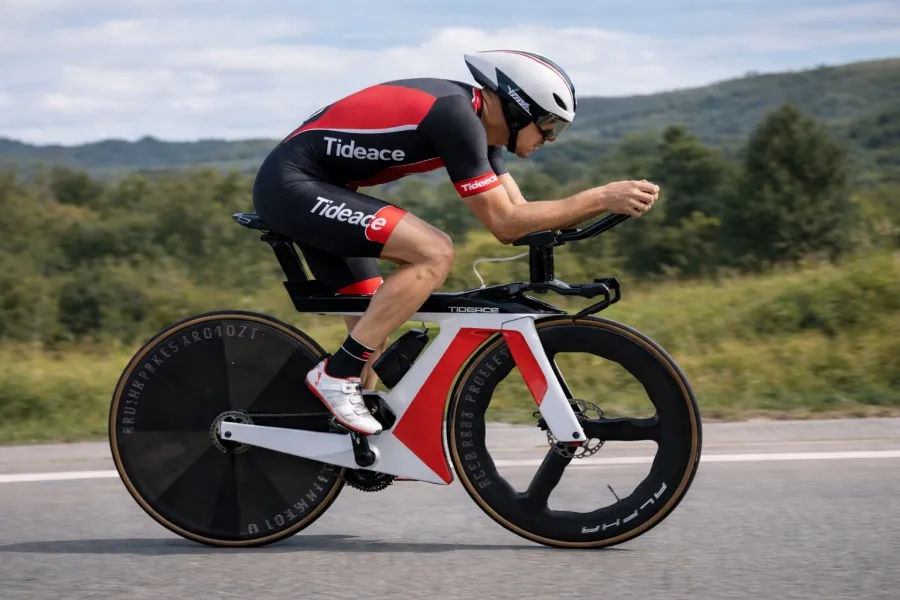
The Ultralight Carbon Frame excels in high-stakes racing. Strategic engineering reduces mass to boost agility, allowing for precise maneuvering during rapid cornering and technical jumps. For any Racing Bike Frame, balancing lateral stiffness with weight reduction is essential for maintaining stability at the limit.
2.2: Durability and Impact Resistance
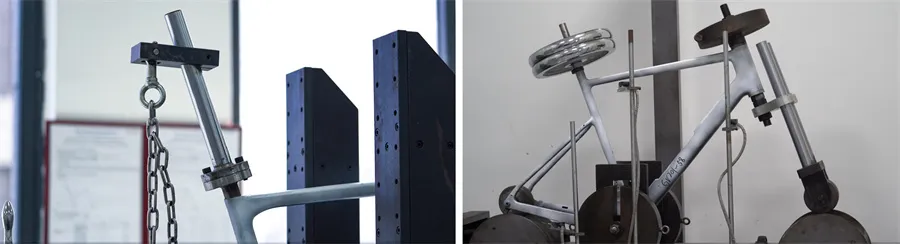
Modern carbon is engineered for resilience. Unlike aluminum, it offers superior vibration damping, preserving the frame’s integrity on punishing terrain. Whether for grueling training or aggressive racing, Carbon MTB Frames provide consistent reliability and reduced fatigue, ensuring high-performance durability.
Carbon Fiber Dominance at 2026 Red Bull Rampage
At the 2026 Red Bull Rampage, the Carbon Fiber Bike Frame remains the gold standard for the world’s elite freeriders. As the features get bigger and the lines more technical, the latest Carbon Fiber MTB Frame designs have evolved to meet these brutal demands, offering the perfect blend of razor-sharp handling and the sheer toughness required for the desert’s biggest hits.
3.1: Pro Brand Picks and Frame Selection
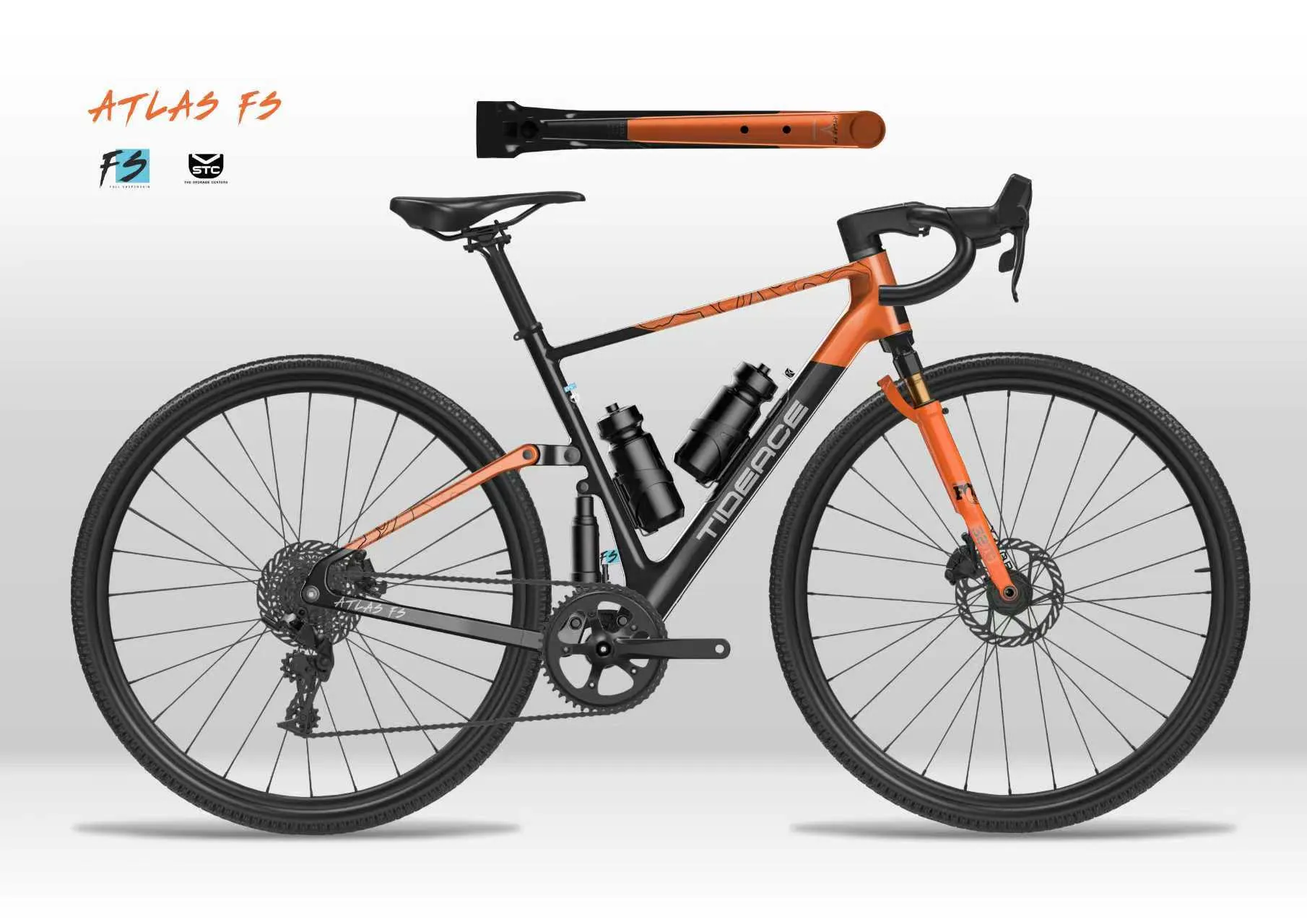
For the 2026 event, heavyweights like Santa Cruz, Trek, and Canyon continue to lead the pack. Their Ultralight Carbon Frame offerings utilize cutting-edge geometry and advanced layup schedules to shave weight without sacrificing impact resistance. These frames give riders the confidence to stick massive landings while maintaining pinpoint control in high-consequence terrain.
3.2: Racing Bike Frame vs. Carbon Fiber Bike Frame: The Competitive Edge
The distinction between a standard Racing Bike Frame and a premium Carbon Fiber Bike Frame lies in the material’s inherent properties. Carbon provides a stiffness-to-weight ratio that traditional alloys simply cannot match. In the chaotic environment of a Rampage run, carbon’s superior vibration damping and fatigue resistance offer a more composed ride and long-term durability under extreme stress.
How to Pick the Right Carbon Fiber Bike Frame
Choosing a Carbon Fiber Bike Frame is about more than just aesthetics; it’s a decision that dictates your power transfer, comfort, and long-term durability. The Geometry of a frame is its soul—different setups are engineered for specific riding styles, making it crucial to align the frame’s blueprint with how you actually ride.
Whether you are hunting for an Ultralight Carbon Frame to dominate criteriums or a rugged Mountain Bike Frame built for technical trails, the right choice ensures your performance isn’t lost in translation. Selecting a frame that fits your physique and riding goals is the ultimate way to boost efficiency and keep the “fun factor” high on every ride.
4.1: Matching Geometry to Your Riding Style
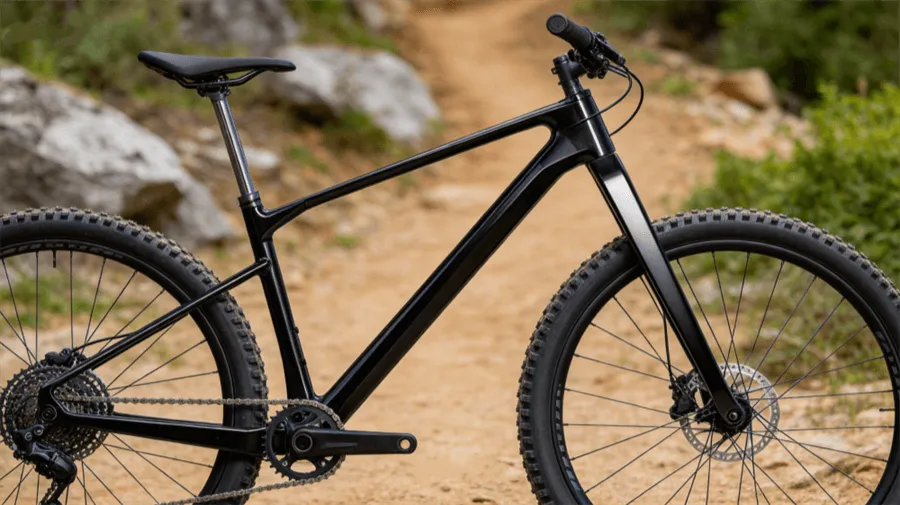
Not all carbon is created equal. A dedicated Racing Bike Frame and a standard Carbon Fiber MTB Frame feature vastly different silhouettes and handling characteristics.
-
Speed Seekers: If you’re all about the clock, pay close attention to the head tube angle, Wheelbase, and fork rake. These specs dictate how “twitchy” or stable the bike feels when you’re pushing the limit.
-
Gravity & Trail: For those hitting aggressive lines, impact resistance and lateral stiffness become the priority to handle the abuse of the trail.
Ultimately, picking a frame based on your specific terrain and performance needs is what transforms a good ride into a great one.
Conclusion: The Evolution of Carbon Fiber Frames in Competitive Extreme Racing
The Carbon Fiber Bike Frame remains the gold standard for high-stakes extreme racing. As Ultralight Carbon Frame technology reaches new levels of refinement, the focus for modern MTB and competitive road frames has shifted from raw weight reduction to a sophisticated balance of stiffness, compliance, and durability. These advancements do more than just sharpen handling; they provide the impact resistance and structural integrity required to withstand the brutal conditions of elite-level racing. As material science continues to innovate, carbon fiber will remain the driving force behind the next generation of racing geometry and performance.