Skip to content


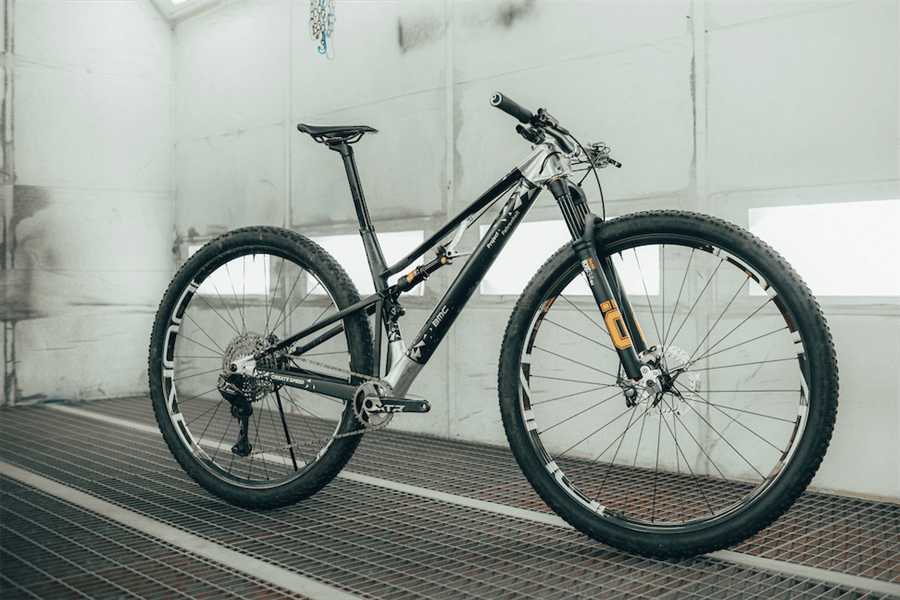
The development model of a bicycle frame directly affects market entry speed, cost control, and brand differentiation. Surveys from European and US industry sources show that about 60% of new brands choose ODM carbon fiber bike frames to reduce upfront risks and accelerate launch, while established brands favor OEM bicycle frames to optimize geometry, carbon layup, and ride performance. Understanding the differences in frame development, prototype testing, and quality control is essential for a long-term strategy.
I. What are the core differences between OEM and ODM Carbon Bike Frames?
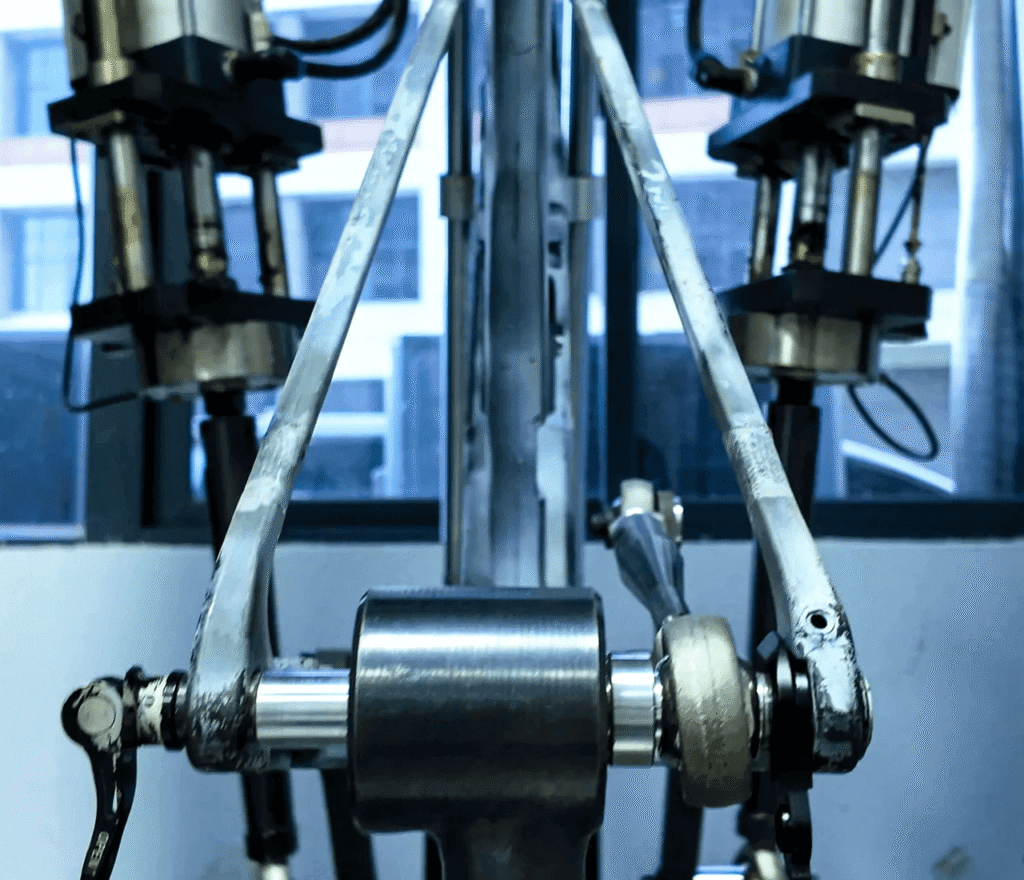
In practical cooperation, the core differences between OEM and ODM carbon fiber bike frames lie in who leads the design, the depth of engineering investment, and brand control. For B2B brands and wholesalers, this not only affects the development cost and time-to-market of the bicycle frame but also directly impacts product differentiation, subsequent iteration capabilities, and long-term supply stability. Understanding the fundamental differences between the two models in the frame development process, carbon fiber structure design, and testing and verification is a crucial prerequisite for choosing the right bicycle frame manufacturer.
1. What is an OEM Bicycle Frame?
An OEM bicycle frame typically involves the brand providing clear product positioning and technical requirements, including frame geometry design, material specifications, and performance targets. The manufacturer is responsible for engineering implementation and mass production. This model is often used for custom bicycle frames or private mold bicycle frame projects, suitable for mid-to-high-end customers who want to establish a long-term product platform and strengthen brand exclusivity.
2. What is an ODM Carbon Fiber Bike Frame?
An ODM carbon fiber bike frame is based on the manufacturer’s mature solutions, with the bicycle frame manufacturer leading the structural design and verification. Common forms include open mold bike frames or semi-custom solutions, relying on existing carbon frame platforms for rapid time-to-market, suitable for brands that prioritize cost-effectiveness and delivery efficiency.
3. Fundamental Differences in Development Processes between OEM and ODM
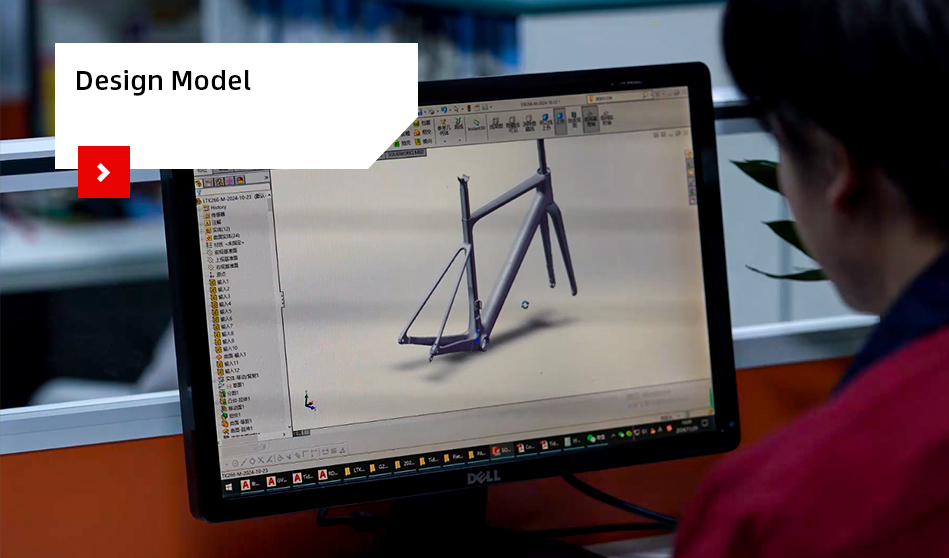
OEM projects typically involve deep involvement from the concept design stage, covering carbon layup design, repeated sample verification, and prototype testing; while ODM focuses more on the reliability and mass production stability of mature structures. The differences in engineering investment, testing cycles, and risk sharing are the factors that brands need to weigh most carefully when making decisions.

II. From a Brand Perspective: Which is Better for Your Bicycle Brand: OEM or ODM?
For brands, there is no absolute advantage or disadvantage in choosing between OEM and ODM bicycle frames. The key lies in the brand’s stage of development, target market, and product line positioning. Based on the practical project experience of bicycle frame manufacturers, different models have significantly different focuses in terms of time to market, development costs, brand control, and product differentiation. Understanding these differences will help brands make more commercially efficient and long-term valuable decisions in their product portfolio, from entry-level to high-end carbon bike frames.
| Brand Type | Recommended Frame Model | Advantages | Key Considerations |
|---|---|---|---|
| Startup / Emerging | ODM Carbon Fiber Bike Frame | Lower upfront cost, faster time to market, easier prototype validation | Limited design control, may share mold with other brands |
| Growing / Mid-Stage | Hybrid: OEM + ODM | Flexible customization, moderate cost, faster launch for some lines | Balance between design uniqueness and production speed |
| High-End / Premium | OEM Bicycle Frame | Full design control, optimized geometry and layup, brand differentiation | Higher initial investment, longer development cycle |
III. Analyzing OEM vs. ODM Carbon Bike Frames from a Manufacturing and Engineering Perspective
From a manufacturing standpoint, the core difference between OEM and ODM lies not only in “customization or not,” but also in the structural design logic, testing standards, and long-term quality stability of the carbon bike frame. For B2B brands and wholesalers, choosing between OEM and ODM carbon fiber bike frames essentially involves weighing design freedom, engineering risks, and supply chain controllability. These factors ultimately directly impact market feedback and after-sales costs.
1. Differences in Carbon Fiber Frame Structure Design and Layup
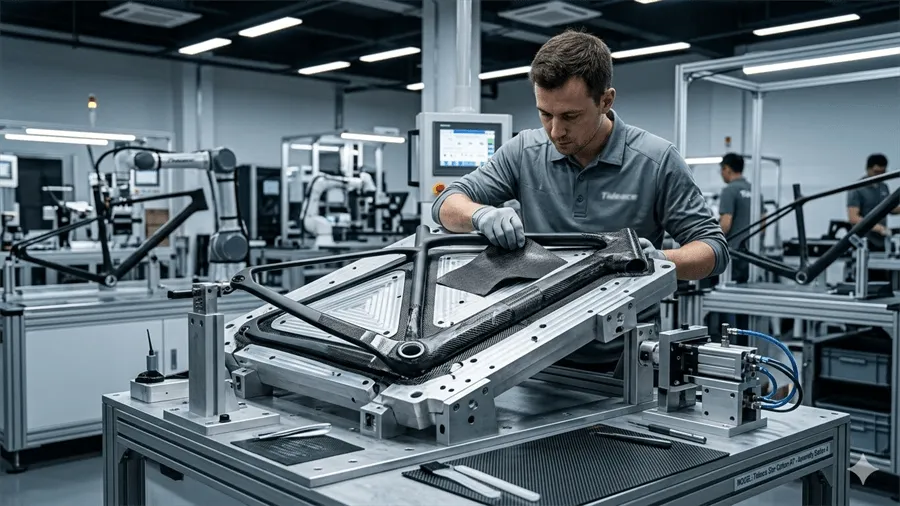
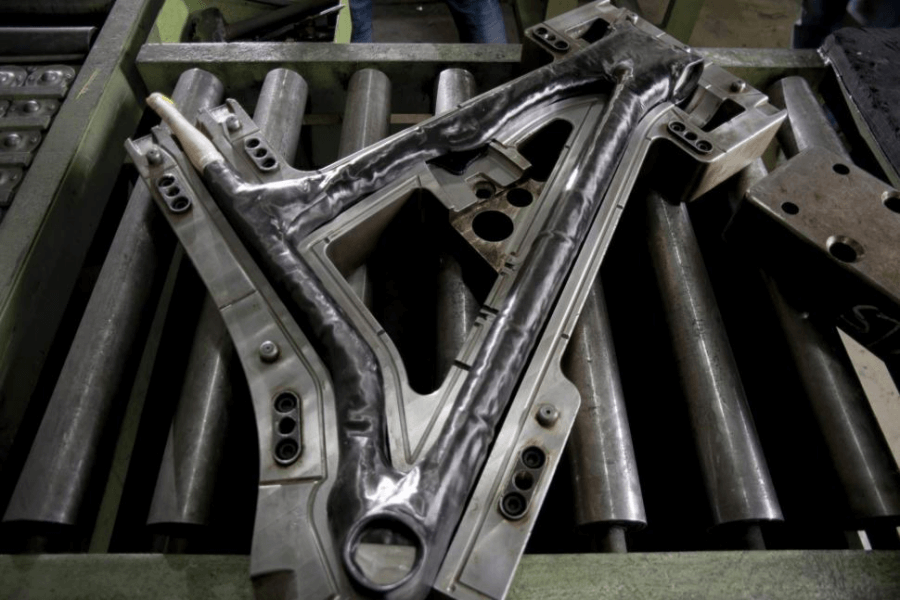
In OEM projects, brands can deeply participate in carbon fiber layup design, including tube shape, reinforcement of stress areas, and frame stiffness tuning, making it more suitable for high-end or differentiated bicycle frames. In contrast, ODM projects typically use mature layup structures that have been mass-produced and validated, offering greater stability in strength and consistency, and lower risk.
2. Differences in Molds, Testing, and Quality Control
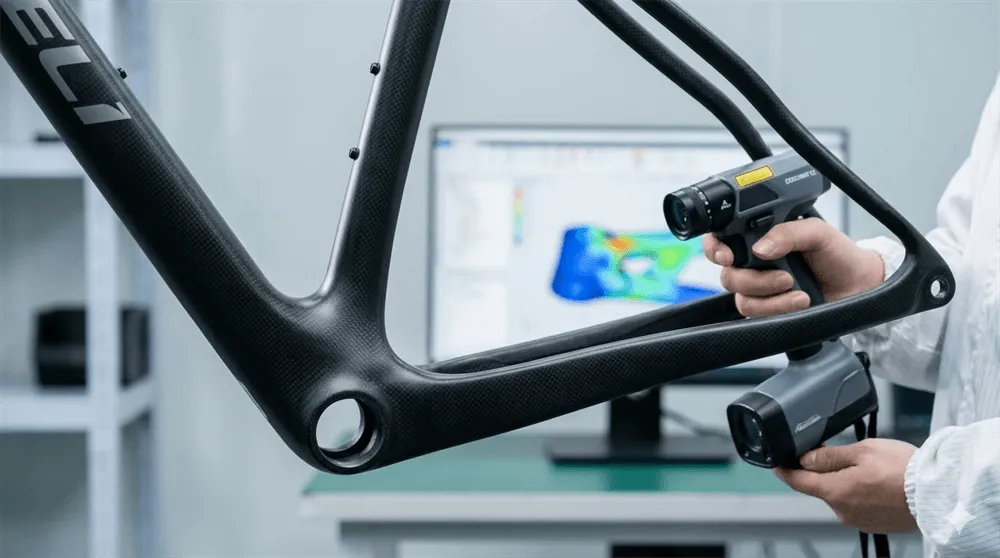
OEM private mold frames offer advantages in consistency and exclusivity, but require higher engineering and QC capabilities from the bicycle frame manufacturer. ODM public mold frames, on the other hand, have undergone multiple rounds of frame fatigue and impact testing and comply with common ISO bicycle standards, making them more suitable for rapid mass production and large-scale sales.
3. Long-Term Product Stability and After-Sales Risk Assessment
From a long-term cooperation perspective, OEM projects rely more on the supplier’s manufacturing stability and batch control capabilities; ODM projects, due to their platform-based design, offer easier assurance of batch consistency and relatively controllable repair rates. This is a key consideration for brands that prioritize after-sales risk and continuous supply.
IV. Costs, MOQ, and Lead Time: A Realistic Business Comparison of OEM and ODM
In actual collaborations, a brand’s choice between OEM and ODM depends not only on design requirements but also on initial capital investment, minimum order quantity (MOQ), and supply chain stability. For bicycle frame projects, the differences in mold costs, production thresholds, and lead time control between different models directly impact product launch timelines and inventory risks, which is especially crucial for small and medium-sized brands and wholesalers.
1. Comparison of Mold Costs and Initial Investment
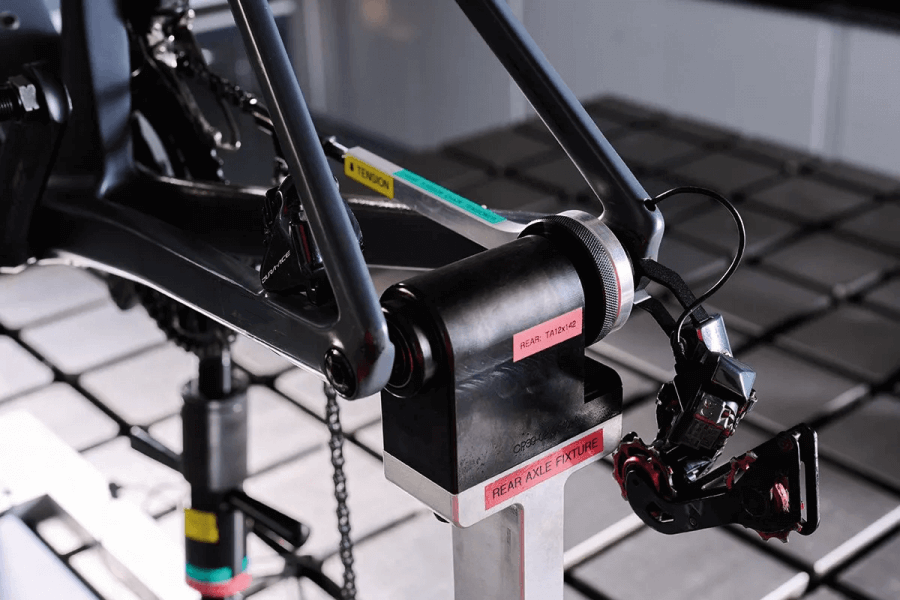
OEM bicycle frames typically require independent mold development, resulting in higher initial investment, but allowing for complete customization of geometric structure and carbon fiber layup; in contrast, ODM carbon fiber bike frames rely on mature platforms and standard mold solutions, significantly reducing development costs and making them more suitable for testing market response or supplementing product lines.
2. Differences in Minimum Order Quantity (MOQ)
OEM projects often have higher MOQs, making them more suitable for brands with established sales volumes; while ODM projects usually support low MOQ bicycle frame solutions, which are more friendly to small-batch purchases, regional distributors, or new brands.
3. Lead Time and Supply Chain Stability
OEM projects require a complete development and verification cycle, resulting in relatively longer lead times; ODM frames, on the other hand, can quickly enter the mass production stage, offering advantages in restocking during peak seasons and faster delivery.

V. How to Choose a Reliable Bicycle Frame Manufacturer?
Choosing a reliable carbon bike frame manufacturer is a core issue that every brand must address when developing OEM bicycle frames or ODM carbon fiber bike frames. Evaluating a supplier’s engineering capabilities, production experience, and sample verification process is crucial for ensuring product quality, reducing development risks, and optimizing the supply chain. Understanding these indicators will help brands make accurate decisions at the initial stages of a project and ensure the sustainability of long-term cooperation.
1. Key Indicators for Evaluating OEM/ODM Capabilities
Focus on the supplier’s frame engineering team’s experience, years of experience in carbon fiber frame production, and successful case studies. A professional engineering team can not only optimize frame geometry and layup structure but also provide efficient project management and technical support, ensuring that the development of OEM or ODM bicycle frames meets brand standards.
2. 5 Details You Must Pay Attention to During the Sample Stage
During the bicycle frame sample stage, you should focus on checking weight consistency, layup integrity, internal cable routing and interface precision, surface quality, and actual assembly test results. Through prototype evaluation, potential problems can be identified in advance, avoiding structural or functional defects after mass production.
3. Long-Term Cooperation vs. One-Time Purchase: How Should You Plan?
Evaluate whether the supplier supports product line expansion, upgraded versions, and platform-based design, and develop a cooperation strategy based on the brand’s growth path. Long-term cooperation can reduce R&D and production risks, improve the supply efficiency of the carbon bike frame factory, and ensure consistency and quality stability across multiple models.
VI. OEM vs. ODM Carbon Bike Frames: Which Model is “Truly Better”?
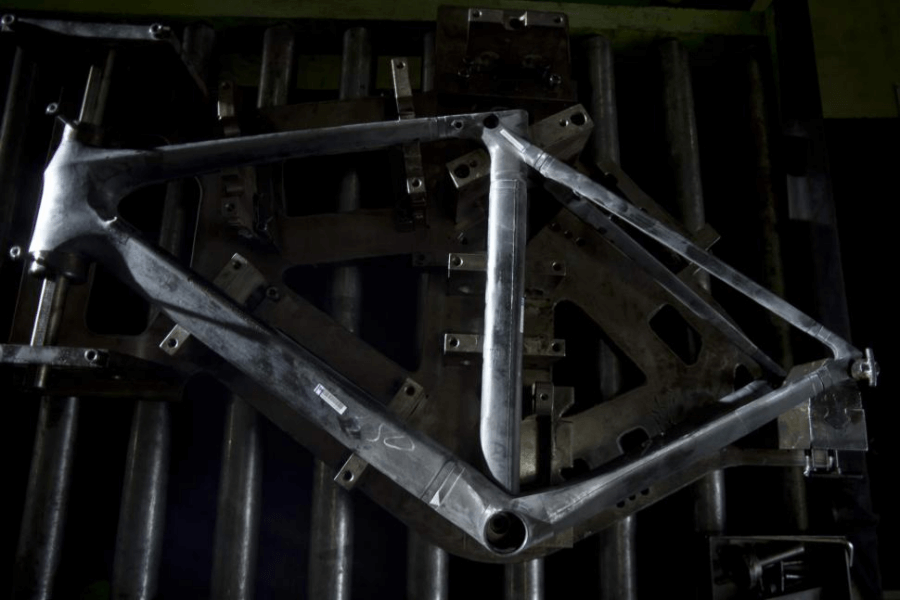
Choosing between OEM and ODM carbon fiber bike frames isn’t about which is inherently better, but rather about brand strategy, market positioning, and resource allocation. OEM bicycle frames emphasize custom design and geometric optimization, suitable for high-end or differentiated brands; ODM carbon bike frames leverage mature molds and rapid mass production, helping startups and small-to-medium-sized brands reduce costs and accelerate time to market. Understanding the differences between the two in bicycle frame development, prototype testing, quality control, and supply chain manageability is crucial for developing a long-term product strategy.
1. There’s No “Best,” Only What’s “Most Suitable for Your Brand Stage”
The value of OEM: Provides mature or high-end brands with private mold design, structural optimization, and exclusive engineering support, ensuring the uniqueness and long-term stability of the carbon fiber bicycle frame.
The advantages of ODM: Relies on mature bicycle frame manufacturer molds and design platforms, reducing initial development costs and shortening time to market, while ensuring basic performance and reliability.
2. Recommendations for Different Types of Brands (Practical Summary)
Startup brands: Prioritize ODM carbon bike frames to accelerate market validation and inventory turnover.
Growth-stage brands: A mix of OEM and ODM can be used, adjusting flexibly based on product lines and target markets.
High-end positioning brands: Tend towards OEM bicycle frames, creating differentiated competitiveness through customized design and engineering optimization.
VII. Conclusion: The Long-Term Value of OEM and ODM from a Factory Perspective
Experienced bicycle frame manufacturers not only provide high-quality OEM bicycle frames and ODM carbon fiber bike frames, but also ensure frame performance and long-term stability through engineering design, layup optimization, and prototype testing. Compared to simple price competition, engineering capabilities, mold control, and quality management are more crucial in determining brand differentiation and market competitiveness.
The rational application of OEM and ODM strategies can help brands control development costs, shorten time-to-market, and achieve sustainable product planning and supply chain control, creating long-term value for mid-to-high-end and emerging brands.
To learn more about OEM bicycle frame or ODM carbon fiber bike frame solutions, or to customize your own carbon fiber bicycle frame, please contact Haidelibikes. We provide full-process support from sample development and mold design to mass production, helping brands quickly launch high-quality, differentiated products.