Skip to content


About Mountain Bike Frame Guide: Choosing the right MTB frame is not as simple as just looking at your height. An incorrect bicycle MTB frame can lead to front knee pain, lower back pain, and even affect riding control, especially on long-distance off-road rides. Many beginners only look at the numbers, but reach and stack are actually the key parameters determining riding posture and handling comfort. According to CyclingNews’ bike-fit guide, modern MTB bike frames generally have a reach of 420–480mm and a stack of 580–640mm, which directly affects pedaling efficiency and downhill stability. For full suspension MTB frames and hardtail MTB frames, the differences in geometry also significantly alter the riding experience. By properly referring to frame MTB size charts and combining them with your personal riding style and leg length measurements, you can avoid costly size errors and make every ride smoother and safer.

Why Choosing the Right MTB Frame Size is Crucial
Choosing the right MTB frame not only affects riding comfort but also directly impacts handling and safety. A slightly mismatched bicycle MTB frame can lead to a stiff posture and increased strain on your knees and lower back during off-road or downhill riding. Understanding the subtle impact of size on riding posture is the first step in avoiding knee pain, back pain, and unnecessary repair costs. Below, we analyze the importance of size selection from both comfort and performance perspectives.
1: The Direct Relationship Between Riding Experience and Comfort
The size of the bike MTB frame directly determines the rider’s pedaling efficiency and body posture. A frame that is too large or too small will force you to stretch or compress your body while riding, potentially leading to front knee pain, hip discomfort, and even lower back pain over time. Properly referencing the geometric parameters of a full suspension or hardtail MTB frame, such as top tube length, seat tube angle, and reach, ensures smooth pedaling and a natural riding posture. In practice, many novice riders use standover height and effective top tube as references. These local European and American terms and jargon are very useful when buying a bike.
2: Performance and Safety Impact
Suitable MTB bike frames not only provide comfort but also directly affect downhill stability, handling agility, and overall bike response. For example, with a hardtail MTB frame, if the top tube is too short or has insufficient reach, the front wheel is prone to loss of control downhill. A full suspension MTB frame requires additional consideration of the rear suspension travel’s impact on rider sag, ensuring the frame geometry matches the rider’s body type to maintain balance and grip on technical trails. Correct sizing also optimizes wheelbase and head tube angle, giving riders more confidence on high-speed downhill climbs or jumps, reducing the risk of skidding or rollovers.
MTB Frame Size Guide for Beginners
Choosing the right MTB frame is crucial for beginners, affecting not only riding comfort but also directly impacting knee, back, and handling stability. The correct size allows for smoother pedaling, a more natural riding posture, and reduces the risk of injury and unnecessary repair costs. Below, we’ll explain in detail how to choose the most suitable MTB bike frames from the perspectives of height, body type, and different MTB types.
1: Choosing the Right MTB Frame Based on Height
The most intuitive reference for beginners when choosing a bike is often height, but relying solely on height can be inaccurate. You can use the Height vs. MTB Bike Frames Size Chart to initially find the right bike MTB frame. For example:
160cm height → XS/S size hardtail MTB frame or short-travel full suspension MTB frame
170cm height → S/M size
180cm height → M/L size
In addition, the standover height and effective top tube data commonly used by European and American riders can also help determine whether the frame is suitable for your riding posture and pedaling habits.
2: The Influence of Body Type and Leg Length on Frame Height
Height is only a reference; leg length (inner leg length) is the key factor determining the frame MTB height. Measurement method: With both feet flat on the ground, clamp a measuring tape under your hips, then subtract 2-3cm to obtain the standard standover height value.
Correct frame height can prevent knee hyperextension or a stiff riding posture, ensuring pedaling efficiency and comfort. For a full suspension MTB frame, rear travel and rider sag also need to be considered to ensure a natural riding posture.
3: Size Differences Between Different MTB Types
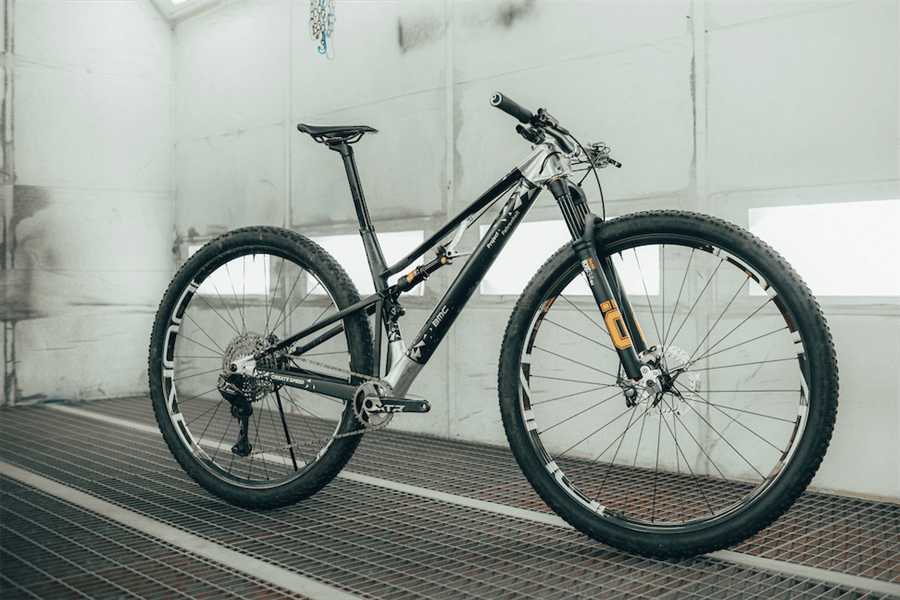
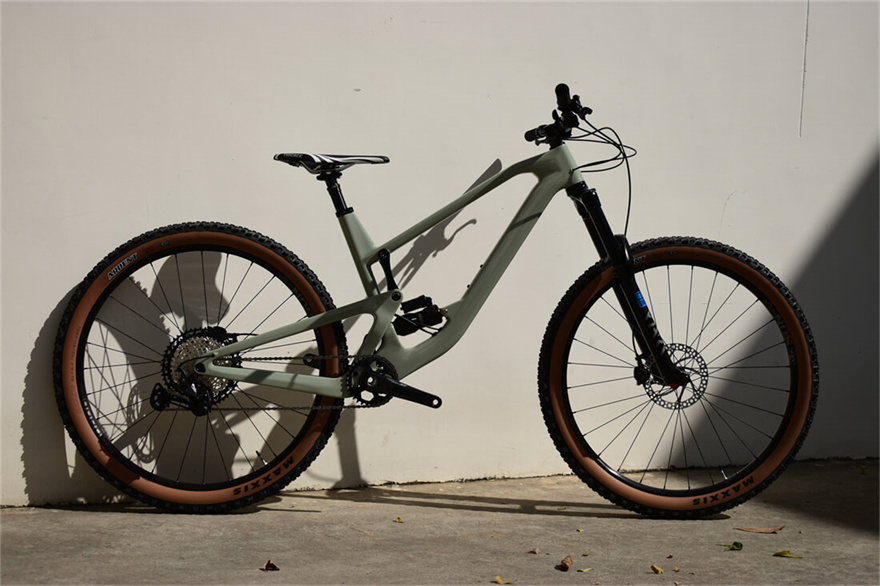
Hardtail MTB frames and full suspension MTB frames differ significantly in geometry:
- Hardtail: Shorter top tube, more agile handling, suitable for beginner cross-country and XC (Cross Country) riding.
- Full suspension: Longer reach, slightly lower standover height, more suitable for intermediate trails or enduro descents.
| MTB Frame Type | Top Tube Length | Reach | Suspension Travel | Recommended Riding Style | Notes |
|---|---|---|---|---|---|
| Hardtail mtb frame | Short–Medium | 420–460 mm | 80–120 mm | XC, light trail, beginner | Lighter, more agile, easier maintenance |
| Full Suspension mtb frame | Medium–Long | 440–480 mm | 120–160 mm | Trail, Enduro, downhill | More stable on technical trails, absorbs bumps |
| Short Travel Full Suspension | Short–Medium | 430–460 mm | 100–120 mm | Beginner to intermediate trail | Balanced comfort and control |
| Long Travel Full Suspension | Medium–Long | 450–480 mm | 140–160 mm | Aggressive trail, Enduro, downhill | Optimized for high-speed stability and jumps |
When choosing, beginners should consider not only their height and leg length but also their riding style and riding scenario to select MTB bike frames that fit their riding posture while ensuring comfort and stability.
Common Misconceptions in MTB Frame Size Selection
Many beginners easily fall into common pitfalls when choosing bicycle MTB frames, ultimately leading to unnatural riding posture, excessive strain on the knees and lower back, and even affecting overall bike handling. Understanding these common mistakes can help you choose MTB bike frames more scientifically, avoiding unnecessary waste and injury. Below, we analyze three typical misconceptions.
1: Height as the Only Reference?
Simply relying on height to choose a bike MTB frame is prone to errors. Different brands and models of MTB frames have significantly different geometry designs. Even with the same height, the Reach and Stack values can be completely different, directly affecting riding posture and pedaling efficiency. European and American riders often use effective top tube and standover height to assist in judgment, which more accurately matches the rider’s body type, ensuring a natural riding posture and preventing pressure on the knees and lower back.
2: Overemphasizing Larger or Smaller Frames
Upsizing (choosing a larger size) or downsizing (choosing a smaller size) each has its advantages and disadvantages:
Upsizing allows for more extended pedaling, but may increase the risk of front wheel lift-off or sluggish handling;
Downsizing improves agility, but the riding posture is too tight, putting pressure on the knees and causing stiffness in the lower back.
Choosing the right size MTB bike frames, considering riding style and terrain requirements, can prevent knee pain and fatigue while boosting confidence.
3: Ignoring Personal Riding Style
Different riding styles have significantly different requirements for MTB bike frame size: Cross Country/XC (Cross Country) requires lighter, more agile frames, so a slightly shorter top tube is acceptable; Downhill/Enduro requires a longer reach and a stable wheelbase; Recreational trail riding leans towards comfortable and easy-to-use geometry.
Choosing a full suspension MTB frame or hardtail MTB frame that suits your riding style not only ensures a good riding experience but also reduces stress on your knees and lower back.
Practical Tips for Choosing an MTB Frame
Even with size guidelines and geometry, the truly suitable MTB frame still requires actual riding tests and fine-tuning. Proper adjustments and material selection not only make pedaling smoother but also significantly reduce stress on the knees and lower back, while increasing confidence in handling. Below are professional suggestions from three aspects: test ride adjustments, material characteristics, and budget/brand considerations.
1: The Importance of Riding Tests and Adjustments
A short test ride is a crucial step in determining if a frame MTB is suitable. Through a test ride, you can experience pedaling comfort, handling stability, and the naturalness of your riding posture. European and American riders commonly use saddle height, handlebar reach, and stem length adjustment techniques to fine-tune their riding posture:
Seatpost height: Knee slightly bent at approximately 25–30° is the optimal pedaling angle.
Steel length: Adjust the reach to prevent excessive forward lean.
Handlebar height: Fine-tune upper body posture to reduce lower back pressure.
Combining these adjustment techniques allows for quick identification and adjustment of unsuitable bicycle MTB frames, preventing knee pain and riding fatigue.
2: Characteristics of Carbon Fiber MTB Frames
The use of carbon fiber in bike MTB frames and full suspension MTB frames is becoming increasingly common. Its advantages lie in balancing lightweight and strength:
Lightweight: Reduces overall riding load, resulting in higher climbing efficiency.
High strength: Absorbs vibrations on the trail, reducing pressure on the knees and lower back.
The stiffness-to-weight ratio can be optimized through layup and tubing design, balancing handling sensitivity and durability.
Choosing a suitable carbon fiber frame can enhance technical handling while ensuring riding comfort.
3: Budget and Brand Recommendations
Entry-level riders can choose moderately priced, high-performance MTB bike frames, such as lightweight hardtails or short-travel full-suspension models; mid-to-high-end riders can consider long-travel full-suspension MTB frames or high-end carbon fiber hardtails.
Furthermore, by choosing standardized configurations and commonly used geometry parameters, costs can be controlled while ensuring comfort and performance, avoiding extra expenses due to incorrect sizing or blindly pursuing high-end models.
Finding Your Perfect MTB Frame Size
Choosing the right frame MTB is crucial for ensuring riding comfort, stable handling, and preventing injuries. By properly referring to MTB bike frame size charts and considering your height, leg length, and riding style, you can maximize pedaling efficiency and reduce stress on your knees and lower back. A combination of scientific selection and actual test rides is the best way for beginners to avoid costly mistakes and size mismatches.
1: Reviewing Key Considerations for Choosing a Frame MTB
Size Match: Consider your height, inner leg length, and geometric parameters such as standover height, reach, and stack.
Riding Style: Choose a suitable full suspension MTB frame or hardtail MTB frame to ensure handling and stability match your individual needs.
Comfort and Safety: Pay attention to top tube, seat tube angle, and handlebar height adjustments to avoid knee pain and lower back fatigue.
2: Avoid Knee Pain, Back Pain, and Costly Mistakes
Don’t blindly rely on height or brand recommendations; fine-tune your bike MTB frame based on actual test ride data.
Adjust saddle height, stem length, and handlebar reach to ensure a natural riding posture and efficient pedaling.
Choose tested carbon fiber or aluminum alloy MTB bike frames, which balance lightweight design and strength while extending frame life.
3: We recommend contacting professional manufacturers or experienced shops.
On-site measurements, short test rides, and fine-tuning can quickly determine if the frame MTB is suitable. Consult size charts and geometry data provided by professional shops or manufacturers, and optimize your riding posture based on rider sag and wheelbase.
Avoid blindly purchasing online or arbitrarily upgrading components to reduce repair or return costs.