Skip to content


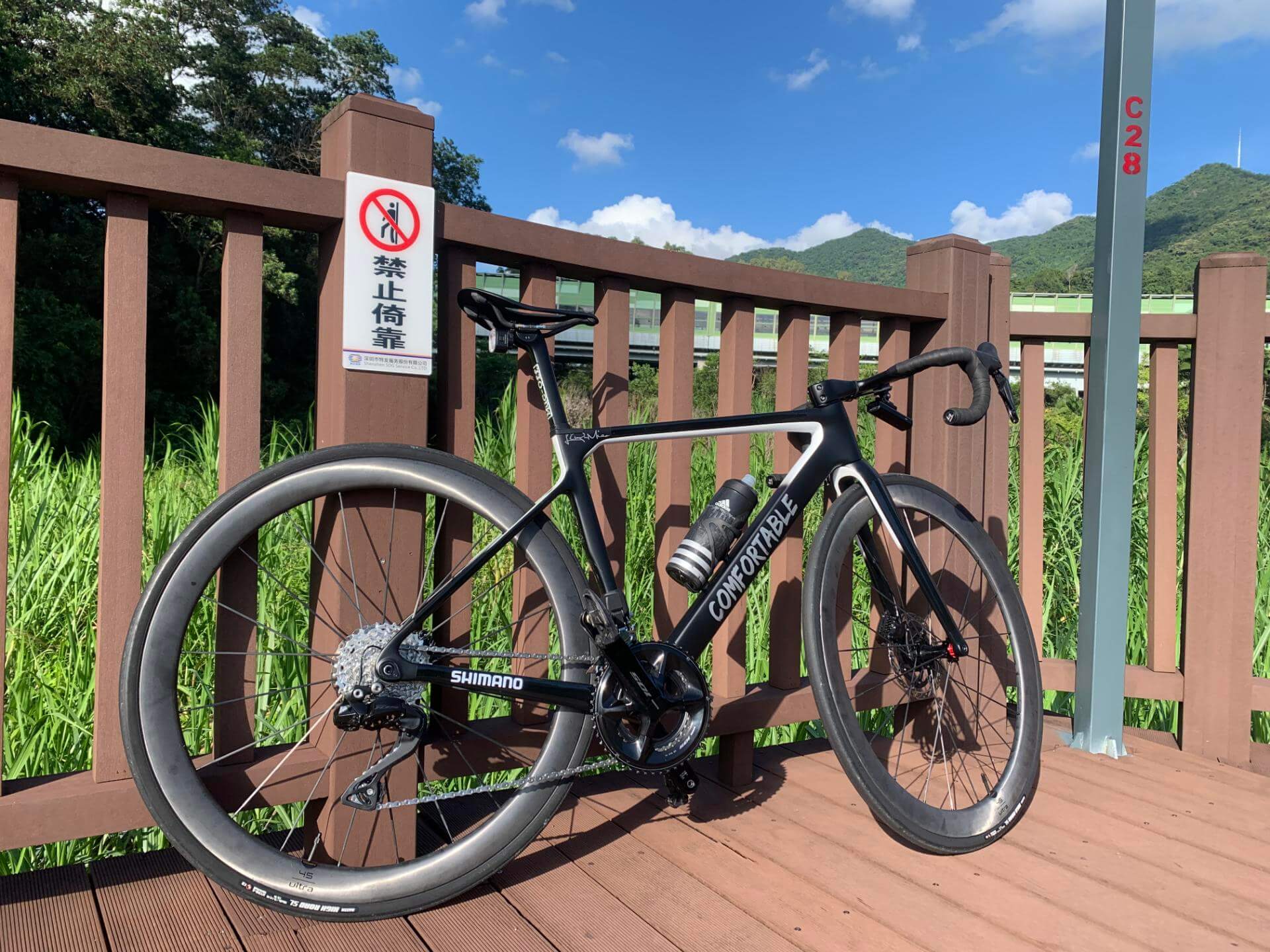
The cold winter months present both challenges and joys for cyclists. For cyclists with carbon-frame road bikes, maintaining performance and safety in cold, slippery conditions is a key concern.
Carbon-frame frames are highly valued for their light weight and high rigidity, but in freezing weather, the low temperatures can cause the resin to become brittle, increasing the risk of frame damage. For example, one cyclist shared, “A carbon-fiber frame can break if it collides with a tree in sub-zero temperatures.” Therefore, preparation before winter riding is crucial.
Polygon Bikes recommends thoroughly cleaning and lubricating the chain before winter riding, and inspecting the bearings and brake system to ensure proper operation in cold temperatures. Furthermore, using a wet lube rather than a dry lube helps maintain chain performance in slippery conditions.
On the US Reddit community, cyclists shared their experiences: “I ride in wet and muddy conditions, but I wash my bike regularly after every ride to remove dirt and salt.” This demonstrates that regular cleaning and maintenance are effective ways to extend the life of a carbon fiber road bike.
With proper care and preparation, cyclists can enjoy a safe and enjoyable ride even in the harshest winter weather.
Why Winter Cycling Requires Special Attention to Your Carbon Frame Road Bike
Winter’s low temperatures and slippery road conditions present unique challenges for carbon-frame road bikes. While carbon-frame frames are lightweight and superior in stiffness compared to aluminum or steel frames, extreme low temperatures can cause the resin layer to become brittle, compromising the durability of the carbon fiber. Furthermore, winter cycling often involves icy, snow-covered roads and salt-treated streets. These environmental factors increase stress on the frame and components, even leading to microcracks. To ensure cycling safety and frame longevity, pre-winter bike maintenance and targeted care are crucial.
1.1: The Impact of Low Winter Temperatures on Carbon Fiber in Road Bikes
When carbon-fiber composite materials experience a sudden drop in temperature, the toughness of their resin decreases, potentially causing microcracks or localized brittle fractures. Vibration and impact during cycling—such as encountering potholes or roadside debris—exacerbate stress concentrations and increase the risk of damage. Professional riders often refer to this cold-weather frame brittleness as “cold brittle.” This phenomenon is particularly noticeable during winter commutes in certain American cities, such as New York City and Minnesota. Therefore, riders should avoid making abrupt maneuvers in extreme cold and inspect key frame connections (bottom bracket, head tube, chainstays) for any abnormalities.
1.2: Challenges of Road Conditions and Weather on Carbon Road Bikes
Winter roads characterized by snow, ice, or slippery conditions can affect the handling and braking performance of carbon road bikes. On snow-covered streets or salt-spattered roads, braking distances are increased and steering response is slowed. Salt and moisture can also corrode metal components like frame bolts, chains, and hubs. Long-term accumulation can threaten the overall lifespan of carbon fiber. Professional riders often choose gravel or studded tires for improved traction and use anti-corrosion lubricants to protect chains and bearings. Regular cleaning and timely drying of carbon fiber frames are common practices for European and American riders to maintain the longevity of carbon road bikes during the winter.
How to Winterize Your Carbon Frame Road Bike
Winter riding tests not only the rider but also the durability and performance of your carbon frame road bike. Cold temperatures, wet roads, and salt all accelerate wear, making systematic cold-weather bike maintenance crucial.
1.1: Maintaining and Cleaning Your Road Bike Carbon Frame
After every winter ride, immediately clean away mud, snow, and road salt to reduce corrosion on the carbon frame and key carbon fiber parts of your road bike, such as the bottom bracket and chainstays. Professional riders often use wet lube instead of dry lube to ensure smooth chain operation in cold and wet conditions, and apply a mild anti-corrosion spray to protect metal hardware. Regularly checking screw tightening and carbon fiber joints can help extend the life of your carbon road bike.
| Maintenance Item | Description | Recommended Frequency | Pro Tips |
|---|---|---|---|
| Frame & Chain Cleaning | Rinse with warm water and wipe off salt and mud | After every ride | Avoid using high-pressure water to prevent resin cracking |
| Chain Lubrication | Apply wet lube (moisture-resistant type) | Every 100 km or after wet rides | Use waterproof chain oil for better winter protection |
| Anti-Corrosion Spray | Apply to metal bolts and bottom bracket area | Once a week | Prevents electrochemical corrosion |
| Carbon Frame Inspection | Check key joints such as head tube and chainstay | Every two weeks | Look for white cracks or unusual noises |
1.2: Tire and Braking System Optimization
Winter roads are often icy or slippery. Choosing winter bike tires or studded tires with micro-studs can significantly improve grip. Braking performance also requires special attention. Wet roads can increase stopping distances. Carbon brake pads and brake-by-wire brakes must be kept clean and adjusted regularly to ensure safe wet-road braking.
1.3: Winter Cycling Gear Recommendations
Warm gear is crucial in cold weather. Riders should wear thermal cycling gloves, a windproof jersey, and insulated leggings to maintain core temperature. Nighttime riding requires high-intensity reflective lights and a waterproof fender to ensure visibility and safety in rain, snow, and low light conditions during the morning and evening. Properly matching winter road bike gear can make winter riding more comfortable and safer while reducing additional stress on carbon fiber frames.
Riding Techniques and Safety Strategies
Winter cycling requires not only proper protection for carbon fiber road bikes but also mastering winter cycling techniques for cold, slippery, and low-light conditions to ensure safety and stability.
1.1: Adjusting Riding Posture and Pedaling Techniques
Cold temperatures can stiffen muscles and increase the risk of cramps or injury. Therefore, it’s recommended to adopt a slightly relaxed riding posture, maintain a stable core, and avoid excessive forward leaning. Smooth, even pedaling can reduce impact on a road bike’s carbon fiber frame and minimize the risk of microcracks. Riders can also increase their pedaling cadence to reduce the instantaneous peak force with each pedal stroke, helping to maintain stability.
1.2: Emergency Plans for Winter Situations
Slipping and loss of control are common problems when roads are wet or icy in winter. Mastering icy road riding techniques is crucial, such as keeping a light grip on the handlebars, slowing down early, and avoiding sudden braking or sharp turns. Carrying an emergency bike repair kit (including a spare chain, inner tube, and mini pump) is a great way to prepare for unexpected problems like a puncture or a fallen chain. Riders also often use the term “trainer” to refer to a portable tool kit that allows them to quickly get back on the bike, minimizing exposure to cold winds and reducing secondary stress on carbon fiber frames.
Choosing Carbon Road Bikes for Winter Cycling
Choosing a carbon frame road bike suitable for winter cycling not only affects riding comfort but also directly impacts safety and cold-weather cycling performance. Different carbon road bike designs perform differently in cold and wet conditions. Choosing the right one can reduce the risk of accidents and extend the life of the frame.
1.1: Suitable Applications for Different Types of Carbon Road Bikes
Winter cycling can be categorized into two types: road racing and commuting/recreational. Road racing carbon frames emphasize lightness and stiffness, making them suitable for high-speed riding on smooth roads, but can be a bit sensitive on icy or wet surfaces. Gravel-ready carbon road bikes for commuting or recreational use typically feature wider tires and reinforced frames, making them more stable on snowy or wet roads. Frame geometry and rear stay construction are particularly important for winter handling. Professional riders sometimes refer to these designs as “snow geometry,” which improves grip on wet or gravelly surfaces.
1.2: How to Extend the Lifespan of Carbon Fiber Road Bikes
After winter riding, systematic road bike maintenance is key to extending the life of your frame. Riders should establish a regular maintenance schedule, including thoroughly cleaning the frame, chain, and brake system, wiping away moisture and salt, and inspecting key durability points on carbon frames, such as the bottom bracket, head tube, and chainstays. Regularly tightening screws, applying anti-corrosion lubricant, and inspecting carbon fiber joints can effectively prevent microcracks from propagating, ensuring optimal performance after winter riding. European and American riders sometimes refer to this routine maintenance as “post-ride TLC” (post-ride tender loving care), a common practice for protecting carbon fiber frames.
Summary
Winter cycling presents a comprehensive challenge to carbon-frame road bikes, from the effects of low temperatures on the bike’s carbon fiber to the impacts of wet roads and salt on handling and frame life. Every aspect must be considered. Proper cold-weather bike maintenance is fundamental to ensuring vehicle performance and riding safety. This includes promptly cleaning mud and salt stains after winter, lubricating the chain, protecting metal parts from corrosion, and inspecting key joints such as the bottom bracket, head tube, and chainstays.
In terms of riding technique, maintaining smooth pedaling, a relaxed riding posture, and mastering icy road riding techniques can reduce stress on the frame and minimize the risk of slips. Choose the right carbon-frame road bike for different winter scenarios: road race bikes are suitable for smooth, high-speed sections, while gravel-ready carbon road bikes are more stable on icy or gravelly surfaces. Their frame geometry and tire width significantly enhance grip.
Overall, through systematic maintenance, equipment optimization, and scientific riding techniques, riders can safely and comfortably enjoy winter cycling, even in the face of cold winds, ice, snow, and slippery roads. This comprehensive protection and control strategy, often referred to by European and American riders as “post-ride TLC + winter-ready setup,” is the core method for extending the longevity of carbon road bikes.