Skip to content


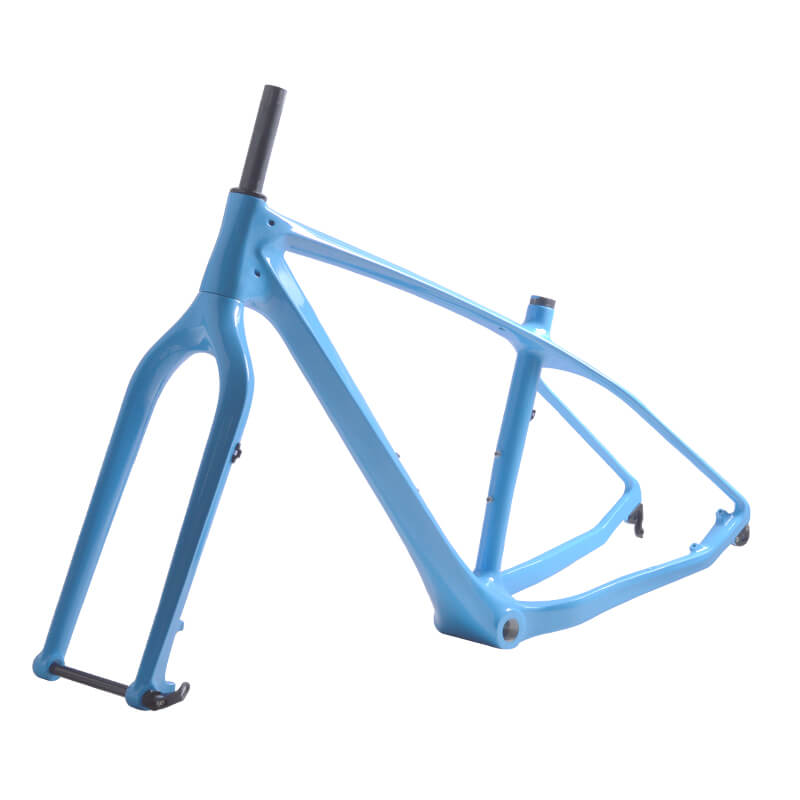
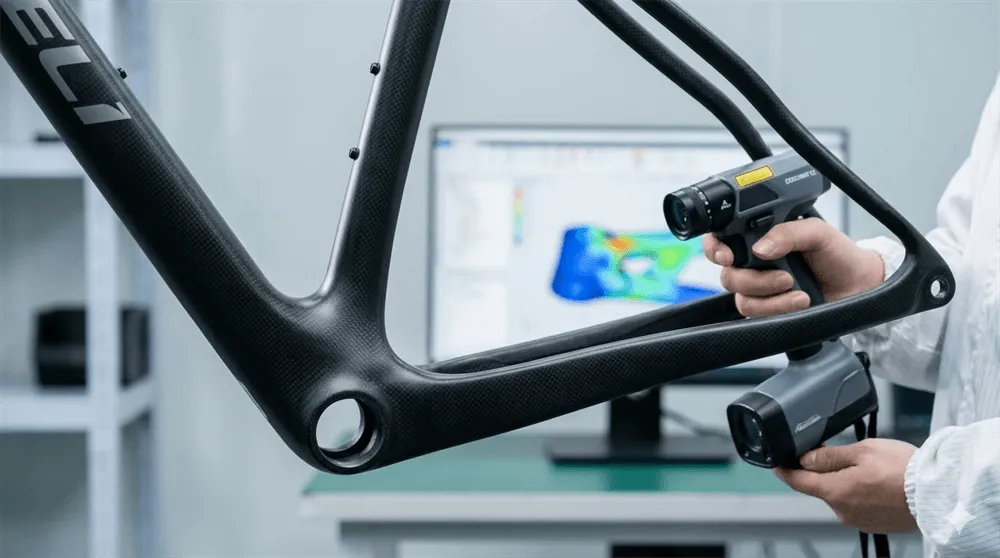
Can you still ride your old carbon fiber fat-tire bicycle frame? For many fat bike riders, a carbon fat bike frame that has withstood the impacts of ice, snow, sand, or off-road terrain may still look intact, but it may harbor hidden fatigue cracks. While carbon fiber is lightweight and extremely rigid, its fatigue performance is not unlimited under long-term use and high cyclic loading. Low-energy impacts and repeated bending can cause microscopic damage inside critical structures such as the downtube and bottom bracket, and these cracks are invisible to the naked eye. Modern non-destructive testing techniques, such as infrared thermography or pulsed thermal imaging, have proven to be highly effective at detecting these hidden defects. Studies have used these techniques to inspect carbon fiber frames and successfully located impact damage with energies of several joules(J).
Ignoring these issues could pose safety risks even to your trusted 26-inch fat snow bicycle frame.
Understanding Your Carbon Fiber Fat Tire Frame
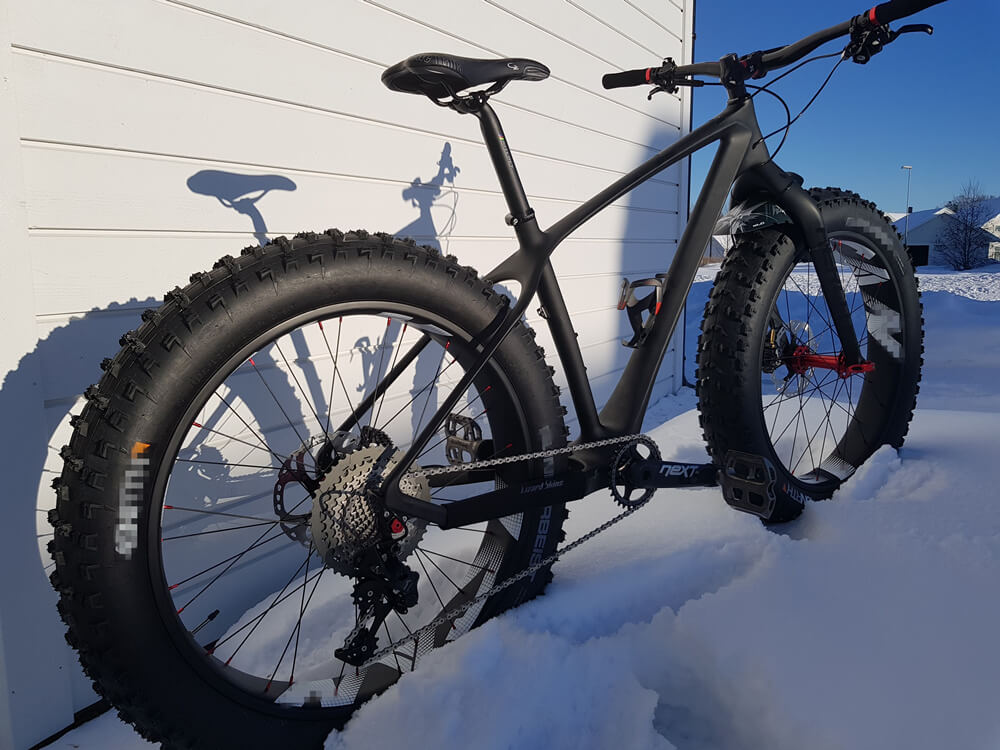
While carbon fat tire bicycle frames are lightweight and highly rigid, their complex structure and versatility make them ideal for various environments. Understanding the frame’s basic characteristics and potential risks is the first step to ensuring safe riding in the long run. Whether in snow, sand, or off-road conditions, familiarity with the frame’s materials and design principles will help you determine when to inspect or replace an aging frame.
1: What is a Fat Tire Bicycle Frame?
A fat tire bicycle frame, also known as a fat bike frame, is a carbon fiber frame specifically designed for wide tires. Compared to traditional bicycle frames, fat tire frames offer a larger contact patch, reducing ground sink and enhancing traction and stability, making them particularly suitable for snow, sand, and rugged off-road environments. Cyclists in Europe and America often refer to them as “snow fat bikes” or “off-road fat bikes,” emphasizing their suitability for extreme terrain. The high modulus of carbon fiber allows the frame to withstand high torque while remaining lightweight, making it ideal for long-distance adventure or extreme off-road riding.
2: Risks of Older Frames
Even if the exterior appears intact, older carbon fat tire bicycle frames may still have hidden structural damage. Carbon fiber has fatigue properties; under prolonged riding and repetitive loads, microcracks may appear in critical areas such as the downtube and bottom bracket. Prolonged use or repeated off-road impacts can lead to fatigue buildup, reducing the overall strength of the frame even without obvious deformation or scratches. Regular infrared thermography and fatigue testing can effectively identify potential risks and prevent safety hazards when riding on snow or sand.
Methods for Inspecting and Evaluating Old Carbon Fiber Fat Bike Frames
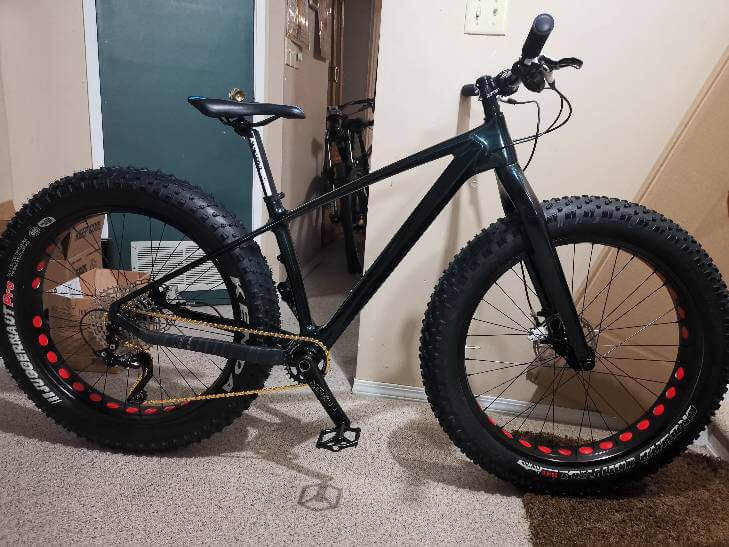
Even if your carbon fat bicycle frame looks intact, older frames may have accumulated microcracks or fatigue damage internally. A systematic inspection and evaluation method can not only extend the frame’s lifespan but also effectively prevent riding accidents. Whether in snow (26 fat snow) or off-road (off-road fat bike) environments, mastering these professional inspection methods is crucial for every cyclist.
1: Visual Inspection and Surface Cracks
Start with the visible surfaces. Inspect key areas such as the chain support, downtube, bottom bracket, and weld points, looking for microcracks, surface indentations, or color changes. Engineers in Europe and America often call this initial inspection a “skin check,” as it cannot detect deep damage but can quickly identify obvious external risks. Using a portable magnifying glass or fluorescent light can improve inspection sensitivity, especially in stress concentration areas of the carbon fat bike frame.
2: Infrared Thermography
Infrared thermography is a non-destructive testing (NDT) method that can reveal potential cracks or delamination within carbon fiber. In the downtube, chain support, and bottom bracket areas of a fat-tire bicycle frame, thermal imaging can detect localized thermal anomalies caused by fatigue or impact. European and American manufacturers commonly use this method for “hidden crack scans,” which can assess the internal structural integrity without disassembling the frame.
3: Bottom Bracket/Multiaxial Load Test
The bottom bracket area is a high-stress region in a fat bike frame. The multiaxial load test is used to evaluate the stress and fatigue state of this area under actual riding conditions. Applying longitudinal, lateral, and torsional forces during the test simulates the extreme loads of a snow-fat bike or off-road fat bike, helping to determine if there are structural weaknesses in the frame. This method is commonly known in the industry as the “BB stress test” and is one of the core steps in frame safety assessment.
4: Fatigue Testing and Durability Assessment
Fatigue testing is a crucial method for determining whether a carbon fiber fat-tire bicycle frame can still be safely ridden. By simulating the actual stress of years of riding on snow, sand, or mountain roads through cyclic loading, the microscopic crack propagation of the frame under high-cycle conditions is observed. Combining infrared detection and bottom bracket testing results, the remaining lifespan of the frame can be scientifically assessed, thus determining whether continued use or replacement is necessary.
Usage Recommendations for Older Fat-Tire Bicycle Frames
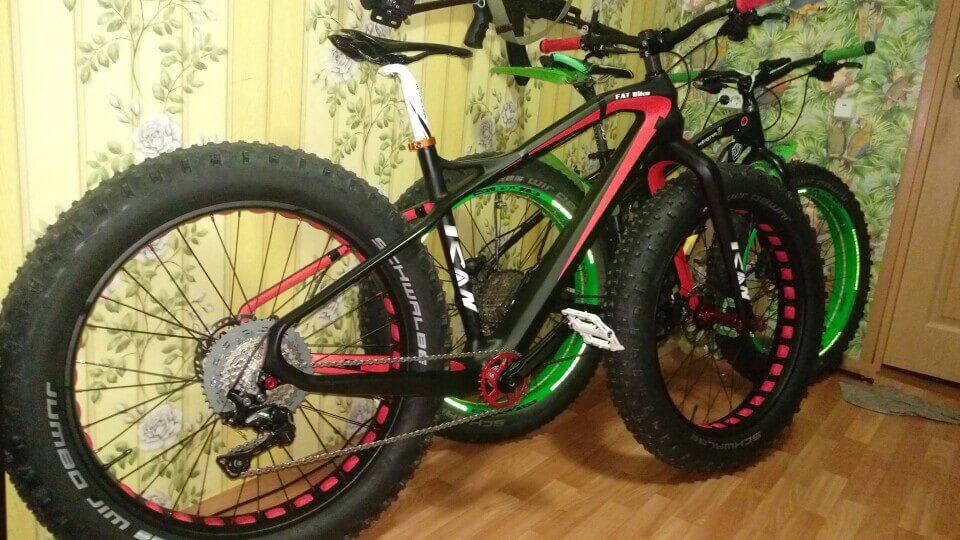
Even after systematic testing, older carbon fat-tire bicycle frames should still be used with caution. Proper riding environment control, regular maintenance, and timely replacement of aging parts are key measures to extend frame life and ensure riding safety. Mastering these strategies, especially in extreme scenarios such as snow (26 fat snow) or off-road fat bikes, can effectively reduce the risk of fatigue damage.
1: Riding Environment and Load Control
Terrain and load must be fully considered when riding. Snow, sand, or rugged mountain roads place high stress on the downtube and bottom bracket areas of a fat bike frame. Avoiding overload and hard hits is a fundamental principle for extending frame life. This daily control is commonly referred to in the industry as “load management,” and it is especially crucial for long-distance adventures on snow fat bikes or off-road fat bikes. Properly adjusting speed and controlling weight distribution can significantly reduce frame fatigue accumulation.
2: Regular Maintenance and Inspection
Regular inspection and maintenance are key to maintaining the safety of older carbon fat tire bicycle frames. Combining infrared thermography and skin checks can detect microcracks or delamination. Replacing vulnerable parts (such as chain supports, bottom bracket bearings, and seatposts) and reinforcing critical areas can effectively extend the frame’s lifespan. European and American manufacturers often refer to this process as “preventive frame maintenance,” which has proven highly effective in off-road and snow fat bikes.
3: When to Consider Replacing the Frame
When the frame shows obvious cracks, indentations, or signs of fatigue, riding should be stopped immediately and the frame replaced. Even if there are no visible abnormalities, if it fails infrared testing or a bottom bracket fatigue test, it should be replaced decisively. Generally, carbon fiber fat tire bicycle frames have a limited design life; continuing to use them beyond the expected number of cycles or after failing tests will significantly increase the risk of accidents. European and American riders commonly refer to this judgment as “retire the frame.”

Summary and Safety Reminders
Maintaining safe riding is the primary principle when using an older carbon fat tire bicycle frame. Even if the frame appears intact, internal microcracks or fatigue buildup can still lead to accidents. Regular inspections, proper maintenance, and controlled riding load can maximize the lifespan of the fat bike frame while minimizing risk. Mastering key inspection methods and maintenance habits is an essential safety strategy for every snow (26 fat snow) or off-road fat bike rider.
1: Regular Inspection and Maintenance Frequency
It is recommended to have a comprehensive inspection of the carbon fat tire bicycle frame every 500–1000 kilometers, or every quarter. This includes infrared thermography, bottom bracket fatigue testing, and skin checks for surface cracks. European and American manufacturers call this periodic maintenance “preventive frame maintenance,” which can detect fatigue signs and structural defects early, preventing accidents on snow or rough off-road terrain.
| Component / Area | Inspection Method | Frequency | Key Focus |
|---|---|---|---|
| Bottom Bracket (BB) | Multiaxial Load Test / BB Stress Test | Every 500–1000 km or quarterly | Check for micro-cracks, fatigue accumulation |
| Down Tube | Visual Inspection & Infrared Thermography | Every 500–1000 km or quarterly | Detect surface cracks, delamination |
| Chainstay / Seatstay | Visual Check & Infrared Scan | Every 500–1000 km or quarterly | Look for impacts, color changes, hidden fatigue |
| Entire Frame | Skin Check & Preventive Maintenance | Every season | Overall carbon fiber integrity and structural health |
2: Important Considerations When Buying a Used Bicycle Fat Bike Frame
For riders buying a used fat bike frame, it is recommended to carefully review the frame’s usage history, inspection records, and repair history. Pay special attention to the wear and fatigue of the bottom bracket, downtube, and chain support areas. This is known in industry jargon as “vetting the frame,” meaning a thorough inspection to ensure the carbon fiber integrity of the used frame meets safety standards and to avoid potential hazards from hidden cracks or excessive fatigue.
3: Final Tips for Safe Riding
Managing your riding load appropriately, following inspection and maintenance recommendations, and promptly replacing old or fatigued frames are key to safe riding on snow fat bikes and off-road fat bikes. Even lightweight, high-rigidity carbon fat tire bicycle frames require attention to the minor damage accumulated over daily use. Remembering these principles will allow you to enjoy riding on extreme terrain while minimizing the risk of accidents.