Skip to content


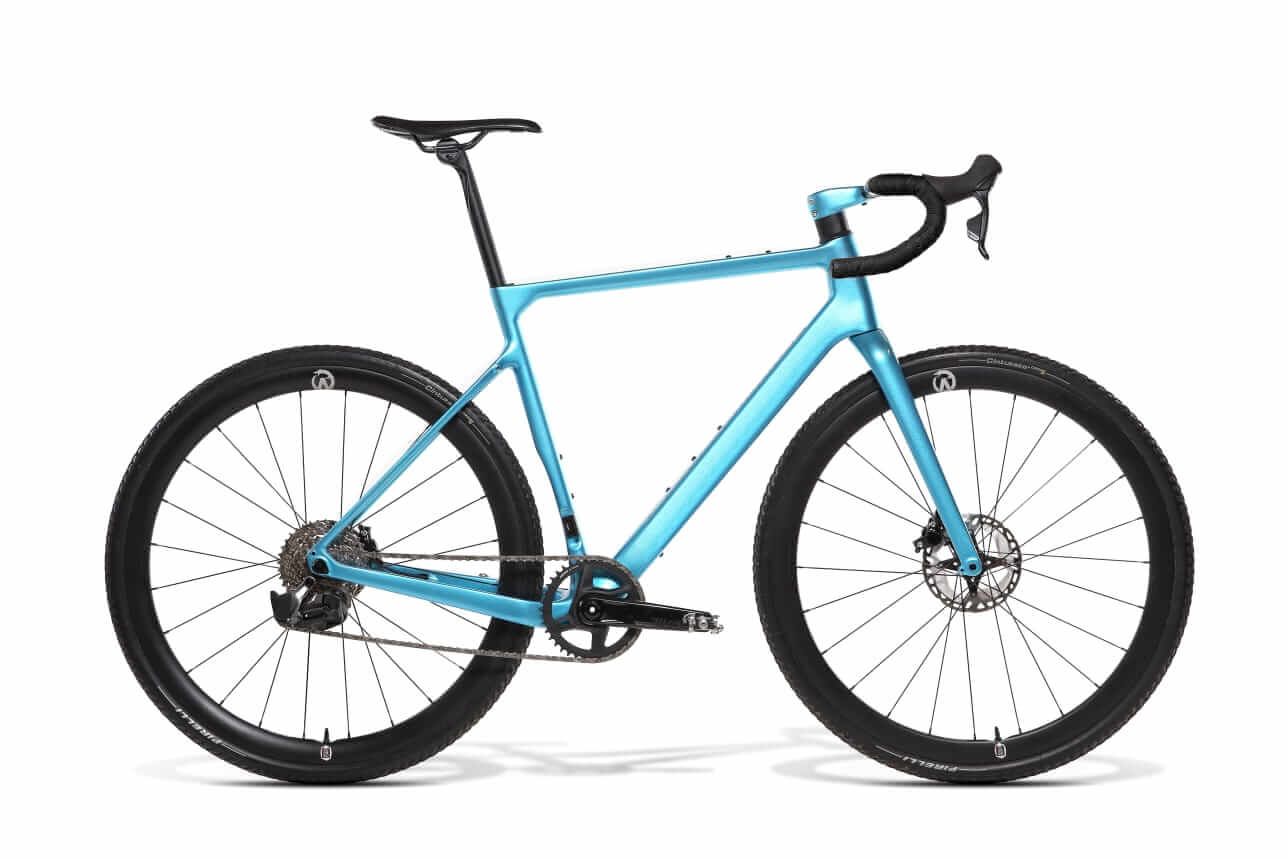
Hitting gravel roads, a lightweight and resilient gravel touring bicycle makes long rides both comfortable and efficient. Recent data shows that searches for “gravel bikes” have surpassed those for traditional touring bikes (accio.com). Compared to traditional frames, gravel touring bikes emphasize handling responsiveness, vibration absorption, and multi-terrain adaptability.
As a manufacturer with 10 years of experience in carbon fiber frames, we understand the importance of frame geometry, layout, and mounting point design for long-distance adventure riding. This article will compare gravel touring bicycles with traditional touring bikes based on design, materials, and real-world riding experience, and will also introduce the advantages of the haidelibikes CR060 gravel frame.
What is a Gravel Touring Bicycle?
Gravel Touring Bicycles are designed for long, lightweight travel across diverse terrains, balancing comfort, responsive handling, and durability. Compared to traditional touring bikes, they are more versatile and suitable for gravel roads, country trails, or light off-roading. Modern riders demand speed, shock absorption, and versatility, driving the popularity of gravel adventure bikes. Carbon fiber frames, such as the CR060 gravel frame, balance stiffness and toughness through lightweight construction and localized thickening, providing reliable support for long-distance mixed-terrain riding.
1.1 Definition of Gravel Touring and Riding Applications
Core Concept: Emphasizing lightweight, long-distance travel, all-terrain adaptability, and a comfortable riding experience. Unlike traditional heavy-duty touring bikes, they prioritize efficiency and route versatility.
Rider Preference: They prefer a lightweight, quickly convertible bike setup, known as an “all-road adventure setup.” Accessorizing with travel bags, seatpost bags, and frame bags allows for bikepacking-style adventure freedom.
CR060 gravel frame advantages: Optimized layup and geometry ensure stable and comfortable long-distance gravel riding, while maintaining low weight and effortless climbing. It supports wide tires up to 700×50C or 27.5×2.1, and is compatible with forks with 40–60mm of travel, making it suitable for mixed terrain and long-distance adventure riding.

1.2 Gravel Touring Bicycle Design Features
Frame Geometry: A long wheelbase and low bottom bracket enhance stability and handling, particularly on long or high-speed gravel roads.
Multiple Mounting Points: Multiple mounting points for bottle cages, racks, fenders, and frame bags provide flexible gear attachment for multi-day touring or gravel travel.
Tire and Fork Compatibility: The CR060 gravel frame supports tires up to 700×50C or 27.5×2.1, and is compatible with forks with 40–60mm of travel, making it suitable for a wide range of riding conditions, from light off-roading to rural gravel roads.
Materials and shock absorption: The carbon fiber layup enhances local rigidity while retaining a certain degree of flex, providing vibration absorption and comfort, and reducing “road buzz” – performance that European and American riders pay attention to when choosing gravel adventure bicycles.
Advantages and Limitations of Traditional Touring Bikes
Traditional touring bikes are a classic choice for long-distance, heavily loaded touring, renowned for their stability, durability, and load-carrying capacity. They are suitable for multi-day touring, world-class cycling, or heavy-duty bikepacking, and are particularly reliable on paved roads and long-distance trips. However, with the growing demand for lightweight, mixed-terrain riding, the limitations of traditional touring bikes are becoming increasingly apparent.
2.1 Durability and Comfort of Traditional Touring Bikes
Advantages of Steel Frames: Traditional touring bikes often utilize steel frames, which offer high impact resistance and ease of repair, even in remote areas.
Load Capacity: They can easily carry front and rear luggage racks and a full set of bikepacking gear, making them suitable for long-distance, fully loaded touring.
Comfort: The more upright riding position reduces back stress, making them suitable for multi-day rides.
2.2 Why is it becoming increasingly limited in modern cycling trends?
Weight: Traditional touring bikes are relatively heavy, making them unsuitable for lightweight adventure riding.
Speed and Terrain Compatibility: On gravel roads and mixed terrain, the handling isn’t as responsive as a gravel adventure bicycle, making climbing difficult and inefficient.
Modern Demand Gap: With the popularity of gravel travel bikes and all-road adventure bikes, riders are increasingly seeking lightweight, adjustable luggage mounts, and multi-terrain compatibility. Traditional touring bikes, on the other hand, lack flexibility and adaptability.
Gravel Touring Bicycle vs. Traditional Touring Bike Comparison
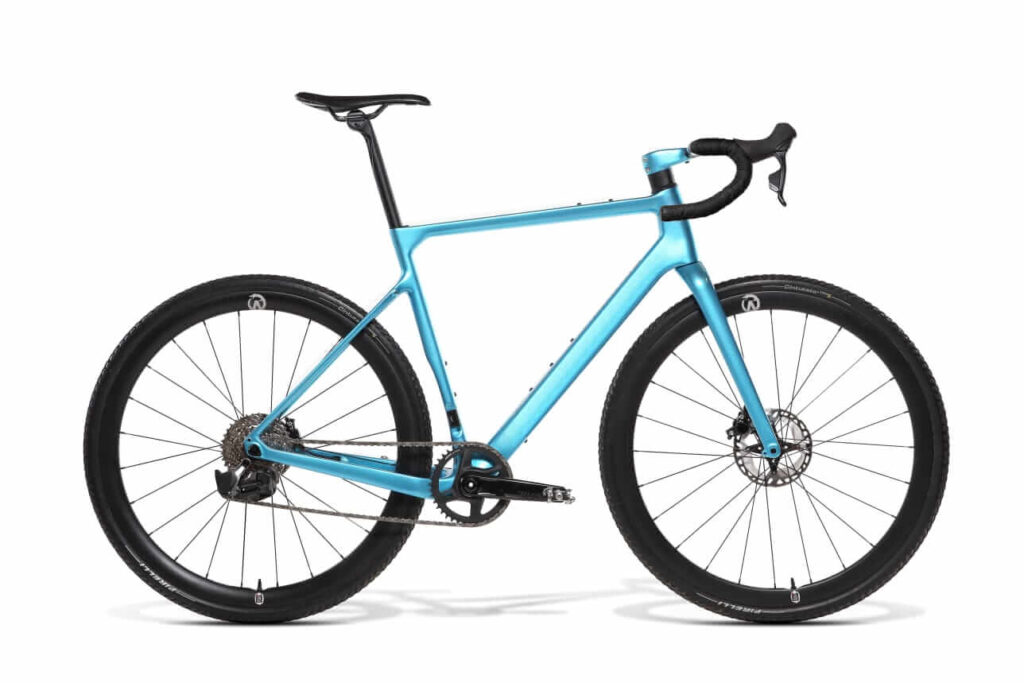
Gravel touring bicycles emphasize light weight, multi-terrain compatibility, and comfortable handling, while traditional touring bikes prioritize stability and load capacity. Modern gravel adventure bicycles utilize carbon fiber technology to combine responsive handling with comfort, offering an ideal solution for long-distance bikepacking or multi-day touring. For example, the CR060 gravel frame features optimized geometry and material layup, improving vibration absorption and durability while maintaining low weight and strength.
| Comparison Dimension | Gravel Touring Bicycle / Gravel Adventure Bicycle | Traditional Touring Bike | Notes / Professional Insight |
|---|---|---|---|
| Frame Design: Geometry & Handling | Relaxed geometry reduces back stress on long rides; CR060 gravel frame balances comfort and responsiveness; long wheelbase & low bottom bracket improve stability and agility | Upright geometry emphasizes stability; low-speed handling less agile | Gravel bikes better for long-distance mixed-terrain adventure riding; traditional bikes better for heavy-duty road touring |
| Materials & Weight | Carbon fiber frame with strategic layup; excellent vibration absorption, climbing performance, and reduced “road buzz”; CR060 gravel frame balances lightness and strength | Steel or aluminum frame; highly durable but heavier | Carbon gravel frames are ideal for lightweight adventure riding, bikepacking, and multi-day touring; traditional bikes focus on load capacity |
| Riding Experience | Highly adaptable to gravel roads, country trails, and light off-roading; responsive and agile handling | Stable and reliable but heavier; less agile and slower on climbs | Carbon gravel adventure bikes like CR060 offer a balance of comfort, durability, and multi-terrain versatility |
3.1 Frame Design: Geometry and Handling
Gravel touring bicycles utilize a more relaxed geometry to reduce back stress during long rides while improving low-speed handling stability.
Through precise tube layout and wheelbase design, the CR060 gravel frame strikes a balance between comfort and responsiveness, making it suitable for long-distance mixed-terrain adventure riding.
The long wheelbase and low bottom bracket design provide stability while ensuring agile handling, making it ideal for all-road gravel touring bikes.
3.2 Materials and Weight
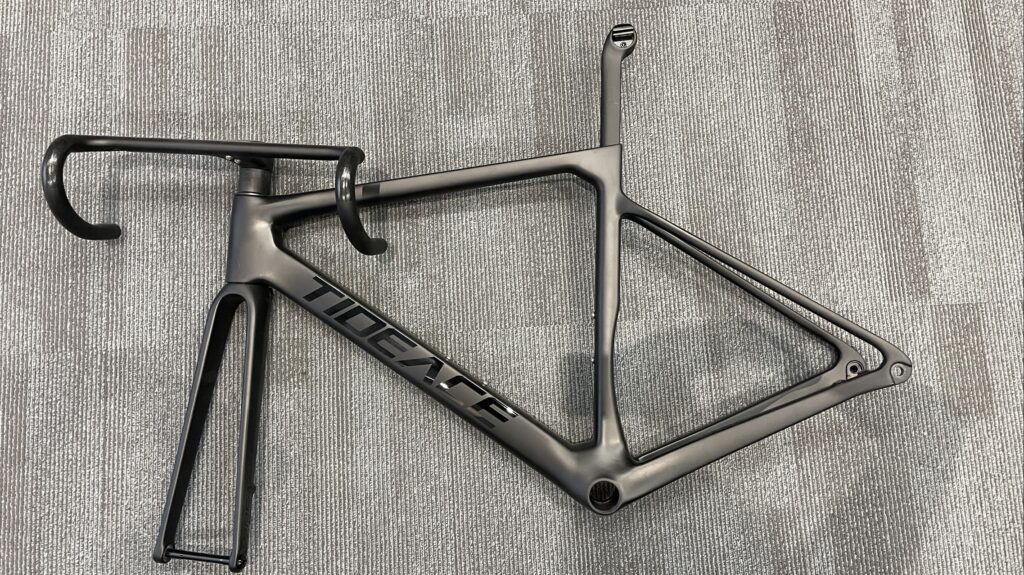
The carbon fiber gravel frame offers excellent vibration absorption and climbing performance, reducing “road buzz” and improving long-distance riding comfort.
The CR060 gravel frame utilizes strategic layup to achieve a balance of lightness and strength, meeting the needs of multi-day touring and bikepacking.
Compared to traditional touring bikes with steel or aluminum frames, carbon fiber frames significantly reduce weight while maintaining load-bearing capacity, making them ideal for lightweight adventure riding.
3.3 Riding Experience Comparison
Gravel touring bikes: Highly adaptable to various terrains, with responsive handling, suitable for gravel roads, country trails, and light off-roading.
Traditional touring bikes: Stable and reliable, but slightly heavier for speed, agility, and terrain versatility.
Bottom Line: A carbon fiber gravel adventure bike like the CR060 gravel frame is an ideal choice for modern riders seeking a lightweight, versatile, mixed-terrain ride that balances comfort, durability, and long-distance performance.
Trends in Gravel Touring Bicycles
Gravel touring bicycles continue to grow in popularity, driven by riders’ demand for lightweight, versatile terrain, and comfortable handling. With the growing popularity of multi-day bikepacking and long-distance adventure riding, gravel adventure bikes have become the preferred choice for modern long-distance touring. Carbon fiber frames, with their balance of lightness and stiffness, have become a key feature of many riders. The CR060 gravel frame is a prime example of a frame that offers both lightness, stiffness, and versatility, providing reliable support for long, mixed-terrain rides.
4.1 Cycling Community Discussions (Reddit & Bikepacking Trends)
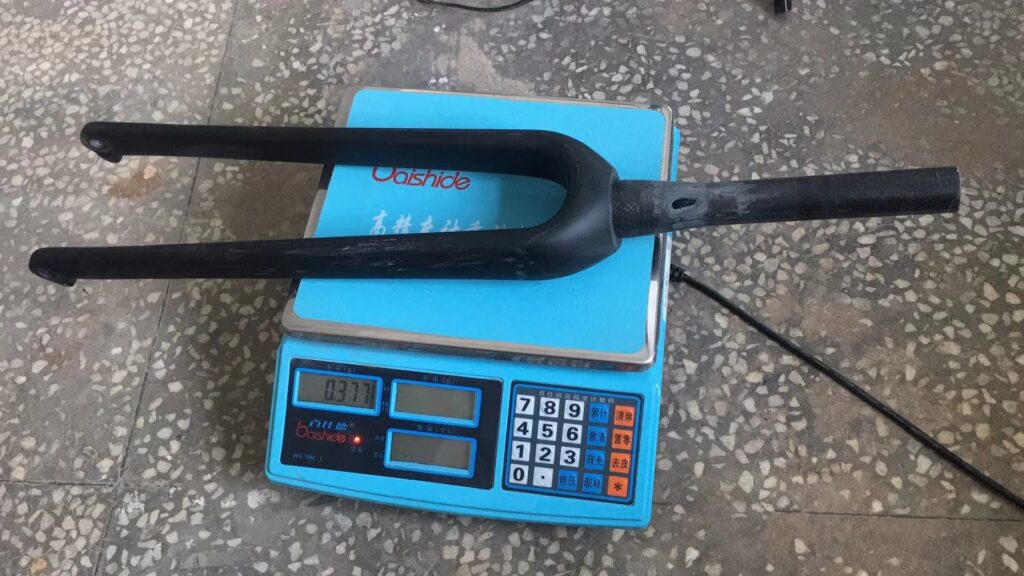
Many riders share their experiences with carbon fiber gravel frames on Reddit, Bikepacking.com, and other forums, discussing topics such as durability, vibration absorption, and lightweight advantages.
A typical example is “Why I switched from touring to gravel touring bicycles.” Riders switch from traditional touring bikes to gravel travel bikes, emphasizing lightweight handling and the ability to flexibly adapt to gravel roads and country trails.
Practical experience with long-distance adventure riding indicates that gravel adventure bikes are more suitable for all-road bikepacking setups, balancing speed and comfort.
4.2 Brand Trends and Technological Development
Many global brands have launched carbon fiber gravel frames designed specifically for adventure riding and multi-terrain travel, emphasizing lightness, stiffness, vibration isolation, and compatibility with multiple mounting points (rack, fender, frame bag).
The CR060 gravel frame represents current market trends: a rational layup design and optimized geometry, while balancing long-distance comfort, mixed-terrain adaptability, and bikepacking carrying capacity.
Technological development trends also include expanded tire compatibility (700×50C / 27.5×2.1), adjustable front fork travel (40–60mm), and multiple mounting points for frame bags and bottle cages, making it easier for all-road adventure riders to adjust their configuration.
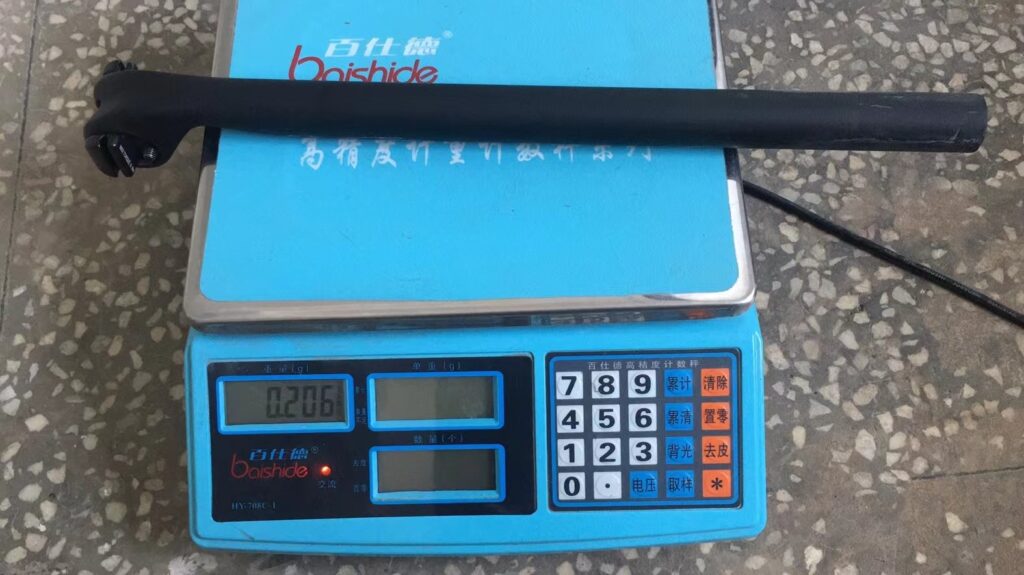
How to Choose the Right Gravel Touring Bicycle for You
Choosing the right gravel touring bicycle is crucial to a rider’s enjoyment of long-distance mixed-terrain adventure riding. Riders’ needs vary widely, ranging from lightweight, fast touring to multi-day, heavy-duty bikepacking. So, should I go for a carbon cyclocross bike or a carbon frame gravel bike? Each choice impacts handling, comfort, and riding efficiency. For example, the CR060 gravel frame, with its multiple mounting points and carbon fiber construction, offers flexibility and durability, making it suitable for a variety of adventure travel scenarios.
5.1 Key Considerations
Frame Material: Carbon fiber offers lightweight, vibration absorption, and responsiveness, making it ideal for long-distance adventure riding. Aluminum alloy offers high durability and low cost, but is relatively heavy.
Tire Width and Fork Travel: Choose tires compatible with 700×40–50C or 27.5×2.1, and a fork with 40–60mm of travel, suitable for gravel, country trails, and light off-roading.
Mounting Points and Accessory Compatibility: Multiple bottle cage, rack, fender, and frame bag mounting points are essential for bikepacking and multi-day touring.
CR060 Gravel Frame Advantages: Multiple mounting points allow for compatibility with a wide range of touring gear, providing flexibility for all-road gravel travel scenarios while maintaining lightweight and high stiffness.
5.2 Recommended Configurations for Different Riders
Beginner Riders: A lightweight, comfortable gravel adventure bike that’s easy to learn and suitable for short or lightly equipped long trips.
Advanced Riders: Optimize the carbon fiber CR060 gravel frame for optimized frame geometry and layup, balancing speed, comfort, and multi-terrain capability for multi-day adventure riding or lightweight bikepacking.
Gear Recommendations: Choose the right tires, brakes, and luggage to ensure a balance between efficiency and comfort.
Conclusion: Which is right for you?
Choosing the right touring bike depends on your riding needs and the type of routes you take. If you’re looking for lightweight, agile handling, and the ability to handle long distances on a variety of terrains, a gravel touring bike is an ideal choice. Carbon fiber frames like the CR060 gravel frame maintain light weight while offering comfort and responsiveness through optimized tube layup and geometry, making them ideal for mixed-terrain adventure riding, bikepacking, or multi-day touring. Its multiple mounting points accommodate seatpost bags, frame bags, and front and rear luggage racks, providing maximum flexibility for all-road gravel travel while reducing road buzz and enhancing long-distance comfort.
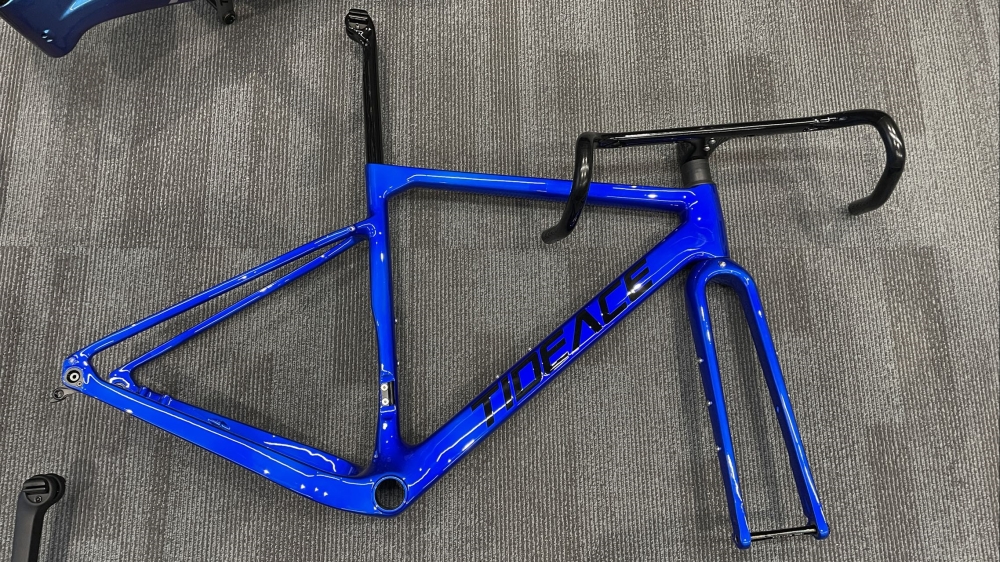
If extreme load capacity, durability, and easy maintenance are your priorities, a traditional touring bike remains robust and reliable, suitable for fully loaded touring or long paved routes. Steel or aluminum frames offer impact resistance and easy maintenance, making them excellent for long-distance heavy-duty touring. However, they lack the agility and climbing efficiency of gravel adventure bikes on gravel or mixed terrain.
Overall, the CR060 gravel frame represents a balanced solution for modern riders: lightweight, durable, and versatile, offering speed, comfort, and gear-carrying capacity, making it an ideal choice for most all-road adventure riders.