Skip to content



What is a full suspension mountain bike frame, and how does it differ from a hardtail frame? A full suspension frame features both a fork and a rear shock, providing better damping and grip on technically challenging, heel-height, or steep downhill terrain. A hardtail frame, on the other hand, is simpler, lighter, and more efficient, making it ideal for cross-country (XC) riders or those on a budget. According to a ZipDo industry report, over 70% of new high-performance mountain bikes, including the latest 2026 Mountain Bike Frame models, use a full suspension design (zipdo.co).
The suspension system not only improves comfort but also affects longitudinal stiffness and vibration damping; through four-bar or virtual pivot point (VPP) suspension designs, full suspension provides more stable riding feedback without sacrificing pedaling efficiency. Hardtails, lacking a rear shock, deliver power more directly, which is why many riders still favor them.
The following full suspension mountain bike frame guide will delve into the impact of geometry, travel, and materials (carbon fiber vs. aluminum alloy) on riding performance and help you choose the frame that best suits you.

What is a Full Suspension Mountain Bike Frame?
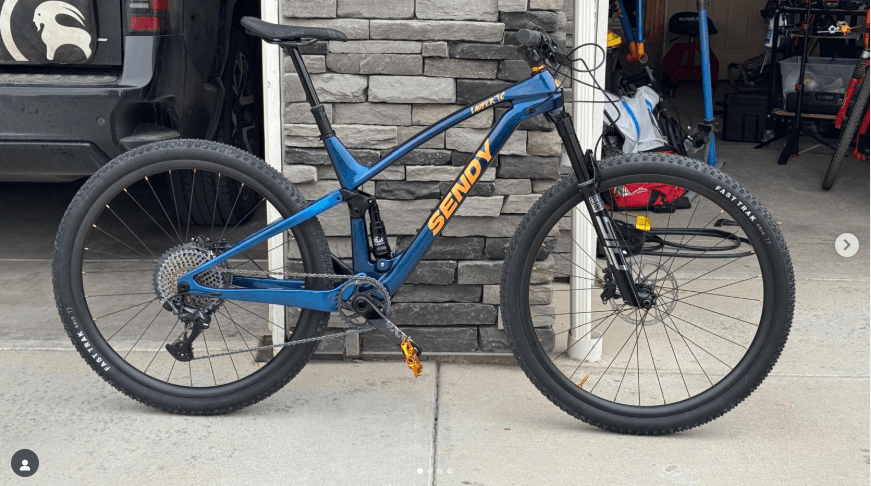
A full suspension mountain bike frame is a high-performance frame designed specifically for challenging terrain. It effectively absorbs shocks through its front fork and rear suspension system, improving grip and handling stability. Whether it’s a rugged downhill, a root-covered trail, or a technically demanding course with rapid jumps, a full suspension frame provides riders with a smoother riding experience. Next, we will delve into this frame type from three aspects: components, advantages, and potential disadvantages, to help you make a more informed decision when purchasing or upgrading.
1: Definition and Components
The core components of a full suspension frame include the front suspension fork, the rear shock, and the swingarm and linkage system. The front fork absorbs front wheel shocks, the rear shock handles rear wheel vibrations, and the swingarm and virtual pivot point (VPP/four-bar linkage) work together to optimize suspension travel, ensuring pedaling efficiency and stability. High-end models often use carbon fiber MTB frames to balance lightweight design and rigidity, paired with adjustable-travel rear shocks to adapt to different terrains.
2: Advantages of Full Suspension Frames
- High Ride Comfort: The full suspension system effectively absorbs bumps, reducing arm and lower back fatigue.
- Strong Traction Control: The rear shock and swingarm design maintain continuous tire contact with the ground, improving stability on downhill and technical sections.
- Trail Performance: Suitable for various riding styles, including cross-country (XC), enduro, and downhill, reducing the risk of loss of control.
3: Disadvantages
- High Cost: A complete full suspension frame and high-performance suspension system typically cost 30%-50% more than a hardtail.
- Heavy Weight: The additional shocks, swingarm, and reinforcement structure increase the overall weight of the frame, affecting climbing efficiency.
- High maintenance costs: The shock absorption system requires regular maintenance, such as oil seals, bearing replacement, and stroke adjustment, otherwise its performance will deteriorate.

What is a Hardtail Mountain Bike Frame?
A hardtail mountain bike frame is a relatively simple mountain bike design, featuring only a front suspension fork and a rigid rear triangle fork. This design reduces frame weight and improves pedaling efficiency, making it ideal for cross-country (XC) or long-distance riding. We will analyze hardtail frames from three perspectives: components, advantages, and potential disadvantages, to help riders make the best choice based on budget, road type, and riding style.
1: Definition and Components
The core characteristics of a hardtail frame are its front suspension only and rigid rear triangle fork, resulting in a simple structure and lightweight design. The front fork absorbs front wheel impacts, while the rear fork maintains efficiency and climbing performance by directly transmitting pedaling power. High-end hardtail frames typically use carbon fiber or aluminum alloy, balancing lightweight design with rigidity. For many XC riders, this design maximizes climbing efficiency while reducing maintenance costs.
2: Advantages of Hardtail Frames
Affordable: Compared to full-suspension frames, hardtails have a simpler structure, resulting in lower manufacturing and maintenance costs.
Lightweight: Lacking a rear shock and complex swingarm, the overall weight is lower, making it suitable for long-distance riding or climbing.
Efficient Pedaling: Almost all pedaling force is transferred to the rear wheel, improving acceleration and climbing performance.
Low Maintenance: The front fork is easy to maintain, and the rear fork, lacking a shock absorber, is less prone to adjustment or wear issues.
3: Disadvantages
Less Plush: The rigid connection of the rear fork makes it easier to transmit vibrations to the rider on bumpy roads, potentially leading to fatigue during long rides.
Slightly Lower Traction Limitation: Compared to full-suspension frames, hardtails have slightly weaker rear wheel traction on technical downhill sections or terrain with many joints, making them more prone to slippage or loss of control.

Key Differences Between Full Suspension and Hardtail Frames
Choosing between a full suspension and a hardtail frame depends not only on budget and materials, but also on your riding style, terrain adaptability, and overall riding experience. Understanding the differences in suspension performance, weight and materials, and riding style compatibility will help you make the most suitable choice for off-road, endurance, or downhill riding scenarios. Below, we will analyze this in detail from three key dimensions.
1: Suspension Performance
Full suspension frames (FS831 VPP all mountain) offer better shock absorption and traction through a front fork and rear suspension system (rear shock + linkage design), providing more “squishness” and making them suitable for technically challenging downhill and joint sections. Hardtail frames only have front fork suspension, with a rigid connection to the rear wheel, resulting in relatively limited traction, but higher pedaling efficiency on flat or climbing terrain. For riders prioritizing stable handling and ride comfort, full suspension is the preferred choice; while those who enjoy rapid acceleration and a lightweight riding experience tend to prefer hardtails.
2: Weight and Material Considerations
Hardtails have a simpler structure and are lighter, especially carbon hardtails, which further reduce overall weight. Full suspension frames, due to the added weight of the rear shock absorber, swingarm, and reinforcement structure, are relatively heavier and may feel slightly strained during climbs or long-distance rides. Material choice also affects stiffness and vibration absorption; for example, while aluminum full suspension frames are economical, their comfort is slightly inferior to carbon fiber models.
3: Riding Style Compatibility (Trail, Enduro, Downhill)
Trail / XC: Hardtail frames perform efficiently on off-road and crossroad routes, making climbing easy; full suspension provides better handling on technical descents and continuous joint sections.
Enduro / All-Mountain: Full-suspension frames are better suited for long travel and multi-stage downhill sections, ensuring stability and comfort; hardtails are suitable for short, fast climbs or training purposes.
Downhill / Freeride: Full-suspension is essential; the rear shock absorber with VPP or a four-link design can absorb large impacts, improving grip and safety; hardtails are almost unsuitable for such intense terrain.
How to Choose the Right Frame for You
Choosing a mountain bike frame involves more than just budget; it also requires considering riding style, terrain type, and performance needs. Understanding the characteristics of full suspension vs. hardtail frames, and combining this with differences in materials (carbon vs. aluminum MTB frame), suspension travel, and frame geometry, can help you find the most suitable frame for you, improving both riding efficiency and ride comfort. Below, we provide a practical comparison method and include a table to help you make an intuitive judgment.
1: Full Suspension vs. Hardtail Comparison Table
| Feature | Full Suspension MTB Frame | Hardtail MTB Frame |
|---|---|---|
| Suspension | Front + rear shock, high traction, plenty of “squish” | Front suspension only, rigid rear, high pedaling efficiency |
| Weight | Heavier, especially carbon full suspension | Lighter, lightweight carbon or aluminum |
| Terrain | Technical trails, downhill, rooty sections | Smooth trails / XC paths, climbing routes |
| Maintenance | Rear shock requires regular maintenance | Low maintenance, easy to care for |
| Riding Style | Enduro / Trail / Downhill | XC / Trail / Training |
2: Key Selection Tips
- Budget Priority: If budget is limited and efficiency is prioritized, a hardtail offers excellent value; for those seeking handling and comfort, full suspension is more suitable.
- Terrain Adaptability: Full suspension is recommended for technical downhill riding, multi-joint rides, and long trails; a hardtail is sufficient for flat roads, climbs, or short training runs.
- Material Selection: Carbon MTB frames are lighter and stiffer, but more expensive; aluminum alloy frames offer better value and durability.
- Riding Style: Enduro or downhill riders prefer a full suspension with ample “squish” feel; XC/climbing riders prioritize pedaling efficiency with a hardtail.
Through this systematic analysis, riders can make the most suitable frame selection based on their needs, road surface type, and riding habits, while avoiding fatigue or poor handling issues caused by mismatch later on.

Conclusion
Choosing the right mountain bike frame requires a comprehensive consideration of riding style, terrain type, budget, and performance needs. Full suspension mountain bike frames (FS838 HVP enduro), with their fork + rear suspension system and optimized swingarm design, offer superior grip, comfort, and handling on challenging terrain, making them suitable for enduro, downhill, or technical routes. Hardtail MTB frames, on the other hand, offer excellent value for money on flat roads, XC trails, or when on a budget, thanks to their lightweight frame, high pedaling efficiency, and low maintenance costs. Understanding the differences between the two in ride comfort vs. pedaling efficiency, trail handling, and suspension travel is key to making an informed choice.
If you are looking for a high-performance carbon MTB frame or a custom solution, we offer professional full suspension or hardtail frame customization services to meet your riding style and terrain requirements. Whether you’re looking for a full-squish ride or a lightweight, efficient hardtail, we can help you create the perfect MTB solution for you. Contact us to elevate your riding experience to a professional level.