When developing a new carbon aero bar, the real hurdle isn’t the blueprint—it’s the molding and routing execution during mass production. Systems like internal cable routing aero bars and fully integrated aero bar systems demand extreme mold precision and complex layup structures. Industry data reveals that over 60% of aero bar projects face routing friction or structural inconsistencies during the initial production run. Whether for carbon triathlon handlebars or high-performance aero carbon handlebars for road bikes, a manufacturer needs proven engineering expertise and tight process control to successfully balance lightweight design, aerodynamics, and assembly efficiency.
Why Internal Routing Carbon Aero Bars Demand Precision Manufacturing
As the elite market pushes for aerodynamic integration, the carbon aero bar is moving toward fully internal structures. Beyond a clean cockpit, these designs demand extreme mold precision and complex layup strategies during OEM production. For brands, the ability to balance weight, structural integrity, and batch consistency is the ultimate test of a supplier’s manufacturing depth.
Performance Advantages of Carbon Aero Bars
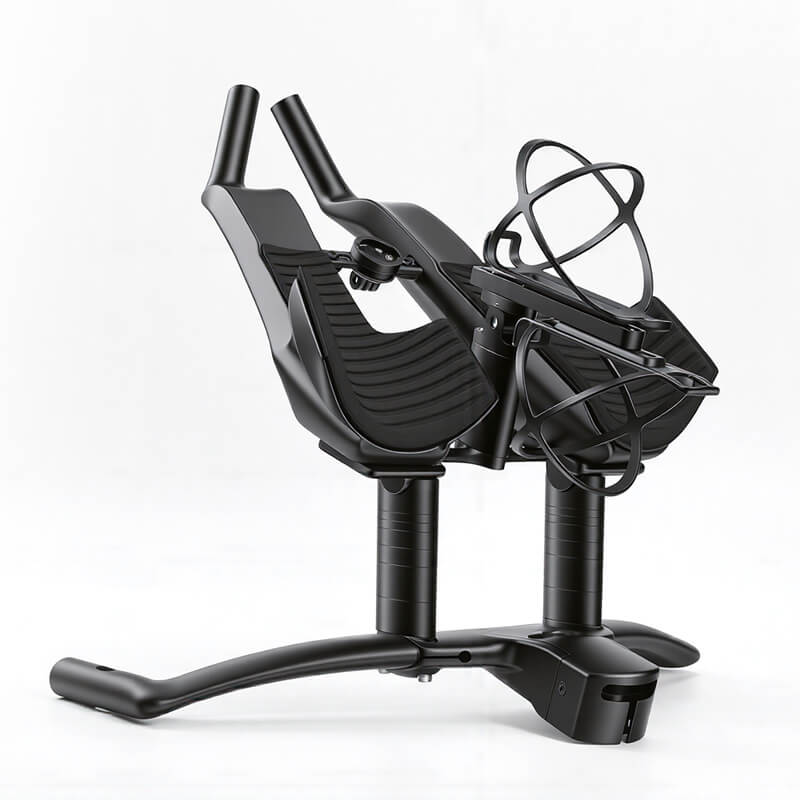
A cornerstone of performance aero carbon bars, carbon fiber offers unmatched power transfer. By optimizing layup and fiber orientation, manufacturers achieve a superior stiffness-to-weight ratio for sprinting efficiency. In tri bike cockpit and aero road setups, a quality carbon aero bar lowers the drag coefficient, giving brands a competitive edge in their premium lines.
The Challenges of Internal Routing Designs
The main hurdle for internal cable routing aero bars is balancing routing channels with structural reinforcement. An integrated aero bar system must manage cable paths and stress loads within a confined space, requiring ultra-precise molding. Additionally, routing efficiency and maintenance accessibility are critical factors in OEM production that directly impact the end-user experience.
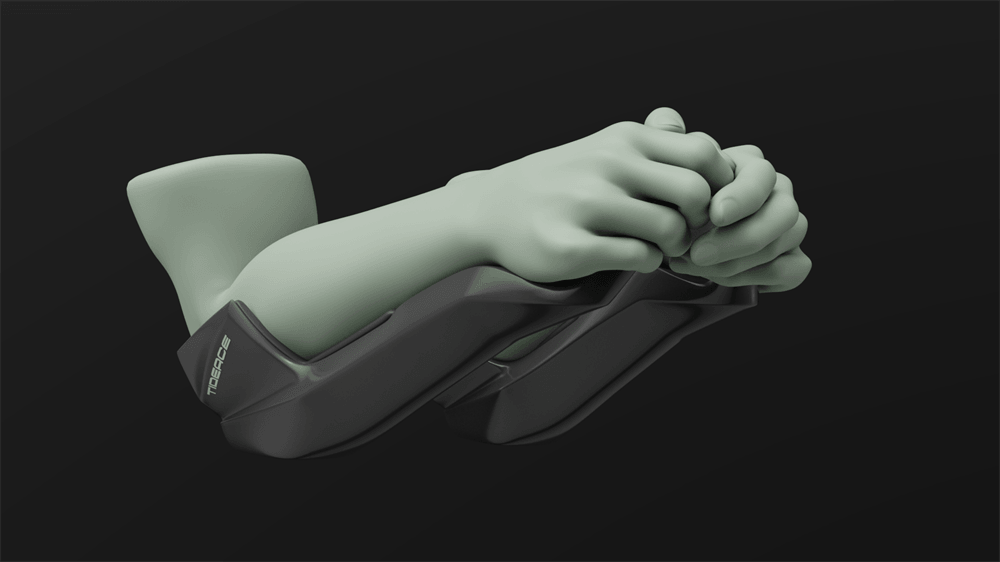
From Mold Design to Finishing: Critical Precision Controls for Carbon Aero Bars
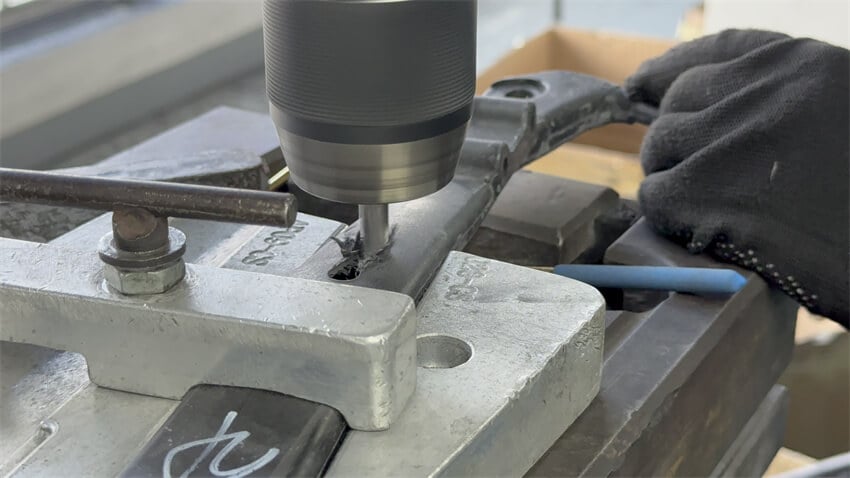
In carbon aero bar OEM manufacturing, every step from tooling to final molding dictates aerodynamic efficiency, structural integrity, and component compatibility. For brands prioritizing consistency, mold precision, layup techniques, and curing cycles are the pillars of high-volume reliability. In integrated aero bar system and internal cable routing aero bars projects, even marginal deviations can compromise assembly speed and ride quality.
Mold Engineering & Layup Strategy
Precision tooling is the foundation for consistent performance in TT bike carbon cockpits and aero carbon handlebars for road bikes. Optimized mold splitting and a rigorous carbon fiber layup schedule ensure stable aero profiles while maximizing the stiffness-to-weight ratio. For our partners, this translates directly to superior aero performance and repeatable OEM standards.
Specialized Layering & Molding Tech
When producing lightweight carbon aero extensions and adjustable carbon aero extensions, the layup strategy must balance localized stress with adjustment mechanism durability. By refining fiber orientation and multi-layer reinforcement, we enhance fatigue resistance and prevent structural deformation in complex geometries, ensuring long-term reliability in the field.
Vacuum Molding & Curing Protocols
The vacuum molding & curing process is the definitive stage for controlling weight and strength. Tight management of temperature ramps, pressure, and resin flow eliminates internal voids and delamination risks. This level of control is vital for carbon triathlon bike handlebars and performance aero carbon bars, where batch stability directly impacts the success of a large-scale product launch.
Mastering Cable Routing: Achieving Perfection in Internal Integration
In carbon aero bar OEM production, internal cable routing aero bars depend on molding precision and consistency. For carbon triathlon handlebars, internal deviations cause assembly failure. During carbon aero handlebar setup, manufacturers must plan mold angles and tolerances while considering TT bike carbon cockpit integration. Ensuring repeatable mass production is a top priority for brands to mitigate risk.
Routing Path Design & Precision Engineering
For tri bike bars and carbon aero handlebars, cable paths are 3D-modeled to ensure smooth bends. Key controls include entry angles and port tolerances to prevent interference between carbon fiber aero extensions and the base bar.
Tooling & Process Optimization
Factories use magnetic systems or PTFE liners to minimize friction. For lightweight carbon aero extensions and integrated aero bar system projects, these techniques drive yield rates and reliability for any professional OEM carbon aero bar factory.
Assembly & Quality Control
Final checks focus on ergonomic carbon aero bars and the stress load of carbon triathlon handlebars. Stability is verified via vibration testing and aero simulations, ensuring performance aero carbon bars deliver reliable results in long-distance time trials.
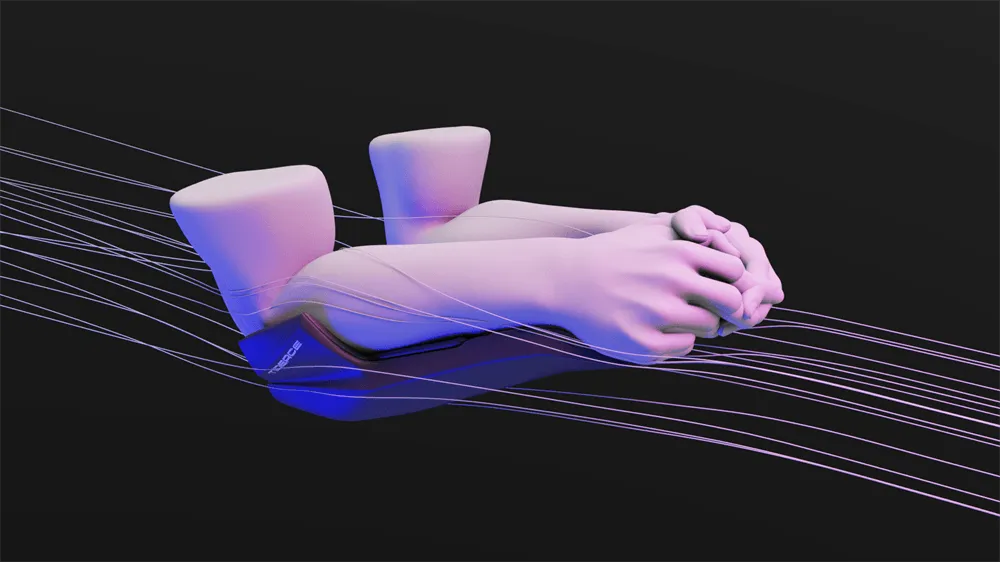
Key Considerations in Custom & OEM Production
In carbon aero bar OEM projects, brands prioritize a seamless transition from structural design to mass-production consistency. Before customized carbon aero bars launch, they must be validated for aero efficiency, integrated cockpit fit, and TT bike setup compatibility. For carbon time trial bars and integrated aero bar systems, minor flaws magnify during scaling; thus, strict engineering standards are vital during R&D.
Tailored Solutions for Differentiation
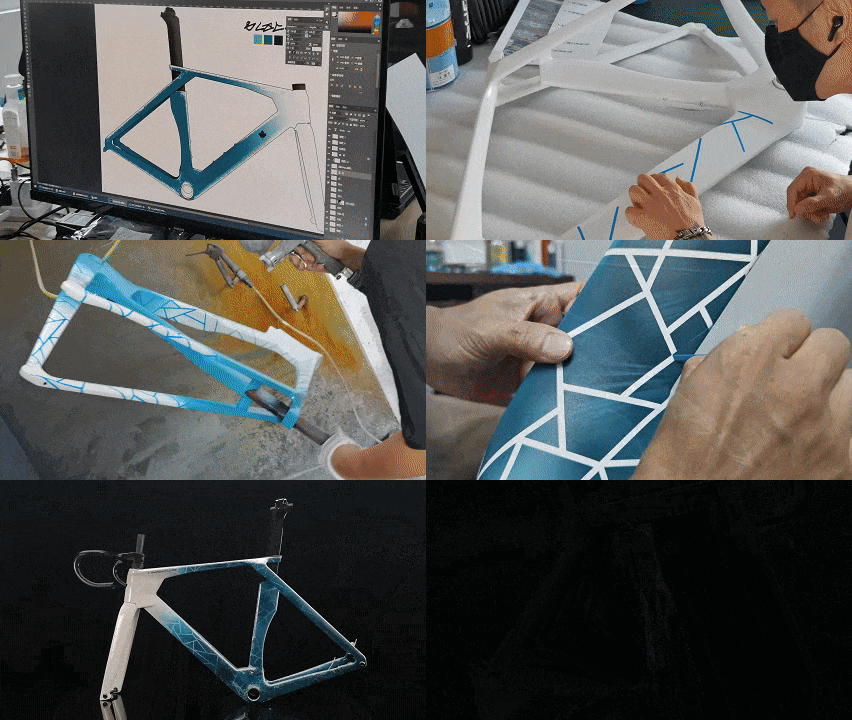
For customized carbon aero bars, an OEM carbon frame manufacturer offers modular designs, blending adjustable carbon aero extensions with ergonomic carbon aero bars. By optimizing the carbon aero handlebar setup, we ensure compatibility between aero carbon handlebars for road bikes and TT applications, helping brands carve out a unique market niche.
Consistency in Mass Production
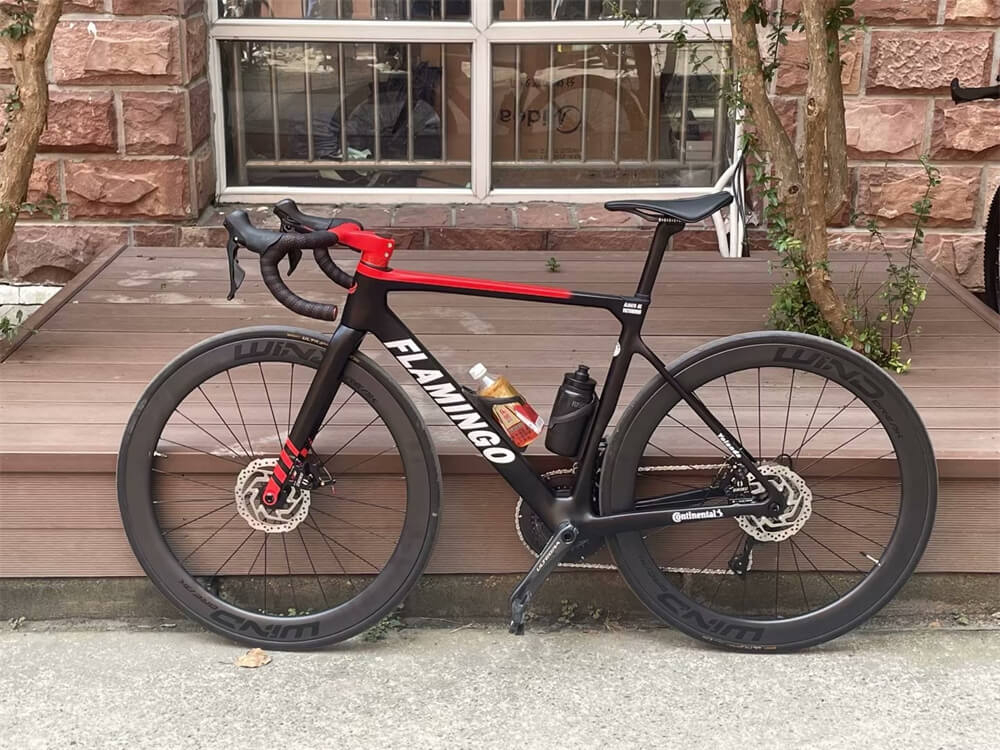
At a carbon aero bar factory China, mold precision and layup consistency during carbon frame contract manufacturing dictate stability. A professional OEM carbon road bike frame factory utilizes precise curing, internal cable routing aero bars channel checks, and carbon frame assembly manufacturer QC protocols. This ensures every batch of lightweight carbon aero extensions maintains uniform stiffness and weight.
| Production Stage | Key Focus Area | Common Challenge | OEM Factory Solution |
|---|---|---|---|
| Mold Design | Structural accuracy & aero shaping | Deformation under heat & pressure | High-precision CNC mold machining & thermal compensation design |
| Layup Process | Carbon fiber layering consistency | Uneven fiber distribution | Standardized layup charts + trained technicians |
| Internal Cable Routing | Channel alignment & smooth routing | Cable blockage or high friction | Pre-formed internal ducts with smooth resin finishing |
| Molding & Curing | Strength & weight balance | Resin voids or weak bonding areas | Vacuum bagging + controlled autoclave curing process |
| Assembly Tolerance | Fit accuracy across batches | Inconsistent cockpit alignment | Precision jigs + strict tolerance inspection (±0.2mm) |
| Final QC Testing | Safety & performance validation | Structural fatigue risk | Load testing, impact testing, and batch sampling |
Post-Sales Support and Tuning
For road bike tri bars and carbon triathlon handlebars, suppliers must provide installation guides for stem angles and TT bike carbon cockpit balancing. For a carbon bicycle frame supplier or a high-end carbon bike frame production company, robust technical support enhances the user experience while reducing warranty claims and after-sales costs for the brand.
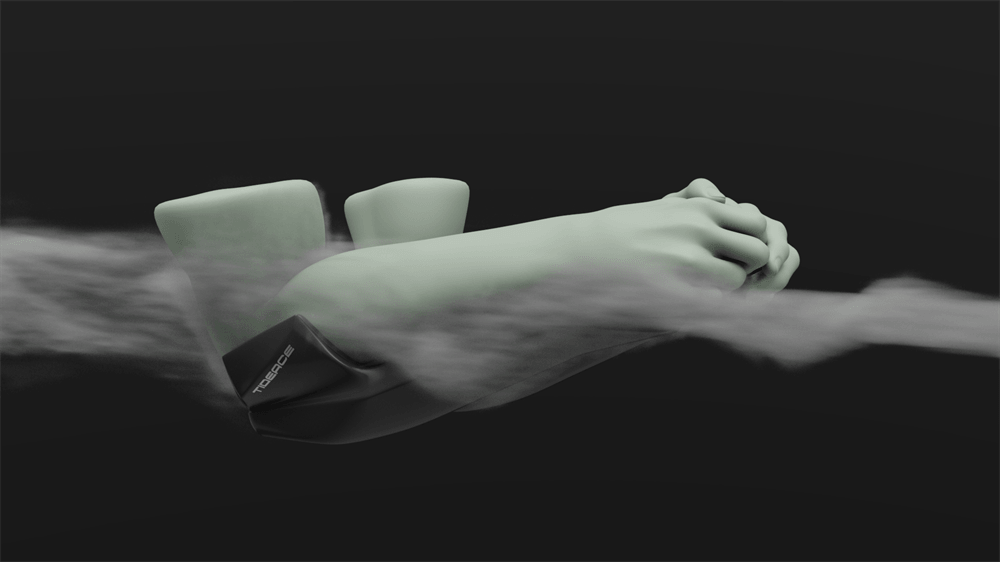
From Factory to Finish Line—Best Practices for Internal Routing Aero Bars
In carbon aero bar OEM production, internal cable routing aero bars are a rigorous test of mold precision, carbon frame assembly manufacturer expertise, and consistency. From the TT bike carbon cockpit to the integrated aero bar system, every detail impacts aero efficiency. For a carbon bike frame factory China, maintaining a complete engineering validation and QC loop is essential.
Key Manufacturing Hurdles & Solutions
Primary challenges include tight mold tolerances, internal routing smoothness, and layup consistency. Standardized carbon frame contract manufacturing and staged curing significantly enhance the structural integrity of lightweight carbon aero extensions and performance aero carbon bars across large batches.
The Value of a Seasoned OEM Partner
A supplier with deep OEM carbon road bike frame factory experience optimizes both design and manufacturability within the carbon bicycle frame supplier ecosystem. This prevents tooling deviations and assembly risks common at a standard carbon frame production company, ensuring TT bike cockpit reliability.
Balancing Performance, Aero, and Ergonomics
During carbon aero handlebar setup and carbon triathlon handlebars development, brands should balance the speed of aero carbon handlebars for road bikes with the comfort of ergonomic carbon aero bar. This strategic focus in customized carbon aero bars ensures products perform on the racecourse and succeed in the global market.