Skip to content


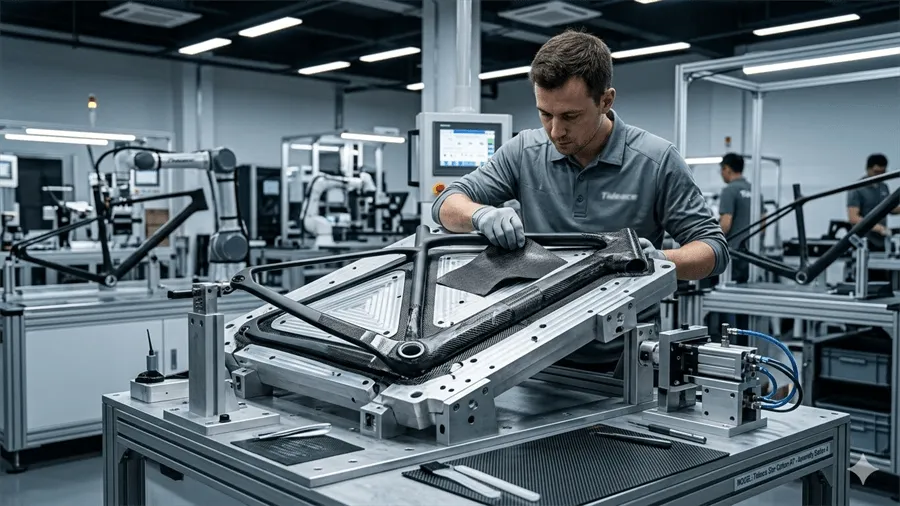
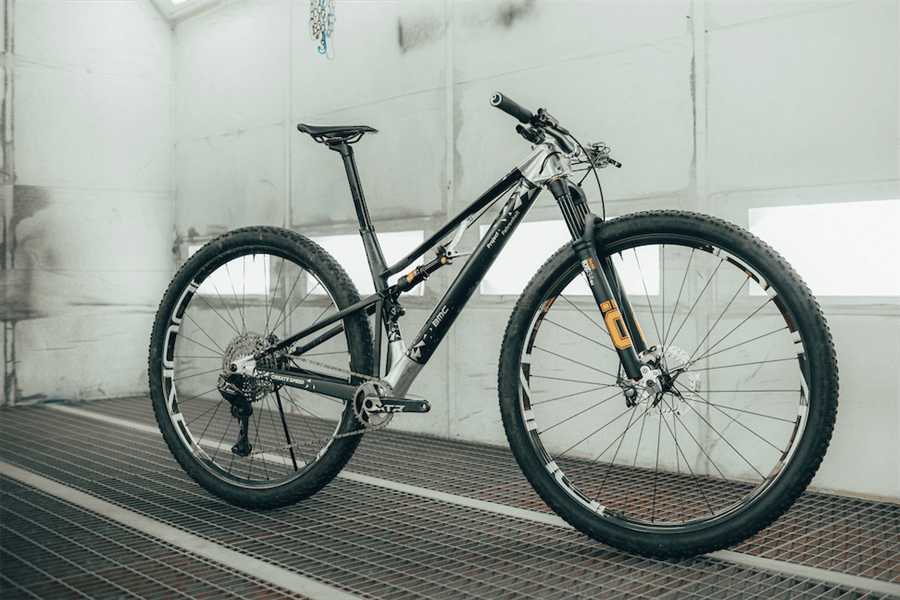
As an engineer with years of experience in manufacturing carbon fiber MTB frames, I believe that “custom lightweight mountain bike frames” are not just a selling point for weight reduction, but also a reflection of the maturity of modern MTB design. Through proper lay-up and resin ratios, high-end carbon frames can achieve a 20-30% weight reduction while maintaining rigidity and torsional strength, making XC, Trail, or Enduro riding more efficient and comfortable (bikebesties.com).
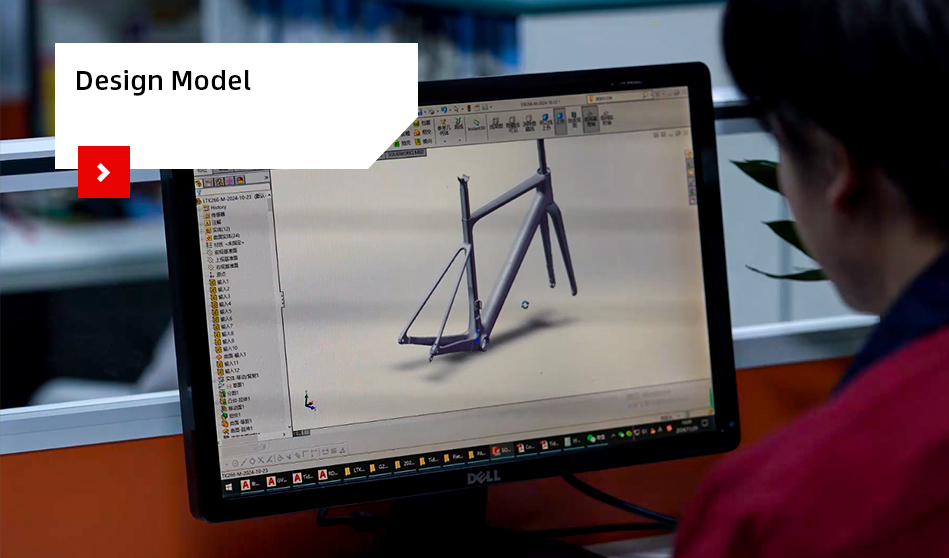
OEM/ODM manufacturers can customize the frame through tube-shape, internal routing, etc., mapping riding purpose and personal habits to the most suitable lightweight MTB frame (lightweight MTB frame / light MTB frame / lightest MTB frame). Simultaneously, a balance must be struck between lightweight, durability, and vibration comfort (haidelibikes.com).
Customization + professional lay-up + rigorous QC are key to achieving lightweight, durable, and practicality.

Why Cyclists Are Increasingly Focused on Lightweight Mountain Bike Frames
Lightweight mountain bike frames (MTB frames/light MTB frames) have become a crucial consideration for many cyclists when choosing a bike. Beyond pursuing lower weight for improved climbing efficiency and acceleration, modern riders also prioritize handling agility, shock absorption, and overall riding comfort. Choosing the right lightweight MTB frame (lightest mountain bike frame/lightest MTB frame) isn’t simply about being the lightest; it’s about finding a balance between performance, durability, and personal riding style. This is precisely where OEM/ODM custom frames can offer their value.
1: The Core Advantages of Lightweight Design
- Improved Climbing Efficiency: Lightweight frames reduce overall bike weight, allowing riders to maintain cadence more easily on long and technical climbs, improving climbing performance.
- Reduced Riding Fatigue: Lower frame weight means less stress on the shoulders and legs during long rides or multi-day off-road adventures, improving endurance and ride comfort.
- Improved Handling Agility: Lightweight carbon frames enhance bike handling, offering greater responsiveness on technical trails and switchbacks, making quick maneuvers easier.
2: Pain Points for Riders When Choosing a Bike
Weight vs. Durability: The pursuit of lightweight often comes with limitations in frame stiffness or durability, requiring the finding of the optimal lay-up or tube-shape configuration.
Performance vs. Price Balance: High-end lightweight carbon fiber MTB frames are often expensive, requiring riders to consider budget versus performance.
Difficulty Meeting Personalized Needs: Different riders have different body types, riding styles, and terrain preferences, and standard frames may not be a perfect fit, necessitating custom solutions.
The Impact of OEM/ODM Customization on Lightweight MTB Frames
As riders’ demands for lightweight, performance, and personalization continue to rise, OEM/ODM customization is becoming a key driver in the lightweight MTB frame market. Through custom production, manufacturers can not only offer lightweight designs more suited to riding needs, but also differentiate themselves in material selection, geometry optimization, and process control, meeting the climbing, trail handling, and durability requirements of different riders.
1: What is OEM/ODM Custom Production?
OEM (Original Equipment Manufacturer) and ODM (Original Design Manufacturer) production models allow brands to outsource design and manufacturing to specialized factories while maintaining product quality and consistency. For the MTB market, this means riders can obtain lightweight MTB frames specifically designed for XC, Enduro, or All-mountain riding needs, while enjoying factory-level QC assurance, avoiding common problems such as excessive vibration or twisting due to excessive lightness.
2: The Trend of Custom Lightweight MTB Frames
The modern lightweight MTB frame trend focuses on three aspects:
- Carbon fiber material innovation: High-modulus carbon fiber and hybrid fiber lay-up technology achieve the lightest MTB frame while maintaining strength.
- Lay-up technology and process upgrades: Optimizing fiber orientation and tube shape for different riding scenarios improves lateral stiffness and vertical compliance.
- A design philosophy that balances lightweight and strength: Through details such as internal routing and reinforced junctions, a balance between lightweight and durability is achieved, allowing riders to enjoy handling and comfort on technical trails or long-distance cross-country riding.

Key Design and Manufacturing Considerations for Lightweight MTB Frames
The performance of a lightweight mountain bike frame depends not only on the choice of materials but also on its geometry, structural layout, and quality control. For riders seeking the lightest or lightweight MTB frame, a balanced approach to weight, stiffness, comfort, and durability is crucial. The following analysis will detail how to build a high-performance, reliable lightweight MTB frame, focusing on materials, geometry, and factory testing.
1: Material Selection and Performance Comparison
Carbon fiber, aluminum alloy, and titanium alloy are currently the mainstream materials for lightweight MTB frames. Carbon fiber, through multi-layer lay-up technology and resin blending, achieves the optimal strength-to-weight ratio, making it the preferred choice for lightweight mountain bike frames and light MTB frames. Aluminum alloy is suitable for riders with limited budgets who require both durability and performance. Titanium alloy offers advantages in comfort and lifespan but is more expensive. Material selection directly impacts climbing efficiency, vibration transmission, and handling sensitivity, making it one of the most important factors riders consider when choosing a frame.
2: Geometry and Ride Experience Optimization
Geometry determines a frame’s performance on different terrains. For XC, Trail, and Enduro, different head tube angles, chain lengths, and fork designs all affect the stability and handling of a lightweight frame. When pursuing the lightest mountain bike frame, a balance must be struck between lightweight design and ride stability, avoiding excessive material reduction that could lead to handling instability or fatigue buildup. Refined geometry improves climbing efficiency while maintaining confidence on technical trails.
3: Quality Control and Durability Testing
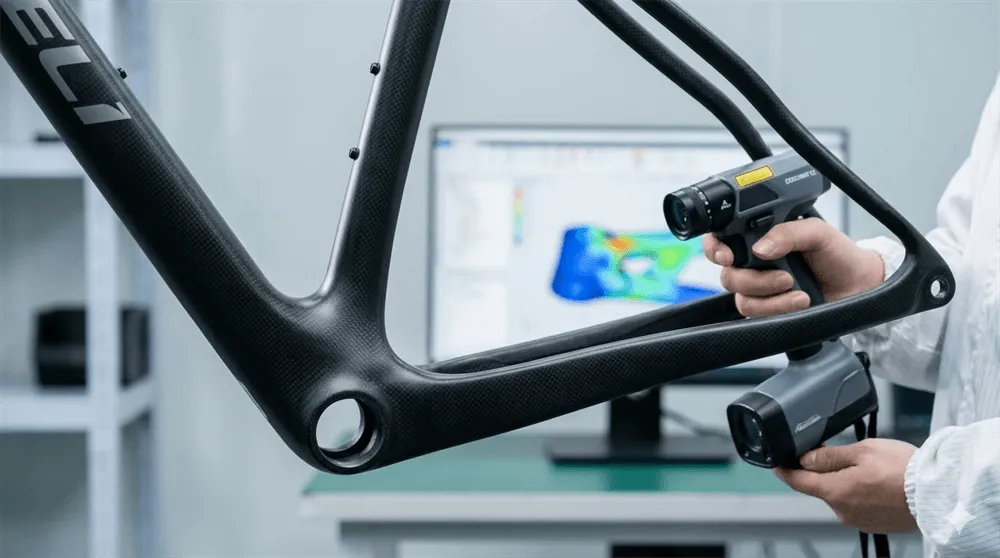
Even with lightweight MTB frames, rigorous factory testing and QC are essential. Common tests include stress testing, fatigue life assessment, and actual off-road riding simulations to ensure that safety is not sacrificed while optimizing weight. For riders seeking a lightweight MTB frame, choosing products certified to ISO or EN standards minimizes usage risks and enhances off-road confidence.
The Impact of Custom Lightweight MTB Frames on the Market
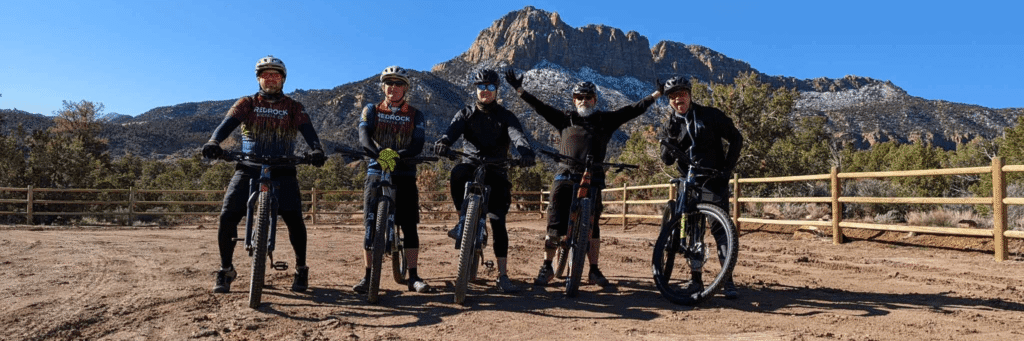
As riders increasingly focus on lightweight performance, custom lightweight MTB frames are changing the market landscape. OEM/ODM customization allows manufacturers to offer frames tailored to individual riding styles and terrain needs, finding the optimal balance between performance, comfort, and durability, while simultaneously driving the adoption of lightweight and high-performance frames and creating new business opportunities.
1: Value for Riders
Custom lightweight MTB frames offer riders truly personalized choices. Whether XC, Trail, or Enduro, every rider can get a lightweight design (lightweight MTB frame) that suits their body type, riding habits, and route requirements. Compared to universal frames, they offer significant improvements in climbing efficiency, handling agility, and off-road comfort, while also maintaining durability and torsional rigidity, benefiting both professional and amateur riders.
2: Business Opportunities for Brands and Manufacturers
OEM/ODM customization (lightweight mountain bike frames) opens up new markets for brands and manufacturers. Lightweight customization meets the needs of high-end users and also provides a pathway for emerging brands to quickly enter the MTB market. Through professional lay-up, tube-shape, and internal-routing optimization processes, manufacturers can provide bespoke frames while ensuring performance and durability, enhancing brand premium and competitiveness.
How to Choose the Right Lightweight Mountain Bike Frame
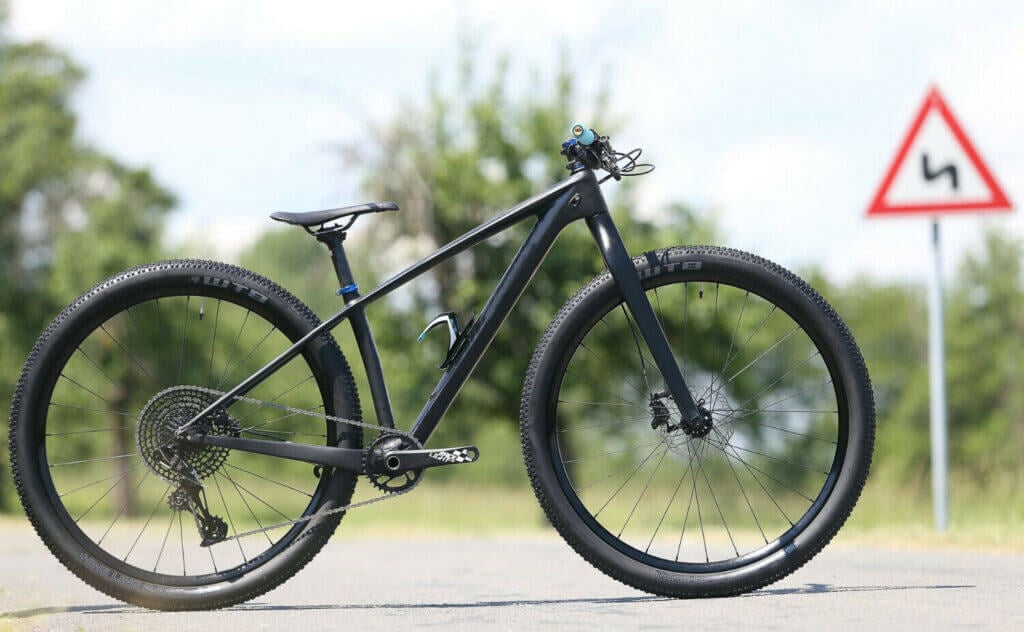
Choosing the right lightweight MTB frame not only affects riding efficiency but also directly impacts handling, comfort, and durability. Whether you’re prioritizing lightweight XC climbing performance or all-terrain enduro stability, you need to balance your riding style, frame geometry, material properties, and budget to ensure your lightweight mountain bike frame performs at its best in real-world conditions.
1: Choosing a Frame Based on Riding Style
Different riding styles demand different priorities in a lightweight mountain bike frame; the table below highlights key considerations for XC, Trail, and Enduro setups.
| Riding Style | Recommended Frame Type | Focus | Weight vs Strength | Notes |
|---|---|---|---|---|
| XC (Cross-Country) | Hardtail or Lightweight Full-Suspension | Climbing efficiency, acceleration | Prioritize lightest mtb frame | High stiffness required for pedaling efficiency |
| Trail / All-Mountain | Full-Suspension | Balanced performance, control | Balance weight and durability | Lay-up and tube-shape optimize handling and comfort |
| Enduro / Downhill | Full-Suspension | Stability, shock absorption | Strength prioritized over extreme lightness | Avoid over-reducing weight; ensure vibration damping |
When choosing a frame, prioritize the weight-to-strength trade-off to avoid sacrificing riding stability or safety for lighter weight.
2: Custom vs. Off-the-shelf Selection Guide
Advantages of Custom Frames: Through OEM/ODM customization, tube shape, internal routing, and layout can be optimized according to individual body size, riding style, and route preferences to achieve a truly lightweight MTB frame (custom lightweight MTB frame/lightest MTB frame).
Off-the-shelf Frame Cost-Effectiveness: Lightweight off-the-shelf frames are road-ready, with transparent pricing and reliable quality, but they lack the flexibility of custom frames in terms of geometry and performance.
In summary, riders should weigh the pros and cons between custom-made and ready-made options based on their personal riding habits, budget, and preference for lightweight design, while also considering handling, comfort, and durability.
Summary and Outlook
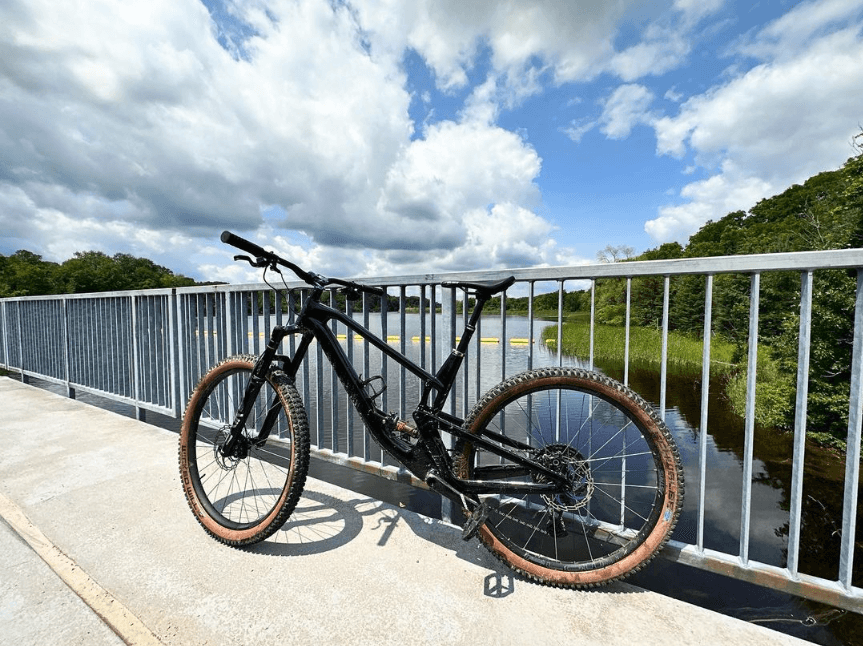
Lightweight MTB frames have evolved from simply reducing weight to a comprehensive design that balances strength, handling, and comfort. With optimized carbon fiber materials, upgraded lay-up technology, and innovative tube-shape technology, future lightweight MTB frames will excel in climbing efficiency, off-road stability, and shock absorption, while adapting to different riding styles (XC, Trail, Enduro).
1: Development Trends of Lightweight MTB Frames
Lightweighting is no longer just about reducing weight in numbers; it’s also reflected in materials science, geometry, internal routing, and lay-up optimization. In the future, OEMs/ODMs will use customized tube shaping and high-modulus carbon fiber lamination to achieve the lightest MTB frame while maintaining handling and durability.
2: The Long-Term Impact of OEM/ODM Customization on the Future MTB Market
OEM/ODM customization allows riders and smaller brands to quickly obtain personalized lightweight MTB frames, driving the market’s shift from standardization to customization, improving the riding experience, accelerating material and process iterations, and creating a differentiated competitive advantage for brands.
3: Reminding Riders to Pay Attention to Materials, Craftsmanship, and Safety
When pursuing lightweight MTB frames, it’s still necessary to pay attention to strength, fatigue life, and vibration comfort. Frames with appropriate carbon fiber grades, excellent lay-up processes, high-quality welding/bonding, and rigorous QC testing should be selected to ensure that lightweight design does not sacrifice safety and durability.
For personalized advice or to explore custom lightweight MTB frame options, feel free to contact HaideliBikes directly.