Skip to content


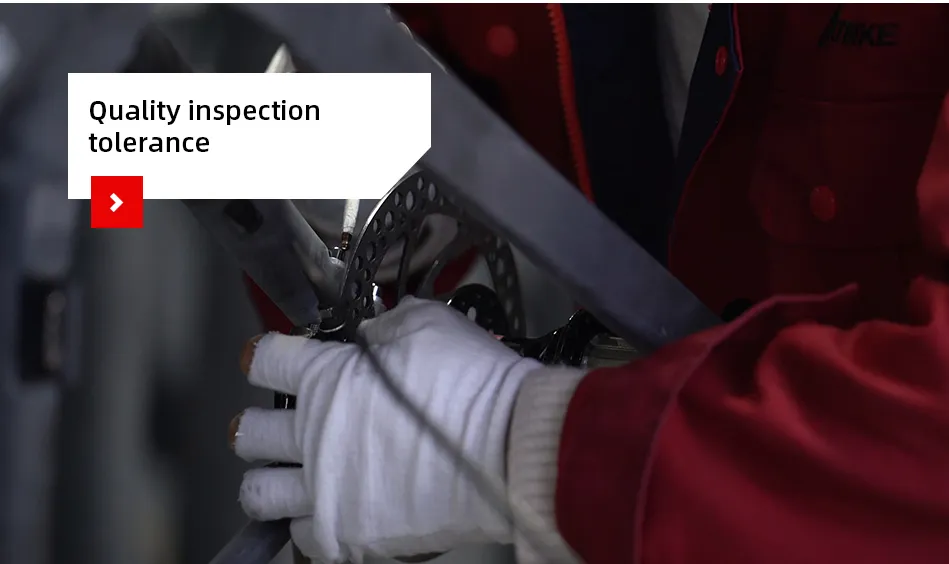
Frameset safety and performance depend on rigorous Carbon Bike Frame Quality Control. Success is dictated by pre-preg carbon fiber layup accuracy, EPS molding, and the resin curing process. Leading suppliers utilize fatigue testing, tensile strength testing, and ISO 4210 standards to guarantee batch consistency. Backed by third-party data and strict process monitoring, professional manufacturers provide the reliability essential for large-scale OEM orders and high-standard international markets.
The Hard Logic of Carbon Bike Frame Quality Assurance
A frame’s real-world reliability relies on the clinical execution of Carbon Bike Frame Quality Assurance (QA) and in-process quality control. From raw material auditing to resin curing, any variance ripples through the structure’s fatigue life. For OEM volume and bespoke branding, robust QC is the only way to anchor batch consistency and neutralize post-sale liabilities.
1.1: The Equilibrium: Balancing Lightweight and Strength
Chasing absolute weight-shaving often invites structural weakness and rigidity deficits. Professional manufacturers leverage advanced carbon fiber layering technique and monocoque frame construction to re-engineer stiffness distribution, ensuring a high-performance balance between mass and long-term durability.
1.2: Zero Tolerance: The Risks of Substandard QC
Systemic QC failures lead to delamination, resin inconsistency, or frame cracking risk, instantly vaporizing brand credibility. Batch consistency control, third-party lab verification, and final inspections are the non-negotiable pillars of OEM carbon frame reliability.
Hard Constraints: Key QC Nodes in Carbon Frame Production
High-performance reliability is anchored in every stage of production. Through rigorous Carbon Bike Frame Quality Assurance (QA), we ensure pre-preg carbon fiber, EPS tooling, and internal molding systems align perfectly with engineering specs while monitoring the resin curing process and monocoque integration. Systematic in-process QC and batch management neutralize risks like delamination, voids, and structural blind spots, ensuring mass-produced units hit Western market benchmarks and meet the stability demands of OEM partnerships.
2.1: Incoming Material Inspection (IQC): The Bedrock of Integrity
Raw material defines the structural ceiling. We audit prepregs, EPS materials, and molding systems to ensure resin uniformity and fiber orientation. This proactive vetting minimizes the risk of future cracking or adhesive failure at the source.
2.2: The Mechanics of Carbon Fiber Layering Technique
Leveraging monocoque frame construction and precision internal molding system protocols, every ply and the resin curing process are monitored to lock in the ideal balance of rigidity and weight-shaving.
2.3: In-process Quality Control (IPQC): Securing Batch Consistency
On the line, dedicated teams focus on identifying voids in carbon fiber, bonding failure prevention, and batch consistency control. This real-time oversight ensures that every frameset exiting the facility survives its structural durability and performance benchmarks.
The Verification Loop: Carbon Frame Inspection Protocols
Reliability is forged through systematic verification. By integrating sample validation, structural stress testing, and final OQC, we ensure every batch aligns with the Carbon Frame Quality Verification Process, ISO 4210, and third-party lab benchmarks. This rigorous oversight neutralizes risks of delamination, bonding failure, and structural weakness, providing elite OEM projects with a locked-in quality floor.
3.1: Sample Validation & Pre-production Approval
Before mass-production, we conduct a granular audit of pre-production samples. This involves verifying layup orientation, resin curing density, and EPS tooling precision to ensure the physical chassis is a 1:1 manifestation of the engineering blueprint.
3.2: Carbon Frame Structural Assessment
Utilizing tensile strength testing, stiffness testing, and fatigue testing, we push the frameset to its mechanical limits. Combined with the impact resistance test, this stage detects voids in carbon fiber or latent cracks, ensuring performance exceeds international safety standards.
3.3: Final Quality Inspection (FQC)
The FQC stage is the final barrier for cosmetic integrity, geometric tolerances, and internal structural consistency, ensuring every unit hits the Carbon Frame Inspection & Testing specs.
3.4: Outgoing Quality Control (OQC)
OQC executes final batch audits and random sampling before shipping. Linked to our traceability system, it guarantees that OEM partners receive orders that fully satisfy the Carbon Bike Frame Quality Assurance (QA) delivery standards.
The Importance of International Standards and Certification
Premium carbon frames rely on more than internal Carbon Bike Frame Quality Control; they require international certification. Rigorous fatigue testing, stiffness testing, and impact resistance test protocols ensure bulk order quality consistency, minimizing risks of delamination or resin instability. This provides the reliability essential for Western brands and mass distribution.
4.1: ISO 4210 Safety Standards
ISO 4210 is the definitive global benchmark for strength, fatigue, and impact. It is the core framework for any professional Carbon Frame Quality Verification Process, ensuring every frame meets international safety mandates.
4.2: EN Certification and Compliance
EN certification validates structural integrity and durability for the European market. It confirms that production frames exceed the frame durability test and tensile requirements, helping brands meet local regulatory standards.
4.3: Third-party Lab Testing and Risk Control
Independent lab audits for tensile strength and fatigue provide objective data. This allows wholesalers to manage the quality risks of carbon frame inspection & testing with total confidence during high-volume OEM procurement.
4.4: Securing Bulk Order Quality Consistency
Integrating pre-production approval, batch consistency, and traceability ensures performance remains stable across the line. This approach eliminates cracking risks and structural weaknesses, meeting the aggressive reliability demands of premium OEM partners.
Vetting Logic: How to Select a Reliable Carbon Frame Manufacturer
Selecting a supplier is about auditing their Carbon Bike Frame Quality Control—the only true anchor for batch consistency and brand reputation. Professional manufacturers must operate with closed-loop in-process quality control and rigorous pre-production sample approval protocols. Clear traceability and third-party validation are the prerequisites for securing structural integrity in high-volume OEM projects.
5.1: The Core Audit: Carbon Bike Frame Factory Audit Depth
A systematic Carbon Bike Frame Factory Audit must scrutinize the maturity of monocoque frame construction techniques. Focus on IQC, fiber layup orientation, EPS tooling precision, and curing cycles. These variables dictate whether the production line can hit international standards without variance.
5.2: Risk Mitigation: The Strategic Value of a Quality Traceability System
A robust Quality Traceability System archives every phase from raw fiber to final inspection. This allows brands to pull carbon frame inspection & testing records at will, identifying delamination or structural blind spots before they reach the market, ensuring long-term batch stability.
5.3: The Partnership Advantage: Leveraging a Reliable Carbon Frame Manufacturer
Partnering with a Reliable Carbon Frame Manufacturer grants access to a battle-tested OEM carbon bike frame quality control ecosystem. For Western brands, this translates to predictable lead times, verifiable data, and high-performance chassis that exceed ISO 4210 and EN benchmarks.
Hard Constraints: Why Carbon Bike Frame Quality Control Defines Survival
A carbon frameset’s real-world reliability and safety margins are anchored in aggressive Carbon Bike Frame Quality Control. Utilizing carbon frame inspection & testing, fatigue and impact protocols, and a rigorous traceability system, we lock in OEM-grade batch consistency. This level of oversight neutralizes risks of delamination, voids, and resin instability at the source, securing the structural certainty required for elite performance delivery and brand reputation.