Skip to content


Many riders struggle when choosing a carbon gravel bike frameset—especially when deciding whether it’s worth buying directly from a Chinese factory. The price looks great, the weight is usually lower, and the customization options are far more flexible. But at the same time, questions about durability and long-term reliability naturally come up. On rough terrain and high-frequency vibration surfaces, the structural stability, BB stiffness, layup quality, and fatigue life of a gravel bike frameset are critical performance indicators that you simply can’t ignore.
According to data from CyclingTips (source: CyclingTips independent frame strength review), the performance gap between carbon frames of the same material grade can vary by as much as 18% in impact and fatigue testing. Interestingly, some China-made carbon gravel framesets actually achieve higher cycle counts in ISO 4210 fatigue tests—a topic frequently discussed by riders on Reddit’s r/bikewrench community. As many U.S. bike shop mechanics like to say: “The trail never lies.” Real-world gravel riding exposes the truth about a frame’s construction.
Because of this, more riders are now paying close attention to infrared scanning, BB stiffness testing, resin-control processes, and other quality-control steps that top factories use. For riders looking for lighter builds, better pricing, and more freedom in specs—such as 700x45C clearance—a China-made gravel frameset has increasingly become a practical and appealing option.
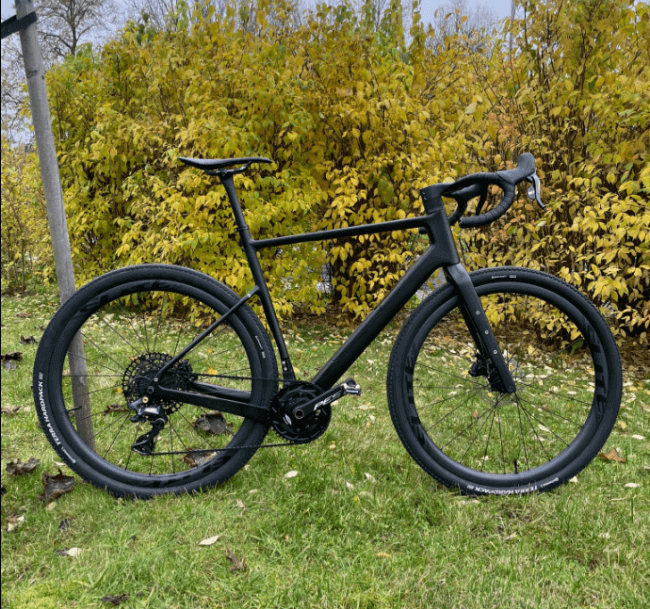
Why Are More Riders Considering Carbon Gravel Bike Framesets from China?
With gravel riding pushing bikes harder than ever, many cyclists are reassessing cost, weight, and durability. Chinese manufacturers have quickly improved in producing carbon gravel bike framesets and gravel framesets, leading to frequent discussions on Reddit and BikeRadar. As riders question high brand premiums and look for real performance, interest in Chinese-made options continues to grow.
1.1: Price Difference — Global Brands vs. Factory-Direct China
Cost remains the biggest driver. Major brands carry heavy marketing and dealer markups, often pricing a similar carbon gravel frameset at 2–4× more. Factory-direct Chinese frames cut out the middlemen, offering comparable carbon grades (T700/T800) and QC at a significantly lower price. Searches like affordable carbon gravel bike frameset reflect this demand.
1.2: Weight Performance — Are Chinese Frames Lighter?
Many riders report that some Chinese gravel framesets are 30–80g lighter due to flexible layup schedules and efficient resin control. Terms like lightweight carbon gravel frameset continue to trend because weight savings matter for climbing, long-distance gravel, and bikepacking.
1.3: More Design Options (Tire Clearance, BB Standards, Internal Routing)
Chinese factories offer greater design flexibility—such as 700x50C clearance, T47/BSA/BB86 BB choices, and full internal routing. As U.S. builders say, “More options, more fun.” Riders who enjoy custom builds or want specific configurations often find Chinese carbon gravel framesets more adaptable to their needs.
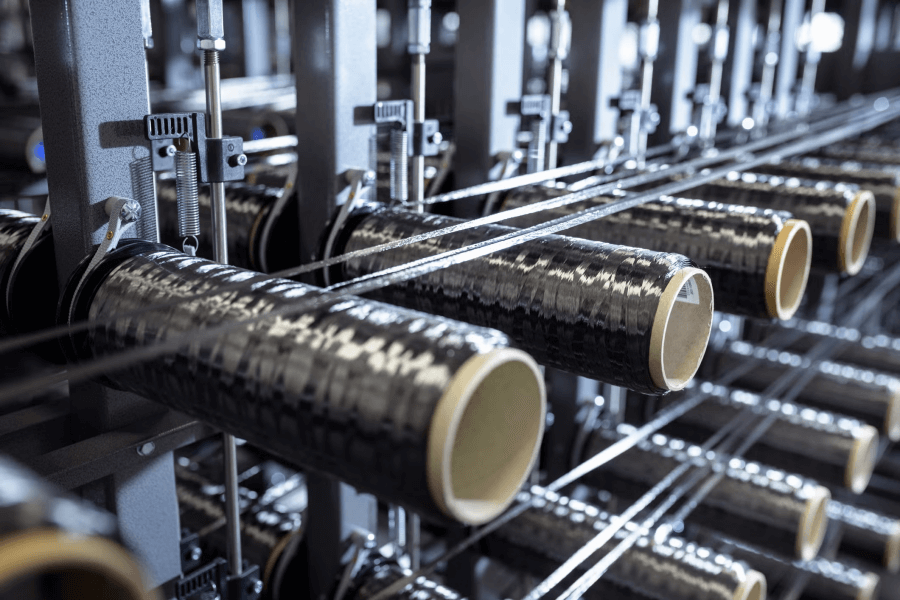

The Real Quality of China-Made Carbon Gravel Bike Framesets: An Inside Look at Manufacturing Processes
Many riders question the actual quality of Chinese carbon gravel framesets. Understanding the factory production workflow and key quality control steps helps evaluate structural reliability, durability, and overall value. The following analysis covers materials, inspections, strength, and craftsmanship, giving riders a clearer picture of what to expect from a Chinese gravel frameset.
3.1: Carbon Fiber Grades: Does T700, T800, or Toray Really Matter?
The carbon fiber grade directly affects strength, stiffness, and weight. T700 is sufficient for most endurance or gravel framesets, while T800 or higher is used for high-stiffness, lightweight models. Toray carbon is highly reliable, but performance depends on layup schedules and resin control. Many riders searching for carbon gravel frameset lightweight & strong are primarily concerned with material combinations and real-world ride performance.
3.2: How High-End Factories Use Infrared (IR) Scanning to Detect Hidden Cracks
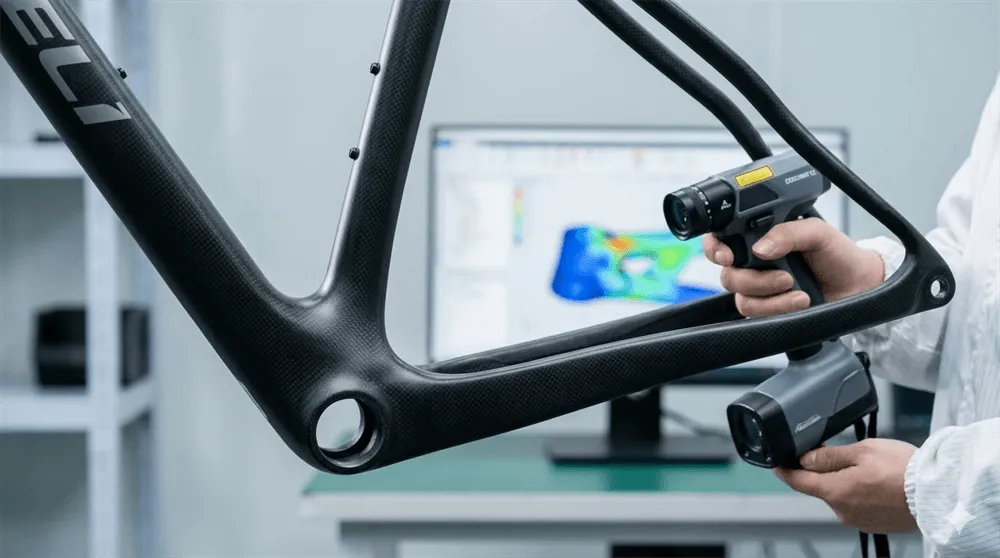
Infrared scanning detects internal micro-cracks and uneven resin distribution—issues invisible to the naked eye. Factories usually focus IR QC on high-stress areas like the bottom bracket, head tube, and chainstays. U.S. and EU riders often call this process “X-ray for carbon,” ensuring every gravel frameset leaves the factory meeting safety standards.
3.3: Bottom Bracket (BB) Stiffness Test and Its Importance for Gravel Framesets
BB stiffness directly impacts pedaling efficiency and power transfer, crucial for long-distance gravel rides or bikepacking. The BB Stiffness Test measures lateral torsion and bending resistance to ensure the carbon gravel bike frameset can handle high-power pedaling and rough trails without excessive flex or structural fatigue.
3.4: Fatigue Testing Standards (ISO / EN) and How They Compare to Brand Frames
Standards like ISO 4210 and EN 14781 gauge long-term frame durability, and this is exactly why professional quality inspection matters in carbon bike manufacturing. Leading Chinese factories can meet or even exceed the cycle counts of international brands, especially for gravel-specific vibration and impact loads. Long-tail searches like tested carbon gravel frameset durability reflect riders’ interest in frames that are worth the investment.
3.5: Molds, Layup, Oven Cure, and Consolidation: Critical Quality Details You Can’t See
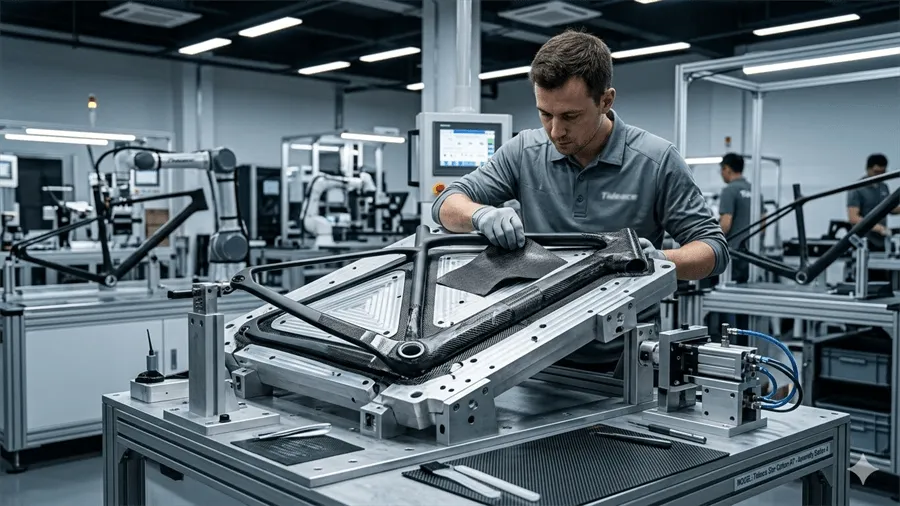
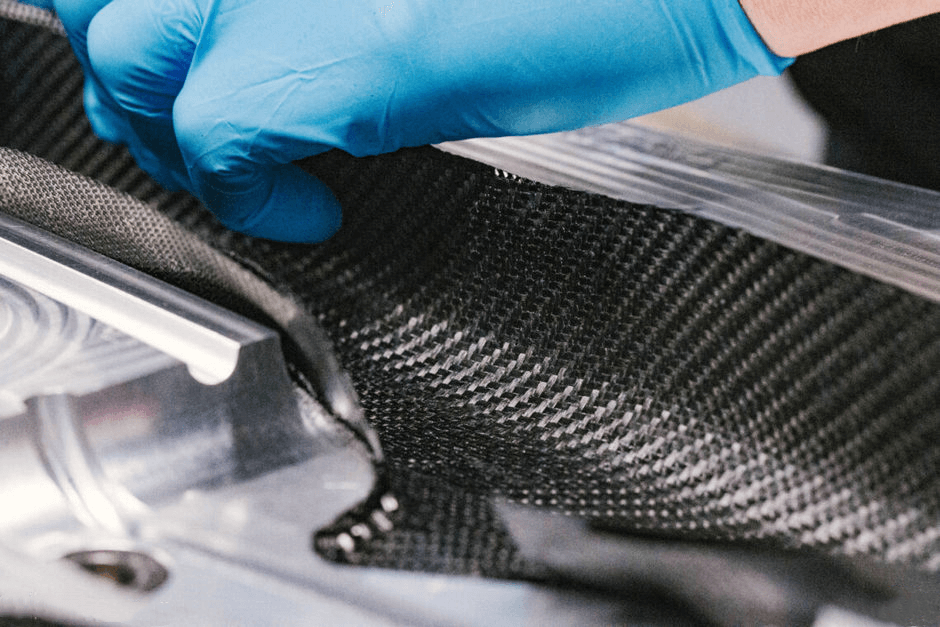
Mold precision, carbon layup sequence, vacuum bagging, and oven curing temperature and time all directly affect frame stiffness and fatigue life. Riders often refer to “layup schedule” or “oven cure consistency” to describe these invisible but performance-defining steps, which distinguish top-tier carbon gravel framesets from lower-end products.
Head-to-Head Comparison: International Brand Gravel Framesets vs. Chinese Gravel Bike Framesets
When considering a gravel frameset, many riders hesitate between well-known international brands and Chinese manufacturers. To help make an informed choice, this comparison looks at price, weight, durability, and design innovation, while incorporating long-tail keywords like affordable carbon gravel frameset and lightweight gravel bike frameset.
| Category | International Brand Gravel Frameset | China Manufacturer Gravel Bike Frameset |
|---|---|---|
| Price Range | $1,500–$3,500+ | $450–$900 (factory direct) |
| Weight | Standard weight; some ultra-light models | Often 30–80g lighter with optimized layup |
| Material | Toray T700/T800, proprietary blends | Toray T700/T800, similar-grade carbon |
| Durability Testing | Full ISO/EN testing; brand-controlled labs | ISO/EN testing; some factories provide fatigue reports |
| Design Updates | Slower iteration cycles | Faster updates, more flexibility in geometry |
| Customization | Limited to brand colors | Full custom paint, routing options, accessories |
| After-Sales Support | Strong, local dealer network | Depends on supplier; varies by factory |
| Brand Value | High resale value, strong reputation | Lower resale value, less brand prestige |
4.1: Price Comparison — Why the Gap Can Be 2–4×
International brands carry heavy marketing, distribution, and licensing costs, which can make a similar-spec carbon gravel frameset 2–4 times more expensive. Chinese factory-direct models reduce middlemen, allowing riders to access comparable materials, molds, and QC processes at a fraction of the cost. This explains why searches for affordable carbon gravel bike frameset remain highly popular.
4.2: Weight Comparison — Are Chinese Frames Really Lighter?
Some Chinese gravel framesets achieve weight savings through optimized layup schedules, precise resin control, and mold accuracy. Real-world comparisons show certain models can be 30–80g lighter than international brands. For long-distance gravel, climbing, or bikepacking, this weight difference directly impacts ride efficiency, which is why lightweight carbon gravel frameset is a frequently searched long-tail keyword.
4.3: Durability & Testing — Are They Really Inferior?
Many riders worry about the strength of Chinese carbon gravel framesets, but leading factories can meet ISO 4210 or EN fatigue testing standards, and some even exceed international brand requirements in cycle counts. Discussions on Reddit and BikeRadar confirm that with proper QC and test reports, Chinese frames perform comparably in real-world rides.
4.4: Design Innovation — Some Chinese Brands Iterate Faster
Chinese manufacturers have a flexible R&D and production workflow, allowing them to respond quickly to new gravel trends—wider tire clearance (700x50C, 650B), multiple BB options, and integrated internal routing. U.S. and EU riders often refer to this as “faster iteration,” and it enables some Chinese gravel bike framesets to offer features that better match modern gravel riding demands than traditional brands.
Who Should Consider Buying a Chinese Carbon Gravel Bike Frameset?
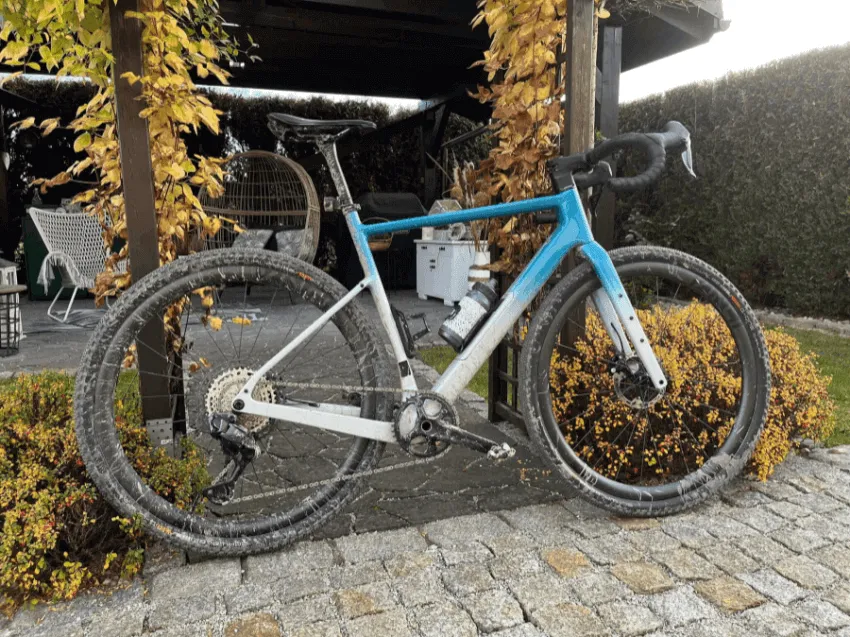
Chinese carbon gravel bike framesets are known for their high value, lightweight construction, and flexible customization—but they’re not for everyone. Understanding the target rider profile helps determine if a factory-direct gravel frameset is the right choice, while also aligning with long-tail keywords like affordable carbon gravel frameset and custom gravel bike frameset.
5.1: Budget-Conscious Riders Seeking Lightweight Builds
For riders chasing lightweight performance on a limited budget, Chinese gravel framesets offer an ideal solution. Factory-direct production and optimized layup schedules allow users to get a lightweight carbon gravel frameset without paying brand premiums. Perfect for long-distance gravel, climbing, or bikepacking enthusiasts.
5.2: Riders Who Love Personalized Paint or Custom Builds
DIY enthusiasts or those seeking unique aesthetics can take advantage of Chinese factory customization, including paint, internal cable routing, and special frame specs. Custom gravel bike frameset is a popular search term reflecting this demand. Flexible design and rapid iteration make it possible to create a frame that matches individual style.
5.3: Value-Oriented Riders Willing to Learn a Bit
Some riders aim to balance cost and performance and are willing to review QC reports, material specs, and shipping details. Choosing a Chinese carbon gravel frameset with ISO/EN certifications and fatigue test reports allows these riders to achieve reliable performance at a lower cost, representing the typical value-for-money gravel bike frame segment.
5.4: Riders Who Prioritize Performance Over Brand Premium
Certain cyclists care more about riding experience than brand prestige. They prioritize frame stiffness, weight, durability, and spec compatibility. Chinese gravel framesets offer multiple BB standards, wide tire clearance, and lightweight design, providing a cost-effective option that meets the needs of performance-focused riders.

How to Reduce the Risks of Buying a Chinese Gravel Frameset (Factory Tips)
Buying a Chinese gravel frameset offers great value, but cross-border purchases come with uncertainties in quality, shipping, and after-sales support. Understanding factory processes and verifying platform information are key to minimizing risk. The following tips, incorporating long-tail keywords like reliable carbon gravel frameset supplier and factory QC gravel frameset, help riders make safer choices.
6.1: Choose Suppliers with IR Scanning and Complete QC Processes
Top factories use infrared scanning (IR scan), ultrasonic testing, and BB stiffness tests on critical areas to ensure each carbon gravel frameset is free of hidden cracks and has uniform layup. Selecting a supplier with a full QC process is the first step in mitigating material and manufacturing risks.
6.2: Review Factory Fatigue Test Records or QC Reports
ISO 4210 or EN 14781 fatigue testing data provide reliable insight into long-term frame durability. Requesting full test reports or cycle-test documentation before purchase helps determine if a gravel bike frameset can withstand gravel, long-distance, or high-frequency riding.
6.3: Prioritize Suppliers with Stable After-Sales and Transparent Shipping
Cross-border logistics and warranty support are major concerns. Choosing suppliers with shipment tracking, clear return/exchange policies, and U.S. or EU warehouse support reduces the risk of damage and disputes.
6.4: How to Identify Genuine Reviews on Taobao/AliExpress
When selecting a frameset on these platforms, don’t rely solely on 5-star ratings. Analyze review content, delivery photos, seller history, and complaint records to verify authentic reviews of carbon gravel framesets and avoid being misled by fake feedback.

Final Verdict: Is Buying a Carbon Gravel Bike Frameset from China Worth It?
Chinese carbon gravel bike framesets offer strong advantages in price, weight, customization, and performance, with manageable risks. Choosing factories with full QC, IR scanning, fatigue reports, and reliable after-sales reduces quality and shipping concerns.
Value-wise, Chinese frames provide the same-grade carbon and craftsmanship at a fraction of international brand costs, making them ideal for riders seeking an affordable carbon gravel bike frameset. Optimized layup schedules can make some models 30–80g lighter, benefiting long-distance gravel or climbing rides.
These frames suit budget-conscious riders, custom-build enthusiasts, value-focused users, and performance-prioritized cyclists. Riders who prioritize brand prestige, ultra-lightweight race setups, or zero cross-border risk may prefer established brands.
For most riders looking for performance, lightness, and value, a Chinese gravel bike frameset is a practical, worthwhile option. If you’d like expert guidance or factory recommendations, feel free to contact us anytime.