Skip to content


When you first eye a sleek carbon frame labeled as a 29er MTB frame, it’s not just marketing hype — there’s real engineering and trail-tested advantage behind that name. In Mountain Bike Frame Guide, we’ll break down why a properly built 29er mountain bike frame combines larger wheel diameter, optimized geometry, and better rollover capability, so that once you get rolling, the momentum carries you across rocks, roots, and rough terrain with less effort than a 26- or 27.5-inch setup.
Recent trail-tests show that 29-inch wheel bikes can be about 2–3% faster over mixed terrain compared with traditional 26ers — with improved traction and smoother obstacle clearance making technical climbs and loose gravel descents feel less sketchy.
For many riders, the shift from a “hard-tail 26er” to a “full-sized 29er MTB frame” becomes a noticeable upgrade in both comfort and confidence on the trail.

What is a 29er MTB Frame? Why is it becoming increasingly popular in mountain biking?
If you follow off-road mountain biking or trail riding, you’ve likely encountered the concept of a “29er MTB frame.” Compared to traditional 26-inch or 27.5-inch frames, a 29er mountain bike frame, with its larger wheel diameter and optimized geometry, offers smoother obstacle crossing and greater high-speed stability. Whether for XC, AM, or Enduro riding, the design of a 29er MTB frame prioritizes grip, climbing efficiency, and descent safety, resulting in a more confident and comfortable riding experience. Below, we’ll analyze the advantages of the 29er MTB frame in detail, covering its definition, structural differences, and practical applications.
1: Basic Definition and Characteristics of a 29er Mountain Bike Frame
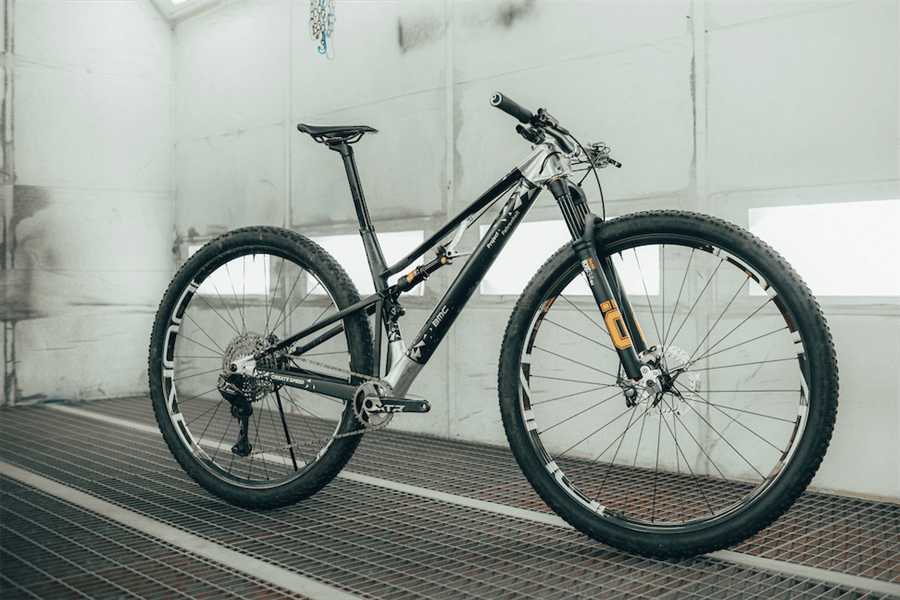
A 29er MTB frame refers to a mountain bike frame specifically designed for 29-inch wheelsets. Compared to smaller wheel diameter frames, it typically features: A longer wheelbase: Improved straight-line stability and high-speed descent control.
- Optimized head tube and seat tube angles (HTA/STA): Ensures agile handling while improving climbing efficiency.
- Enhanced rollover capability: Larger wheel diameter allows for easy traversal of obstacles such as rocks and tree roots, reducing hang-ups.
- Compatible with hardtail and full suspension designs (29er hardtail frame / full suspension 29er): Available in XC, Trail, or AM versions to suit different riding styles.
These features make the 29er mountain bike frame suitable not only for beginners but also for experienced riders using it for long-distance, technical routes, and high-speed downhill training.
2: Structural differences between the frame mtb 29er and traditional sizes (rigidity, wheel diameter, geometry)
Compared to 26-inch and 27.5-inch frames, the frame mtb 29er differs significantly in the following aspects:
- Wheel diameter and rolling efficiency: 29-inch wheels provide a smoother roll over obstacles, with greater inertia, reducing fatigue from frequent braking and repetitive pedaling.
- Frame Stiffness: To match the larger wheel diameter, 29er frames typically feature thicker carbon fiber layup in the downtube and triangle areas, improving torsional and climbing stiffness.
- Geometric Optimization: A slightly flatter headtube angle (65–67°) enhances downhill stability, while a slightly steeper seattube angle (73–75°) optimizes pedaling efficiency while maintaining handling.
Through these designs, the 29er MTB frame offers a more comfortable, efficient, and confident riding experience on XC, Trail, or Enduro tracks compared to frames with conventional wheel diameters.
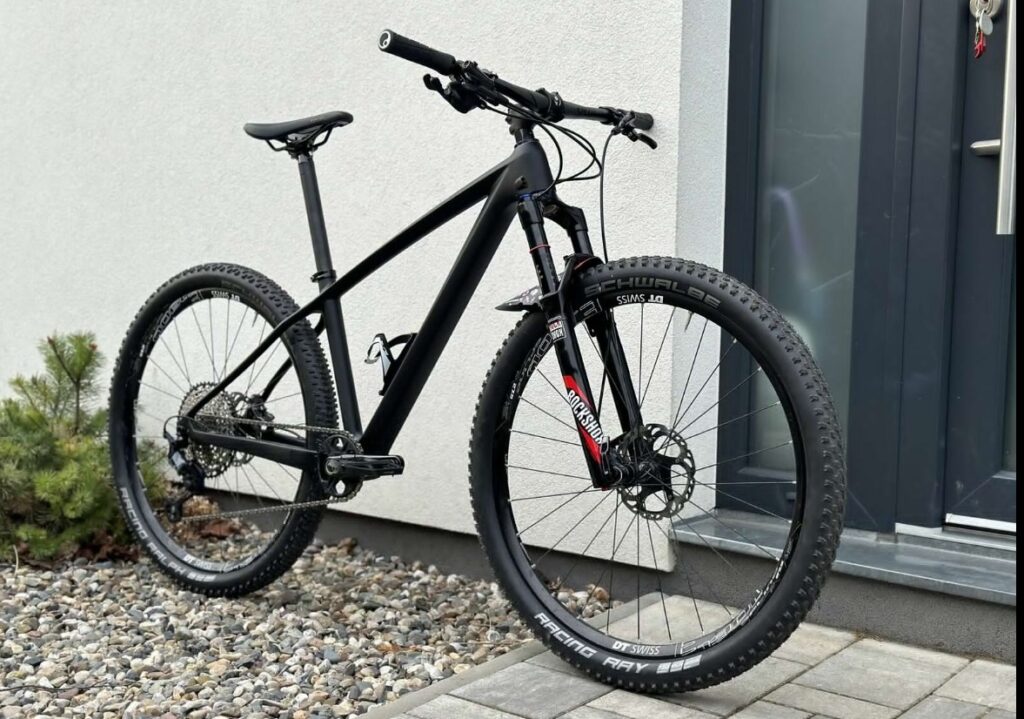
3: Why are 29er frames becoming mainstream on off-road and Trail routes?
- Stability and Grip: Larger wheel diameters provide a larger contact area, making it easier to control the bike on loose gravels or wet, cobblestone sections.
- Obstacle Clearance: The rollover design of the 29er mountain bike frame reduces wheel jamming and scraping.
- Confident Downhill Performance: The long wheelbase and optimized HTA provide riders with greater stability on steep inclines and high-speed corners.
- High Versatility: Whether for XC, Trail, AM, or Enduro, the 29er frame easily accommodates different suspension systems and tire specifications, reducing the cost of frequent frame replacements.
Overall, the 29er MTB frame is designed to allow riders to “roll-over like a tank, ride-light like a trail bike,” balancing power, handling, and comfort—exactly the experience modern European and American mountain bike riders seek.
Key Differences Between Three Mainstream Wheel Sizes: 26, 27.5, and 29-inch MTB Frames
Choosing the right wheel size is key to enhancing your mountain biking experience. Different wheel sizes for 29-inch, 27.5-inch, or 26-inch MTB frames offer significant differences in rollability, handling agility, and downhill stability. Understanding the engineering characteristics and performance of each size can help you make more precise choices on off-road, trail, or enduro routes, avoiding common pitfalls like “carve not opening” or “bottoming out.” Below, we analyze the advantages and limitations of each size in detail.
| Wheel Size | Key Advantages | Suitable Trails | Rollover Efficiency | Stability | Rider Level |
|---|---|---|---|---|---|
| 26″ | Agile, lightweight | Narrow/technical trails | Low | Medium | Beginners/Technical Riders |
| 27.5″ | Balanced control & speed | Mixed trails | Medium | Medium-High | Intermediate Riders |
| 29″ | Smooth rollover, high traction | XC, Trail, AM, Enduro | High | High | Intermediate to Advanced Riders |
1: Advantages and Limitations of the 26-inch Frame (Agile but Insufficient Cushioning)
The 26-inch MTB frame was once a mainstream choice for mountain bikes, characterized by:
- High agility (quick handling): Short wheelbase and compact geometry allow riders to react quickly on tight technical lines and in sharp corners.
- Lightweight feel: Smaller wheel diameters put less stress on carbon fiber layups, making the hardtail 26er frame easier to control.
- Disadvantages: Weaker obstacle crossing ability, limited roll-over capability, prone to wheel jamming or stalling when encountering large rocks or baseboards, and higher fatigue on long rides.
For riders who prefer fast, agile handling for short trails or single-day XC rides, the 26er still has its value, but it struggles slightly on long distances, loose gravel, or technical downhill.
2: Balanced performance of a 27.5-inch frame (midpoint of speed × handling)
The 27.5-inch MTB frame, also known as the 650B, is a compromise between small and large wheel diameters:
- Balanced agility & rollover: Balances agility and obstacle crossing ability.
- Versatile trail handling: Performs well across XC, AM, and Trail riding, suitable for most intermediate riders.
- Limitations: For extremely technical routes or high-speed descents, stability is slightly lower than the 29er; climbing efficiency is not as good as the 29er’s larger wheel diameter frame.
The 27.5 MTB frame is typically designed with a moderate reach and stack, meeting most daily riding needs while reducing the burden of frame changes.
3: Advantages of the 29er MTB frame (obstacle clearance, stability, traction)
The 29er MTB frame is a popular choice for current off-road and trail riding, with advantages including:
- Superior rollover/obstacle clearance: The large wheel diameter easily traverses rocks, tree roots, and loose gravel.
- High-speed stability: The long wheelbase and optimized HTA improve descent control and cornering confidence.
- Excellent traction and grip: The large wheel contact area provides more reliable grip and improved climbing efficiency.
- Widely applicable: Whether for XC, Trail, or Enduro, the 29er mountain bike frame is compatible with both full-suspension and hardtail designs, offering high flexibility.
Especially for beginners or heavier riders (90kg+), the 29er hardtail frame provides a more comfortable off-road experience and reduces technical errors.
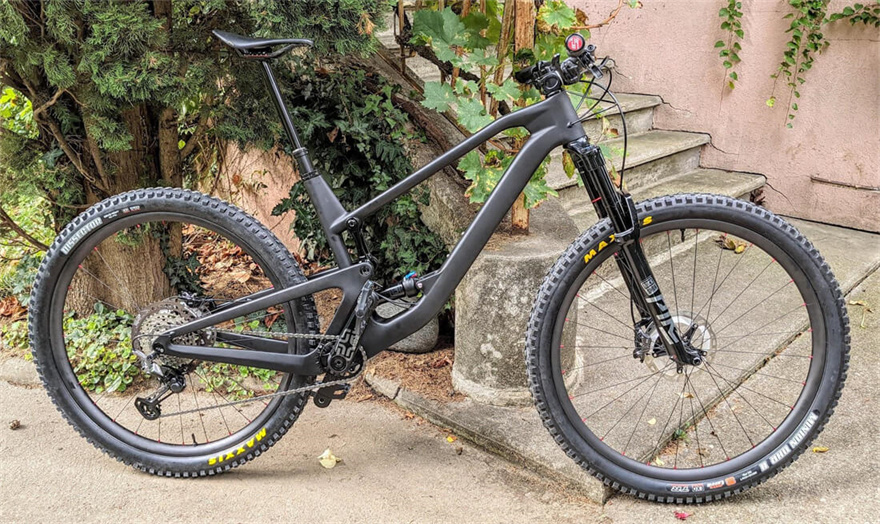
4: Real-world differences between different sizes in climbing, descent, obstacle crossing, and cornering
- Climbing: 29er improves pedaling efficiency and stability; 26er is agile but prone to front wheel lift; 27.5 is moderate.
- Descent: 29er offers high-speed straight-line stability; 26er is agile but causes more vibration; 27.5 provides moderate balance.
- Rollover: 29er easily traverses rocks and loose gravels; 27.5 is relatively easy to handle; 26er is prone to wheel slippage.
- Cornering/carve: 26er is fast in corners but slightly unstable at high speeds; 27.5 is moderately stable; 29er offers high stability, but beginners may find it a bit slower in corners.
Through these comparisons, riders can choose the most suitable frame size based on their body type, riding style, and route type, fully realizing the potential of a mountain bike 29er frame or other wheel sizes.
The Core Advantages and Engineering Principles of the 29er Mountain Bike Frame
Transition: The 29er MTB frame is more than just a larger wheel diameter; its design involves engineering geometry, carbon fiber layup, and riding dynamics. Whether you ride XC, Trail, or Enduro, understanding the core advantages and underlying engineering principles of the 29er mountain bike frame will help you determine if a frame truly meets your riding needs when purchasing one. Next, we’ll analyze it in detail from four aspects: roll-over efficiency, wheelbase geometry, technical line performance, and beginner-friendly design.
1: Roll-over Efficiency from a Larger Wheel Diameter
29-inch wheelsets are better at traversing rocks, tree roots, and loose gravel compared to 26/27.5-inch wheelsets, reducing hang-ups and bounces. The larger wheel diameter increases the contact patch and inertia, making the ride smoother, especially on loose trails or technical climbs where effort is less required. A high-quality 29er MTB frame optimizes wheelbase placement in the fork and rear suspension geometry to maximize rollover efficiency, thereby improving climbing performance and off-road stability.
2: Straight-line Stability and High-Speed Confidence from Long Wheelbase Geometry
29er mountain bike frames typically feature a longer wheelbase, resulting in enhanced straight-line stability. The slightly flatter HTA (head tube angle) and slightly steeper STA (seat tube angle) geometry balances downhill stability and pedaling efficiency. The advantages of a long wheelbase are particularly noticeable on high-speed downhill sections, fast corners, and loose gravels, giving riders more confidence to “corner without crashing”—what many experienced riders refer to as “tank-like stability.”
3: Performance of the 29er Mountain Bike Frame on Technical Roads
Technical routes demand high-quality wheelbase and frame geometry. The 29er MTB frame performs exceptionally well on rock gardens, rooty climbs, or steep switchbacks. Larger wheel diameters reduce frequent wheel jamming, and the rear chainstay design and suspension layout of the 29er MTB frame effectively disperse impact, improving traction and shock absorption. Combined with high-stiffness carbon fiber layup, the frame remains stable during heavy braking, climbing, and fast cornering, reducing rider fatigue.
4: Why are 29er frames more beginner-friendly? (Fault tolerance, comfort)
The combination of larger wheel diameters and rollover efficiency makes the 29er mountain bike frame more forgiving for beginners: less prone to wheel jamming, chain slippage, or rollovers. A longer wheelbase and optimized HTA improve straight-line stability, allowing riders to more easily control speed and direction. Furthermore, the well-designed suspension layout of full-suspension or hardtail 29er frames makes long trail or XC rides more comfortable, reducing vibration load on the shoulders and wrists, making it especially suitable for beginners who want to quickly get started but still pursue performance.
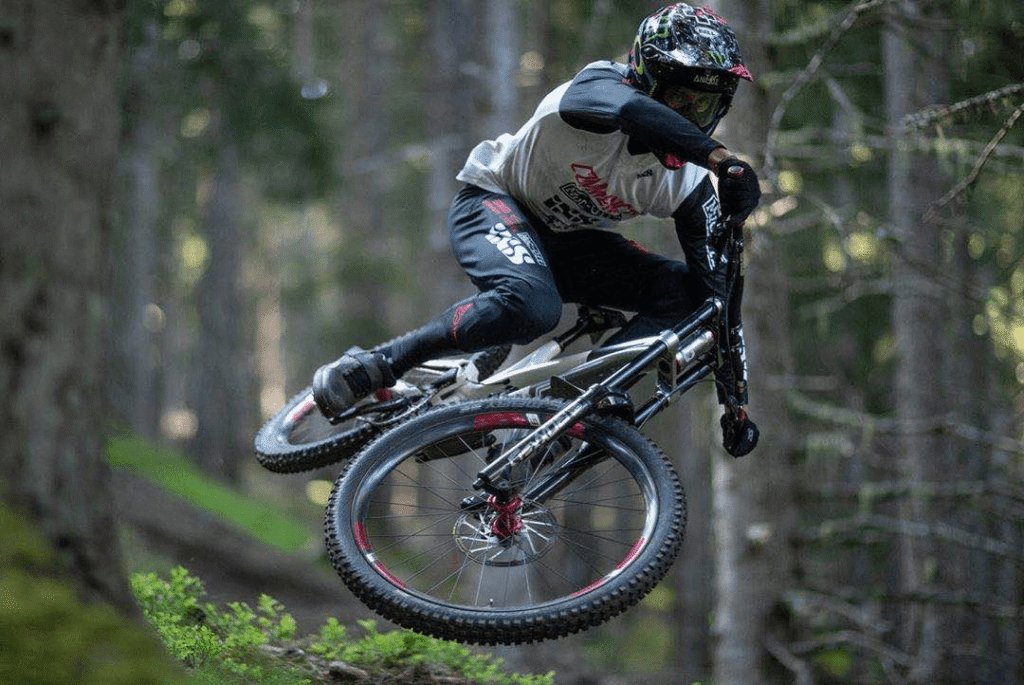
29er Hardtail Frame vs. Full Suspension 29er: A Selection Guide
When choosing a 29er MTB frame, hardtail and full suspension represent two different design philosophies. Hardtails are lightweight and efficient, suitable for fast climbing and XC; full suspension emphasizes grip, downhill stability, and long-distance comfort. Understanding the differences in structure and riding experience will help you match your riding style.
1: Advantages of a 29er Hardtail Frame (Lightweight, Efficient, Easy to Maintain)
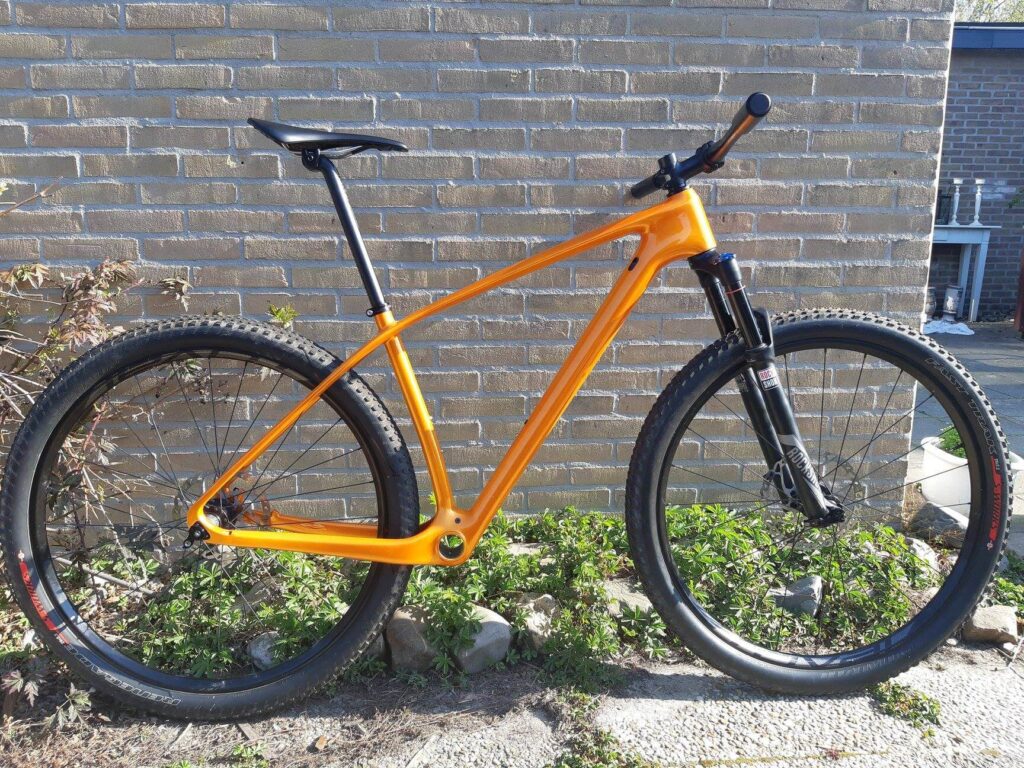
Hardtail 29er MTB frames are typically 500–800 grams lighter than full suspension frames, offering high climbing efficiency with pedaling energy delivered directly to the rear wheel, making them suitable for XC and fast trail riding. Their simple structure and easy maintenance, eliminating concerns about shock bearing maintenance, make them a top choice for many trail shredders and training riders. Hardtail MTB frames also facilitate upgrades to wheelsets, carbon forks, or drivetrain components.
2: Advantages of the Full-Suspension 29er (Grip, Downhill, Long-Distance Comfort)
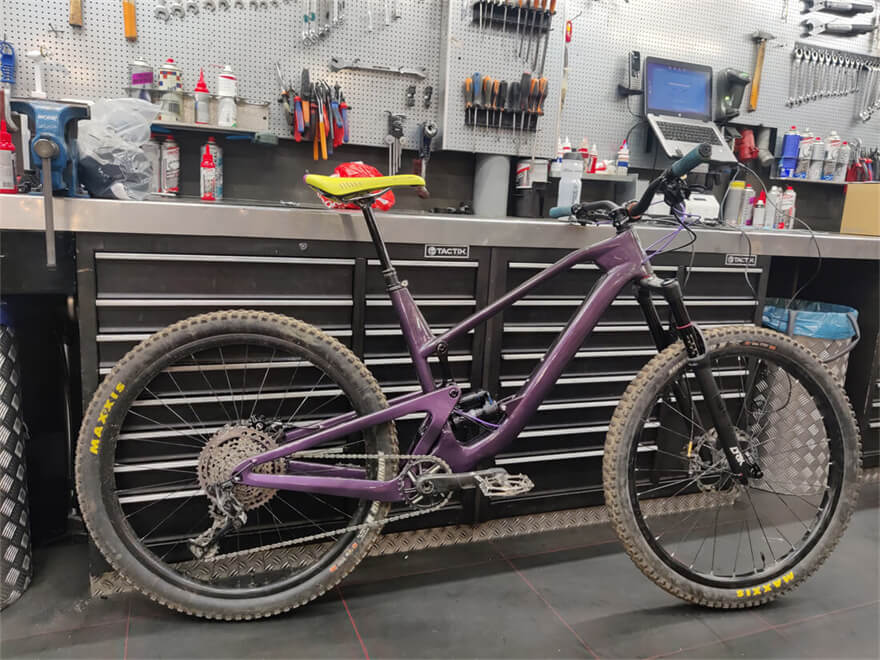
The full-suspension 29er mountain bike frame achieves excellent traction and rollover capabilities through a combination of rear suspension and large-diameter wheels. It effectively absorbs shocks and reduces fatigue on technical downhills, rooty, or rocky trails. On long trails or AM rides, full suspension enhances comfort, allowing the rider to focus on handling and speed. High-end versions feature boost specifications and optimized carbon fiber layup, balancing stiffness and lightweight.
3: Which is suitable for beginners? Which is suitable for off-road, high-speed, AM/Trail rides?
- Beginners: The hardtail 29er hardtail frame is lightweight, easy to handle, and requires low maintenance, suitable for XC and light trails.
- Off-road/High-speed: The full-suspension 29er mountain bike frame provides greater grip and downhill confidence, suitable for AM or Enduro routes.
- Long-Distance Rides: Full suspension reduces vibration and fatigue, suitable for endurance trails.
- Hybrid needs: A hardtail paired with an adjustable fork balances climbing efficiency and light off-road riding.
Understanding the core advantages of both allows for precise matching of riding needs, avoiding pitfalls, and maximizing performance.
The Impact of Frame Geometry on Handling: An Engineering Perspective
Transition: The handling of a 29er MTB frame depends not only on wheel diameter and suspension system, but also on frame geometry. Different head tube angles (HTA), seat tube angles (STA), wheelbase, and chain lengths directly affect traction, stability, and riding efficiency. Understanding these engineering principles helps riders choose the most suitable 29er mountain bike frame based on route type and riding style.
1: The Impact of Head Tube Angle (HTA) and Seat Tube Angle (STA) on Riding Performance
HTA (Head Tube Angle): A flatter head tube angle (65–67°) provides better stability on high-speed descents and technical trails, but slightly slower cornering; a steeper head tube angle provides agile handling but reduces descent stability.
STA (Seat Tube Angle): A steeper seat tube angle (73–75°) improves pedaling efficiency and climbing traction, reduces lean pressure, and is especially comfortable on long climbs or loose gravels.
Adjusting the HTA/STA is key to balancing handling and efficiency on a 29er MTB frame across different riding styles (XC, Trail, Enduro).
2: The Impact of Chain Length and Wheelbase on Traction and Stability
Chain Length: Affects pedaling efficiency and rear wheel grip. Too long a chain reduces climbing response, while too short a chain can cause jamming or affect suspension travel.
Wheelbase: A longer wheelbase improves straight-line stability and enhances confidence on high-speed descents; a shorter wheelbase improves agility and cornering responsiveness.
Advanced 29er mountain bike frames finely optimize chain length and wheelbase to ensure a balance between rollover efficiency and handling.
3: Why do 29er MTB frames often use a steeper STA and a gentler HTA?
29er wheels have a large diameter and high inertia. To balance climbing efficiency and descent stability, engineers typically use:
Steaker STA: Optimizes pedaling efficiency and improves climbing traction.
Slightly reduced HTA: Enhances high-speed straight-line stability and technical descent control.
This geometry allows the 29er MTB frame to offer greater tolerance and comfort on technical lines and long-distance rides, while maintaining agile handling to meet the practical needs of trail, AM, or Enduro riders.
How to Choose the Right 29er MTB Frame for Your Height? (MTB Frame Size Chart)
Choosing the right 29er MTB frame isn’t just about wheel diameter; the key is whether the frame size matches your height and riding posture. The correct 29er MTB frame size improves pedaling efficiency, handling stability, and long-distance comfort, while the wrong choice can lead to knee, shoulder, or lower back fatigue. In MTB Frame Size Chart Guide, we’ll explain everything from the standard MTB frame size chart, stride measurement, the logic behind special 29er sizing, and a beginner’s guide to avoiding common pitfalls.
It is recommended to try riding different sizes of the same model or refer to a professional MTB frame size chart, and then choose a size that suits your height, straddle height, and riding style. Choosing the right 29er mountain bike frame size not only improves performance but also reduces the risk of injury, allowing both beginners and experienced riders to enjoy the trails more easily.
Summary of the Advantages and Disadvantages of 29er Wheels Compared to Other Wheel Sizes: How to Choose the Best Size for You?
Transitional Segment: Choosing the right wheel size not only affects handling and grip but also determines riding comfort and efficiency. 29er MTB frames, 27.5-inch frames, and 26-inch frames each have their advantages and limitations. Understanding the performance of different wheel sizes on XC, Trail, AM, or Downhill tracks, as well as their suitability for riding style and weight, is key to avoiding pitfalls and improving the riding experience. Below is an analysis from three aspects: riding scenario, riding style, and weight.
1: By Riding Scenario: Purchase Recommendations for XC, Trail, AM, and Downhill
XC/Endurance Racing: Lightweight hardtail 29er hardtail frame is more efficient, climbs easily, and is suitable for fast routes and long distances.
Trail/AM: Full-suspension 29er mountain bike frame provides higher grip and rollover capability, offering greater stability on technical descents and rooty sections.
Downhill: Heavier full-suspension 29er frames or longer wheelbase versions offer improved high-speed stability and shock absorption, suitable for steep descent.
2: By Riding Style: Agile vs. High-Speed vs. Off-Road
Agile: Prefers maneuverability, choose a 27.5 or short-wheelbase 29er, suitable for twisty trails and tight corners.
High-Speed: Seeks straight-line stability and confidence on high-speed descents, a full-suspension 29er mountain bike frame is most suitable.
Off-Road: For technical routes and obstacle-filled environments, a 29er MTB frame with high roll-over efficiency improves forgiveness and grip.
3: Are 29er mountain bike frames more suitable for heavy riders (90kg+)?
For heavier riders on technical routes and long trails, a 29er frame with MTB provides a larger contact patch and rollover capability, reducing vibration and slippage. The full-suspension 29er mountain bike frame features a shock absorption layout and high rigidity design, which can withstand higher loads while maintaining handling stability and riding comfort, making it the preferred choice for heavier riders.
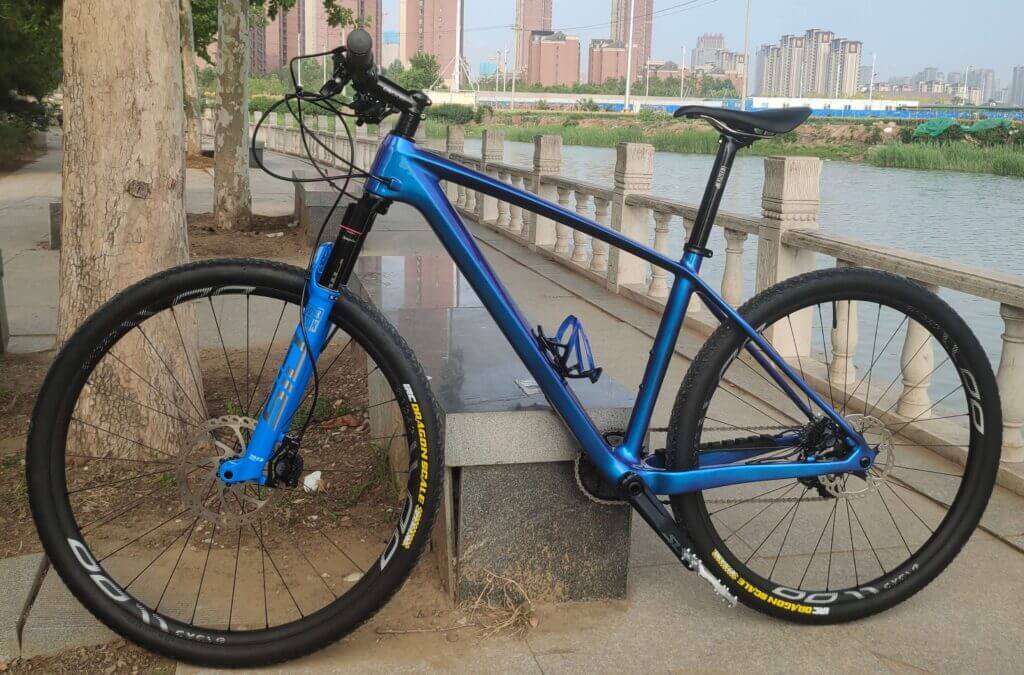
Professional Advice from a Carbon Fiber Frame Engineer (10+ Years of Experience)
Choosing a 29er MTB frame isn’t just about looks or wheel diameter; significant performance differences lie in the carbon fiber layup, geometry, and manufacturing process. As an engineer with 10+ years of experience producing carbon fiber mountain bike frames, I’ll share how to quickly assess the quality of a 29er mountain bike frame and how to select the best value model within your budget, helping you avoid pitfalls and achieve a durable, high-performance riding experience.
1: How to Judge the True Quality of a 29er Mountain Bike Frame?
- Carbon Fiber Layup Inspection: High-quality 29er mountain bike frames use multi-directional carbon fiber (uni + bidirectional), with thicker layers in key stress areas, rather than uniformly laid.
- Frame Weight and Stiffness Matching: Lightweight design must balance torsional stiffness. Frames that are too light and unstable often experience flex-out issues during high-speed descents or climbs.
- Welding and Joint Craftsmanship: Especially at the bottom bracket (BB), head tube, and chainstay connections, meticulous workmanship translates to longer lifespan and better handling.
2: Key Indicators of Carbon Fiber Layup, Stiffness, and Impact Resistance
- Stiffness: Moderate stiffness improves pedaling efficiency while reducing steering drift.
- Impact Resistance: Under high-intensity impacts in Enduro or technical trails, a scientifically distributed layup prevents cracking or delamination.
- Compliance: The rear suspension, combined with the Frame MTB 29er structure, reduces wrist, shoulder, and back fatigue, improving long-distance riding comfort.
3: How to Choose the Most Cost-Effective 29er MTB Frame Within a Budget?
- Hardtail vs. Full Suspension: For those with a limited budget and a preference for XC routes, a 29er hardtail frame is a good option—lightweight, efficient, and with ample upgrade potential.
- Carbon fiber grade selection: Mid-to-high-end T800/T700 layup frame mountain bikes (29er) offer the best balance between performance and price.
- Direct from brand and factory: Sourcing directly from carbon fiber manufacturers with 10+ years of experience avoids middlemen markups while ensuring mass production quality and controllable after-sales service.
By understanding these key indicators, you can select a truly reliable, confident, and durable 29er MTB frame within your budget.
Conclusion: Choose the Wheel Size Frame That Best Suits Your Riding Lifestyle
Different wheel sizes of MTB frames each have their own characteristics. Choosing a frame that suits your riding style, routes, and physical condition can significantly improve riding efficiency and comfort. From everyday trails to high-speed downhills, from XC climbing to enduro technical routes, each size of 29er MTB frame has its advantages. Understanding the core differences will give you more confidence when buying and help you avoid pitfalls.
1: Summary Comparison of Three Sizes (26 / 27.5 / 29er)
- 26-inch: Flexible and agile, suitable for narrow mountain trails or low-speed technical trails, but with limited rollover capability.
- 27.5-inch: A balanced choice between 26 and 29, balancing handling and speed, suitable for intermediate trails and everyday riding.
- 29er MTB frame / mountain bike 29er frame: Large wheel diameter, long wheelbase, efficient roll-over, strong stability, suitable for XC, Trail, AM, or Enduro, especially excelling on loose gravel, rooty, or rocky terrain.
With a 29er frame MTB, riders gain greater grip, smoother obstacle crossing, and downhill confidence, making it ideal for long distances and technical routes.
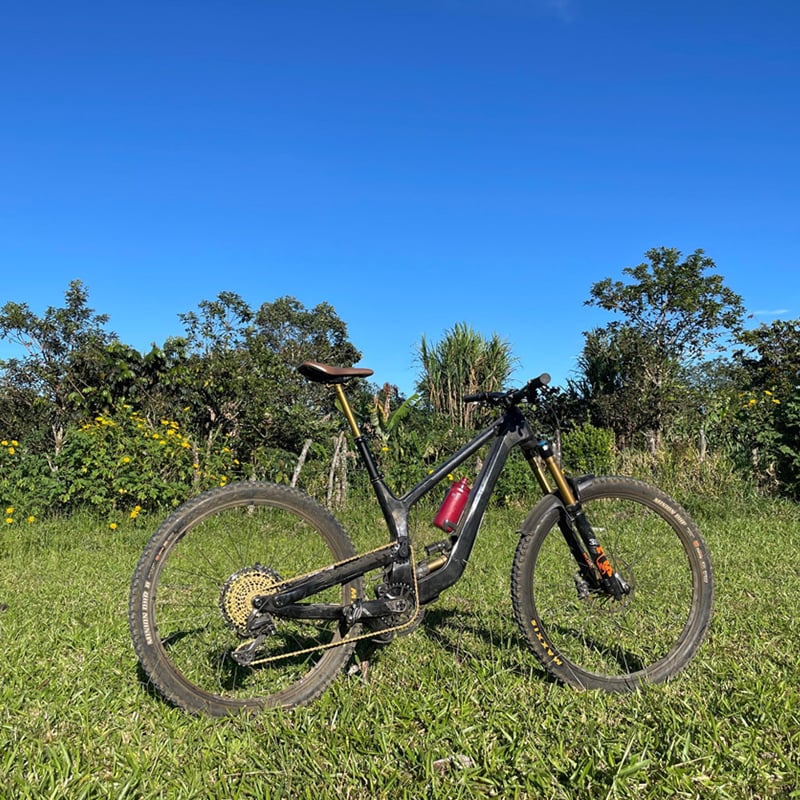
2: Why is the 29er gradually becoming the industry mainstream?
- Significantly superior roll-over efficiency, easily tackling obstacles on technical routes.
- Strong high-speed stability; the long wheelbase geometry enhances handling confidence.
- High compatibility: Adapts to hardtail, full-suspension, different suspension travel, and tire sizes.
- High versatility: Meets the needs of everything from entry-level XC to complex AM/Enduro routes.
Combined with these characteristics, the 29er mountain bike frame has become the preferred choice for many riders and professional brands.
3: If you’re unsure which to choose, feel free to contact us for professional advice.
Whether you’re looking to upgrade to a hardtail 29er frame or opt for a full-suspension 29er, a comprehensive understanding of the differences in wheel diameter, geometry, suspension, and materials will allow you to get the best performance within your budget. We offer professional consultation and tailored advice to ensure you select the 29er MTB frame best suited to your riding style and routes.