Skip to content


By 2026, road bicycle frames are no longer just about the competition between lightness and rigidity; major brands are pushing the entire bicycle architecture towards a more intelligent and integrated direction. With Specialized, Scott, and Trek incorporating more aggressive aerodynamic tube shapes, higher modulus carbon fiber layups, and wider tire clearance standards (which have become the industry’s “new normal”) into their next-generation carbon road bike frames, the entire supply chain—from layup workshops to mold manufacturers—is being forced to upgrade accordingly. According to trend analyses from overseas media such as BikeRadar and CyclingTips (sources: BikeRadar, CyclingTips), several flagship 2026 road bicycle frames have begun adopting semi-automated layup and integrated cockpits, viewing “integration” as a key path to performance improvement.
For the manufacturing side, this wave of change not only represents more stringent quality control but also greater opportunities—OEM/ODM brands are looking for suppliers capable of handling HMX/HM layup and complex aero molds. It can be said that 2026 marks a “hard reset” for the carbon fiber road bicycle frame market, and only those who understand the trends will be able to gain a foothold in this industry, which is often referred to as a “carbon fiber arms race.”
Industry Background and Technological Trends of Road Bicycle Frames in 2026
The technology of road bike frames in 2026 is entering an era of “total integration,” with the geometry, carbon fiber layup methods, and integrated cockpit designs of road bike frames all being redefined. International brands are pushing aero, lightweight design, and structural rigidity to new heights, creating unprecedented technological pressure on both manufacturers and complete bicycle brands, while also opening a window for upgraded demand.
1: Global Market Changes Driven by Major Brands (Specialized, Scott, Trek)
What’s the Next Big Innovation in Road Bike Frames? The 2026 carbon road bike frames from Specialized, Scott, and Trek are leading the industry towards “wider tires, higher modulus carbon fiber, and stronger integration.” The “full-integration trend,” commonly discussed in the European and American industry, has become the dominant approach – hidden cable routing, integrated cockpits, and enlarged BB structures all require smaller manufacturers to remake molds and improve layup techniques to keep up with this upgrade wave. The global supply chain’s supporting capabilities are also being reshuffled due to the technological focus of these brands.
| Brand | Frame Type Focus | Key Material/Carbon Layup | Aero & Integration Features | Tire Clearance | Target Rider/Use Case |
|---|---|---|---|---|---|
| Specialized | Race / Aero | High-modulus carbon fiber | Integrated cockpit, hidden seat clamp | Up to 32C | Competitive racers |
| Scott | Race / Lightweight | Zonal layup, high-modulus UD | Deep-section tubes, full integration | Up to 30C | Climbers, speed-focused |
| Trek | Endurance / Comfort | Mixed modulus carbon fiber | IsoSpeed compliance, hidden routing | Up to 35C | Gran Fondo, long-distance |
2: Why 2026 is a Key Turning Point for Road Bike Frame Technology Upgrades
2026 is considered a significant watershed in the second round of the carbon fiber race. With the civilian application of higher modulus T1100/T1000 grade carbon fiber and the popularization of wind tunnel optimized geometry, brands need to find a new “sweet spot” between aero and comfort. At the same time, cyclists are demanding higher durability and impact resistance from lightweight road bicycle frames, forcing manufacturers to accelerate material and structural iterations.
3: Accelerated Development of Carbon Fiber Technology, Aerodynamics, and Integrated Design
From new UD layup and large-section downtubes to CFD-optimized aero profiles, these technologies are becoming widespread in more levels of carbon fiber road bicycle frames in 2026. Integrated front ends and hidden seat-wedge designs, previously considered “industry jargon,” have become standard. These changes not only improve speed but also significantly increase manufacturing complexity. For consumers, this means faster, more stable, and easier-to-handle road bicycle frames; for manufacturers, it means triple pressure on processes, molds, and quality control.
Three Major Technological Advancements in Carbon Fiber Road Bicycle Frames by Leading Brands
In 2026, major brands are simultaneously enhancing the depth of carbon fiber application, the refinement of aerodynamics, and the standardization of overall frame structure. These trends not only determine the performance of the new generation of road bike frames but also directly impact how the supply chain upgrades molds, materials, and QC systems.
1: Lighter and Stronger Carbon Road Bike Frames: Upgraded Carbon Fiber Structure
To simultaneously meet the demands of lightweight design and impact resistance, major brands are beginning to use higher modulus T1000/T1100 carbon fiber and reinforcing stress points through zonal layup. Many 2026 flagship carbon road bike frames even adopt a mixed modulus structure, allowing the frame to achieve higher torsional stiffness in the BB and head tube areas while retaining flexibility in the seat stays to improve road feel and vibration damping. For consumers, this upgrade means a dual experience of being “lightweight yet robust enough for hard pedaling.”
2: How Integrated Aero Design is Changing Road Bicycle Frame Geometry
Integrated cockpits, hidden cable routing, and deep-section forks – “full-integration” designs – are reshaping the geometric logic of modern road bicycle frames. CFD (computational fluid dynamics) and wind tunnel experiments are being used more frequently to improve the aero profile of the down tube and head tube, making the frame more watt-efficient at high speeds. At the same time, geometry is also pursuing a more stable “longer & lower” approach, allowing competitive cyclists to maintain a more stable front-end weight distribution at high speeds.
3: How the Trend of Greater Tire Compatibility is Affecting Road Bike Frame Standardization
From 28C to 32C and then to 35C, “wider clearance” has become a standard promoted by all brands in 2026. The increased comfort and grip provided by larger tires require road bike frames to expand the fork crown and chainstay gap and adopt stronger brake standard compatibility. This trend is often referred to within the industry as “all-road migration,” meaning that the boundaries between traditional road bikes and endurance road bikes are blurring, allowing more cyclists to have a more forgiving and versatile riding experience in real-world road conditions.

Key Changes in Specialized, Scott, and Trek’s New Road Bicycle Frames for 2026
The flagship road bicycle frames from the three major brands in 2026 are primarily focused on the technological direction of “lighter, faster, and more integrated.” Each brand has made significant distinctions in aero tube profiles, carbon fiber layup, geometry, and tire compatibility, creating a new technological stratification in the carbon road bike frame market.
1: How Specialized is Leading the Integration of Aerodynamics and Lightweight Design
In the 2026 series, Specialized further strengthens CFD optimization and wind tunnel iteration, making the overall aero profile of the bike closer to the industry’s “free watts” concept. Whether it’s the head tube, fork, or down tube, they all adopt a bolder composite cross-section design, while building a lighter road bicycle frame main structure through high-modulus carbon fiber. The integrated cockpit, hidden seat clamp, and “clean front end” design are its core weapons for maintaining a competitive edge.
2: Scott’s Racing and Lightweight Strategy and its Demonstrative Effect on the Industry
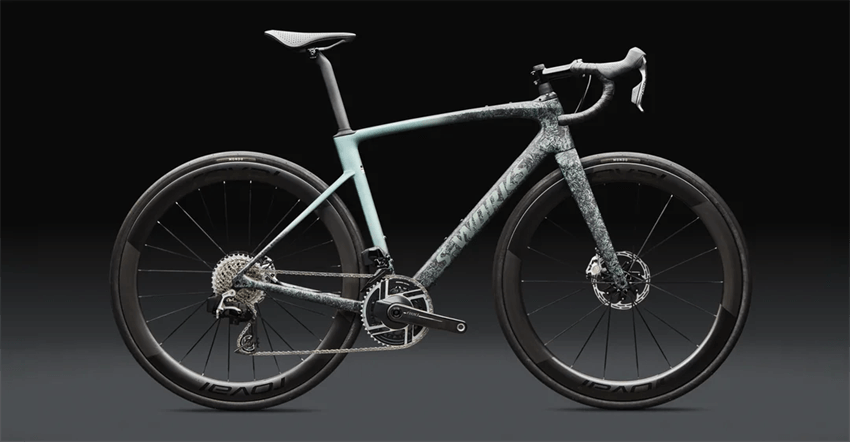
In 2026, Scott continues to strengthen its “lightweight racing route,” achieving a higher stiffness-to-weight ratio in its carbon fiber road bicycle frames through extreme zonal layup and ultra-thin wall tube structures. Many industry engineers believe that Scott’s approach is driving more brands towards more aggressive lightweight molding and layup technologies, and also showing consumers the trend of “integration between climbing bikes and aerodynamic models.”
3: Trek’s Innovative Impact on Endurance and Comfort-Oriented Carbon Fiber Design
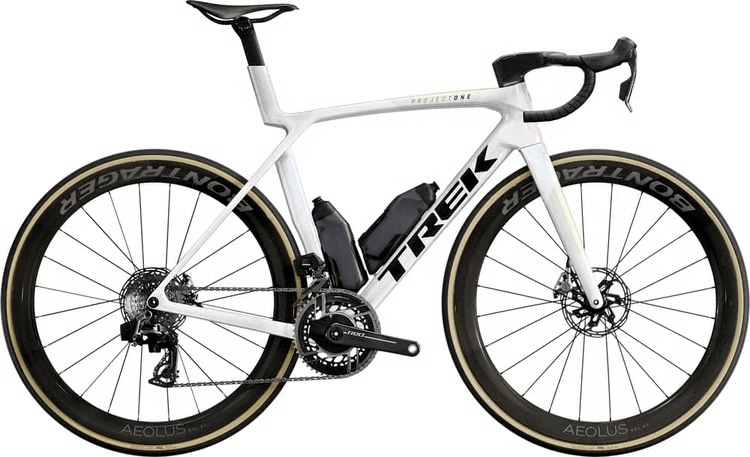
In 2026, Trek chooses to continue optimizing its IsoSpeed style, integrating more elasticity control technology into the seat tube and seat stay areas, making the road bike frames’ road feel filtering more natural during long-distance riding. The new generation of carbon fiber layup adopts a more flexible medium-modulus-high-modulus hybrid structure, allowing the frame to find a more stable “sweet spot” between endurance attributes and rigidity. This design strategy provides a more intuitive comfort improvement for endurance riders, Gran Fondo participants, and long-distance enthusiasts.
How Big Brand Innovations Are Impacting Global Carbon Frame Manufacturers
The technological upgrades in big brands’ 2026 road bicycle frames have not only changed the end-user riding experience but also triggered a chain reaction in global manufacturing. From the material selection and mold precision to the layup process of carbon road bike frames, higher standards are being demanded. At the same time, this wave of innovation is driving supply chain integration, forcing small and medium-sized manufacturers to improve their process capabilities to meet the market demand for high-performance carbon fiber road bicycle frames.
1: Upgraded Requirements for Carbon Fiber Raw Materials, Molds, and Processes
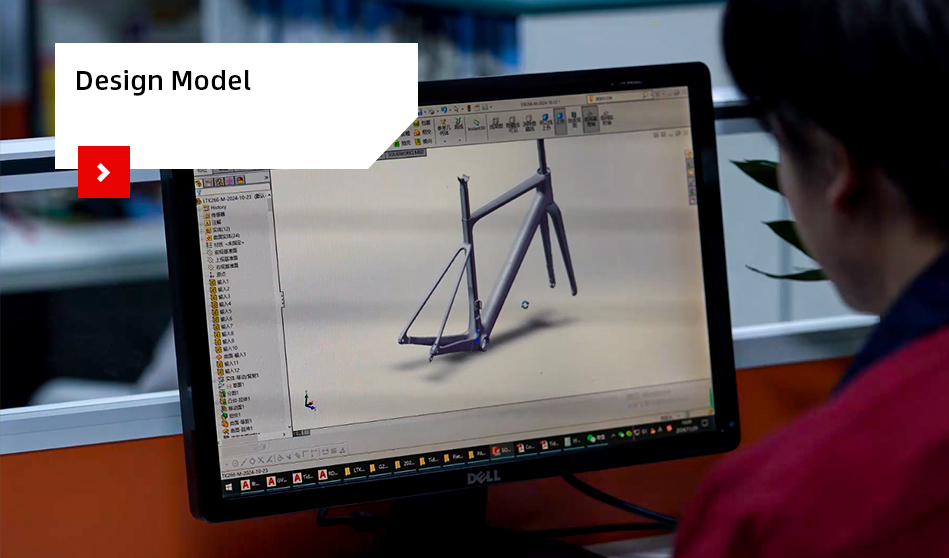
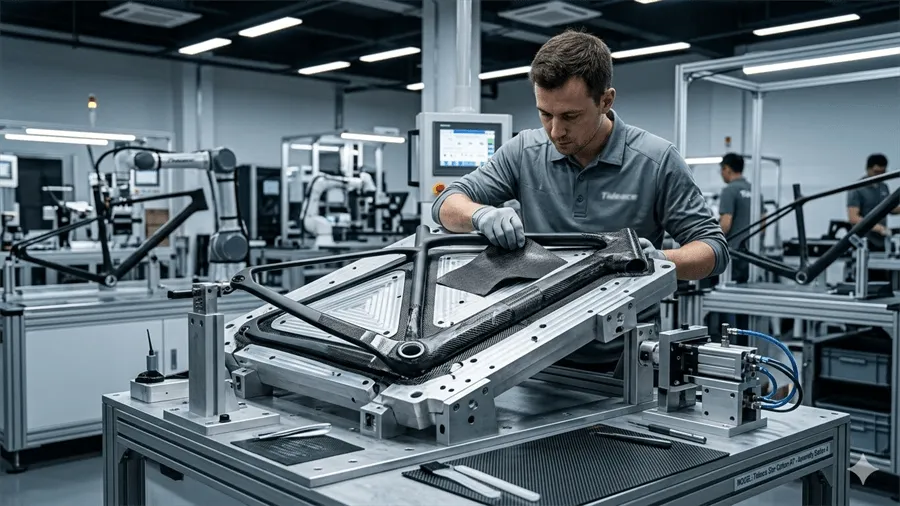
High-modulus carbon fiber fabrics (such as T1000/T1100) and composite layup designs have become the standard for major brands. Manufacturers require more precise mold control and automated layup equipment, as well as stricter QC for the cutting, pressing, and curing processes of UD carbon fiber fabrics. The industry term “precision layup” has become an essential skill; otherwise, it is difficult to guarantee the balance between lightweight and high rigidity.
2: Production Challenges and Pressures on Small and Medium-Sized Road Bike Frame Factories
Small and medium-sized factories face multiple pressures in the production of carbon road bike frames, including equipment upgrades, process training, and rising material costs. Especially in cases with small batch sizes and high customization requirements, “frequent mold changes” and “difficulty in controlling layup consistency” are common pain points, affecting delivery times and qualification rates.
3: Supply Chain Integration: Changes in Demand from UD Carbon Fiber to High-Modulus Carbon Fiber
With the high standards demanded by Specialized, Scott, and Trek for road bicycle frames, the supply chain is undergoing an “upgrade and transformation.” The proportion of high-modulus HM/IM carbon fiber in procurement is increasing compared to traditional UD carbon fiber, and the coordination of automated layup, mold precision, and curing temperature control is becoming more critical. This means that manufacturers must not only master materials and processes but also understand the overall production rhythm and cost optimization of carbon fiber road bicycle frames.
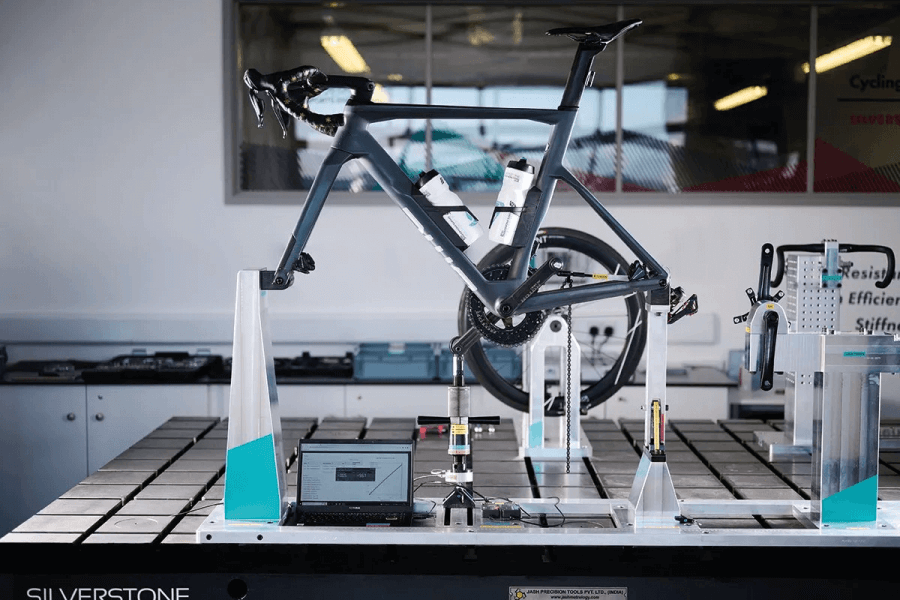
Opportunities for Integrated Carbon Fiber Frame Manufacturers: How to Embrace the 2026 Trends
As major brands drive technological upgrades in road bicycle frames, the global market for high-performance, mid-to-high-end, and customized carbon fiber road bicycle frames is experiencing rapid growth. Integrated carbon fiber manufacturers, possessing advantages across the entire process from material procurement and mold manufacturing to complete bicycle assembly, can flexibly seize the dual opportunities of OEM/ODM and own-brand development, while simultaneously reducing supply chain friction and cost pressures.
1: OEM/ODM Opportunities: Rising Demand for Mid-to-High-End Carbon Road Bike Frames
The increased technological requirements for major brand models in 2026 have led to a significant increase in OEM/ODM orders for mid-to-high-end carbon road bike frames. For manufacturers, mastering high-modulus carbon fiber layup, precision molds, and automated curing processes becomes a key capability for securing orders, enabling them to meet small-batch, multi-specification customization needs while ensuring lightweight design and structural strength.
2: Potential for Developing Lightweight Road Bicycle Frames for Niche Brands
Lightweight design, exclusive geometry, and aero optimization are becoming selling points for niche brands. Integrated manufacturers can provide differentiated road bike frames for these brands through flexible molds and segmented layup techniques, achieving higher premiums in niche markets and establishing long-term partnerships.
3: Growth Window for Own-Brand or Customized Road Bike Frame Services
With increasing consumer demand for personalized and high-performance carbon fiber road bicycle frames, own-brand or customized services have become a new avenue for growth. Why Riders Are Choosing Private Mold Carbon Frames for Their Carbon Road Bike Frameset, manufacturers can leverage this trend by offering a variety of carbon fiber options, custom geometry, colors, and aero solutions. This approach not only increases profit margins but also builds brand awareness and market reputation, achieving a win-win model of “factory direct supply + brand value-added.”
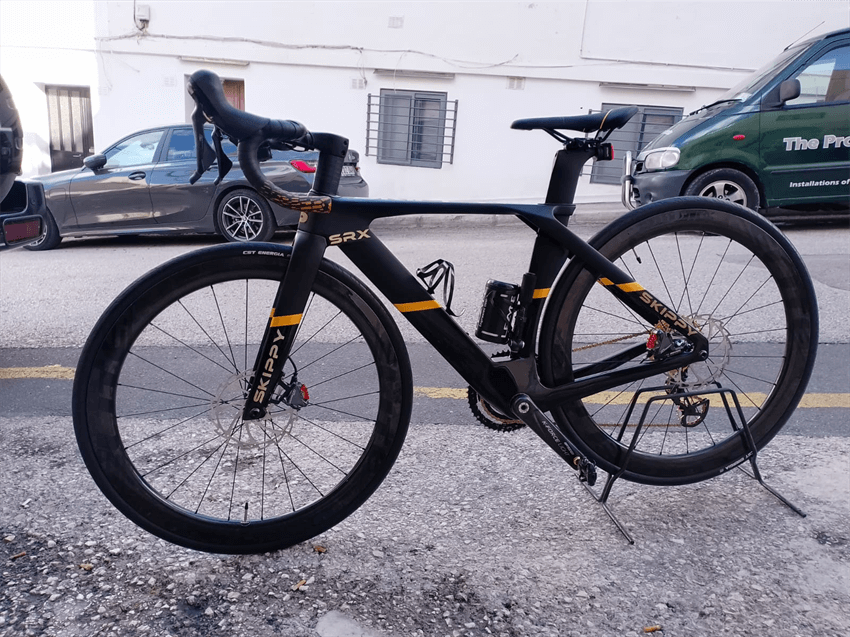
Cyclist’s Perspective: What Real Improvements Will 2026 Road Bicycle Frames Bring?
With major brands continuously innovating in carbon fiber road bicycle frames, cyclists’ expectations for performance, handling, and comfort have also increased. The new generation of road bike frames not only offers significant improvements in aerodynamics, weight, and stiffness, but also allows ordinary cyclists to experience a more intuitive performance difference in daily training and long-distance riding.
1: Faster? More Stable? Real Improvements from Aerodynamics to Handling
The 2026 road bicycle frames, through CFD-optimized aero profiles, deep-section tubing, and integrated cockpits, improve cruising efficiency by several watts while enhancing stability at high speeds. Combined with the zoned layup and high-modulus carbon fiber construction of the carbon road bike frame, cyclists can experience smoother handling during climbs, sprints, and long-distance rides.
2: Is it Worth Waiting for the New Generation of Carbon Fiber Road Bicycle Frames?
For cyclists pursuing competitive performance or a lightweight experience, the new generation of road bike frames offers significant advantages in stiffness, weight ratio, and aerodynamics. However, for daily commuters or casual riders, the benefits of upgrading may be limited. Therefore, the decision to wait depends on riding style, budget, and performance expectations for carbon fiber road bicycle frames.
3: Comparing the Value of 2026 Major Brand Frames with Independent Brands at the Same Price Point
Major brands’ 2026 road bicycle frames have advantages in materials, craftsmanship, and R&D investment, but smaller independent brands also offer competitiveness through flexible customization, cost-effectiveness, and localized performance optimization. For consumers, choosing between a major brand and an independent brand requires weighing the weight, stiffness, comfort, and price of the road bike frames to find the best balance for their needs.
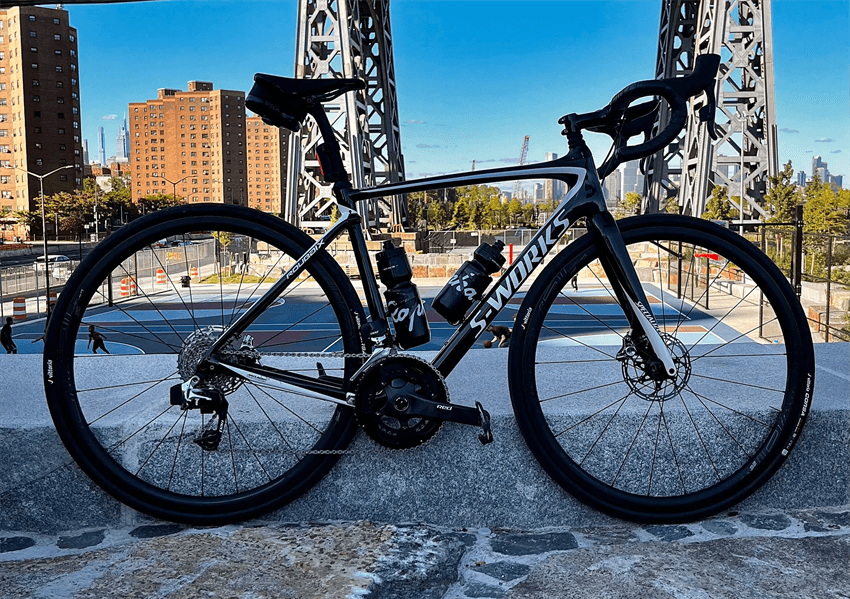
Future Outlook: How will the road bicycle frame market continue to develop after 2026?
As major brands continue to advance carbon fiber road bicycle frame technology, industry trends are gradually shifting from lightweighting and aerodynamic optimization to material innovation, integrated design, and intelligent manufacturing. Future road bike frames will not only pursue performance but also consider sustainability and production efficiency, bringing new opportunities and challenges to manufacturers and the supply chain.
1: The Next Step for Carbon Fiber Materials: Combining High Modulus and Sustainable Materials
High-modulus carbon fiber (HM/IM/T1100) will continue to be the core of flagship carbon road bike frames, but at the same time, recycled carbon fiber, environmentally friendly resins, and bio-composite materials are gradually being applied to mid-to-high-end frames. This is referred to in the industry as “green layup,” which not only meets cyclists’ demands for lightness and rigidity but also addresses global concerns about sustainable development, becoming an important selling point for brand differentiation.
2: Integrated Design (cockpit/frame/fork) will become the new mainstream
Future road bicycle frames will increasingly adopt integrated cockpits, integrated forks, and hidden cable designs to reduce air resistance and improve handling stability. The industry term “full integration” is becoming standard for flagship frames, which also forces OEM/ODM manufacturers to comprehensively upgrade their mold design, process control, and QC accuracy.
3: How will the trend of intelligent and automated carbon fiber manufacturing affect the industry?
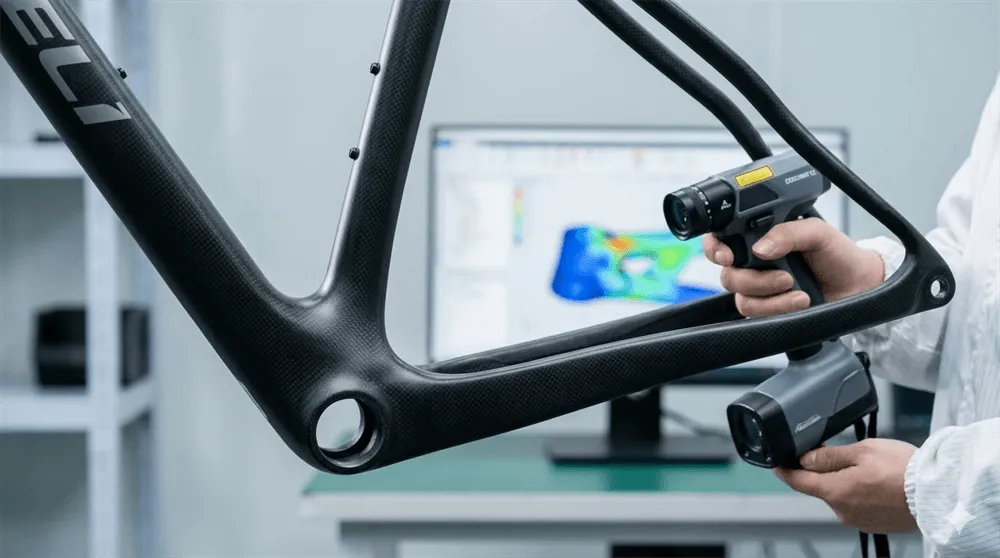
Automatic layup, robotic layup, precision curing, and data-driven QC have already been implemented in the manufacturing of high-end carbon road bike frames. This trend is accelerating the pressure on small and medium-sized manufacturers to upgrade their technology. Intelligent production not only reduces human error and improves consistency but also allows for faster responses to customized needs. The future road bike frame supply chain will be more digitized and modular, creating new competitive advantages for the manufacturing side.
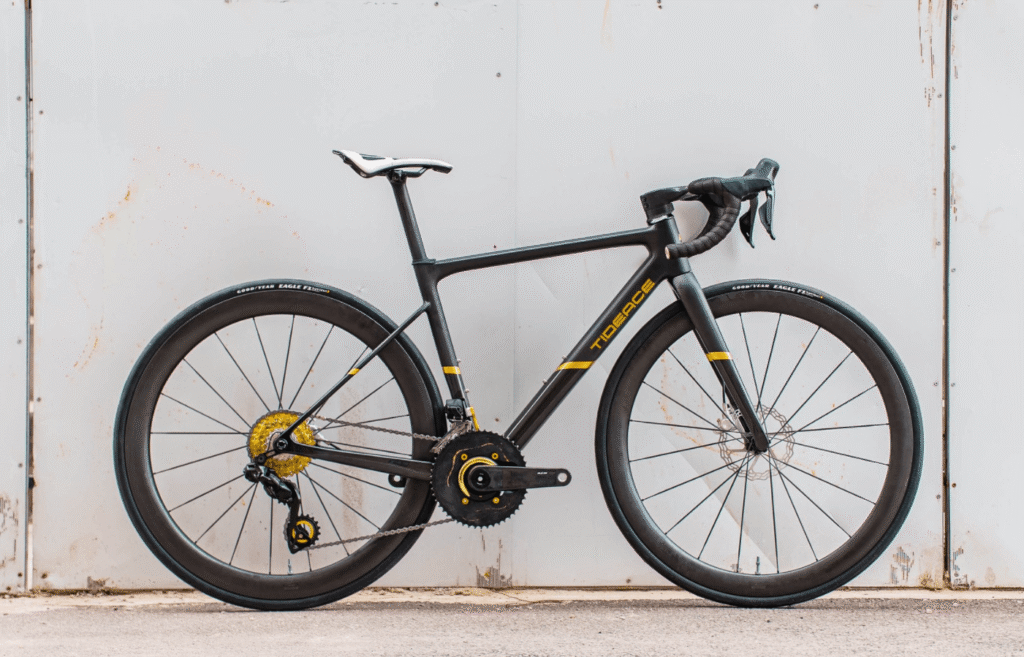
Summary: How Major Brands Are Reshaping the Global Carbon Road Bike Frame Market
In 2026, major brands are accelerating technological advancements and market upgrades in road bicycle frames. From high-modulus carbon fiber and integrated aero designs to wider tire compatibility, each upgrade is pushing the performance boundaries of carbon road bike frames while also reshaping the global manufacturing landscape. For manufacturers, this is both a challenge and a crucial opportunity to position themselves for the future market.
1: Dual Acceleration Driven by Technology and Market Demand
The development of high-performance road bike frames has driven upgrades in carbon fiber layup, mold precision, and automated production, while cyclists’ continuous pursuit of lightweight, comfort, and handling has created strong market demand. This “dual-wheel drive” of technology and demand allows major brands to lead the industry standards for carbon fiber road bicycle frames, forcing supply chains and small and medium-sized manufacturers to quickly follow suit.
2: Key Opportunities for Carbon Fiber Manufacturers in 2026
Facing the high-performance requirements of flagship brands for carbon road bike frames, manufacturers can seize opportunities in OEM/ODM customization, lightweight material applications, and integrated bicycle design upgrades. Mastering high-modulus carbon fiber fabrics, automated layup, intelligent curing, and precision QC technology will become core competencies for suppliers to gain a competitive advantage in the 2026 and beyond market. Simultaneously, the application of green materials and sustainable processes also opens up new market growth points for manufacturers.
If you would like to obtain OEM/ODM customization solutions for high-performance road bicycle frames, or learn about our process advantages and quality control in carbon fiber road bicycle frame production, please feel free to contact us. We have over 10 years of experience in carbon fiber manufacturing and can provide you with professional solutions.