Skip to content


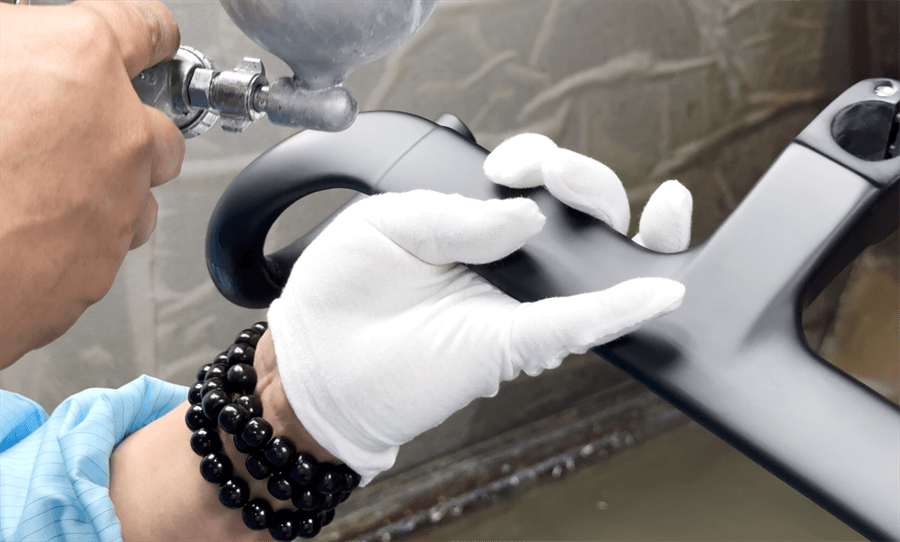
Road bike handlebars are evolving from a single control component into a truly multi-functional core component. More and more cyclists in Europe and North America are no longer focusing solely on weight when choosing carbon fiber road bike handlebars, but are also prioritizing integrated cable routing, compatibility with multiple riding scenarios, and long-term reliability. According to data from several overseas equipment platforms and B2B procurement sources, lightweight designs (around 300g), multiple size options, and designs compatible with road, gravel, triathlon, and TT handlebars have become the mainstream market demand for 2026. For brands and distributors, a truly mature carbon road handlebar is not just about performance upgrades, but a comprehensive solution for inventory efficiency, product line integration, and the ultimate riding experience.

Why are Road Bike Handlebars Evolving Towards “Multifunctional Integration” in 2026?
The design direction of road bike handlebars is no longer limited to single-model compatibility. With platform-based vehicle design and SKU simplification becoming mainstream, integrated road handlebars that can simultaneously cover road, gravel, triathlon, and TT handlebar usage scenarios are becoming an important solution to reduce mold costs and shorten development cycles. The advantages of integrated carbon fiber road bike handlebars in weight control, clean cable routing, and overall vehicle style consistency make them more easily accepted by the end market and more conducive to creating differentiated product lines.
1.1: From Single Road Bike Handlebar to Multifunctional Integrated Road Handlebar
Traditional road bike handlebars are usually designed around a single riding posture, with significant limitations in expandability and compatibility. Multifunctional carbon road handlebars, through unified interface standards and integrated structures, can adapt to various handlebar widths and stem length combinations, making them more suitable for shared platforms across road, gravel, and TT/triathlon models, helping brands reduce redundant development investment.
1.2: The Real Pain Point for Cyclists: Can One Handlebar Adapt to Multiple Riding Needs?
End-users want to reduce the costs and adjustment time associated with frequently changing handlebars, while also pursuing lighter overall bike weight and a cleaner internal cable routing appearance. For brands and wholesalers, a lightweight, multi-size integrated carbon fiber road bike handlebar not only improves user experience but also significantly simplifies inventory structure and increases sales flexibility.
5 Core Needs of Road Bike Handlebars That Cyclists Care About Most
Choosing a high-performance carbon fiber road bike handlebar is not just about weight or appearance; it also involves handling, compatibility, and long-term riding experience. A high-quality road bike handlebar can simultaneously meet the needs of road, gravel, triathlon, and TT cycling scenarios, improving end-user satisfaction and enhancing brand competitiveness in the European and American markets. The following five core needs are directly related to performance and market acceptance.
2.1: Is an Integrated Design (Integrated Road Handlebar) Really More Practical?
The integrated cable routing design reduces maintenance hassle and optimizes aerodynamic drag and aesthetic cleanliness. For B2B customers, a mature integrated road handlebar can reduce parts inventory, improve overall bicycle manufacturing efficiency, and ensure optimal handling comfort and aerodynamic advantages for end-users.
2.2: Is Lightweight Still Important? The Significance of a 300g Class Carbon Road Handlebar
A lightweight carbon road handlebar weighing 300g ±20g offers significant advantages in climbing, acceleration, and long-distance riding. For brand buyers, this type of lightweight handlebar not only attracts professional cyclists but also facilitates lightweight strategies across multiple bicycle models, enhancing market competitiveness.
2.3: The Decisive Impact of Multiple Size Options on Riding Posture
Multiple size combinations of handlebars (360/380/400/420mm) and stems (80/90/100/110/120mm) allow riders to optimize their posture based on shoulder width, arm length, and riding style. For OEM and wholesale customers, this means that one handlebar can cover a wider range of riders, reducing inventory pressure.
2.4: Comfort vs. Aerodynamics: How Do Cyclists Make the Trade-off?
Ergonomic handlebar angles and hand pressure distribution during long-distance riding are key factors determining riding comfort. When brands choose carbon fiber road bike handlebars, they need to consider both aerodynamic performance and riding comfort to meet the needs of European and American cyclists for long-distance training and competitions.
2.5: Can One Handlebar Really Cover Road/Gravel/TT/Triathlon?
The practical application scenarios of multi-purpose handlebars determine the procurement strategy. The integrated design, compatible with road bike handlebars, gravel handlebars, triathlon handlebars, and TT handlebars, not only improves end-user satisfaction but also provides OEM brands and wholesale customers with greater flexibility in marketing and inventory management.
One Handlebar, Multiple Riding Types – A Multifunctional Compatibility Analysis
The HB266 multifunctional carbon fiber road bike handlebar is no longer just about lightweight design or aesthetics; it’s a comprehensive solution for multiple riding scenarios. It’s a product that can simultaneously serve as a road bike handlebar, gravel handlebar, triathlon handlebar, and TT handlebar, reducing inventory complexity and improving market adaptability and end-customer satisfaction. Through compatible platforms and integrated design (integrated road handlebar), this multifunctional handlebar balances handling, comfort, and aerodynamic performance, becoming a key core component for high-end road, gravel, and triathlon equipment in 2026.
3.1: Core Performance as a Road Bike Handlebar
For road training and racing, the lightweight carbon road handlebar provides a balance of rigidity and responsiveness while maintaining comfort for long-distance riding. Multiple size options (360–420mm) allow brand customers to provide precisely matched solutions for different riders, ensuring stable handling and proper hand pressure distribution – the foundation for high-performance road bike configurations.
3.2: Stability and Control Requirements as a Gravel Handlebar
Gravel handlebars require greater width and control, while also supporting light off-road and long-distance riding. By optimizing the bend design and strengthening torsional rigidity, the HB266 handlebar provides stable grip and precise control, meeting the needs of various unpaved surfaces while balancing comfort and safety.
3.3: Extension Possibilities for Triathlon and TT Handlebars
For triathlons and time trials, compatibility with triathlon and TT handlebars is crucial. The HB266 carbon fiber handlebar can be compatible with aero bars or extension bar modules through the installation of compatible platforms, optimizing riding posture and aerodynamic performance, allowing brands to flexibly combine components when designing kits to meet the needs of different tracks and riders.
Why is Carbon Fiber the Only Mainstream Material for the 2026 Carbon Road Handlebar?
As the core material choice for high-end carbon fiber road bike handlebars, carbon fiber not only offers a natural advantage in lightweight design but also achieves a balance of rigidity and fatigue resistance through precise layering techniques. For brands and wholesalers, integrated road handlebars made with carbon fiber material not only improve handling performance but also ensure long-term durability and riding comfort, while reducing overall bike weight and optimizing performance for racing or long-distance riding. It is an irreplaceable core component for road, triathlon, and gravel bikes in 2026.
4.1: Advantages of Carbon Fiber Road Bike Handlebars in Strength and Weight
Through scientific carbon fiber layering logic and molding processes, carbon road handlebars can provide excellent rigidity while maintaining a lightweight design, allowing riders to receive more precise feedback during climbing, sprinting, and high-speed handling, while effectively extending the material’s fatigue life.
4.2: The Real Difference in Handlebar Vibration Filtering Performance Compared to Aluminum Alloy
Carbon fiber handlebars far surpass traditional aluminum alloy in vibration absorption and comfort, especially in long-distance road cycling or off-road gravel riding, significantly reducing hand and shoulder fatigue. For brand clients, this means that the carbon fiber configuration of triathlon handlebars or TT handlebars can directly improve the end-user experience and product added value.

How to Choose the Right Carbon Fiber Road Bike Handlebar Size Combination?
The width of a carbon fiber road bike handlebar and the stem length directly affect handling, riding posture comfort, and aerodynamic performance. By appropriately combining different widths (360–420mm) and stem lengths (80–120mm) of integrated road handlebars, the diverse needs of road, gravel, triathlon, and TT handlebar users can be met. Precise size selection also allows the performance advantages of carbon fiber handlebars to be fully realized in competitive and long-distance riding.
5.1: How to Choose the Right Handlebar Width Based on Shoulder Width?
Handlebar width determines the rider’s shoulder posture and handling stability. For road bike handlebars, 360–380mm is suitable for riders with narrow shoulders, while 400–420mm is more suitable for riders with wider shoulders or for long-distance riding, balancing power transfer and comfort, while also improving the adaptability of carbon road handlebars in road and gravel scenarios.
| Handlebar Width | Recommended Shoulder Width | Ideal Riding Scenario | Notes |
|---|---|---|---|
| 360 mm | Narrow (≤ 42 cm) | Road training, short rides | Lightweight, precise handling |
| 380 mm | Medium (43–46 cm) | Road & gravel, daily use | Balanced comfort and control |
| 400 mm | Wide (47–50 cm) | Gravel, endurance rides | Stable, reduces fatigue on long rides |
| 420 mm | Extra Wide (>50 cm) | Gravel, long-distance touring | Maximum stability, enhanced leverage |
5.2: How Does Stem Length Affect Handling and Riding Posture?
Stem length directly affects fork response, riding posture angle, and wrist pressure. 80–90mm is more suitable for agile handling and short-distance training, while 100–120mm is suitable for optimizing riding posture in triathlon or time trials, ensuring the aerodynamic performance of triathlon and TT handlebars while maintaining comfort and stability.
Design Trend Predictions for Multifunctional Integrated Road Handlebars in 2026
For the high-end market in 2026, the design of integrated road handlebars is evolving towards modularity, multi-scenario compatibility, and lightweight integration. For brands and wholesale customers, developing a multifunctional carbon fiber handlebar that can be adapted to road bikes, gravel bikes, triathlon bikes, and time trial bikes will not only enhance product competitiveness but also optimize inventory and supply chain management. Future design trends emphasize minimizing weight and maximizing functionality while ensuring safety and durability, providing end-users with higher performance and a more comfortable riding experience.
6.1: Modularity and Multi-Scenario Compatibility Will Become Mainstream
Modular design allows a single carbon fiber road bike handlebar to easily accommodate road cycling, off-road cycling, triathlon, and time trial needs, supporting aero bars, extensions, or accessory attachments, truly achieving “one handlebar, multiple uses,” meeting the diverse product line needs of brand customers.
6.2: Further Balancing Lightweight Design, Strength, and Functional Integration
By optimizing carbon fiber layup structure and molding processes, carbon road handlebars achieve extreme lightweight design without sacrificing rigidity and safety. Simultaneously integrating cable routing, mounts, and accessory installation functions, the multifunctional integrated handlebar will become a core component for high-end road and triathlon bikes.

In Conclusion: What Kind of Road Bike Handlebar is Truly “Designed for Cyclists”?
A high-performance carbon fiber road bike handlebar must not only balance lightweight design and aerodynamics but also ensure safety, comfort, and durability. A multi-functional integrated design (integrated road handlebar) can accommodate various riding scenarios, including road cycling, gravel riding, triathlon, and time trials (TT), while optimizing grip and handling. This allows riders to maintain an efficient and stable riding experience on different road conditions, making it a core trend for high-end carbon fiber handlebars in 2026.
7.1: From the Factory’s Perspective, What Should a Good Carbon Road Handlebar Achieve?
Through precise carbon fiber layering and molding processes, each carbon road handlebar can achieve a comfortable grip and precise handling while ensuring rigidity and fatigue resistance. Multi-scenario compatibility and accessory expandability are also key factors considered by factories during the design and production process, ensuring that the finished product meets professional standards in terms of performance and durability.
7.2: Why are Multi-functional Integrated Handlebars the Inevitable Choice for 2026?
With the diversification of cycling styles, multi-functional integrated road handlebars, through modular and compatible design, achieve multi-purpose coverage while balancing lightweight design, strength, and comfort, providing riders with an efficient, comfortable, and customizable riding experience.