When sourcing carbon bike frames, price is merely a surface-level metric. In 2026, the real competitive edge lies in supply chain stability, engineering depth, and delivery certainty. This guide provides a comprehensive carbon bike frame supplier comparison, analyzing OEM/ODM models, factory audits, capacity, and quality control, while highlighting the regional differences between Chinese and European suppliers. By integrating key performance indicators—such as PPM defect rates, lead-time reliability, and mold development cycles—alongside Statista data on market consolidation, we offer a strategic framework to help brands and wholesalers minimize risk and maximize ROI.
Why Carbon Bike Frame Supplier Comparison Matters in 2026
The 2026 sourcing landscape has shifted. In any carbon bike frame sourcing comparison China vs global, brands now prioritize supply chain resilience and ISO/EN compliance over unit price. As orders become more fragmented, the legacy “single-factory” model is being re-evaluated. In Western markets, lead time volatility makes a systematic carbon bike frame supplier evaluation guide essential for mitigating operational risk.
1: Key Risks When Choosing the Wrong Supplier
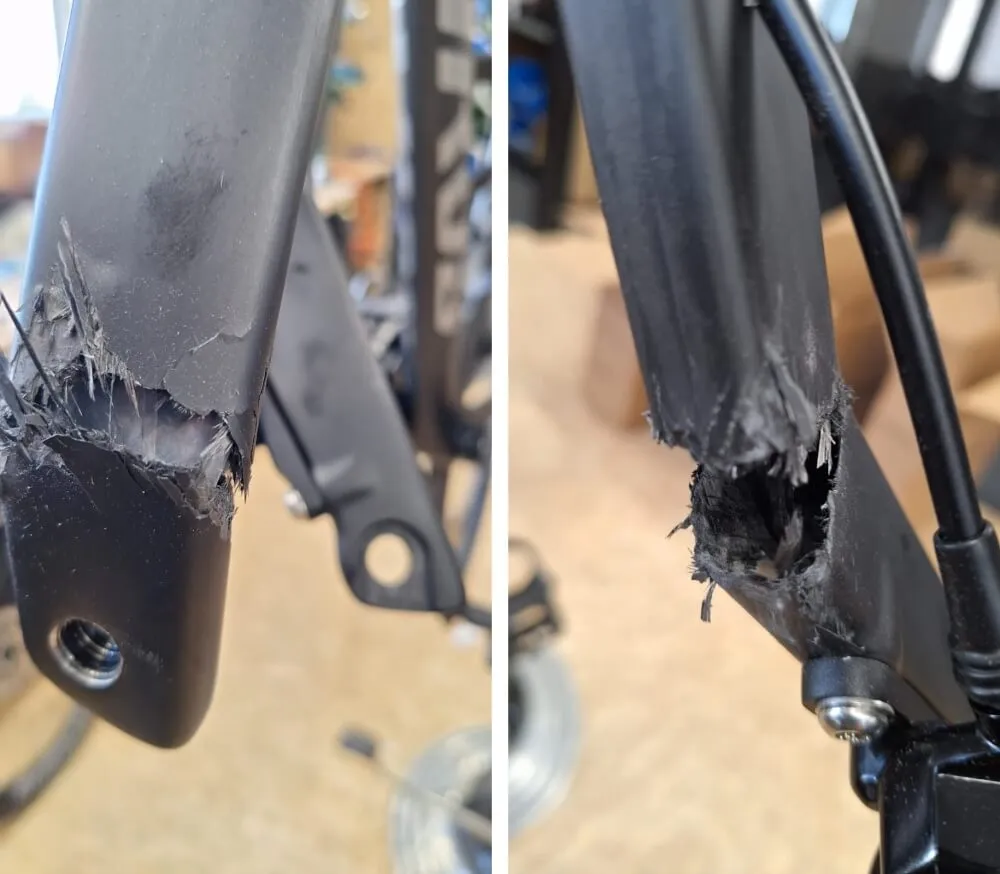
Partnering with the wrong factory carries heavy risks beyond pricing. Discrepancies in carbon bike frame quality comparison between suppliers lead to batch instability, while a poorly vetted OEM carbon bike frame supplier comparison China often results in chronic delays. These friction points—slow engineering feedback and weak support—inflate hidden costs and can permanently damage a brand’s market reputation.
China vs Europe – Overview of Carbon Bike Frame Manufacturing
In a carbon bicycle frame factory comparison, the divide is clear: China leads in scalability and cost efficiency, while Europe excels in craftsmanship and prestige. For carbon frame production capability comparison, China’s robust supply chain suits high-volume OEM/ODM orders. European shops focus on hand-laid, small-batch builds for boutique segments. This contrast dictates the carbon frame price vs quality comparison suppliers strategy, requiring brands to align sourcing with their specific market tier.
1.China Manufacturing Ecosystem
For any OEM carbon bike frame supplier comparison China, the ecosystem is dominant. Fast mold development and massive scalability—backed by stable material sources like Toray T700/T800—provide a competitive edge for volume. Sophisticated ODM capabilities also allow for rapid bespoke development, perfect for scaling DTC brands.
2.European Manufacturing Landscape
Europe operates on a low-volume carbon frame manufacturer selection comparison model where heritage and design are paramount. This is the realm of boutique brands and elite racing kits. While offering localized production and artisanal control, the high-cost structure limits its application to premium-priced markets and limited runs.
Carbon Bike Frame Sourcing Comparison China vs Global
In today’s supply chain restructuring, a carbon frame supplier benchmarking checklist is a procurement essential. The divide between Chinese and Western systems lies in a “triangular model” of cost, lead-time stability, and engineering speed. Chinese factories, leveraging a mature ecosystem (T700/T800 layup and rapid molding), dominate the OEM carbon bike frame supplier comparison China, while Europe focuses on high-value boutique runs. The real deciding factor is no longer unit price, but overall delivery risk and total lifecycle costs.
1.Lead Time and Production Efficiency
Lead time directly drives customer retention. China’s supply chain delivers faster mold iterations and scaling. In any carbon frame production capability comparison, China has a clear advantage in high-volume output, making it ideal for meeting seasonal demand and rapid market launches.
2.Supply Chain Flexibility and Scalability
Flexibility defines a brand’s growth ceiling. Under the carbon bike frame supplier evaluation guide, Chinese factories offer superior ODM and SKU expansion, supporting everything from entry-level to pro-level tiers. Conversely, European systems rely on fixed designs and longer development cycles, leading to more conservative market expansion.
Carbon Frame OEM vs ODM Comparison
In procurement, choosing between OEM and ODM dictates your product control and speed-to-market—the heart of the carbon frame OEM vs ODM comparison. OEM is brand-led, covering everything from geometry to specs, making it ideal for established lineups. Conversely, ODM leverages factory-ready platforms for rapid launches. In Western B2B sourcing, this choice impacts more than just lead times; it reshapes cost structures, tooling investments, and future flexibility. When conducting a carbon frame manufacturer selection comparison, the decision must align with your brand’s growth stage rather than just looking at a quote or a single sample.
1.OEM for Established Brands
OEM is the standard for recognized brands requiring bespoke geometry, specific layup schedules, and proprietary molds. Here, the supplier functions as the manufacturing arm, where the priority is process stability and batch consistency. This is the definitive “brand-controlled” manufacturing path.
2.ODM for Fast Market Entry
ODM offers a streamlined path to commercialization, providing turnkey frames that require minimal adjustment before launch. In a fierce carbon frame supplier vs competitor landscape, this model is a favorite for DTC brands and new category testing. The primary benefits—shorter development cycles and lower upfront costs—allow brands to hit market windows with precision.
How to Compare Carbon Bike Frame Suppliers (Step-by-Step Guide)
In professional procurement, many brands fail a carbon frame manufacturer selection comparison by focusing solely on price. Professional B2B decision-making requires a structured workflow—from positioning and data verification to on-site audits—to ensure mass production stability. When using a carbon bike frame supplier comparison or a carbon frame supplier benchmarking checklist, a staged filtering logic is essential to avoid the cost overruns and rework caused by blind ordering.
Step 1 – Define Your Product Positioning
Clearly define your tier—whether it’s race-grade, trail, entry-level OEM, or high-end custom—to dictate your supply chain type and cost structure.
Step 2 – Request Samples and Technical Data
Scrutinize layup schedules, lab reports, and carbon fiber grades (T700/T800/T1000). This prevents the “gold sample” trap where production quality fails to match the prototype.
Step 3 – Evaluate Communication and Responsiveness
Test the engineering feedback loop, English proficiency, and ODM collaboration skills. This responsiveness is a major differentiator in any carbon frame supplier vs competitor analysis.
Step 4 – Conduct Factory Audit
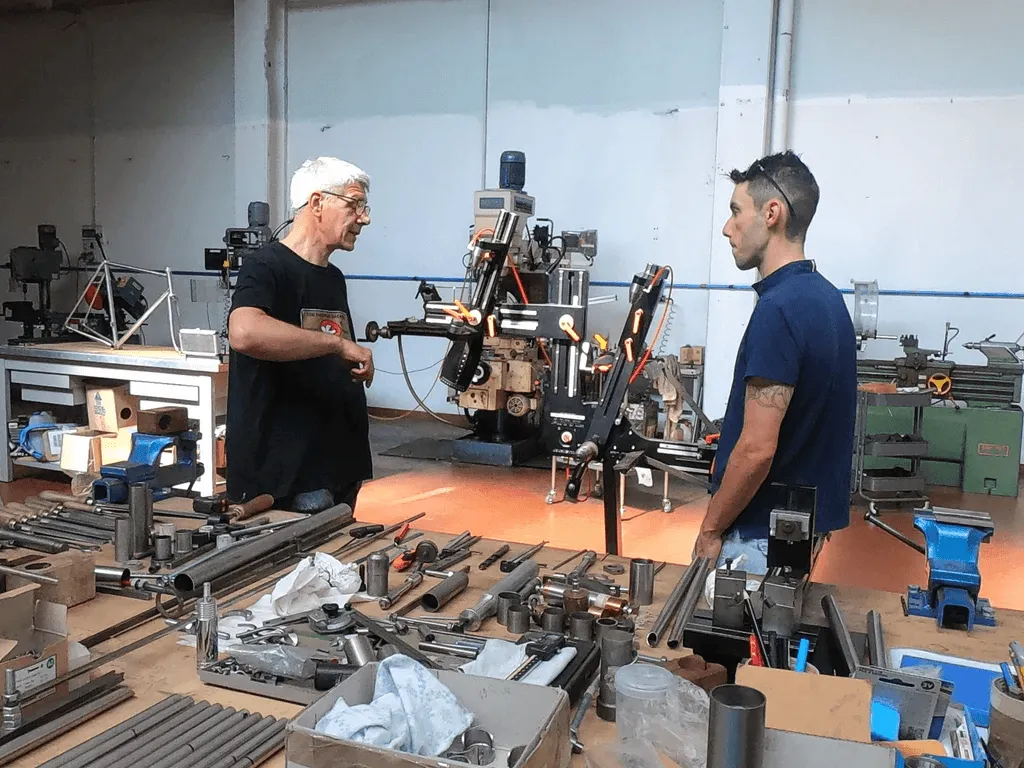
Perform a carbon bike frame factory audit comparison to inspect production lines, QC protocols, and actual capacity. This is the only way to verify a supplier’s true mass production capability.
Carbon Bike Frame Supplier Evaluation Guide (Key Criteria)
When conducting a carbon frame manufacturer selection comparison, B2B clients require a quantifiable evaluation model rather than subjective judgment. In OEM/ODM partnerships, a supplier’s engineering depth, production stability, and quality framework dictate market success. Leading brands now utilize a carbon frame supplier benchmarking checklist to score R&D, QC, and support. This approach mitigates the common risk of “perfect prototype, poor production” and ensures long-term predictability.
1.Engineering & R&D Capability
Evaluate layup design expertise, geometry optimization, and mold development speed—key differentiators in any professional carbon bike frame manufacturers comparison.
2.Quality Control System
Rigorous incoming inspections, In-Process QC (IPQC), and Final QC (OQC) are essential for maintaining consistency in carbon frame production capability comparison.
3.Certification & Testing Standards
Adherence to ISO 4210, EN standards, and comprehensive fatigue testing is the baseline requirement for entering Western markets.
4.After-Sales Support
Technical responsiveness, warranty frameworks, and the ability to address market feedback are the pillars of a stable, long-term partnership.
Carbon Bike Frame Quality Comparison Between Suppliers
In procurement, the core of carbon bike frame quality comparison between suppliers lies not in surface finish, but in structural integrity and long-term stability. When performing a carbon bike frame supplier comparison, brands often overlook three critical variables: material grade, mold precision, and curing protocols. These factors define the consistency of ride feel and the actual safety margins. For B2B buyers, a robust carbon frame supplier benchmarking checklist is essential to deconstruct everything from fiber sourcing to testing standards, avoiding the hidden risks of frames that look the part but fail to perform.
1.Material (Toray T700 vs T800 vs T1000)
Fiber grade directly dictates the stiffness-to-weight ratio. Discrepancies in tensile strength and cost structures between different carbon fiber grades make this the primary metric in any OEM carbon frame selection comparison.
2.Layup Design and Testing
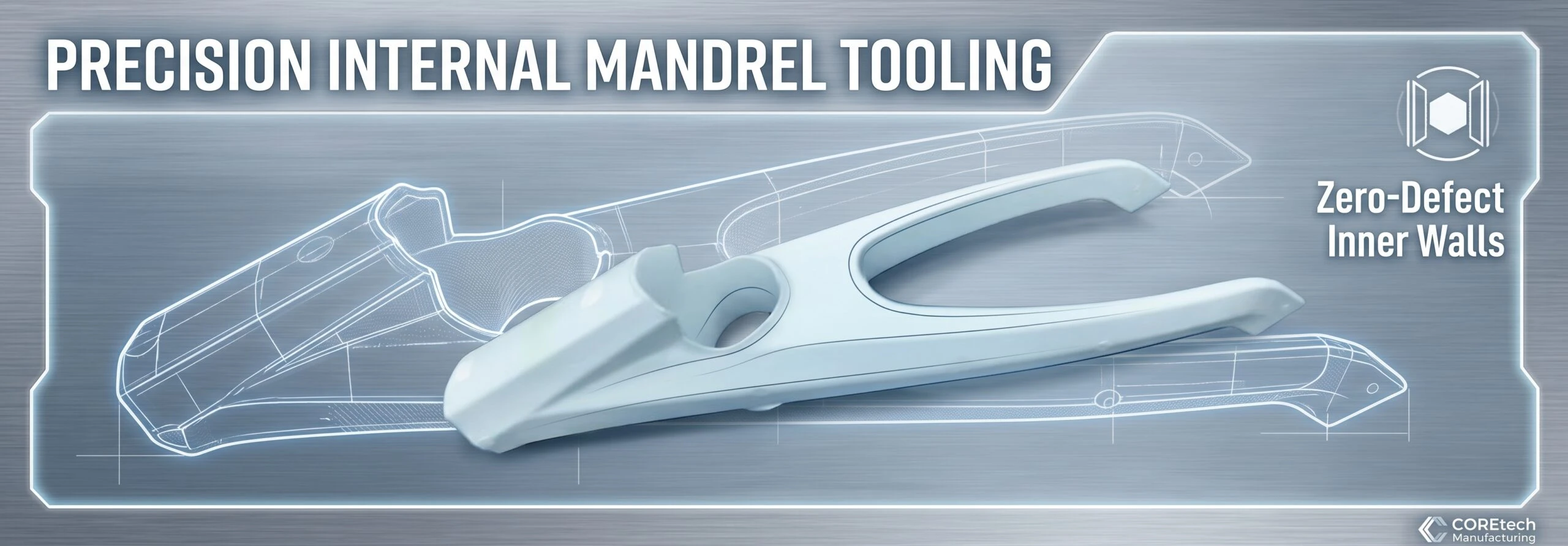
Layup patterns and curing cycles determine structural uniformity. Top-tier factories utilize finite element analysis (FEA) to optimize stress distribution, paired with destructive testing to validate design reliability.
3.Real-World Durability vs Lab Results
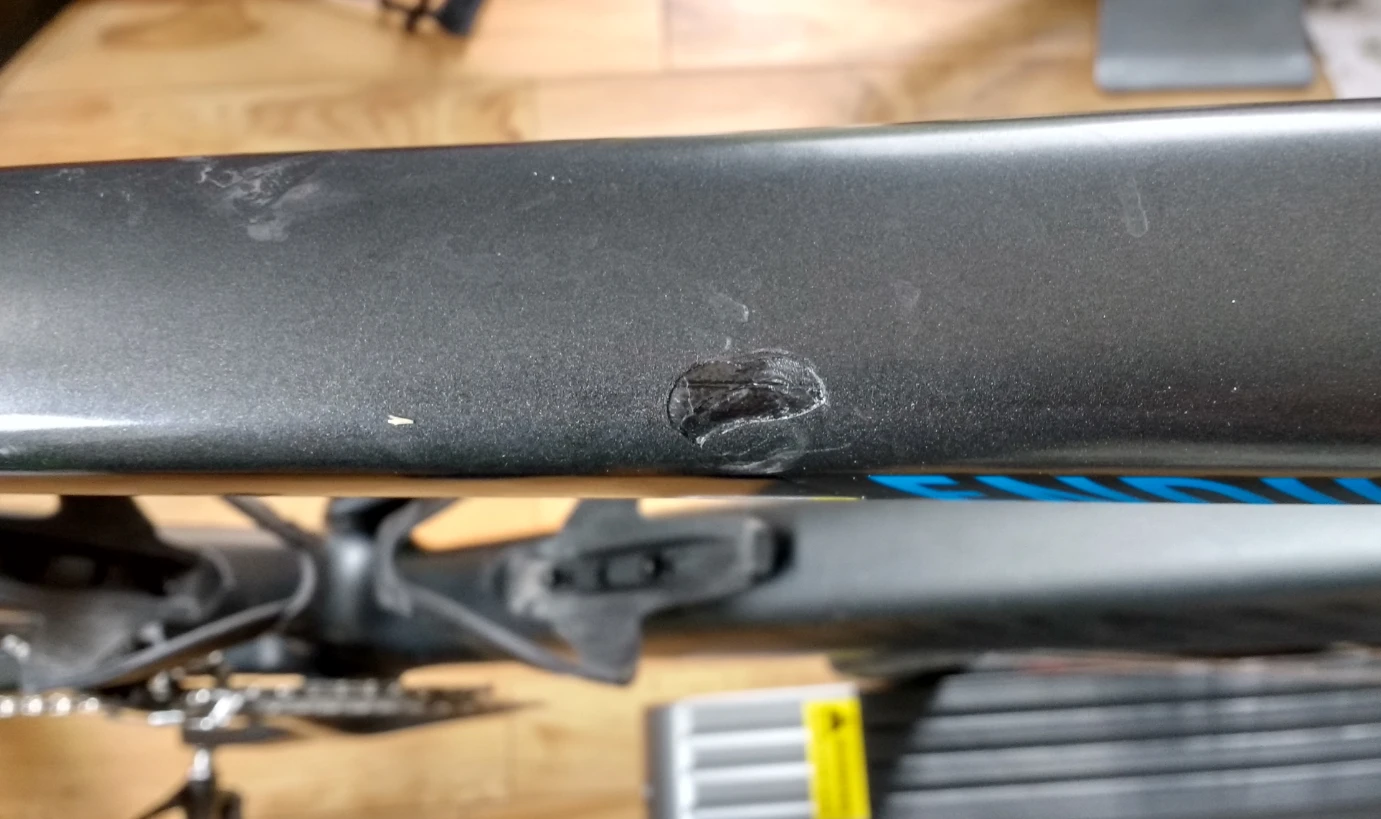
Laboratory data, such as the ISO fatigue test, often differs from real-world conditions. Leading Western brands now focus on aligning long-term durability test results with real-world performance feedback from road bike, mountain bike and gravel bike segments, especially under varied terrain and load conditions.
Carbon Frame Price vs Quality Comparison Suppliers
In B2B procurement, carbon frame price vs quality comparison suppliers remains the central debate. Many brands fall into the “price-first” trap when using a carbon frame supplier benchmarking checklist. In reality, price is just one part of the cost structure; material grade (T700/T800/T1000), molding techniques, and consistency are far more critical. Within the OEM carbon bike frame supplier comparison China ecosystem, engineering gaps between factories directly impact batch stability and warranty risks. A professional evaluation must prioritize Total Cost of Ownership (TCO) over unit price, utilizing carbon frame production capability comparison to build long-term value.
1.Cost Breakdown (Material, Labor, Branding)
Carbon frame costs typically consist of carbon prepreg raw materials, manual layup and curing, and R&D overhead. When you compare carbon bike frame manufacturers, the balance between these three factors defines the product’s market tier.
2.Hidden Costs in Cheap Suppliers
Budget suppliers often hide costs in high rework rates, mold deviation, and replacement expenses. These factors are frequently overlooked in a carbon bicycle frame factory comparison but will inevitably bleed into your profit margins.
3.ROI Perspective for Brands
For brands, the edge in carbon frame supplier vs competitor isn’t about the lowest quote, but the lifecycle ROI. Stable delivery and consistent quality drastically reduce market complaints, boosting repeat orders and dealer trust.
Carbon Frame Production Capability Comparison
In a carbon frame production capability comparison, capacity is more than just factory size; it’s the lifeline of a brand’s market expansion and supply chain stability. For B2B clients, the critical differentiators between carbon frame production capability comparison suppliers are consistent monthly output, the ability to manage multi-SKU production, and delivery resilience during peak season. Western distributors prioritize lead time consistency and batch stability, as these directly impact inventory turnover and dealer trust. Any professional carbon frame manufacturer selection comparison must treat production structure as a core metric.
1.Monthly Output Capacity
When assessing actual monthly output capacity, theoretical numbers mean little without considering yield rates and scheduling flexibility—both of which are essential benchmarks in a carbon bike frame factory comparison.
2.Custom Mold Development
Mold-making expertise dictates the pace of product cycles. In the heat of OEM carbon frame supplier vs competitor battles, the ability to fast-track mold development and structural optimization determines how quickly a brand can hit the market with new designs.
3.Automation vs Manual Craftsmanship
While automation drives batch consistency, hand lay-up is what pushes the performance ceiling. In any carbon bicycle frame factory comparison, the balance between these two methods defines the product’s market positioning and its cost structure.
Carbon Bike Frame Factory Audit Comparison
In high-stakes procurement, a carbon bike frame factory audit comparison is essential for uncovering a supplier’s true manufacturing depth. When following a carbon frame supplier evaluation guide, B2B buyers often choose between “on-site vs. virtual audits.” While video tours offer convenience, only an on-site audit can truly verify layup precision, QC rigor, and line stability—factors that define a carbon frame production capability comparison. Professional buyers typically use a hybrid approach to sharpen their carbon frame manufacturer selection comparison and mitigate long-term partnership risks.
1.What to Check On-Site
Field audits should focus on carbon storage environments, prepreg management, molding consistency, and the completeness of testing equipment. It is critical to verify their carbon fiber bike frame factory comparison metrics, specifically regarding standardized fatigue and destructive testing protocols.
2.Red Flags in Factory Audits
Warning signs include over-reliance on manual labor without SOPs, incomplete QC logs, and an inability to provide consistent cycle time data. Any significant process fluctuation detected during a carbon frame supplier vs competitor analysis is a major indicator of potential instability.
Carbon Frame Supplier Benchmarking Checklist
When using a carbon frame supplier benchmarking checklist, brands and wholesalers must evaluate factories through a unified lens beyond simple quotes. A standard carbon bike frame supplier evaluation guide covers pricing, MOQ flexibility, lead-time reliability, testing standards (ISO/EN fatigue), and OEM/ODM capabilities. Specifically in a carbon bike frame factory audit comparison, these metrics identify long-term value and minimize bias in any carbon frame price vs quality comparison suppliers analysis.
| Evaluation Metric | Industry Benchmarks |
| Price | Mold fee inclusion and tiered pricing structures |
| MOQ | Balance between small-batch samples and bulk runs |
| Lead Time | Consistency of the standard 30–60 day window |
| Testing | Compliance with ISO/EN fatigue and impact standards |
| Customization | Capability for OEM carbon frame production and geometry |
Compare Carbon Bike Frame Manufacturers – China vs Europe Case Study
This carbon bicycle frame factory comparison highlights the differences in MOQ, lead time, tooling cost, and QC between Chinese and European suppliers. By applying a carbon bike frame sourcing comparison China vs global model, we identify the ideal manufacturing strategy for different business stages.
Case 1 – Startup Brand
Startups prioritize cash flow and time-to-market, typically favoring low MOQ and ODM solutions. Here, the carbon frame OEM vs ODM comparison is critical. Brands must evaluate mold lead times, sample turnaround, and NRE costs. Using a carbon bike frame supplier evaluation guide is essential to verify production stability and avoid the “perfect prototype, poor production” trap.
Case 2 – Established Distributor
Established distributors focus on scalability and consistency, making carbon frame production capability comparison and annual capacity the top priorities. Procurement relies on a carbon frame price vs quality comparison suppliers analysis, quantifying PPM rates and after-sales SLA responsiveness. A carbon frame supplier benchmarking checklist is used to vet strategic partners capable of reliable, long-term volume supply.
If you like, I can provide a side-by-side comparison table of specific Chinese and European manufacturing metrics (like average mold fees or lead times) to help refine your 2026 sourcing plan. Shall we do that?
Carbon Bicycle Frame Factory Comparison (China vs Europe Summary)
This section utilizes carbon bicycle frame factory comparison and carbon frame manufacturer selection comparison metrics—including cost, lead times, and customization—to provide a supplier benchmarking logic for Chinese and European supply chains.
1.When to Choose China
China is the strategic choice for projects prioritizing cost control, scalability, and rapid time-to-market. Its mature OEM/ODM ecosystem, end-to-end integration (molding, layup design, and finishing), and volume flexibility make it the leader in carbon bike frame sourcing comparison China vs global. With ISO-certified facilities and third-party testing, these factories are ideal for brands requiring stable, high-volume production.
2.When to Choose Europe
European suppliers suit brands focused on premium positioning, small-batch runs, and design exclusivity. They excel in engineering nuances, ride feel tuning, and heritage, making them ideal for a premium line. When you compare carbon bike frame manufacturers, European shops offer superior craftsmanship and localized communication, though brands must account for higher unit costs and extended lead times.
Carbon Frame Supplier vs Competitor – What Matters
In any carbon frame supplier vs competitor analysis, price is a distraction. Long-term profitability relies on delivery stability, technical iteration, and engineering support. Given the current carbon bike frame sourcing comparison China vs global, a supplier’s systemic capability is far more critical than their quote.
1.Long-Term Partnership Value
True value lies in the consistency defined by your carbon frame supplier evaluation guide—specifically batch stability, after-sales speed, and mold maintenance. Top-tier factories offer a clear carbon frame production capability comparison advantage, ensuring a seamless transition from prototyping to mass production.
2. Innovation & Co-Development Ability
Real differentiation comes from R&D synergy in your carbon frame manufacturer selection comparison, such as geometry tuning and layup optimization. Suppliers with co-development expertise don’t just fill orders; they drive product evolution—the ultimate benchmark in any top carbon bike frame suppliers comparison 2026.
Best Carbon Bike Frame Manufacturers Comparison (2026 Trends)
Global procurement is shifting from price wars to a holistic carbon bike frame supplier comparison focused on manufacturing stability. Brands now prioritize carbon frame supplier evaluation guide metrics like lead-time reliability and OEM/ODM efficiency, moving the supply chain toward high-value partnerships.
1.Rise of Direct-to-Consumer Brands
The DTC surge has intensified carbon frame supplier vs competitor rivalry. Brands bypass traditional channels to cut development cycles and costs, placing a premium on a factory’s ability to handle rapid prototyping and flexible, small-batch runs.
2.Increasing Demand for Custom Geometry
The focus of carbon frame manufacturer selection comparison has pivoted toward custom geometry and discipline-specific builds (Endurance, Gravel, XC). The carbon frame OEM vs ODM comparison is now the primary strategy for brands to hit the market with precision fitment.
3.Sustainability in Carbon Manufacturing
Driven by ESG mandates, carbon bike frame sourcing comparison China vs global now accounts for carbon footprints and recycling. Green manufacturing capability is no longer an extra—it’s a decisive competitive advantage for brands targeting Western markets.
OEM Carbon Bike Frame Supplier Comparison China
Chinese OEM factories remain the backbone of the global carbon supply chain. This OEM carbon bike frame supplier comparison China analyzes manufacturing power and development efficiency to help brands secure high-certainty partnerships and identify top-tier suppliers.
1.Strengths of Chinese OEM Suppliers
The edge for Chinese OEMs lies in a mature ecosystem and superior cost-to-performance. With advanced carbon fiber layup and rapid molding, these factories lead in carbon frame production capability comparison and flexibility. This scalability gives them a decisive win in carbon frame price vs quality comparison suppliers.
2.How to Identify Reliable Factories
Vetting requires analyzing carbon bike frame factory audit comparison data, specifically ISO compliance and fatigue/impact test reports. Reliable partners use a structured carbon bike frame supplier evaluation guide, offering transparent DFM feedback and low PPM defect rates. A carbon frame supplier benchmarking checklist is essential for mitigating long-term operational risks.
Carbon Frame Manufacturer Selection Comparison – Final Decision Framework
In a carbon frame manufacturer selection comparison, the final decision hinges on cost, performance, and stability. This framework helps brands and wholesalers match their needs with the right carbon bike frame supplier archetype.
1.Cost-Driven Buyers
Cost-driven buyers prioritize unit price, MOQ, and lead time, typically gravitating toward Chinese OEM carbon frame suppliers. In this volume-based model, the evaluation should focus on mass-production capacity, PPM defect rates, and mold efficiency to maximize margins.
2.Performance-Oriented Brands
Performance-oriented brands value stiffness-to-weight ratios, custom layup designs, and race-proven pedigree. Any carbon bike frame supplier comparison for this tier should prioritize high-end ODM partners or European framebuilders, focusing strictly on rigorous testing standards and engineering depth.
3.Balanced Strategy (Recommended)
A balanced strategy utilizes a mix of OEM and ODM sourcing. By diversifying through a carbon frame sourcing comparison China vs global, brands can hedge risks and optimize tiers. This approach uses price vs quality comparison data to maintain a stable supply chain without sacrificing product innovation.
If you are currently evaluating specific factory tiers for an upcoming product launch, I can help you draft a Sourcing Benchmarking Table to compare T700 vs T800 production costs across regions. Would you like me to do that?
Top Carbon Bike Frame Suppliers Comparison 2026 – Final Thoughts
In 2026, a carbon bike frame suppliers comparison is no longer just about price—it’s about delivery reliability, engineering depth, and risk management. By leveraging a carbon frame supplier benchmarking checklist and a carbon frame price vs quality comparison suppliers framework, brands can pinpoint reliable partners and eliminate costly procurement errors.
1: Key Takeaways
Chinese OEMs dominate through scale and cost efficiency, while European shops focus on high-end custom builds. Your carbon frame supplier evaluation guide should highlight that true differentiation lies in batch consistency and co-development capability, not just the initial quote.
2: How to Start Your Supplier Evaluation Today
Begin with sample testing and a comprehensive bike frame factory audit. Use a carbon bike frame factory audit comparison alongside lead time verification to shortlist 2–3 core suppliers for long-term strategic partnership.