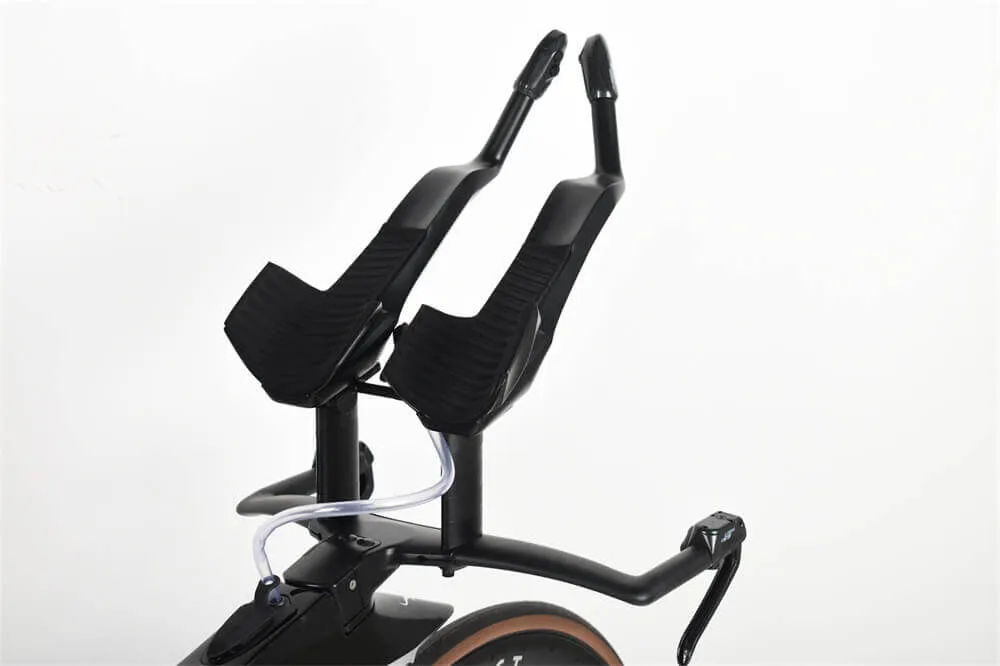
Road racing and triathlon performance now center on extreme aerodynamics, shifting carbon aero bars from optional upgrades to mission-critical components. With the global aerobars market valued at $300–500 million and projected to grow at a 6% CAGR, carbon fiber dominates the high-end segment. Market demand is pivoting toward Custom Carbon Fiber handlebars and OEM Carbon Fiber Aero Bars Customization, with a sharp focus on weight, stiffness, and ergonomics. As a factory-direct supplier, we offer integrated OEM solutions—from Custom Aero Bar Geometry Carbon Fiber Manufacturing to bespoke clamp systems—tailored for professional road and triathlon applications.
Market Demand & Application of Custom Aero Bars
Carbon aero bars have evolved from simple bolt-on upgrades into fully systematized components. Brands now prioritize the synergy of aerodynamic efficiency, weight optimization, and cockpit integration. Demand for Customize Carbon Fiber Aero Bars now hinges on fitment compatibility, rider positioning, and OEM development speed—critical factors for product differentiation and scalable mass production.
Why Brands Choose Customize Carbon Fiber Aero Bars
In premium road bike and triathlon lineups, lightweight performance and low drag are the primary drivers. Utilizing Custom Carbon Aero Handlebar Extensions allows for precise stack/reach tuning while maximizing the stiffness-to-weight ratio required for a stable, high-power race setup. Bespoke solutions also ensure a seamless match with a brand’s proprietary aero cockpit design language.
Road Cycling & Triathlon Usage Scenarios
Discipline-specific needs dictate bar design: road racing favors the versatility of clip-on aerobars, whereas long-distance triathlon relies on integrated aero bar systems for sustained comfort. The shift toward total integration and internal cable routing is pushing Custom Clip-On Carbon Aero Bars for Road Cycling toward higher integration levels and standardized mounting interfaces.
OEM & ODM Customization Models
When developing Customize Carbon Fiber Aero Bars, brands typically weigh the pros and cons of OEM vs. ODM. The primary differences lie in design ownership, tooling costs, lead time, and consistency control—all of which impact time-to-market and profit margins.
OEM Carbon Fiber Aero Bars Customization Workflow
The OEM model is brand-driven, offering total control over CAD modeling, aero geometry optimization, and carbon layup schedules. It is the go-to for unique Custom Carbon Aero Handlebar Extensions that require bespoke clamp interface design and guaranteed fitment compatibility with existing cockpit systems.
ODM Carbon Aero Bars for Triathlon Bikes Development
ODM solutions leverage factory-proven designs and structural validation for rapid market entry. By utilizing existing mold platforms to refine ODM Carbon Aero Bars for Triathlon Bikes, brands can slash R&D cycles and initial investment—perfect for high-volume e-commerce hits or entry-level aero upgrades.
Mass Production Strategy for Cycling Brands
Scalable production hinges on MOQ management, production lead time, and supply chain stability. A top-tier partner must provide rigorous QC and fatigue testing while acting as a Bulk Custom Carbon Aero Bars Manufacturer for Brands, ensuring batch consistency and sustained competitive advantage through reliable high-volume delivery.
Ergonomics & Aero Geometry Design
In Customize Carbon Fiber Aero Bars development, ergonomics and aero geometry are the primary drivers of product competitiveness. Brands demand a precise balance between rider fit, aero positioning, and long-distance comfort, all while maintaining OEM mass-production consistency. This remains the core challenge in high-end carbon cockpit engineering.
Custom Carbon Aero Handlebar Extensions for Rider Fit
To accommodate diverse riding styles, Custom Carbon Aero Handlebar Extensions must offer exact control over reach, stack, and extension angle. Through fitment tuning and ergonomic optimization, these components minimize fatigue and boost long-haul efficiency by finding the sweet spot between aero gains and comfort.
Custom Aero Bar Geometry Carbon Fiber Manufacturing Process
The Custom Aero Bar Geometry Carbon Fiber Manufacturing process utilizes CAD modeling and CFD simulations for aerodynamic optimization, paired with FEA analysis to refine rigidity. This rigorous engineering ensures a perfect balance between aero performance and structural integrity.
Lightweight Custom Carbon Aero Extensions Engineering
Elite Lightweight Custom Carbon Aero Extensions rely on a precise carbon layup schedule and high-modulus fibers. This engineering approach strips away weight without sacrificing torsional stiffness or impact resistance, ensuring race-level durability and long-term reliability in the field.
Clamp System & Compatibility Design
In custom aero setups, the clamp interface and fitment compatibility are critical for safety. Whether for 31.8mm or 35mm standards or specific carbon cockpit architectures, the clamping must balance torque control with stress distribution. This ensures stability during high-intensity efforts while maintaining ease of installation and system integration.
Custom Clip-On Carbon Aero Bars for Road Cycling Compatibility
When developing Custom Clip-On Carbon Aero Bars for Road Cycling, designs must fit various road bar profiles and riser/flat bar structures. Precise clamp diameter tolerance and anti-slip textures, combined with torque specifications, ensure secure attachment without crushing carbon. For varying cockpit dimensions, modular shims are recommended to maximize compatibility.
Carbon Cockpit Integration Challenges
With integrated carbon cockpits and internal cable routing becoming standard, aero bar systems must adapt to tighter spatial constraints. An integrated system requires precise clamping and extension angles to fit proprietary bars. In Custom Carbon Fiber Aero Bars development, dedicated routing channels and optimized interfaces are essential for a clean, high-performance look.
High-End Custom Aero Bar Systems
High-end aero systems are evolving from standalone components into fully integrated cockpits, with brands prioritizing the balance between aerodynamics, weight, and structural integrity. For Customize Carbon Fiber Aero Bars, the supply chain must deliver on aero efficiency, fitment compatibility, and OEM production stability—the three pillars of differentiation in the premium market.
Trends in Integrated Custom Carbon Aero Bar Systems
A one-piece cockpit offers superior drag reduction and clean integration but demands extreme tooling precision and complex internal routing. In contrast, modular setups offer the flexibility to suit various handlebars and rider fits. By leveraging CFD optimization and wind tunnel testing, Integrated Custom Carbon Aero Bar Systems can drastically minimize the drag coefficient.
High-End Custom Carbon Fiber TT Aero Bars for Racing
For TT and Ironman applications, the focus shifts to extreme aero positions and sustained comfort, specifically regarding extension angles and armrest adjustability. High-end Custom Carbon Fiber TT Aero Bars must pass rigorous fatigue testing and meet UCI standards to guarantee reliability under professional racing conditions.
Advantages of Carbon Aero Bar Private Mold Customization Services
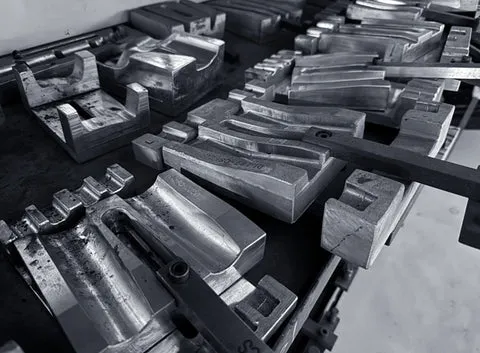
Developing private tooling allows brands to establish unique aesthetic and structural barriers while optimizing the layup and weight distribution. Through a Carbon Aero Bar Private Mold Customization Service, brands gain end-to-end control from design patents to mass production, driving both brand premium and market competitiveness.
Manufacturing & Supplier Selection
In the carbon aero cockpit supply chain, factory capability dictates product stability and brand competitiveness. For B2B clients, the focus shifts from price to OEM Carbon Fiber Aero Bars Customization expertise and engineering depth. A mature supplier must integrate clamp system safety design, carbon layup control, and fatigue testing to ensure uniform performance from prototype to mass production.
Professional Triathlon Carbon Aero Bars Custom Supplier Evaluation
Criteria include composite R&D and QC systems—specifically layup precision, torque testing, and aero validation. It is critical that the engineering team has proven experience in Custom Aero Bar Geometry Carbon Fiber Manufacturing, offering DFM optimization and ergonomic fitment support for long-term viability.
Bulk Custom Carbon Aero Bars Manufacturer for Brands Production
Mass production demands optimized costs and reliable delivery. A top-tier manufacturer provides scalable capacity and standardized testing to support Custom Clip-On Carbon Aero Bars for Road Cycling orders. Streamlined workflows that control lead times and minimize defects are essential for batch consistency and rapid market deployment.
Custom Development Process Overview
The customization of carbon aero bars follows a standardized engineering workflow. Every stage, from design to validation, impacts aerodynamic performance, clamp safety, and fitment compatibility. For brands, the goal is shortening cycles without sacrificing consistency. A professional Carbon Fiber Aero Bar Custom Design Service must provide end-to-end OEM engineering and traceable testing.
Carbon Fiber Aero Bar Custom Design Service Workflow
The process moves from requirement analysis to CAD modeling and CFD optimization, followed by mold development, pre-preg layup prototyping, and rigorous fatigue validation. This workflow is central to Custom Carbon Fiber Aero Bars and Custom Aero Bar Geometry Carbon Fiber Manufacturing, balancing weight, stiffness, and aerodynamics.
Sample Testing & Production Approval
Prototyping focuses on torsional stiffness, clamp torque verification, and trials simulating Ironman conditions. Upon clearing these, the brand provides final approval—covering finish and assembly compatibility—to ensure mass-produced High-End Custom Carbon Fiber TT Aero Bars meet elite performance and consistency standards.
Conclusion
The carbon aero cockpit is rapidly evolving from modular components into a fully integrated aero system. Future OEM Carbon Fiber Aero Bars Customization will place greater emphasis on CFD optimization, structural integration, and fitment universality. For brands, the competitive edge in the supply chain has shifted toward Carbon Fiber Aero Bar Private Mold Customization Service and rapid prototyping, with lightweight construction and high stiffness now being the baseline requirements.
| Trend Area | Current Direction | OEM Value for Brands | Engineering Focus |
|---|---|---|---|
| Integration | One-piece aero cockpit systems | Strong brand differentiation | Internal cable routing + structural bonding |
| Weight Reduction | Ultra-light carbon layup design | Improved race performance | Pre-preg optimization + stiffness balance |
| Aerodynamics | CFD-optimized geometry | Lower drag, higher speed efficiency | Wind tunnel validation + shaping refinement |
| Customization | Private mold development service | Exclusive product positioning | Tooling control + geometry customization |
| Fitment | Universal & modular clamp systems | Wider bike compatibility | Torque safety + interface standardization |
Future of OEM Carbon Aero Cockpit Systems
Integrated carbon fiber handlebar aero cockpits and Custom Aero Bar Geometry Carbon Fiber Manufacturing represent the future of the industry. By merging clamp integration with seamless internal routing, High-End Custom Carbon Fiber TT Aero Bars are pushing the boundaries of drag reduction and structural rigidity, helping brands establish powerful, differentiated market positions.